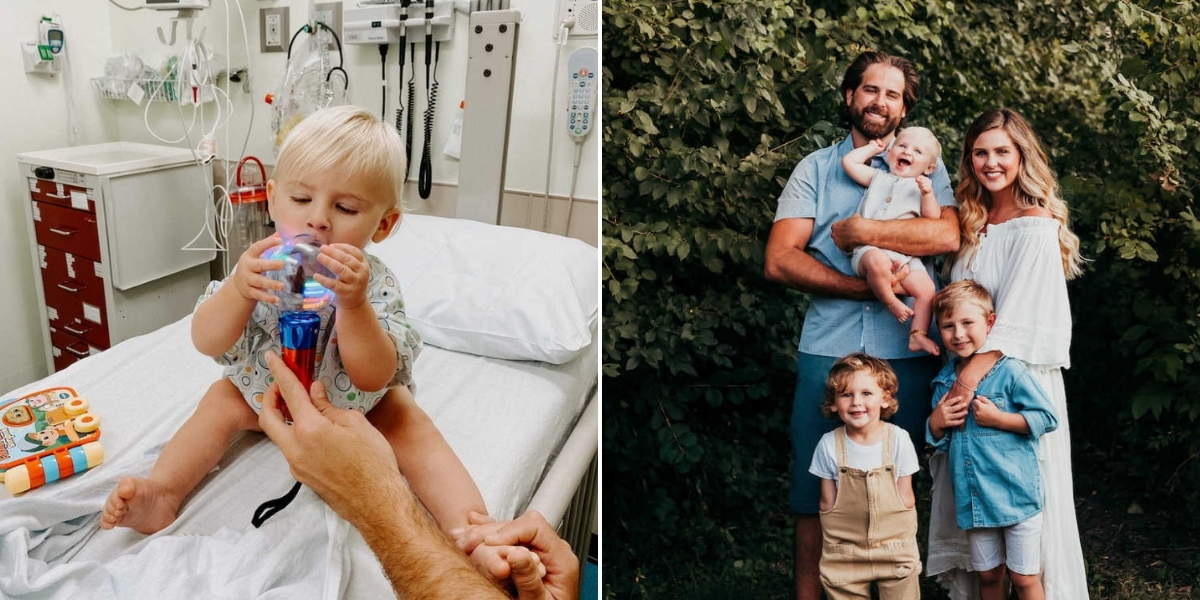
“I agree with you. I believe there is something neurological going on with your son, and we should refer him to a neurologist right away.”
Those were the words I had waited months to hear. Not because I wanted my intuition to come true, but because I had been a mother with a persistent, nagging feeling—one I couldn’t justify or explain—about my baby. Months of gut instinct, of quietly worrying, and of wondering if I was just overthinking it, finally met validation.
Gus was ten months old when my concerns could no longer be brushed off with the familiar line: “All babies develop at their own pace.” Our third son could not sit up on his own. He didn’t wave, clap, babble, or coo. But he had a gift all his own—an infectious smile and sparkling baby blues that could light up a room and soothe even the heaviest heart. Despite his delays, his presence was pure and healing.
I had experienced a textbook pregnancy and a dream hypnobirth. Gus entered this world calmly, as if he had been planning it all along, and latched immediately. Those first twenty-four hours were a newborn bliss high that felt almost too perfect to be real. But by the next day at home, something felt off. Feeding him became a struggle. His latch was weak, nearly absent, and he seemed to forget how to eat. Hours were spent at the breast, only for him to spit up so much that it felt like he was starving all over again.
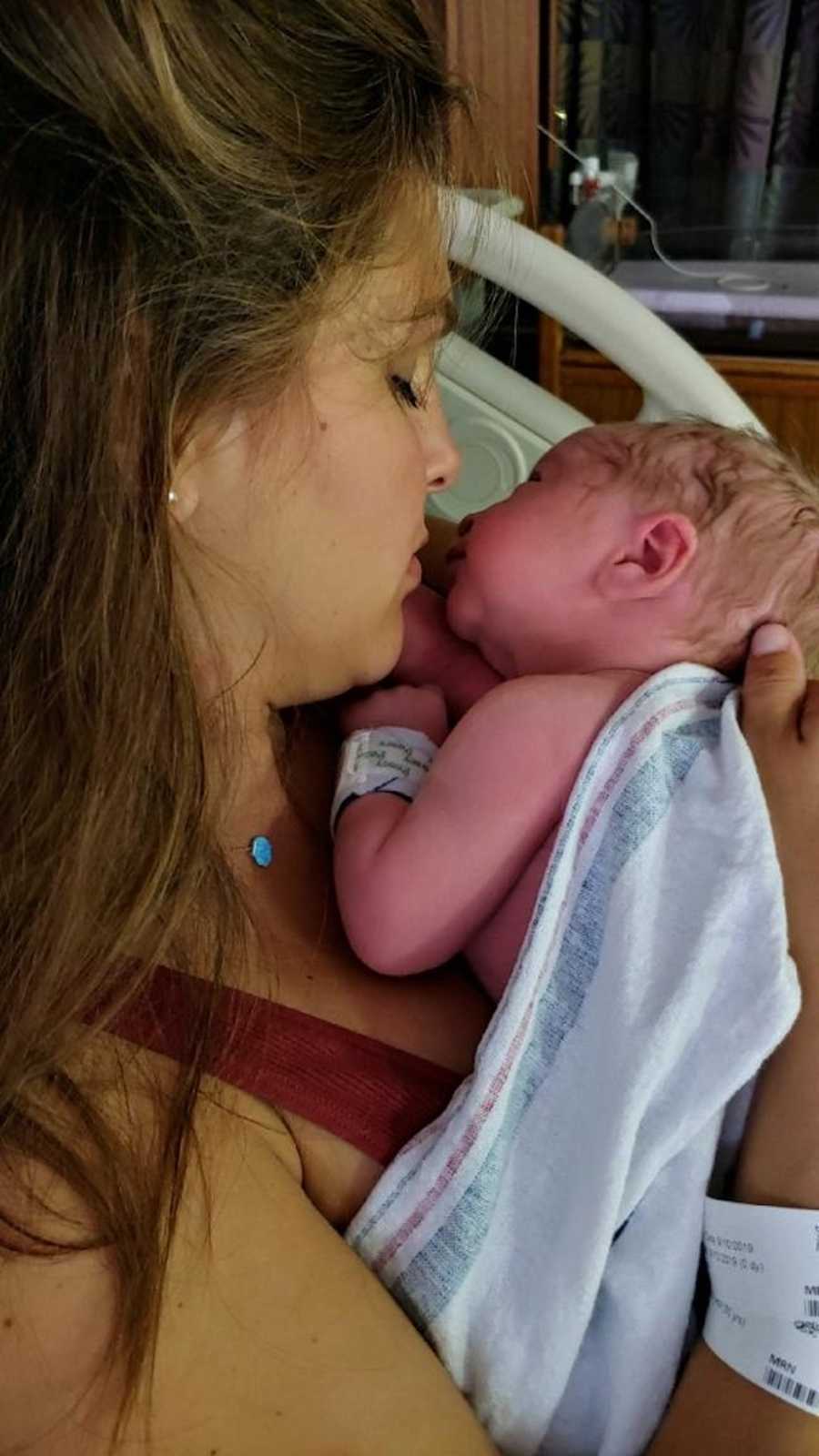
At his one-week check-up, our beloved pediatrician suggested severe acid reflux. I eliminated all dairy and soy from my diet, but Gus’s difficulties only worsened. By his one-month visit, our once plump newborn looked frail. Weight loss had replaced weight gain, and he was admitted to the ER for concerns of “Failure to Thrive.” Days passed in the hospital, filled with tests I had never heard of, each result sending a wave of nausea and heartache through me. Thankfully, the results came back normal.
While in the hospital, we tried hypoallergenic formula and met with yet another lactation consultant. She kindly suggested adjusting feeding positions, confirming no tongue or lip ties. But I felt helpless, consumed by guilt, embarrassed that our baby was “failing to thrive” under my care. It was my fault—or at least, that’s what my heart told me.
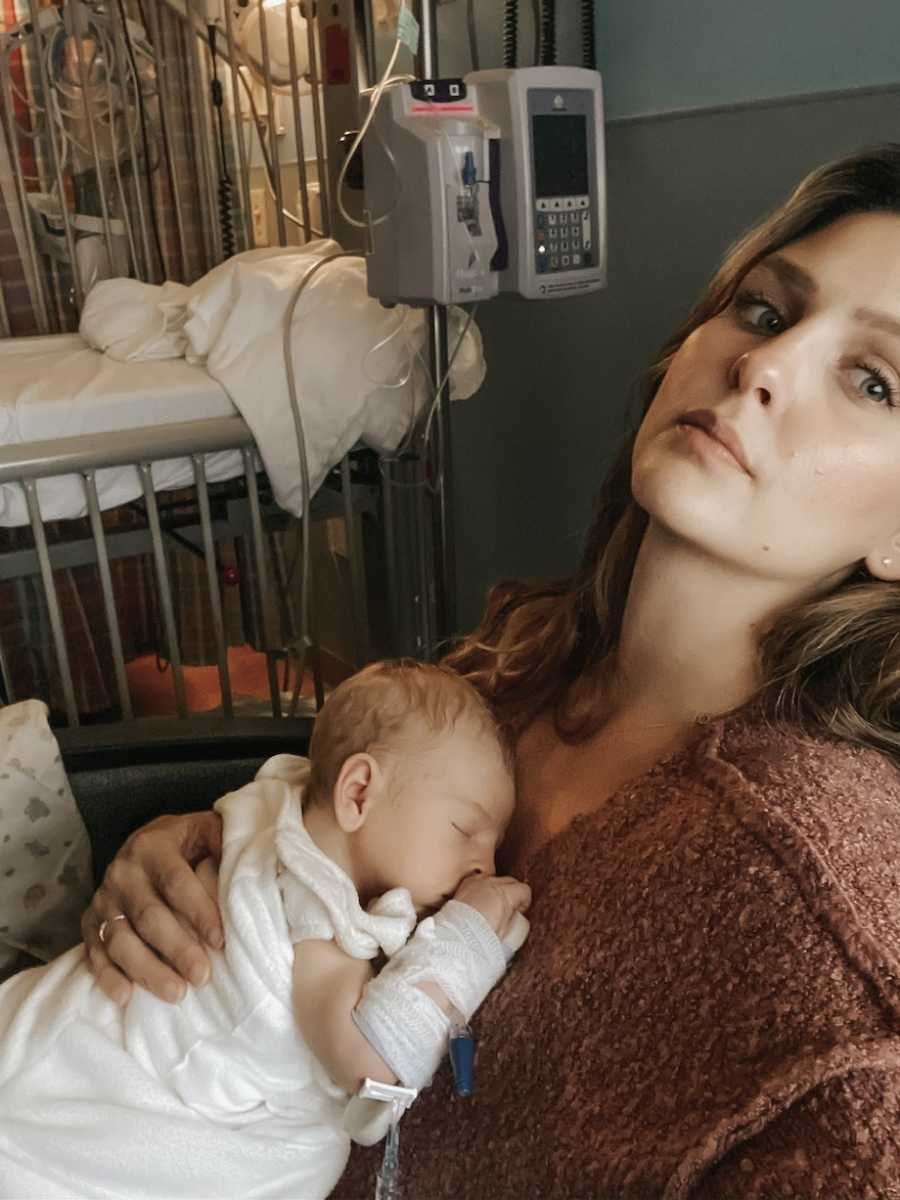
Amid the chaos, I found solace in a third-shift nurse. A kind, gentle man with a calm presence, he would kneel beside me as I rocked Gus, offering words that pierced straight to my heart: “I have a severely Autistic daughter. It’s not the life we planned, but she’s the joy of our lives. It gets easier.” And then, softly: “I believe your son has Autism.”
He was wrong about the diagnosis, but not about his empathy. His words remain etched in my memory, a reminder that even in uncertainty, kindness matters.
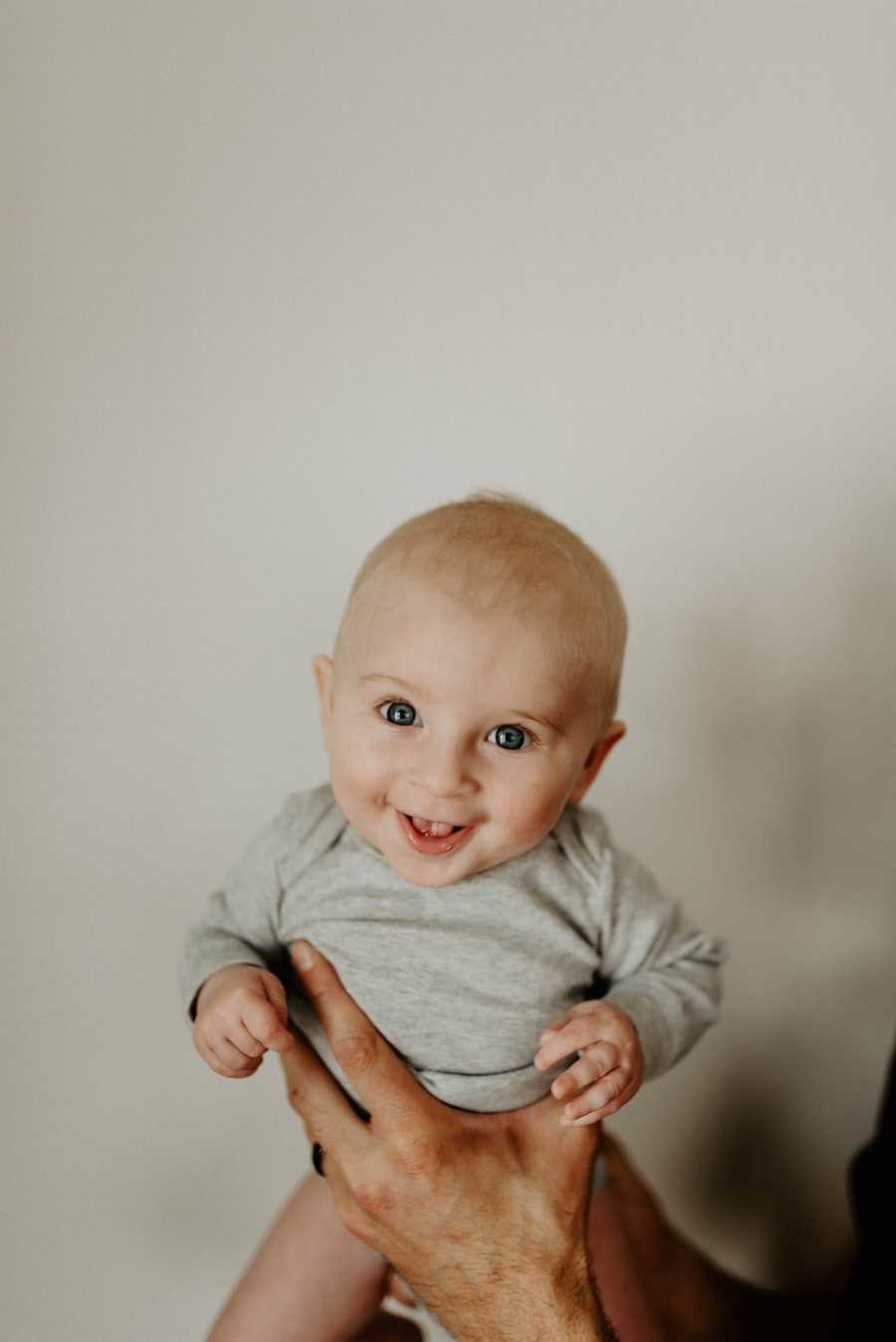
We left the hospital with formula, yet no real answers beyond “severe acid reflux.” Months passed. Breastfeeding ended entirely, replaced with an expensive, hypoallergenic formula. Gus continued to spit up violently, and weight gain remained measured in ounces, not pounds. Still, his joy persisted. Even through feeding misery, he remained a happy, radiant little boy.

By six months, my concerns intensified. Gus’s movements were rigid, his left eye wandered, and he could do little beyond rolling and bouncing when held. By seven to eight months, a mild jerkiness appeared in his movements—subtle, but familiar to me after seven years working in Traumatic Brain Injury. Night after night, I frantically searched the internet, desperate for answers: “jerky movements in 8-month-old,” “inability to sit, pull up, no babbling.” I even convinced myself he might have cerebral palsy.
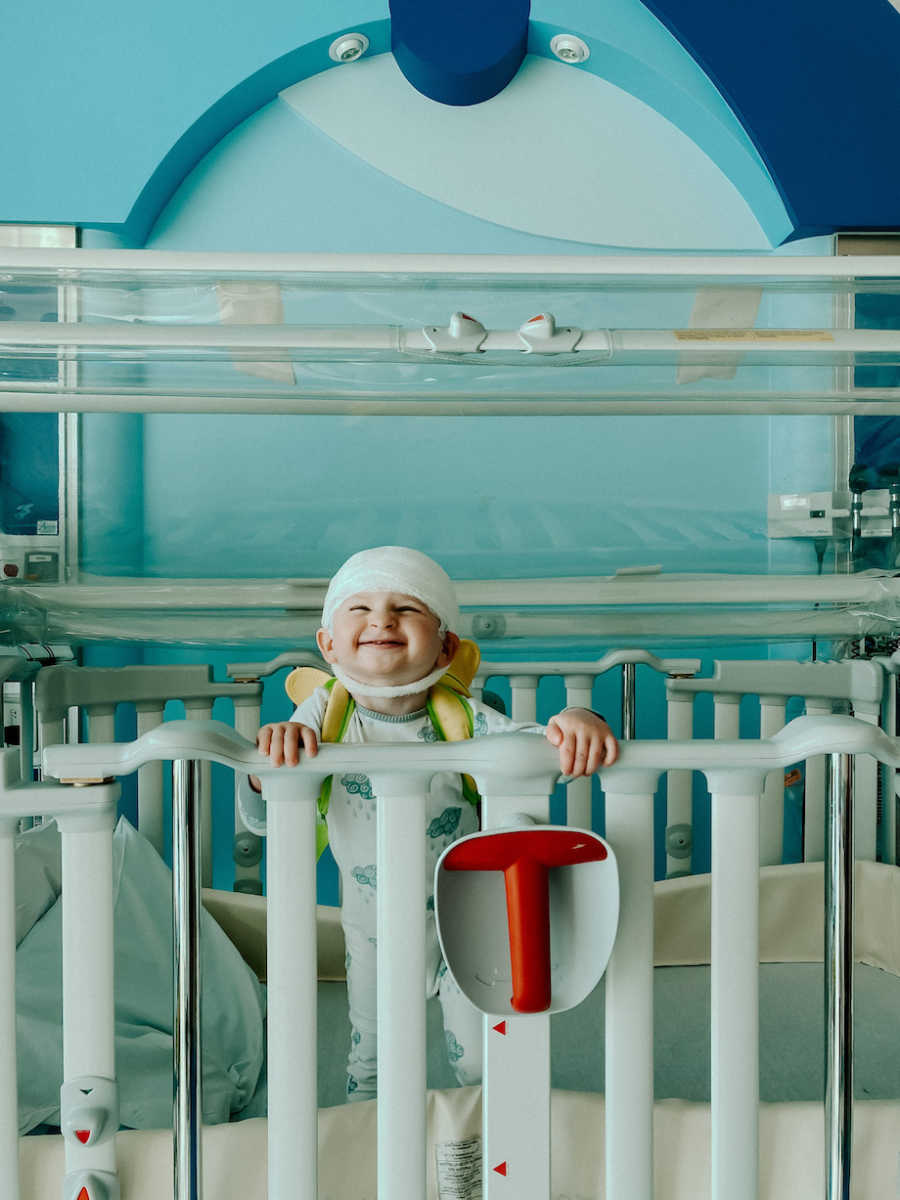
By nine months, I could no longer wait. I called our pediatrician, listing every concern and invoking my motherly intuition. I wanted answers, now. After playing with Gus, bouncing him, laughing at his smile, our pediatrician paused, nodded, and said, “You’re right. I believe something neurological is going on. Let’s refer him to a neurologist.”
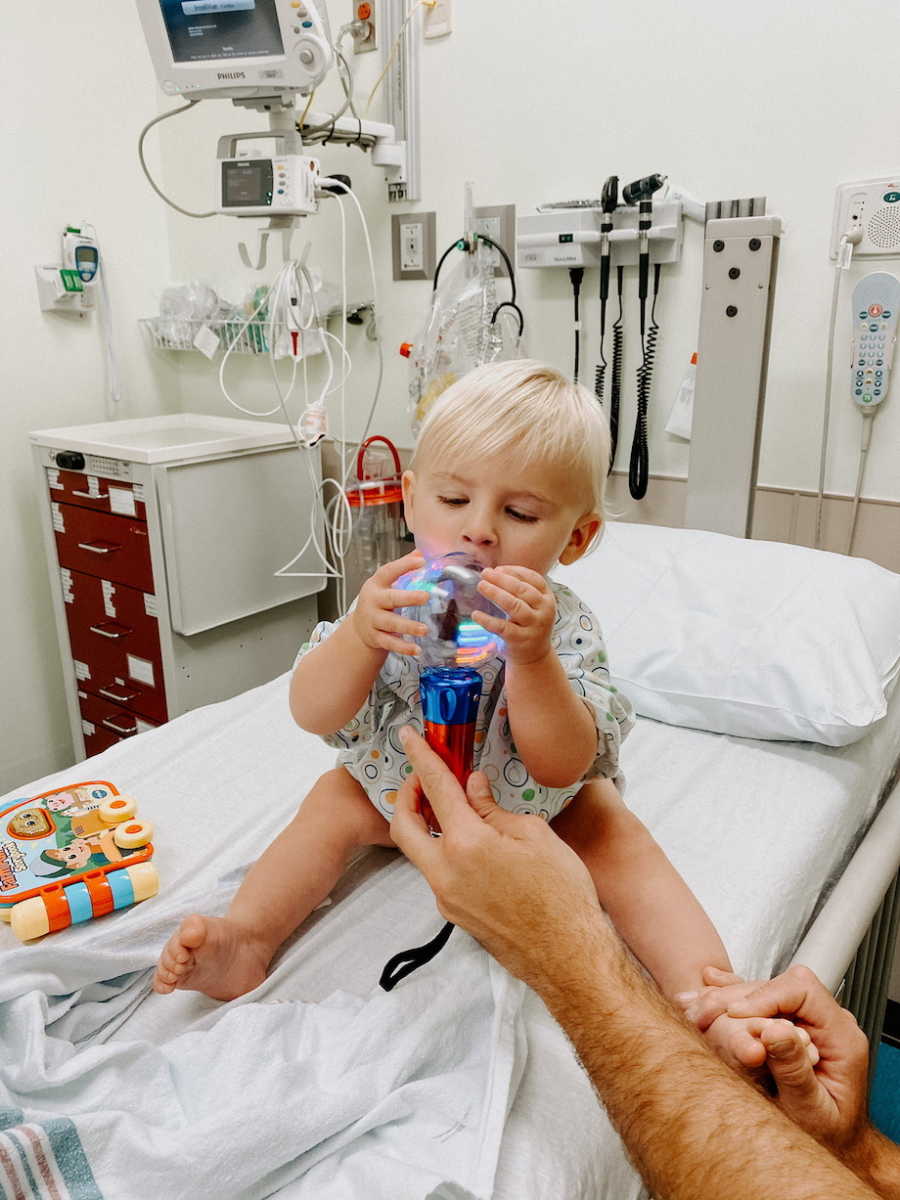
Instant relief washed over me. Not because I wished for a diagnosis, but because someone finally validated what I had known all along. After his neurology appointment, everything moved quickly. OT, PT, and speech therapy were immediately prescribed. His jerky movements and lack of verbal or nonverbal communication were evident to all. Genetics screening and MRI were ordered.
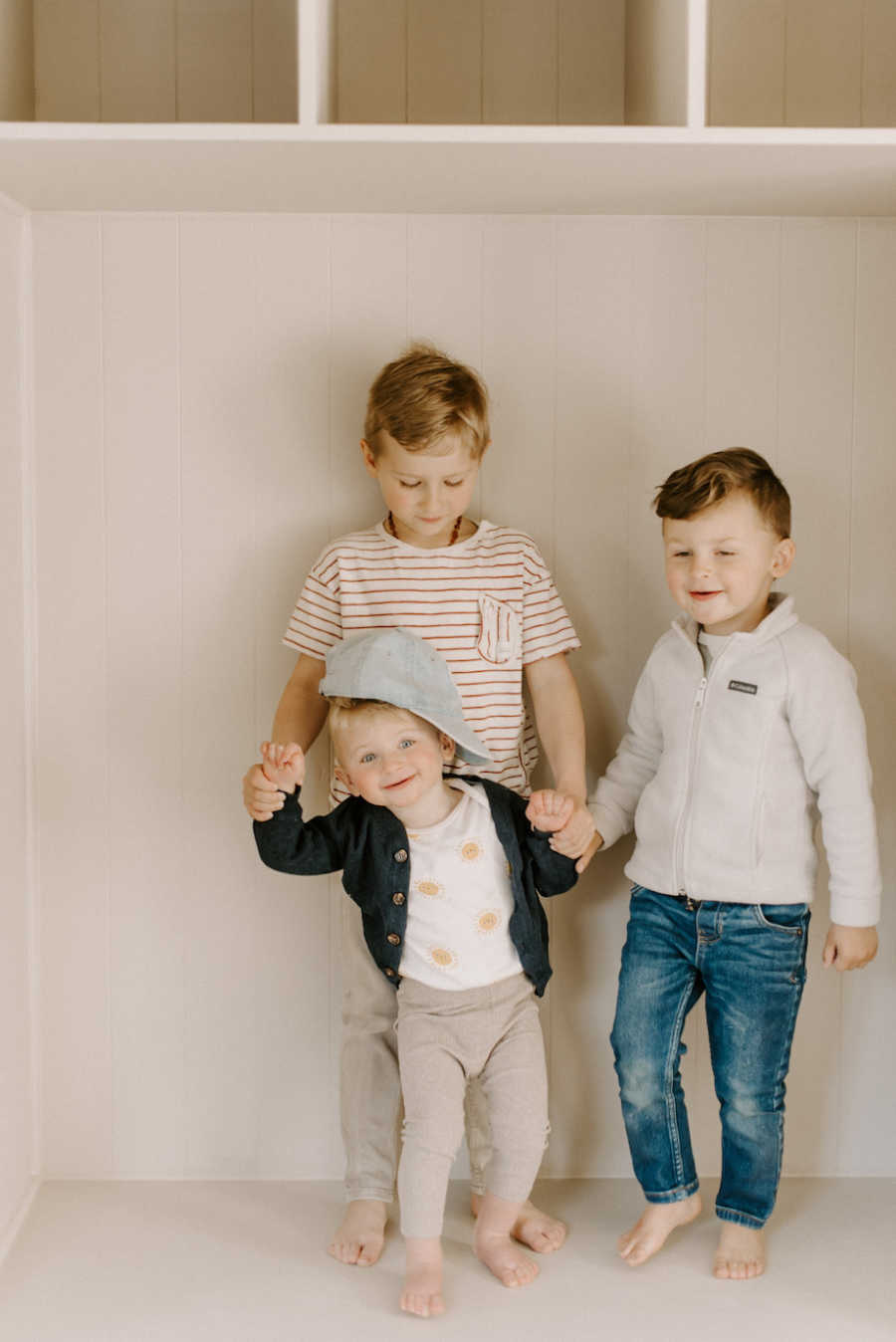
Around his first birthday, a genetics counselor introduced the list of possibilities: Prader-Willis, Down syndrome, and then… Angelman Syndrome. I had never heard of it. But the moment I searched, I felt certain: THIS IS IT. Feeding difficulties? Check. Universal developmental delays? Check. Balance and coordination struggles? Check. Wandering eye? Check. Little to no speech? Check. Constantly happy demeanor? Check. Each box aligned with Gus perfectly.
On October 26, following MRI and full genetics screening, the diagnosis was confirmed: Angelman Syndrome, a rare microdeletion on the 15th chromosome affecting roughly 1 in 15,000. My emotions swirled—relief, grief, love—but the grief was short-lived. I had known from the start that Gus was special. I had already begun celebrating him: his uniqueness, his light, and the joy he brings to our family.
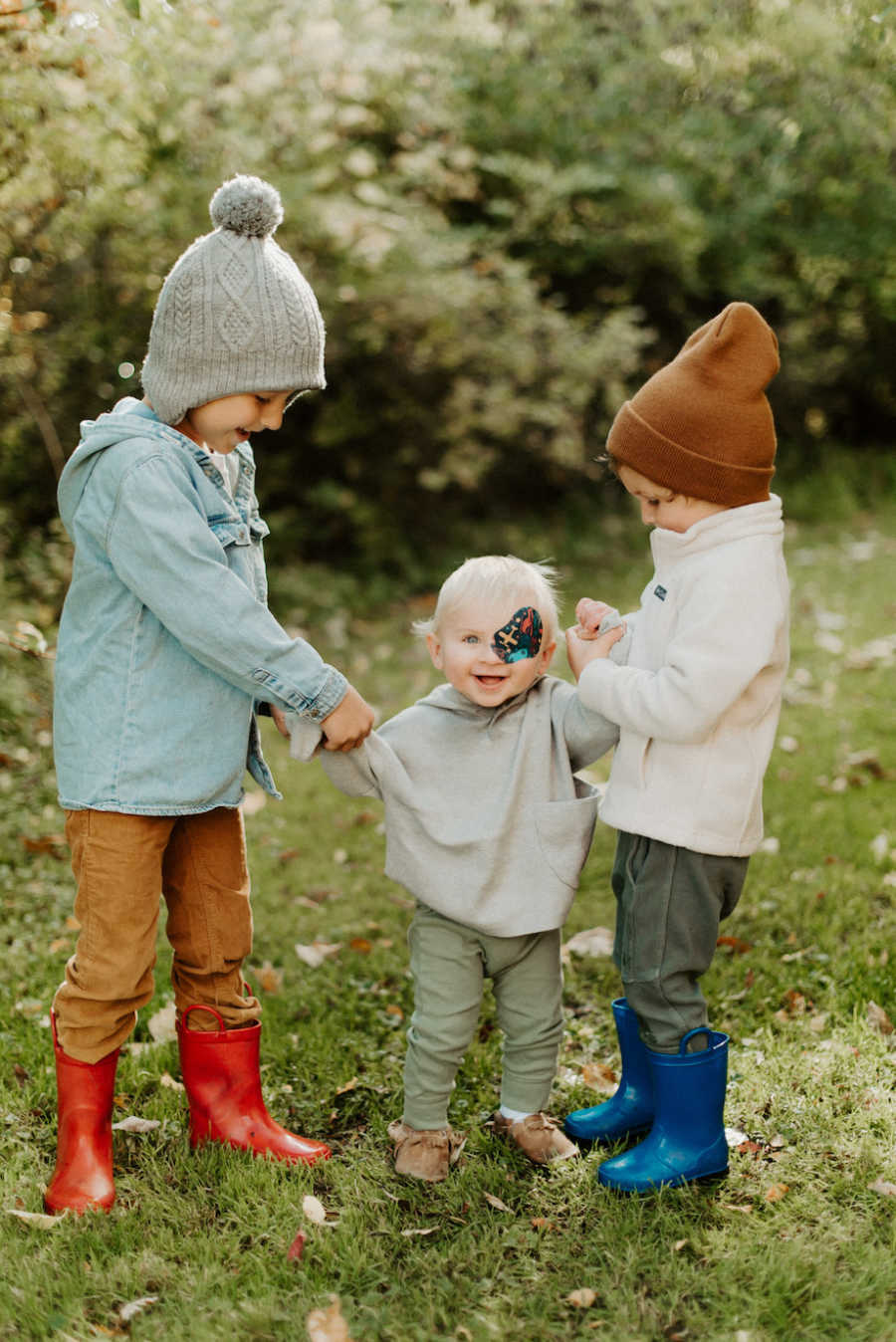
Now, at twenty months, Gus has made incredible progress. He’s conquered gross motor milestones, though seizures remind us of the ongoing challenges. He eats solids with minimal concern, though he chews instead of sucking from a cup. He cannot walk independently yet but navigates furniture with ease, keeping up with his brothers through a turbo-style crawl. His babbling is growing, and he even says “mama” occasionally. More than anything, he communicates through his body, hugs that squeeze the heart, smiles that heal, and pure, joyful presence.
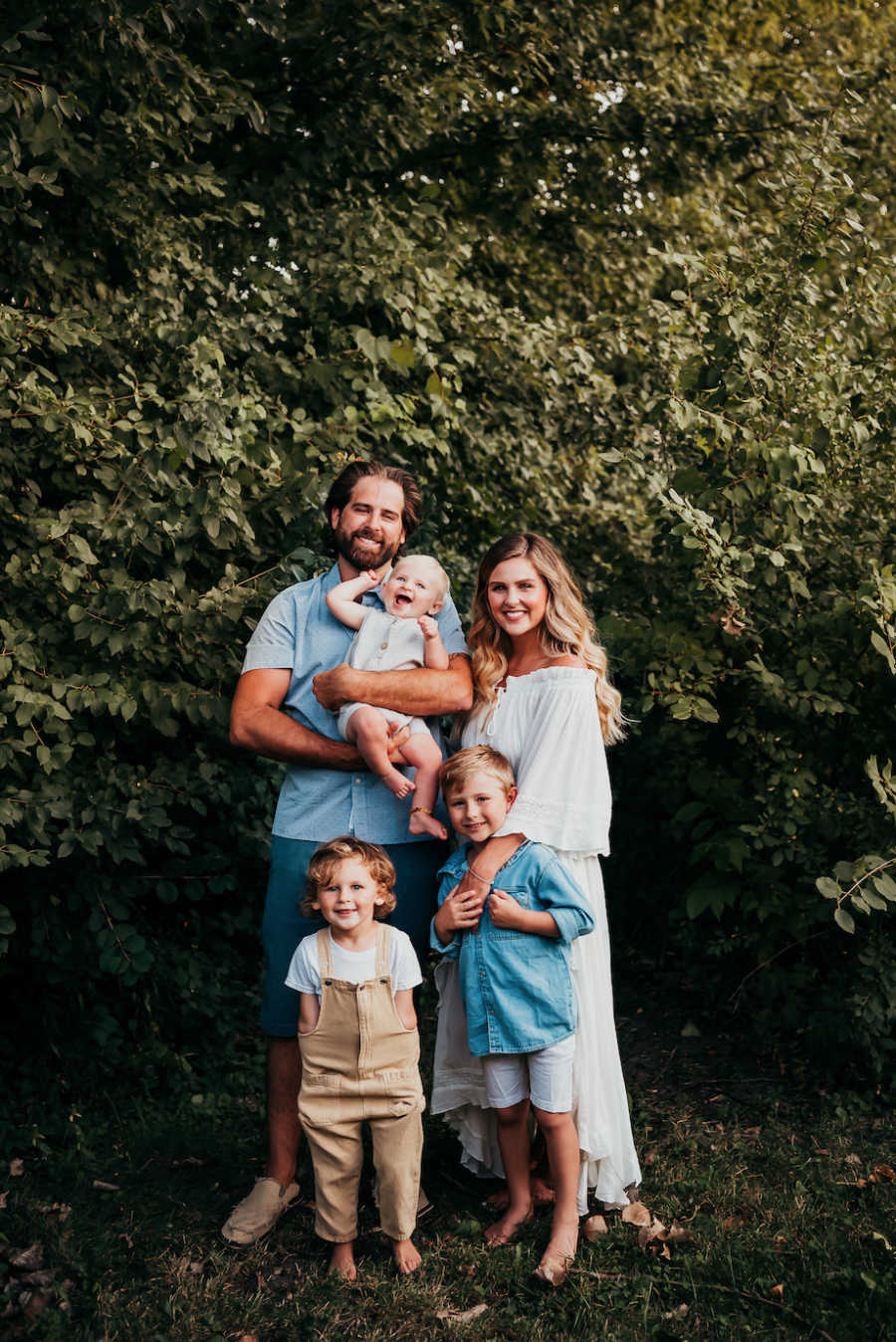
Social media has connected us with other Angelman families, providing comfort, shared stories, and hope. What we’ve learned through Gus has been transformative. The path we didn’t choose is now the life we wouldn’t trade. Just like the “Welcome to Holland” essay suggests, it wasn’t the vacation we expected—but it is the life we were meant to live. Gus, with all his brilliance and love, has shown us what it truly means to celebrate difference, embrace joy, and love unconditionally.