Being severed from my ethnic culture was not my choice as a child, but reclaiming it as an adult has been entirely mine. This is my personal story of how I lost what was once mine and how I found it again through years of searching, reflection, and resilience.
It was June 1983 when my adoptive mother traveled all the way from the Midwest to El Salvador to meet me for the first time. I don’t remember that first meeting, yet I can still tap into the emotions of that three-year-old child: confused, scared, and utterly lost. Little did I know, I was about to be uprooted from my language, my culture, and my homeland, transported to a country where people didn’t look like me, speak like me, act like me, or dress like me. The meeting itself was brief, and before I even had time to process, I was on a plane to St. Louis, Missouri—a plane that would carry me to a life of both challenge and discovery, a life-long search for a sense of home.
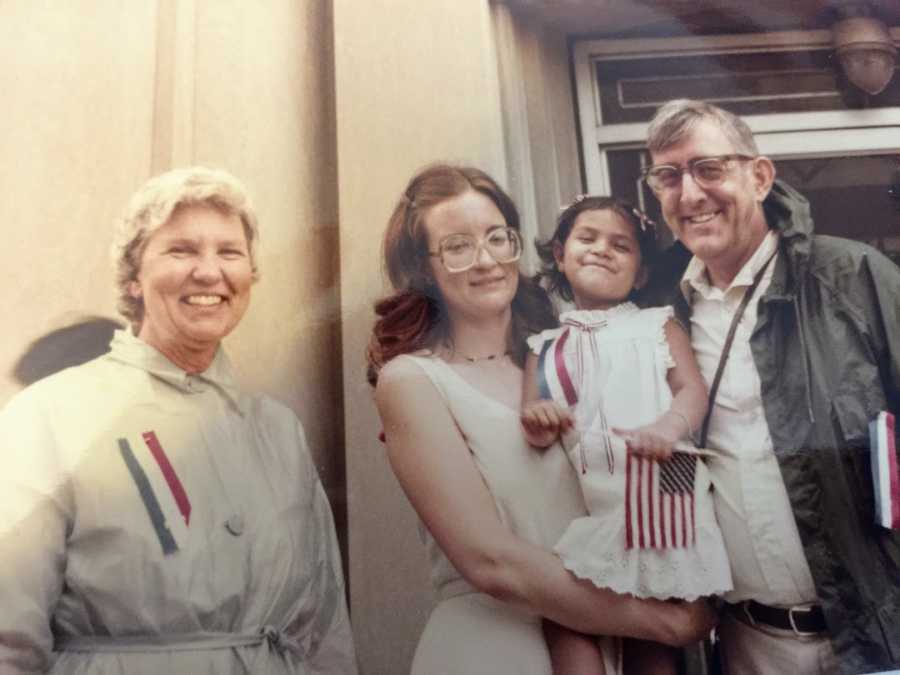
If you can imagine, as a young child, I was forced into survival mode. To communicate with my new family, I had to learn English quickly, almost instantly becoming a “chameleon,” a brown-skinned child navigating a white world. That ability to adapt would become a tool I relied on many times as I grew. My first summer with my adoptive mother and her parents was a whirlwind of learning, adapting, and trying to fit in, all while slowly absorbing the loss of the culture I was born into.
As a small child, I didn’t yet fully realize I was different, but I noticed. I remember a vivid kindergarten memory: meeting a girl of Indian descent and being overjoyed that our skin tones matched. I put my forearm against hers and exclaimed, “We are the same color!” In 1980s white-suburbia St. Louis, there were almost no children of color. It wasn’t until my adopted sister arrived in 1987 that I had another child of color in my household. My mother befriended a woman who had adopted two girls from El Salvador as well, and the four of us would play together—often the only children of color at playgrounds or community outings.
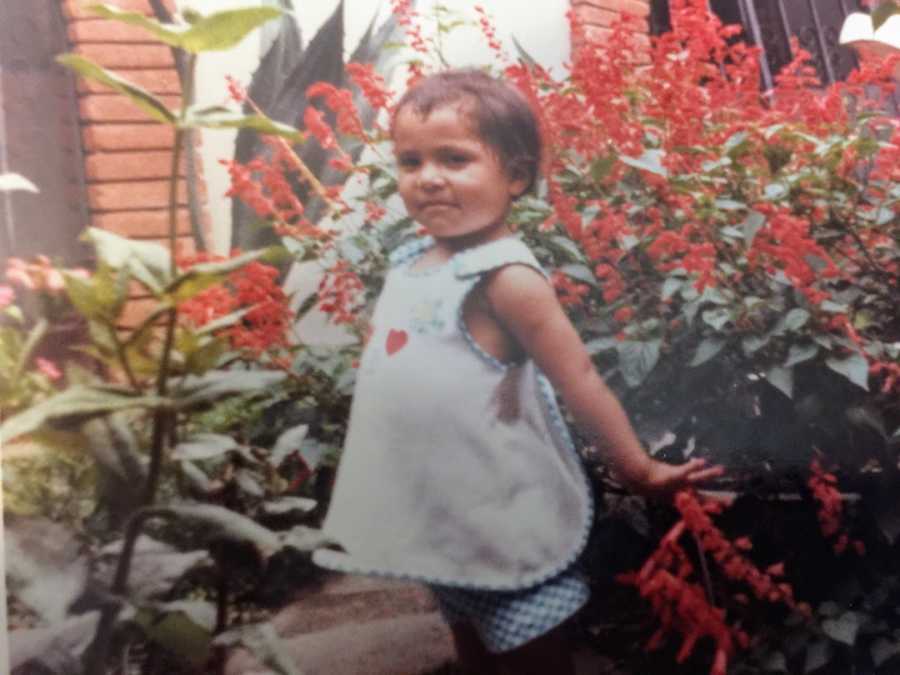
What I didn’t understand at the time was how profoundly this lack of community would shape me. Growing up without Latinx peers or role models, I experienced a sporadic connection to my cultural roots. At school, at camp, in church, and throughout my community, I felt the weight of whiteness pressing down, a constant reminder that I didn’t fully belong. This feeling of marginalization slowly grew into anger, frustration, sadness, depression, and, at times, thoughts of suicide.
When I joined a Ballet Folklórico group at age twelve, I caught a glimpse of the community I had been missing. Dancing on stages across St. Louis, I met people who shared my culture, even if I couldn’t yet speak Spanish fluently. For the first time, I felt pride, excitement, and belonging. That experience sparked a determination in me: I would learn Spanish, and I did, starting with classes offered at my middle school.
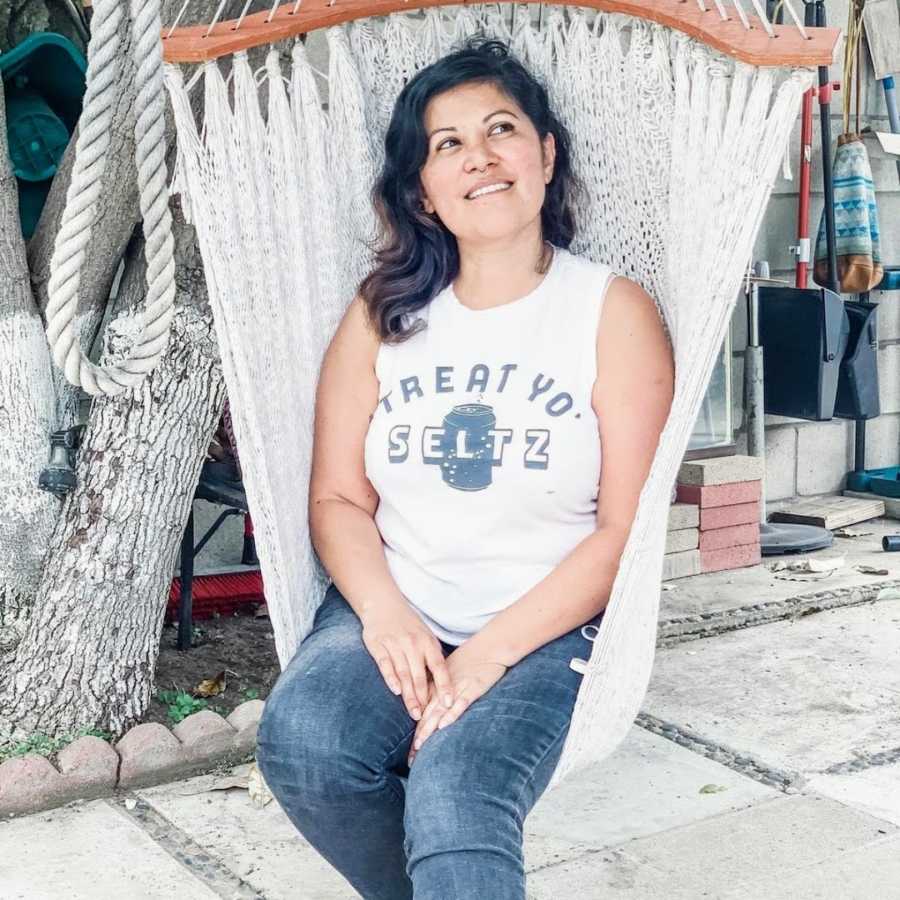
High school brought its own set of trials. Adolescence felt like a constant wave of insecurity, unworthiness, and loneliness. My family structure offered little space to express emotions. My mother, a single parent, worked tirelessly as a teacher while battling exhaustion and health struggles of her own. Safe spaces for me to speak, to use my voice, or simply be myself were rare. Outgoing by nature, I sought outlets wherever I could—joining the tennis team, continuing Ballet Folklórico, and staying as active as possible.
Being raised by an educator, expectations were high, and I often heard, “You have to work harder,” or, “People won’t take you seriously because of how you look.” These messages reinforced a narrative of struggle that I carried well into adulthood. I tried to fit in, even with other Latinx students, only to face rejection for not being “Latina enough.”
Junior year of high school marked a turning point. I befriended a biracial girl whose mother was Mexican and father was white. We didn’t explicitly discuss it, but I was drawn to her, to her ability to navigate two worlds—something I knew intimately. College amplified that journey. At eighteen, leaving home for a small liberal arts college was transformative. I found a comfort zone among international students of color, yet I also navigated the complexities of my dual identity. Some Latin American students questioned my Spanish or my adoption story; white peers often overlooked my experiences entirely, claiming they “didn’t see color,” leaving me feeling like a token “brown friend.”
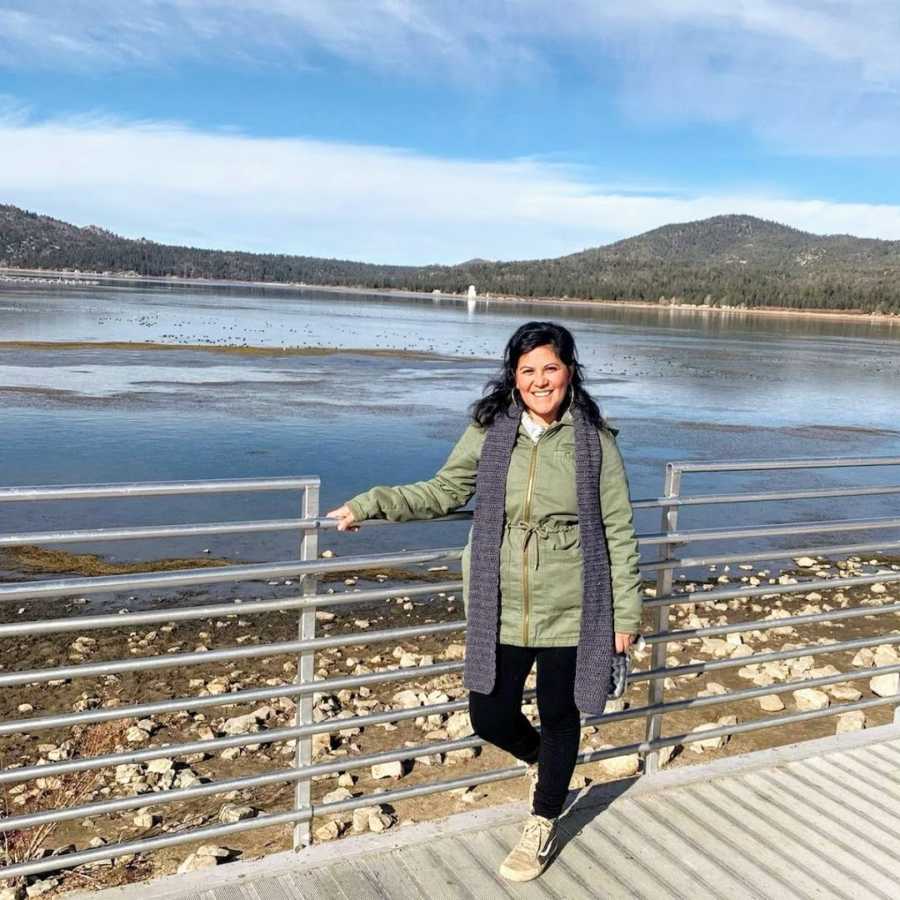
Sophomore year, the weight of years of isolation and internalized struggles culminated in a deep depression. Outwardly, I seemed to have it together: good grades, active in student organizations, a T.A., tennis player. Inside, I was crying out for help. A pivotal moment came during my first study abroad trip in Nepal, my first international travel since adoption. Immersed in the rich, vibrant culture of a developing country, I reflected on my own journey—grateful for opportunities yet wistful for the life I had been taken from.
As a child, I was often told, “You are so fortunate to be adopted! Can you imagine where you would be if you hadn’t been adopted?!” These messages led to a complicated mix of guilt and pride—a hallmark of the transracial adoptee experience. By my final semesters of college, pride prevailed. I co-founded the Latin American Student Union (LASO), a women’s organization, and pursued a second study abroad in Peru.
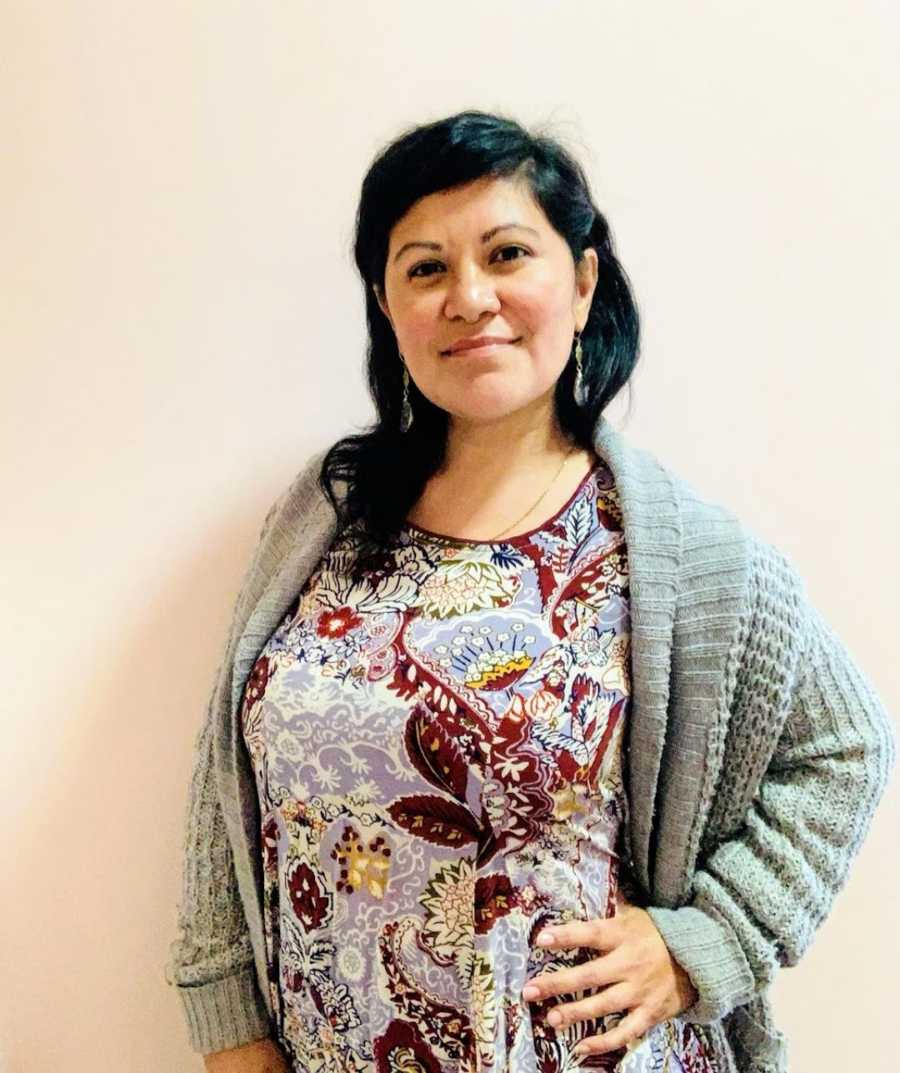
Peru was life-changing. Immersed fully in the culture I had longed for, I spoke Spanish fluently and was mistaken for a local. For the first time, I truly felt at home. After college, I took a leap of faith, moving to San Diego with little more than my belongings and two friends. There, I discovered a thriving Latinx community, particularly the Chicano community, who embodied the “straddling of two cultures” I knew so well.
Graduate school in San Diego deepened my understanding of identity, race, and transracial adoption. I became my own research project, studying adoptee narratives, interviewing others, and witnessing reunions with birth families. I realized my experiences of depression, marginalization, and unbelonging were shared by others. I was not alone. Today, social media has allowed these stories to be shared widely, and I am grateful to contribute to this growing collective understanding.
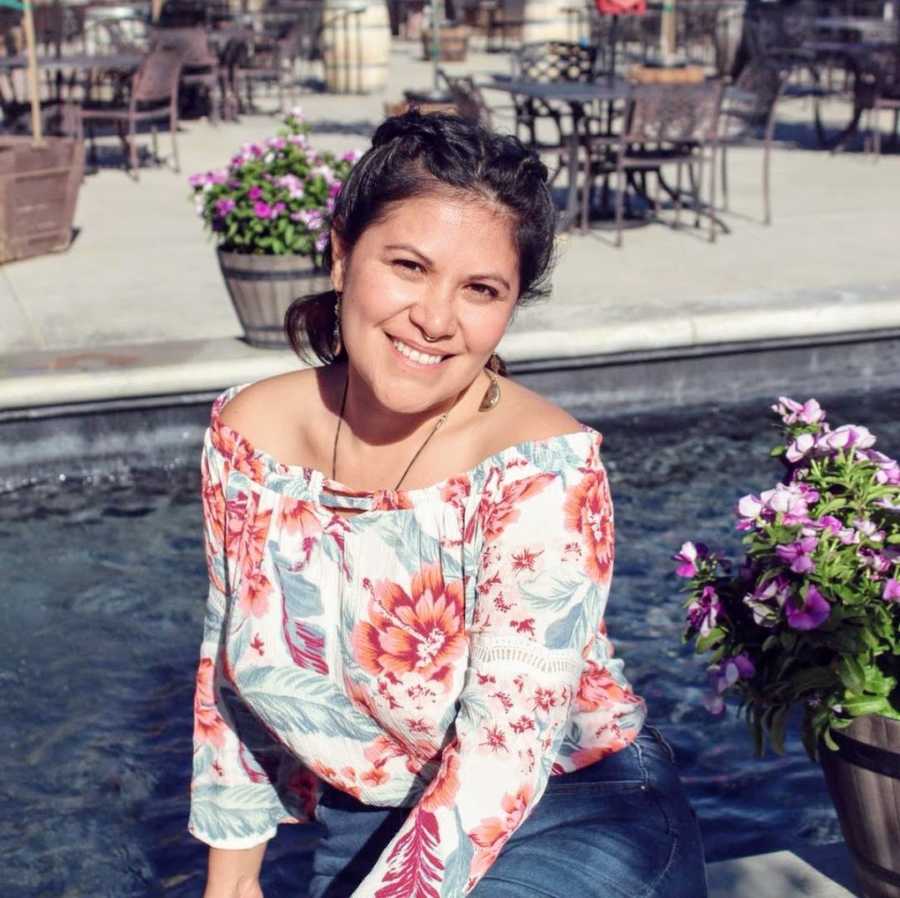
The identity of an international transracial adoptee is complex. We carry ancestral trauma, are severed from our culture, and often find ourselves transplanted into predominantly white spaces. The journey can feel lonely and disorienting. But as a Latina transracial adoptee, I have chosen to celebrate my story and embrace my heritage fully. By reclaiming the pieces of my culture that were once taken from me, I now live authentically, purposefully, and with a profound sense of home—finally finding that home within myself.
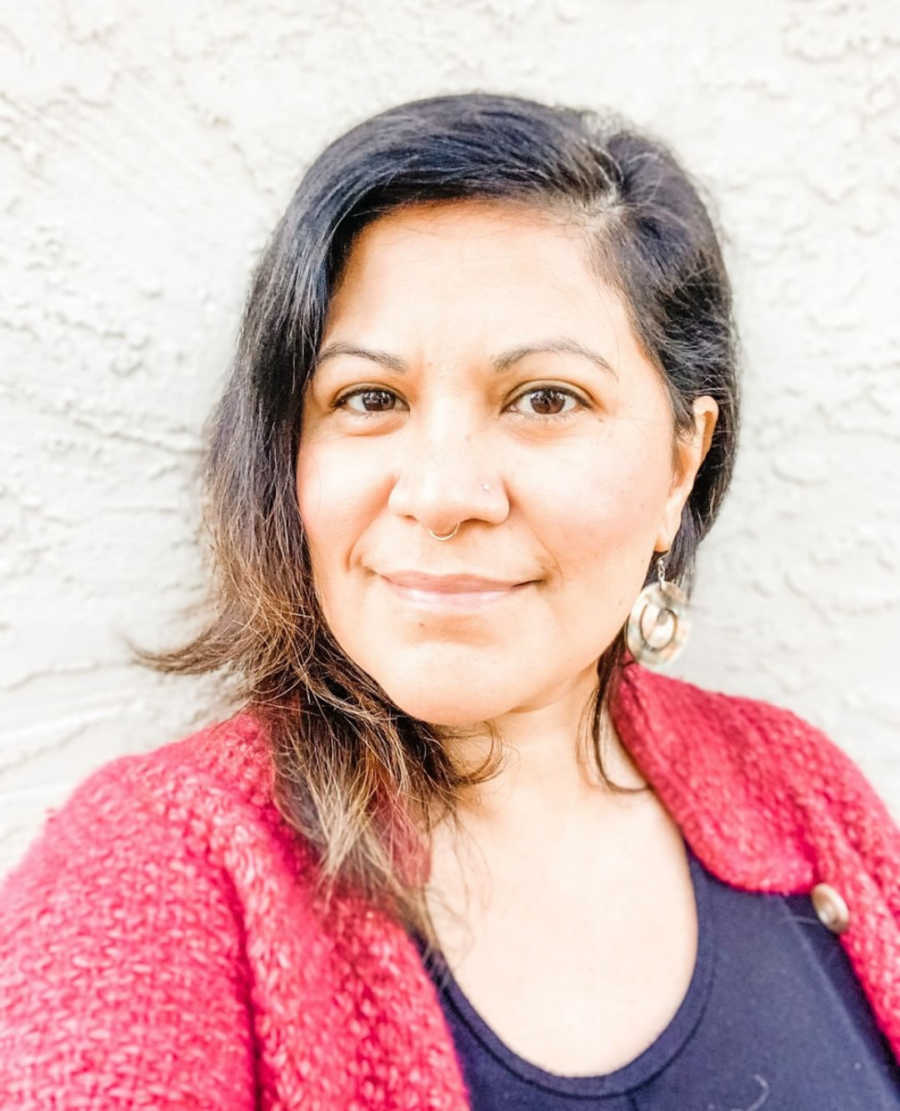
Through sharing my story, I hope to offer permission to others to seek, reclaim, and celebrate their own identities, no matter the obstacles. Home is not always a place—it’s a journey that lives within us.