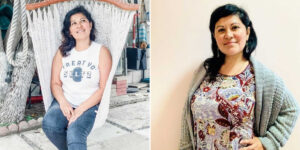
“‘You’re pregnant, aren’t you?’ our oldest daughter—then 16—jokingly asked during a family phone call. Mom was in Florida on a business trip at the time, having found out just two days before leaving that she was, in fact, pregnant. We laughed, then smiled, and soon the excitement spread through the entire family.
We were thrilled.
That joy shifted abruptly at our 20-week ultrasound. What should have been a routine appointment became life-altering when abnormalities were seen in the brain. Follow-up appointments revealed areas that appeared to be missing, along with others that were misshapen. We were gently but clearly prepared for the possibility that our baby would be delivered directly into hospice care. With heavy hearts, we began preparing our children for that reality as well.
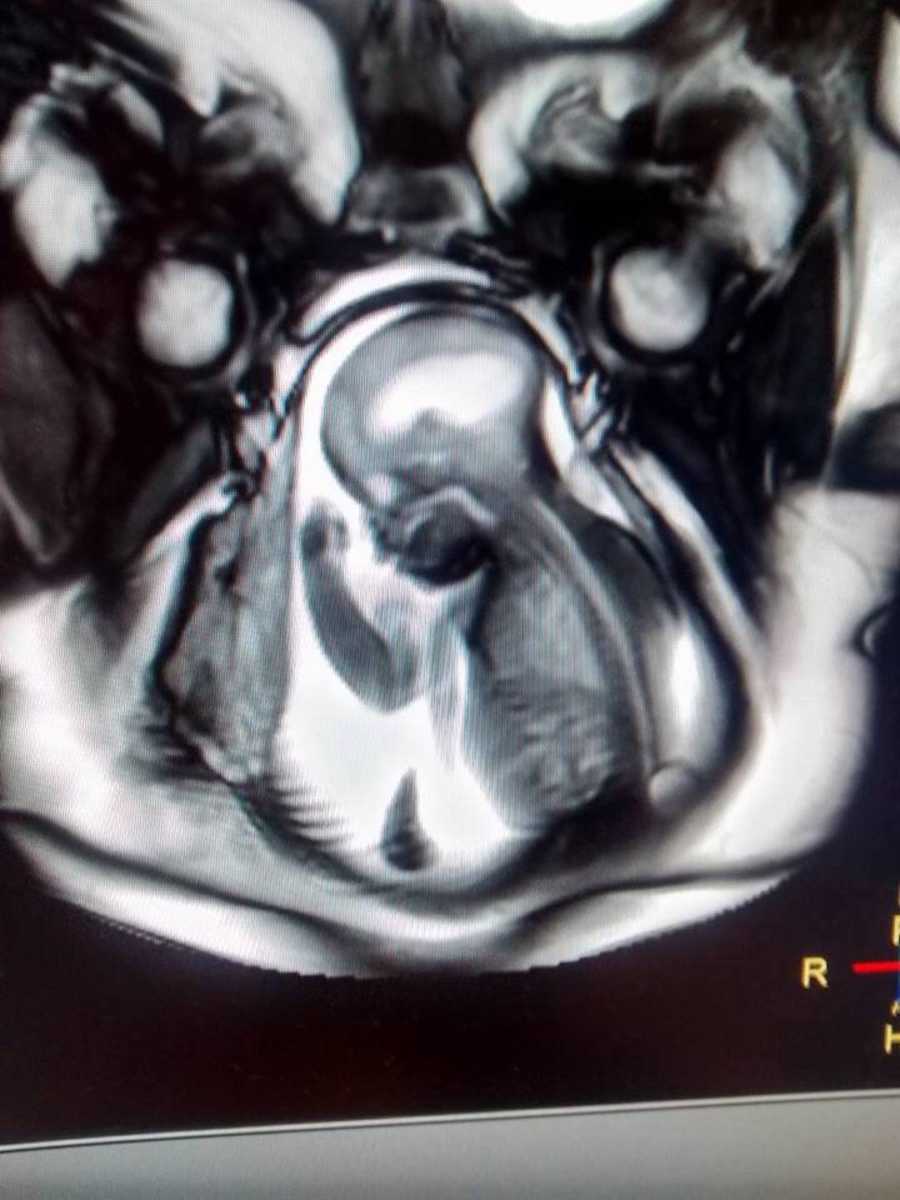
Those eight weeks were some of the longest of our lives. Finally, a fetal MRI was performed. When the specialist sat us down—clearly expecting a somber, emotional reaction—we surprised everyone by cheering. The diagnosis was spina bifida. To most, it sounded frightening, but to us, it was hope. Spina bifida was known. There were treatments. There were advances. Most importantly, she would be with us.
For the rest of the pregnancy, we researched constantly and prepared as best we could, while still doing our best to keep life moving forward. That often meant the kids completing schoolwork in waiting rooms during appointments, learning early what it means to adapt.
During that time, we chose her name. Names matter deeply in our family, and this was no exception. We knew she would face challenges—though none of us are without them. We named her Evanna Joy. Evanna, the feminine form of Evan, means “young warrior” or “fighter.” We hoped she would embody that strength, while also being a source of joy to everyone around her.
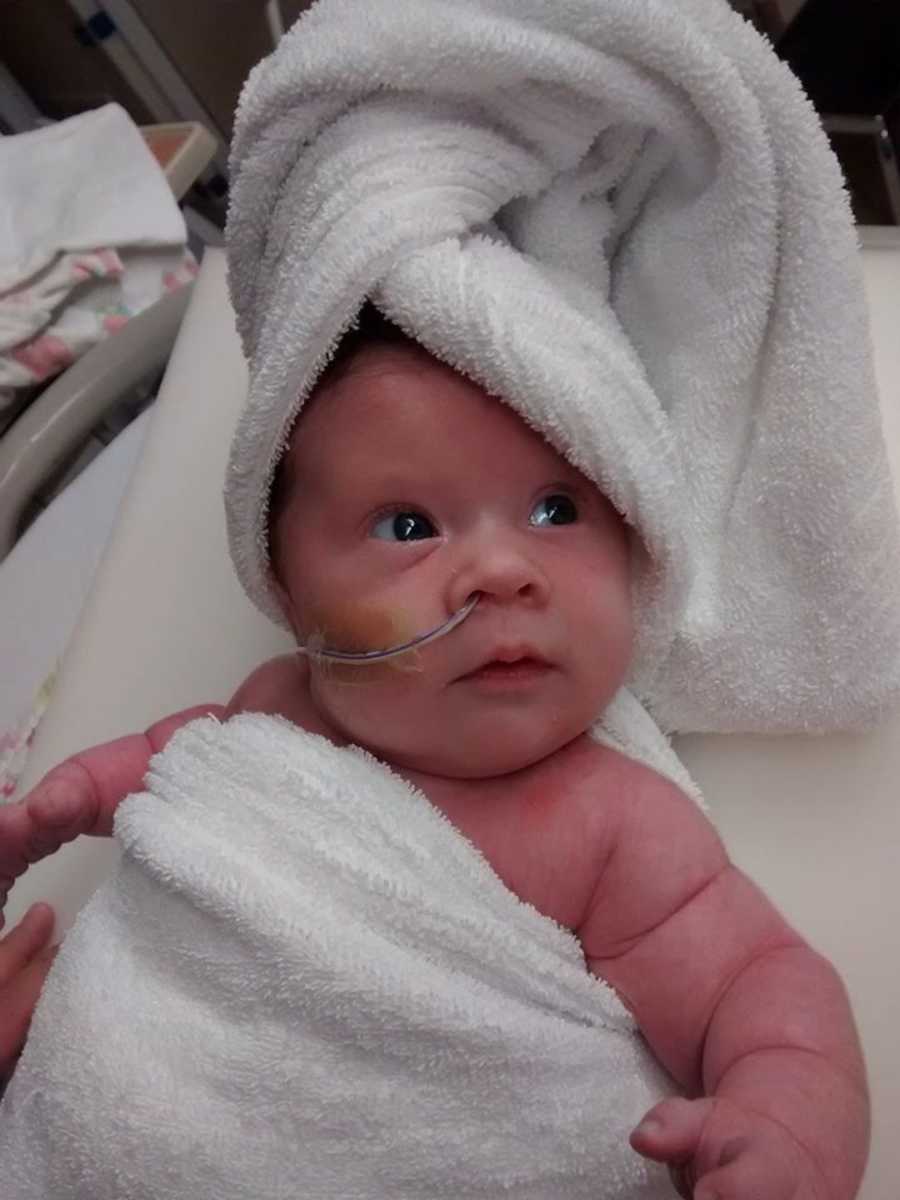
Her delivery was scheduled—but true to form, Evanna had her own plans and arrived a few days early.
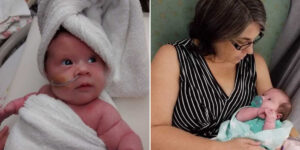
The delivery was anything but routine. Alongside the delivery team stood a group of specialists waiting to take over. She was absolutely beautiful, but seeing her lesion in person was jarring. Still, that wasn’t my greatest fear. After she was handed off, the room grew painfully quiet. She hadn’t cried. She didn’t seem to be breathing. The team worked quickly, suctioning her nose and mouth. Then, after what felt like an eternity, a faint cry broke the silence.
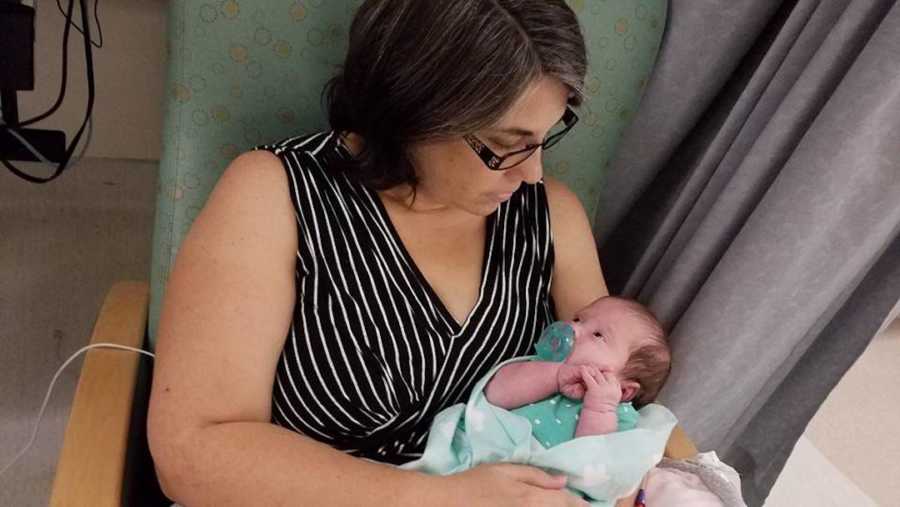
We were separated, as planned—JoAnn went to recovery while I followed Evanna to the NICU.
With Evanna’s form of spina bifida—myelomeningocele, the most severe type—there were two urgent concerns: closing the lesion on her back and addressing the buildup of cerebrospinal fluid caused by disrupted spinal flow. Within four hours of birth, she underwent surgery to close the lesion and place a VP shunt to drain excess fluid from her brain into her abdomen.
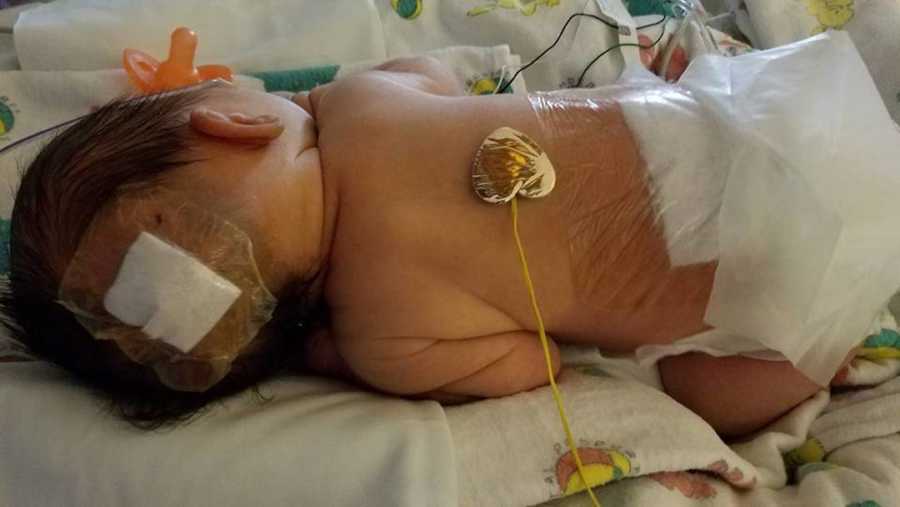
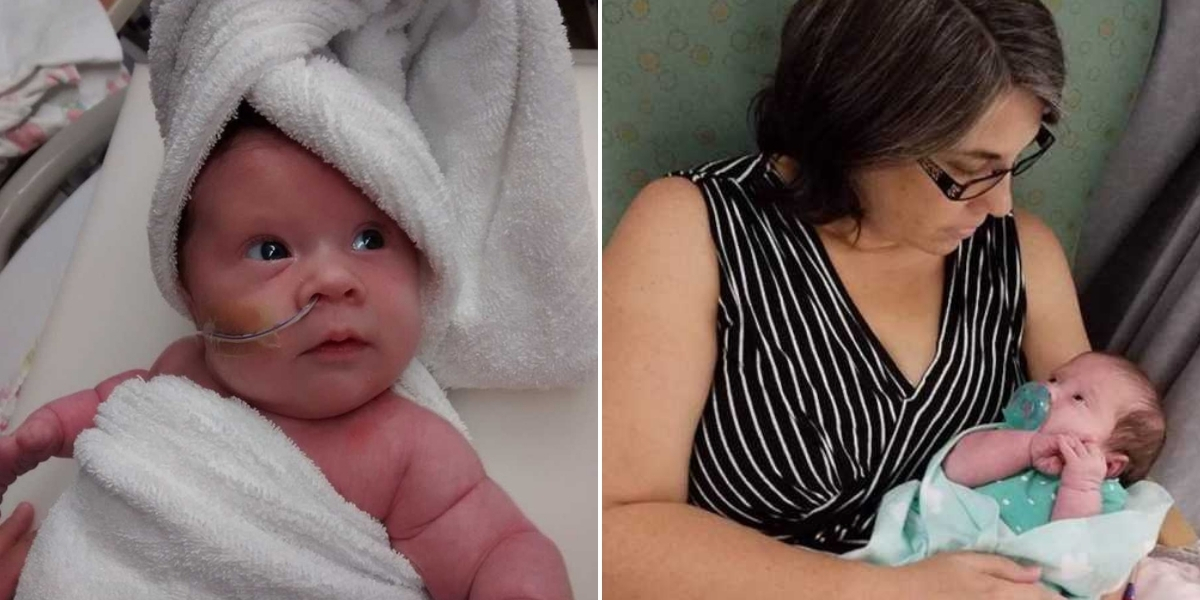
At two weeks old, Evanna was transferred to Seattle Children’s Hospital to address additional complications—breathing difficulties and vocal cord issues, with one side paralyzed and the other weak. She soon underwent surgery to remove part of the vertebrae near the brain stem to relieve pressure. The results were dramatic and encouraging. However, her vocal cords remained too weak for safe oral feeding, so a g-tube was placed. After a total of five and a half weeks between two NICUs, we were finally able to bring her home.
Being home was healing for all of us. Our other four children had gone nearly that entire time without both parents home, yet what we found was not resentment—but compassion, understanding, and deep love. Each of them bonded with Evanna in their own unique way.
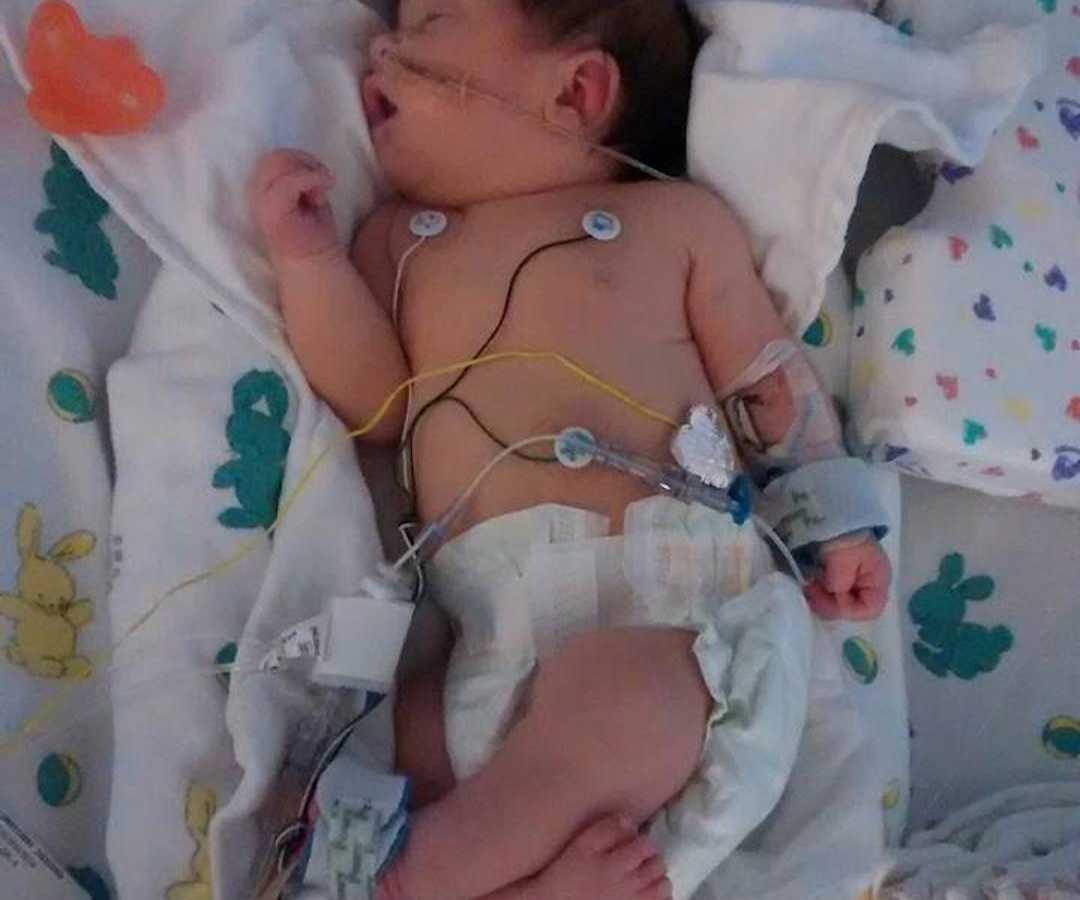
At four months old, Evanna, her mom, and the two youngest children spent seven weeks in Iowa receiving treatment for her clubfoot—made especially challenging by her highly sensitive skin.
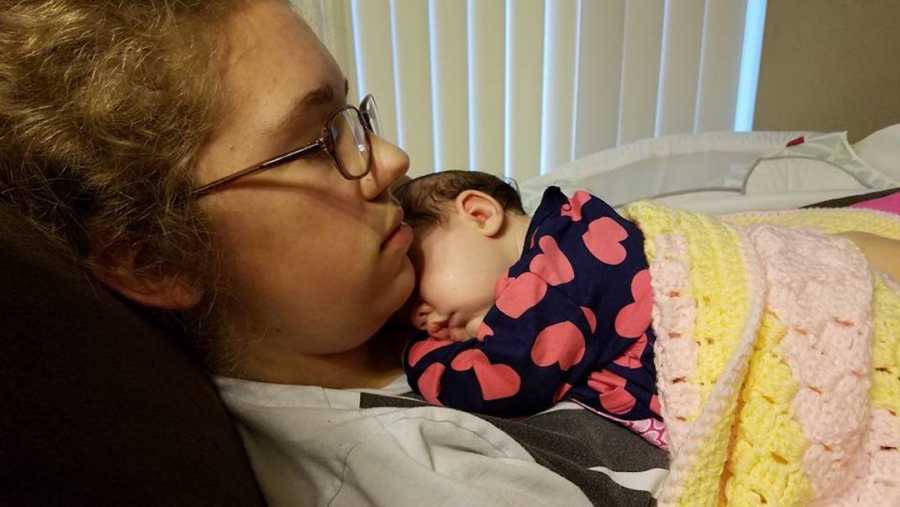
At seven months, we found ourselves back in crisis mode. Evanna spent two weeks in the PICU after her original shunt failed—and then its replacement failed as well. The resulting pressure on her brain stem led to central sleep apnea, meaning her brain sometimes doesn’t signal her body to breathe. We left the hospital relying on a respirator and pulse oximeter whenever she slept.
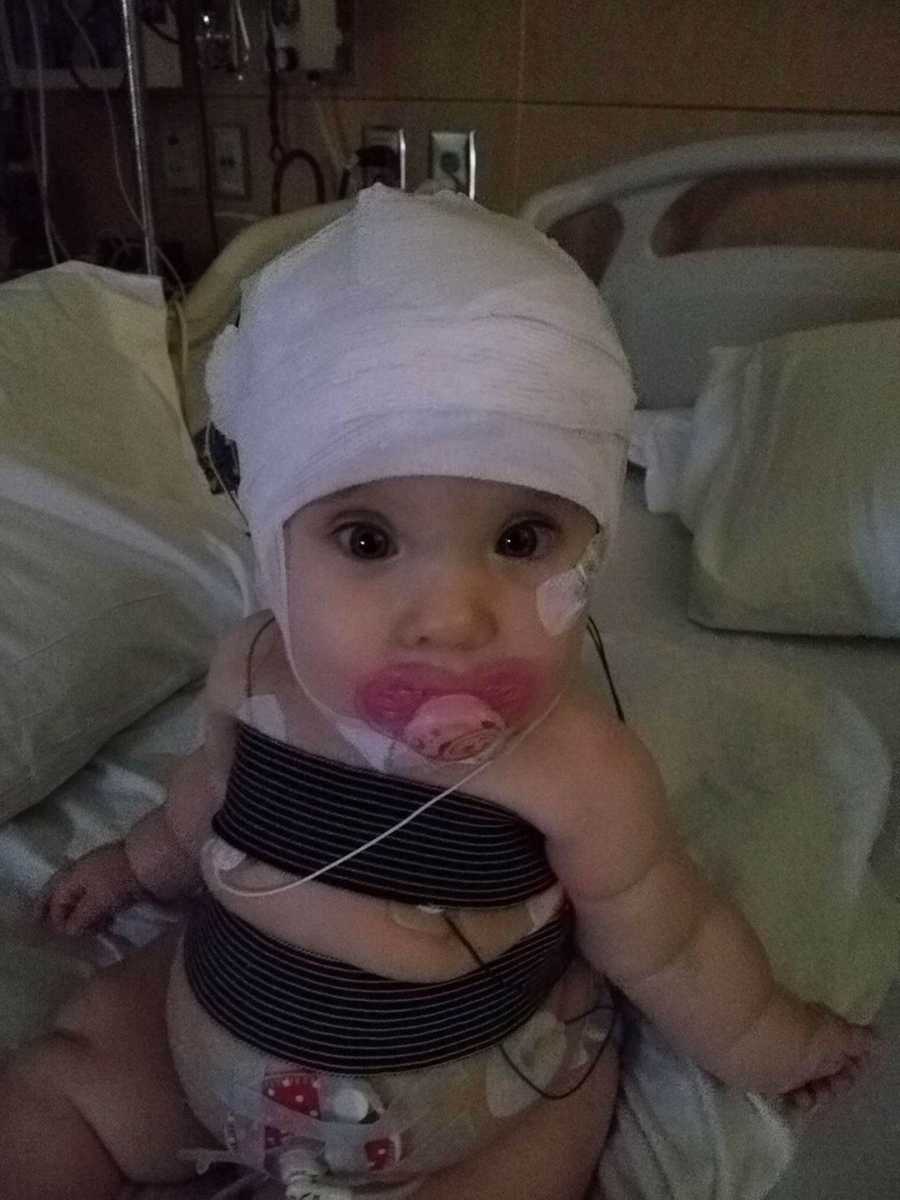
Through everything, Evanna has remained a ray of sunshine. She has hard days—because toddlers are toddlers—but she is strong, incredibly affectionate, sharp, and proudly “a little sassy,” as she likes to say. Part of that is simply who she is. But much of it comes from knowing, without question, that she is deeply loved and that her worth has nothing to do with ability or function.
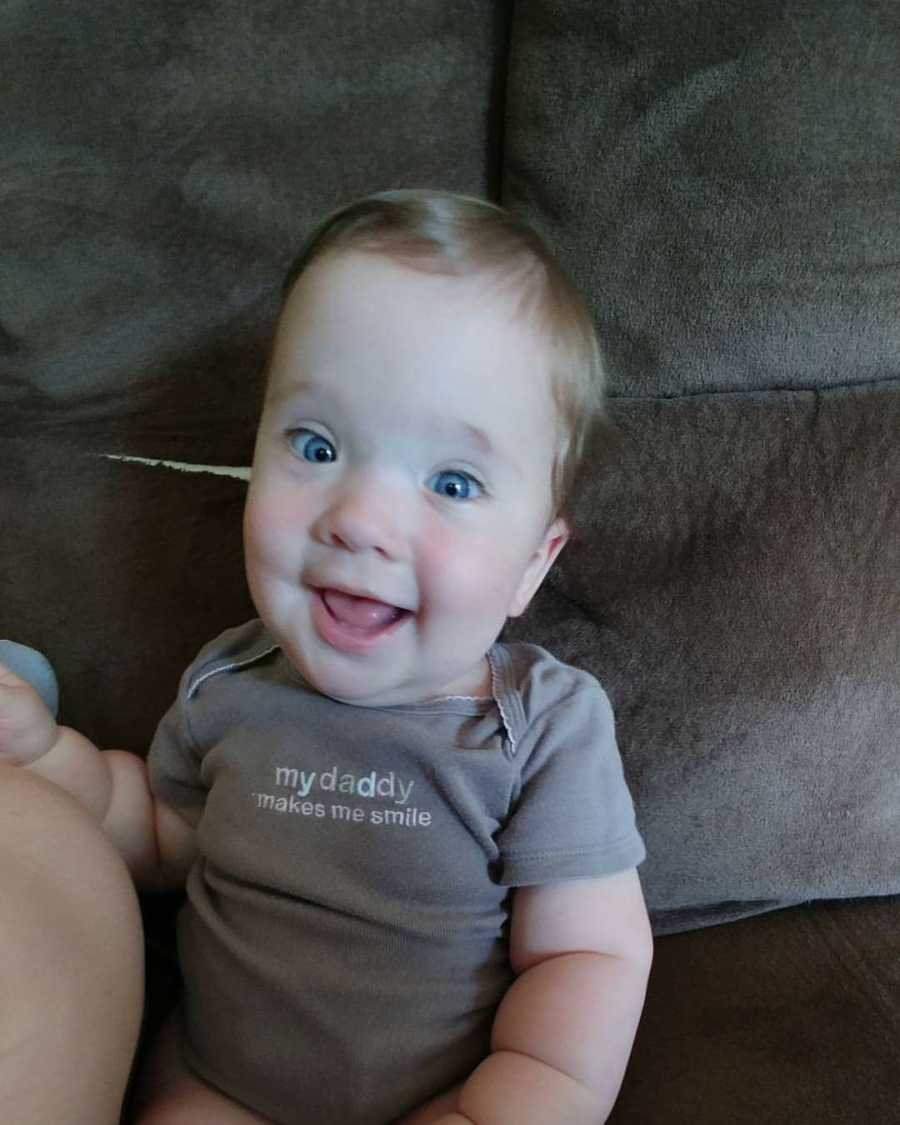
We’ve learned to adapt. We’ve learned how many people are willing to help in ways big and small. We’ve learned to ask for help—and to teach Evanna to ask not if something is possible, but how to make it happen, instead of accepting limitations at face value.
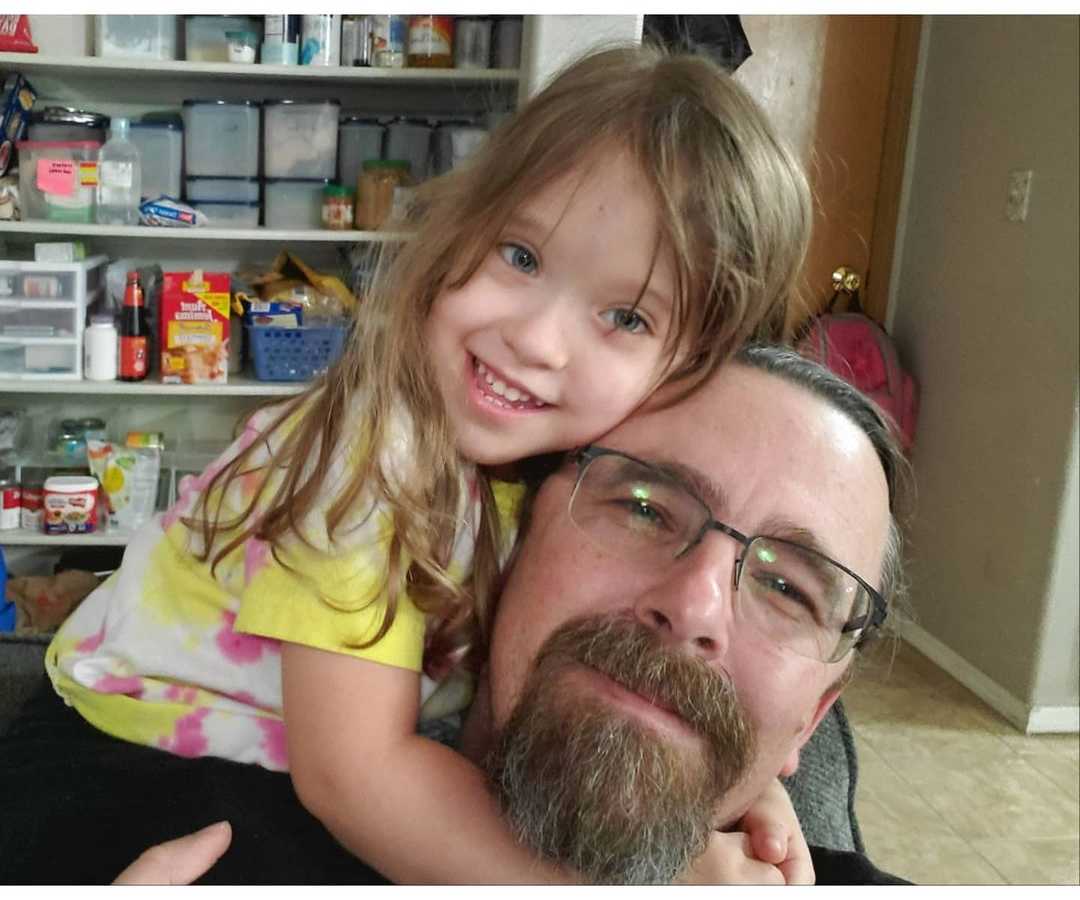
Most importantly, we’ve learned not to take any moment for granted. With her conditions, there is always the risk of something catastrophic, like a shunt failure, that could take her from us. But we refuse to be paralyzed by that fear. Instead, Evanna reminds us—every single day—to take life one day at a time, to find the good in it, and to love fully. Tomorrow isn’t promised, and we know that in a deeply personal way.