October 18, 2014, at 8:36 p.m. is when our real story began. People usually think adoption starts with an application, but for us, the true beginning reached back to the night my mom was killed. Still, we nervously submitted our papers and the $250 fee, hoping we’d chosen the right path. Picking an agency was exhausting — every glowing review seemed paired with a warning. Eventually, we felt peace about one, and once everything was sent in, I must have checked my email hundreds of times an hour waiting for news.
When the acceptance email finally came, relief washed over us. International adoption was clearly where we were called. We initially looked toward a country in Africa, but instability in the program forced us to walk away. After prayer and long conversations, we turned to Haiti instead. By February 2016, the paperwork and payments began — endless forms, social service visits, interviews, appointments, and home studies that seemed to stretch on forever.
Adoption had always felt normal to me. I grew up with cousins who joined our family both domestically and internationally, so I assumed one day I would do the same. My husband and I already had two children and were newly expecting our third when everything changed. After dinner with friends, we picked up the kids and pulled into the garage just as my phone rang. I answered cheerfully, but it wasn’t my mom — it was her boyfriend, panicked and screaming. A police officer eventually took the phone and told me she’d been in an accident and was headed to the hospital. I grabbed my 26-year-old brother, and we drove there together.
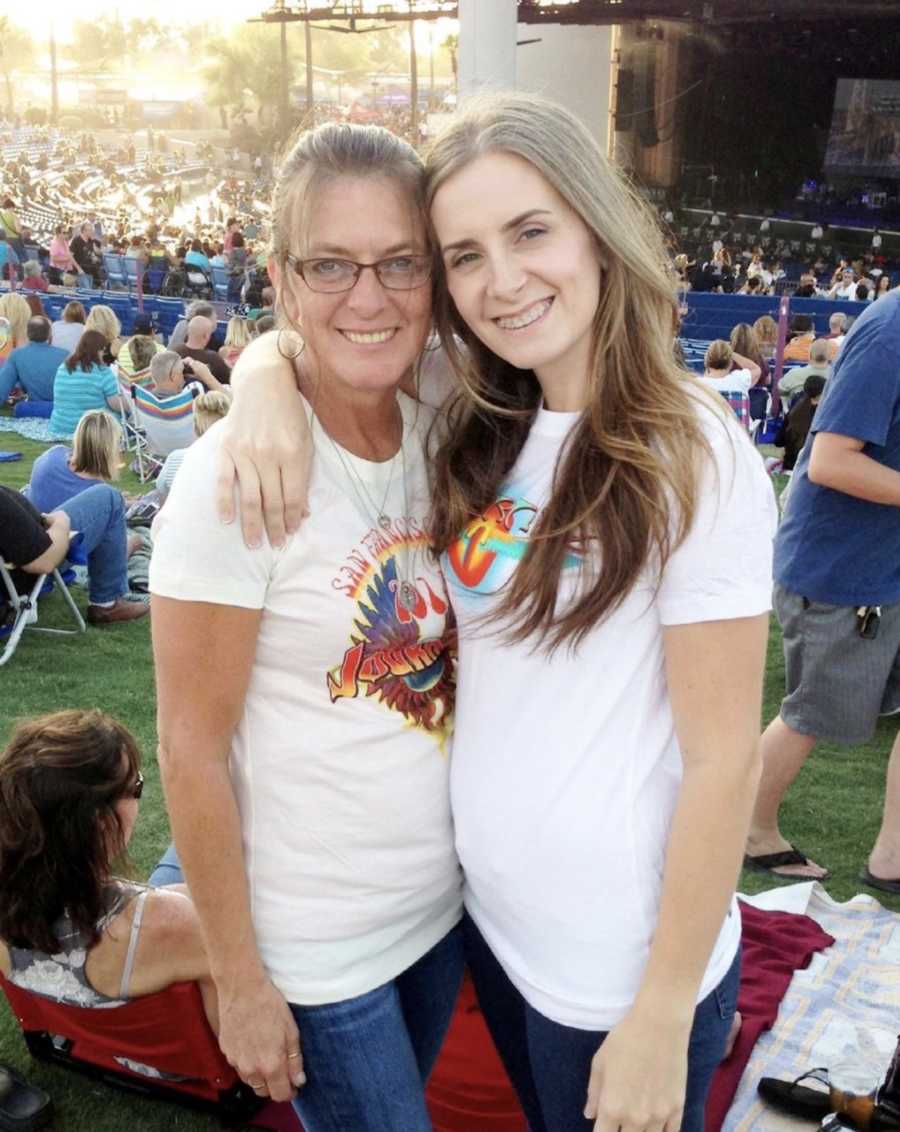
Hours later, in a small private room, we heard the words no one wants to hear. She’d gone into cardiac arrest at the scene. A drunk driver struck her as she crossed the street, and she died instantly. We walked out of that room motherless. Months later, as I sat reading her worn devotional, grief settled on me in a new way. The ache I felt was the same ache millions of children know daily — some who have never had a mother at all. That night, we began researching adoption more seriously, knowing we could step into that gap for at least one child.
We initially pursued a “healthy” child — no special needs, not older, not a sibling group — though we were open to a heart defect because our daughter has one and we understood the care. We hadn’t chosen a gender but had started tossing around boy names. Then, in October 2016, I stumbled onto a blog advocating for waiting children in Haiti — those with special needs, sibling sets, or older ages. As I scrolled through one particular story detailing a little boy’s life before the orphanage and his medical care afterward, his photo stopped me. Something in my heart said, There you are. I sent it to my husband without commentary, and he felt the same. We had both just seen our son.
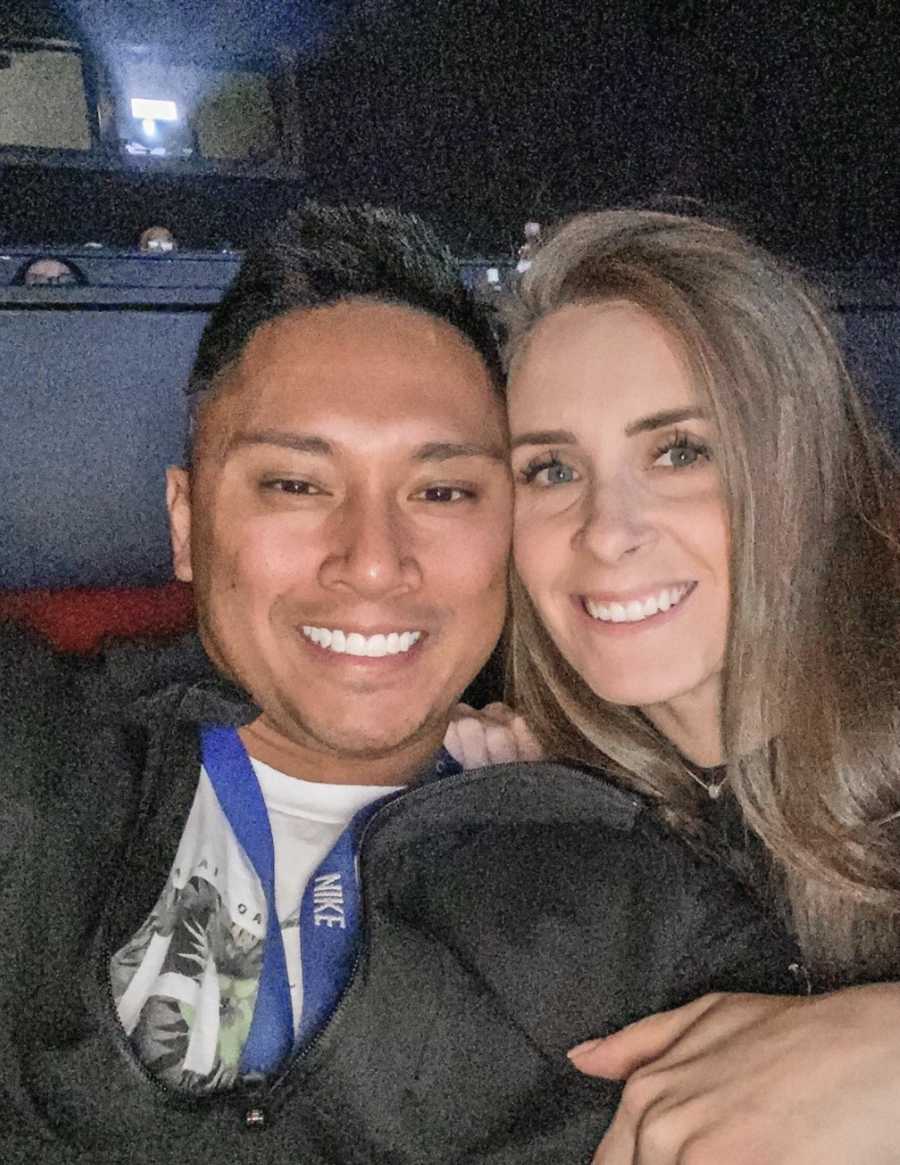
We contacted the agency, changed our home study to reflect his needs, and began learning everything we could. He had been diagnosed with epilepsy and spastic quadriplegic cerebral palsy — conditions I barely understood but was determined to face head-on.
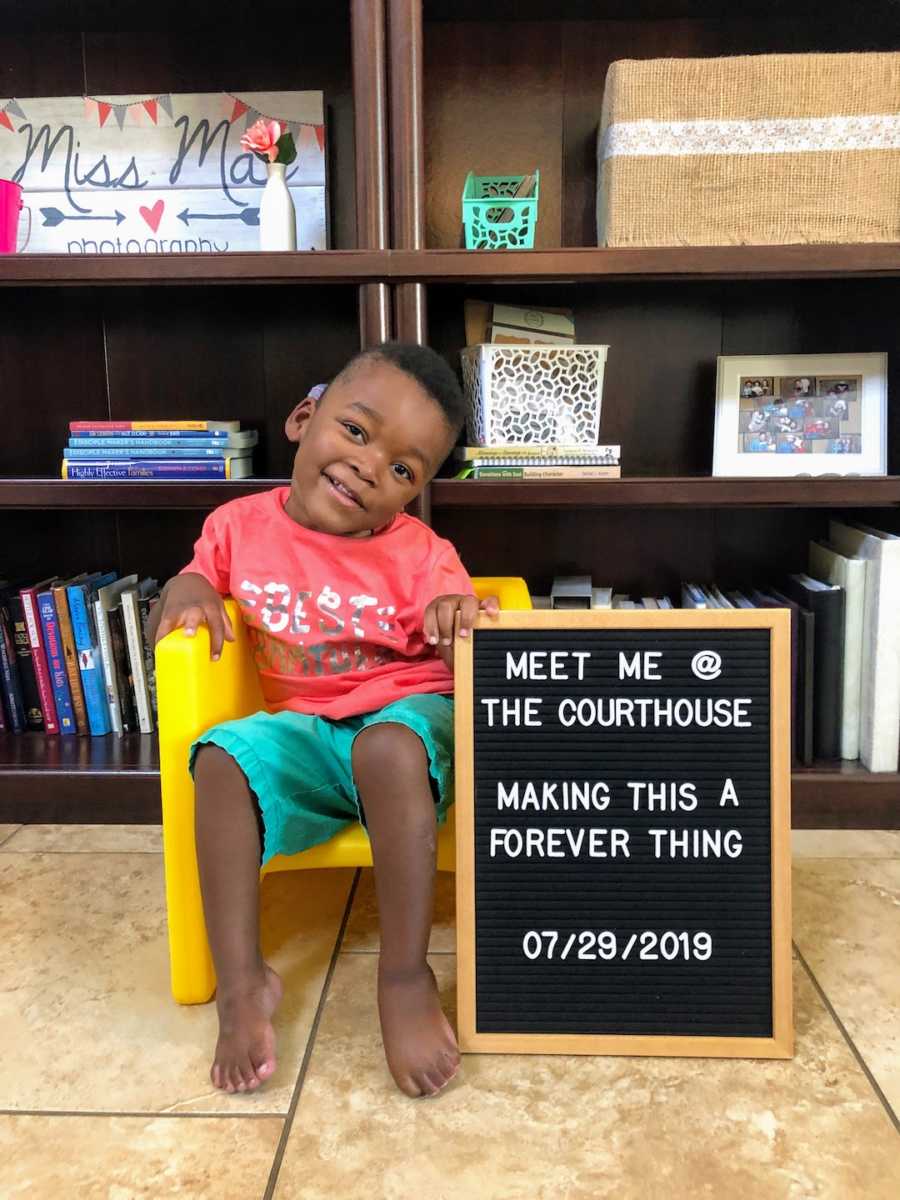
On July 29, 2019, Elijah David officially became Elijah Raanan. Once labeled motherless and fatherless, he was now called son. His three siblings adored him immediately. Since then, he’s received additional diagnoses, but those are his story to share someday. What matters is that we walk this special-needs journey together — learning, grieving, celebrating, praying — and watching redemption unfold. The name Raanan means “redeemed,” and that is exactly what God has done.
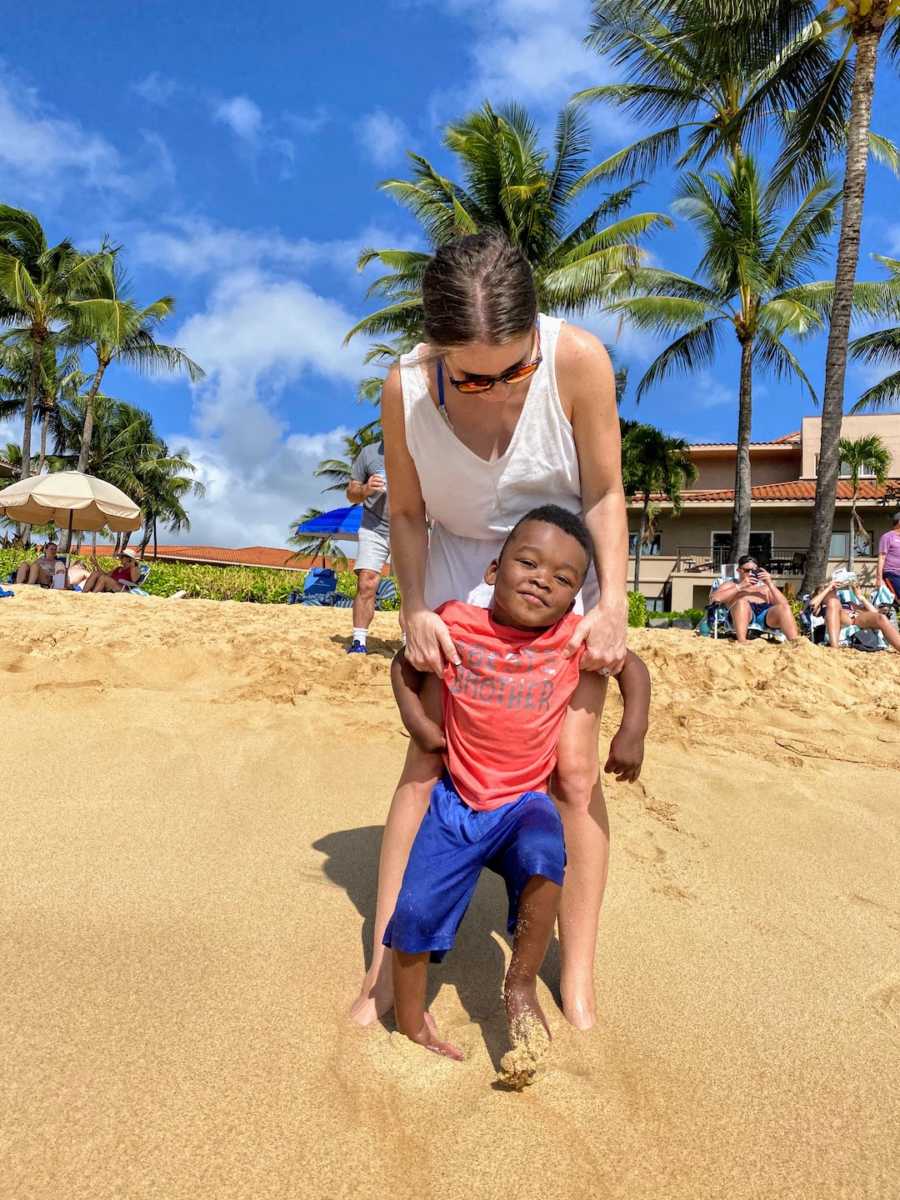
Without my mom’s death, we never would have known this incredible boy. Out of tragedy, God brought life and healing. My heart, once shattered, found new strength in motherhood again. Adoption is beautiful, but it is not easy. Every day requires intentional love. Because Elijah carries deep trauma, we work closely with trauma-informed therapists, growing and changing alongside him. He is not the same child he once was, and I am not the same woman — and we’re learning how to move forward together.
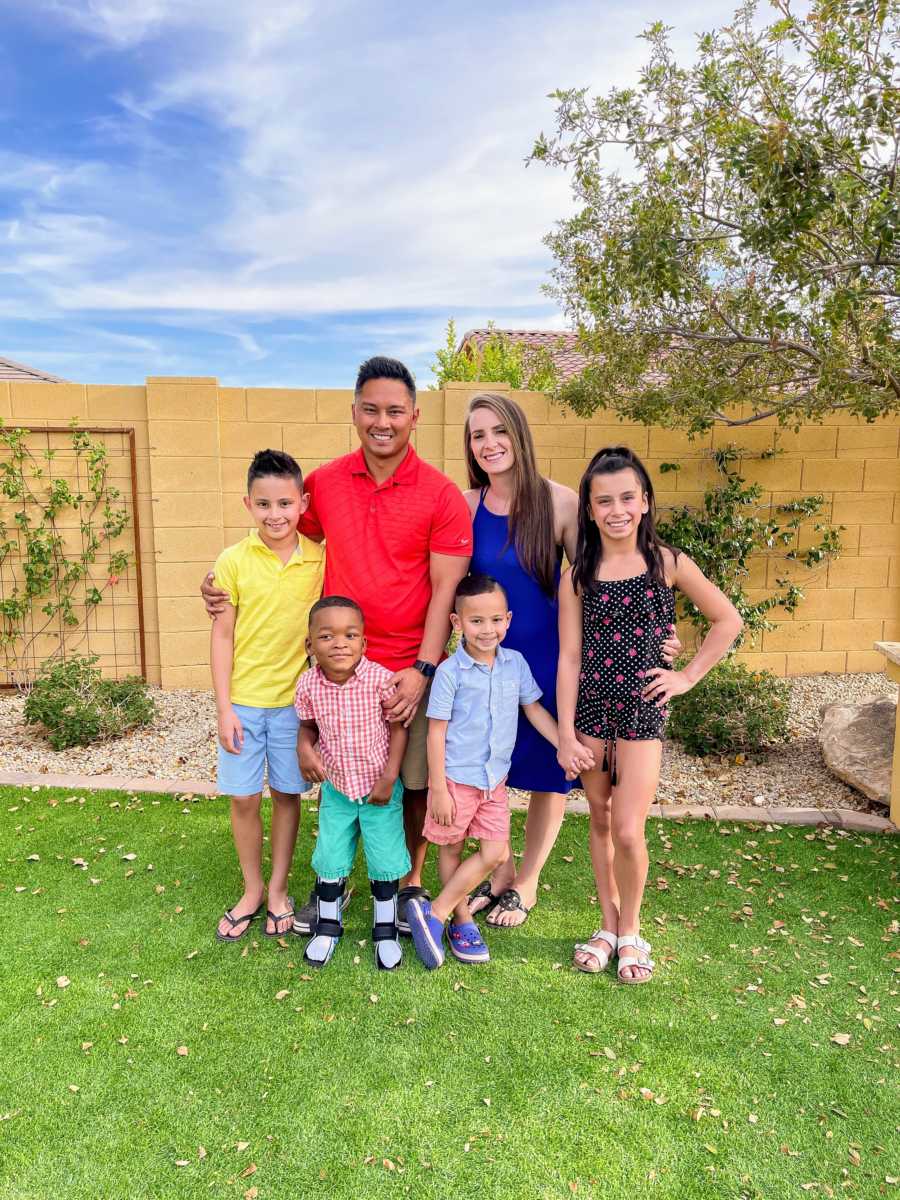
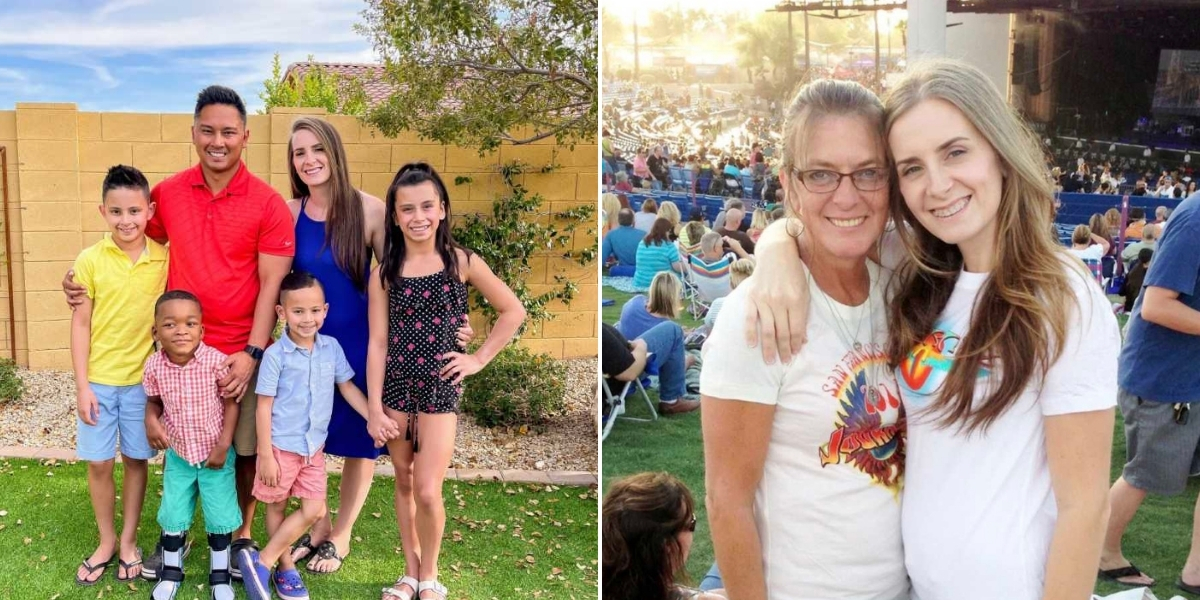
Today, Elijah is non-mobile and uses a wheelchair. He is non-verbal, yet communicates with a depth that constantly surprises me. He requires full-time care and is still diapered — and he is absolute perfection. We are a family of six. Three children through the miracle of birth, and one precious son through the miracle of adoption.