I consider myself lucky. I had a happy, secure childhood, growing up with my parents, my younger brother, and a close bond with my grandparents. I had plenty of friends, a stable home life, and a clear sense of who I was. Though I was quiet and shy, I was confident in my own mind—sure of my wants, my boundaries, and my sense of self. That quiet strength carried me through being bullied at school, moving to university in another country, and into the early stages of becoming a wife and mother.

But everything changed in 2017, after the birth of my second child, Katie. She was a challenging baby—grumpy, clingy, and unpredictable. Feeding was stressful, naps were short and sporadic, and any attempt to leave the house became a battle. Unlike my first child, James, who had always been easygoing and happy to be passed around, Katie wanted only me, and even that wasn’t guaranteed. Friends and family tried to help, but the second she was taken from me, she’d scream and cry. It was exhausting, isolating, and relentless.
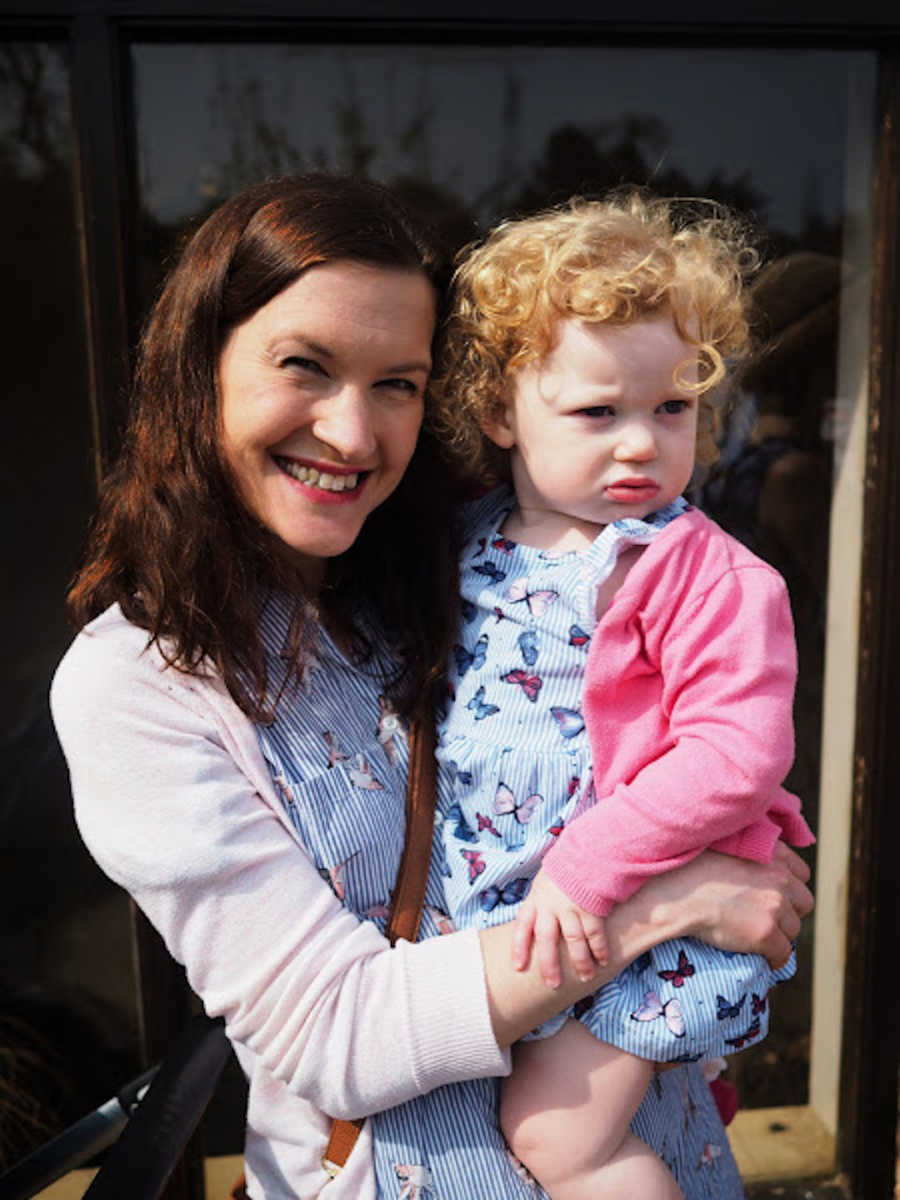
About three months after Katie’s birth, I found myself in a supermarket, picking up essentials while she screamed incessantly. Her cries weren’t just little baby squeaks—they were piercing, urgent, all-consuming. Shoppers shot me impatient glances, no doubt judging me as a struggling mother. The cumulative stress of months of little sleep, constant worry, and feeling trapped finally overwhelmed me. I had a full-blown meltdown at the self-checkout, crying uncontrollably as I paid for my groceries, feeling utterly useless and alone. It was a moment that made me confront a painful truth: I was not okay.
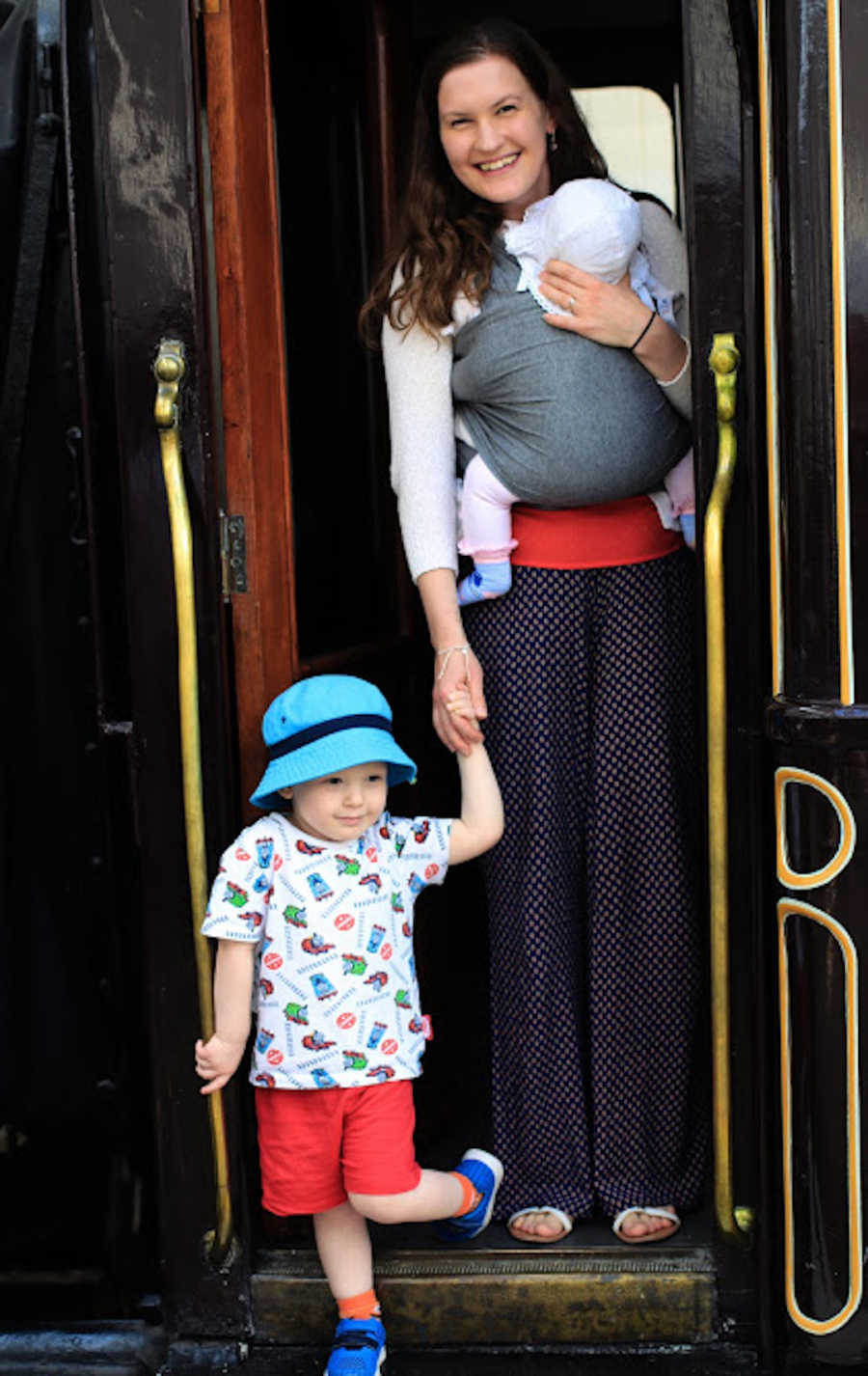
I immediately booked an appointment with my doctor and was diagnosed with post-partum depression, also known as postnatal depression here in the UK. Desperate for relief, I made some hard but necessary changes. I switched Katie to formula, moved her into her own cot at night, and introduced the cry-it-out method. These decisions were difficult and controversial, especially since I had taken a very different approach with James. But I was barely surviving, and these steps were crucial to my mental health. Slowly, with more sleep and consistent feeding, Katie began to settle, and I began to regain a small sense of control.
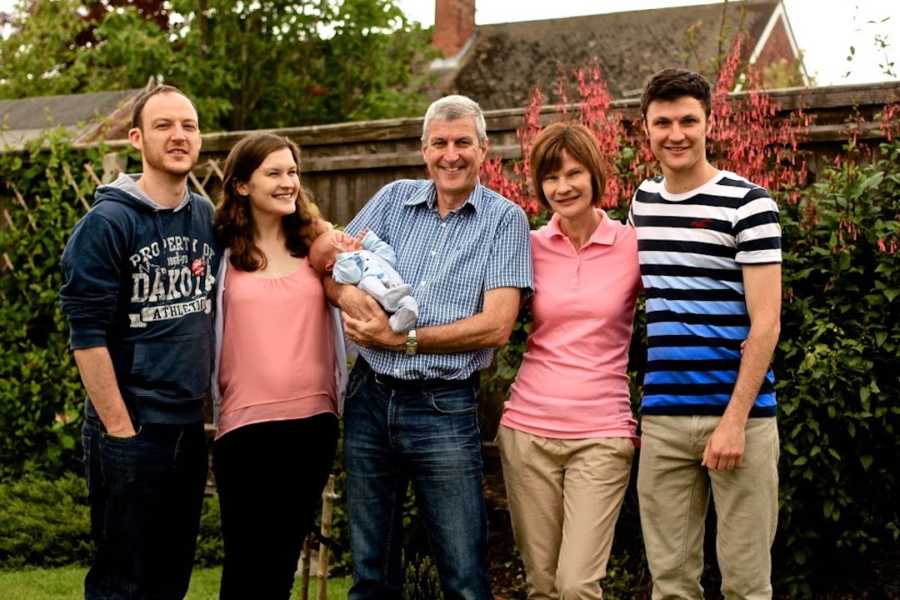
Even with these changes, the depression pulled me into dark, terrifying places. Suicidal thoughts haunted me. I vividly remember a family holiday in Gran Canaria, when I stayed behind in the apartment for a nap while my husband, parents, and children went to the pool. Standing on the balcony, watching them from a distance, I thought about how easy it would be to fall and end the pain. But then guilt struck me—my children would lose their mother, I would miss out on their lives—and the cycle of self-destructive thoughts crashed over me in waves of tears and shaking.
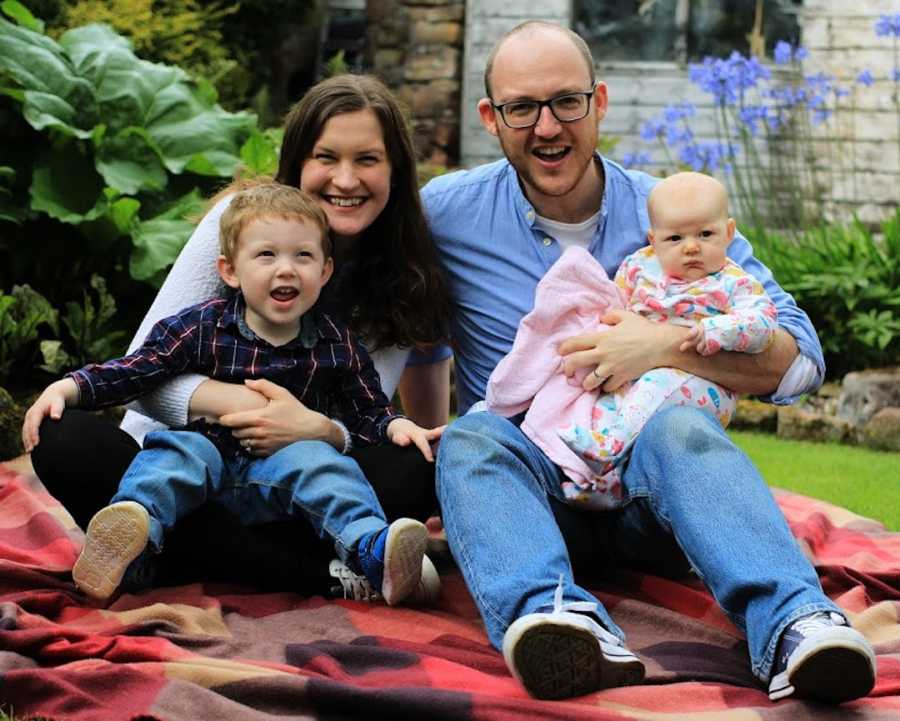
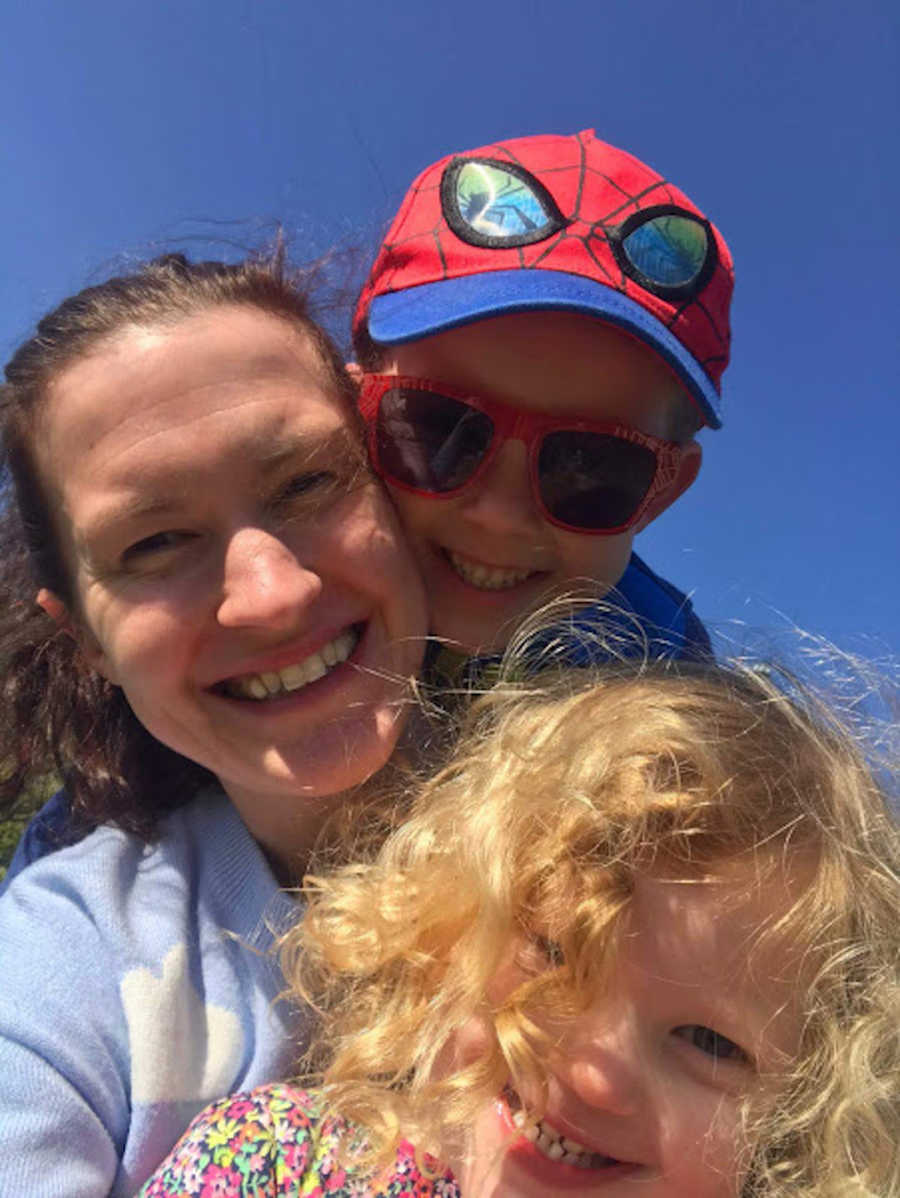
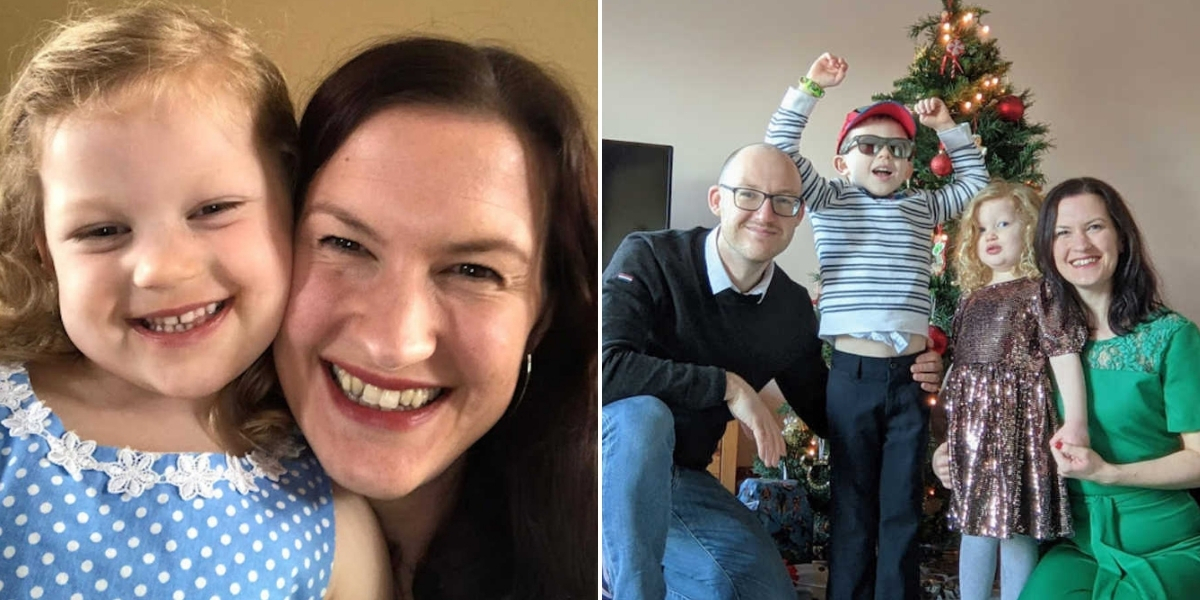
I had lost myself completely. I was a shell, existing only to care for my children, feeding, changing, and guiding them, but feeling nothing else. At times, I was so numb that I couldn’t even speak. Outwardly, no one would have known. I smiled at work, at nursery drop-offs, and during outings. To the world, we were a normal, happy family, but behind every photo, I was often crying, hiding the heartbreak behind a practiced expression.
Years of counseling and self-reflection helped me climb out of that darkness. Today, Katie is a joyful, thriving little girl, and our bond is incredibly close. While I still wrestle with decision-making, asserting myself, and identifying what truly makes me happy, I am in a much better place. I’ve learned that no one ever fully “recovers” from depression; the self-destructive thoughts may never disappear completely. Managing stress remains a challenge, and my recent diagnosis of Myalgic encephalomyelitis/Chronic Fatigue Syndrome (ME/CFS) has added another layer of difficulty.
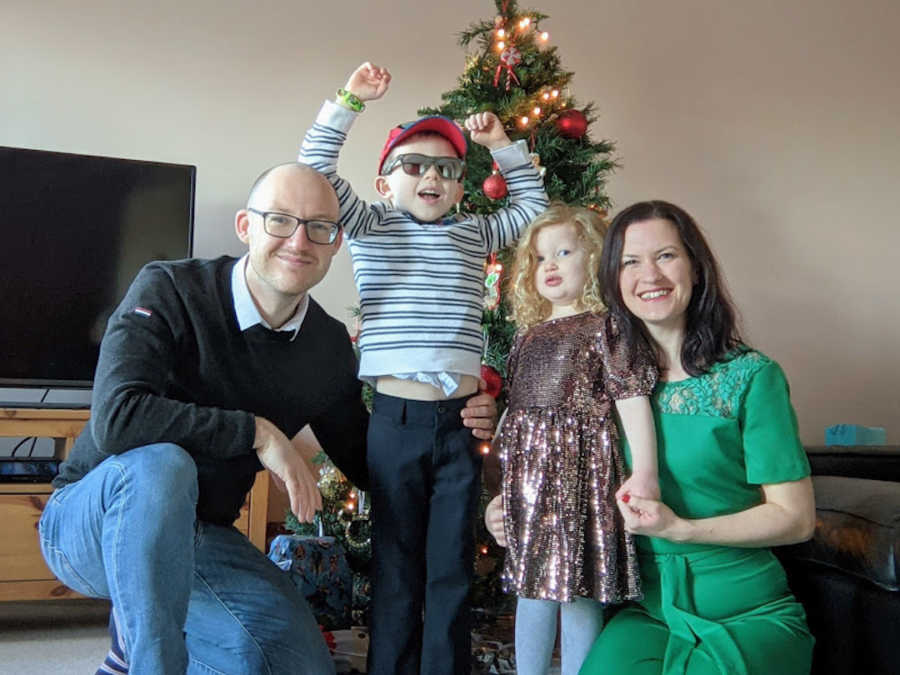
Despite these ongoing challenges, I have found tools that help me cope and regain perspective. One of the most profound shifts came from something unexpectedly simple: kindness. I remember sitting outside in a park during my lunch break, enjoying a rare sunny day, when a stranger complimented my new bag. It was a brief, ordinary interaction—but it sparked a revelation. Even small acts of kindness can uplift someone’s entire day, or even life. That day, I decided to focus intentionally on noticing and creating positivity in the world.
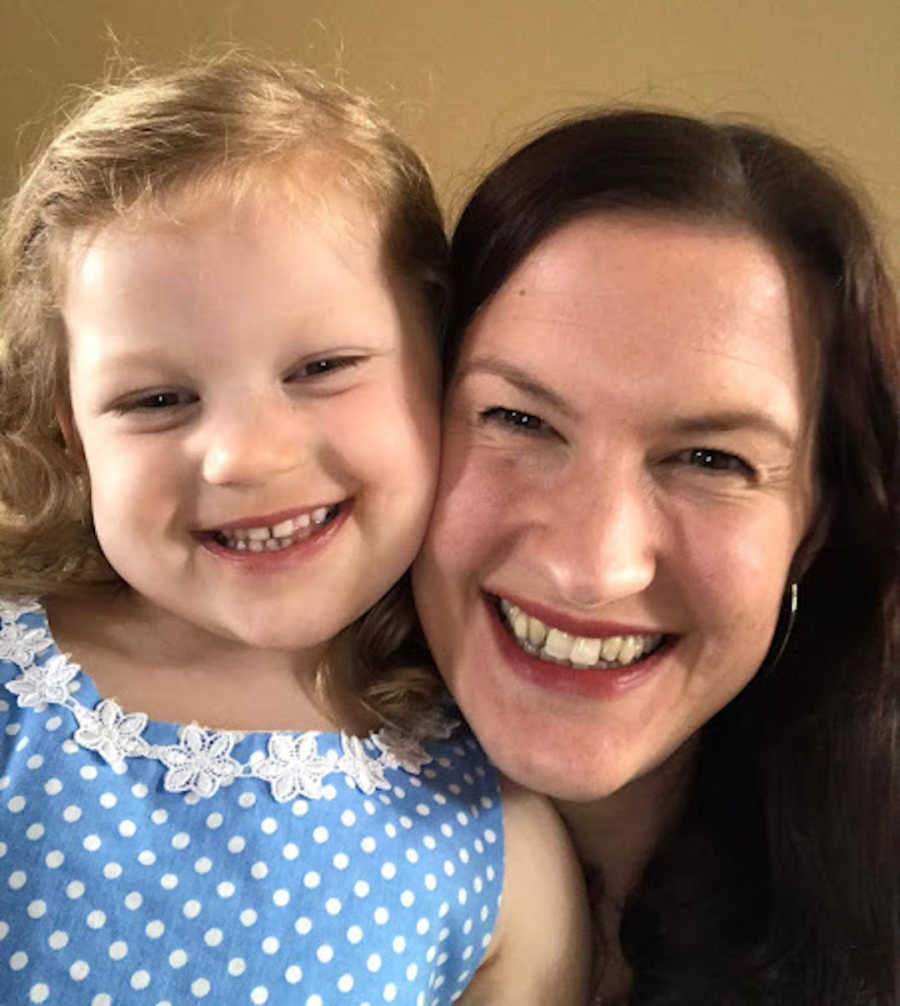
I experimented with a week of daily acts of kindness: leaving coins for strangers to find, picking up litter, sending small treats to neighbors’ children, and donating clothes to charity. The effect on my attitude and stress levels was profound. Encouraged, I began sharing these acts on social media to inspire others to notice and perform small gestures of goodwill. Eventually, I created a Facebook page, A Boost of Positivity (ABOP), and an Instagram page to spread optimism, self-care tips, uplifting quotes, and happy stories—counteracting the negativity and “doom scrolling” that can easily consume one’s attention.
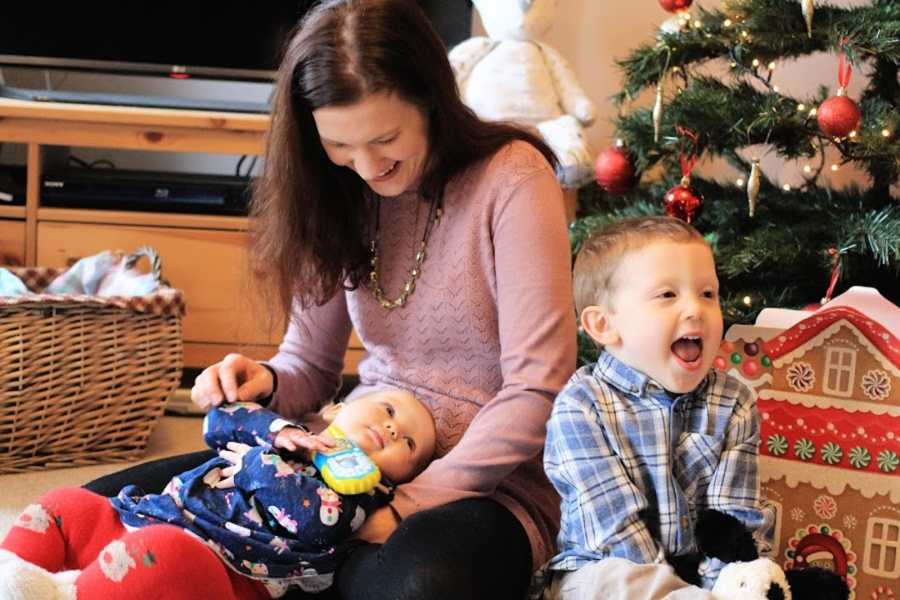
Through ABOP, I’ve trained myself to see more positivity in the world, both online and in real life. Despite physical and mental health challenges, this mission to spread kindness has given me purpose and joy. Robin Williams once said, “I think the saddest people always try their hardest to make people happy because they know what it’s like to feel absolutely worthless, and they don’t want anyone else to feel like that.” I relate deeply to that sentiment.
Being kind to myself remains difficult. I’m still learning to rest, prioritize joy, and honor my own needs—lessons sometimes enforced by ME/CFS. But I involve my children in this journey, showing them the importance of self-care and compassion for others. And at the heart of it all, I know I am a good mother. My children are happy, healthy, and loved, and that is what matters most. I have survived heartbreak, depression, and exhaustion, and through it all, I’ve discovered the quiet, profound power of positivity, resilience, and kindness.