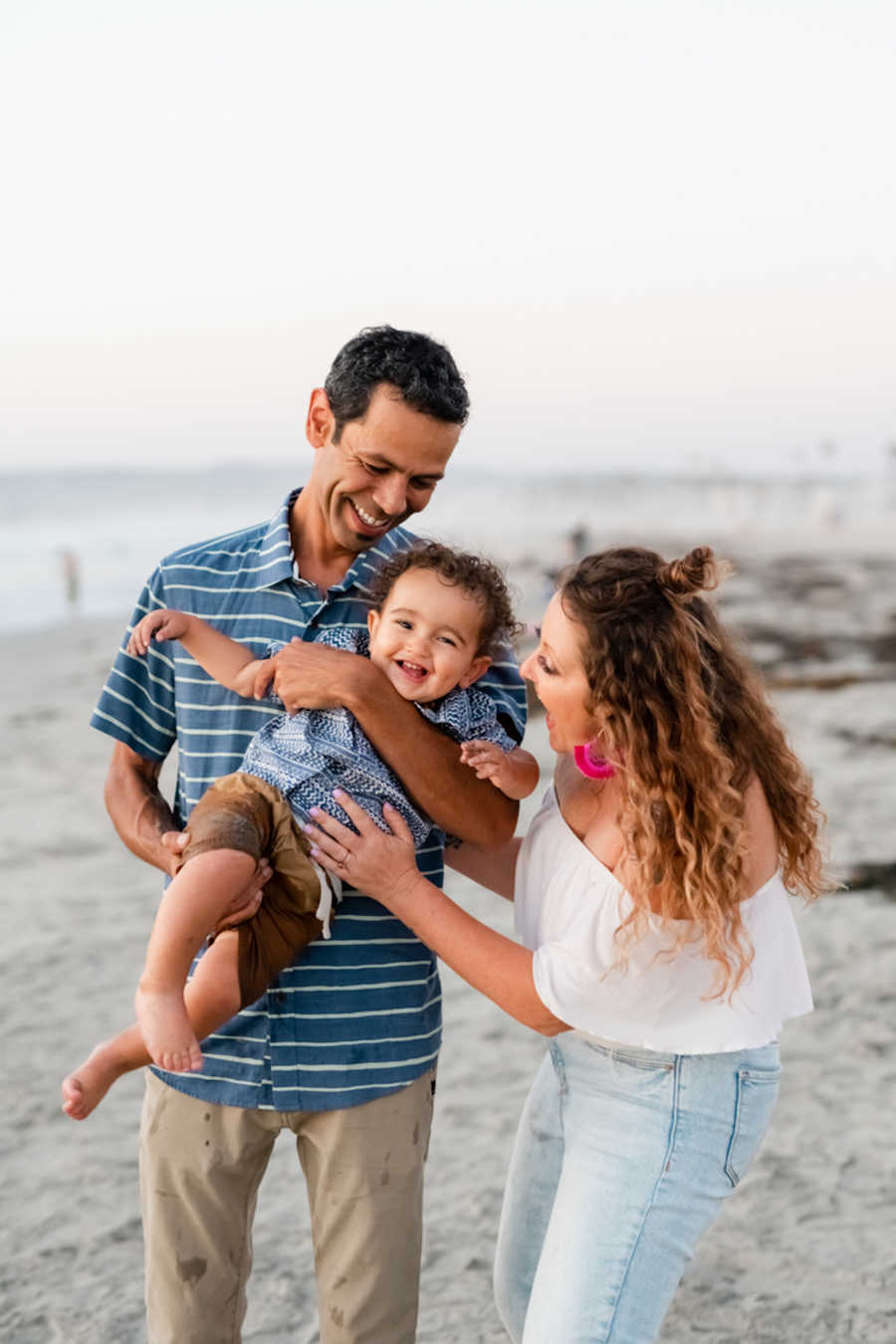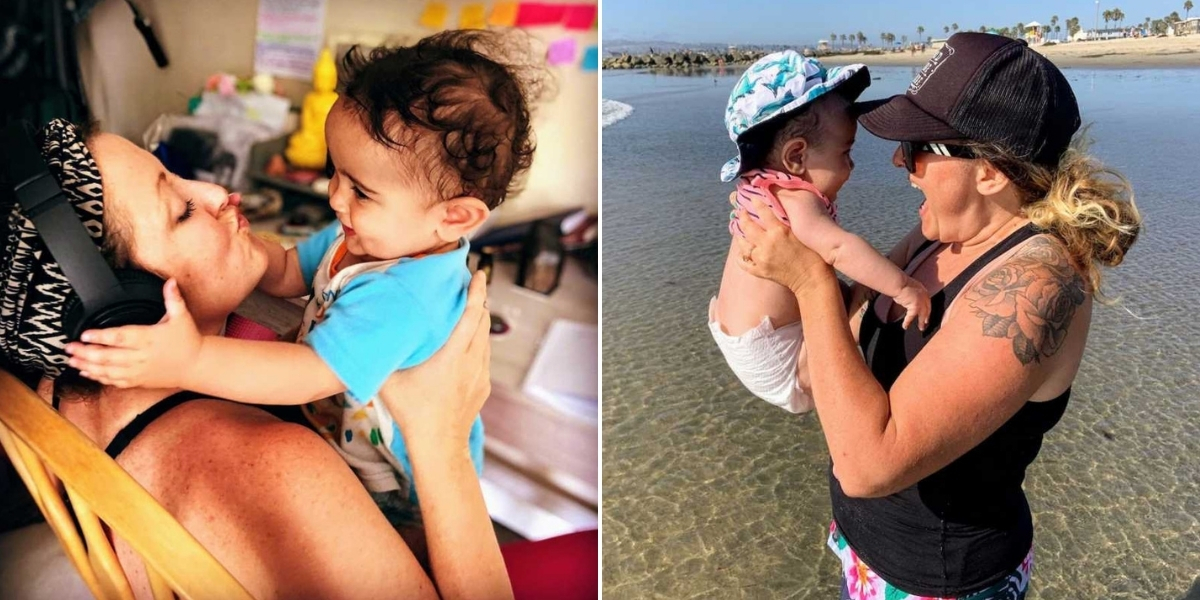
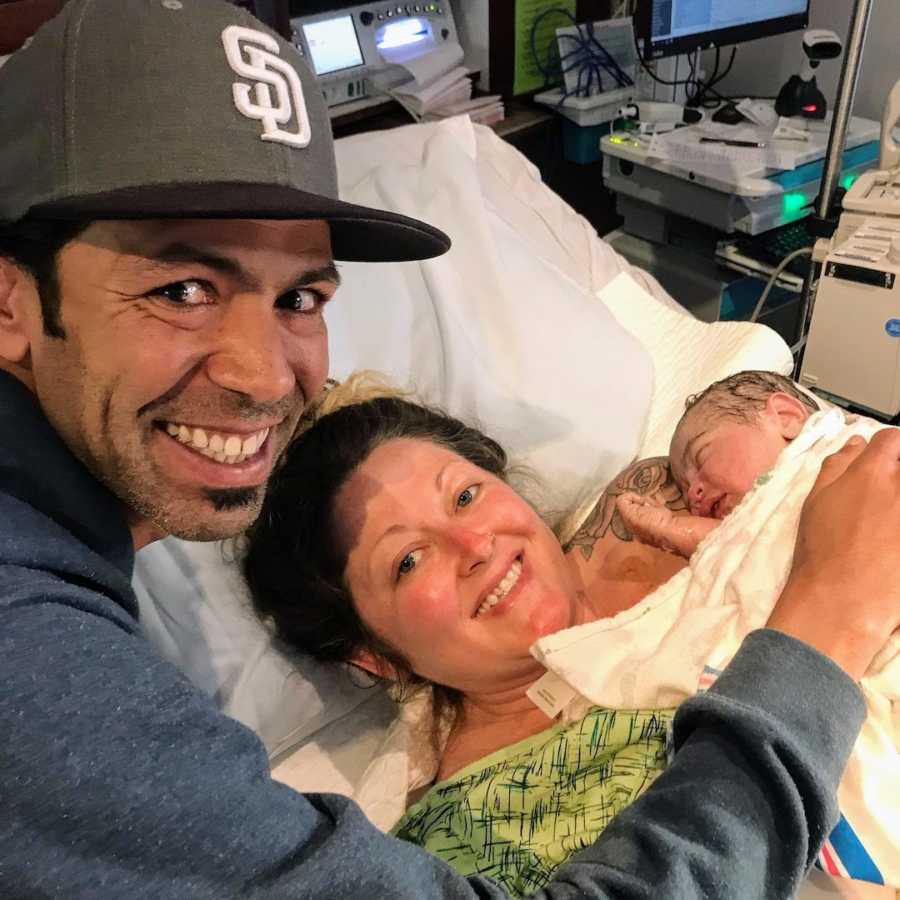
His eyes were so dark, so deep, that they felt like they could swallow me whole. I remember thinking, almost immediately: I need a sandwich, a nap, and for everyone to leave the room. Oh no, I thought, these aren’t supposed to be a mother’s first thoughts after birth. This is supposed to be love at first sight, a magical rush of connection. Where’s the instant, overwhelming bond I’d heard about? Instead, I had to put on a brave face, cradle my newborn, and perform for the onlookers.
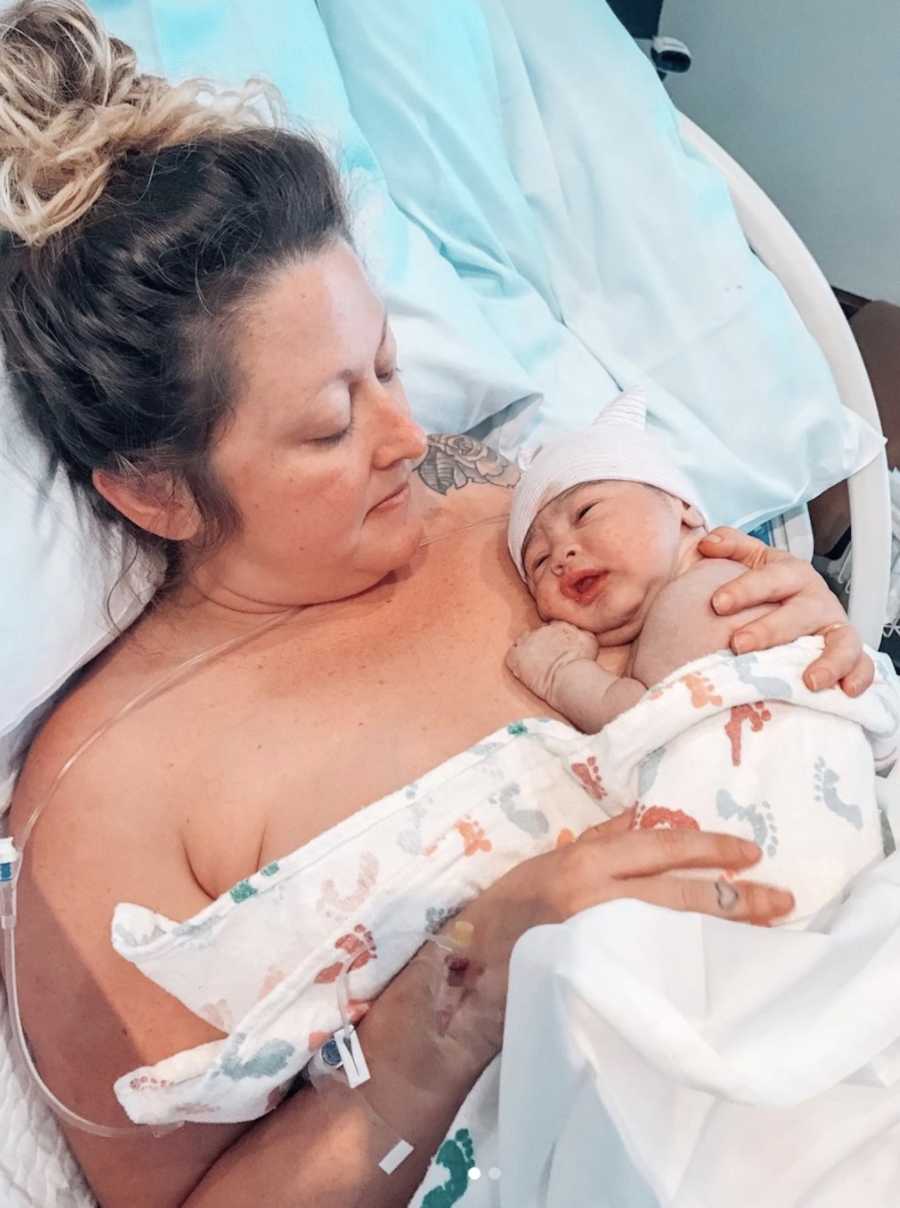
“Hello!” I muttered, lifting my wriggly son under his tiny arms and settling him onto my chest. That’s all I could manage after an exhausting three-day labor, a last-minute transfer from the birth center, and a cascade of unexpected changes. I had spent months imagining this moment, reading story after story about mothers overwhelmed with immediate love and connection. And yet, my first thought at the sight of his soulful brown eyes was: I’m tired. I need food.
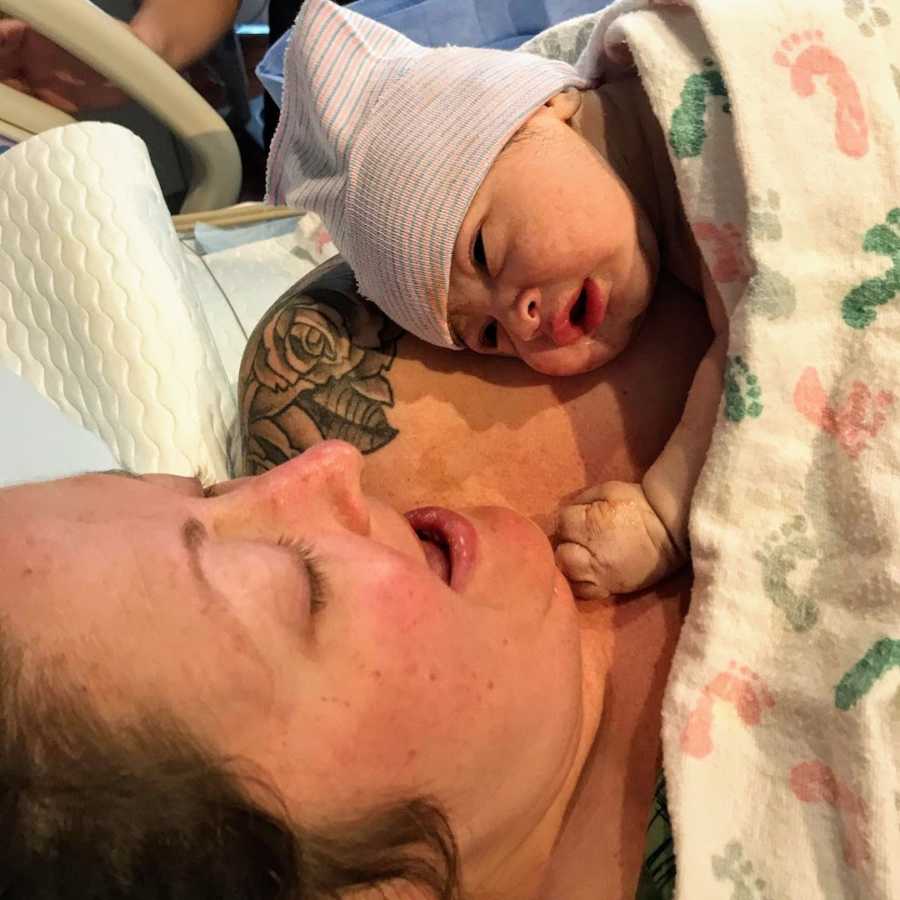
Clearly, they must have forgotten to install my maternal instinct at birth. Later, I’d ask the nurses if it was something you had to specifically request. The following days were a whirlwind of uncertainty: navigating breastfeeding, adjusting to an extended hospital stay when I had envisioned a peaceful water birth and same-day discharge, and eventually, facing a NICU stay.
Let’s just say my introduction to motherhood was far from graceful. Those first months were filled with tears, doubt, and questioning every choice. Why was the transition so difficult? Why did my body feel like it had failed my son? Why did I feel like I was failing at everything already? The weight of isolation, of feeling inadequate simply by existing, was crushing.
There were mornings when tears would spill without warning, and I’d wonder if I would ever stop feeling this sadness. And then there were moments when rage bubbled up inside me like a volcano, fierce and uncontrollable. I felt suspended between two worlds—grieving my old life while grappling with a version of myself unprepared for this new one. This wasn’t how motherhood was “supposed” to feel. It wasn’t right.
For a long while, I kept these emotions secret, tucked away like shameful little belongings. Outwardly, I smiled at storytime, showed up for mommy-and-me yoga, and waved cheerfully when friends visited. “You make motherhood look so easy!” they’d say, and that compliment cut deeper than any criticism. On the surface, I seemed fine, but beneath, I was drowning—and everyone around me assumed I was just treading water gracefully.
It wasn’t until I began confiding in a few trusted friends about the rage, the fear, the intrusive thoughts, that I discovered something life-changing. Rather than judgment, I was met with compassion. Rather than isolation, I found solidarity. Others had felt these same struggles. Others had survived.
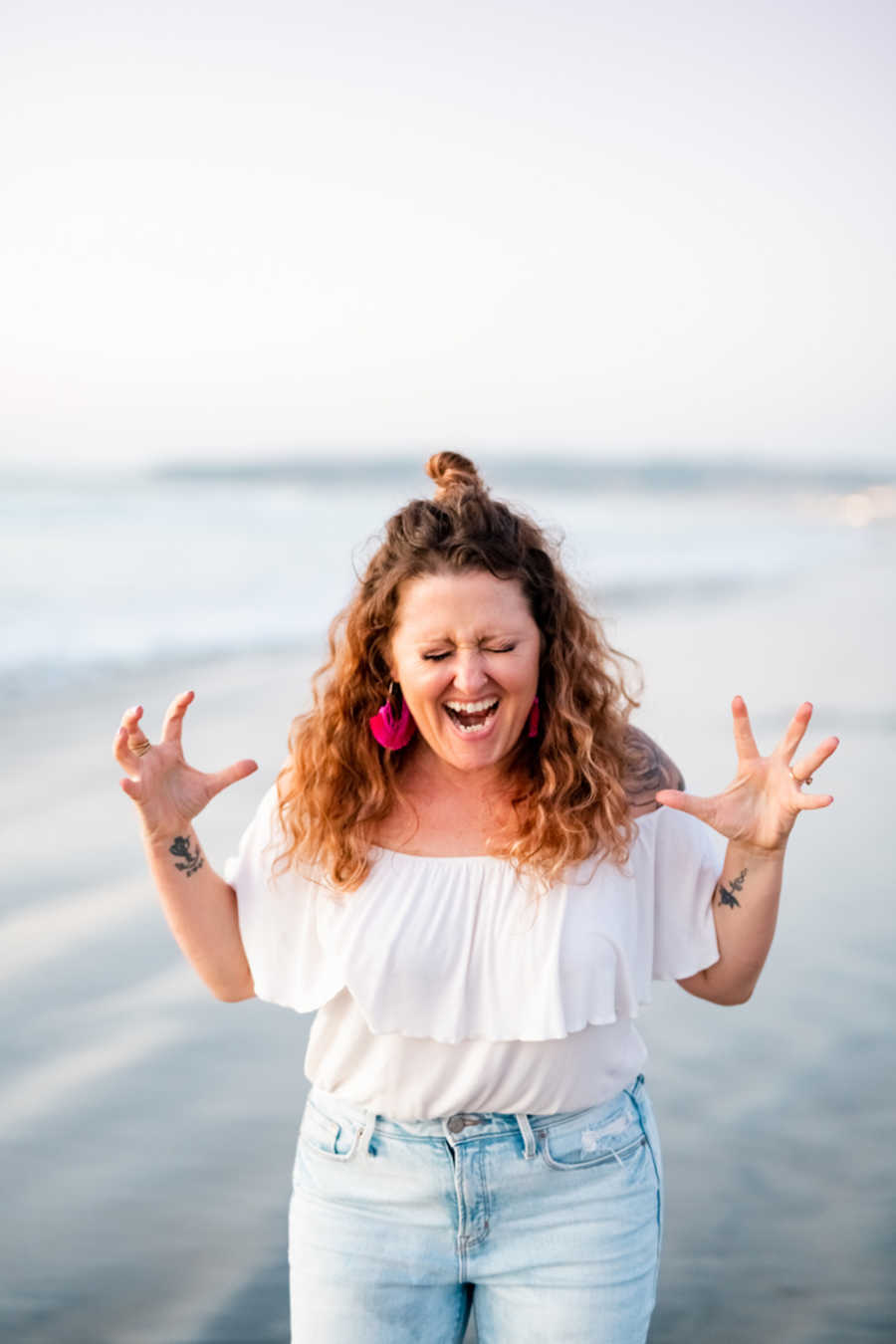
I realized that much of motherhood’s reality is rarely spoken about. Behind curated Instagram feeds, Pinterest-perfect crafts, and polished smiles, countless mothers wrestle with guilt, anger, and self-doubt. The expectation to hide these emotions only deepens the pain, feeding isolation and shame.
Sharing my story became a form of liberation. Storytelling allowed me to release my pain, connect with other mothers, and show the raw truth: it’s okay to not be okay. Bringing these feelings to light removed the power of shame—they no longer needed to be hidden.
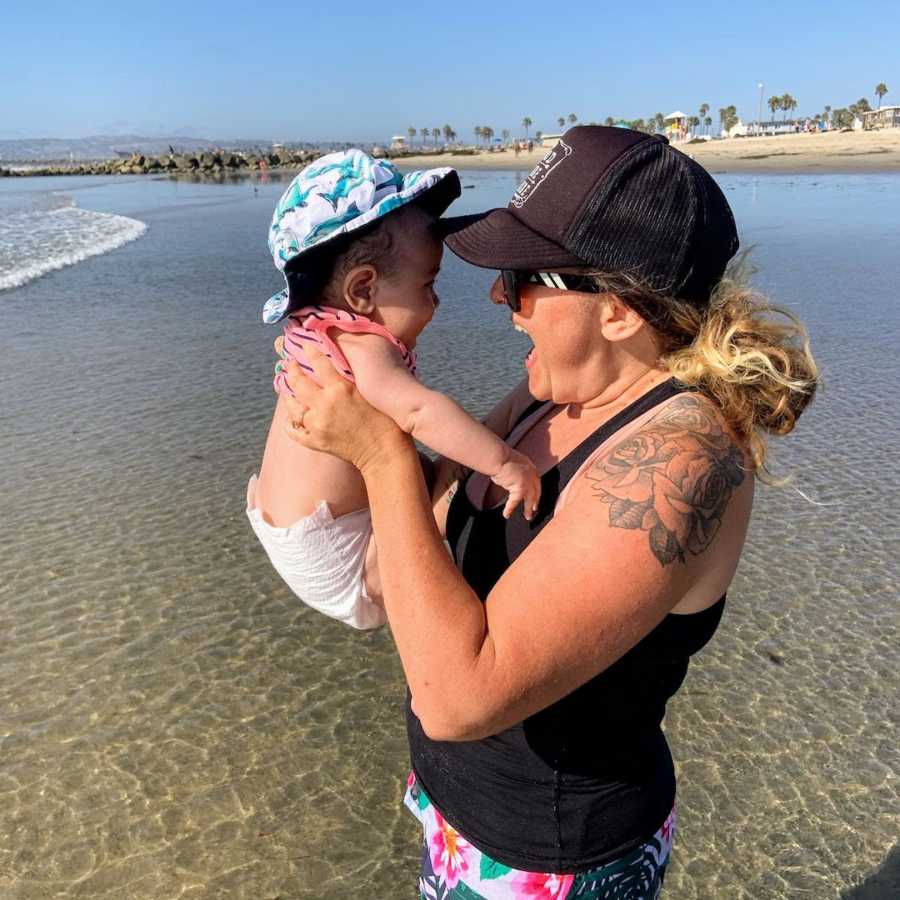
I remember many early conversations vividly—late-night Instagram messages during 2 a.m. feeds, whispered truths shared with other brave moms navigating the darkness of motherhood’s unspoken struggles. Through these conversations, I found an outlet, a voice, and pieces of myself I’d long forgotten or never met. I realized that motherhood’s identity isn’t dictated by trends, influencers, or anyone else’s standards—it’s ours to define.
It doesn’t have to be perfect. It can be messy, loud, creative, and even freeing. If you’re in a season of questioning yourself, feeling lost in the fog of identity, or watching others seemingly “get it” while you’re barely holding on, here’s what I want you to know:
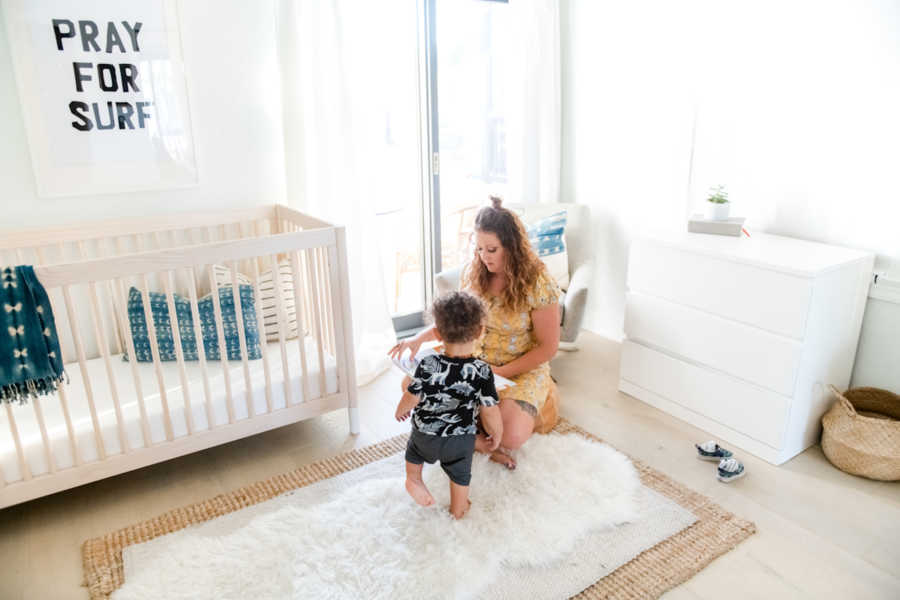
First, release yourself from unrealistic expectations. None of us really know what we’re doing. There will be joyous days when everything flows and chaotic days when you want to run for the hills. You are more than the standards you impose on yourself, and you are more than any fleeting feeling of inadequacy. You know your baby better than Google ever will, even at 2 a.m.
Second, ask for help. Lean into the relationships that remain steadfast and let go of guilt when you need support. Motherhood isn’t meant to be a solo mission, and seeking help is a sign of strength, not failure.
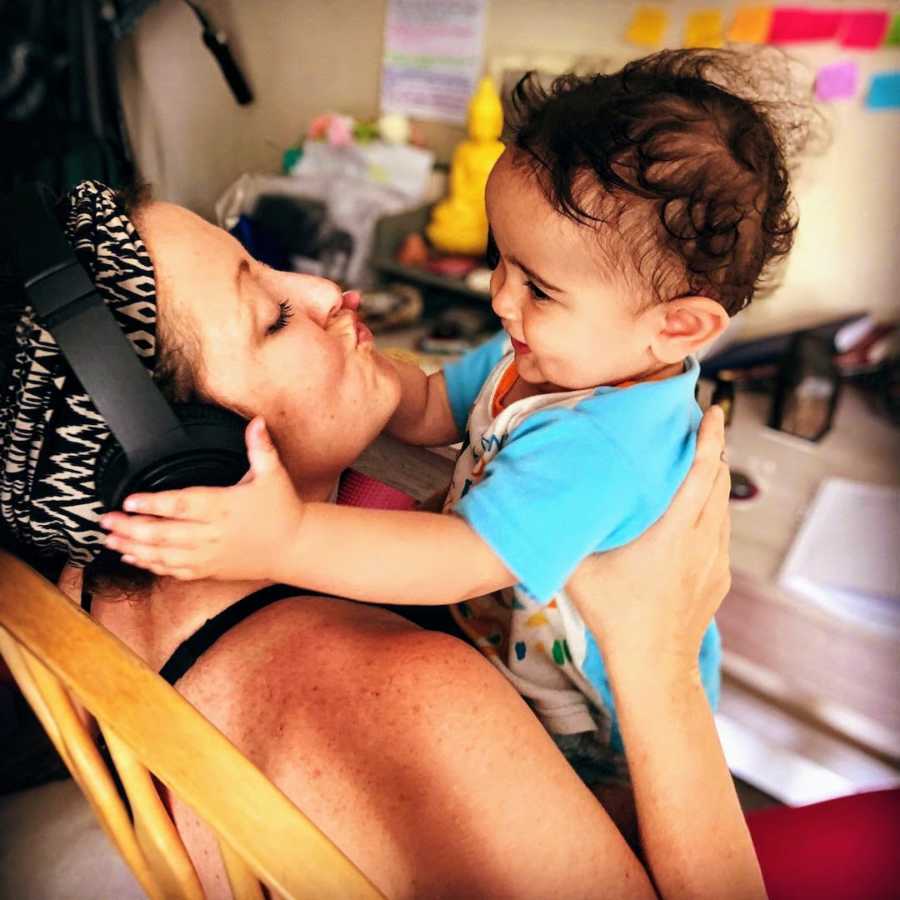
Finally, embrace imperfection. Your child may lick a park swing or eat a questionable snack you can’t identify—but you’re still a remarkable mama.
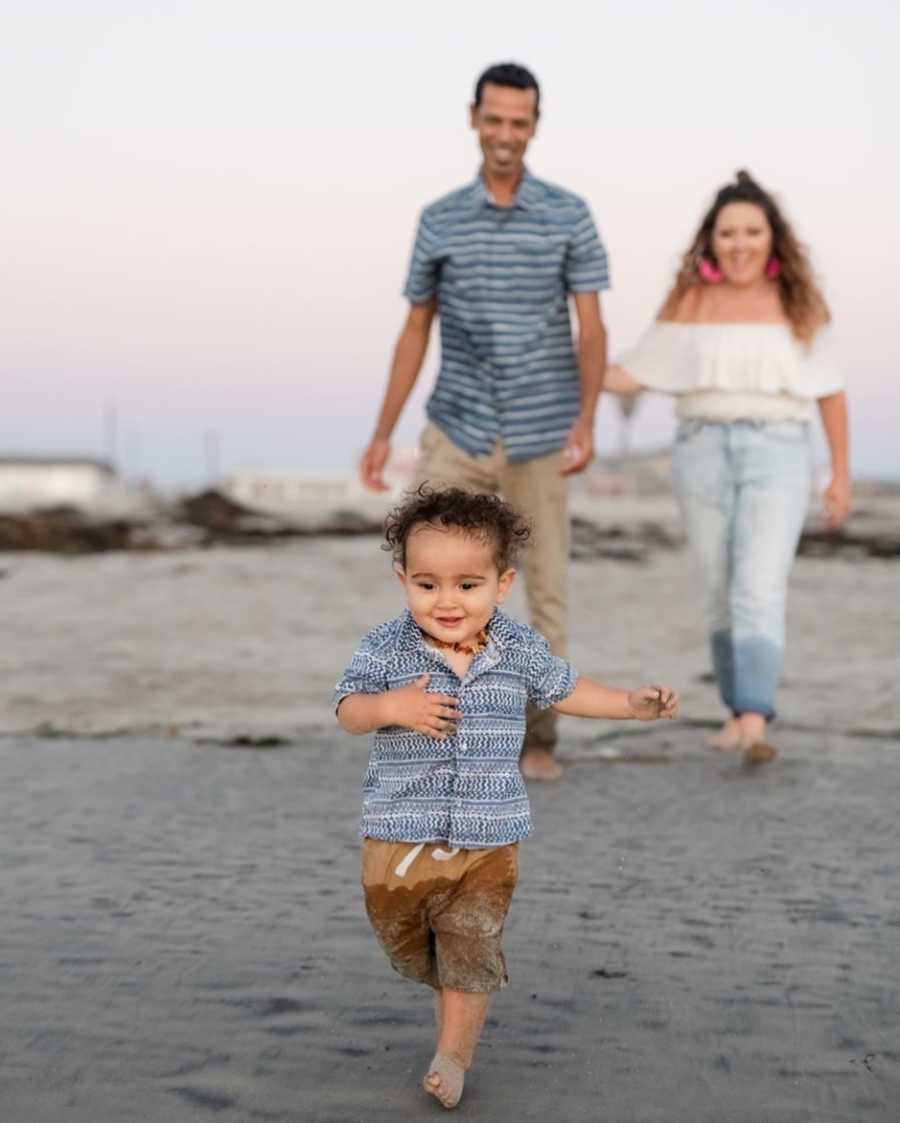
Healing while being a mother is an ongoing journey. It can be triggering, exhausting, and deeply challenging, especially when parts of ourselves still need care. Yet on the other side of healing lies a motherhood that can be messy, blissful, adventurous, and joyful. You deserve nurturing as much as your family does. And through it all, remember this: you are a good mama.