“‘Congratulations, Mom, let’s check for all ten fingers and toes… oh wait… nope.’
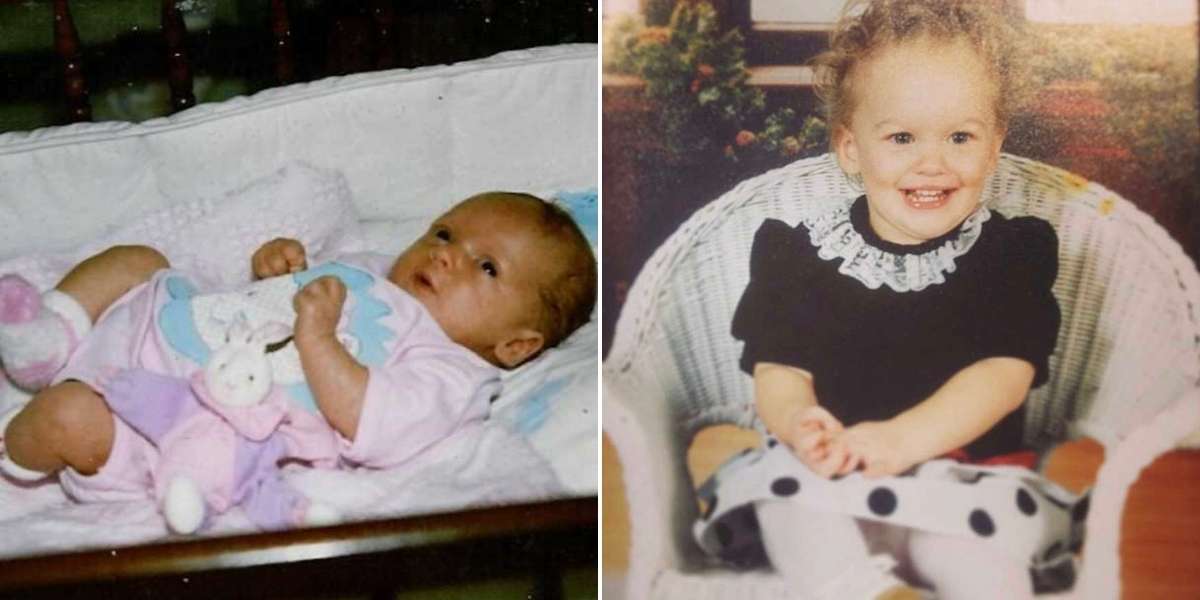
On March 8, 1991, at 12:52 p.m., I entered the world weighing just 4 pounds 11 ounces, with no indication that anything was wrong. But within seconds, every monitor began sounding, and I was rushed away as my tiny body briefly gave up on living. My mom had no idea what was happening—only that her baby needed to be saved, and that something about my fingers or toes wasn’t as expected. For more than five hours, she was left completely in the dark, unable to even hold me.
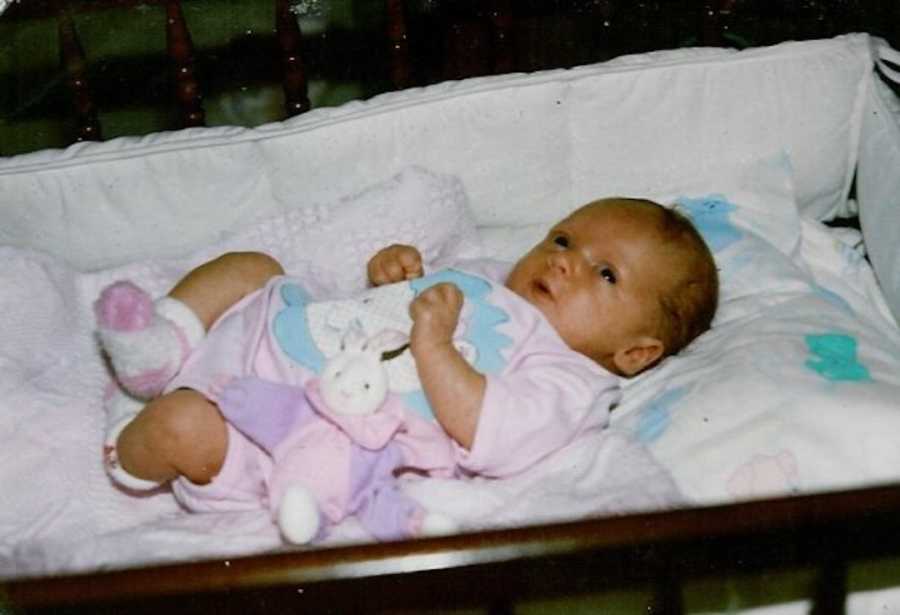
Doctors stabilized me quickly, but they hesitated to bring me to my mom. They feared that seeing my hands, feet, and the deep band around my left leg would send her into shock. Instead, they allowed everyone else to hold me first—away from her. My aunt and nana were the first, followed by my grandpa and his wife, my uncles, my great-aunts, and even my biological father and his family. It became quite the welcoming party. At the time, no one offered an explanation. Thirty years ago, there wasn’t a clear diagnosis. It wasn’t until years of specialists later that we would finally learn the name for it: amniotic band syndrome.
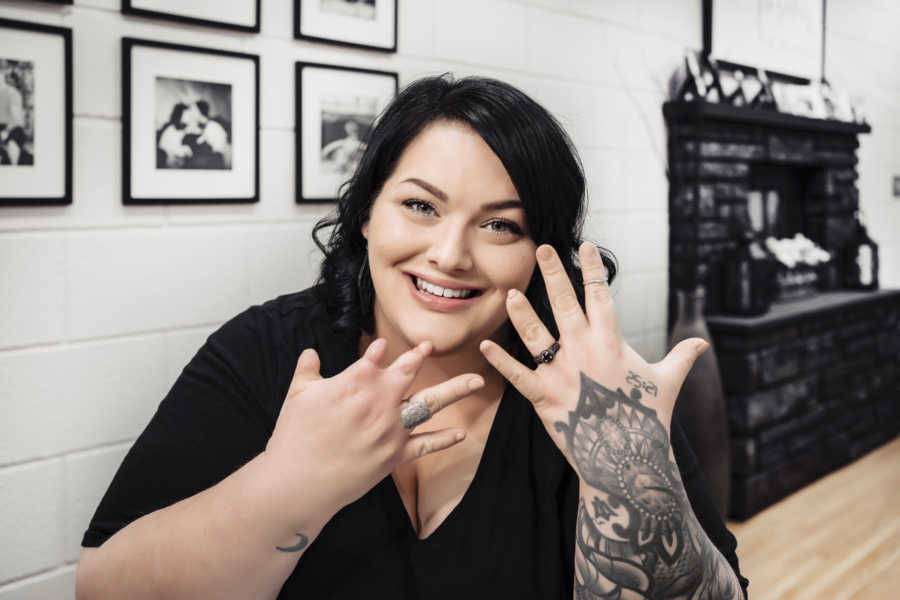
I was tiny—so small that preemie clothes and diapers didn’t fit—but my body told a much bigger story. On my right hand, my thumb, index, and middle fingers were fused together, stunted by the bands that restricted their growth. On my left hand, the tip of my ring finger was missing, ending in a small pointed nail. All of my toes were affected on both feet—shorter, misshapen, and one missing a nail entirely. My left ankle had a deep band that left my foot stuck in a tiptoe position. “Little Lefty,” as we called it, was smaller, darker, colder, and unable to flatten. My feet curved inward, and one leg was visibly shorter than the other.
Back on the day I was born, my mom was desperate to meet me. She pleaded with doctors, reminding them she was training to be a nurse and could handle whatever news they needed to share. She just wanted to see me, to hold me—nothing else mattered. While she waited, doctors tightly wrapped me and passed me around to family members, still offering no explanations. My biological father saw me and then left the hospital without telling anyone.
When my mom was finally allowed to hold me, she was utterly exhausted. She looked down at me, cried, whispered “my little girl,” kissed my forehead, and held me close. She noticed my dad was gone but didn’t panic. In that moment, she knew we would be okay—just the two of us if necessary. She had me, she had her family’s love, and that was enough.
Later that evening, my dad returned—along with his family—to suggest putting me up for adoption. They said my “deformities” would make me severely handicapped and that they weren’t equipped to raise me. My uncle overheard my mom repeatedly saying “NO,” walked in, and calmly but firmly told them, “With or without you, our family will raise her. Mary needs to rest now. I think you should go.” My dad’s mother rolled her eyes, and they left. I was born on a Friday and went home Sunday with my mom, aunt, and grandma—raised by a trio of strong women from the very beginning.
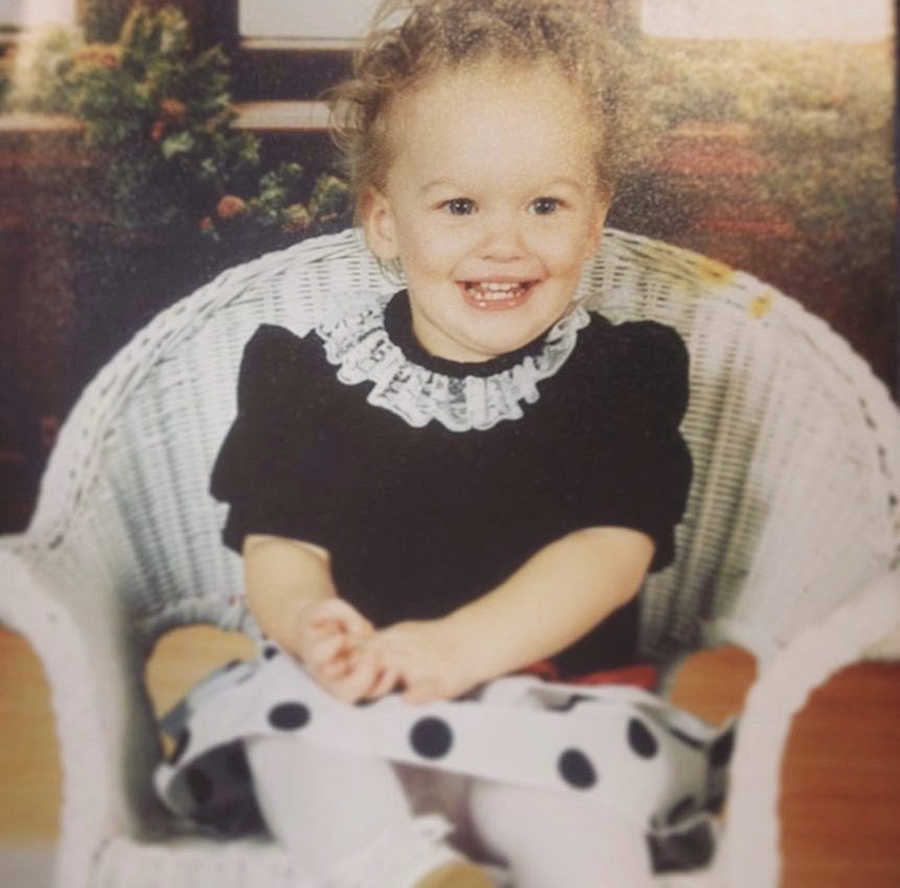
During that hospital stay, doctors told my mom I’d need surgery around one year old to separate my fingers. They warned my ankle band would need monitoring and that I might never walk or run. One doctor even said, “We just don’t know what to do with it,” referring to my leg. There was also uncertainty about my brain function. They were wrong—simply because they didn’t know yet.
Fast forward: I had my hand surgery, and I thrived. My fingers were shorter and shaped differently, but my right hand quickly became my dominant one. Suddenly, I could do everything.
My mom continued inviting my biological father—and sometimes his mother—into my life. But there were moments when they tried to hide my hands in public, ashamed of how I looked. My mom made it clear: I would never be raised to feel ashamed. I was beautiful, and it was a miracle I was alive at all. Eventually, they stopped coming around. I learned early that if someone isn’t equally invested in your life, it isn’t worth the heartbreak. Protecting your peace matters.
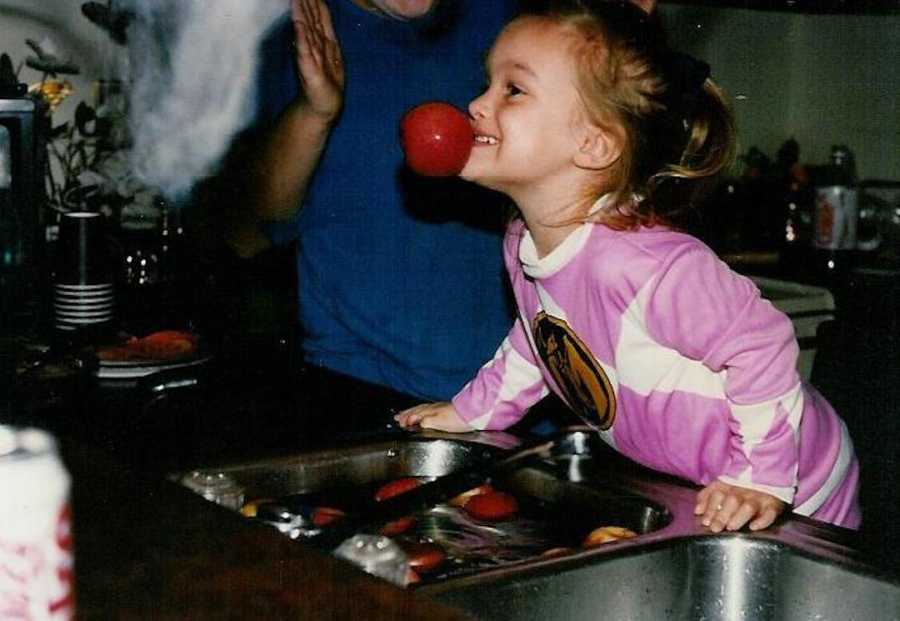
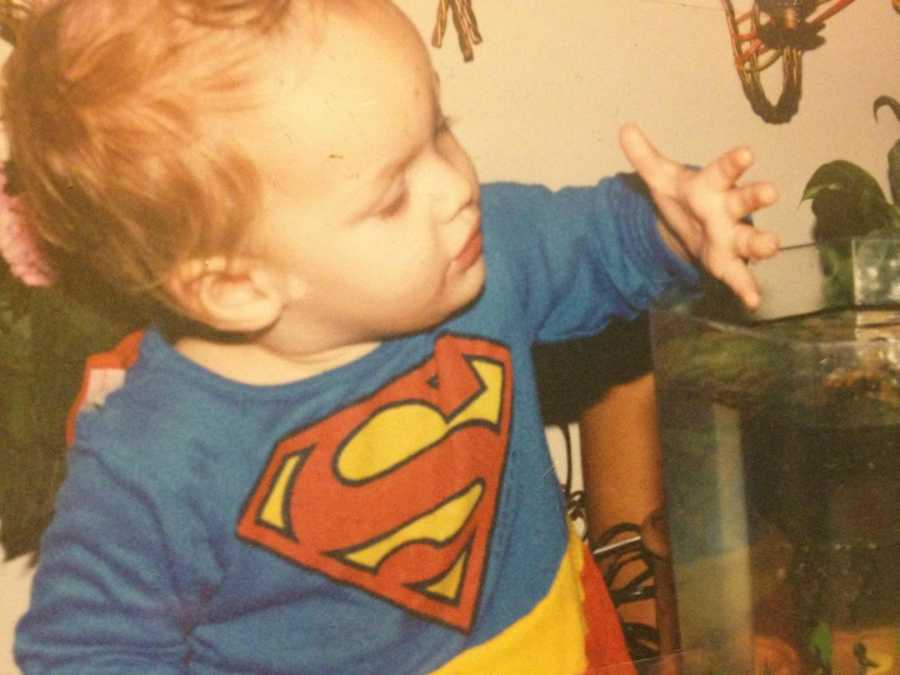
When people noticed my differences, my mom always stopped to answer questions. She never hid me. I learned to walk early—on the sides of my ankles because my legs curved inward. I wore braces at a very young age to strengthen and straighten them, and I still have those tiny braces today. My left leg remained stuck in a tiptoe position and continued measuring shorter as I grew.
Around this time, my stepdad entered my life—and never once saw me as anything but perfect. He encouraged my mom to bring me on dates. Soon, I was calling him “Daddy.” We played Barbies and Hot Wheels, I styled his hair, cracked eggs on his head—every wild idea I had was met with love and encouragement.
We took nature walks, built tiny habitats for frogs and turtles, and went fishing constantly. Later, they gave me a little brother, Karter—now an MMA fighter and luxury deck builder. He’s been my biggest supporter, always ready to answer questions about me with pride and confidence. He inspires me every single day.
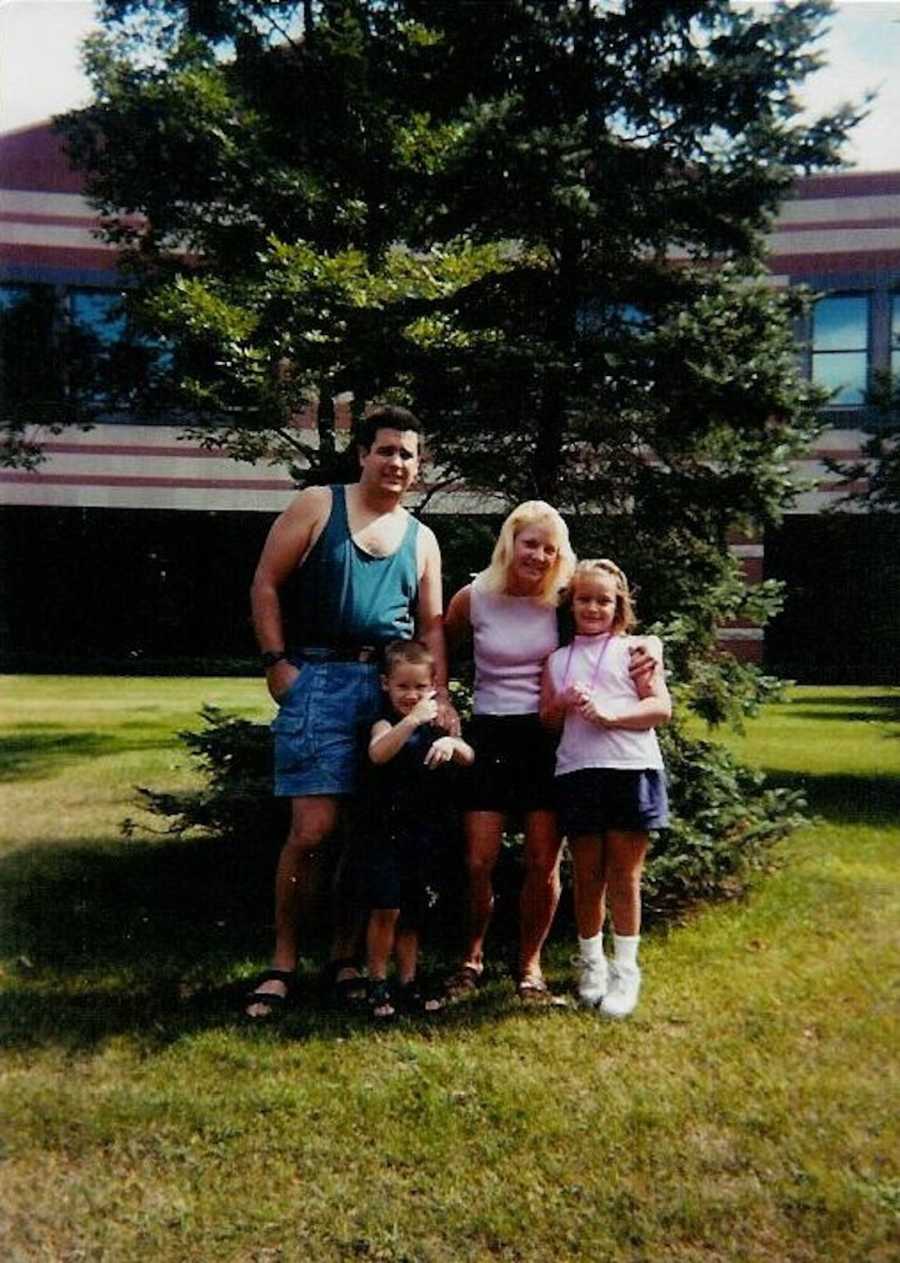
As friends began noticing my differences, we chose honesty. We told my story early, and it worked. Kids were curious, not judgmental. It was often the adults who felt uncomfortable—not knowing how to explain difference to their children.
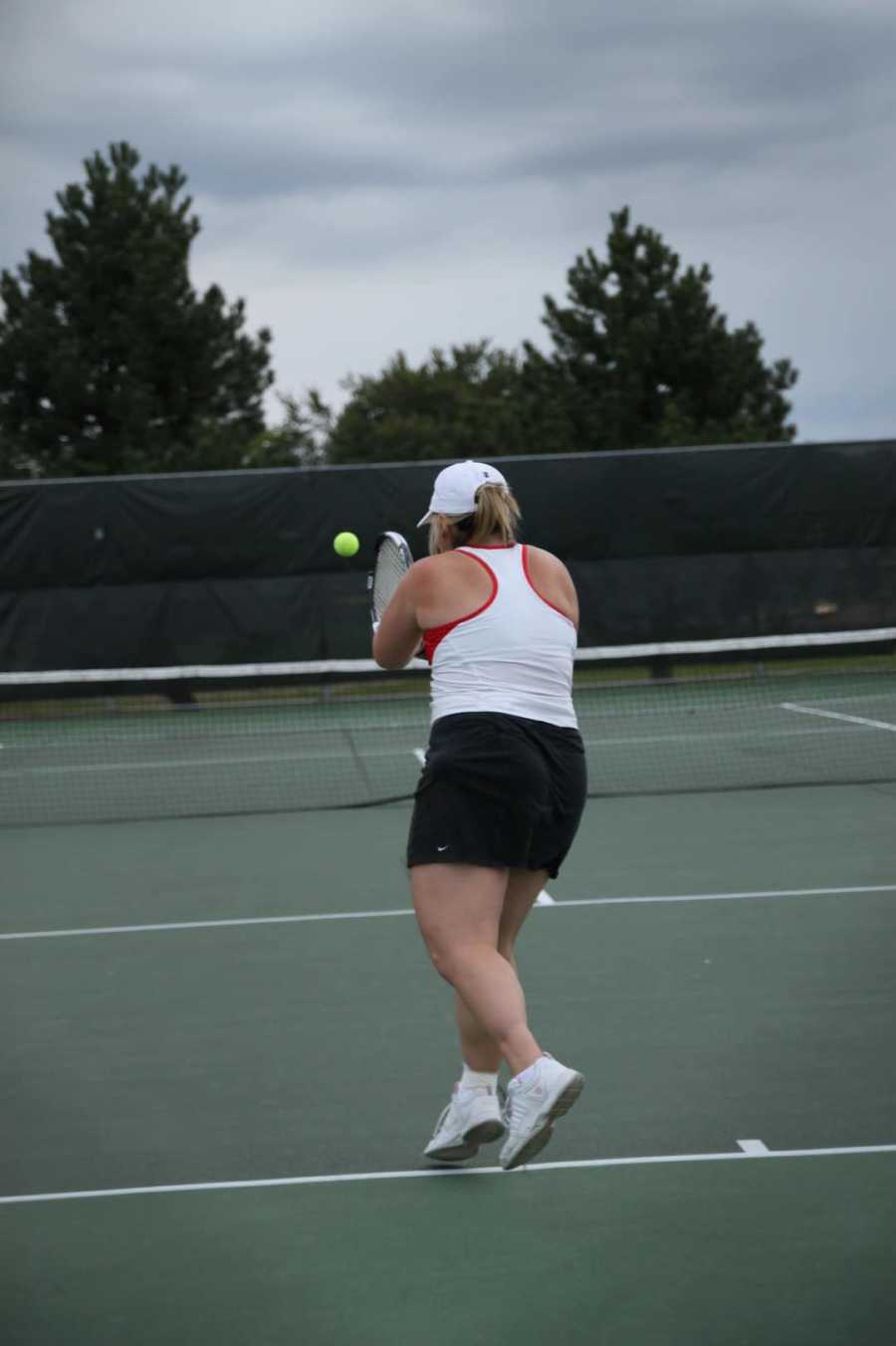
As soon as I was old enough, my mom helped me discover my two greatest passions: art and tennis. Using my right hand, I created artwork that earned blue ribbons at county and state fairs and was even displayed in our state capitol. Art became how I processed emotions. Tennis became how I released frustration, refined balance, and learned teamwork. I started playing at just four years old in our community program and felt welcomed from day one.
By kindergarten, I was confident enough to share my story myself. From kindergarten through eighth grade, I introduced myself on the first day of school—my story, my passions, and my belief that I could do anything. This approach helped me build lifelong friendships and shielded me from bullying. Once, a kid called me “Mrs. No-Fingers”—but that was the worst of it.
Adults, however, often doubted me. Teachers tried to take pencils from my hand. Others insisted I couldn’t run or participate fully. We constantly had to advocate for my capabilities. It was during elementary school that my uncle connected us with Shriners Hospital for Children in Minnesota. We wrote a letter, shared my story, and were accepted—eliminating future medical debt.
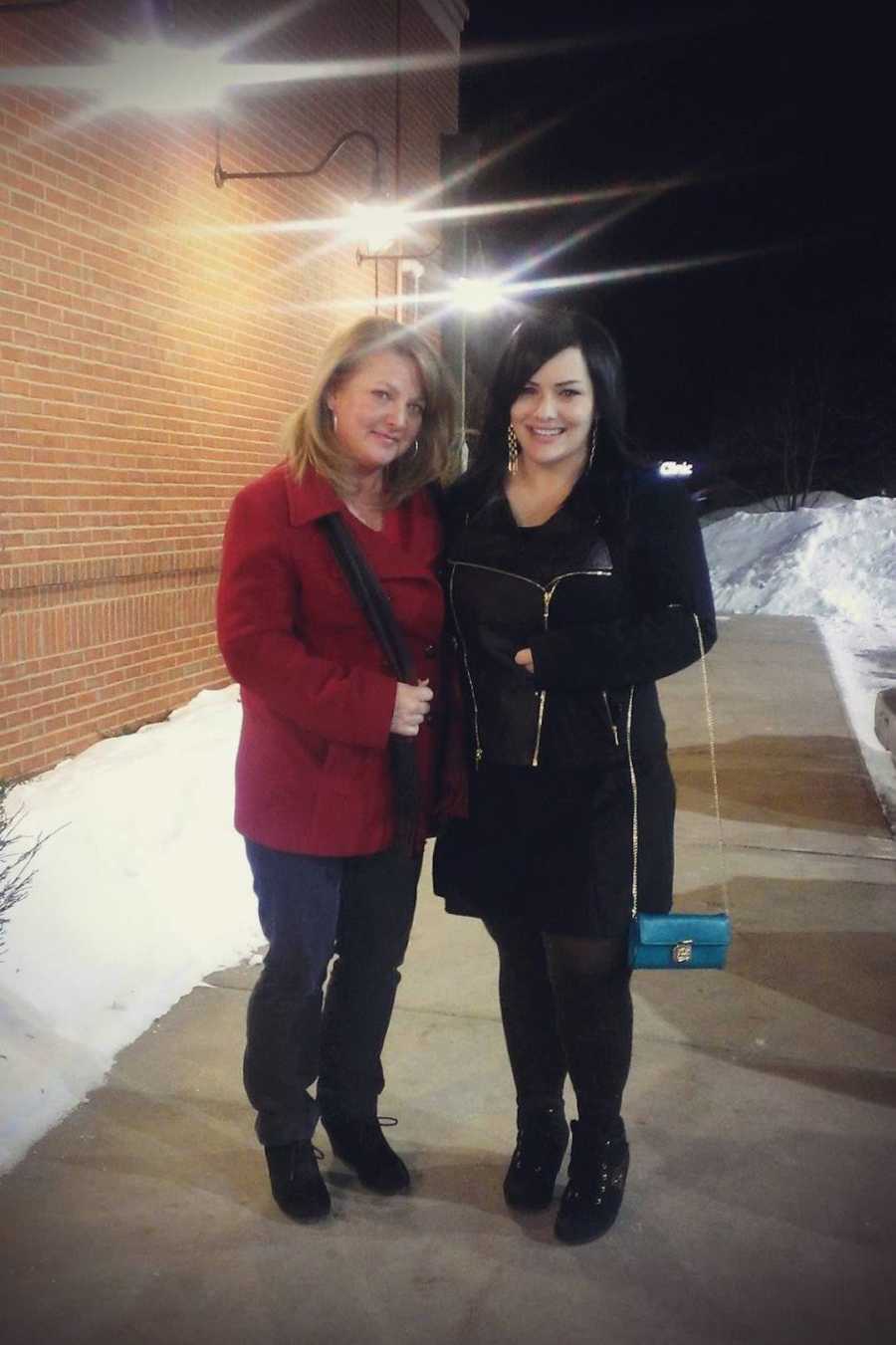
At eight years old, hearing the words “amniotic band syndrome” changed everything. We finally had answers, a plan, and a team who understood. I met kids like me. It was emotional, relieving, and empowering.
In middle and high school, I underwent multiple Shriners surgeries. Doctors slowed the growth of my right leg so Little Lefty could catch up. They decided not to release my ankle band—it would cause more harm—but they did cut and stretch my tendon, guiding my foot so I could finally walk flat-footed at 16.
Shriners gave me mobility—and unforgettable memories. Wheelchair races, late-night Pokémon sessions, and the most compassionate medical team imaginable. Those surgeries didn’t stop me from dominating on the tennis court. I played all through high school—varsity, all-conference, MVP—and continued in college at St. Scholastica and UW–River Falls while studying marketing communications.
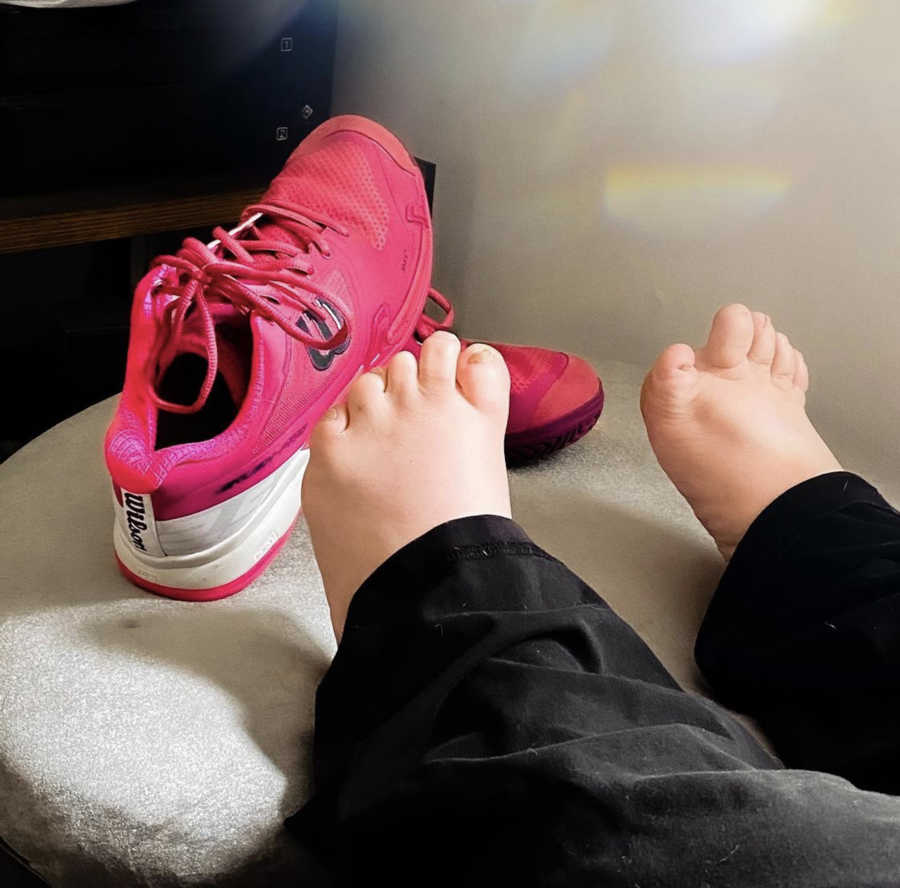
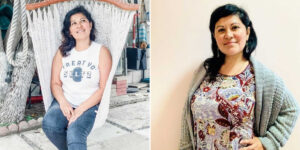
I launched my photography business at 16 and went full-time by 18. Twelve years later, I’ve traveled the world documenting weddings, music tours, MMA events, and more. I’ve photographed over 500 weddings, worked in male-dominated photo pits, earned awards, built lifelong client relationships, rescued shelter dogs, and married the love of my life—who didn’t even notice my hands for the first three months.
ABS has never limited me—not once. I now walk into rooms confidently, hands visible, barefoot on beaches without fear. I died once—and living fully taught me what truly matters.
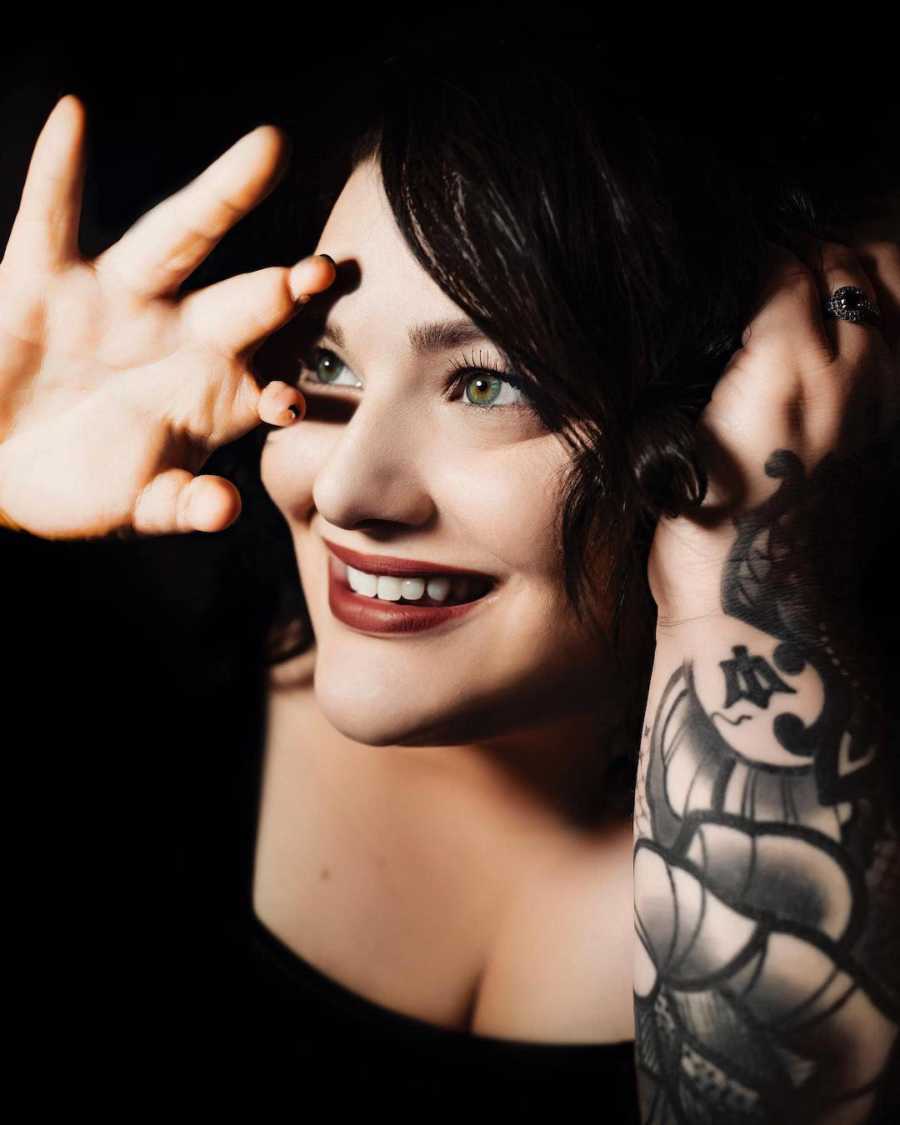
The only person who can hold me back is me. ABS didn’t happen to me—it was made for me. These weren’t obstacles; they were lessons. Lessons that shaped my heart, my purpose, and my belief in myself.
I wouldn’t change a single moment. I love my hands, my feet, my ankle banding—and the life they helped build. ABS doesn’t define me, but it is one of the most beautiful pieces of who I am.