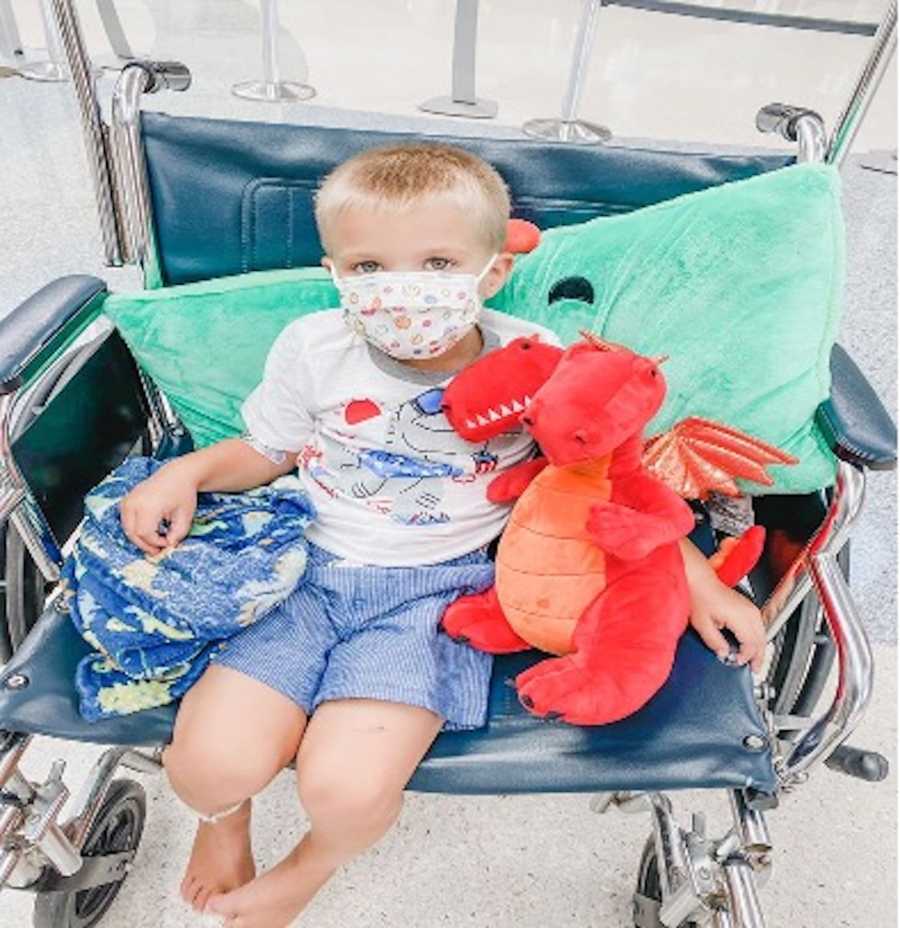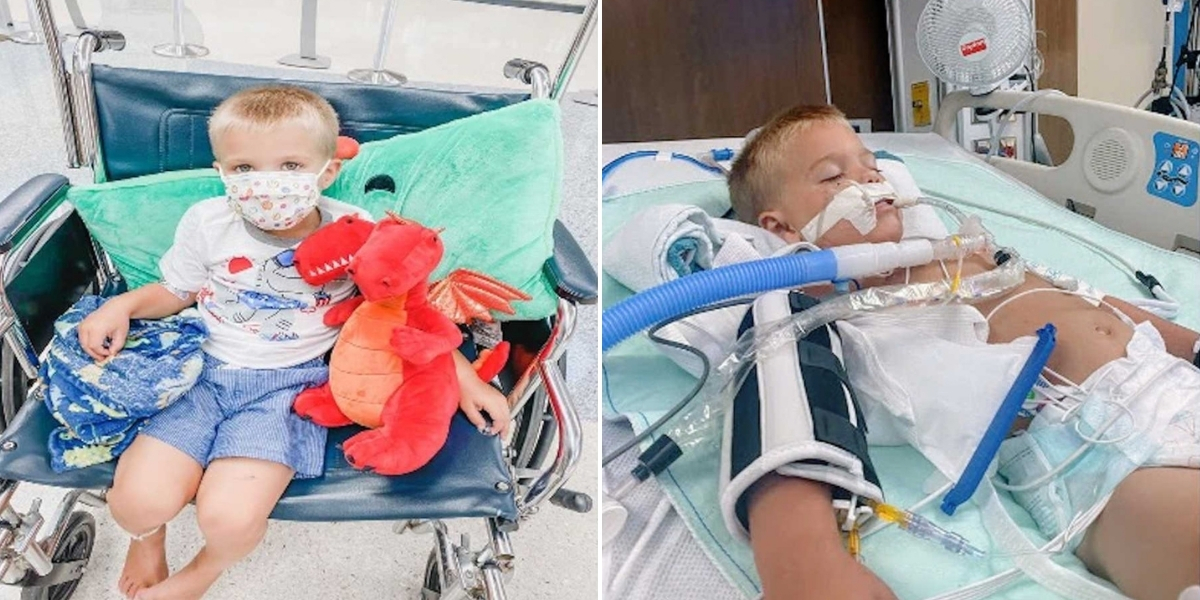
I thought I knew everything there was to know about water safety. I was wrong. I remember just a few weeks ago, after a toddler tragically drowned in a small town nearby, saying, “I just don’t see how this can happen.” We watch our little ones so closely—always. I thought drowning happened to other people. Until one day, it happened to us. Some of these pictures are hard to look at. But they are real. They are the result of Craig and I not truly being prepared, not fully aware of the danger.
Craig and I have three beautiful, healthy children: two boys and a little girl. Graham will be ten in November, JD—James Dean—will be five in December, and Ryn will turn three in September. Craig is a firefighter and EMT for our town, and I used to work in the medical field as well. It has now been almost nine months since JD drowned, died, and was brought back to us. I share our story—JD’s Testimony—in the hope it creates a teachable moment for other parents, to help you be hypervigilant and avoid the nightmare we went through.
Because I cannot stop reliving it. It replays in my mind constantly. Because I want every parent reading this to understand the importance of being present—truly present—in every single moment. JD is nothing short of a miracle. He survived a drowning in a pool—while ADULTS were in it—on Friday, July 3rd, around 1:30 p.m. Yes, I had not mentioned this part yet: Craig and I were in the pool. That fact alone will haunt me for the rest of my life. I was there. I have replayed it millions of times.
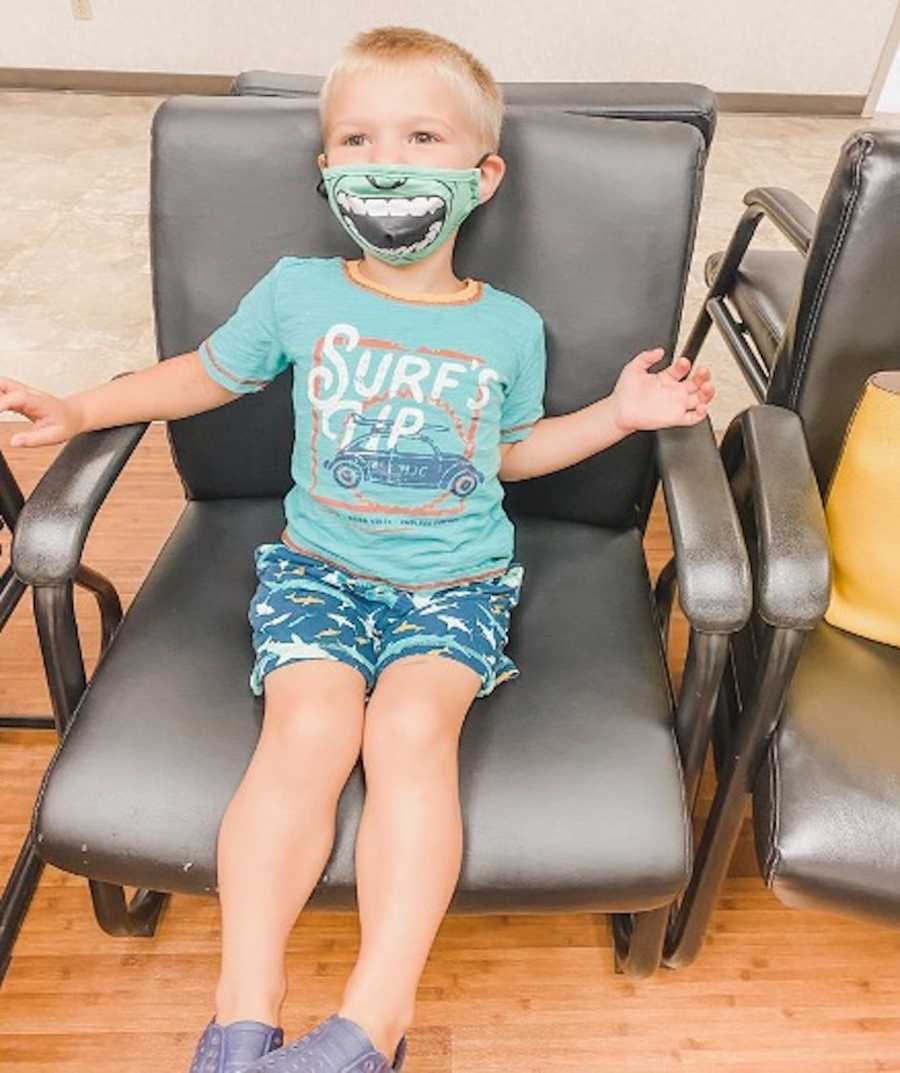
We had been in town—Mustang, Oklahoma—since Wednesday the 1st. Craig was to arrive Friday morning after finishing his 24-hour shift. We spent two wonderful days with my in-laws, nieces, and nephews. On Thursday, all eight kids swam all afternoon. Yes, eight kids.
On the morning of the 3rd, Craig arrived around 10 a.m. and ran to the store with his mom to grab drinks, food, and new goggles for the kids. While they were gone, I was in the pool with all the children. They jumped, splashed, and laughed. When Craig and his mom returned, Craig quickly changed into his swim trunks and joined me in the water, while his mom started preparing lunch for all the kids, who were loudly reminding us how hungry they were.
You might be thinking, “Eight kids? Of course someone drowned.” But here’s the truth: when this happened, every other child was supposed to be inside eating lunch. Not one single kid was in the pool with us. Craig and I thought JD was inside enjoying a hot dog. We had no idea what was about to unfold.
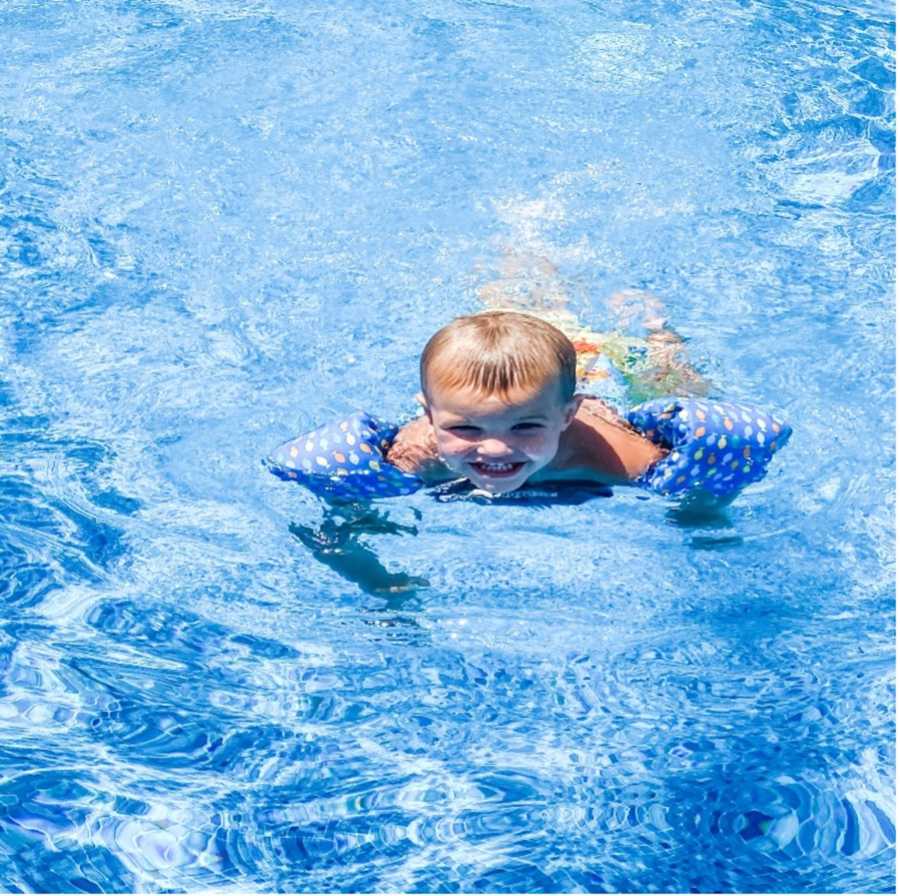
Minutes later, Graham came walking through the water carrying JD’s limp, gray-blue body. He stepped onto the porch and innocently said, “Mom, I farted.” Typical JD. Craig and I were just talking in the pool, catching up on life, bills, and the few moments Craig had missed while working his shift. The pool was full of floaties—drink-holding tubes, star-shaped ones, and a massive six-foot yellow duck floaty. It was impossible to see much beyond them. And yet, we never saw JD, never heard a splash, never sensed anything was wrong.
Drowning does not look like the movies. It is silent. JD himself later said he was trying to sneak into the pool. That’s how fast it can happen.
The next few moments were the absolute worst of my life. I screamed uncontrollably for someone to call 911. I prayed aloud over and over while fifteen people gathered around. I never imagined that one of my children could drown in a pool full of adults—especially me and Craig. I had always believed my kids “knew the rules.” But they don’t. No matter how many times you teach them, you cannot fully prevent it.
Graham said later, “He didn’t look like he was drowning. He was just a dark spot under water. But I knew Bubba wasn’t supposed to be there.” That’s the chilling reality—if JD had been older, nobody might have noticed at all. He held his breath quietly, no splashing, no yelling, no struggle.
Craig’s CPR skills—honed from years as a firefighter and EMT—saved JD. I know CPR, too, but I don’t think I could have done this for my own child. JD had no pulse, his body was blue and lifeless. Craig never wavered, pumping and giving breaths while I reminded him to keep going. I feared the worst, but somehow, God kept me hopeful. After several agonizing minutes, water, blood, and a tiny gasp of air signaled life returning. JD’s eyes fluttered, his chest rose, and I finally knew he was alive. It took about four minutes—four of the longest minutes of my life.
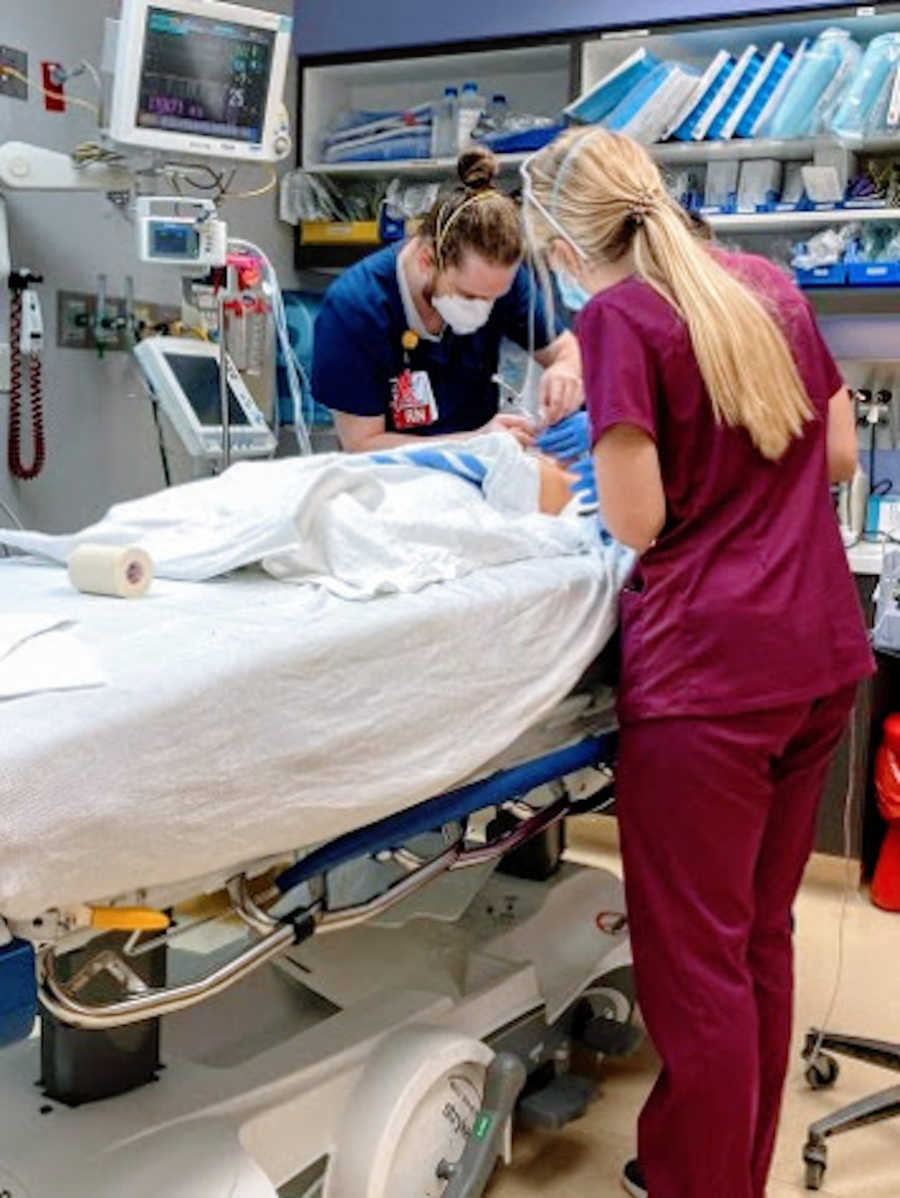
JD spent four days in the pediatric intensive care unit at OU Children’s Hospital in Oklahoma City. COVID-19 restrictions meant only one parent at a time could be with him, which made those first moments terrifying. Sitting on the concrete parking garage floor, I had no idea if my baby had survived the ambulance ride. Craig had no phone to communicate, and I could only pray.
The next morning, sitting at JD’s bedside, I replayed every moment of the previous day. He was three years old, and the doctors initially tried to avoid intubation, using a BiPAP machine to assist his breathing. When that wasn’t enough, they had to intubate him, and fifteen medical staff gathered in his room. We were asked to step out for this procedure, finding a small, private waiting room where Craig and I shared our first real moment since the accident.
JD remained on a ventilator for two days while his lungs healed. More medications ran through him than some adults ever receive. At one point, 23 wires attached to his tiny body. With a critical shortage of ventilators in the U.S. at the time, I am eternally grateful that one was available for him. It’s terrifying to imagine what could have happened if it weren’t. This was life or death, and it reinforced the importance of giving medical professionals every tool and resource they need.
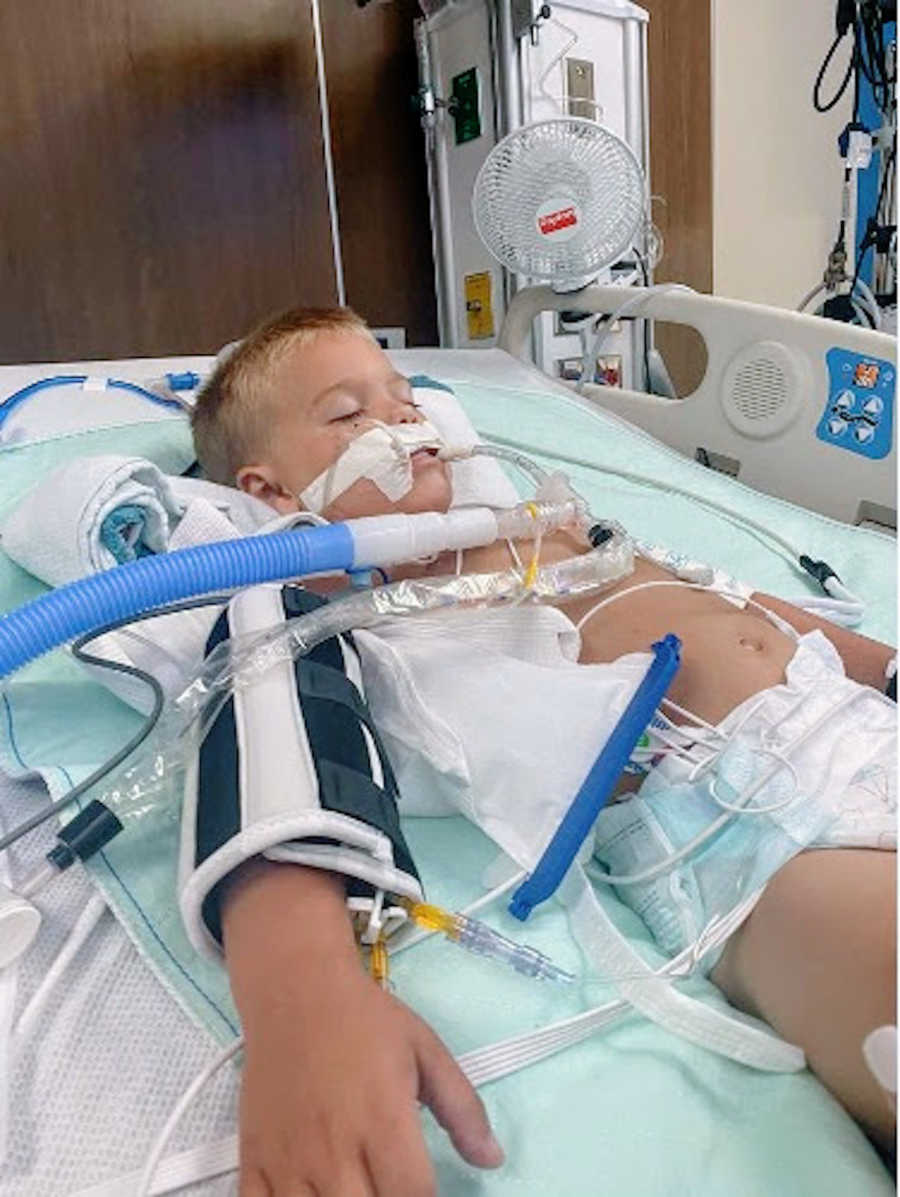
Thankfully, JD made a full recovery. He has no lasting effects from the drowning. He even has his first T-ball game this Friday—a miracle in itself. Shortly after his release, we enrolled him in ISR swim lessons. JD remembers the event vividly: he told us he had “sneaked into the pool” and that someone had saved him when he sank.
A few days after the accident, JD shared a dream he had while unconscious. He saw a big man in a window with a golden light, spoke to him, and felt comforted. It was profoundly moving to hear my son describe seeing what I believe were the hands of God guiding him back to us.
Every day, I remember JD’s story. The horror, the fear, the miracles—it’s all burned into my memory. His lips and hands were blue when Graham brought him out of the pool. I will never forget the screams, the prayers, the desperation, and Craig’s unwavering effort.
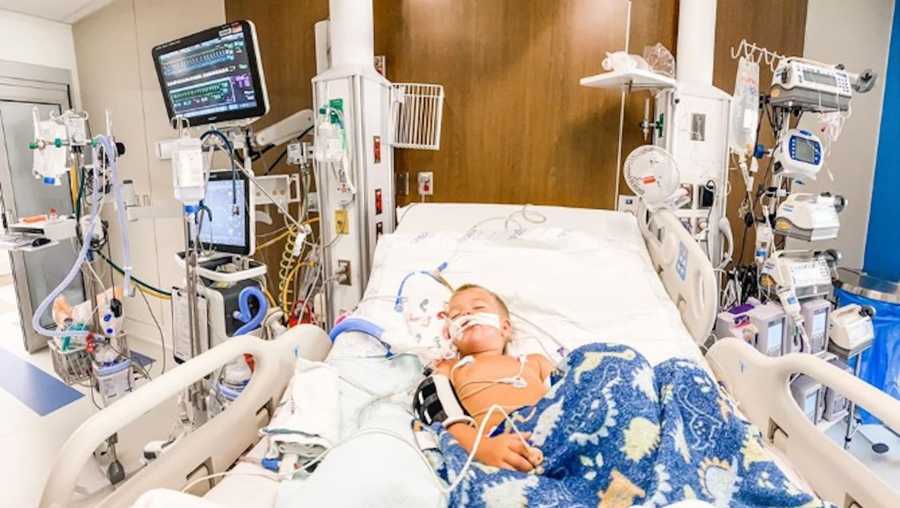
This is not 100% preventable, but it can teach us to be hypervigilant. Even with adults nearby, drowning can happen in silence. Learn CPR, invest in formal swim lessons, never rely solely on flotation devices, and consider designating a “water watcher” to actively supervise the pool. Drowning is the leading cause of death in children ages 1–4, and the second leading cause in ages 1–14. Constant, focused supervision is the key to prevention.
Many parents have faced what we did—some, like us, were saved; many, tragically, were not. We were naïve, uneducated about water safety, and lucky beyond words. I share our story to help others avoid this nightmare. Don’t wait until it’s your child. Educate yourself. Stay vigilant. Learn the signs. And most importantly, never underestimate the silent danger that water can pose. JD is here, alive, and thriving. We owe him—and all children—every layer of protection we can give.