“The pain is in your head. You’re overweight. Are you depressed? Are you sure it hurts that much? Have you tried Advil? Go home, take some Tylenol, and rest. Periods are just painful—everyone gets cramps. How do you spell that again? I’ve never heard of that before. You just need to exercise. Try yoga. You’re too young to have that. I’m sorry, I don’t know what’s wrong with you. I can’t help you.”
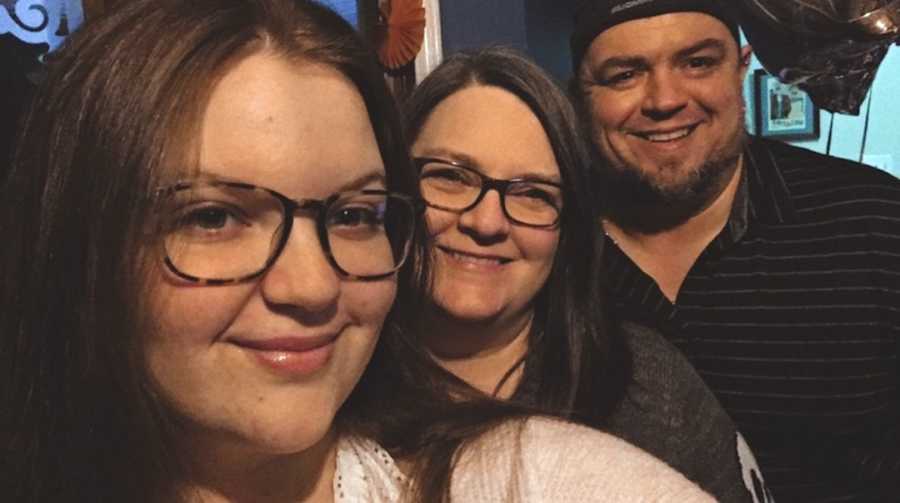
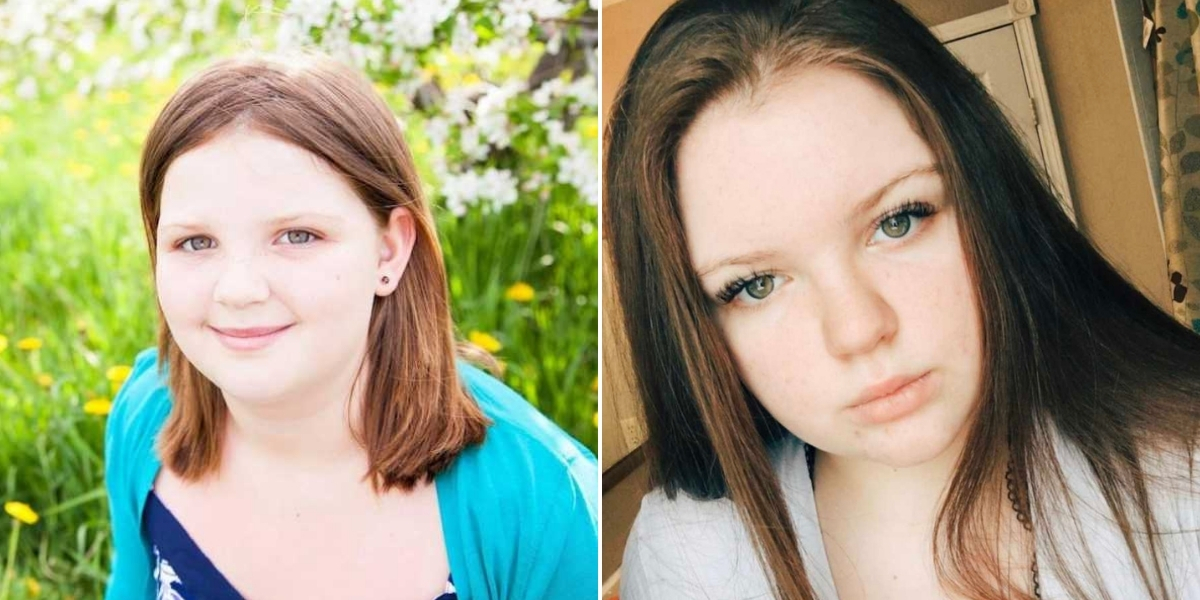
Since I was 12 years old, those words are all I ever heard. My name is Nevan. I am 19 years old, and I am chronically ill. I live with a debilitating disease called Endometriosis. For years, my illness didn’t even have a name. I was a mystery—alone, confused, and scared. I didn’t know anyone like me. I felt like an ant in a giant’s world: the sick girl. The girl who couldn’t go to school because she was in unbearable pain, yet was sent home again and again because doctors couldn’t—or wouldn’t—help. My symptoms began before I even got my first period: extreme pelvic pain, nausea, vomiting, painful bowel movements, frequent and painful urination, food intolerances, joint, leg, hip, and back pain, severe bloating—everything you can imagine. I didn’t know what was wrong, and neither did anyone else.
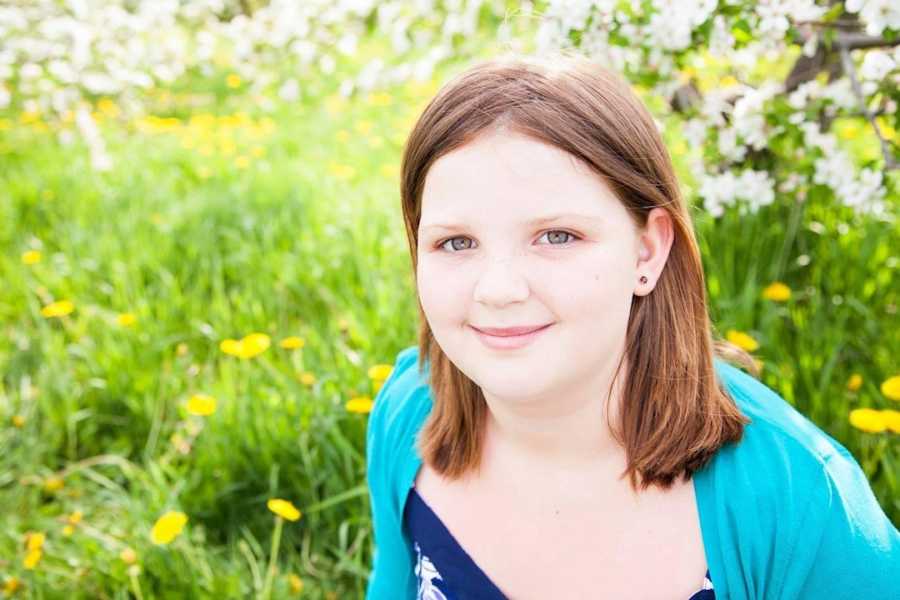
From December 2013 through March 2014, I was in constant, unexplained agony. I was bedridden, living day to day in pain. Then, in March 2014, I got my first period—and everything became worse. The pain I thought I knew became something entirely different. That same day, I was supposed to leave for Niagara Falls with my nana, her friends, and my little brother, Eamon. I begged to stay home. I just wanted my mum. But I went, for Eamon. I packed a pad and some panty liners, thinking my first period couldn’t possibly be that heavy. I was wrong.
I had to ask my nana to take me to Walmart to buy more pads, with my mum on the phone walking me through what to get. That night, I bled through my clothes. I was humiliated. Crying, I called my mum again, and she calmly told me how to clean myself up and how to get blood out of my clothes and my nana’s sheets. The next morning, we drove to the Falls, checked into the hotel, and went to the water park. I remember sitting on the sidelines in agony while my nana’s friend told me to just go have fun. She said this was life now—because I was a girl. Periods and cramps were normal. She was right that this was my life now, but what I was experiencing was not normal at all.
From there, I only grew sicker. By age 12, I had essentially left school. I physically couldn’t sit through a full day. Nausea, vomiting, and curling into myself from pain became my daily routine. I was in the ER countless times before I ever heard the word Endometriosis. I went hoping—desperately—that someone would finally listen. The staff knew me by name, yet no one had answers. Each visit ended with excuses and dismissal.
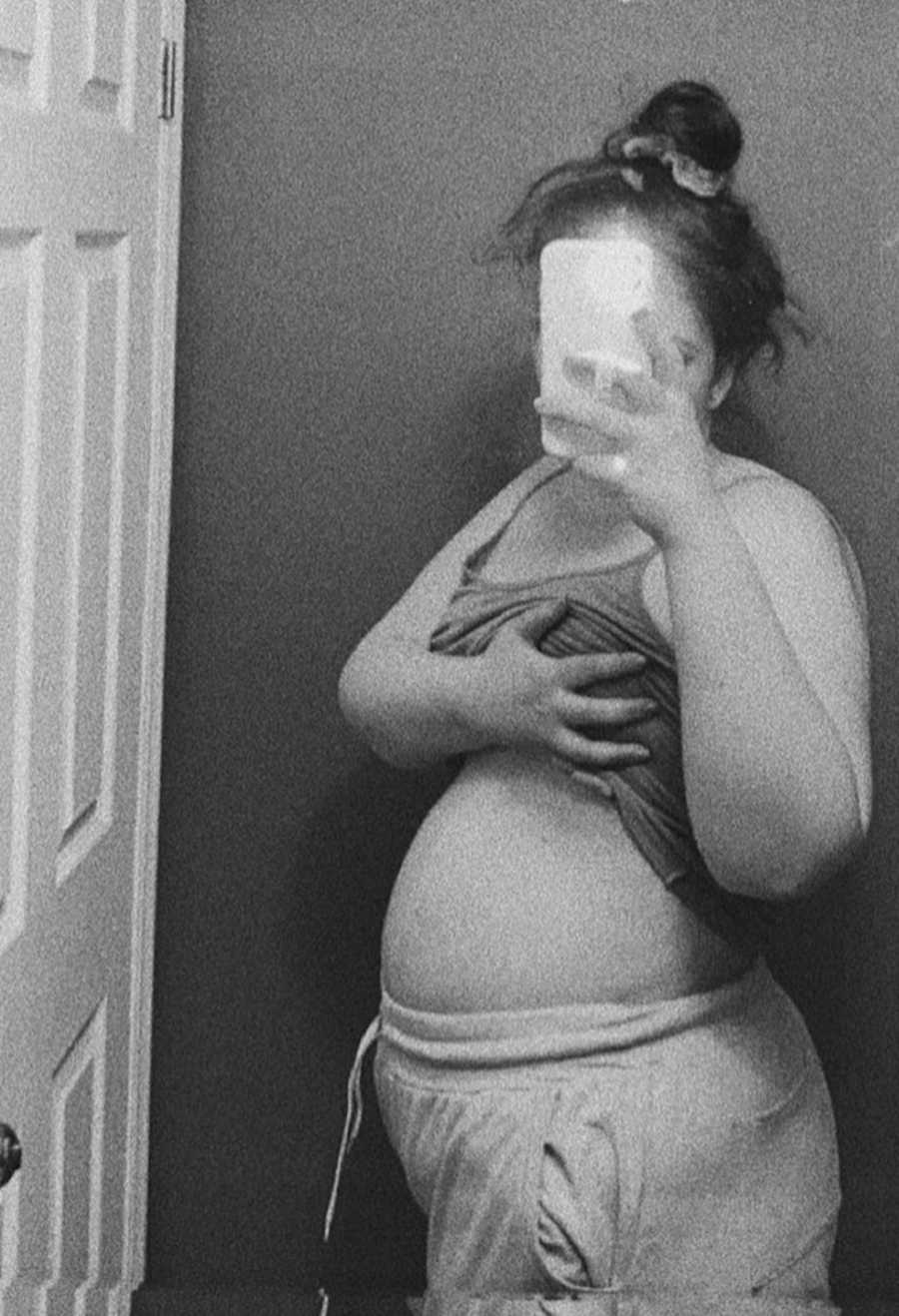
Imagine being a 12-year-old girl repeatedly given enemas because doctors were convinced constipation was the problem. When that didn’t work, they decided it must be in my head. Periods were just painful. I was overweight. I was depressed. I was labeled a drug seeker, as if I wanted this—like I chose to wake up every day sick, leaving behind school, friendships, and a normal childhood. That label still follows me.
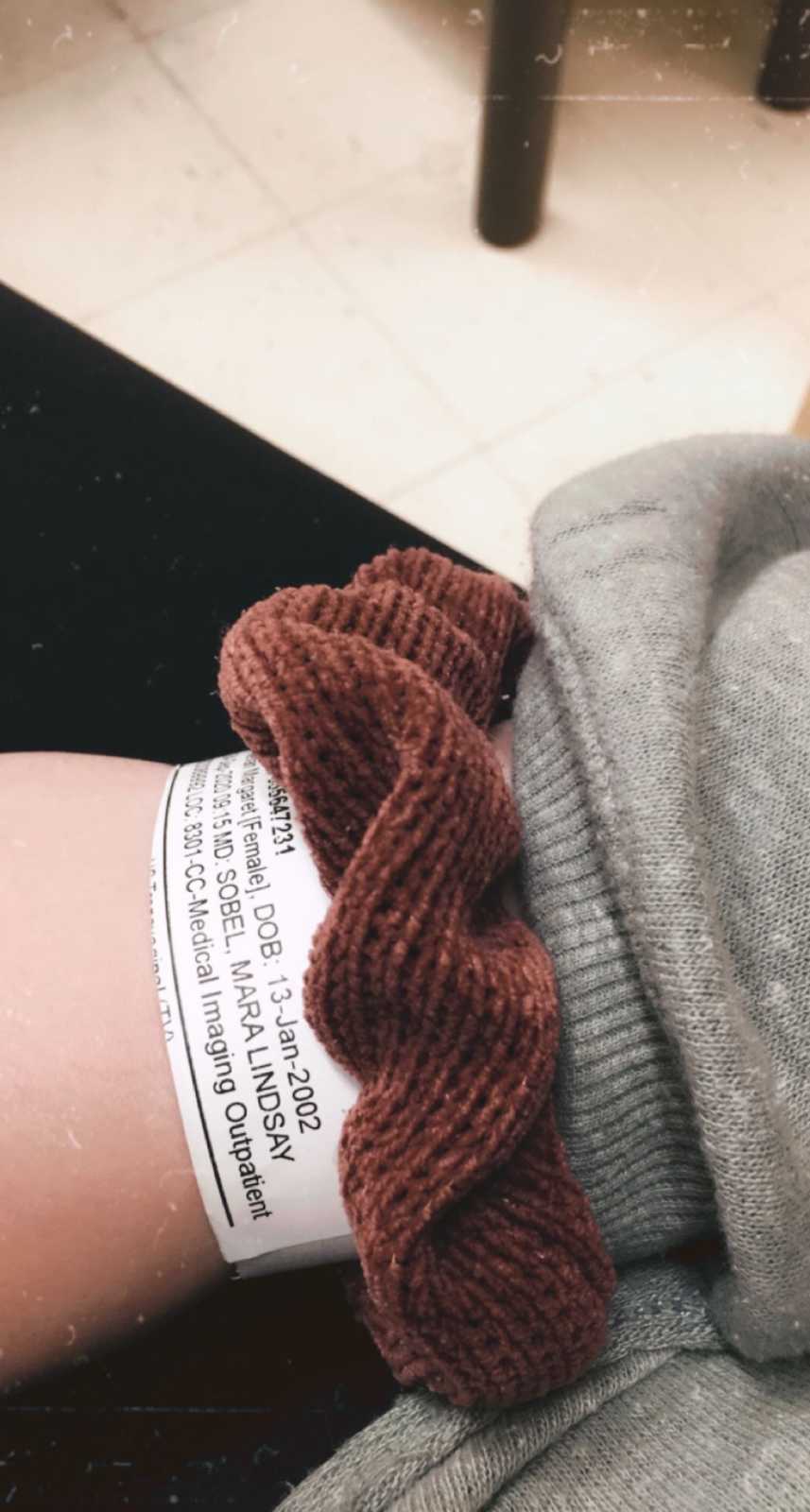
Out of all those ER visits, one nurse—just one—said the word “Endometriosis.” I was around 14, already two years into this nightmare. She couldn’t help me or offer guidance, and she didn’t fully explain it correctly, but she gave me something priceless: a name. Going home and researching Endometriosis felt like breathing for the first time in years. Still, we quickly learned how little women’s pain is taken seriously. Before Endo could even be considered, everything else had to be ruled out.
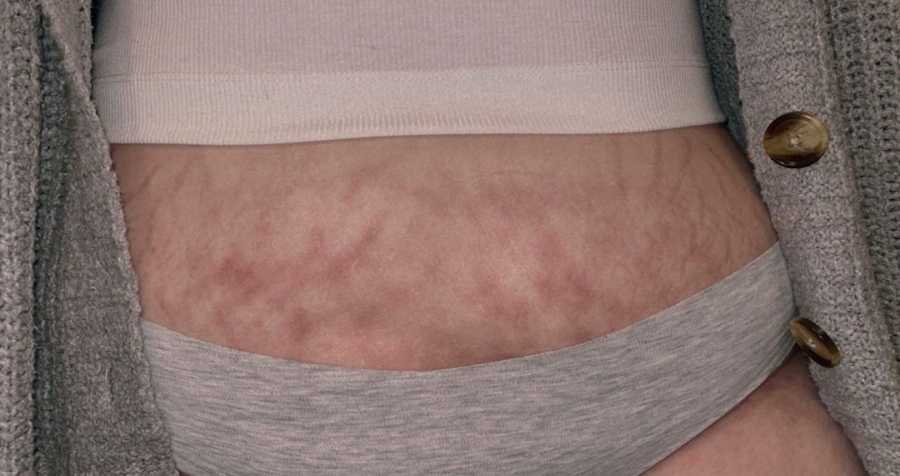
I was sent to a gastroenterologist. We tried food elimination—no change. I had a colonoscopy and gastroscopy, both normal. I remember her telling my mum and me that everything looked “perfectly pink like a watermelon.” You never want something to be wrong, but when you live with constant pain, you hope for an answer—any answer. She didn’t have one.
I lost over 20 pounds in a single month. She concluded I had vomited away my stomach lining and caused nerve damage. She also suggested I see a psychologist, believing depression was amplifying my pain. “I’m sad because I’m in pain,” I told her through tears, “not in pain because I’m sad.” That was one of the last things I ever said to her.
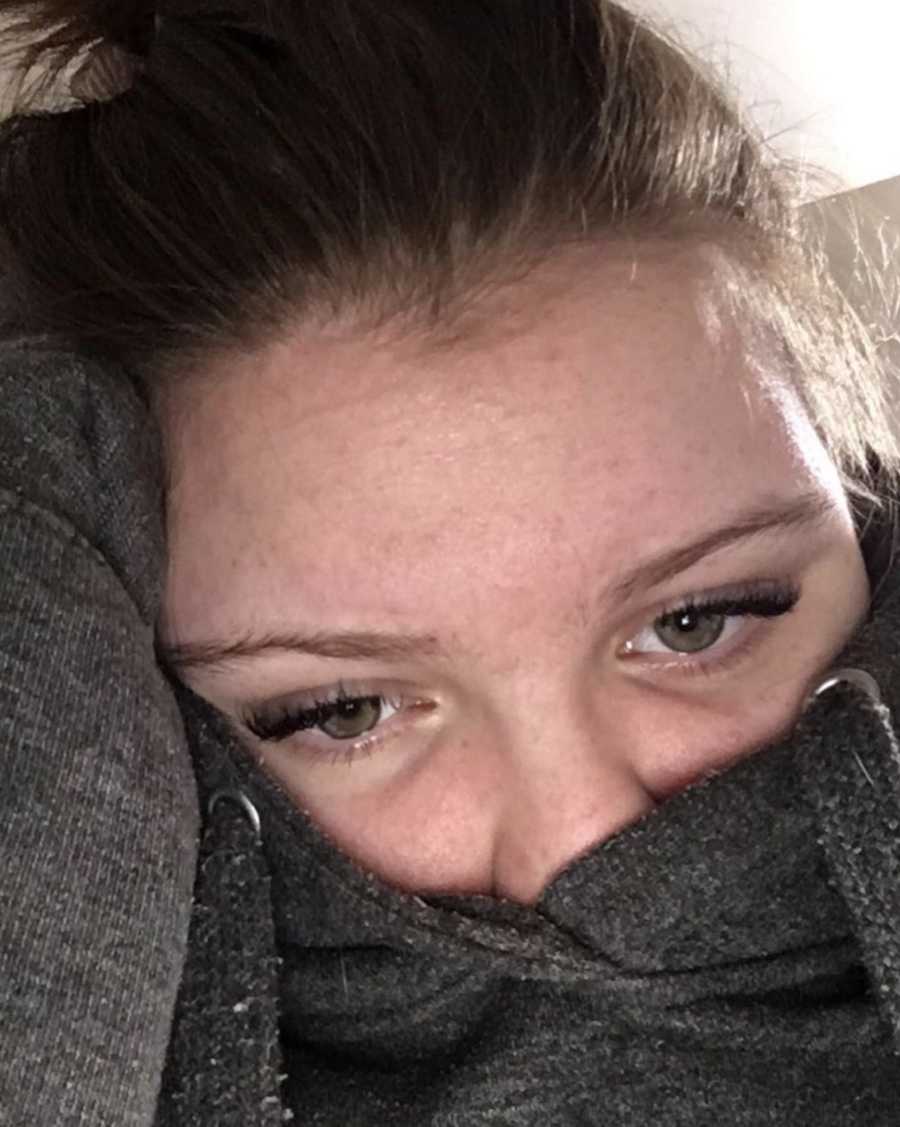
Being told I was “just depressed” was devastating. I had been happy before the pain started. We were back at square one. Eventually, I saw an OB/GYN who immediately prescribed birth control—the usual Band-Aid. It didn’t help. Instead, it made me deeply depressed and borderline suicidal while the pain and bleeding continued. With my parents, I decided to stop. My OB/GYN had no other solutions and sent me back to my GP.
We were later referred to SickKids in Toronto. That OB/GYN put me on Visanne and told me to stay on it until I wanted children. Every visit ended in tears. When it didn’t work, she told me she was “99.9% sure” I didn’t have Endometriosis and suggested Weight Watchers. I was 16. She refused to refer me to a specialist because of my age. That day, my mum wiped my tears and promised, “We won’t stop, Nev. We won’t stop until we have answers.”
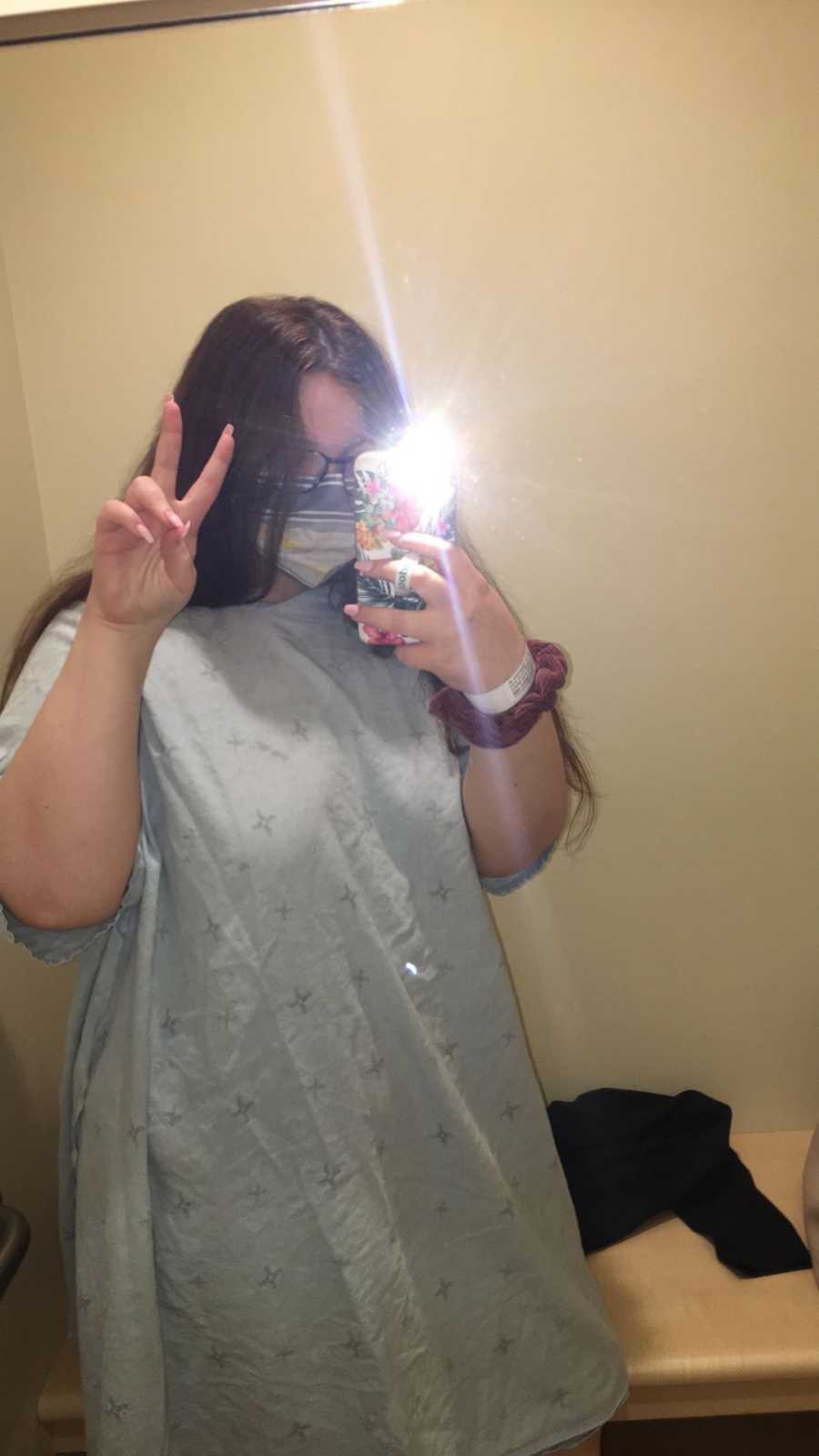
We kept fighting. I counted down the days until I turned 18. When I finally demanded a referral, one was denied—but the second was accepted. On October 30, 2019, after nearly seven years, I was approved to see an Endometriosis specialist. On August 13, 2020, my mum and I traveled to Toronto for that appointment. I was terrified. For the first time, I was heard. I was believed. I was placed on an OR list for surgery.
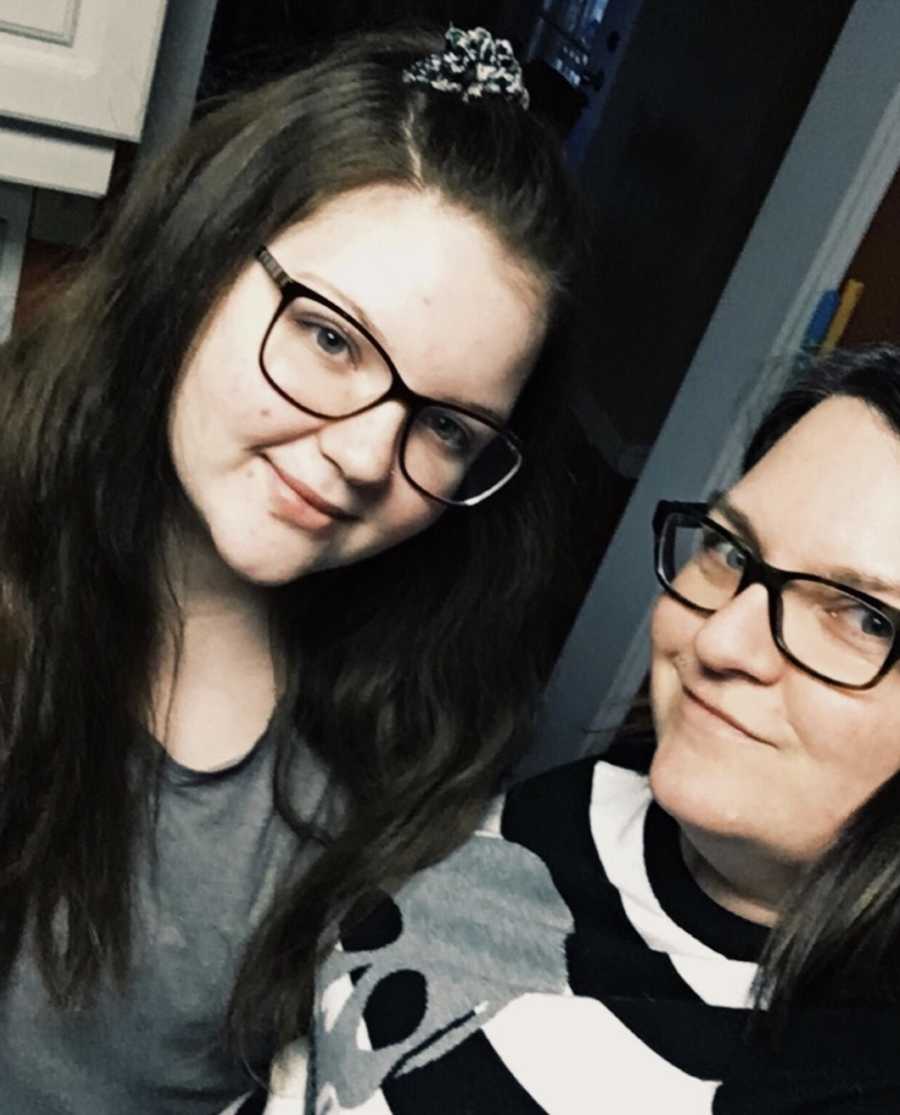
It’s now April 2021. I’ve been fighting this for eight years and am still waiting for surgery. Endometriosis stole my childhood and my teen years. I missed prom, graduation, school trips, and friendships. Most days, getting from my bed to the couch is my biggest victory. I live with a heating pad pressed to my bloated stomach, waiting.
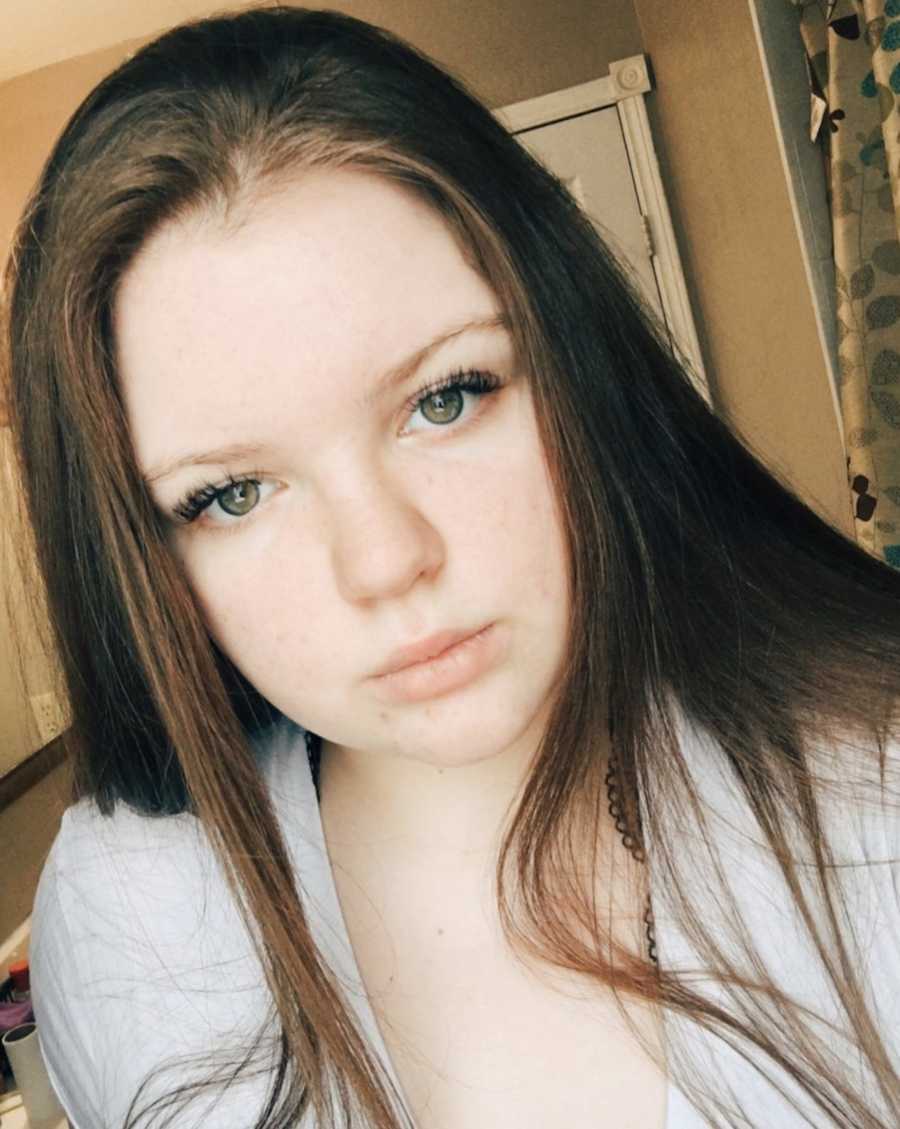
What has changed is awareness. I’ve met people like me. People now know how to spell Endometriosis. One in ten AFAB people have it. There is no cure. Diagnosis takes 7–10 years. Excision surgery is the gold standard, but the disease can return. For some, pain comes only with periods. For others, infertility is the first sign. For people like me, the pain never stops.
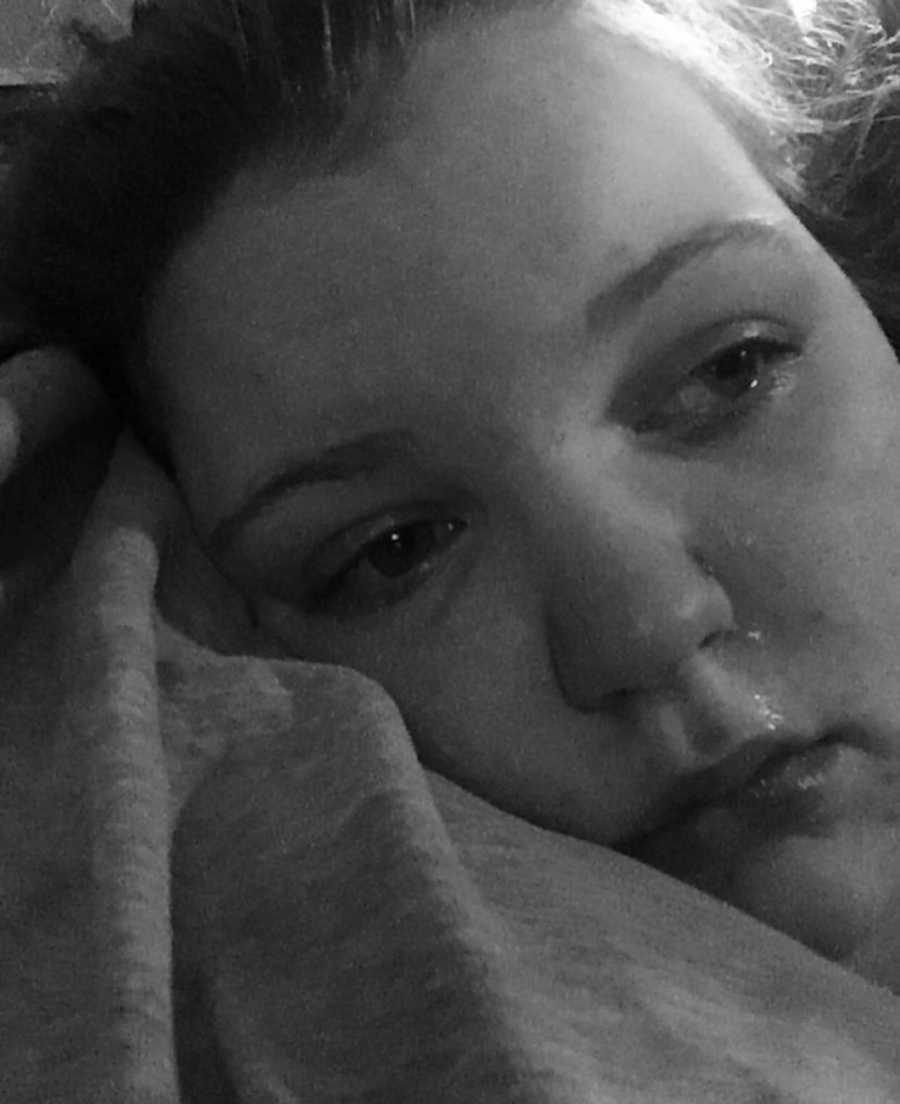
I haven’t been pain-free since December 2013. I live at a constant 6–7 on the pain scale, with flares reaching an 11. It’s screaming, vomiting, fainting, shaking, fevers, migraines, and collapsing on the bathroom floor. Endometriosis is wanting to die because the pain never ends. I was 12 when I first felt that way—and at 19, I still do.
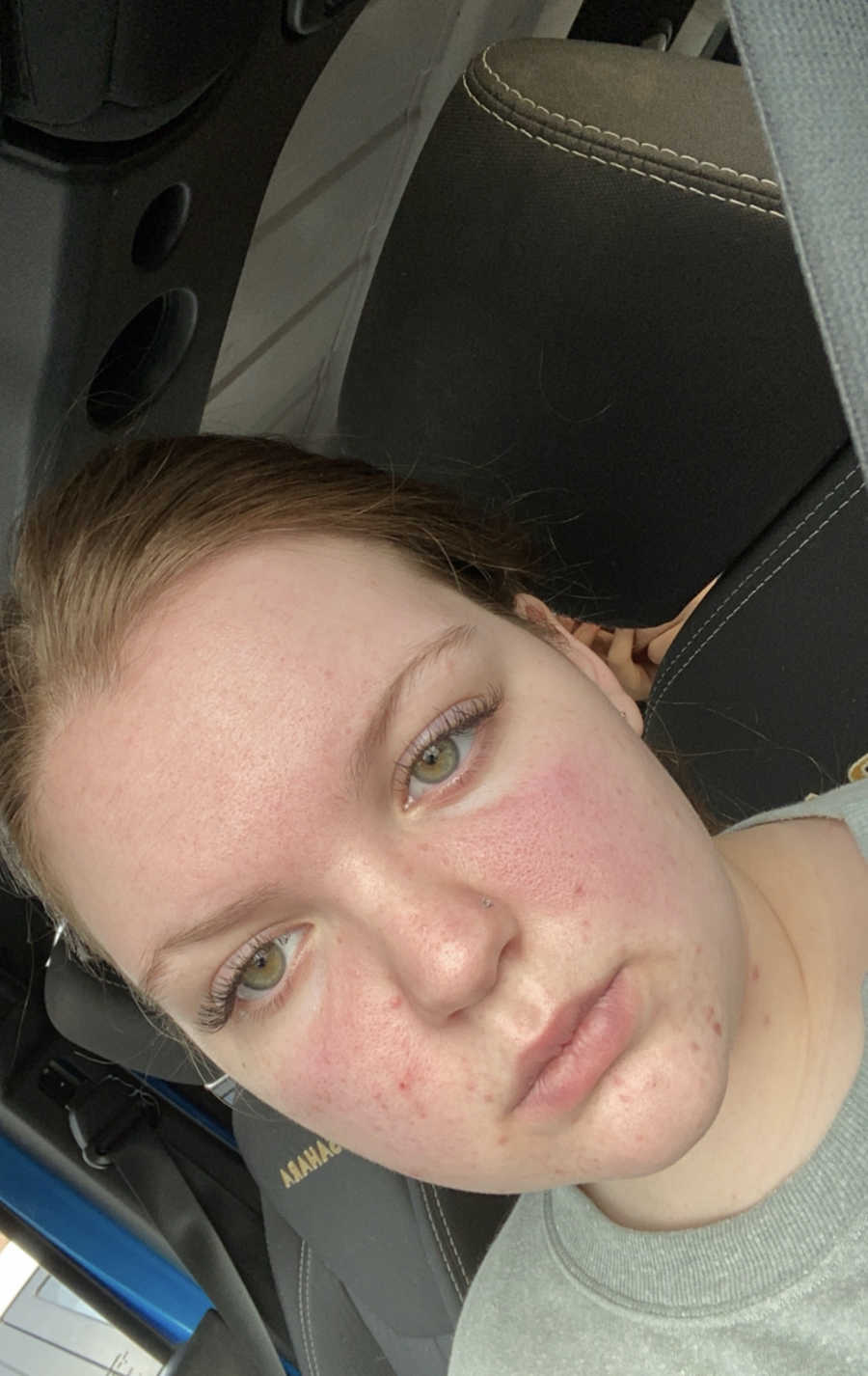
I don’t know if I’d be here without my parents believing me. Their love keeps me going. To anyone reading this who feels unseen: you are not alone. Your pain is real. It is not in your head. Find your people. Let them love you. Even when you are sick, you are worthy of love—and you always have been.