Mum’s Warning After Rare Bone Infection Scare for Four-Year-Old Son

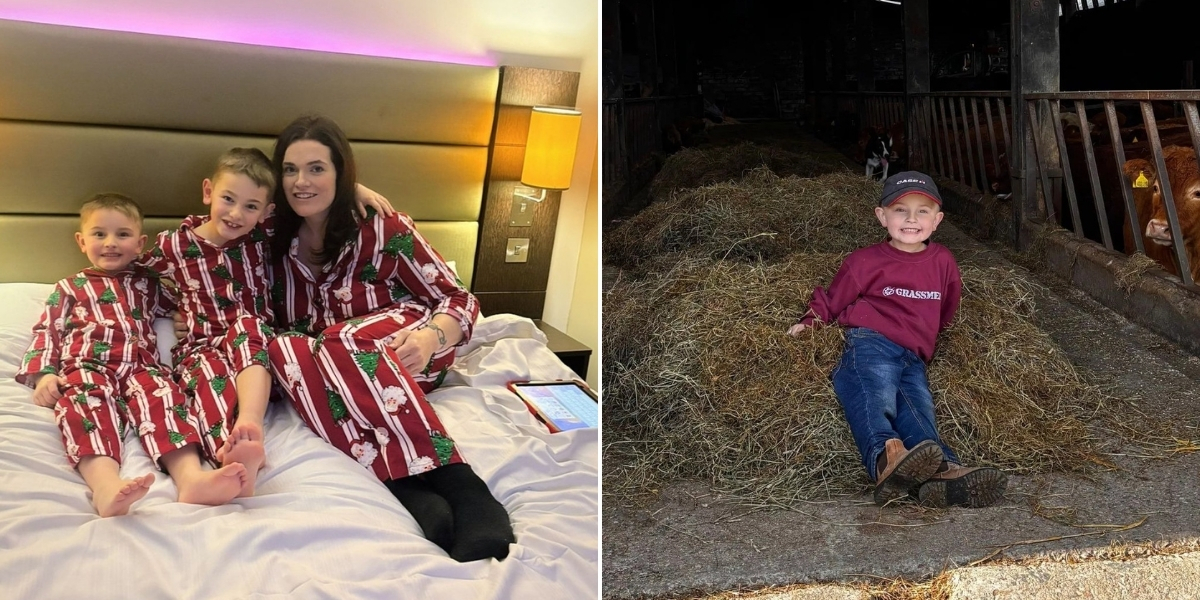
Linzi Gauld thought her four-year-old son, Ollie, was faking a sore arm for attention—until doctors delivered a terrifying diagnosis. What began as a small concern in their Aberdeen home soon turned into a frightening medical ordeal that left the family shaken.
It all started in May 2025, when Linzi noticed Ollie couldn’t fully stretch his left arm. “It started with taking off his t-shirt or jumper at night and putting it on in the morning. He would go ‘ouch,’” she recalled. At first, Linzi brushed it off, thinking her little boy might be exaggerating because his older brother, seven-year-old Alfie, had been unwell the week before. “I thought maybe he was doing it for attention,” she said.

Ollie was normally an active toddler who loved playing football, so Linzi assumed he might have twisted his arm during a fall on the playground. But over the following days, his reluctance to use his arm grew. “It got to the point where he wasn’t using it much and wasn’t straightening it, and I thought, ‘that’s a bit weird,’” she said. Concerned, she took him to the doctor.

The initial examination offered no answers. X-rays showed no breaks, and the advice was to return if his arm didn’t improve. “I was at home thinking, ‘it can’t be anything bad,’” Linzi said. But a mother’s instinct told her something was off. Two days later, she returned to the hospital, where an orthopaedic surgeon suggested an MRI. It was then the true severity of Ollie’s condition became clear.
“They talked about blood cancer and said it could be leukaemia. I thought, ‘oh my God, I thought we would only go home in a cast,’” Linzi said. Fortunately, further testing confirmed Ollie did not have cancer. Instead, he was diagnosed with osteomyelitis, a rare and potentially serious bone infection that can cause long-term complications if left untreated.

Ollie was admitted to the hospital and started on intravenous antibiotics immediately. He stayed for a week while doctors monitored his condition. “It’s quite rare to have it where he had it,” Linzi explained. “I was scared for his life. I was told you have to watch for sepsis and things with infections.”
Even after discharge, Linzi remains vigilant. The infection could recur elsewhere in Ollie’s body, and she’s been advised to treat his arm as though it were broken, restricting some of the activities normal for a lively toddler. “As a mum, you just know when something is not 100%. He had a sore arm but he hadn’t fallen or anything—it could just appear again somewhere else,” she said.

Linzi hopes her story will raise awareness among other parents. “You don’t think of it; it’s something I had never heard of. If something feels off with your child, trust your instincts and seek help,” she urged.
What started as a small concern over a bent arm became a stark reminder of how quickly childhood illnesses can turn serious—and how a parent’s intuition can sometimes make all the difference.