I watch your chest rise and fall beneath the steady glow of the monitors. For a brief moment, you look peaceful—almost peaceful enough for me to let my eyes close. Almost. My eyes burn, heavy with exhaustion, and every blink invites sleep, but I refuse it. I can’t stop watching you. Even though I know the machines will alarm if something goes wrong, fear keeps me wide awake.
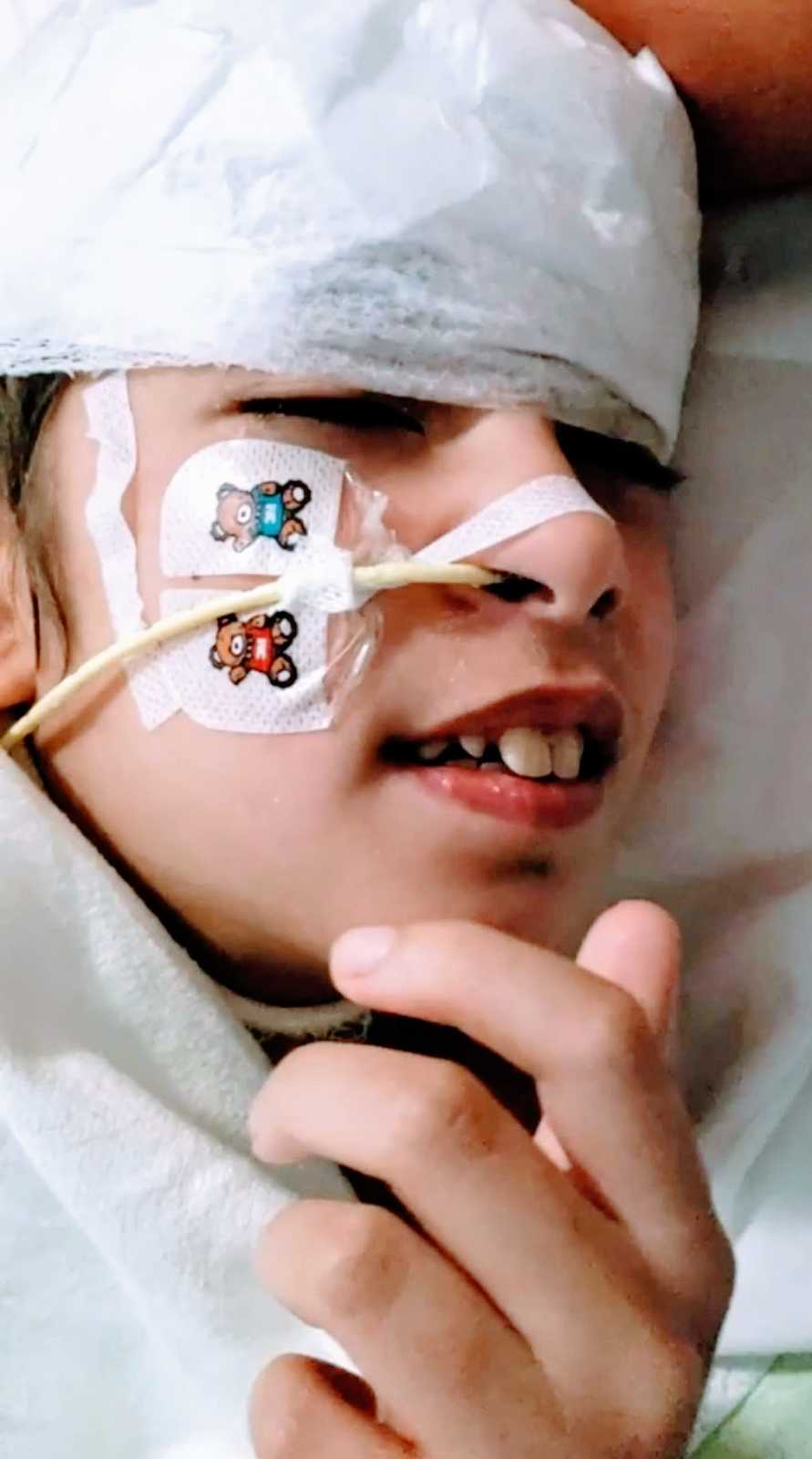
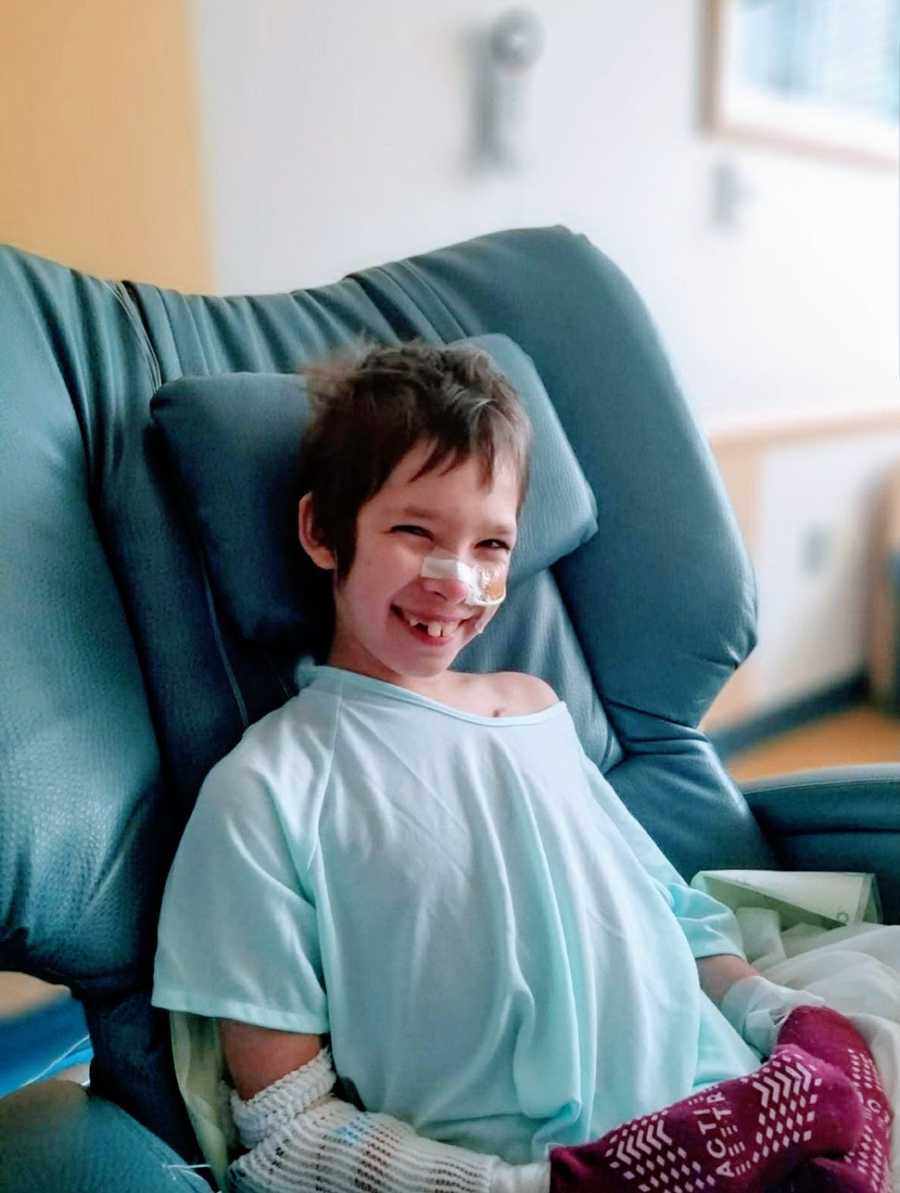
Suddenly, your body stiffens. Your arms fling upward, your eyes roll back, and every muscle locks tight. The monitor erupts in beeps as your oxygen levels drop. I leap to the metal crib, hovering over you as tears blur my vision. I whisper, “It’s okay, Mommy’s here. It’ll be over in a minute.” My voice sounds calm, but my heart is anything but. I want to run into the silent hallway of the pediatric unit and scream that something is wrong with my baby, just like I did seven months earlier during your first hospital admission—when I was first told these terrifying episodes were seizures. This time, though, no one rushes in. By now, I’m expected to manage on my own unless it becomes an “emergency,” unless the seizure doesn’t stop.
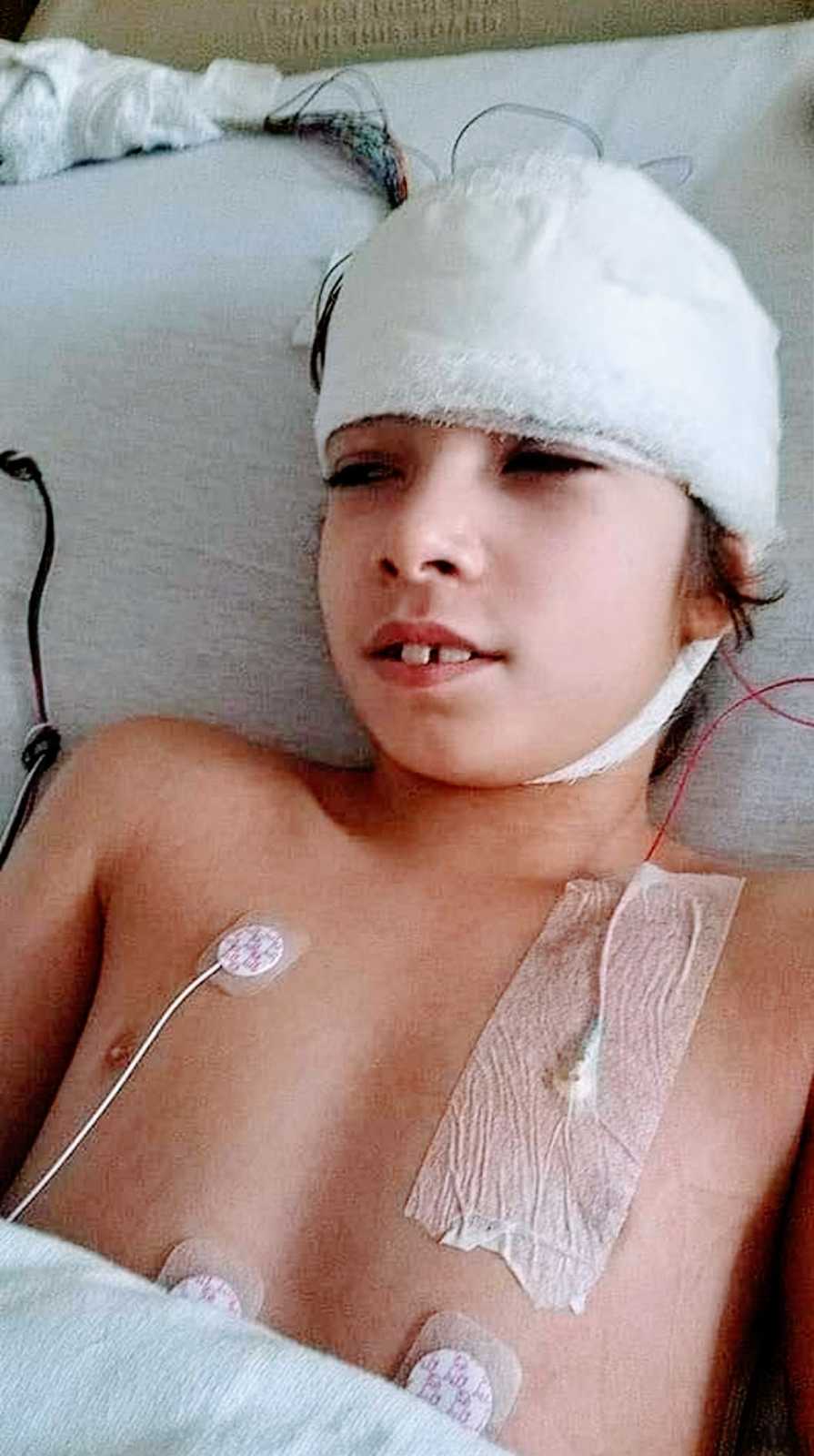
When it finally ends, I lift your limp little body and cradle you against my chest. I ease myself into the chair, careful not to pull the wires attached to you. Your breathing is uneven, and you don’t respond when I stroke your head. Anger floods me. I’m only nineteen. You are my first child. This is not the life I imagined for you. I never pictured your first year spent in and out of hospitals, never imagined watching my baby suffer day after day while being told that sometimes kids just have seizures, and no one knows why.
Only now, everyone wants to know why—because you’re having too many. As I rock you gently, my mind drifts back to the very first one. You were three months old. It was the middle of the night. I felt you move and thought you were waking for a bottle. Instead, your eyes rolled back, and you stopped breathing. I was sure you were dying. I remember the 9-1-1 operator saying, “It sounds like he’s having a seizure.”
“No,” I said. “It doesn’t look like a seizure.” I didn’t yet know there were so many different kinds. Later, I learned that first one was myoclonic. What I didn’t know was that it marked the beginning of hundreds—thousands—more, of that type and others. You continued having episodes in the hospital, and the doctors started you on Phenobarbital. Even then, it didn’t stop them. Within days of being discharged, we were back again.
I pull myself back into the present, sitting in the unnervingly quiet hospital room. We’re hours from home, far from the people who love us, and the loneliness feels crushing. Our local hospital decided it was time to transfer you to a larger, better-equipped facility to search for a diagnosis. A diagnosis? I remember thinking. I thought epilepsy was the diagnosis. No one had ever explained that epilepsy could be a symptom of something much bigger. Since arriving, you’ve endured endless blood draws, painful tests, and a spinal tap, all while hooked to monitors—my tiny, fragile baby.
Carefully, I stand so I don’t wake you, even though I know you’ll likely sleep for hours after so many seizures. I place you back in the crib and sit down again, settling in for another sleepless night of watching and waiting.
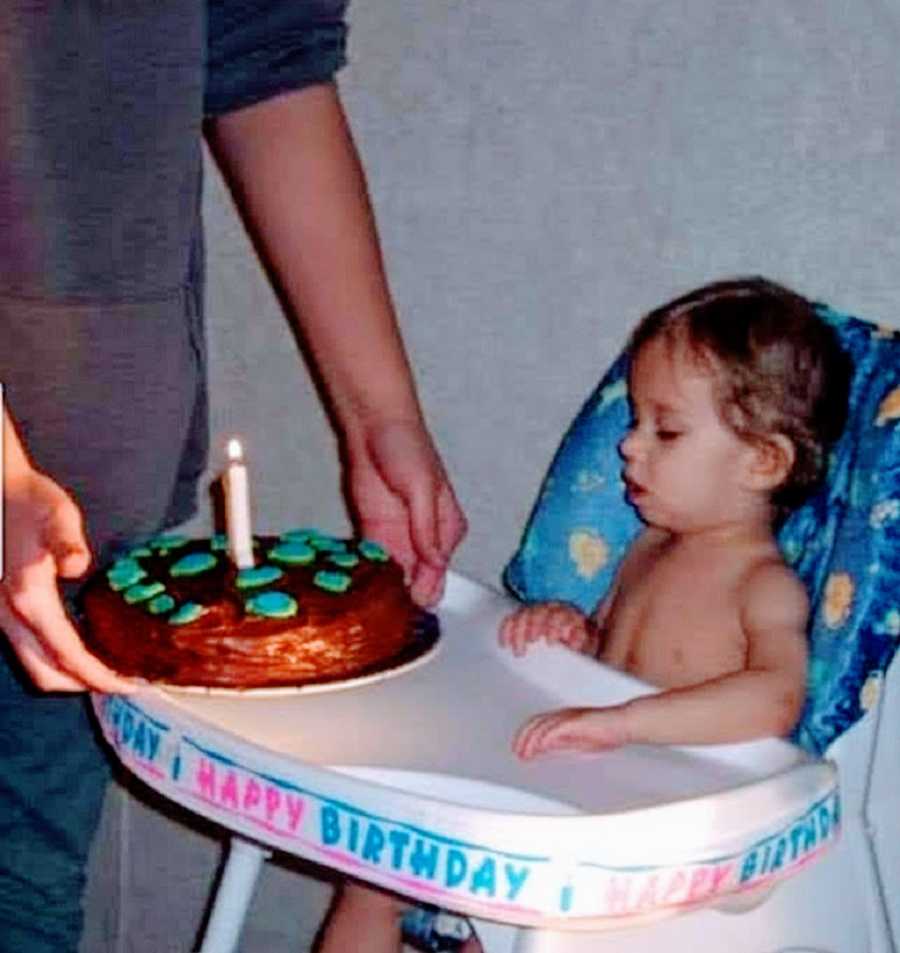
Fast forward.
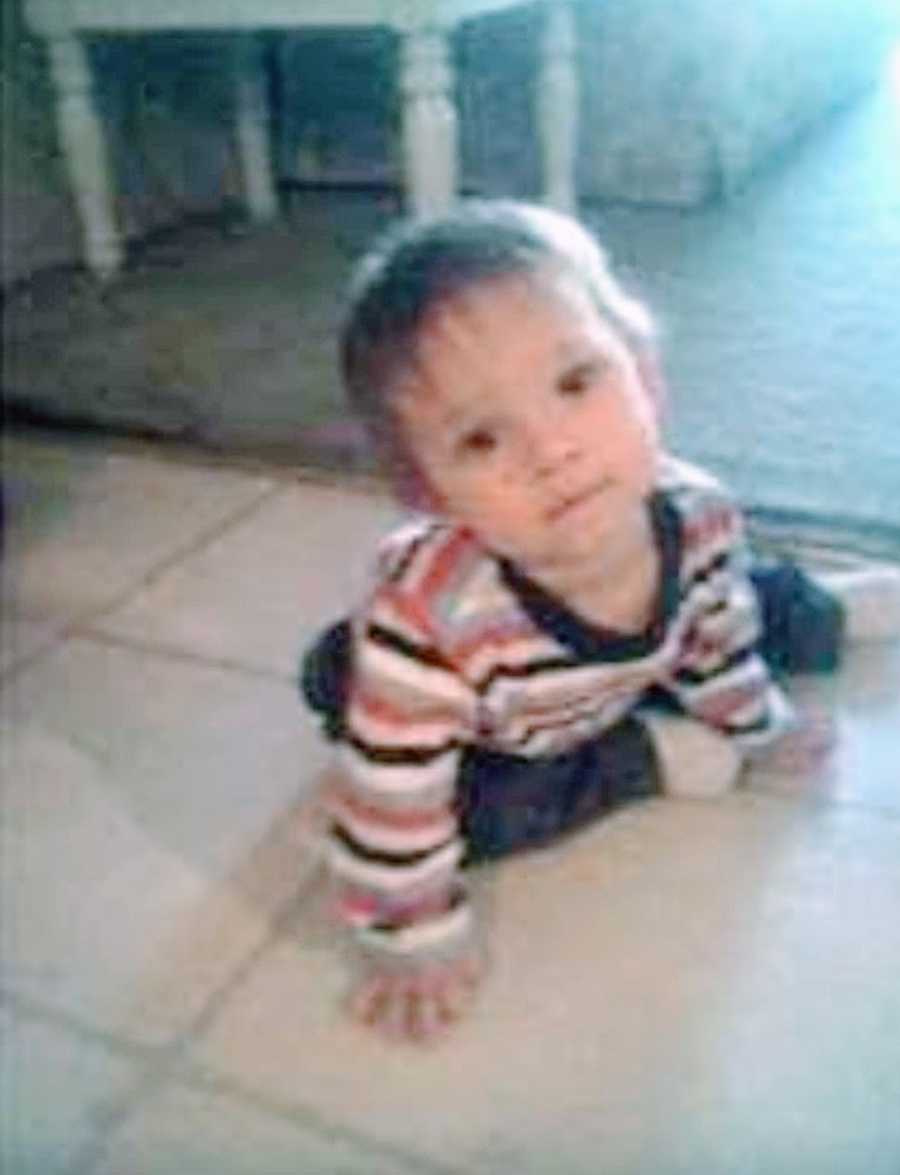
You’re just over a year old now. You spent your first birthday in the hospital. You weigh only eighteen pounds, and I’m told you’re developmentally delayed. Low muscle tone means physical therapy has already begun. You’re on three medications, yet the seizures still come—sometimes fifty or more in a single day.
One afternoon, I open an envelope from the university hospital. On the page inside, the words “chromosome anomaly” are circled. There’s a note asking me to call the neurologist. My hands shake as I dial. Time seems to slow as I listen to the recording and wait for the beep. I don’t want to leave a message—I need to talk to him. But I leave one anyway.

The hours crawl by. I pace the kitchen while you play happily in your playpen, unaware. My thoughts scatter. I don’t even know what a chromosome anomaly is. I’m scared. I’m frustrated. Why, God? Didn’t I pray every day for a healthy baby? I was told the seizures would likely stop by age two, and for the first time, I realize that may never happen.
Then the phone rings.
“Hello?”
“Hi, Heather, this is Dr. Weig.”
The rest blurs together. I’m told there’s something wrong with your 14th chromosome and that we need to go to Chapel Hill to see specialists. Days later, we do. There, we learn you have a rare condition called Chromosome Ring14. Only thirty-five people in the world have it. You’re the only one in North Carolina. Your doctors will learn from you as much as we learn from them. I’ve never heard of Ring14—yet here it is, reshaping our lives. I don’t even cry. I just hold you as they explain they don’t know how severe your delays will be or whether your seizures will last a lifetime.
At home, I search endlessly online and find only a single discouraging paragraph repeated across a few sites. Intractable epilepsy. Developmental delays. Other health issues. I read it again and again, feeling lost and alone. I write on MySpace, typing the words that echo in my head: “It can’t be fixed or changed.”
Fast forward again.
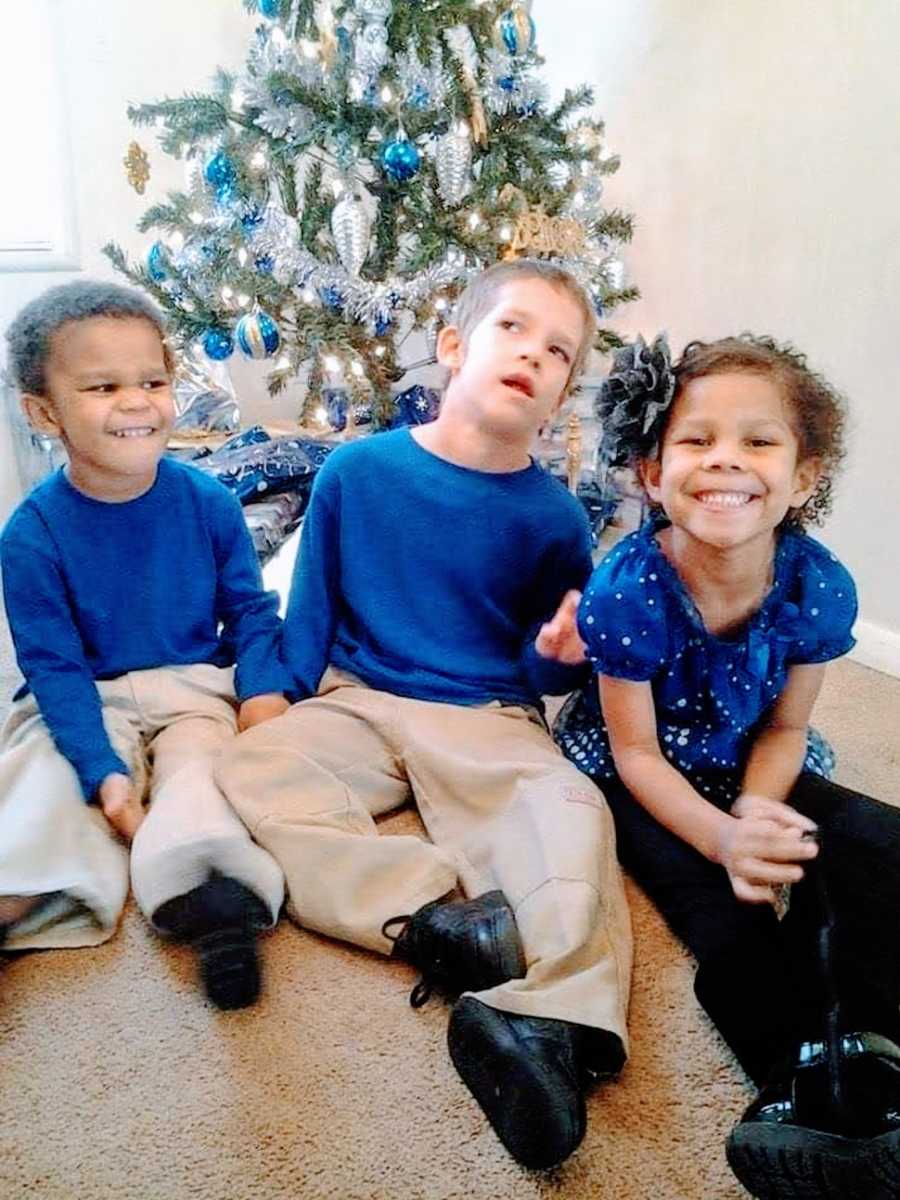
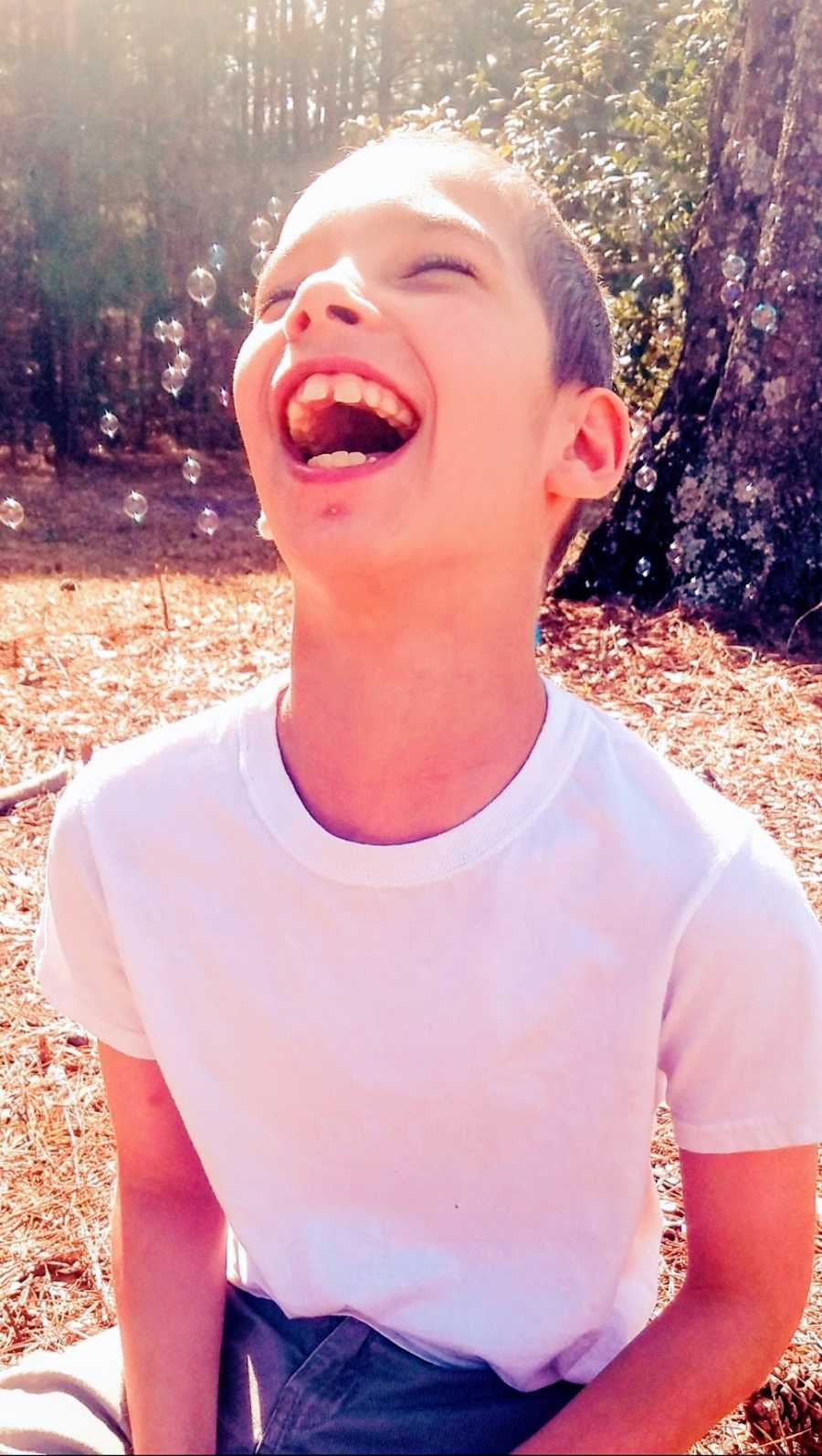
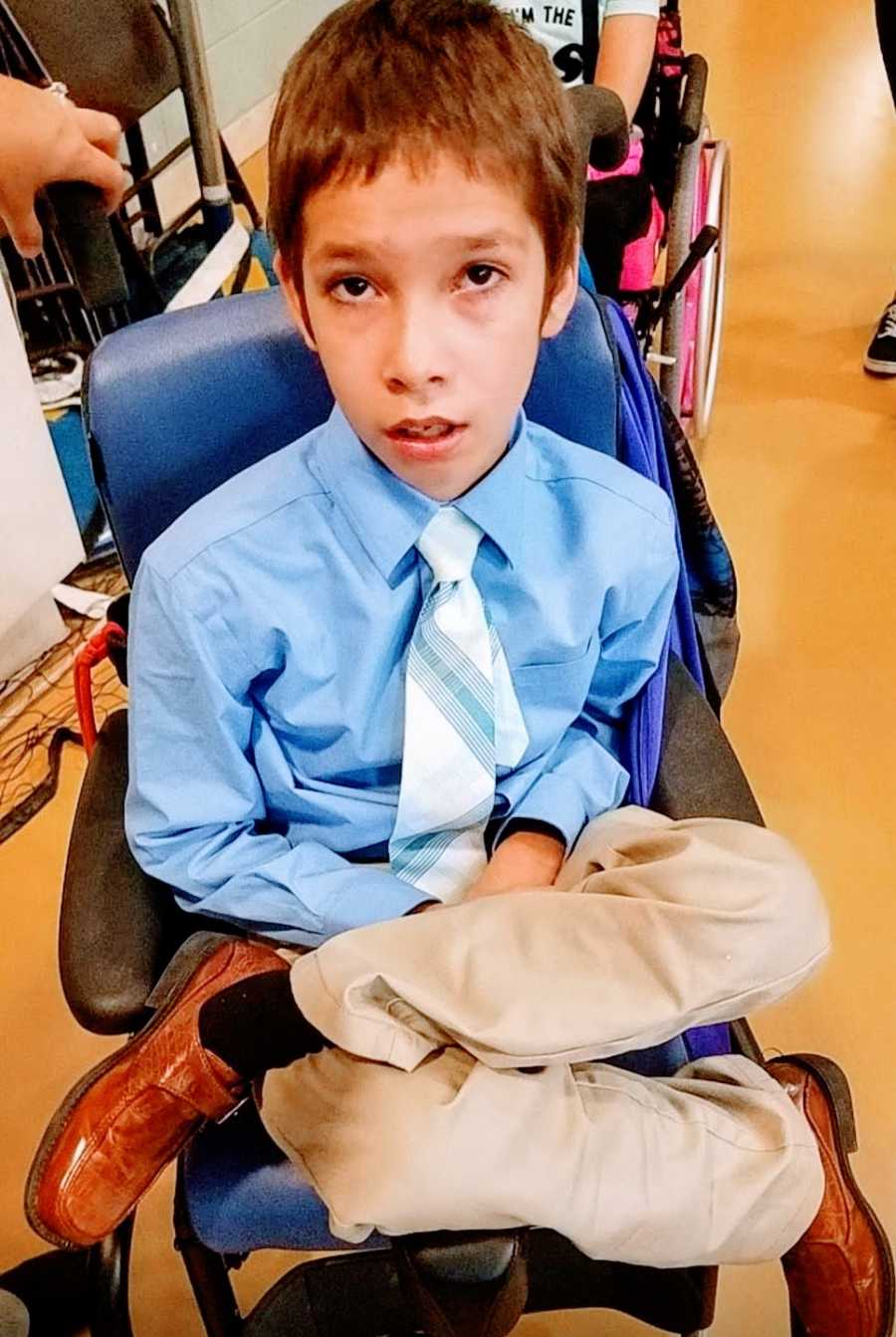
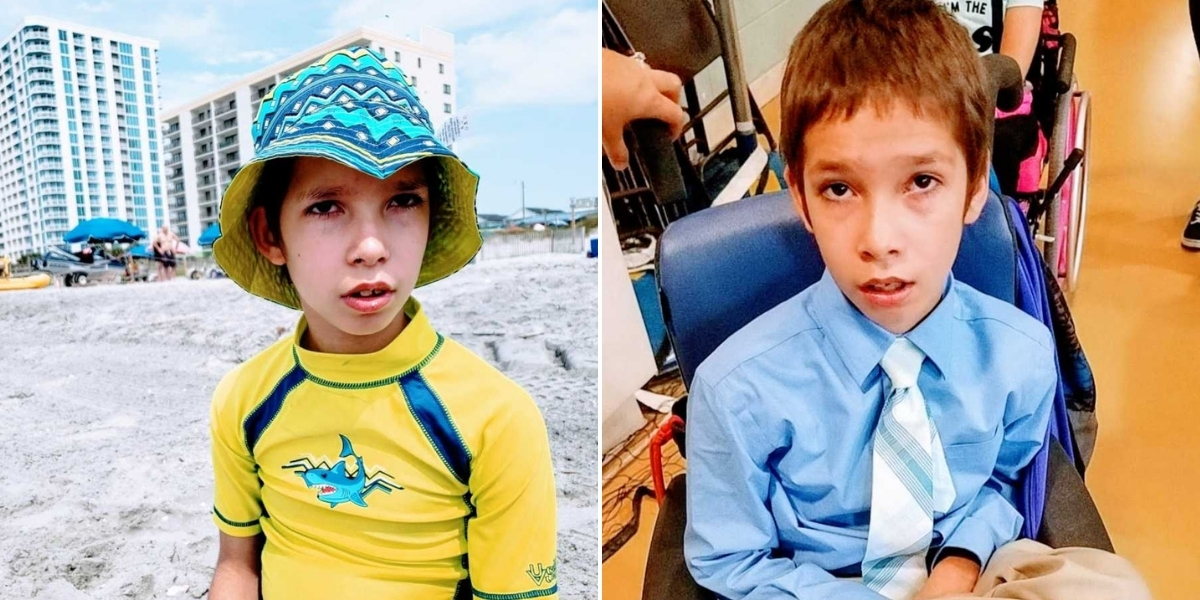
You turned fifteen this February. You have a long list of diagnoses, medications, and procedures. You aren’t the child I once imagined or the physically healthy baby I prayed for—but you are so much more. You are, without question, the happiest person I know. You’re non-verbal, yet you teach me every single day. I still feel fear sometimes, but I’ve learned even more about love, patience, and joy.
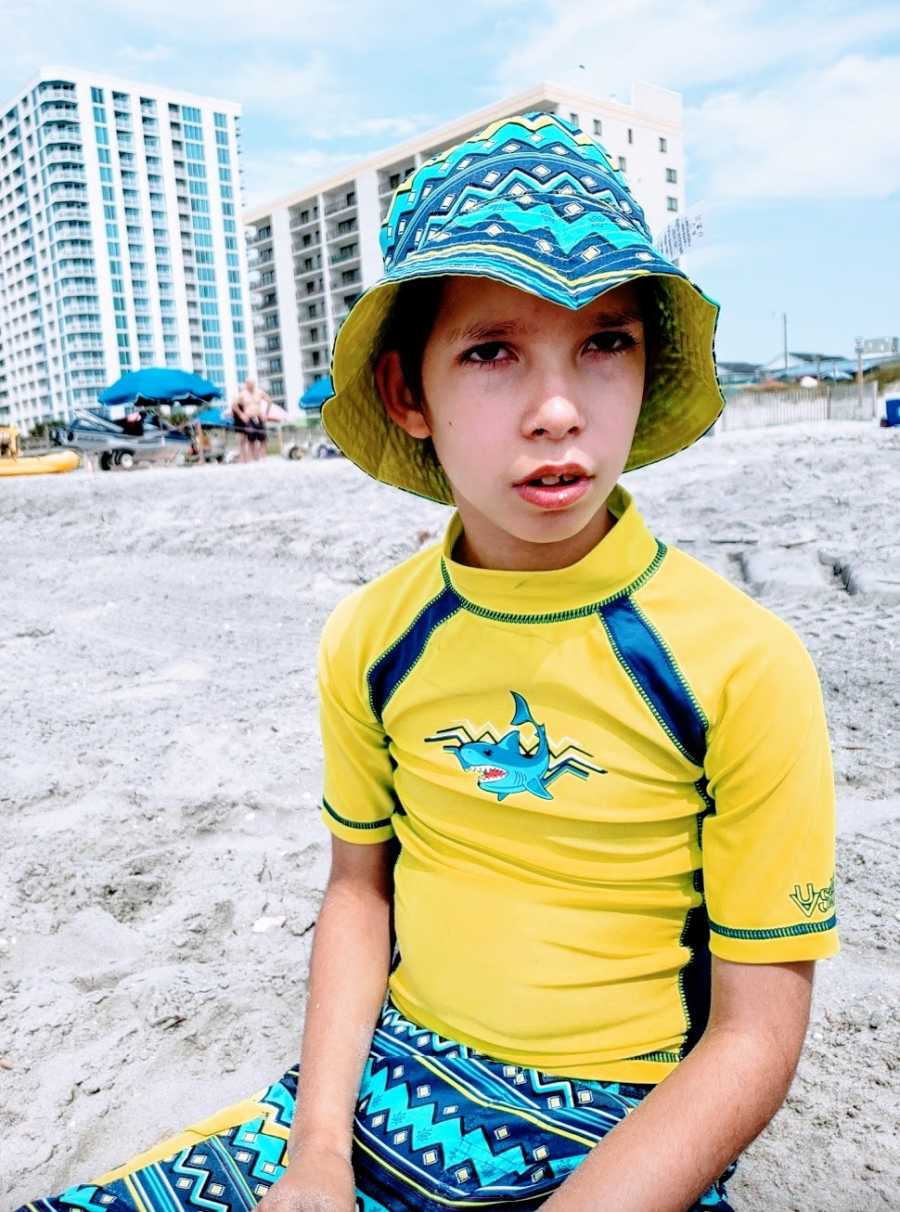
Today, more than 200 people have been diagnosed with Ring14. We’ve found our “Ring14 family” through a Facebook group when you were five. Some incredible mothers helped form Ring14 USA, and I serve on the board. Since 2013, we’ve attended every camp and conference. I will never stop advocating for you, and we are no longer alone.
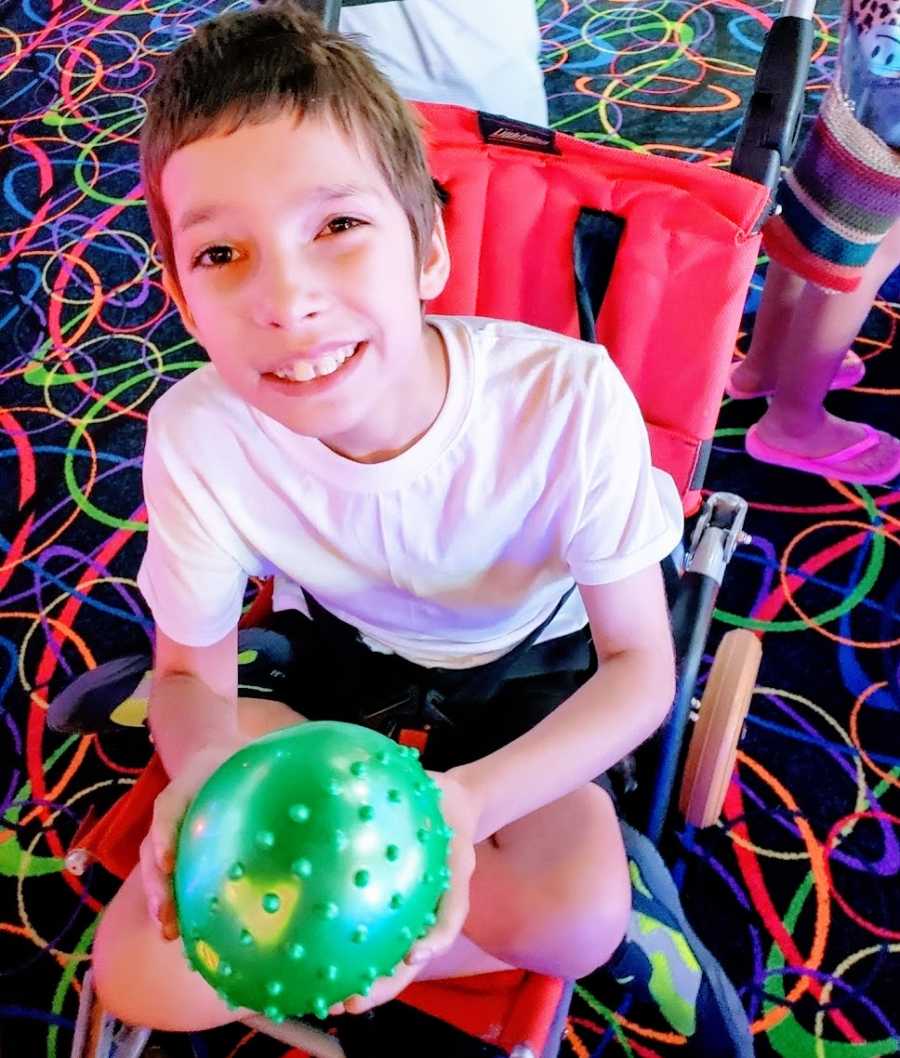
I used to fear your rarity, how hard it was to find others like you. Now I know you are a rare and beautiful gem. Ring14 changed our lives, but it never changed you. You are my son, my firstborn, a big brother to four siblings. You are happy. You are brilliant. You are funny, sweet, and deeply loved—and always will be.