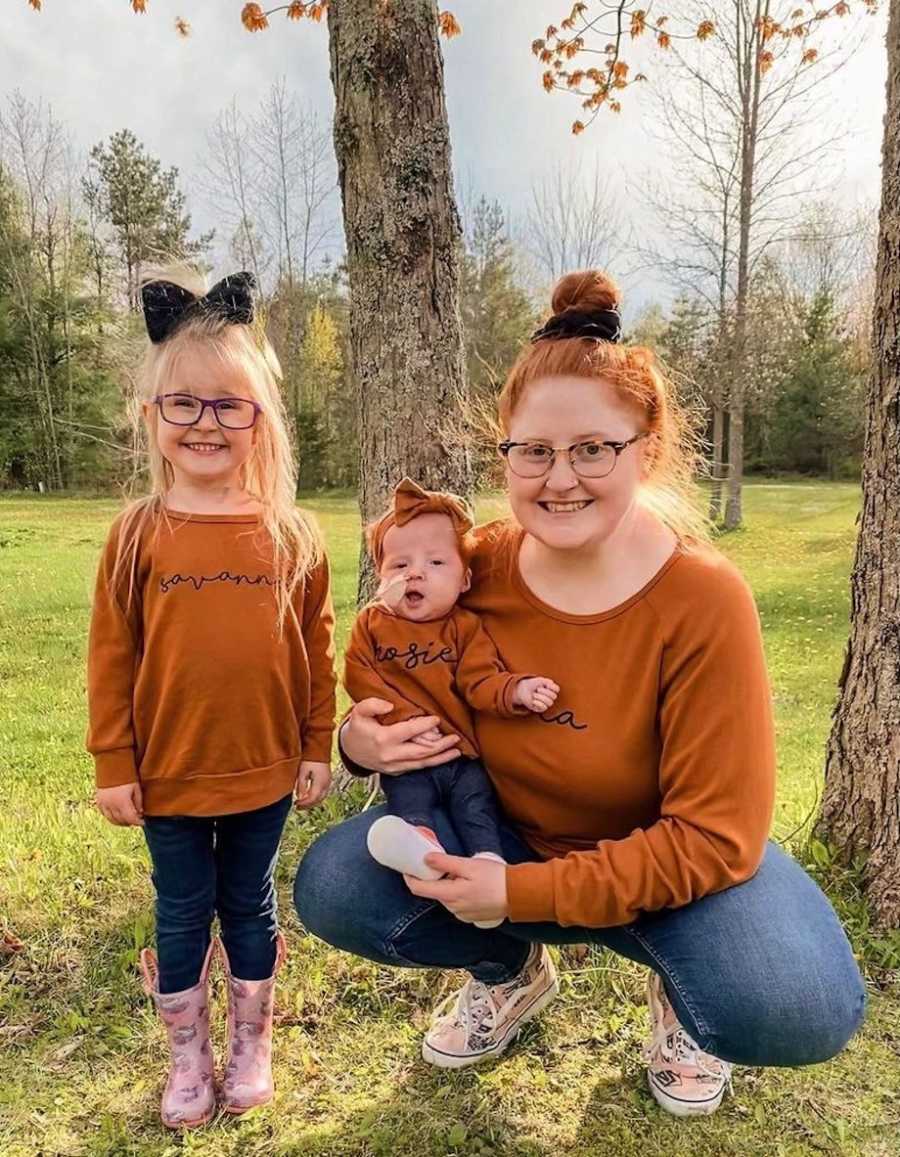
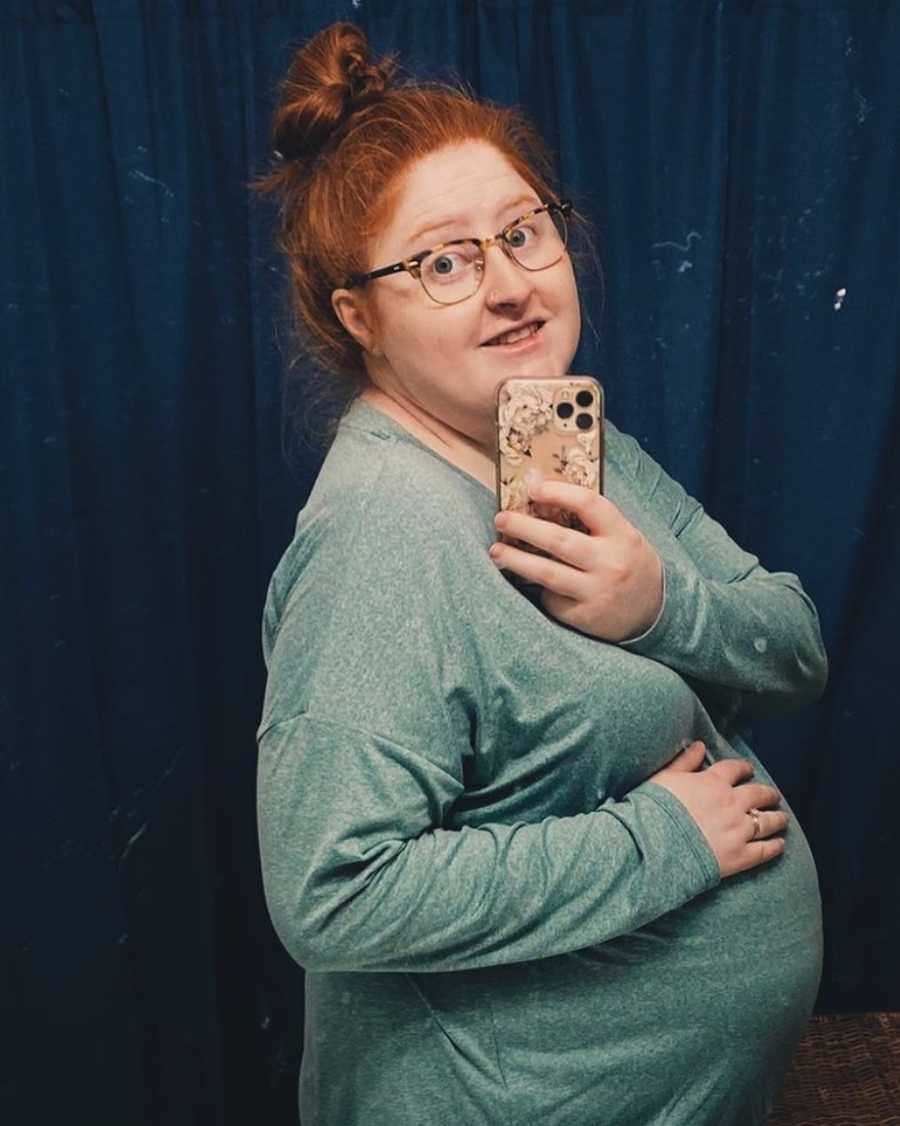
On April 19, 2020, we received the news we had been praying for—we were expecting our rainbow baby, after the heartbreak of a devastating miscarriage in February. When I stared at the positive pregnancy test, I felt overwhelming joy mixed with paralyzing fear. After everything I had already been through, carrying this baby felt far more terrifying than exciting. The first trimester felt like walking on eggshells, constantly praying that nothing would go wrong. I had been pregnant before—our older daughter Savannah had just turned three—but this pregnancy was anything but typical. I had dual nephrostomy tubes, meaning tubes coming directly out of both kidneys with urine bags attached to my legs. From the start, I knew this journey would be complicated.
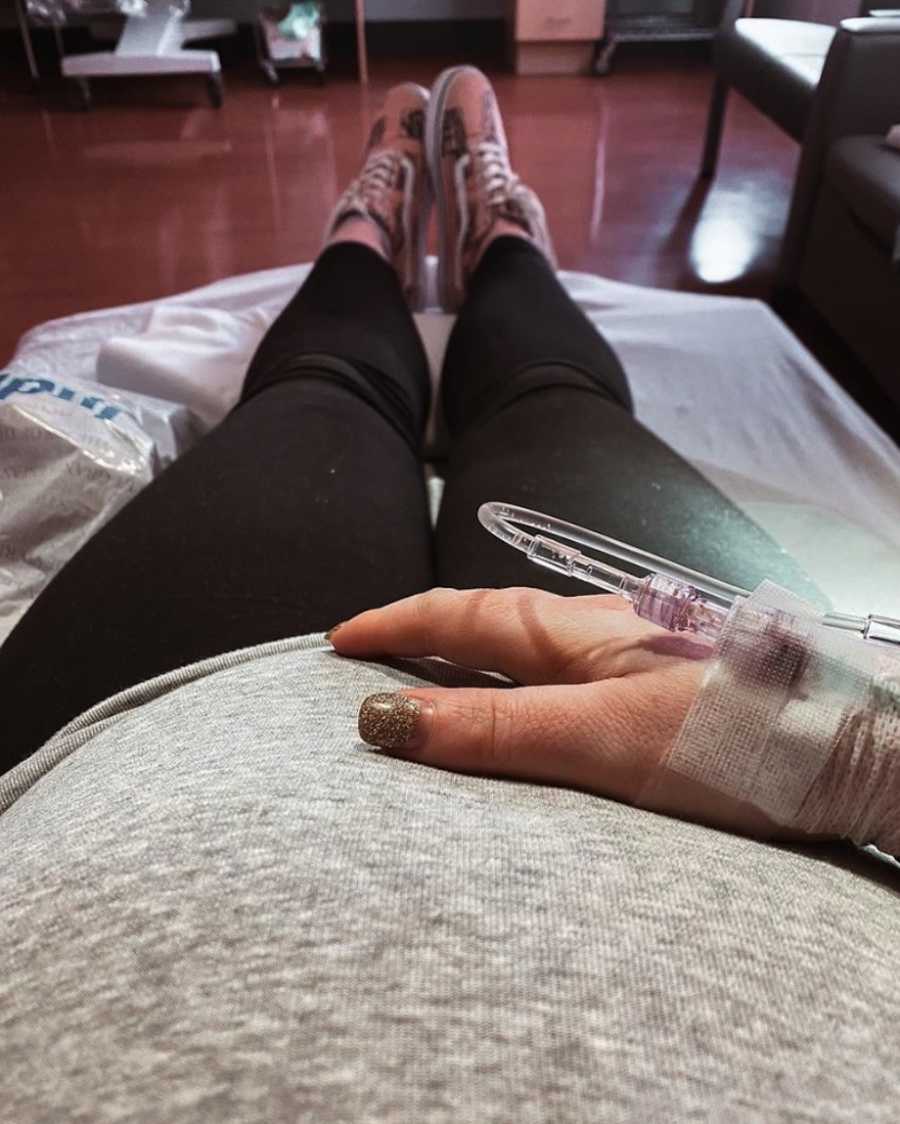
I went into the pregnancy fully aware there would be far more ultrasounds than usual, endless appointments, and countless urine samples to monitor kidney infections—every pregnant woman’s favorite task. Still, I reminded myself daily that our babies are worth every hard moment. Unfortunately, I developed hyperemesis gravidarum, causing extreme nausea and vomiting that lasted my entire pregnancy. During my first and second trimesters, I was constantly in and out of the hospital. At the worst point, I was in the emergency room every other day for IV fluids and medication. All of this unfolded in the height of the pandemic, which meant my husband, Chris, wasn’t allowed inside the hospital with me. Facing those moments alone was incredibly isolating and emotionally exhausting.
On June 15, 2020—our first wedding anniversary—we shared the joyful news that we were expecting our rainbow baby. Family and friends were thrilled. A few months later, we announced we were having a little girl, and we were absolutely over the moon. Despite the many ultrasounds, tests, and appointments, we were consistently told the same reassuring words: “Baby is healthy.” Hearing that brought so much comfort. By December, we were preparing to finally meet her. At just over 37 weeks, I was scheduled for induction due to complications from my previous pregnancy and growing discomfort. We didn’t want to take any risks. On Saturday, December 12, 2020, I was called in to begin the induction process.
Labor was slow, painful, and exhausting. The medication wasn’t helping, and I struggled immensely through the pain. I was grateful beyond words to have Chris by my side, supporting me through every moment. By Sunday evening, we were moved to labor and delivery, where I endured a long night made even harder by a nurse who dismissed my pain because I kept falling asleep. In reality, the pain was so intense that I was passing out from it. Finally, at around 7:00 a.m. on Monday, December 14, 2020, our sweet Rosie entered the world—and everything changed in an instant.
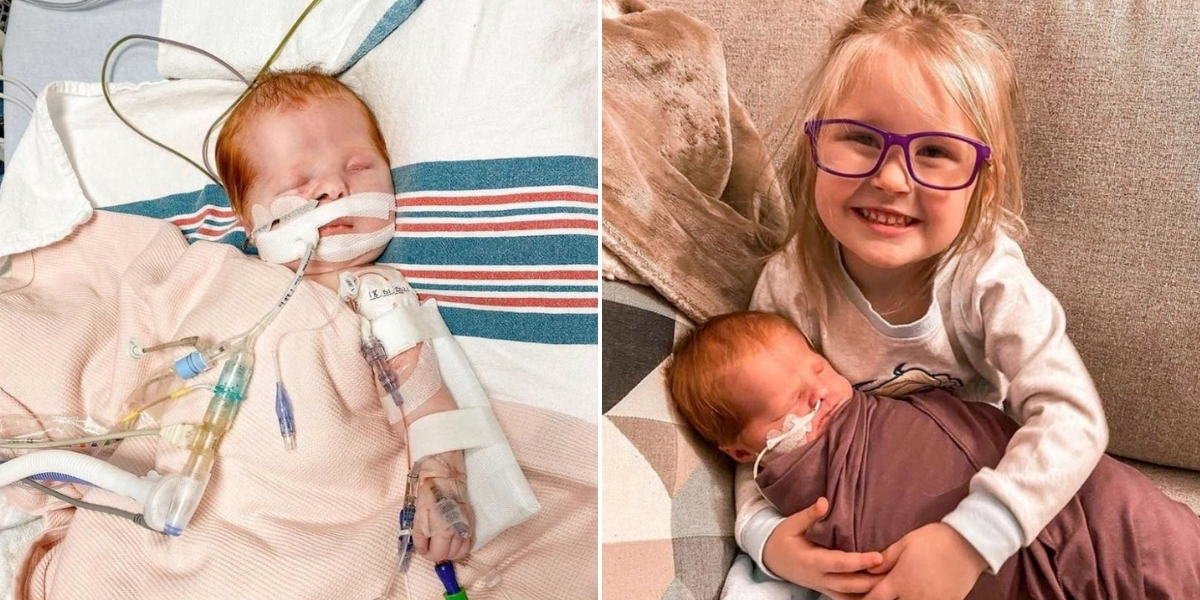
She was briefly placed on my chest but quickly taken away because she wasn’t crying. The first thing I noticed was her bright red hair, just like mine. Across the room, doctors and nurses worked urgently before managing to get a small cry from her. When they called for a pediatrician, I knew something wasn’t right. As I repeatedly asked what was happening, no one gave me a clear answer. Eventually, the pediatrician explained that Rosie had multiple physical deformities and even questioned whether she was truly full-term. When I pressed for clarity, she listed them: facial deformities, a cleft palate, a flattened ear, abnormal head shape, a heart murmur, and more.
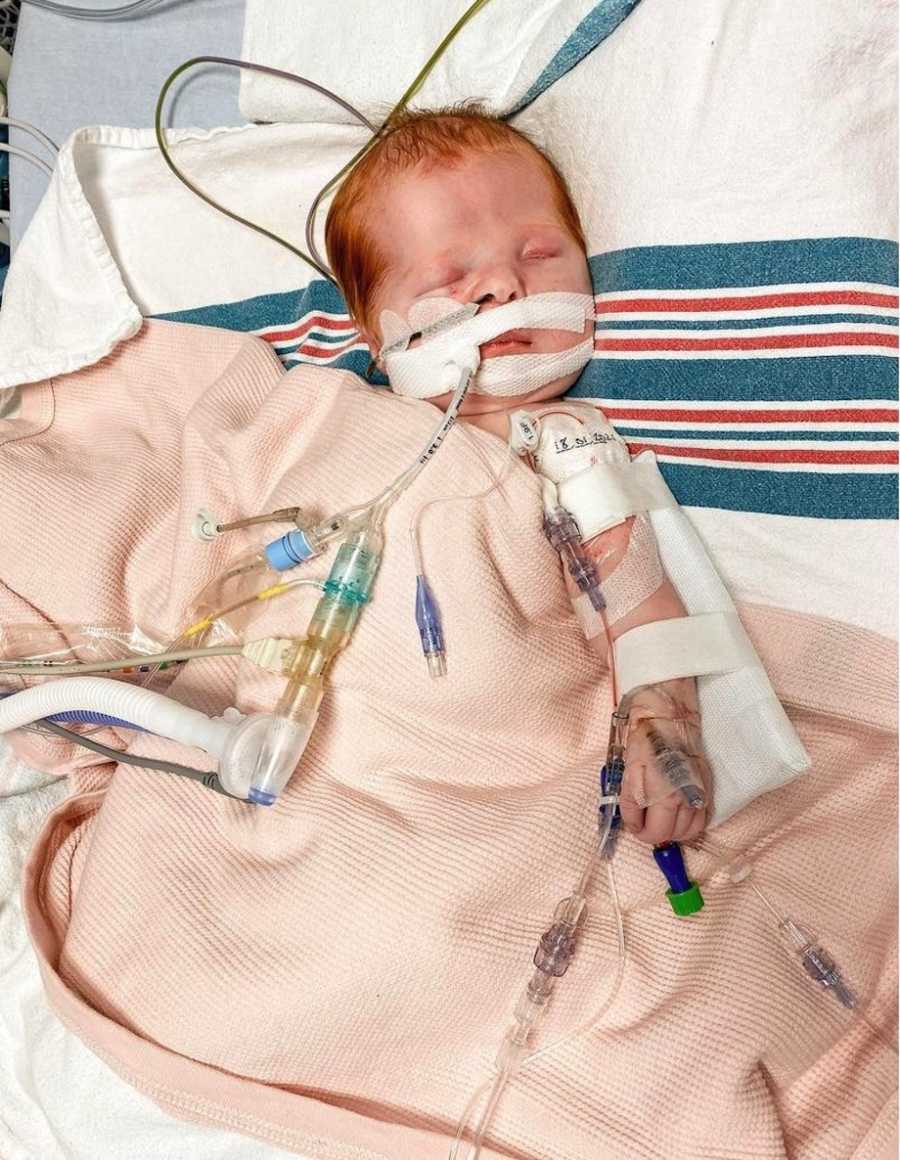
We were in complete shock. Before we could process the information, they told us Rosie needed to be taken to the NICU. Due to COVID restrictions, we could only visit her one at a time. As they wheeled our newborn away, I sat frozen in the hospital bed, watching the room return to normal while my world felt like it was collapsing. I called family members, explaining what had happened, until I suddenly went quiet. Everything felt foggy and distant. Tears streamed down my face, but no words came. Chris returned from the NICU and held me, grounding me in that moment. Once I showered and gathered myself, I finally went to see Rosie—and that’s when my mom instincts took over.
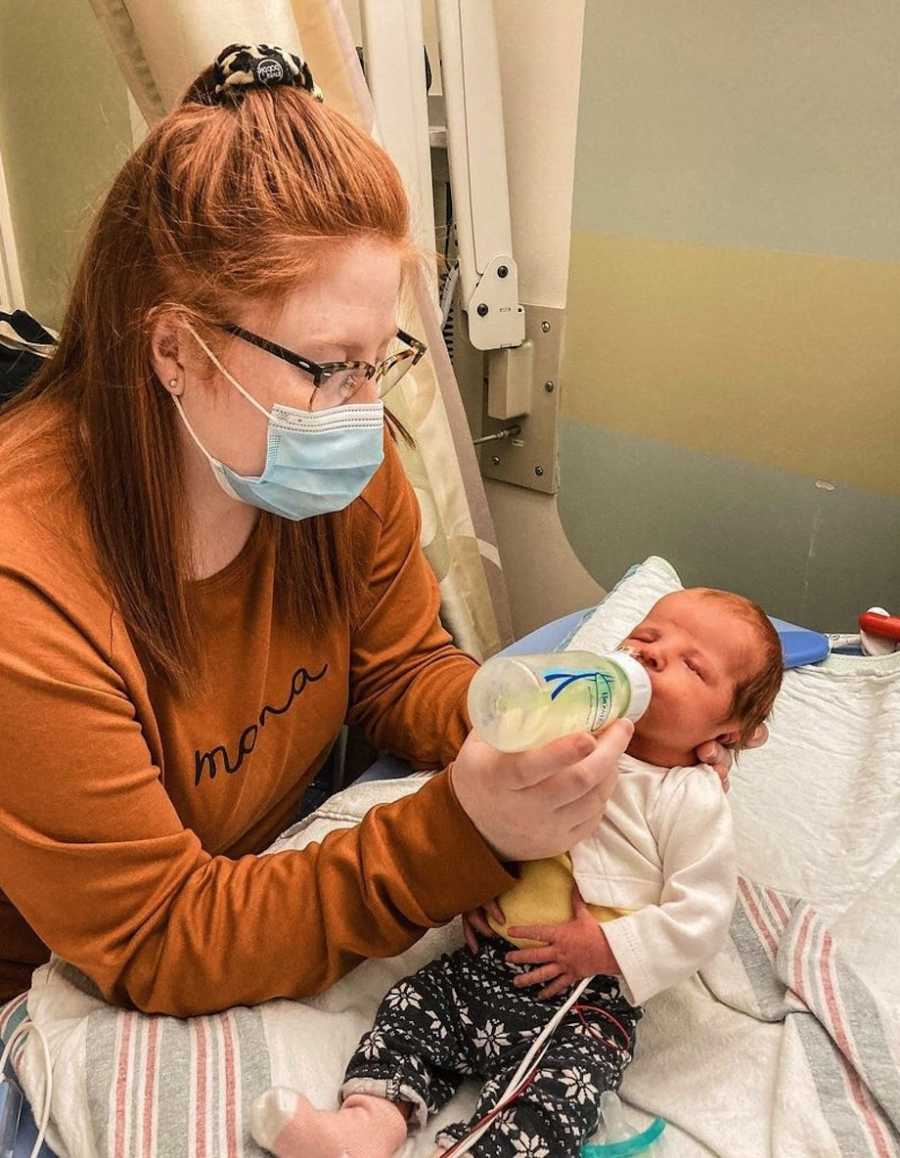
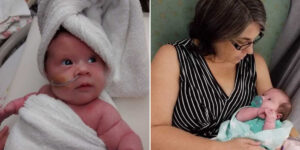
Within the first 24 hours, Rosie needed an NG tube because her cleft palate made feeding impossible. Over the next eight days between the Civic Hospital and CHEO, we learned more devastating news. Rosie had two heart conditions—an ASD (a hole in the heart) and pulmonary valve stenosis. She also had cataracts in both eyes, craniosynostosis, and several other complications. The weight of it all was crushing. We cried, prayed, and desperately wished to take our baby home. During this time, we were surrounded by incredible support. A friend started a GoFundMe, our church organized meals, and I created a Facebook page called Prayers for Rosie so people could follow her journey.
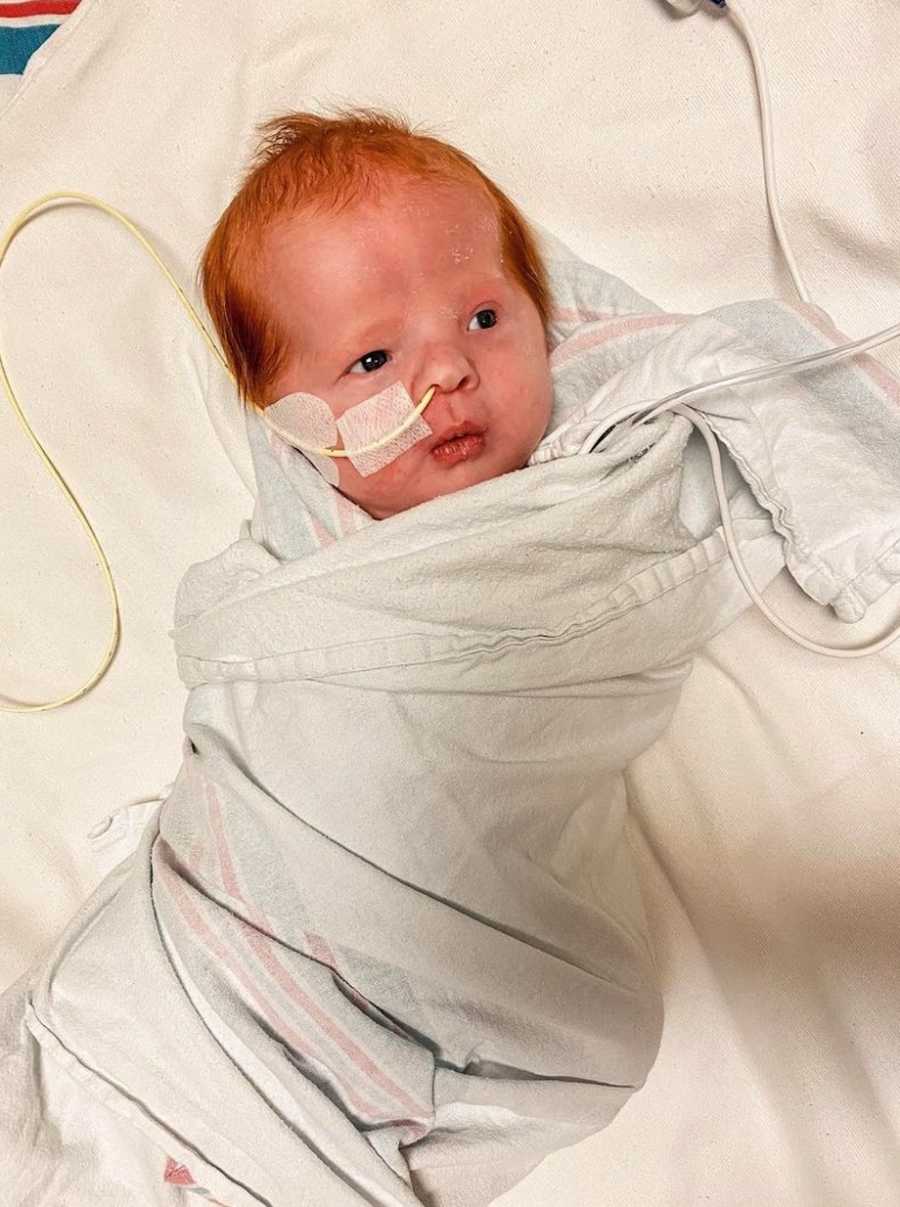
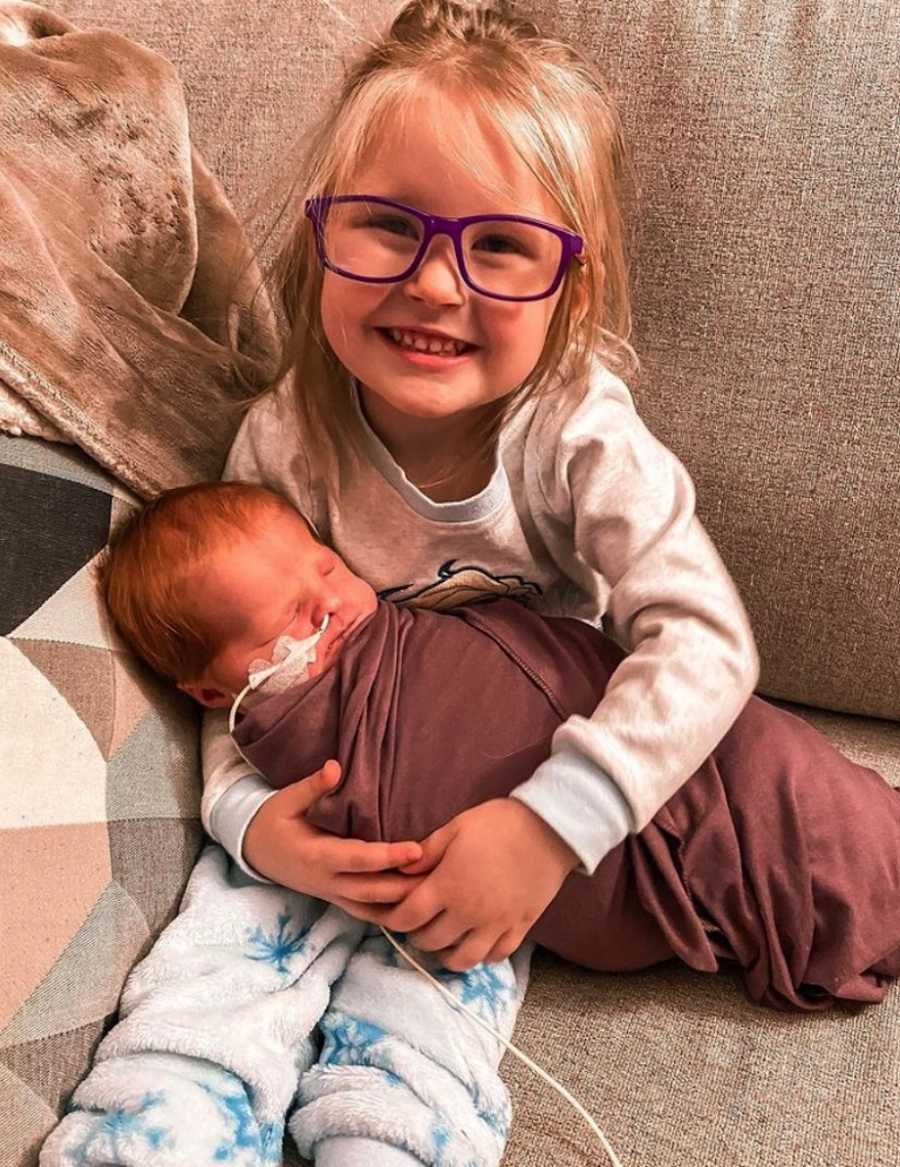
After eight long days, we finally went home. We cherished the holidays and spent three beautiful weeks with Rosie before she suddenly began vomiting her feeds. Knowing this wasn’t normal, I took her to CHEO, but the doctor dismissed our concerns and sent us home. The next day, she vomited again—twice within 20 minutes. I knew something was seriously wrong. That evening, tests revealed her bowel was twisted, requiring emergency surgery. Chris rushed to the hospital as Rosie underwent her first operation. Though terrified, the prayers surrounding us brought comfort.
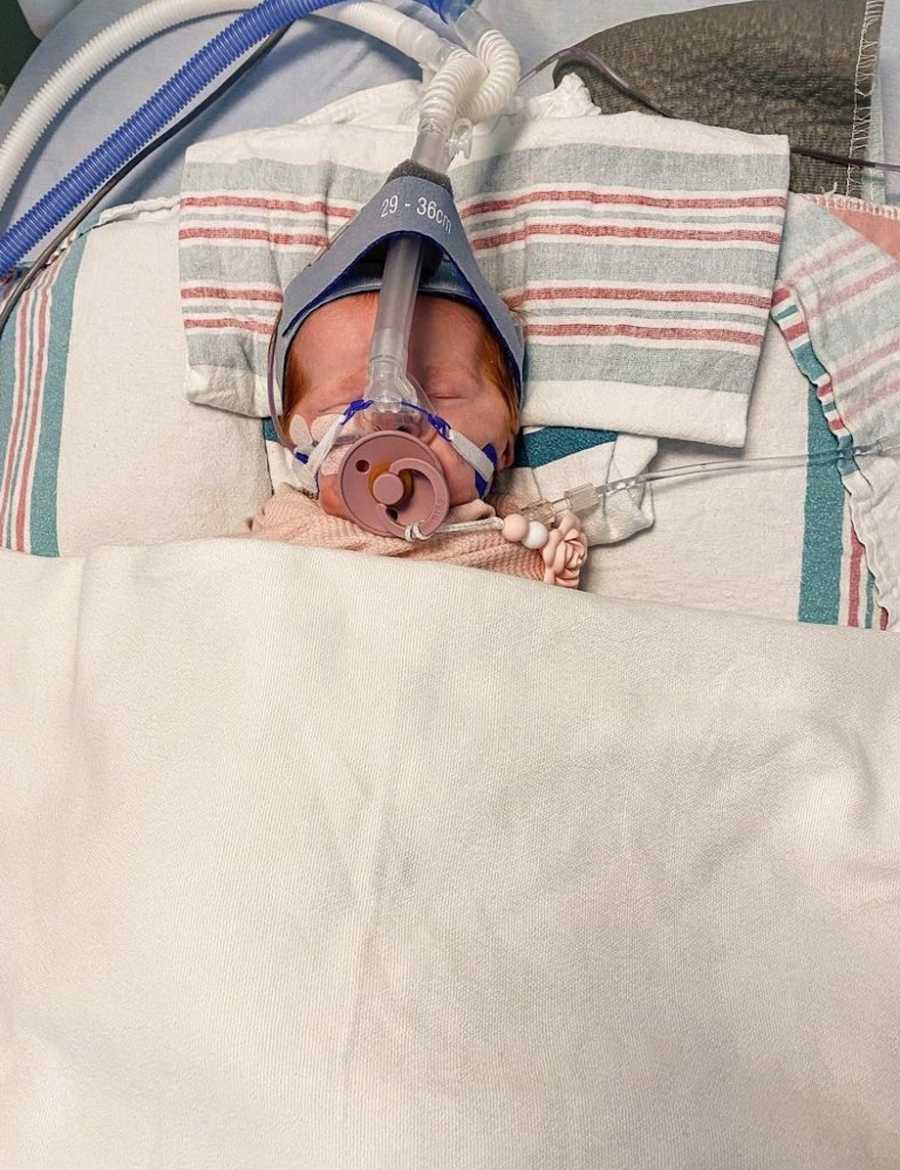
The following day, her oxygen levels dropped, and she was intubated and moved to the PICU. Less than 24 hours later, surgeons informed us she needed another surgery. They warned us they might find dead bowel—and if they did, there would be nothing they could do. Chris and I stood beside her bed, holding her tiny hands, praying and singing “Even in the Valley.” Thousands of people around the world prayed with us. When the surgeon returned and said, “She’s going to be okay,” I cried out, “Thank you, God.” They found no dead tissue—only a hernia that was repaired.
A third surgery followed to address bruising on her bowel, and slowly, Rosie began to heal. During that same stay, she also underwent cataract surgery, restoring her vision. We spent five long weeks at CHEO. Just weeks after returning home, we learned her pulmonary valve stenosis required urgent repair. Once again, our faith was tested. After the procedure, her valve numbers dropped from the 70s to an astonishing 14. Three months later, it measured 17—an incredible result.
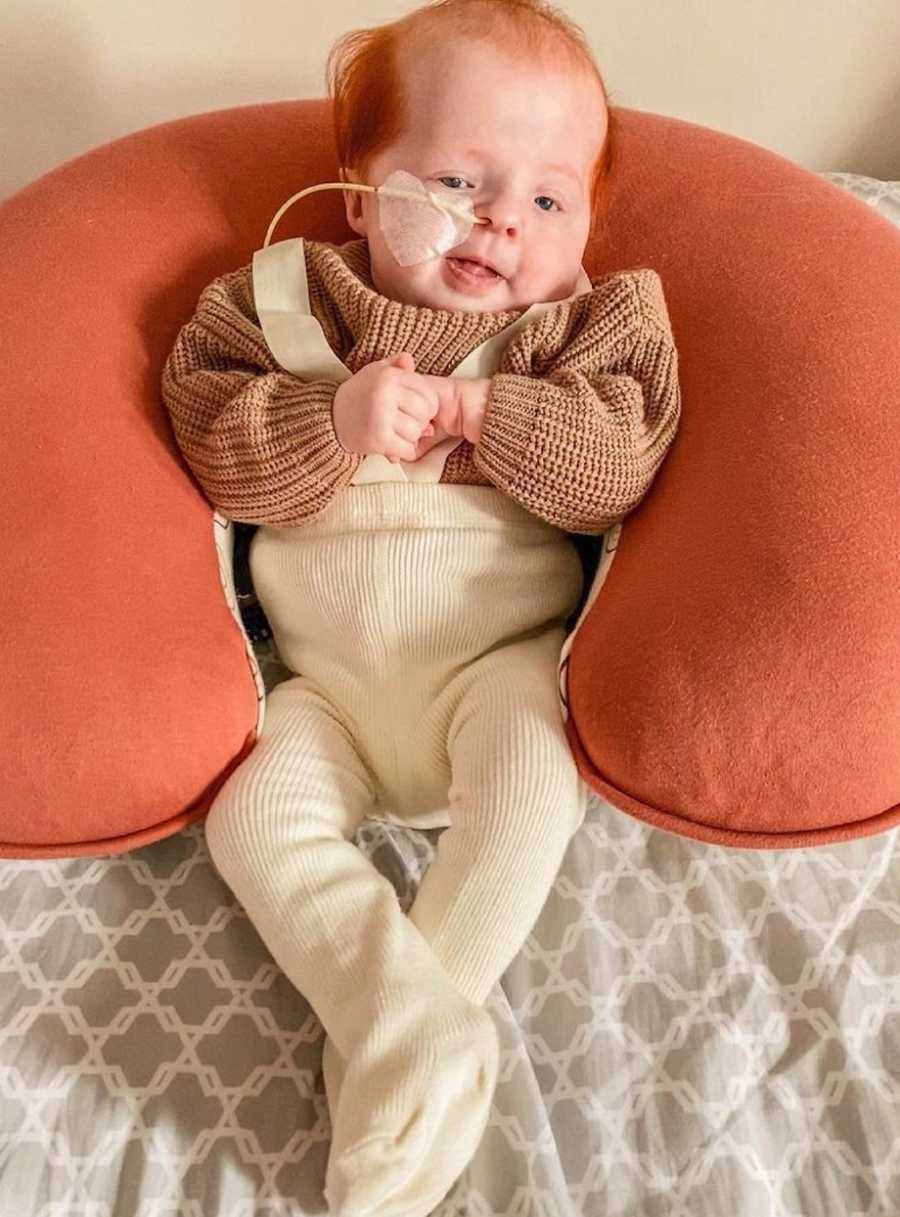
Now, in June, Rosie is nearly six months old. Looking back, I don’t focus on what we went through, but on what God carried us through. Rosie is thriving—rolling over, saying “mama,” and filling our home with joy. She is living proof that even in the valley, God is good.