Becoming a mother was a dream I held close since I was a little girl. Whenever someone asked me what I wanted to be when I grew up, my answer was always the same: “I want to be a mom.” I also knew from an early age that breastfeeding was something I deeply wanted to do. I imagined it as this magical, almost sacred bond I could share with my children, and I was determined to experience it fully.
My journey into motherhood began about six and a half years ago. My husband and I had been trying to conceive for nearly a year, and when that positive pregnancy test finally came, our hearts overflowed with joy. The beginning of my pregnancy was smooth and uncomplicated. I was 25, healthy, active, and completely thrilled to embark on the adventure I had dreamed about for so long.
Everything changed suddenly at 29 weeks. I began having contractions, and when we rushed to the hospital, the doctors discovered a bacterial infection that had spread to my uterus. My body, in an incredible act of instinct, went into preterm labor to protect our baby. The medical team was able to stop the labor with medication, and I was sent home on Procardia to manage contractions. The next six weeks were a blur of periodic contractions, medication, and strict bedrest.
At 35 weeks and one day, our lives took another turn. Once admitted to the hospital, there was no stopping my labor. A few hours later, we learned I had Strep B, a bacterium that can be harmful to newborns. I only managed to receive one dose of antibiotics before giving birth, which resulted in our son being born with an infection. Within minutes of birth, he began having trouble breathing. I caught only fleeting glimpses of him before he was whisked away to the NICU, while my husband accompanied him and I was treated for unexpected bleeding. The swirl of emotions in those moments was indescribable—I had a son, and all I wanted was to hold him in my arms.
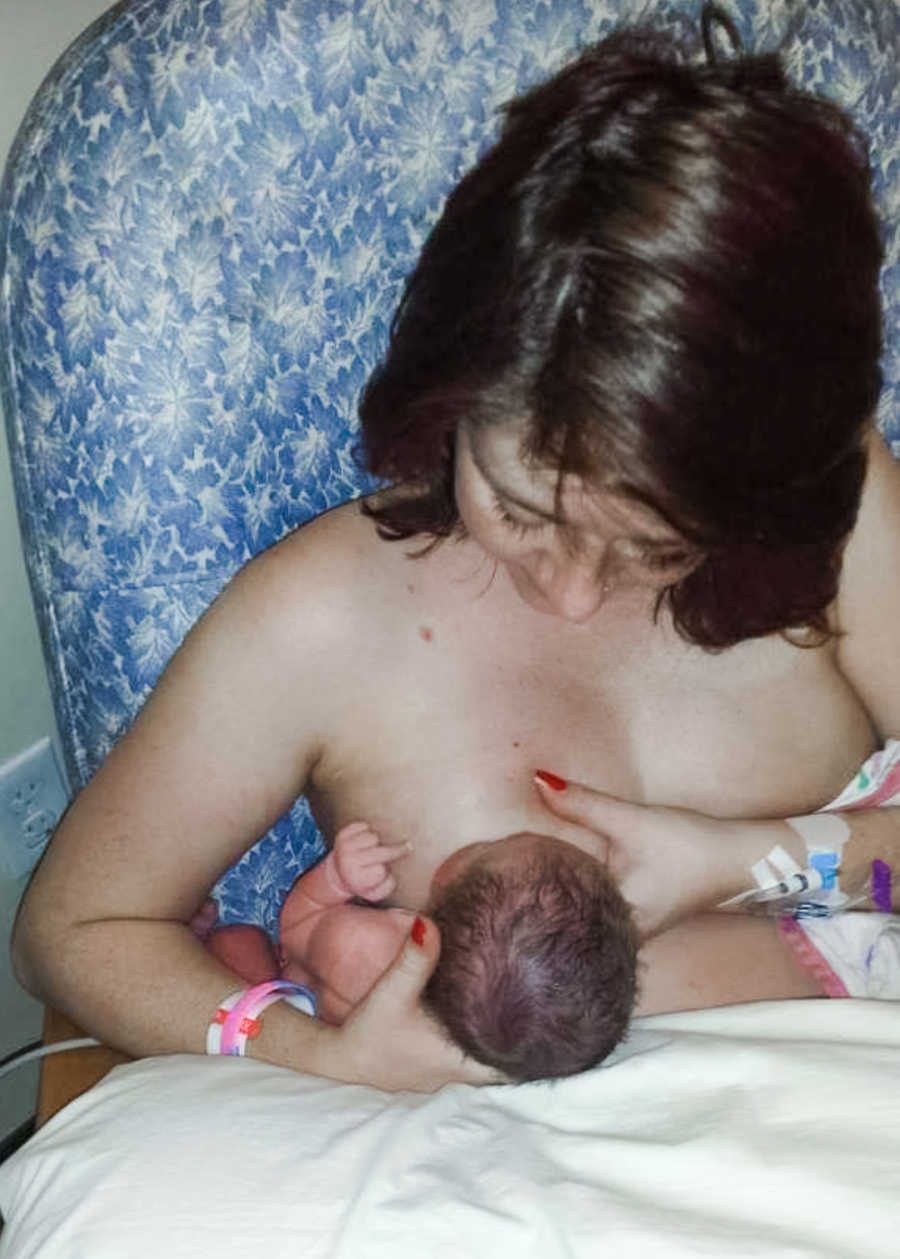
Soon, the NICU staff called, emphasizing the importance of breastfeeding because his sugar levels were low. This was when my true breastfeeding journey began. Within three hours of birth, I started pumping because my son had tongue ties and struggled to latch. In the NICU, I juggled breastfeeding, bottle feeding, tube feeding, and pumping every three hours. We were introduced to donor milk from the Mothers’ Milk Bank on day two, which I deeply appreciated. Thankfully, my colostrum came in quickly and in large amounts, allowing us to stop using donor milk by day four. My supply was so abundant that the nurses often joked I could feed every baby in the NICU!
Life became a haze of sleepless nights and relentless feeding schedules. Every three hours, I would wake, change my son, breastfeed ten minutes per side, burp him, attempt a bottle, then tube-feed him, all within a thirty-minute window. Afterward, I’d pump, clean my pump parts, store my milk, and grab what little sleep I could before starting again. By the eighth day, my supply had fully come in, and a 2:00 a.m. pumping session yielded 18 ounces. By day fourteen, I was pumping 12–16 ounces every three hours, teetering on the edge of my first bout of mastitis.
Mastitis—a painful infection in the milk ducts—hit quickly. My temperature spiked to 105 degrees, my breast throbbed, and I was in tears. With antibiotics, I recovered in a few days. Soon after, we were discharged from the NICU, finally taking our son home—an unforgettable and joyous milestone.
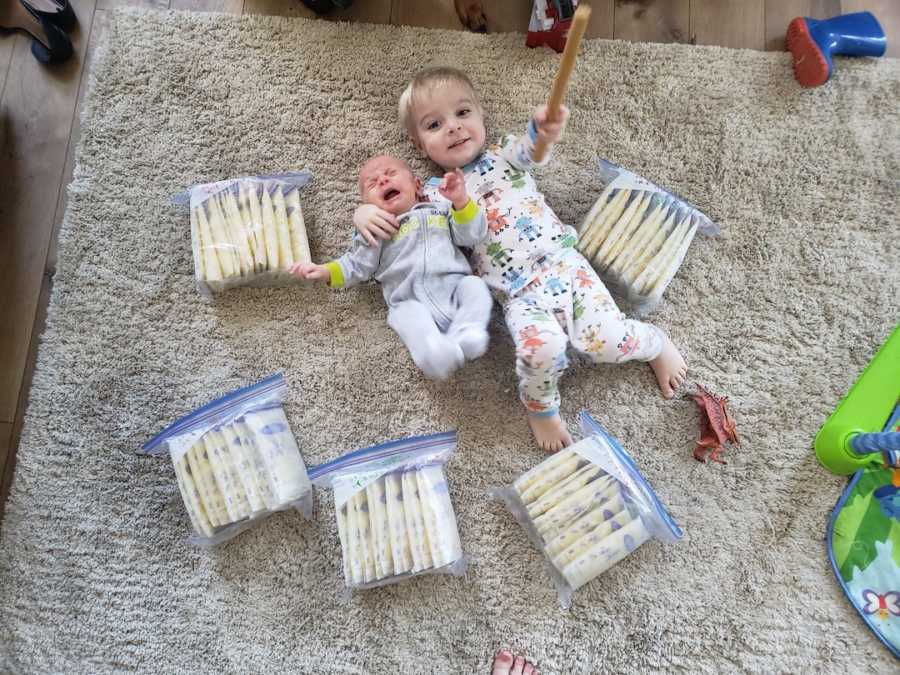
At home, adjusting to newborn life was challenging, but I wasn’t prepared for the intensity of my milk supply. Oversupply brought constant pumping, frequent leaks, and recurring bouts of mastitis. Within three weeks, I had over 800 ounces saved in my freezer. I began donating privately to other mothers through a breastfeeding support network, recognizing the profound impact breast milk had on families like ours.
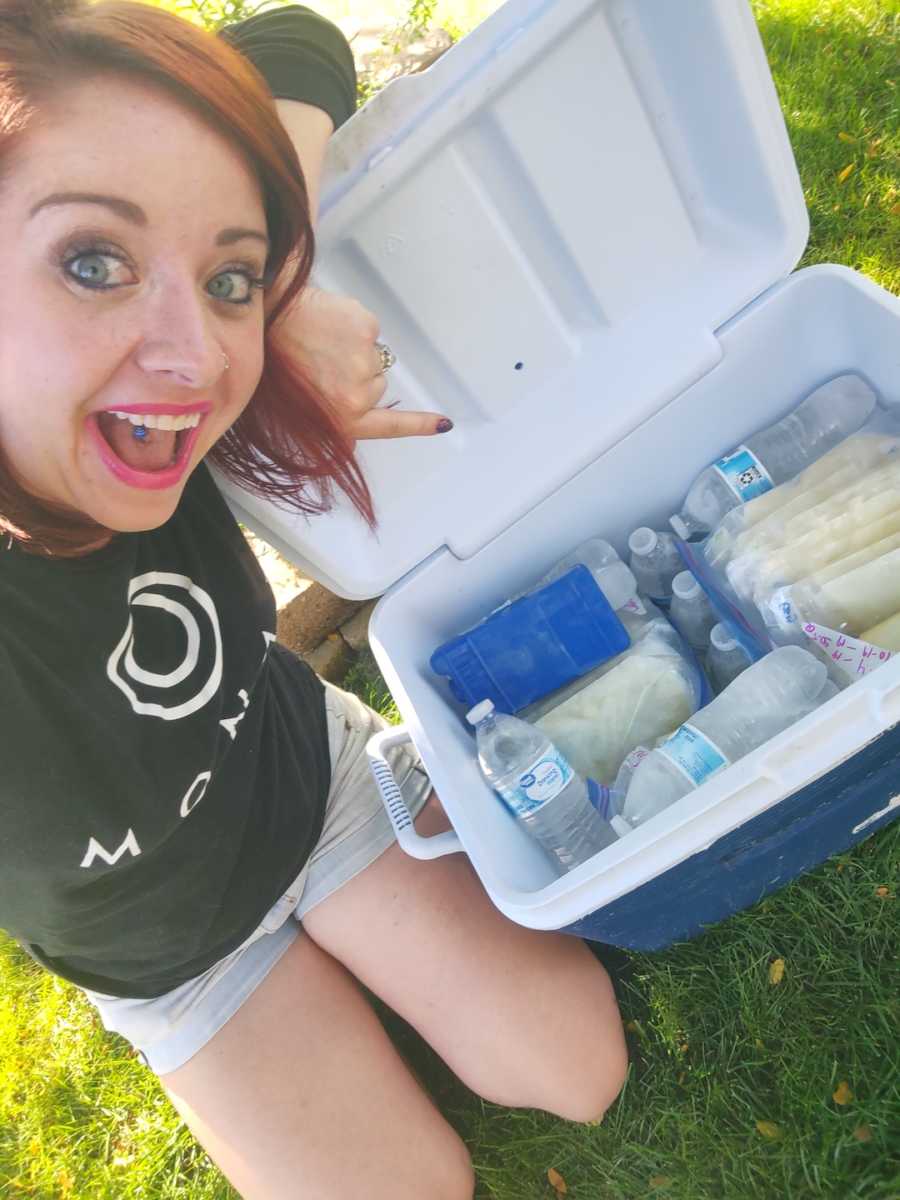
Nearly a year after my first son’s birth, I made my first official donation to the Mothers’ Milk Bank. I vividly remember driving there, cooler in hand, tears streaming, feeling overwhelming gratitude. Donating to the same NICU that had saved my son, and seeing the nurses who had cared for him, was a beautiful, heartwarming experience I will never forget.
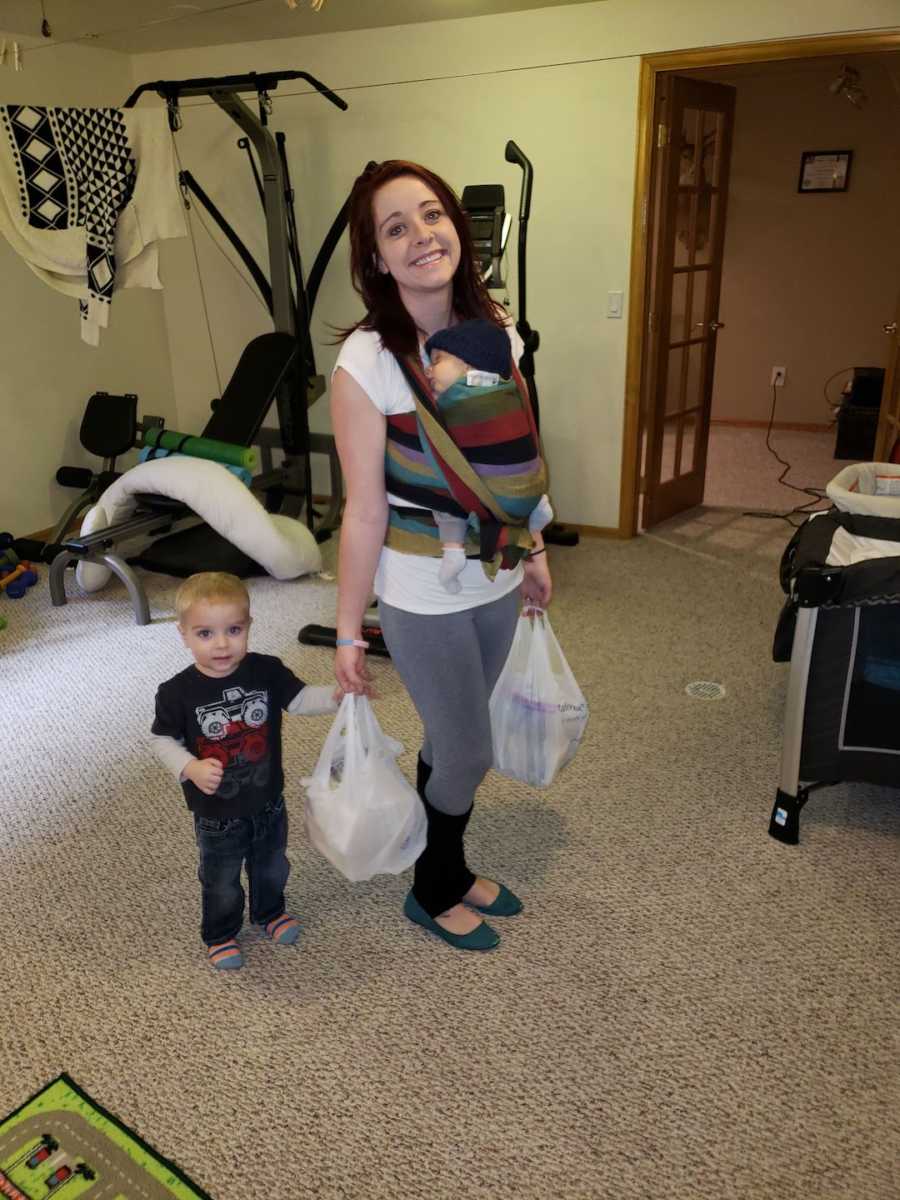
Over the next two years, I donated roughly 3,000 ounces privately, helping babies with low supply, dairy allergies, or those who had lost their mothers. When a friend needed milk, I resumed pumping after weaning, carefully managing my supply to avoid mastitis while still providing enough to support her child.
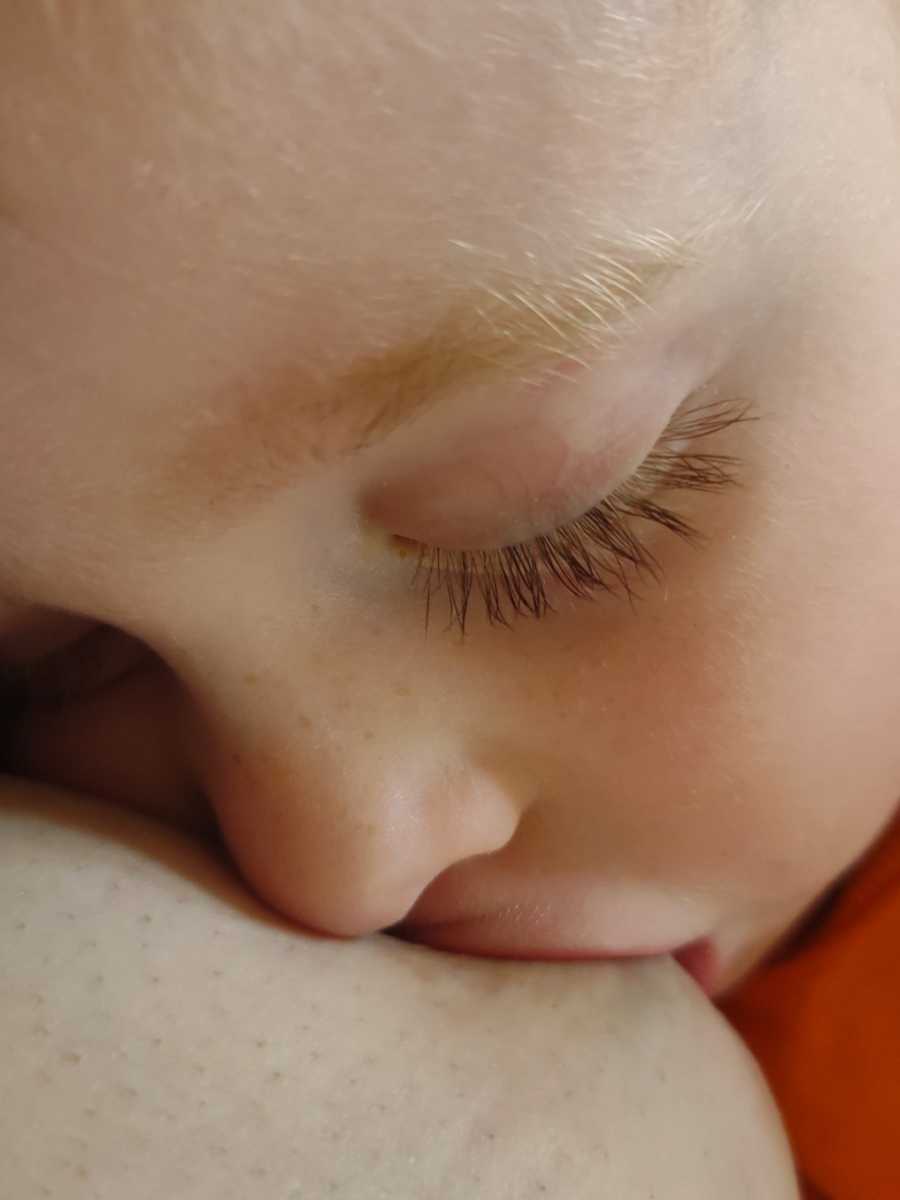
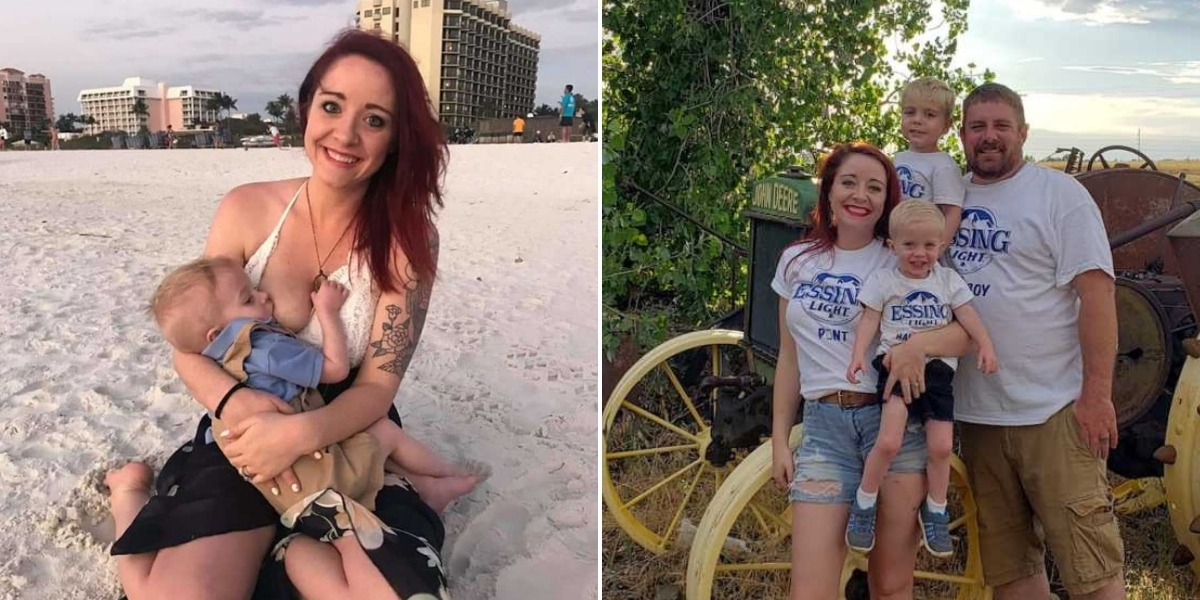
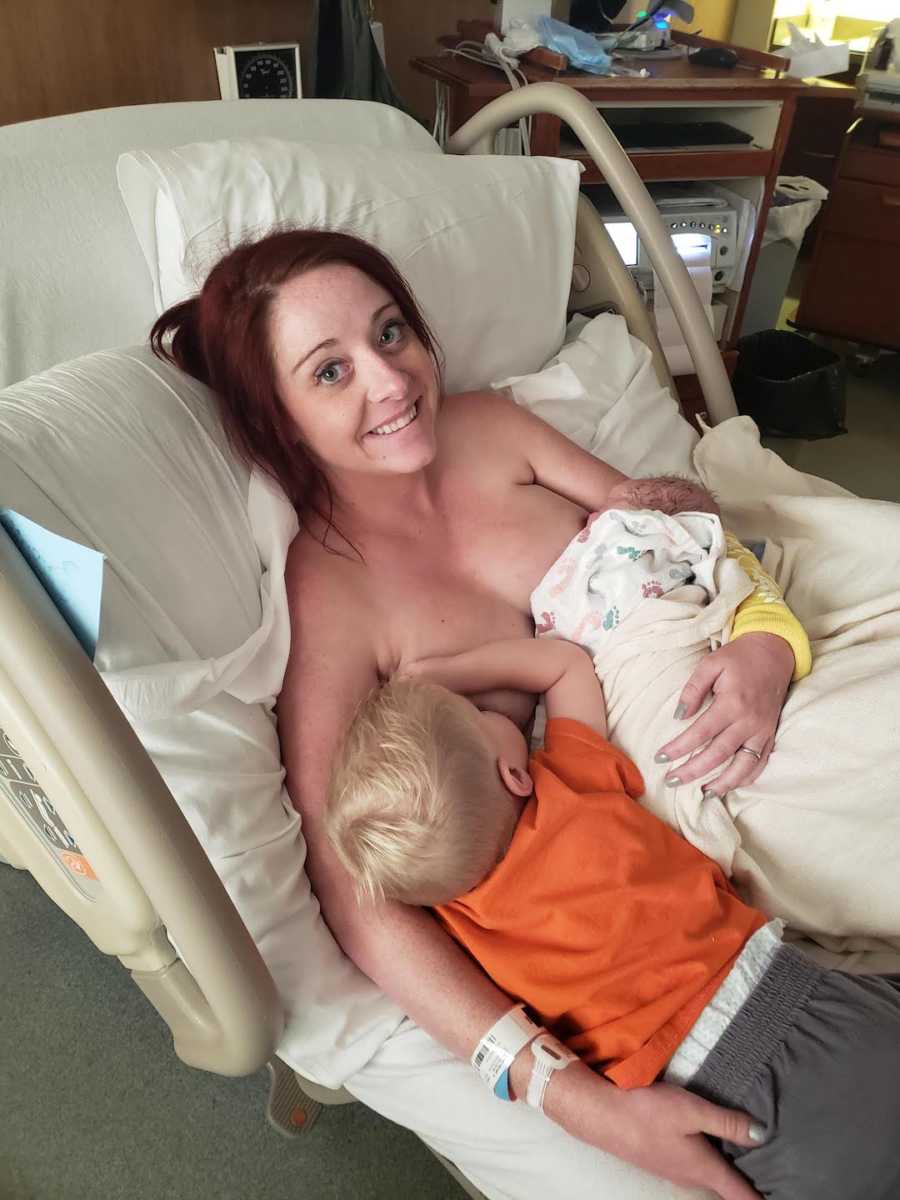
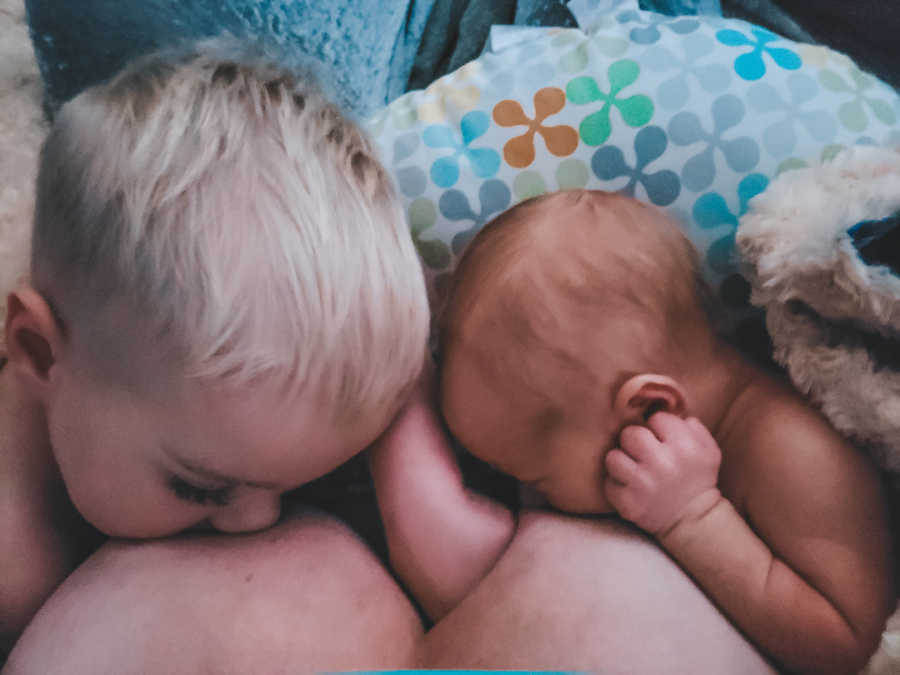
Then came our second pregnancy, which ended in a miscarriage at twelve weeks, followed by a D&C. Just three weeks later, we discovered I was pregnant again. Despite the high-risk pregnancy, I continued breastfeeding with my doctors’ guidance. When I gave birth, I was able to tandem feed both my sons within minutes—a magical, unforgettable moment.
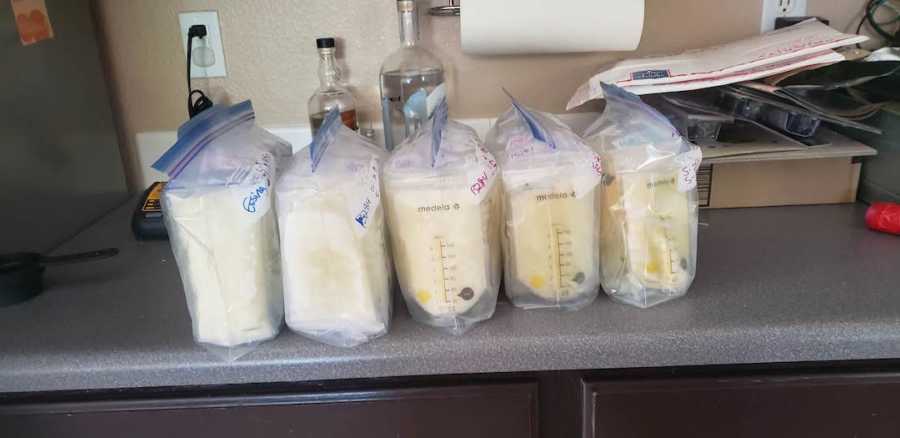
My milk returned in full force. This time, I set a goal: 10,000 ounces donated. Using a Haakaa for the first six weeks, I pumped 40–50 ounces daily while nursing both sons. My second son faced challenges similar to my first, including tongue and lip ties, food allergies, and reflux. We underwent laser procedures and feeding therapy, requiring strategic pumping to ensure he received fatty milk for proper growth.
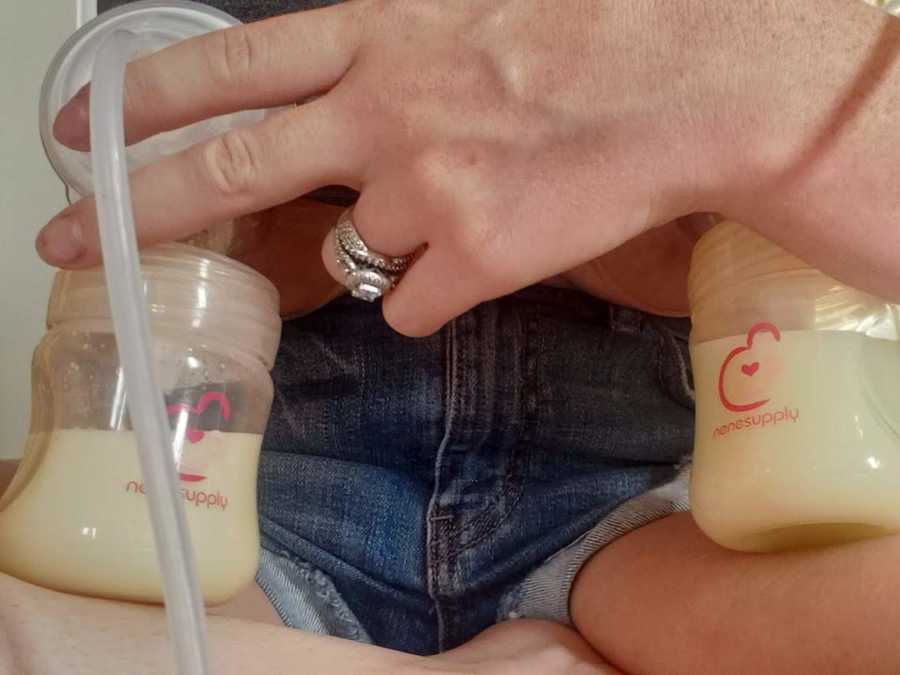
Despite careful management, mastitis struck ten times during this period, along with milk blebs and clogs. Fever spikes, pain, and relentless pumping were exhausting, yet I persisted because I knew my milk was helping save lives and support mothers who desperately needed it.
I donated both through the Milk Bank and privately, balancing my second son’s allergy-friendly diet. Meeting families whose babies received my milk brought a unique joy, especially while I battled postpartum depression and anxiety. Helping others gave me purpose and strength to carry on.
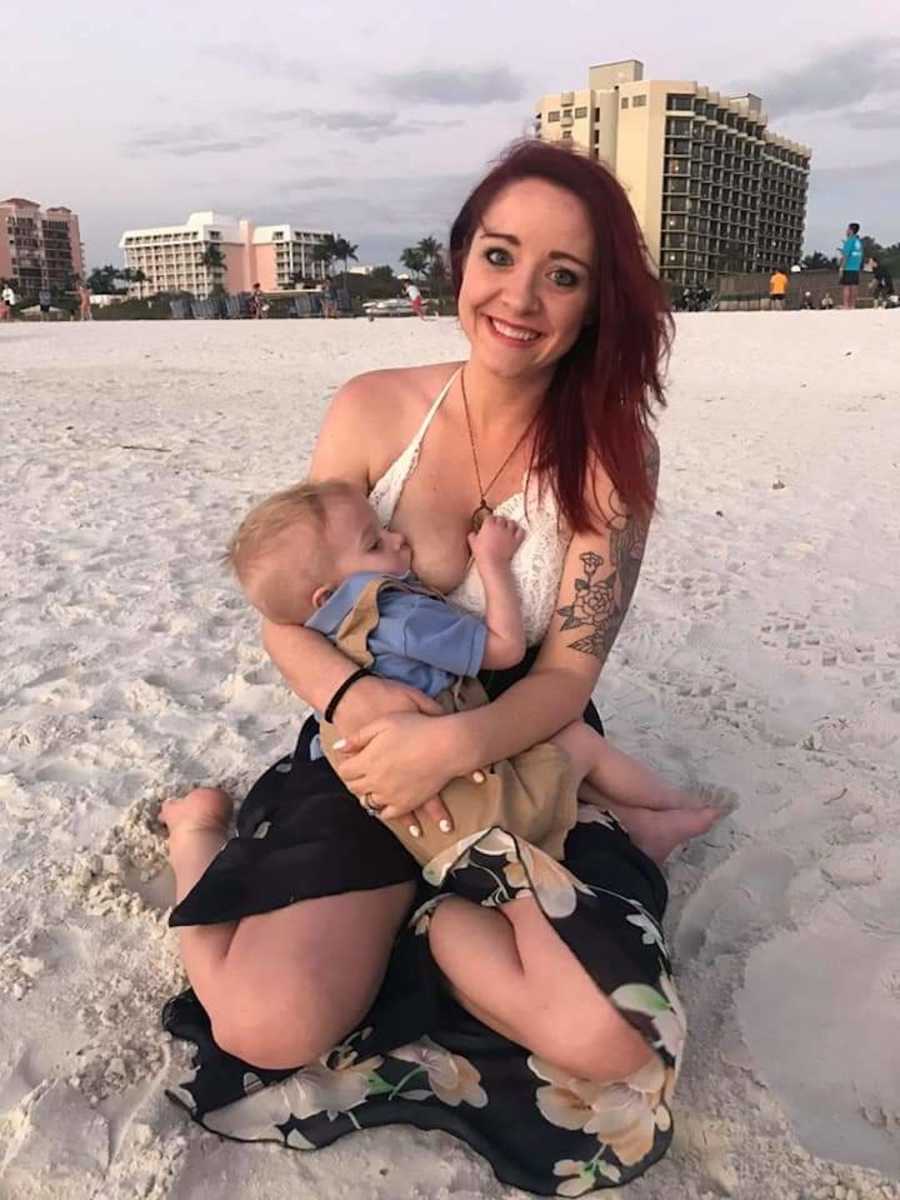
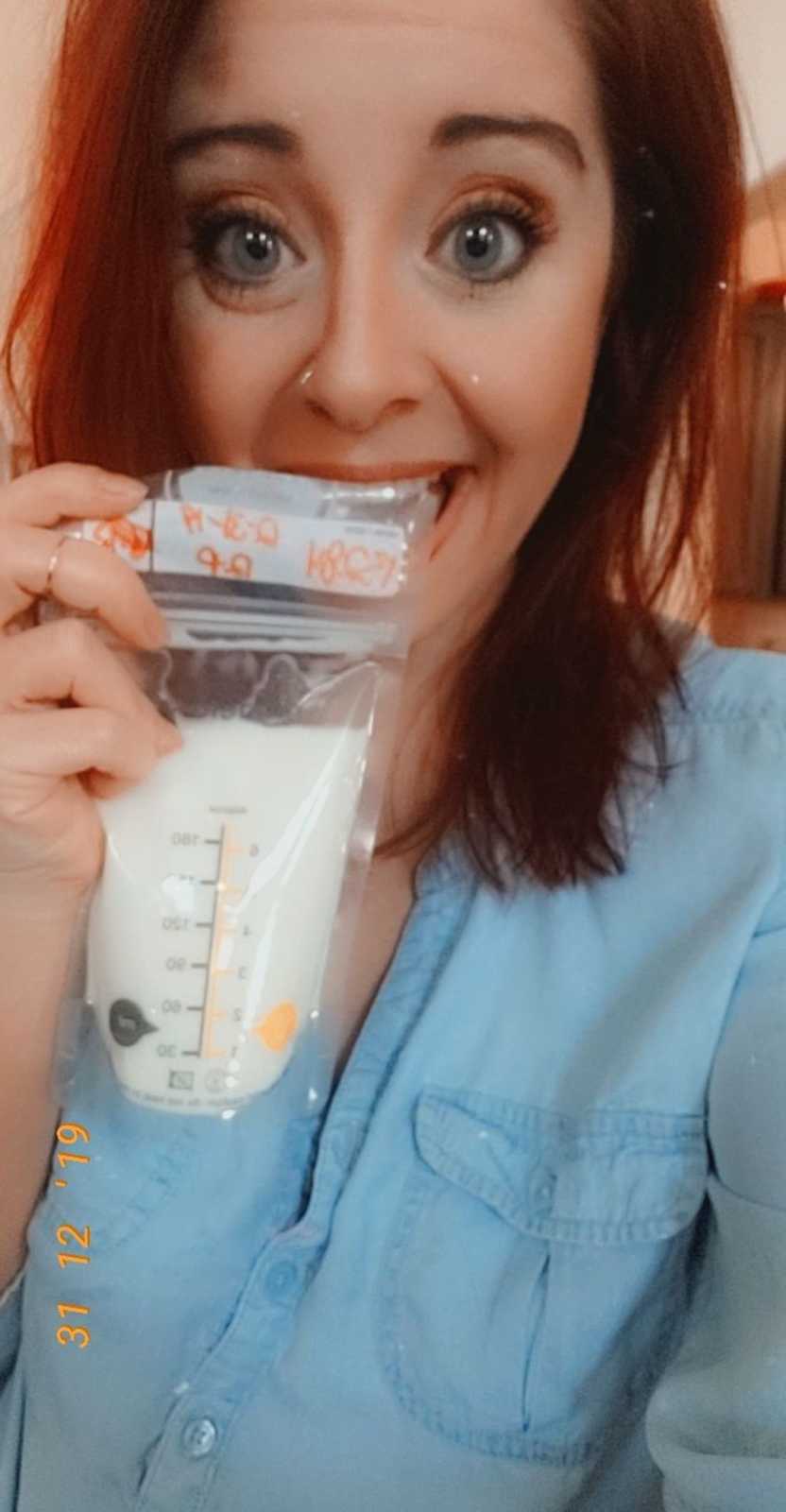
Slowly, I weaned from the pump after my second son turned one. On New Year’s Eve 2019, I reached my goal: 10,000 ounces donated. I cried, overwhelmed by emotions and gratitude for the long, hard journey. Families, friends, and nurses celebrated with me, reminding me that every sleepless night, every ounce pumped, and every bout of mastitis had been worth it.
Today, I continue to breastfeed, self-weaning both children, and occasionally donate to friends. My story is one of perseverance, love, and giving. To any struggling mothers: know you are doing an incredible job. Breastfeeding is natural but not easy, and every journey is unique. Seek support from lactation specialists and remember, we all deserve encouragement along the way.
Every challenge I faced—from preterm labor to mastitis to oversupply—was worth it to share this miraculous gift with babies in need. Donating my milk has been a blessing, a purpose, and a source of immeasurable joy, and I will never take it for granted.