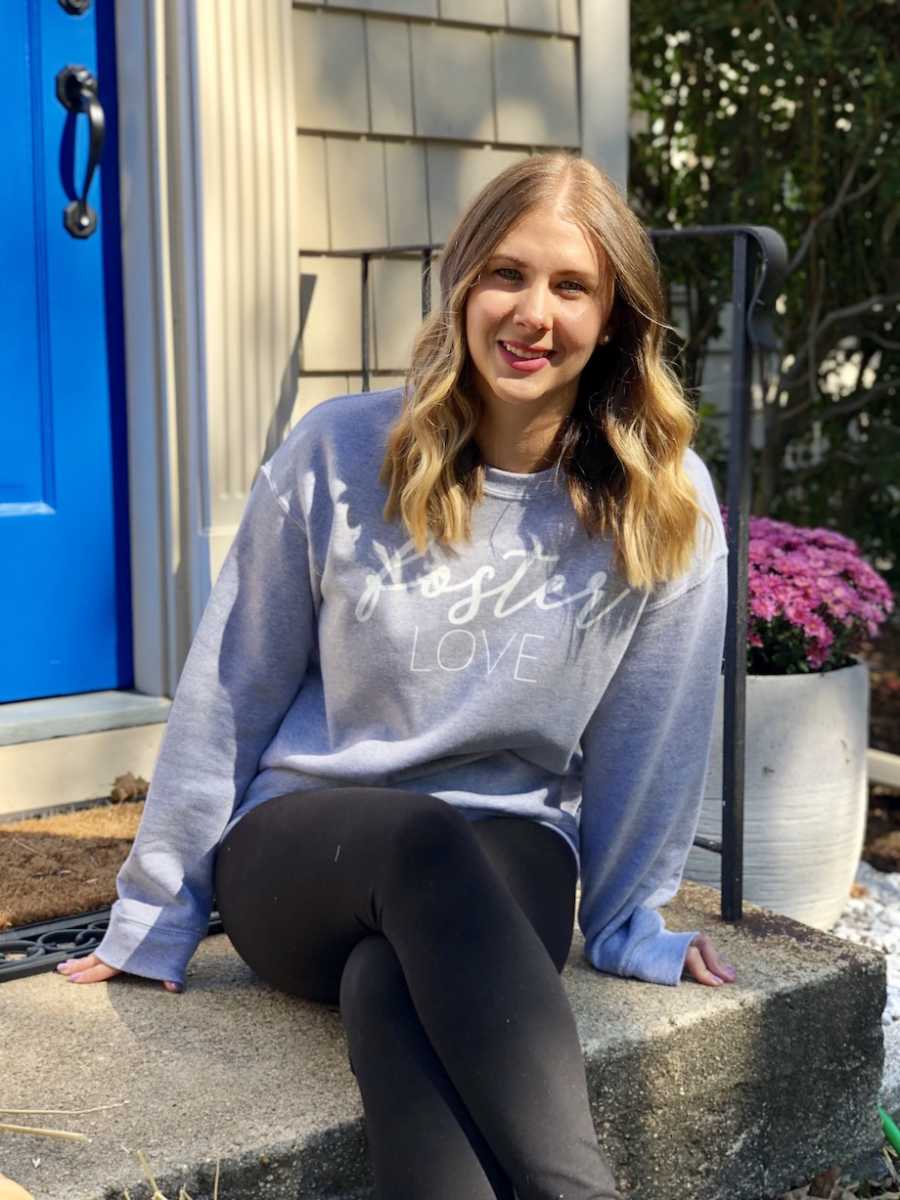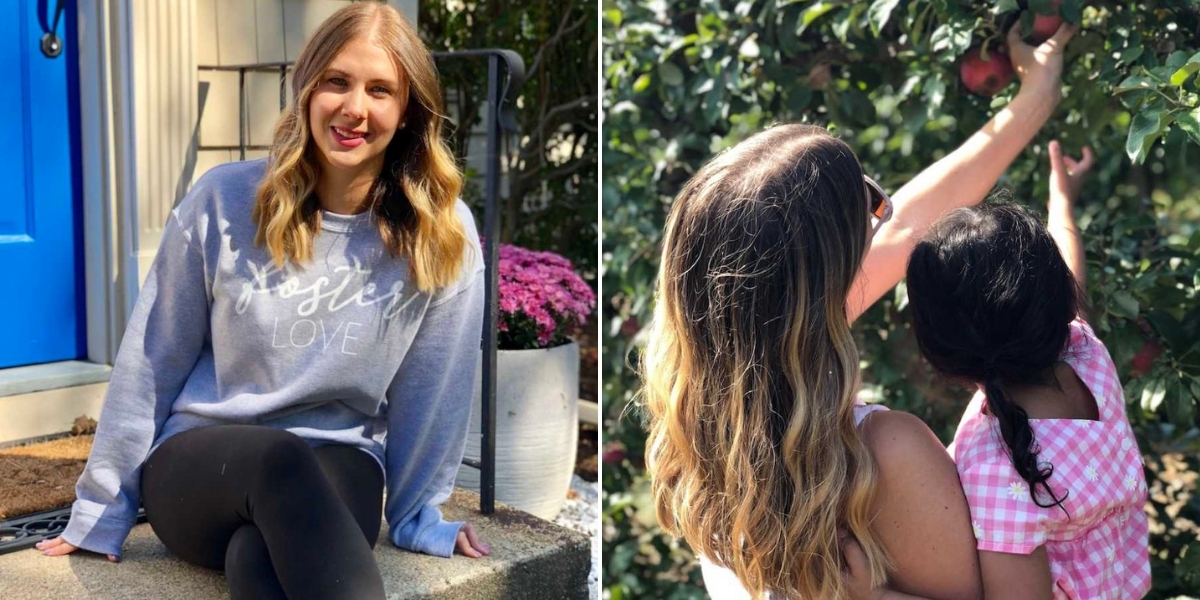
As a foster mom, I never quite know how to answer when someone asks me if I have kids. Do I say yes? No? Do I mention the number I currently have—two—or the number I’ve had overall—eight? Over time, I started replying with a simple, “Sometimes.” And from that little word, the title “Sometimes Mom” was born.
When people find out my husband and I are foster parents, their curiosity usually takes the same path. Most want to know why. To them, fostering feels like a backup plan, a last resort. What they really want to ask—though few have the courage—is whether we are infertile. Others are less tactful and ask outright. Some will say, more gently, “Why did you become interested in fostering?” But beneath the politeness is the assumption: if we could have biological children, wouldn’t we?
The truth is, we don’t know. We haven’t tried. Maybe we could. Maybe not. What I do know is this: we foster because we love it. Because it feels right. Because it’s what we’re meant to do right now. There’s no dramatic story behind our choice. The real story is everything that has come after.
Our first placement arrived in March 2019. I answered the door to a 3-year-old girl who marched past me in a replica of the iconic red Orphan Annie dress, immediately making herself at home. I couldn’t help but think, I think she’s going to like it here.
And she did. We loved her, too. It felt surprisingly easy and natural, which, in foster care, is almost unheard of. But as much as I relished her presence, I was terrified of her leaving. As it turned out, she was with us for only four days. On her last day, while we were at the park, she suddenly asked, “Are you a mom?” I wasn’t prepared. I stammered, “Well… I’m kind of like a mom because I help take care of kids.” She smiled, satisfied. “Okay,” she said, “I’m going to call you mom.”
On the walk home, she was too tired to continue and asked to be carried. Carrying a 3-and-a-half-year-old that far was exhausting, but of course, I did it. The next day, she left, and my arms ached. The soreness faded after a few days, but I secretly didn’t want it to. It was proof she had been here—proof of the joy and love we’d shared. If my arms healed so quickly, I wondered, how long until my heart followed suit? How long until she was gone from my memory completely?
But the heart doesn’t heal so easily. Even now, I think of her every day.
After her, we had a series of short-term placements: a baby boy for two days, a baby girl for a week, another baby boy for two weeks. The lengths of their stays didn’t matter. They will always be my babies. Their pictures hang in my home; their laughter and cries still echo through the rooms.
Then came a little boy with a warning from his social worker: “He’s a crier.” And he was. He also had an ear infection, which meant late nights in the emergency room for the second and third nights. It wasn’t until the fourth day that he gave the tiniest smile—a smile that brought me to tears. A week later, we heard his belly laugh, a sound that will forever be one of my favorites.
We never knew how long he would stay. “Soon” was the word we were given, though in foster care, “soon” is always relative. For seven months, we lived day to day, unsure if it would be his last with us. The day before Thanksgiving, we faced the reality that he might leave, and I wrote a note to his mom:
“When he first came to us, you wrote a letter asking us to take care of him. We loved him and did our best to care for him. I hope you’ll agree…”
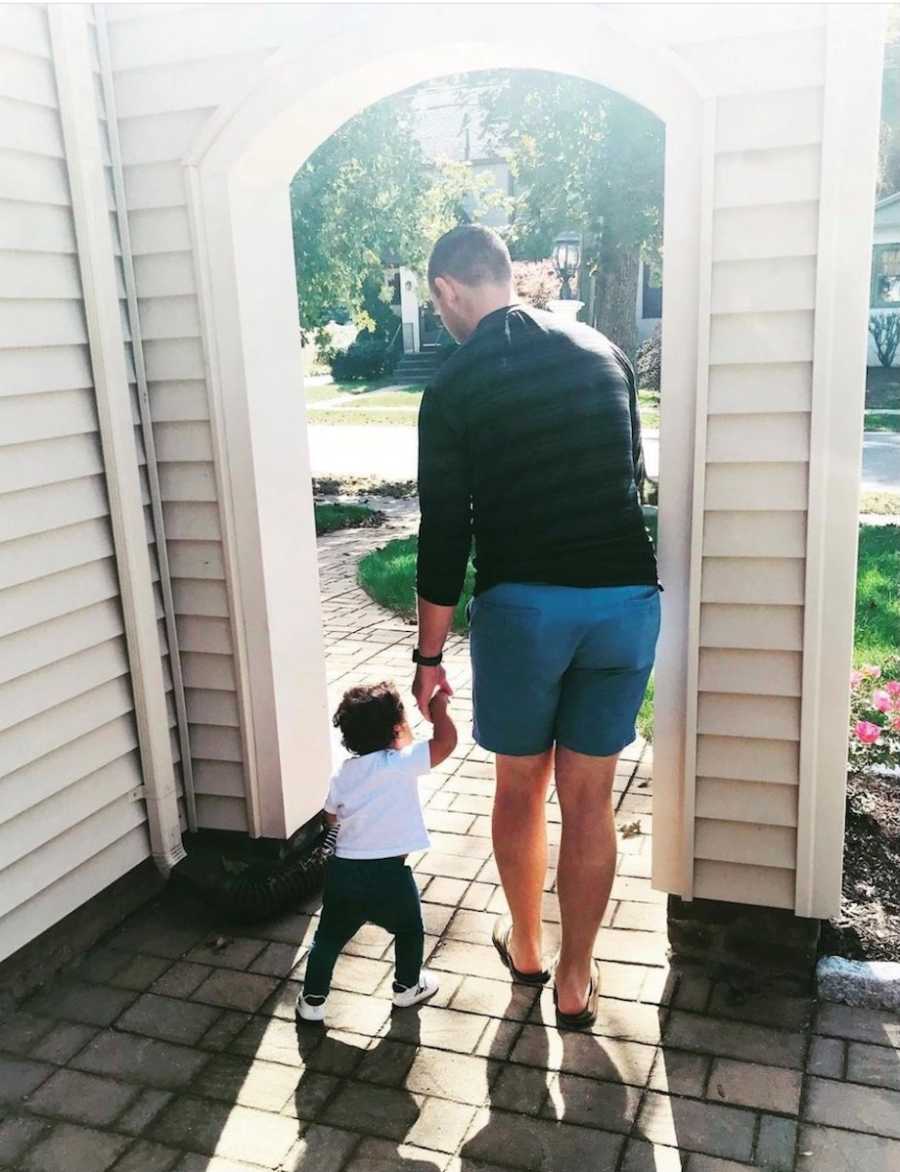
I don’t remember the rest of my letter, and I wish I had saved it. My son left, and with him, my words seemed to vanish. My husband and I cried until we collapsed on the couch and eventually fell asleep.
The next morning, my phone buzzed with a text from an unfamiliar number. These words are etched in my heart:
“…I just want to thank you for everything you did for him. He was definitely well taken care of. Sometimes when a kid is in foster care, you never know how your kid is being treated, but in this case, I had no worries. Yes, I missed him every day, but knowing he was in a great home made me feel at ease, and for that, I am forever grateful to you guys…”
That was over a year ago, and I’m proud to say we still see this little boy often. Our ongoing relationship with his biological family is complicated, yes, but it’s also beautiful and worth every challenge. This little boy is so, so loved.
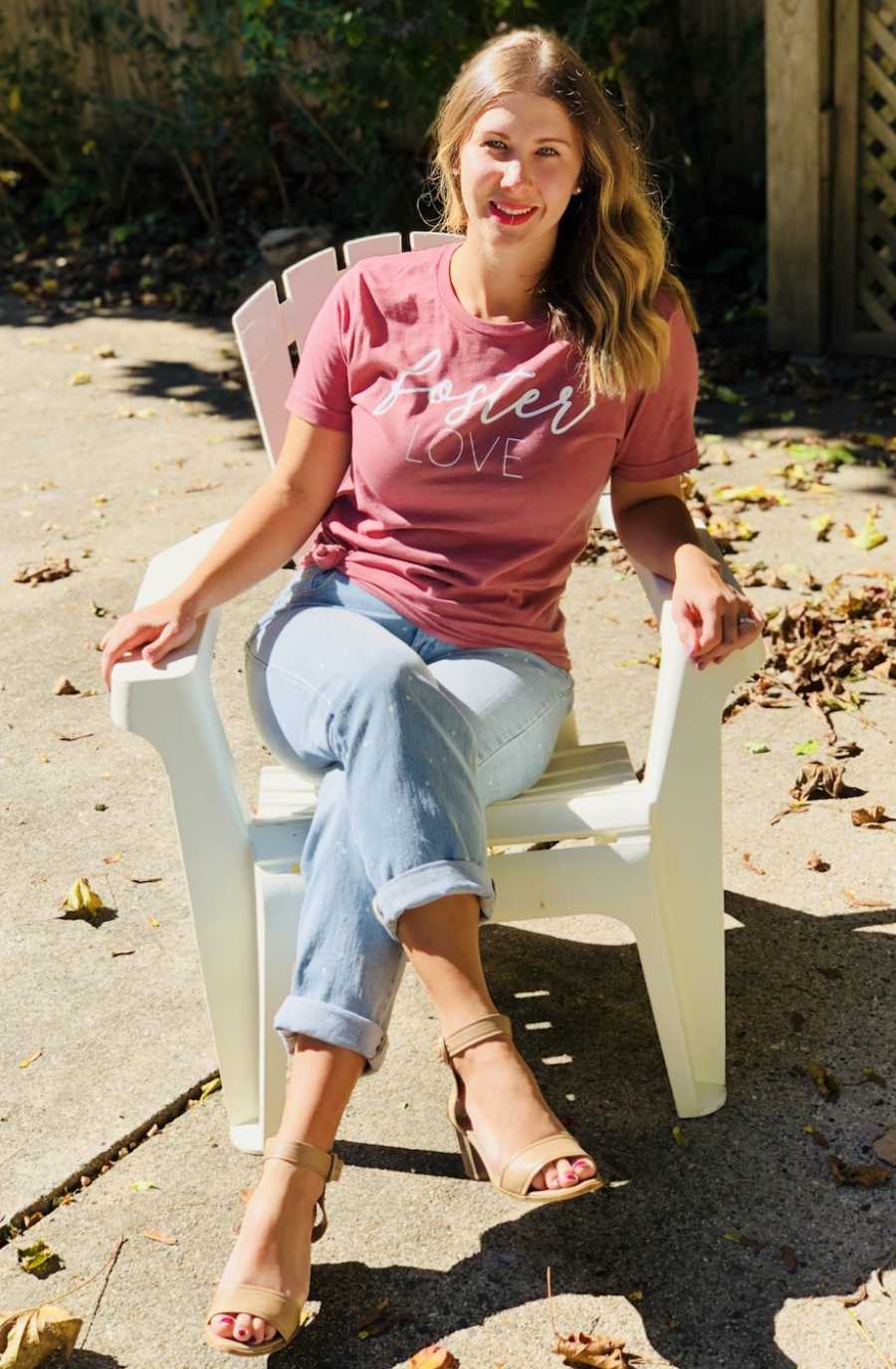
After he left, we decided to take a short break from fostering. Months passed, then COVID-19 arrived, extending the pause. By June 2020, we felt ready again when a call came about a 10-month-old baby girl. Parenting, as it turns out, is like riding a bike. We fell back into a routine: diapers, bottles, and visits from social workers.
This bald-headed angel settled in quickly—happy, healthy, and thriving. Then we learned she had a 4-year-old sister in another foster home. We felt ready to take on a second child, something we had never done before. The older sister was sweet, funny, and polite, but also sometimes violent and destructive. She could make us feel like hostages in our own home. There were sticker charts, calm-down strategies, therapy, labeling feelings—everything. Some days brought incredible progress; other days, she might pee on the couch or spit at us. And yet, we loved her fiercely. She became family, and it’s hard to imagine life without her.
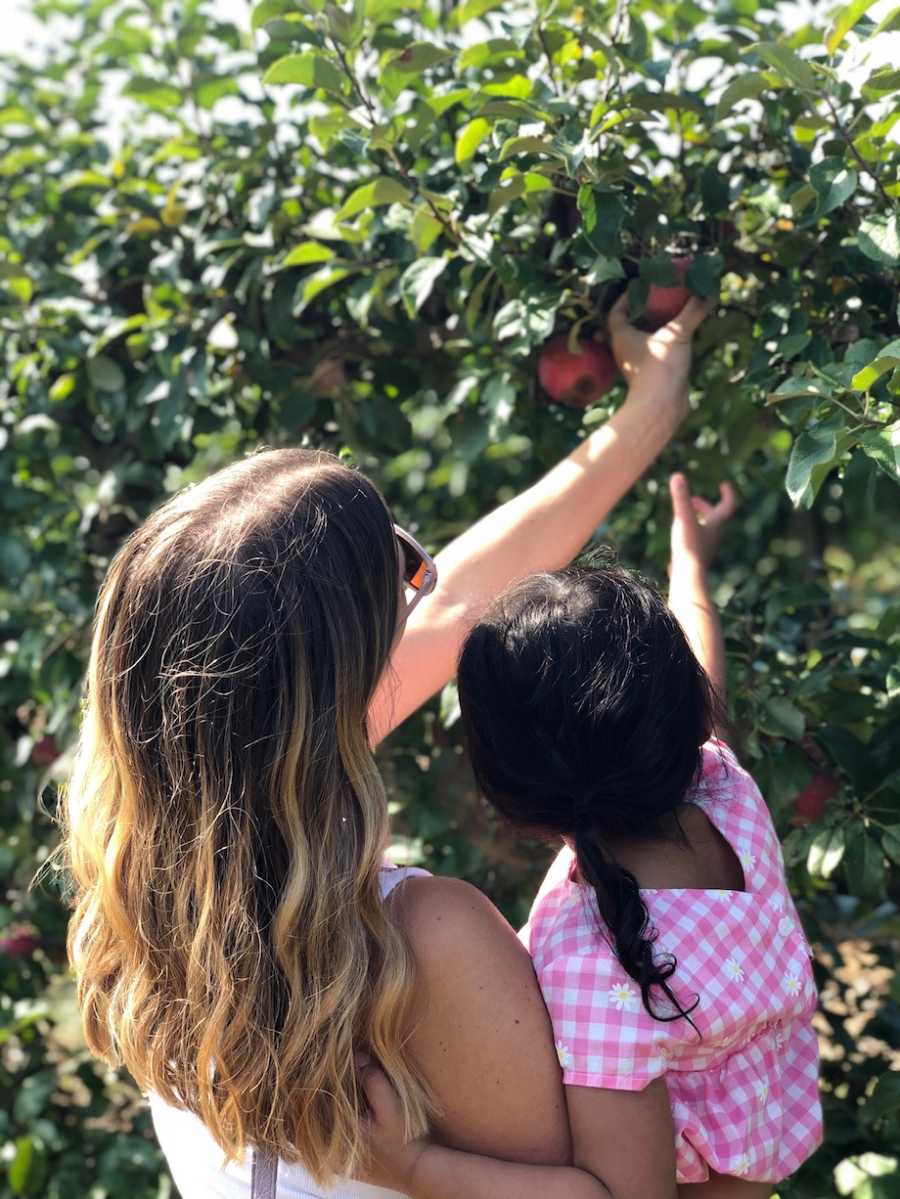
We were told the girls would be going home “soon.” At this point, “soon” had lost all meaning. Initially, I doubted their mother could handle them when we barely could. But over seven months, I began getting to know her, and the process humanized her to me. I saw gratitude and dedication I had never felt from the Department. We now work together as a team, guiding her through reunification—and I think this collaboration is the most powerful gift we can give the girls.
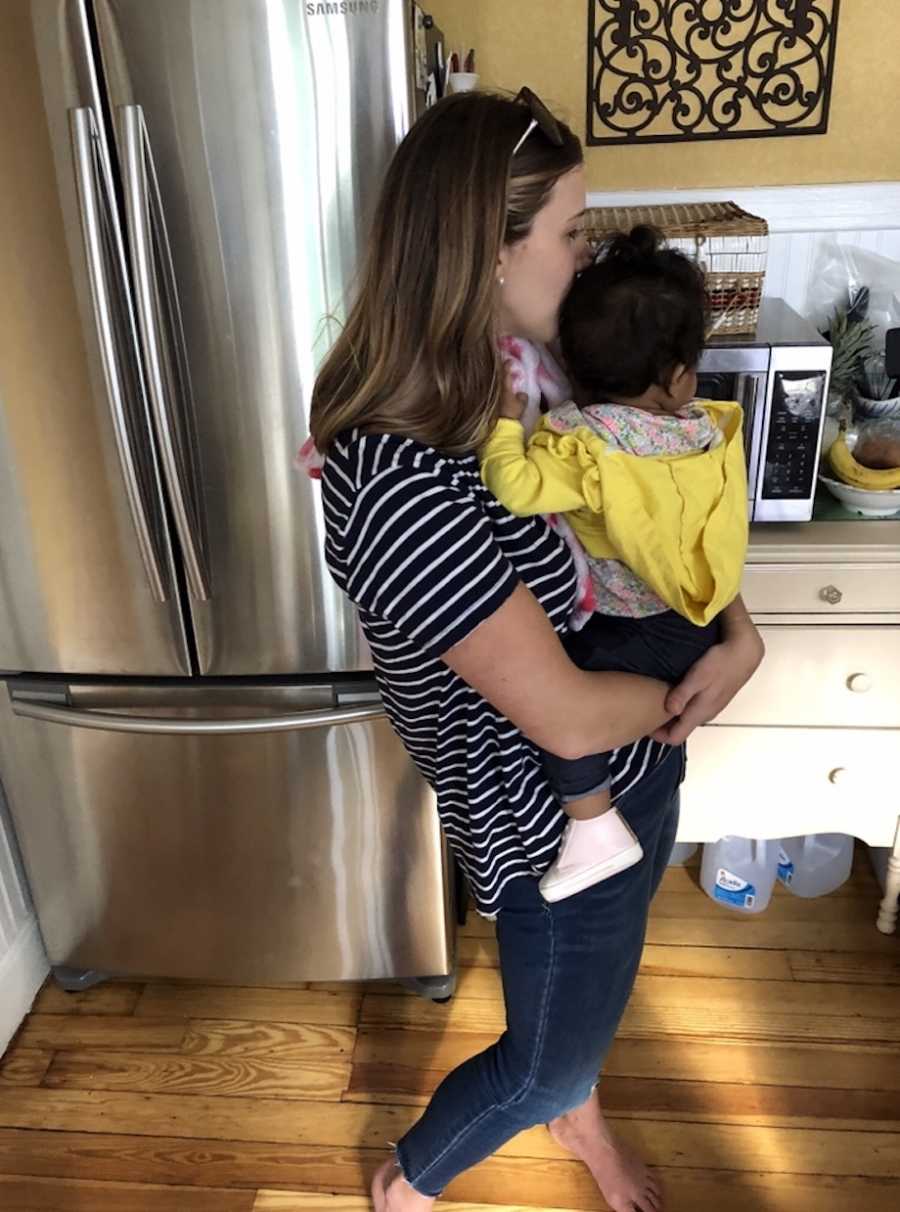
When people talk about “the system,” it’s rarely positive. But sometimes, children enter the system and come to my house, where they read five books a night, learn to ice skate, go on trips, and gain a bonus family. Sometimes, leaving is for the better, sometimes not. Often, I don’t know what will happen, and that uncertainty is terrifying.
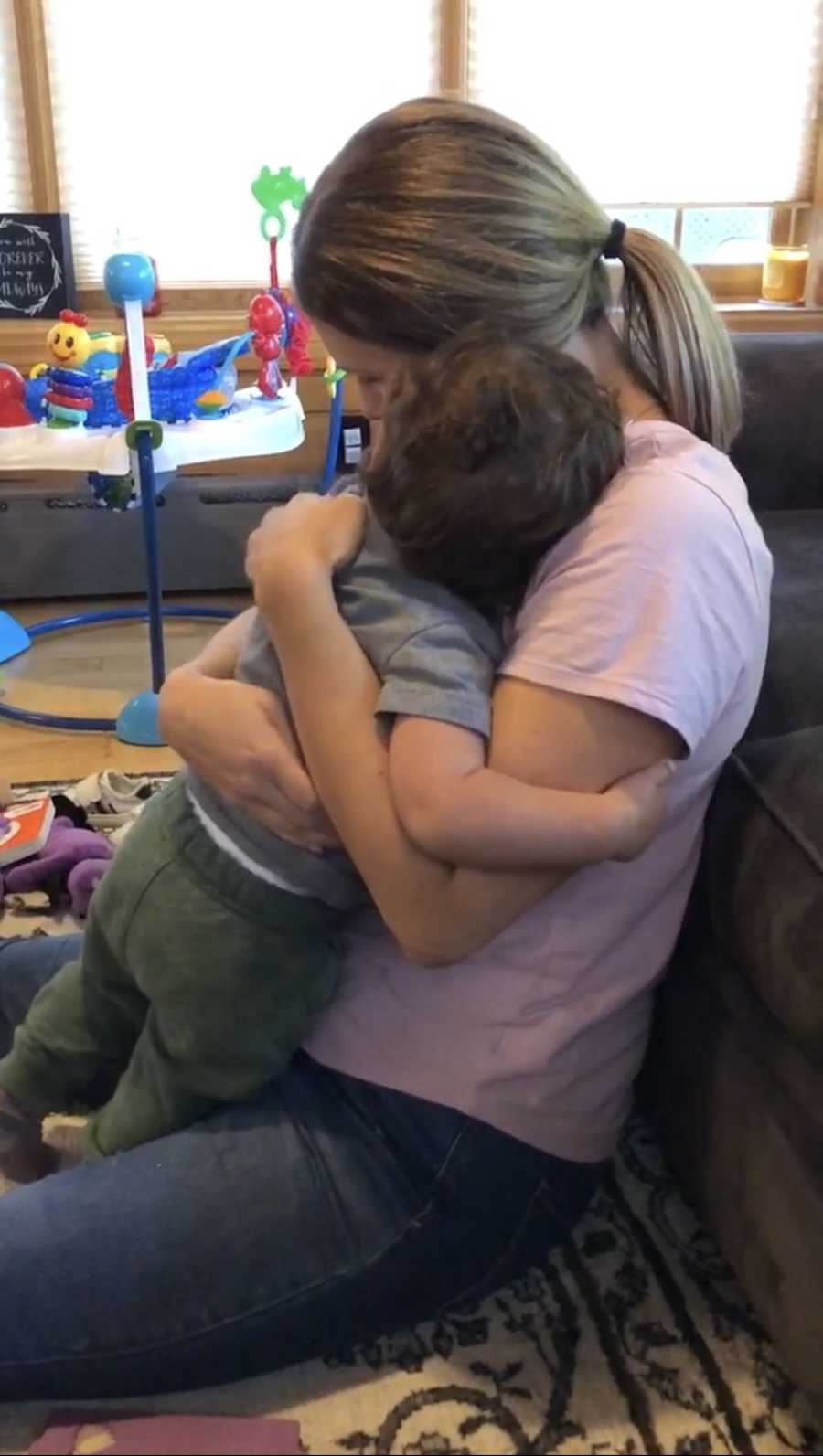
People often tell me they could never foster because they would get too attached. By that logic, children shouldn’t have safe, loving homes simply to protect adult feelings. Yes, I get attached. I cry when they leave. Their reminders in my home can initially bring sadness, but eventually, they bring joy. Reunification used to scare me, but now, while it still hurts, it no longer terrifies me. I can survive sad, and so can you. I’ll cry, I’ll heal, and I’ll do it all over again—because loving these children is worth everything.