I was sitting there, with everyone’s eyes on me, my heart racing like a drum in my chest. I was bursting with joy—every single cell in my body seemed to hum with anticipation, as if they had been waiting their whole lives for this moment. Around me, everyone smiled from ear to ear, sharing in the intensity of the joy I felt. I didn’t know where to place myself; all the molecules in my body were dancing in an ecstasy of happiness. Nothing less than pure happiness.
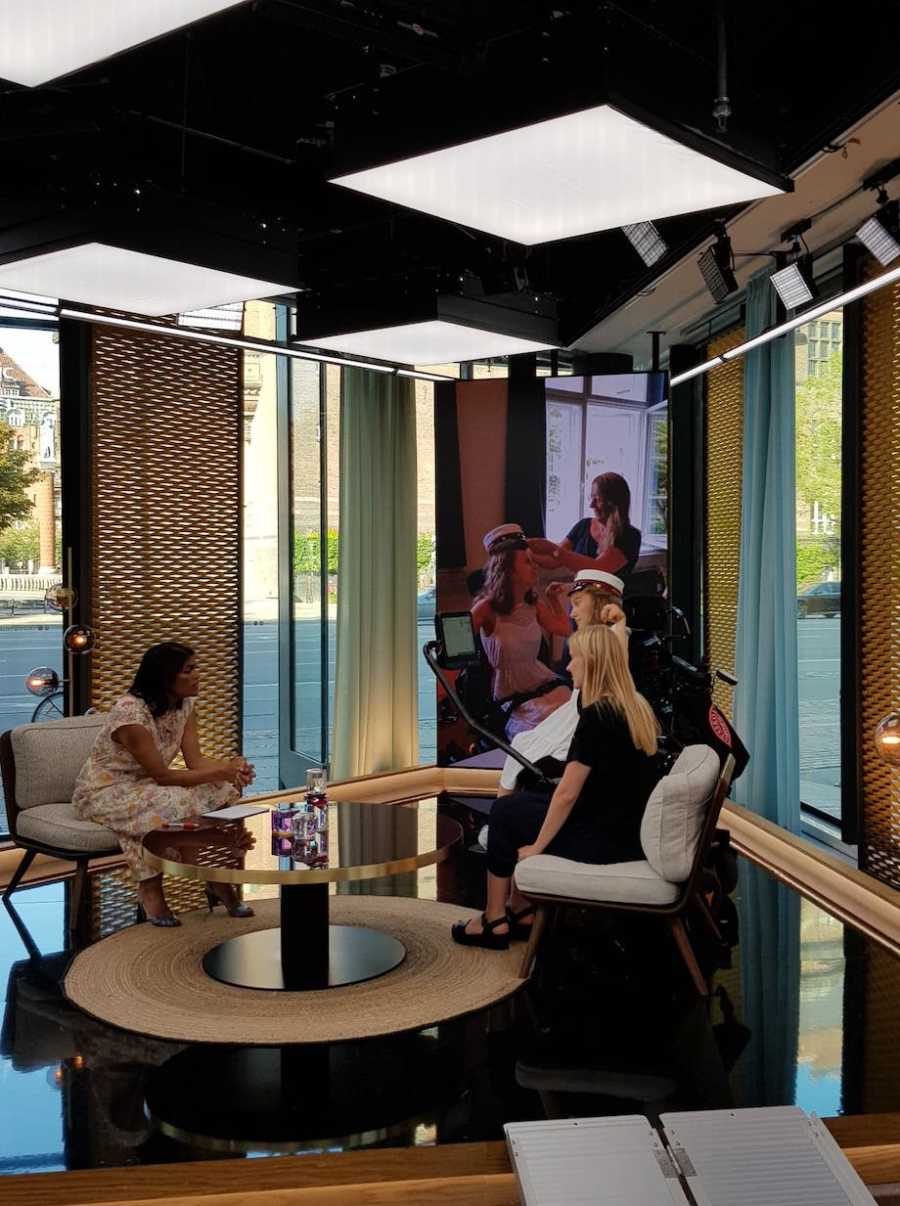
The time it took for my mom to walk to the table and lift the graduation hat from its box felt like an eternity. Finally, she placed it gently on my head, the leather rim brushing under my chin. A big, unstoppable smile spread across my face—I had a hat on my head. Incredible! I had succeeded.
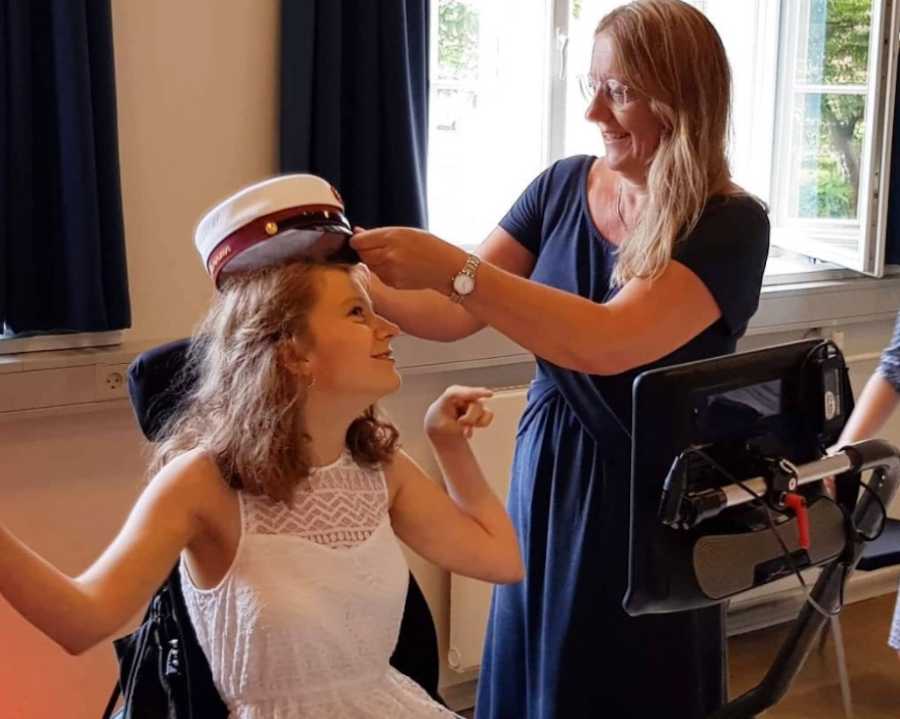
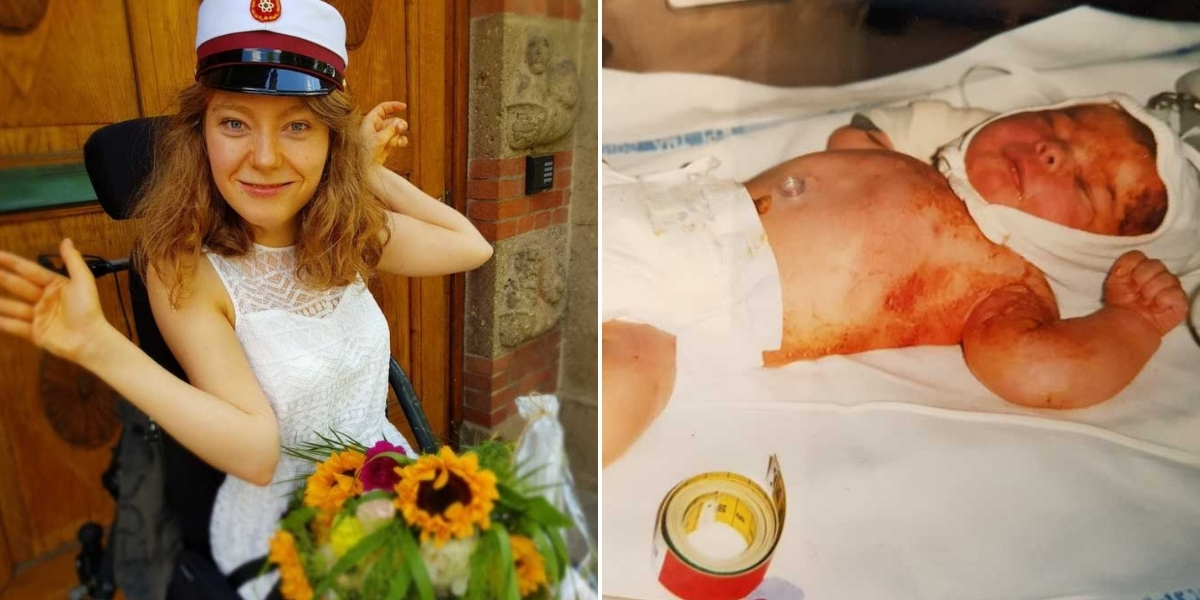
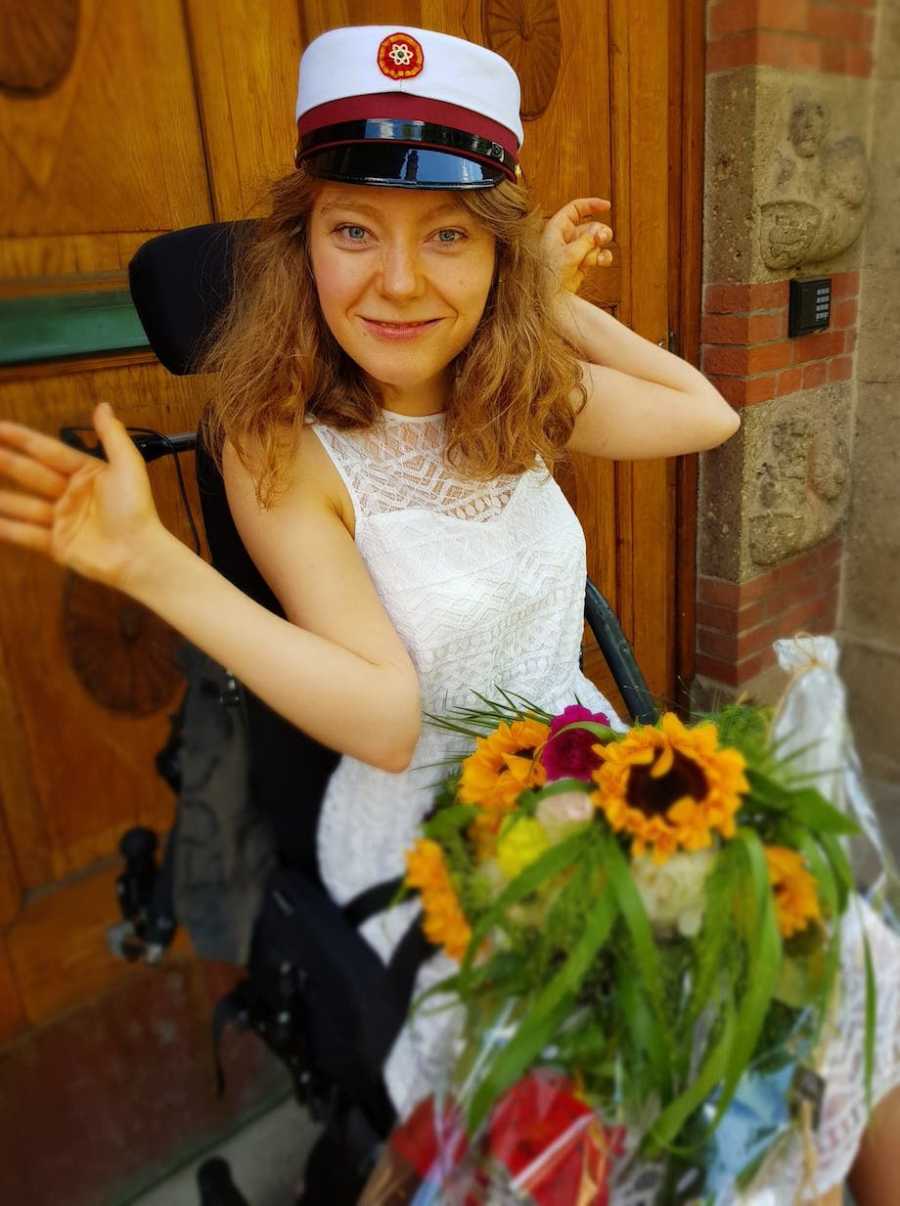
After five long years of studying, here I was, wearing my high school graduation hat, ecstatic beyond words. My hands couldn’t stay still—they danced involuntarily above my head, as if celebrating on their own. I felt as if I were standing on top of the world. And as I held my diploma, it was undeniable: I had proven that it was possible to complete high school without full control of my limbs and without the ability to speak orally.
November 26, 1999, my life began under circumstances far from ordinary. My mom’s water broke, and the hospital mishandled the delivery. I was not brought into the world in time. When I finally arrived, no life-giving cry escaped me. I lay cold, bluish, and unbreathing—a body separated from the world, barely alive. Every second mattered. My life rested in the hands of those who had failed to act fast enough. I had to be intubated, and at one point, I even received cardiac massage.
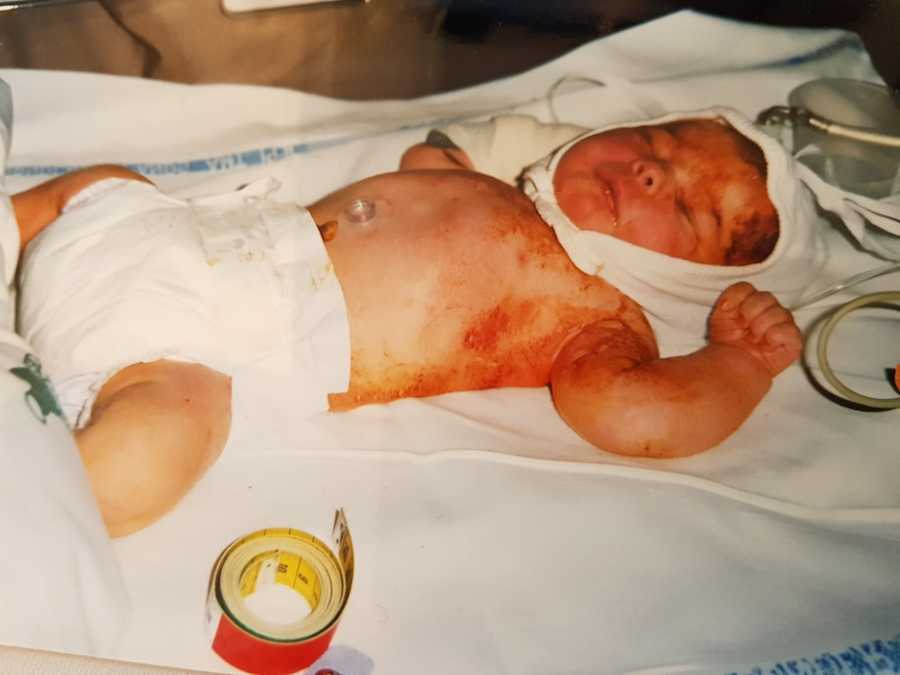
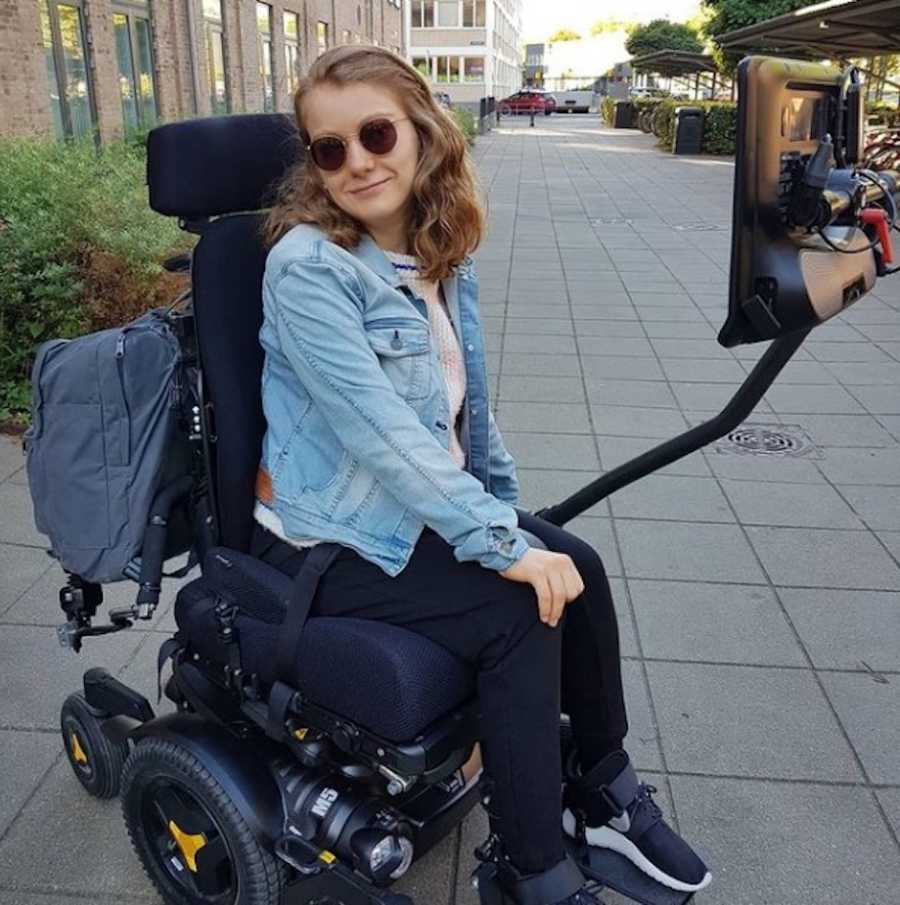
The lack of oxygen left permanent marks on my body. My limbs never learned to obey my will; they danced in constant, tireless motion. A brain injury caused by my traumatic birth led to cerebral palsy, leaving me with a body that does not respond to commands. Today, I navigate the world from my wheelchair, speak through an eye-controlled computer, and rely on assistants around the clock.
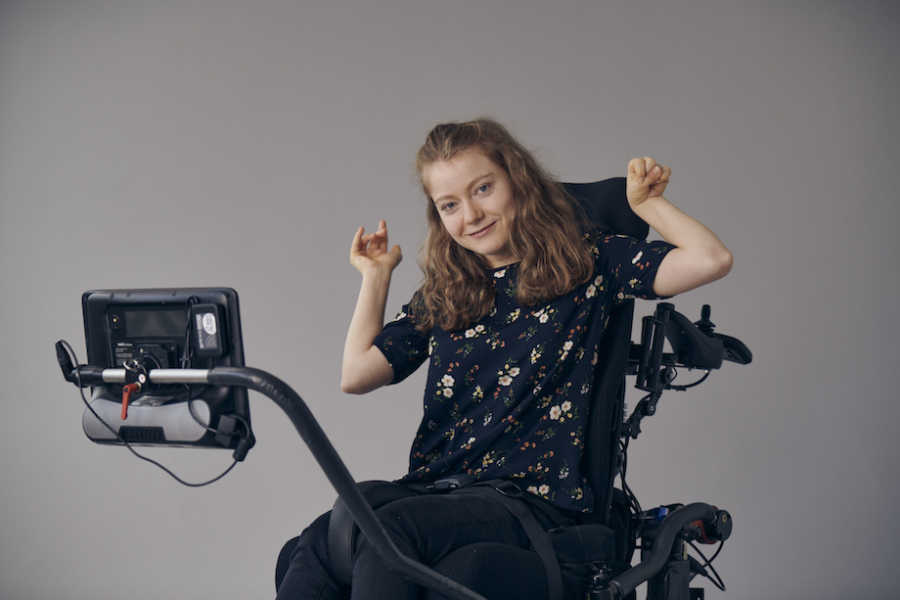
Trapped in a body that feels controlled by another force, I understood early on that my intellect would be my true instrument. I dedicated myself to using it fully, though the world often challenged me. People judged me by my exterior, doubted my abilities, and underestimated what I could accomplish. In primary school, one teacher even told my parents, “How can we be sure it’s Astrid who does the homework? She has people around her—it could be them.” My father’s face flushed red as my parents defended me. Of course, it was me who had done the work. This was only the beginning of the skepticism and discrimination I would face.
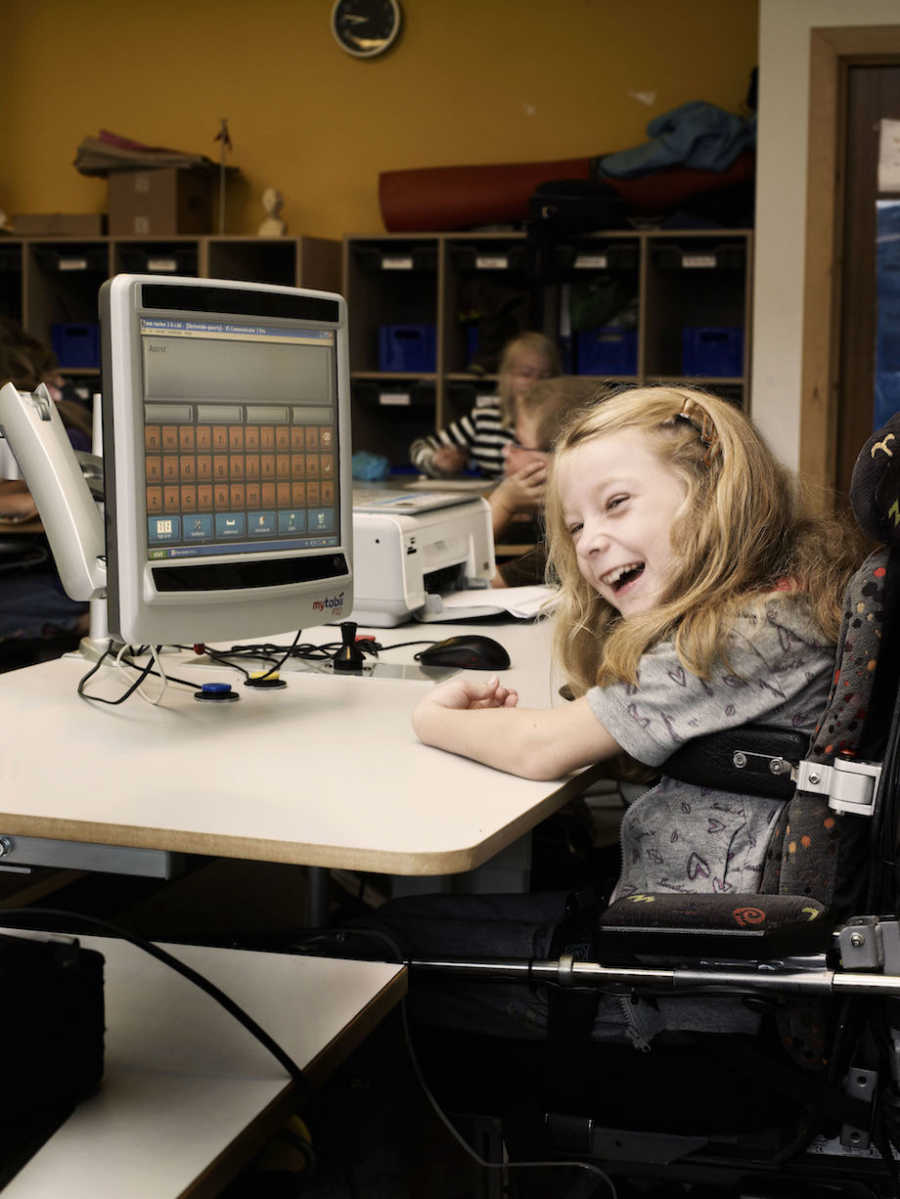
I remember it as vividly as if it were yesterday: the skeptical looks, folded arms, furrowed brows.
A few months later, a fresh chapter awaited me: high school. I sat across from my study advisor, a man who would decide my future. I had a plan. Since I was ten, I had dreamed of attending high school and had already imagined how I could succeed. I wanted to use my mind fully, to live life on my terms, and to pursue an education that would open doors.
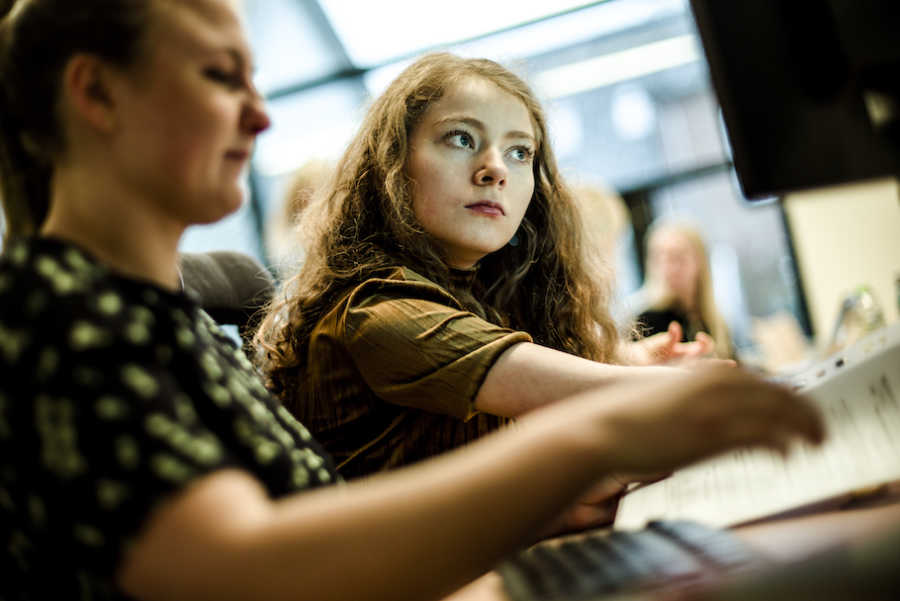
But just days later, we received a crushing message: the study advisor declared me unfit for studying. At first, I couldn’t believe it. My grades were excellent, I had no social issues, and I loved learning. The words hit me like a dagger to the stomach—unexpected, unwanted, almost unbearable. It was clear that my disability had led to this judgment. In that moment, I felt the weight of society’s prejudices, yet I refused to let it stop me. This was merely another obstacle to overcome.
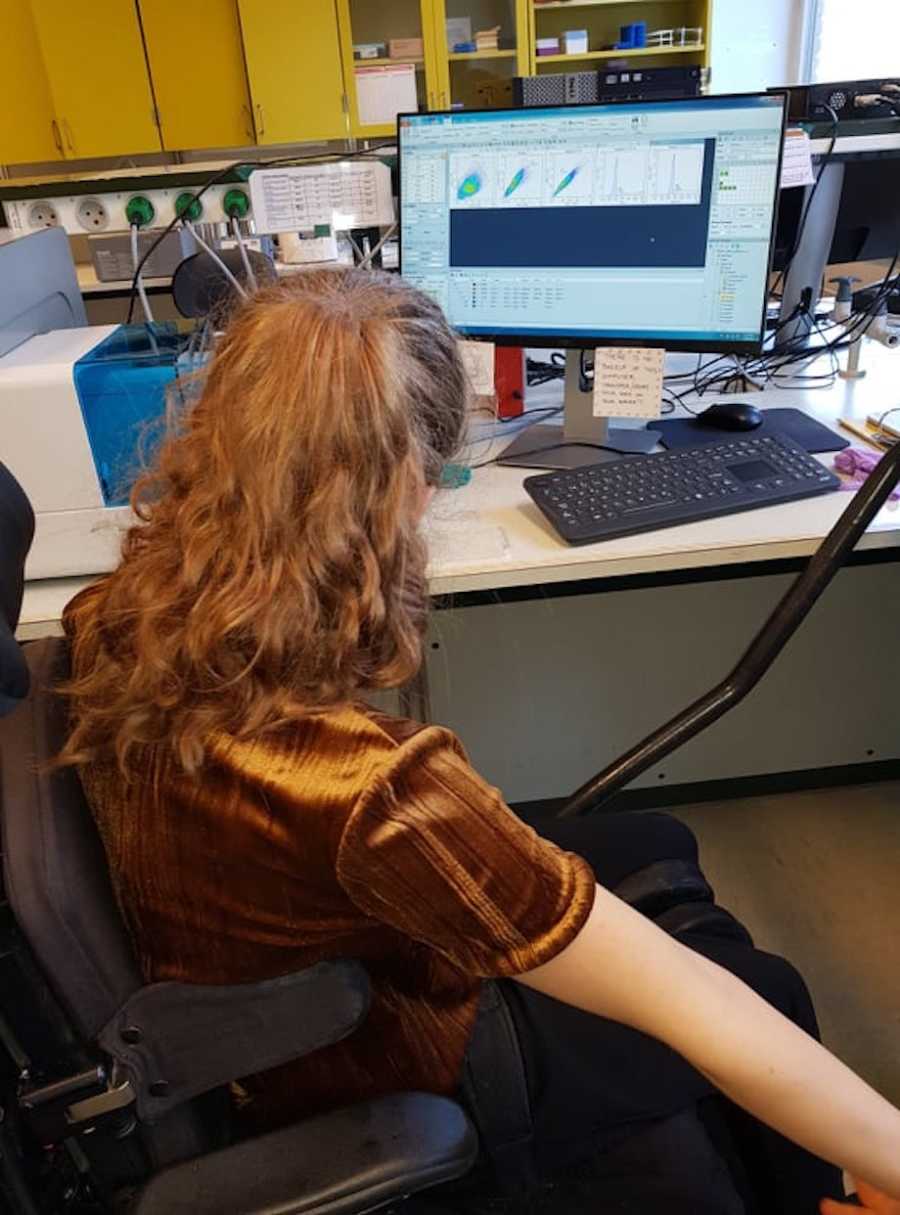
The next day, I found the courage to speak to one of my favorite teachers. She was shocked at the decision, and her reaction gave me a glimmer of hope. Maybe there was still a way forward.
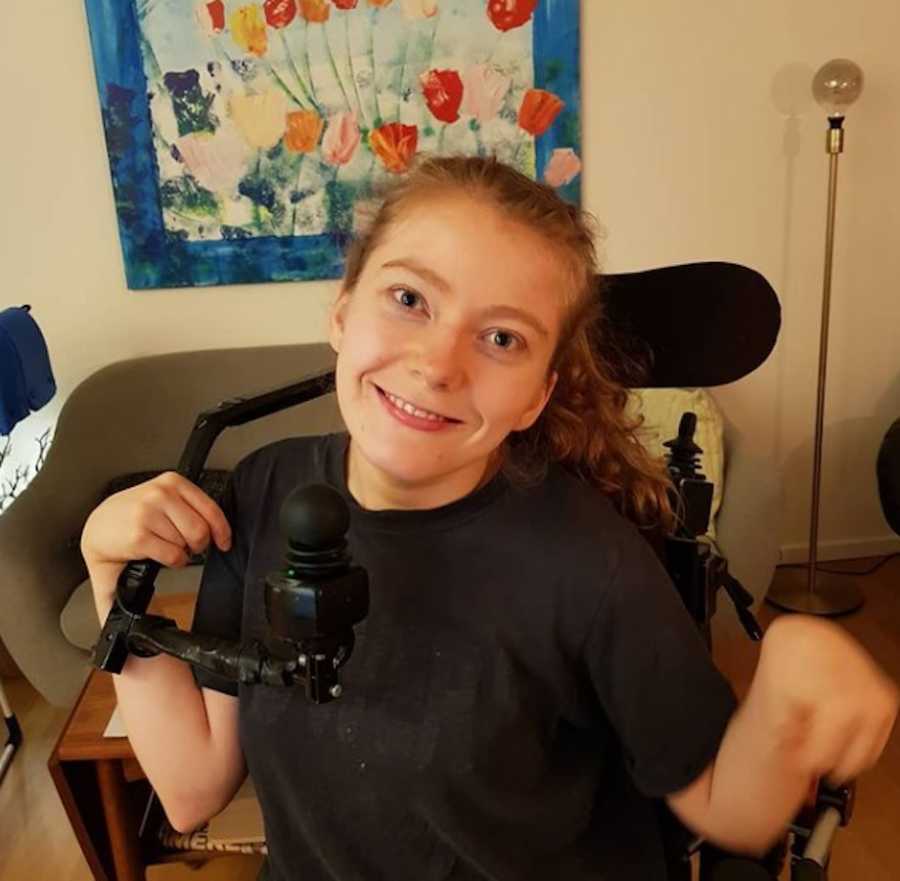
I arranged a meeting with one of the local high schools—the most wheelchair-accessible option in town. The school had admitted students with disabilities before, but the meeting did not go well. My spasticity flared, and I felt my nervousness as acutely as ever. Every word I spoke was scrutinized, every action measured. Selling my plan felt like selling sand in the Sahara. The school only saw my disability. Yet I refused to give up.
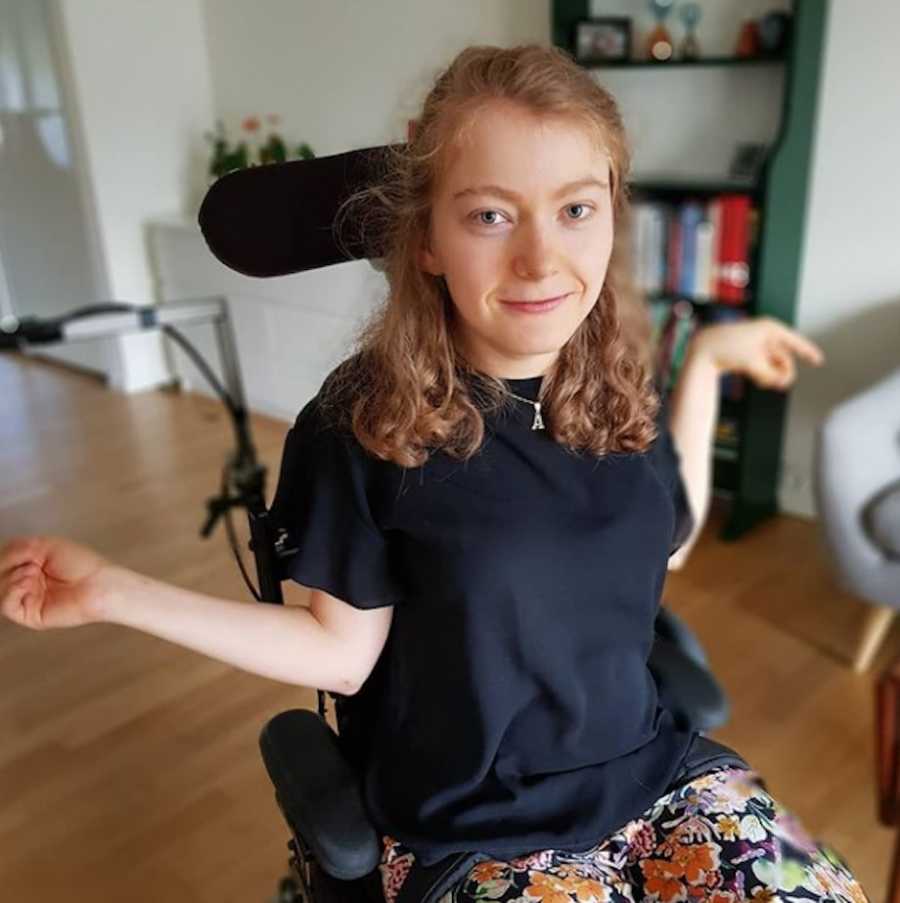
A subsequent meeting with the headmaster ended with a smile and words of welcome—but it was a lie. They demanded an admission exam, unnecessary given my grades. I cried, overwhelmed by discrimination, but I knew I had to adjust my plans.
We reached out to another high school. The headmaster there told us, “I’ve been following your case. This is a task our school must take on.” Relief and joy surged through me. My persistence had paid off.
Once in high school, I decided to give everything I had. I wanted to prove that the doubts cast upon me were unfounded. I found my voice in politics, joining the board of a political organization for young people with disabilities. I was honored with an award, carefully controlling my arms to avoid accidentally touching Her Royal Highness Princess, who presented it. I was no longer merely a student; I was an advocate, passionate about improving conditions for people with disabilities.
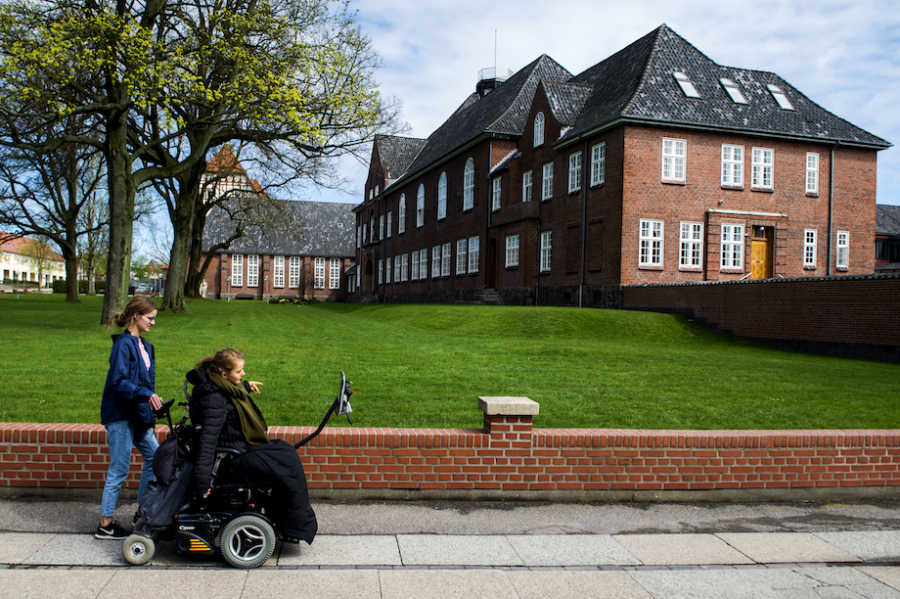
As a journalist once said, I became a “revolt in flesh and blood” against society’s prejudices, paradoxically shaped by the very biases I fought.
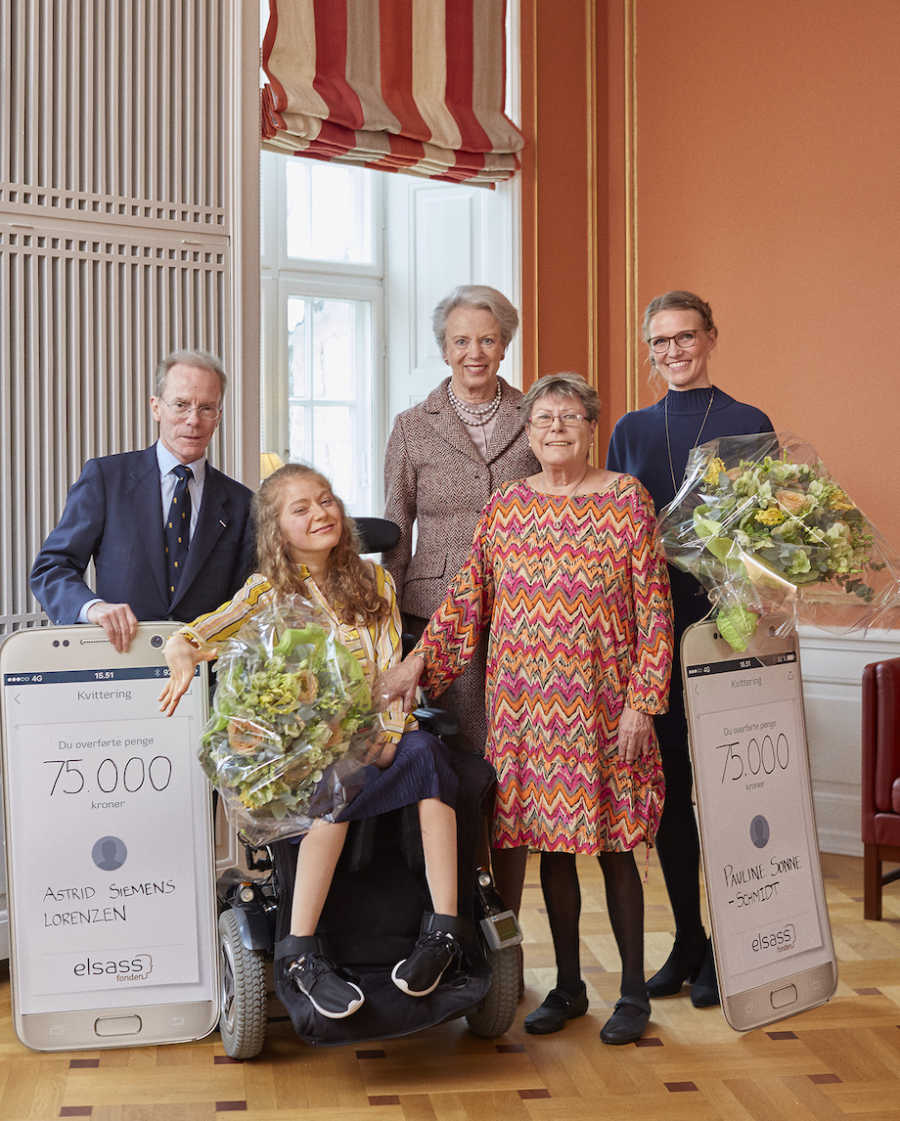
I graduated high school with some of the highest results in Denmark. I wanted to leave universities no reason to reject me. When I graduated, the Danish media shared my story: I was the first person in Denmark to graduate high school using an eye-controlled computer. I had proved it could be done.
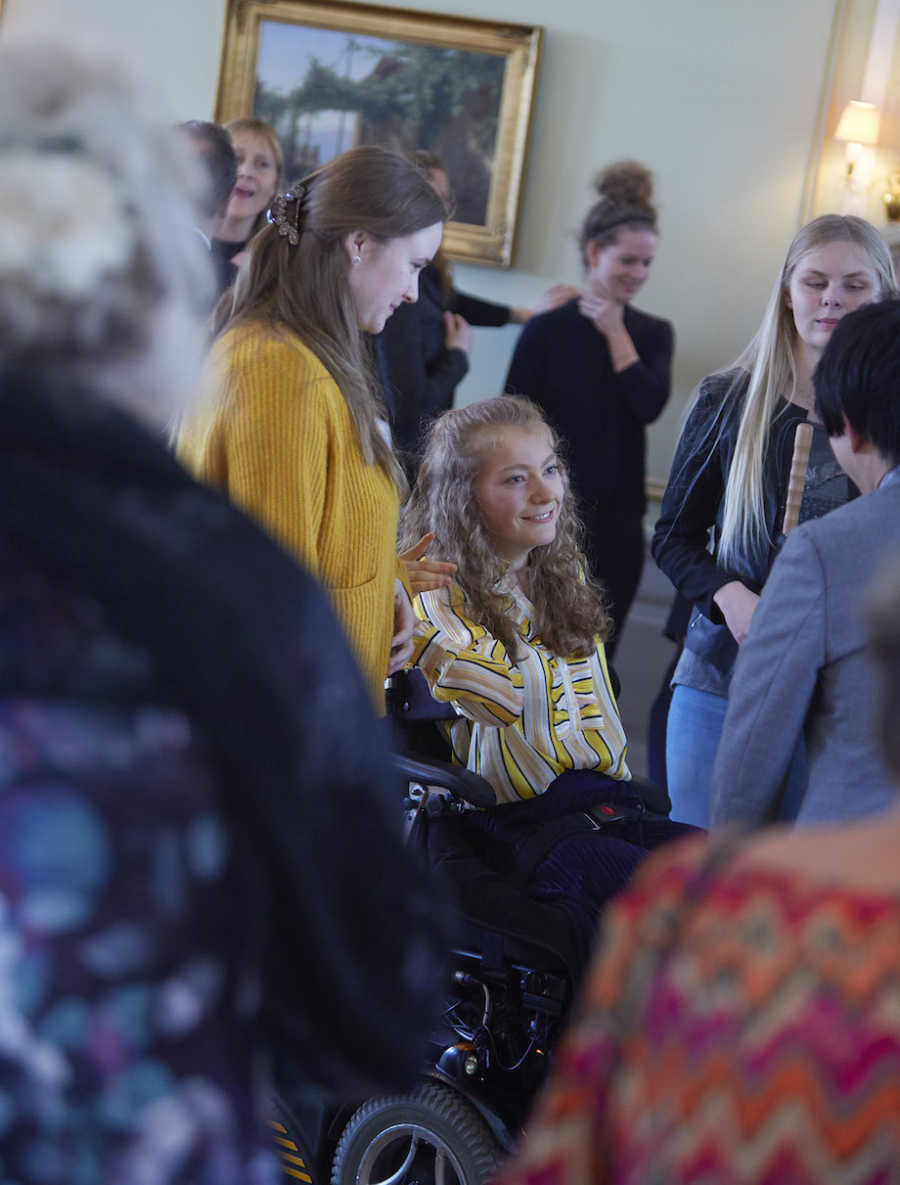
Yet once again, universities rejected me—not one, but several—despite my grades. I refused to give up. I am set to begin university in the summer of 2021. I have conquered rejection before, and I will do it again.
I am more than my disability. I will achieve my goals. A disability need not—and should not—be an obstacle to living the life you desire. It requires the right conditions, determination, and the courage to fight against discrimination. And fight, I will.