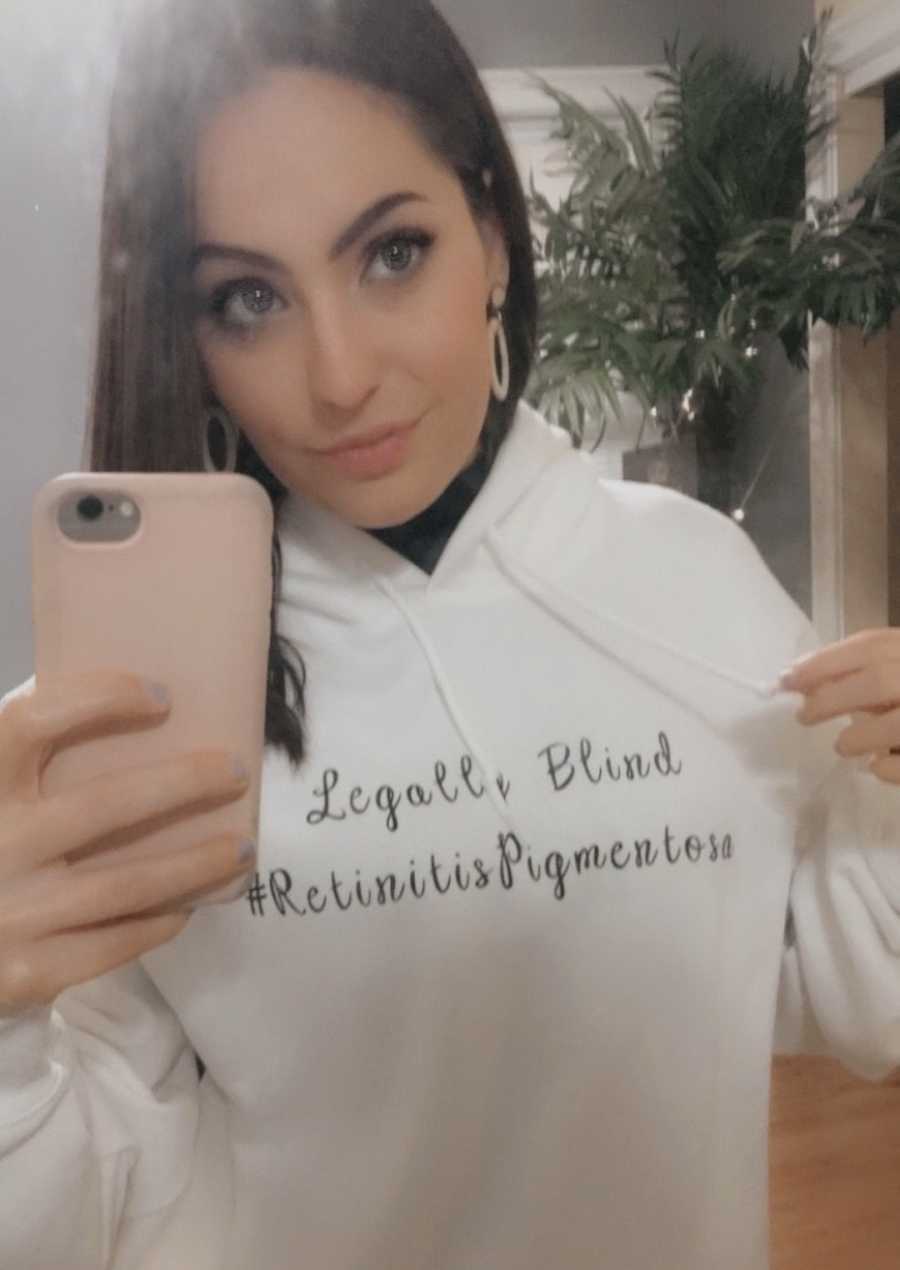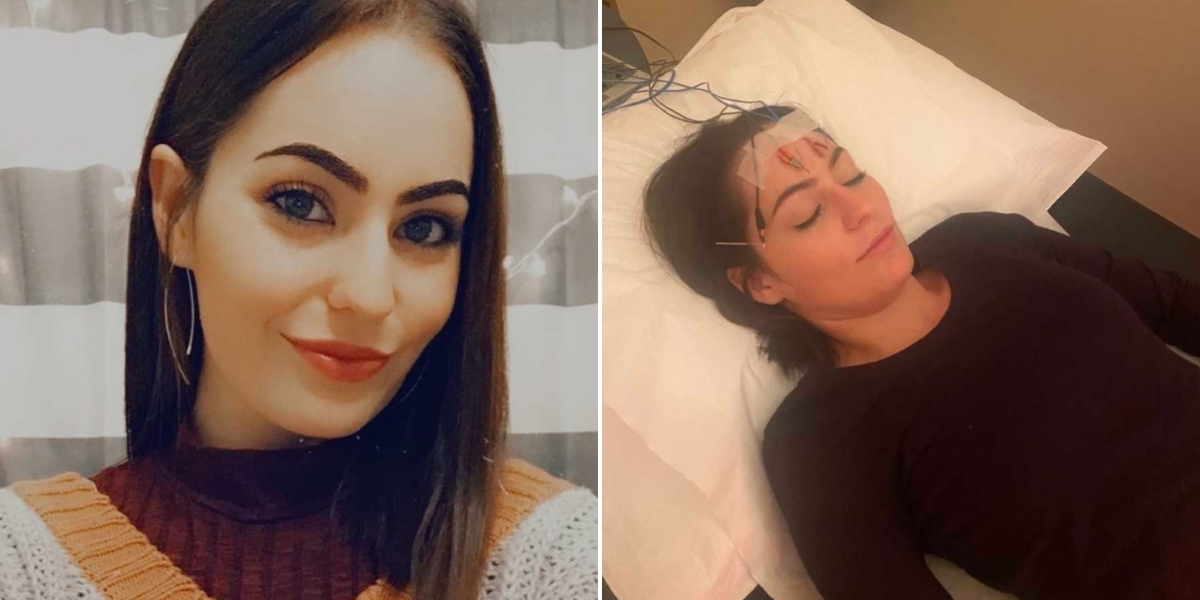
I went into an appointment with an eye specialist in my hometown in central Florida, hoping to figure out why, a week earlier, I had started seeing flashes of light in my peripheral vision. I had no idea that I would leave with not one, but two life-changing diagnoses. The moment the doctor looked into my retina, her face went pale. She stepped back, stared at me for what felt like an eternity, and left the room. When she returned, it wasn’t alone—another doctor accompanied her. He peered into my eyes and quietly said, “I’m sorry, but you have Retinitis Pigmentosa.”
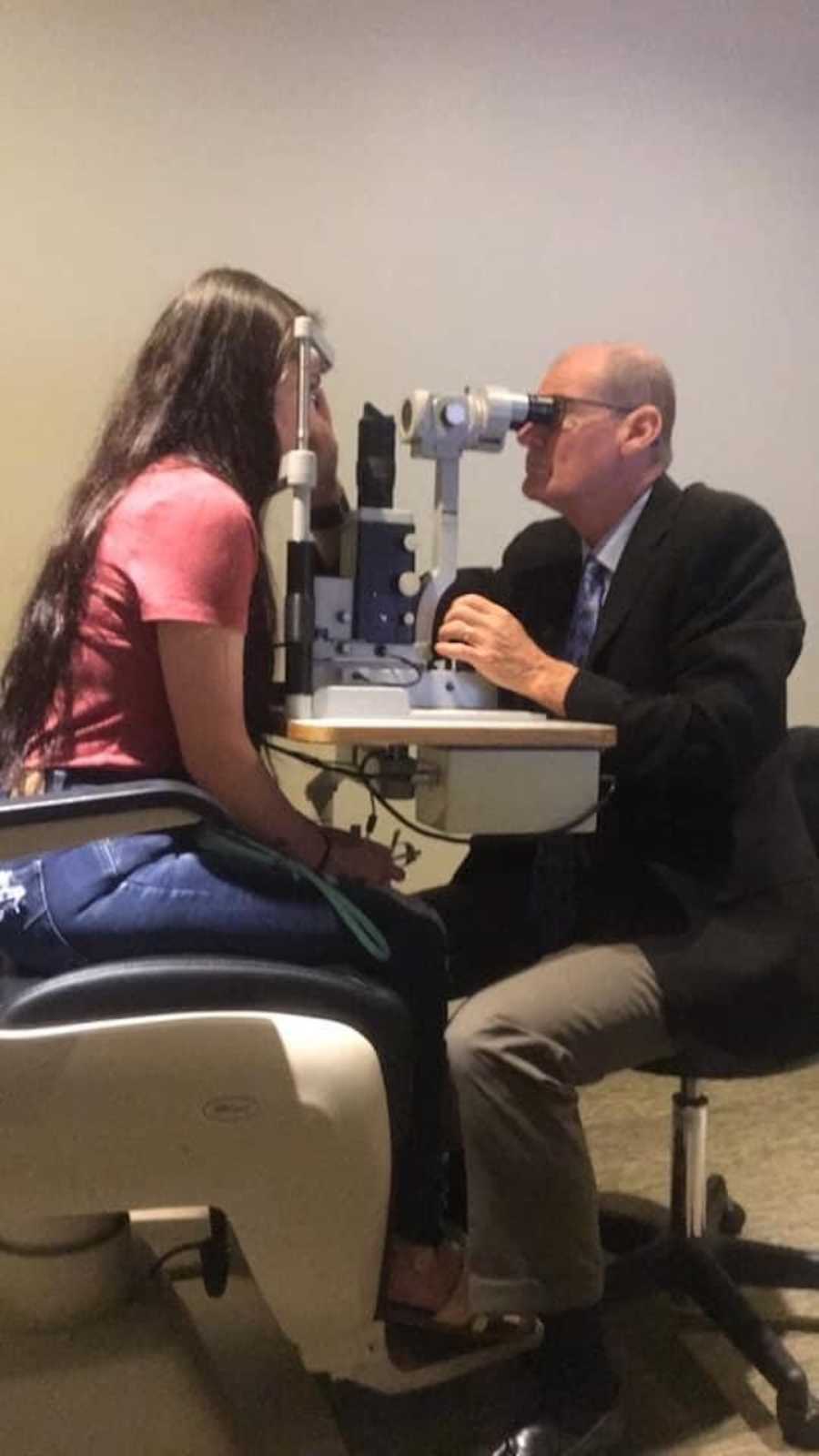
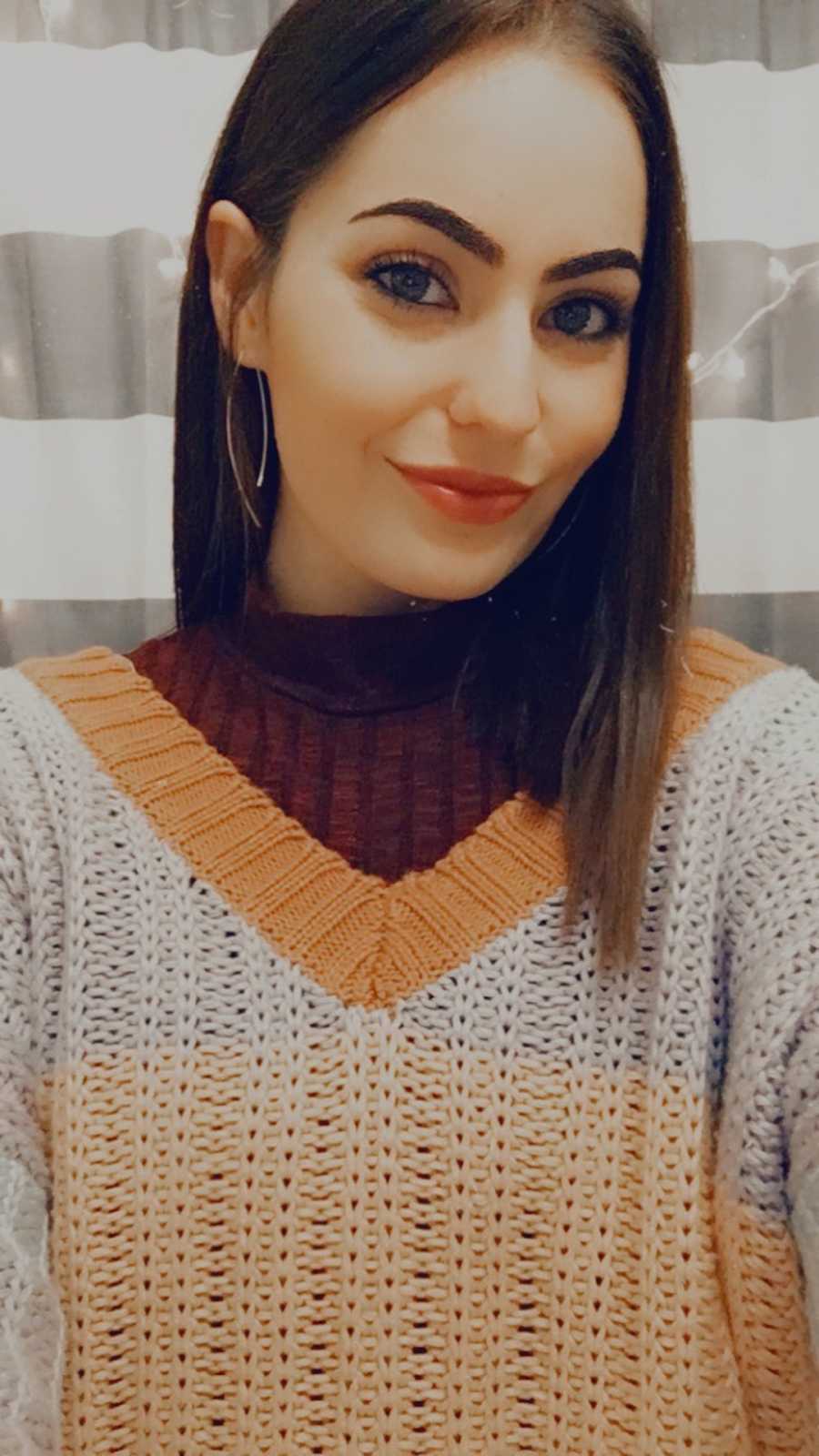
I was 24 years old. I was going blind. The words echoed in my mind, over and over. There is no cure for this degenerative eye disease. And if that weren’t enough, during the same appointment, the ophthalmologist noticed my optic nerves were swollen. After further examination, she delivered another shock: I had a rare brain disorder called Idiopathic Intracranial Hypertension, or IIH. It mimics a brain tumor, yet no tumor exists—so I experience all the symptoms of a brain tumor with no cure in sight.
Growing up, I was just a normal kid and teenager. I showed no signs of any eye or brain disease. I rode four-wheelers, went jet skiing, spent weekends at the beach and at parties. I could see clearly—though I always wore glasses or contacts—and I felt carefree. But a moment months before my diagnosis foreshadowed the future. During a Halloween party, I realized I couldn’t see properly in the backyard, even with a flashlight in hand. My mother and grandmother had to guide me. That’s when it dawned on us: Retinitis Pigmentosa runs in my family.
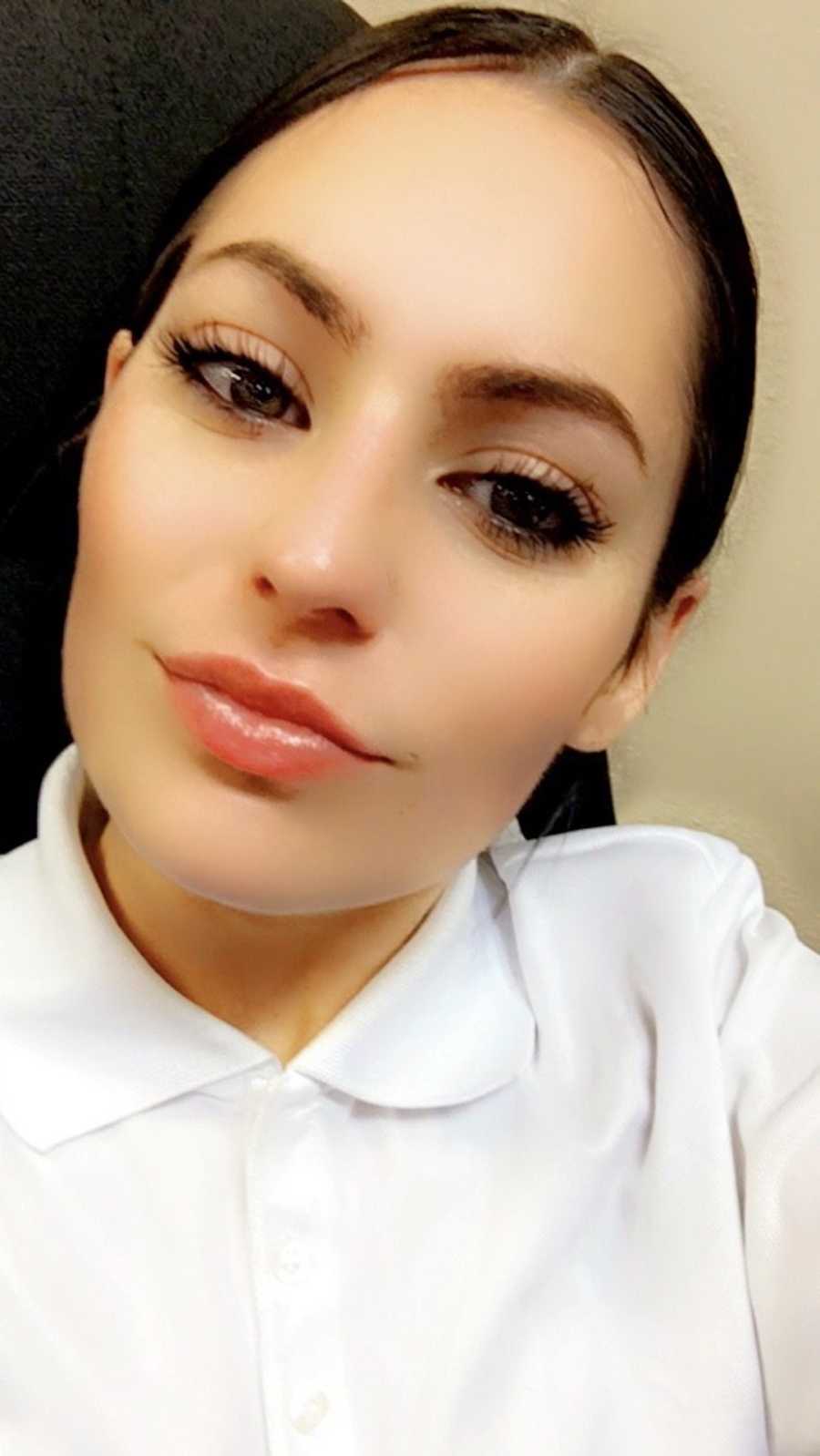
After my diagnosis, depression hit me hard. But I refused to stay there. I joined online support groups, connecting with people who truly understood my journey. Being surrounded by those facing the same struggles gave me strength. I began advocating for rare diseases, realizing that sharing your story not only helps others, it helps you heal.
Retinitis Pigmentosa is a rare, inherited degenerative eye disease that gradually robs vision. Night blindness and loss of peripheral vision, or tunnel vision, are early signs. Looking back, my symptoms began at 18. Going outside at night became increasingly difficult, and I started tripping over objects at home. People laughed it off as clumsiness, but I felt something wasn’t right.
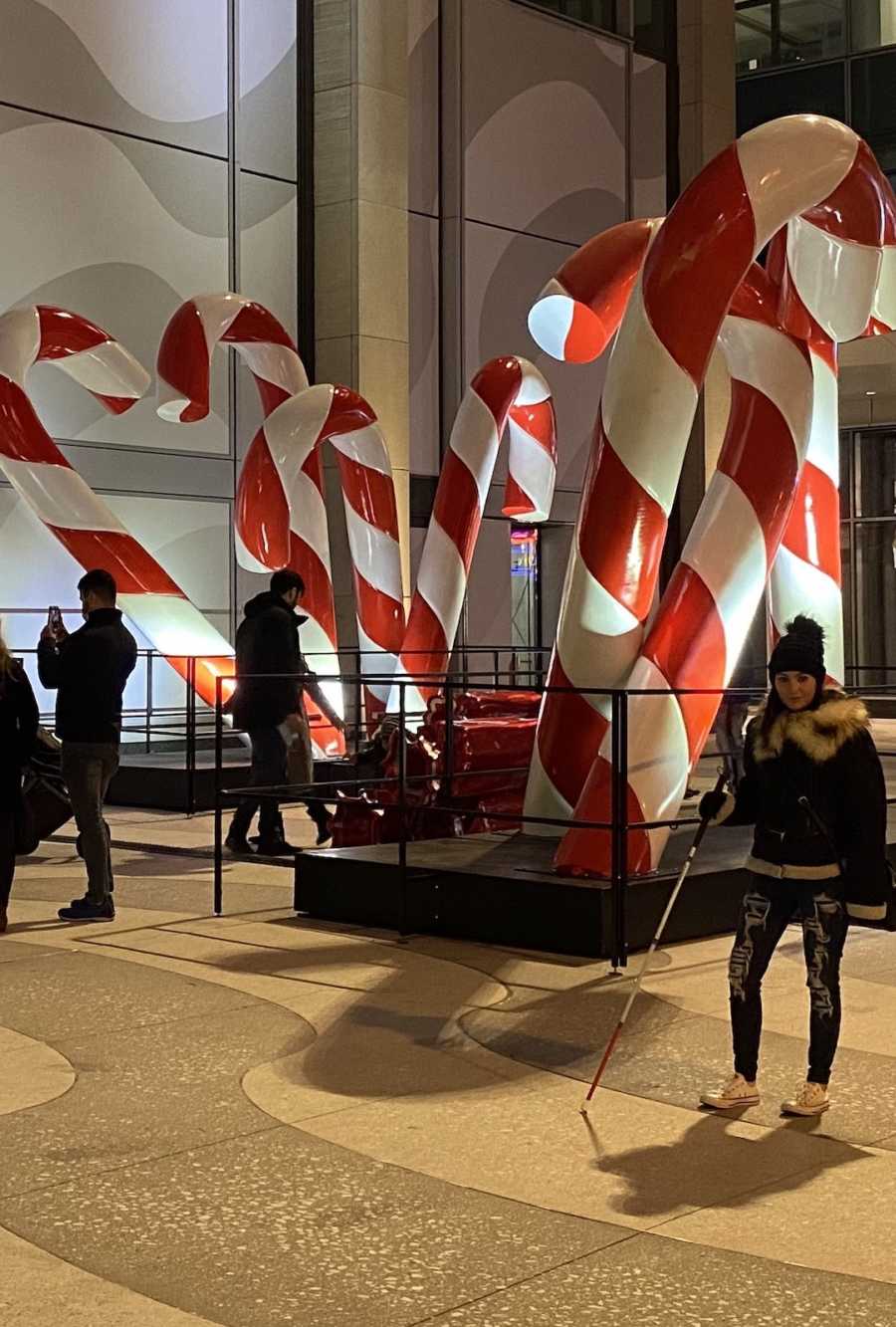
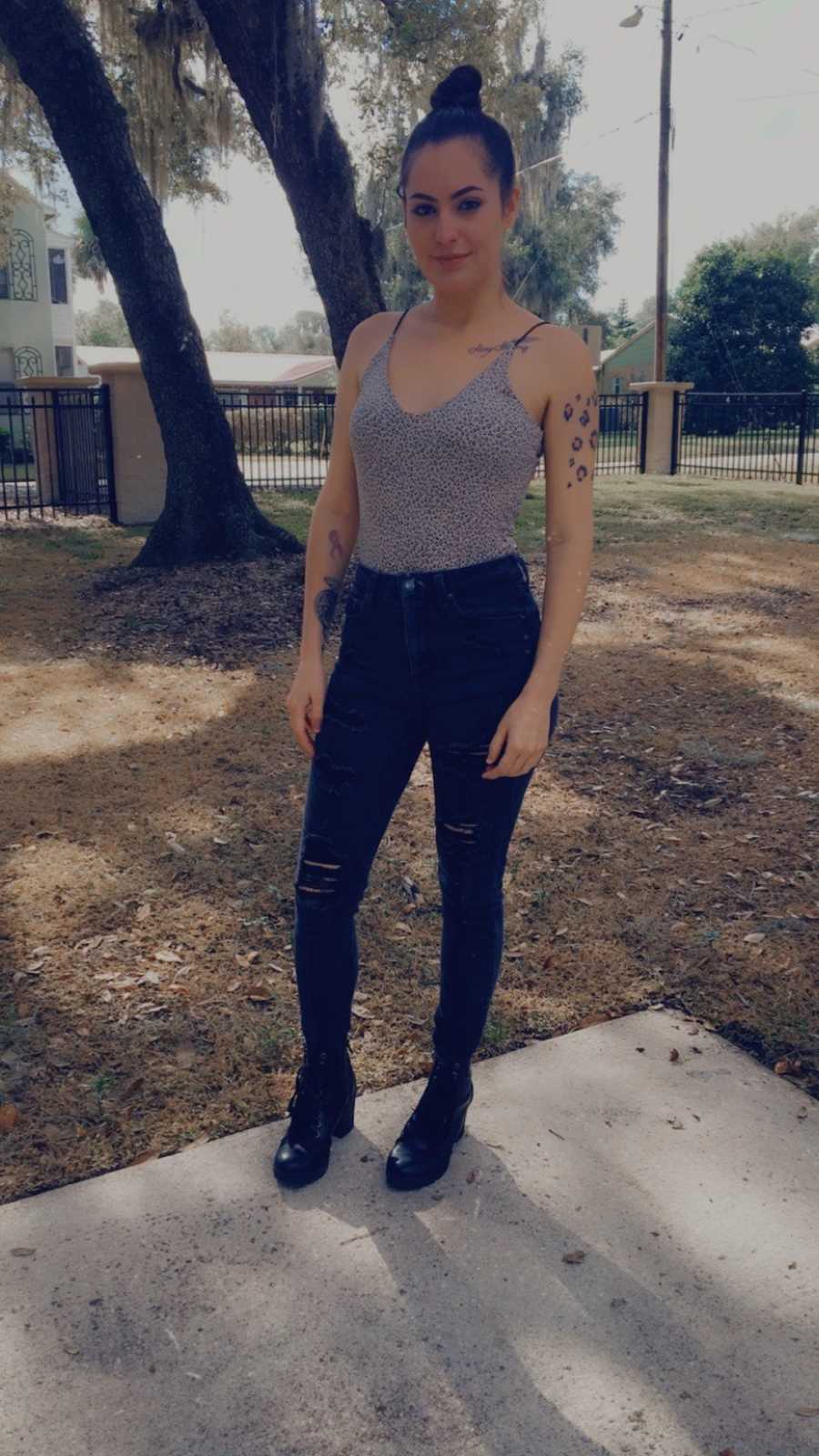
A year after my diagnosis, I was legally blind at 25. Now, at 26, I am learning to navigate the world with my new white cane, taking weekly classes at the Lighthouse for the Blind in Tampa, and learning Braille through the Hadley Institute for the Blind and Visually Impaired. Life has changed dramatically over the last two years, and it came on so quickly. But I’m preparing myself for the future. I’m the fifth person in my family—living or deceased—to be diagnosed with this eye disease, and having grown up with a completely blind grandfather, I’ve seen firsthand how full life can still be. His independence and love for life give me confidence and reassurance that I, too, will be okay.
Many people ask if I still date, and if I tell potential partners about my condition. Absolutely—I still date! I refuse to let blindness hold me back from living fully. I also share my diagnosis with anyone I’m seriously involved with. Yes, there’s a chance I could pass this disease to my children, but honesty and living authentically are non-negotiable for me.
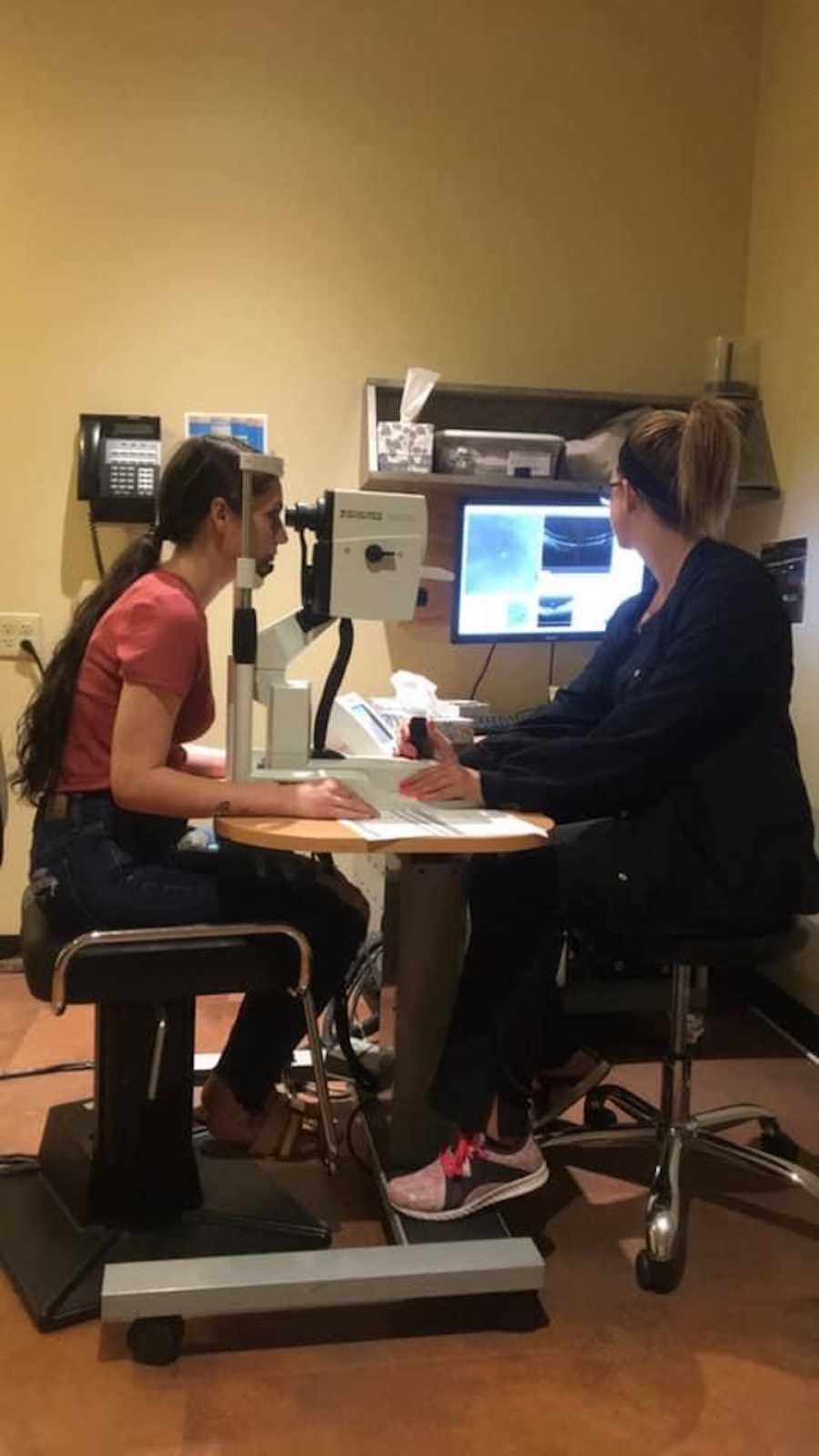
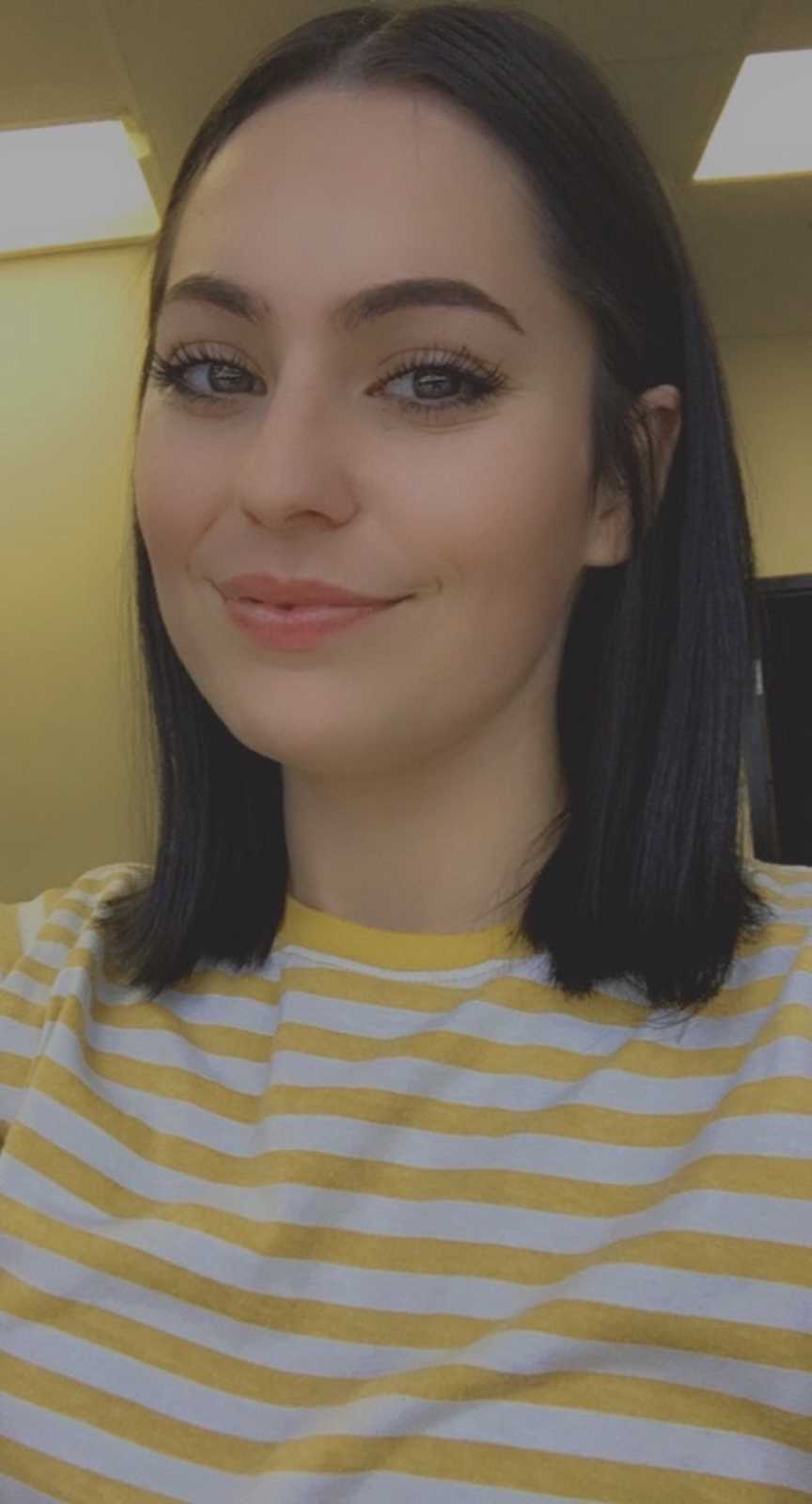
On top of my vision loss, I have this rare brain disease, IIH, which I am the only person in my family to have. IIH causes high pressure in the brain, producing symptoms identical to a brain tumor. This pressure can also affect the optic nerves, further threatening vision. Doctors are uncertain about its exact causes—hormonal imbalances, weight, or even birth control could play a role. I have a history of hormonal issues, including being diagnosed with Dysfunctional Uterine Bleeding at 21, which may or may not relate to this disease. The mystery is frustrating, but it’s my reality. I remember feeling only facial pressure the day I was diagnosed and thinking it must be a sinus infection. But it wasn’t.
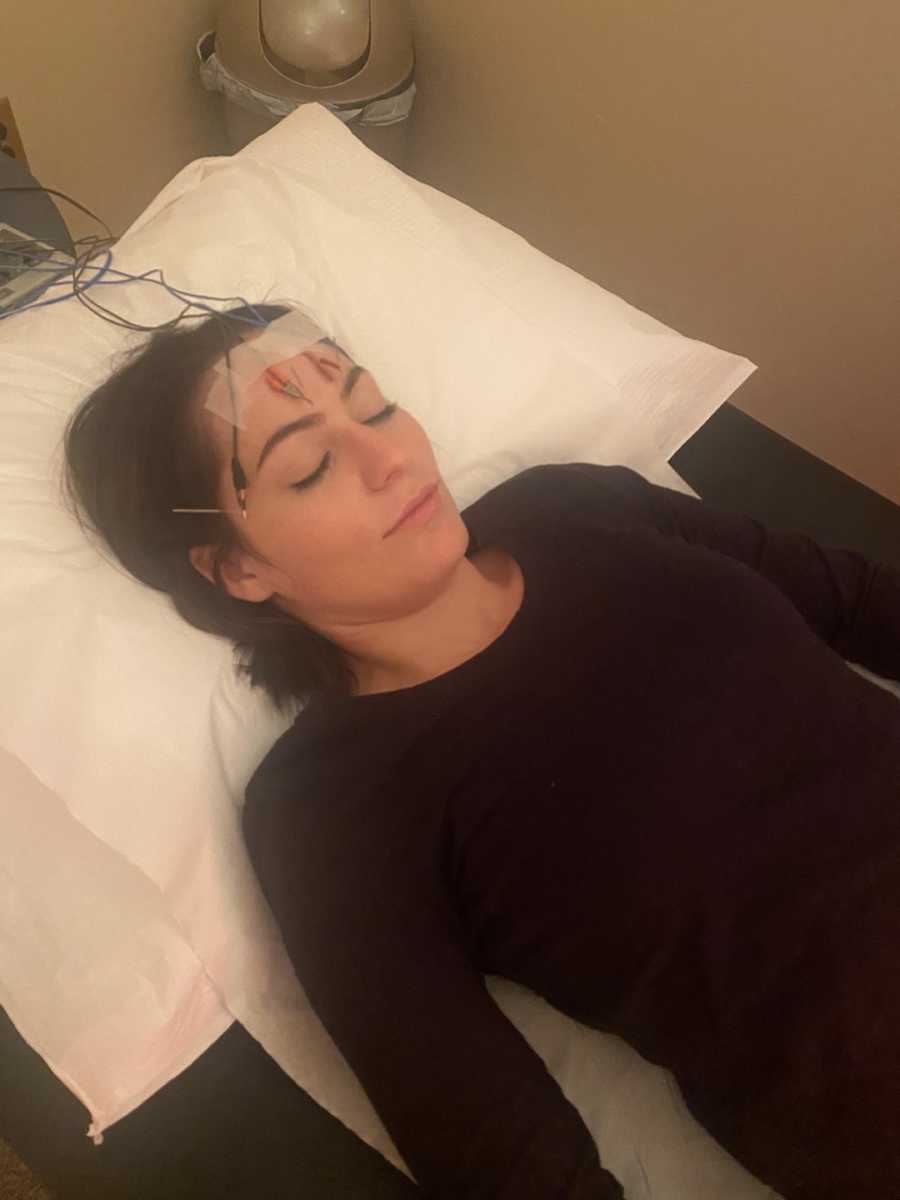
The diagnosis was confirmed after consulting four more doctors, undergoing an MRI, and having a spinal tap procedure. Within a year of my diagnosis, my health challenges expanded. I now live with epilepsy, essential tremors, chronic daily migraines, and severe fatigue that makes even simple tasks, like showering or washing dishes, exhausting. My body often feels foreign, and “normal” is a distant memory. Most days, I’m a mess—and that’s my new normal. But I keep a positive mindset, adjusting to life’s daily obstacles and refusing to give up. This is the life I’ve been given, and I will fight for it with gratitude and determination.
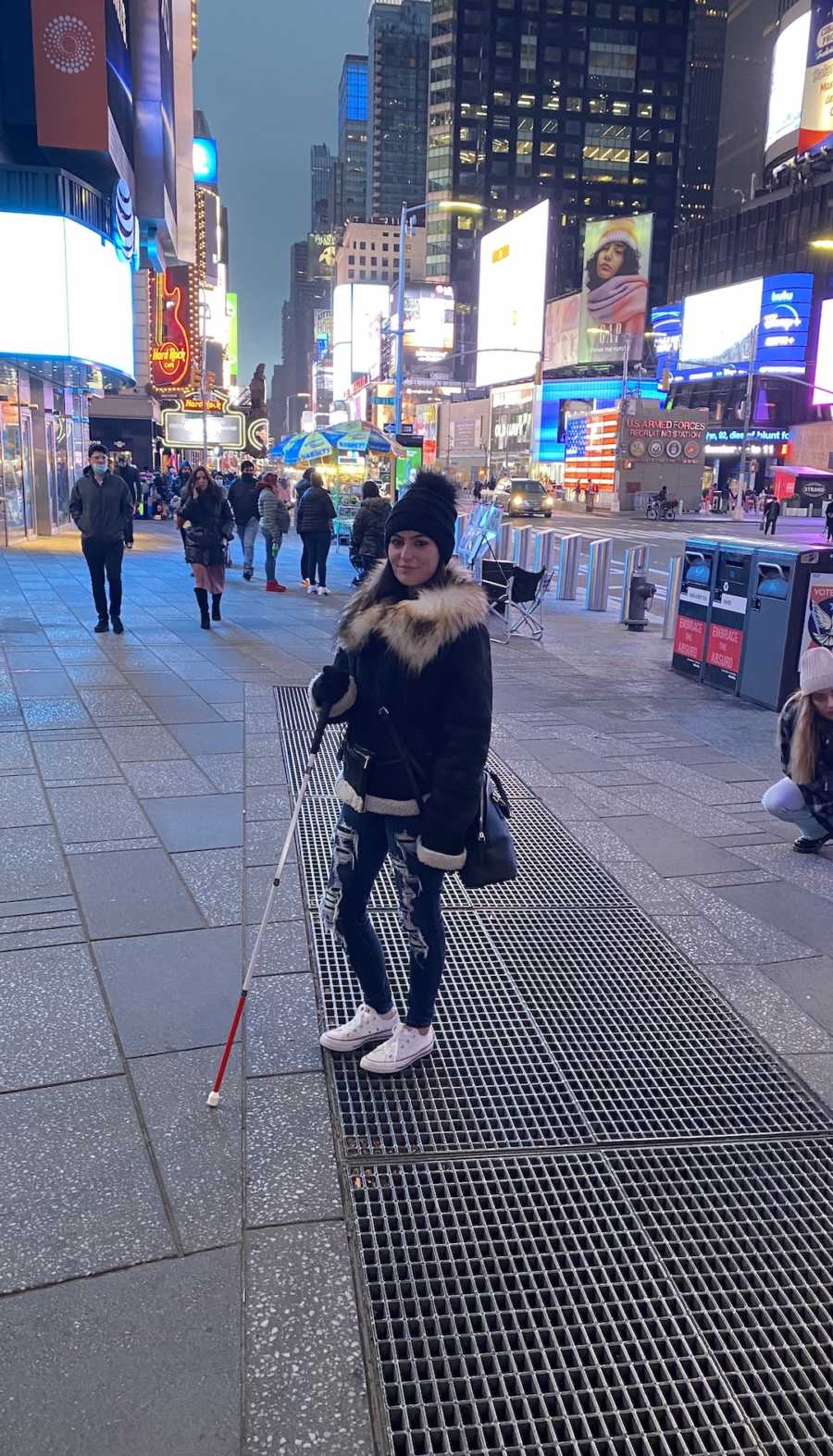
I am passionate about advocating for Retinitis Pigmentosa and IIH, spreading awareness, and sharing my story to inspire hope. Life may have thrown unexpected challenges my way, but through community, resilience, and faith, I’ve learned that even in darkness, light can prevail. To anyone fighting a difficult battle: stay strong. Never stop believing in your worth, your purpose, and your ability to thrive.