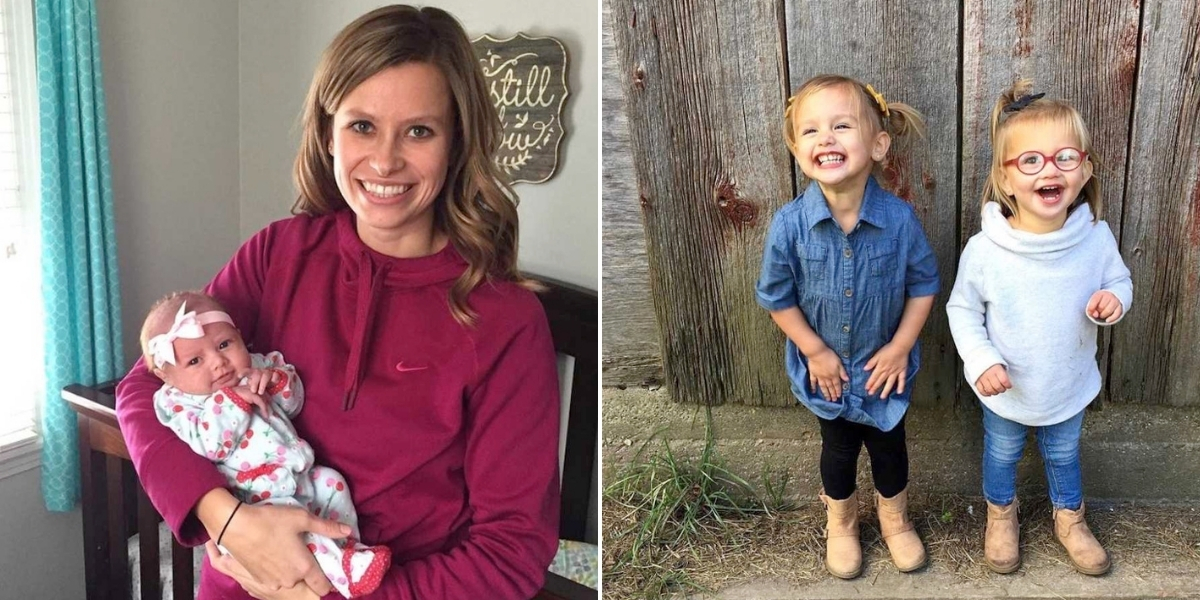
“Congratulations, you’re officially licensed for foster care!”
When I heard those words over the phone, I had no idea the journey I was about to begin—the mix of joy, challenge, heartbreak, and love that would change my life forever. I had always known I wanted to be a mom, but at 28, I was still single, with no children of my own. Foster care wasn’t new to me, but I assumed it was for older, married, or more “qualified” people. Could I really do this?
At the beginning of 2015, God began pressing foster care on my heart in a way I couldn’t ignore. It became more than an idea—it was a calling. After a few closed doors—mainly because I wanted to foster younger children—a friend connected me to a local agency, and I began the licensing process.
The reactions from friends and family were mixed. “They let single people do that?” “How will you get married if you have foster kids?” “It’s going to change your life.” “What if it’s really hard?” Honestly, I didn’t have answers to most of those questions, except the simple fact that yes, single people can do foster care. But deep down, I knew that no matter how hard it would be, these kids needed a home—and I could provide one. I powered through the training and paperwork as fast as I could. About six months later, I received the call that changed everything: my license was active.
Just five weeks later, I got my first placement call. “We have a six-month-old baby girl coming into care. Can you take her?” Three hours later, a social worker was standing on my front steps, holding a tiny baby, a bottle, and a pair of pajamas. She told me the baby’s name and said I’d hear from a worker the next day—and then she left.
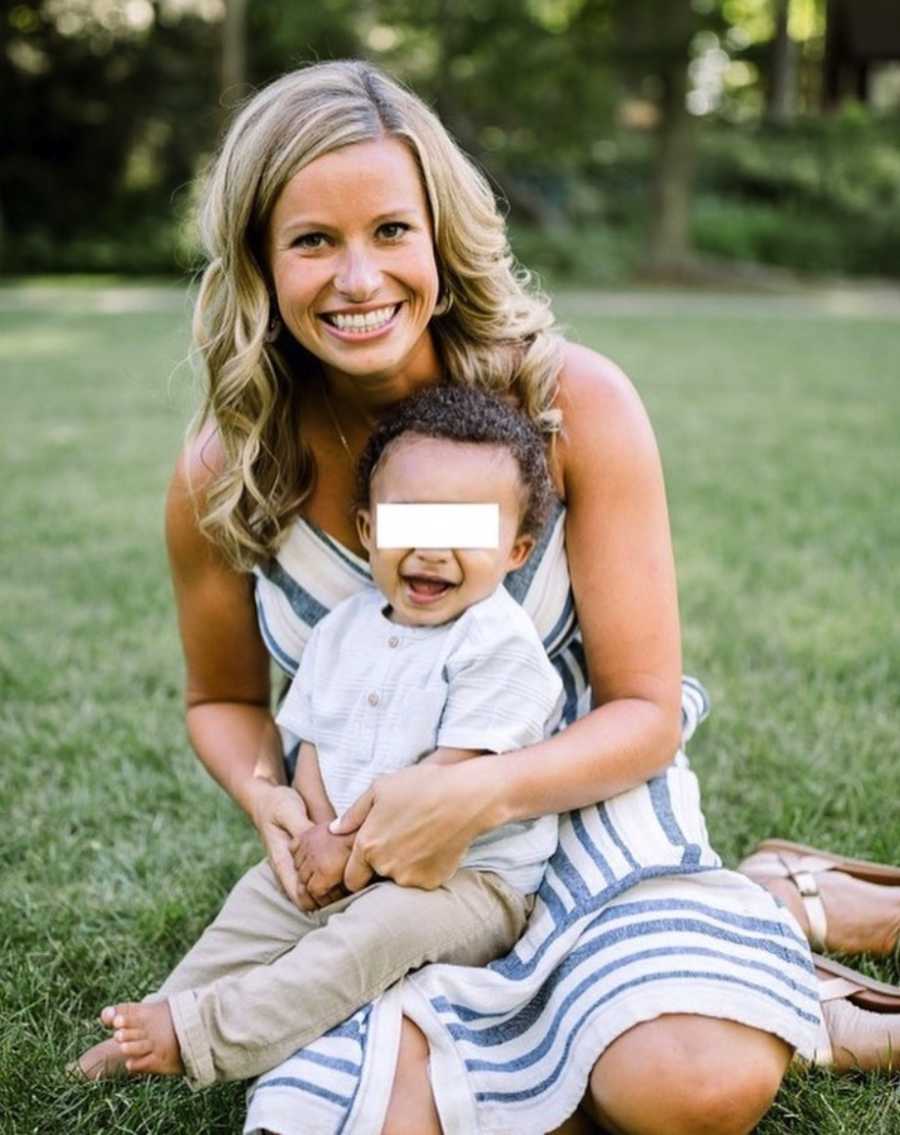
I spent those first hours learning what it meant to be a mother. I didn’t know her likes, her routines, or anything about her life before that day. I bathed her, searched for clean clothes, fed her, and prayed over her as I rocked her to sleep. I was thrilled to finally have a baby in my home, but my heart ached that she even needed to be there.
One of the hardest parts of foster care is the constant tug-of-war of emotions: hoping for parents to reunify while loving and raising the children who have been hurt by them. It’s complicated and exhausting.
Over the next few months, my first baby girl left, and soon I welcomed another baby into my home. Both placements were short-term, the longest lasting only eight weeks. But in January 2016, I received another call for a one-month-old baby girl. She had been placed elsewhere, but it wasn’t a good fit. Could I take her? I had no idea if this would be another short-term stay—or if I was saying yes to a year or more. Four days later, she was in my arms, and the connection was immediate. Loving a foster child comes with its own challenge: how do you pour your heart into a baby you may have to give back one day?
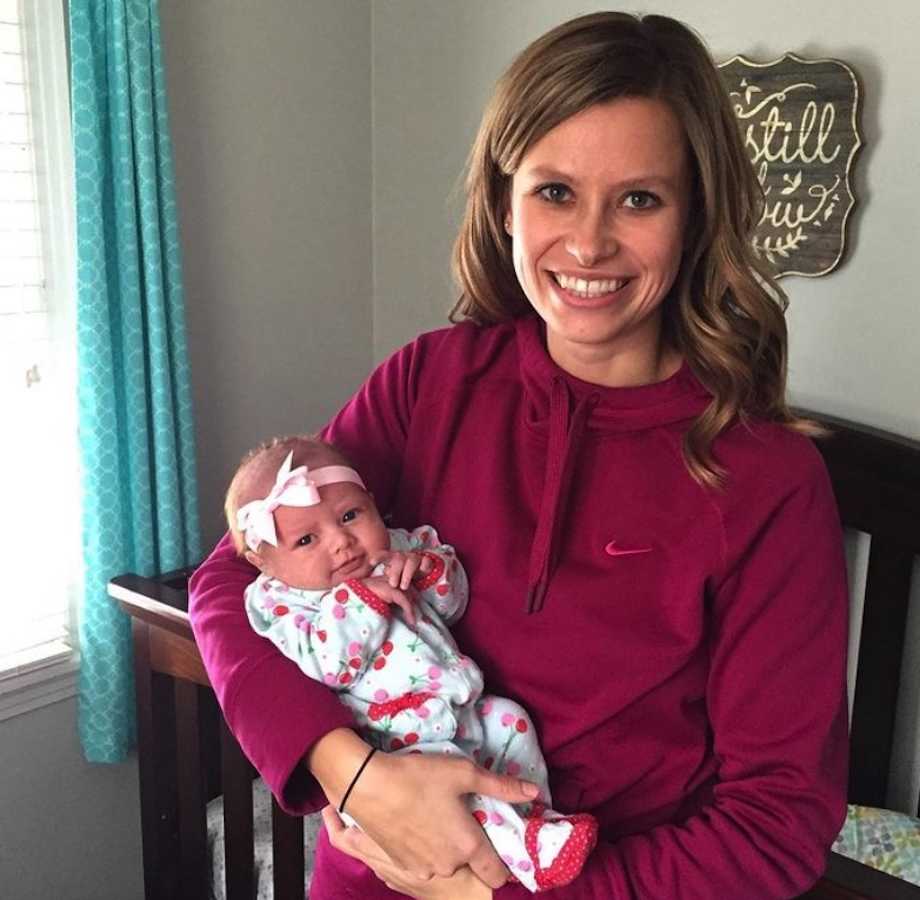
A few months later, she was thriving. We had settled into a routine, and I was falling more in love with her every day. Then came surprising news—her birth mom was pregnant again. My sweet girl was going to have a sibling, and suddenly, I faced the possibility of caring for two babies under a year old. For many reasons, adoption began to be discussed. Could I, a single woman, provide everything she needed forever?
In time, my girl became a big sister. Around the same time, big sister’s case moved toward adoption—but then, we learned there was a competing adoptive family in another state. I was devastated. Would God really let someone else take my baby girl? Could I still believe in His goodness if He did? The competing families’ paperwork sat for 90 days, waiting for someone who had never met my daughter to decide where she would live forever.
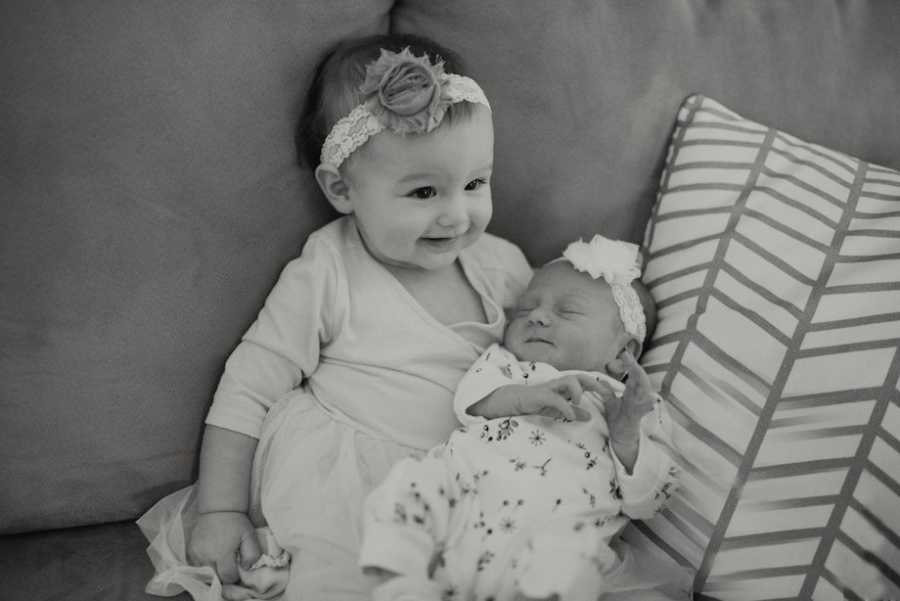
Meanwhile, baby sister’s case was still focused on reunification. Navigating the emotions of both girls was overwhelming. Days were filled with tears, advocacy, and constant prayers, as God repeatedly asked, “Do you trust me? Do you believe I’m good?” And I did. I trusted Him—but I still didn’t know how I could say goodbye if it came to that.
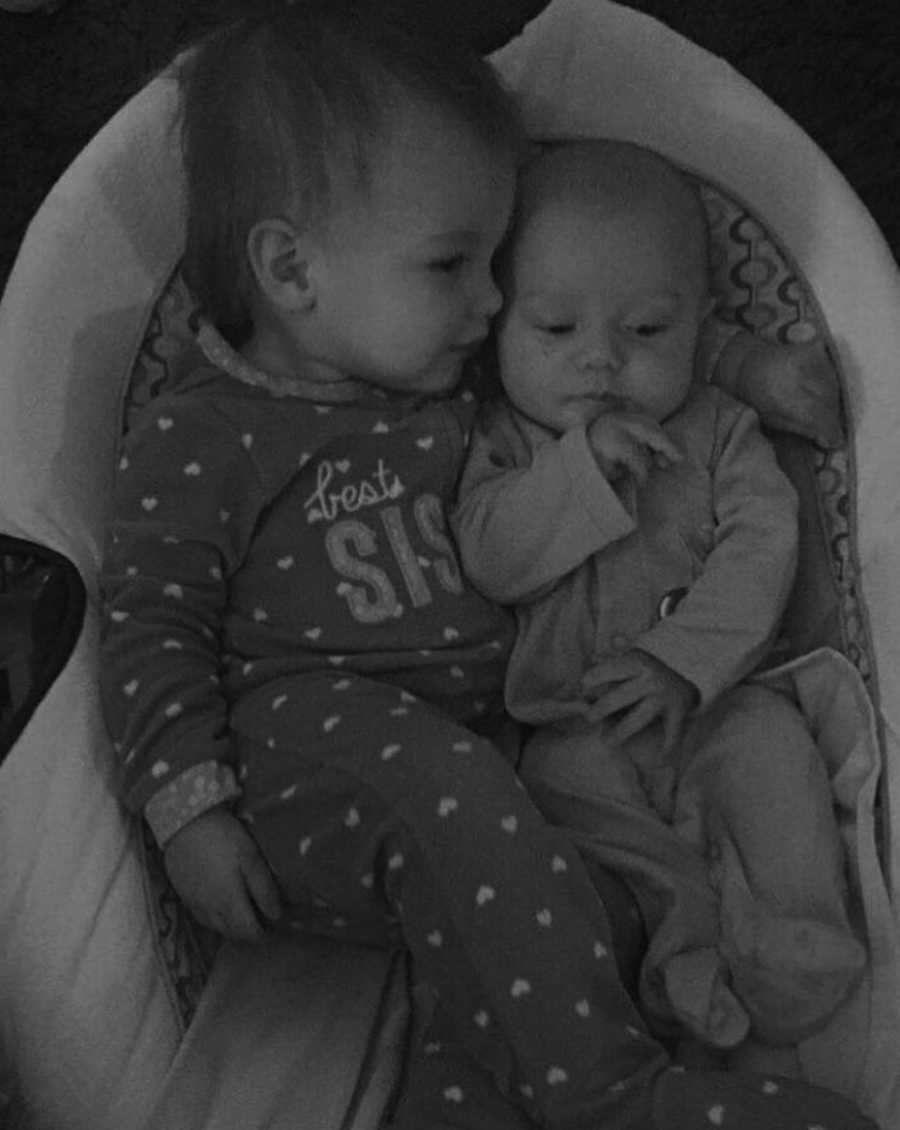
Many didn’t understand the depth of emotions foster parents face. Yes, we know heartbreak is possible, but when these babies enter your home, they become yours in ways words can’t explain.
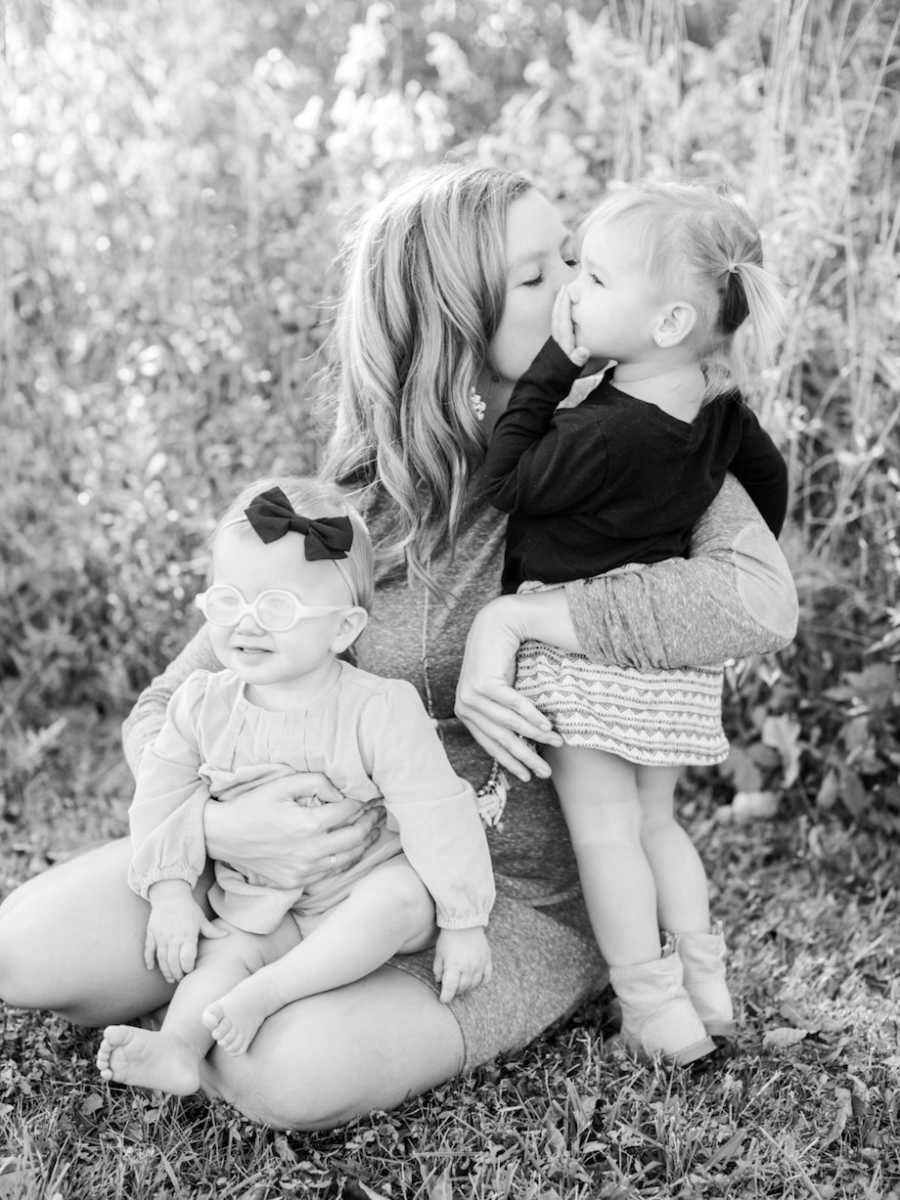
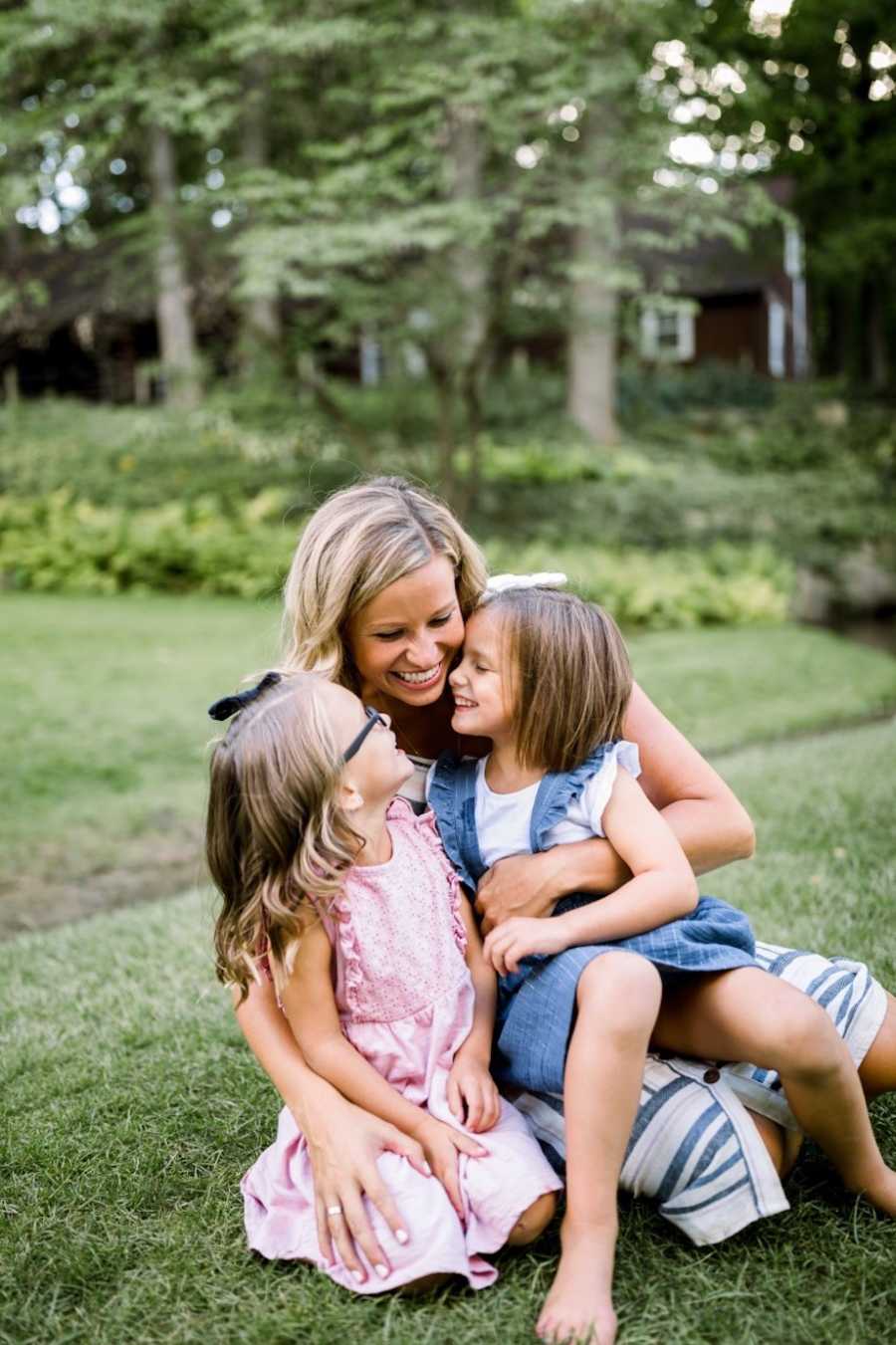
Finally, after those 90 agonizing days, I received the call: I had been chosen as the adoptive parent for big sister. A wave of peace and overwhelming gratitude washed over me, accompanied by tears. She was staying.
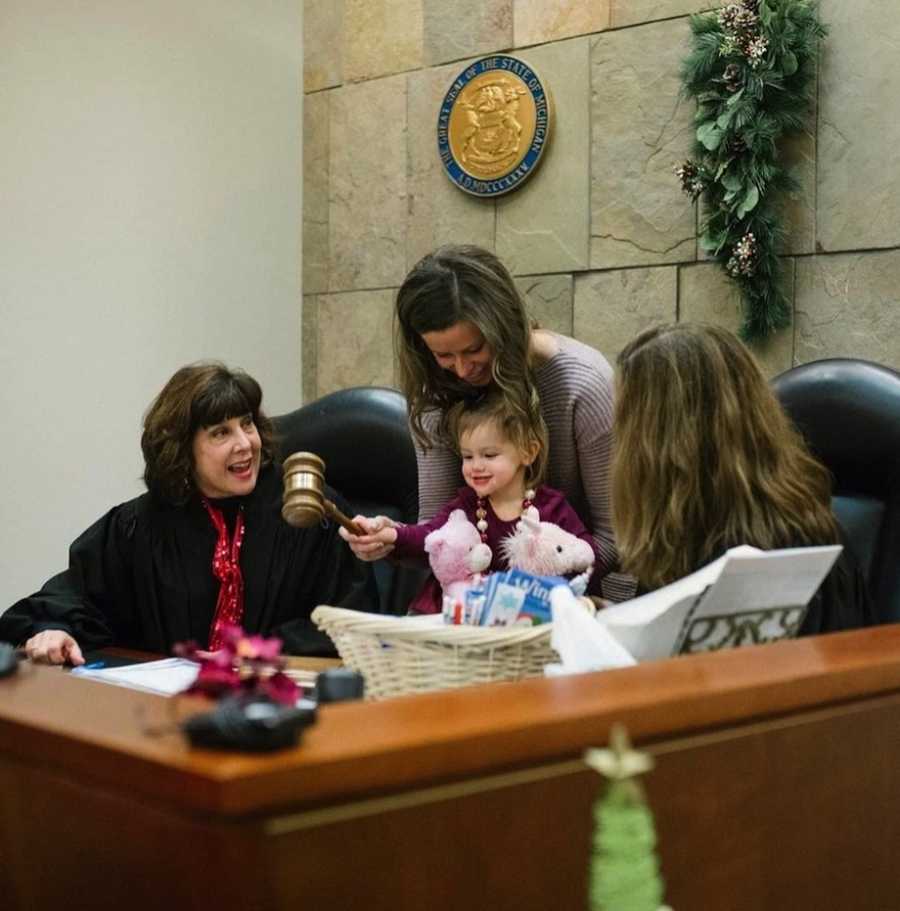
Over the next nine months, baby sister’s case wrapped up, and both adoptions were finalized within six months of each other. I thought our foster journey might be over—but soon, the call to reopen my license returned. I worried about how my girls would handle new placements and inevitable goodbyes, given their own attachment losses.
I prayerfully said yes to a toddler who stayed only a few days, then a newborn baby boy who ended up staying 14 months. We all fell in love, and I worried constantly about the girls’ understanding of the temporary nature of foster care. We explained often that we were caring for him until he could be with his forever family, and while it was hard, they gradually understood.
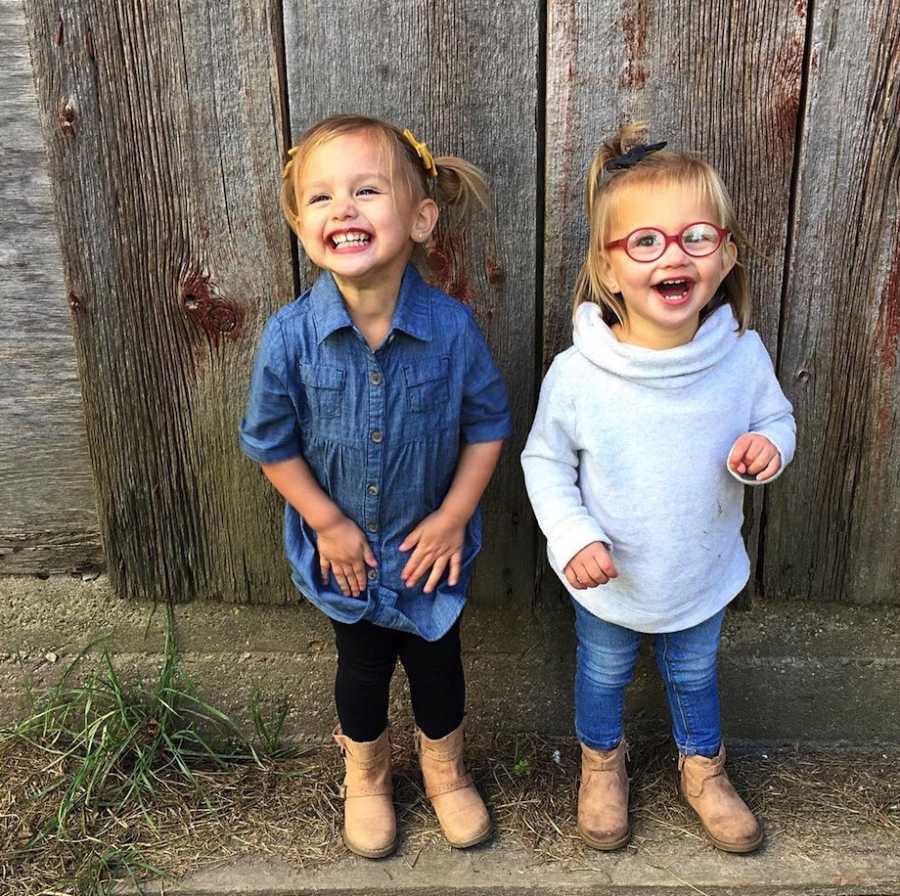
As his adoption moved forward, dear friends stepped in to be his forever family. When I told the girls, they exclaimed, “God answered our prayers!”—even though I hadn’t mentioned the possibility. Their joy reminded me, again, that God is good.
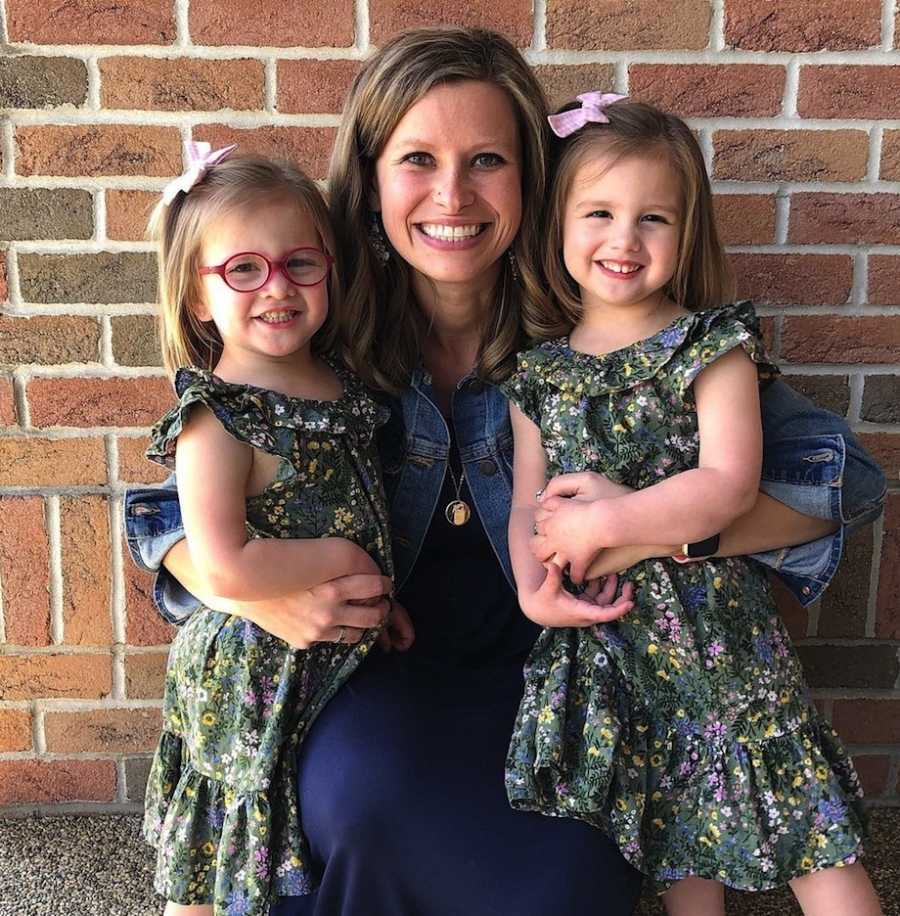
Foster care comes with long, hard days. I’ve cried more in the last five years than I ever imagined, and there have been times I wanted to quit. But I haven’t—and I won’t. Every child who comes through our doors is worth the tears, the prayers, the advocacy, and the love. Foster care is messy, complicated, and heartbreaking—but it is also beautiful, redemptive, and full of hope.