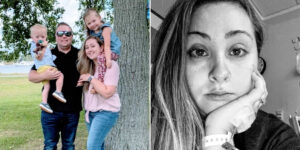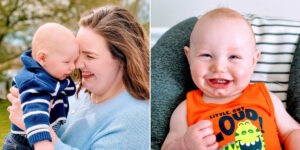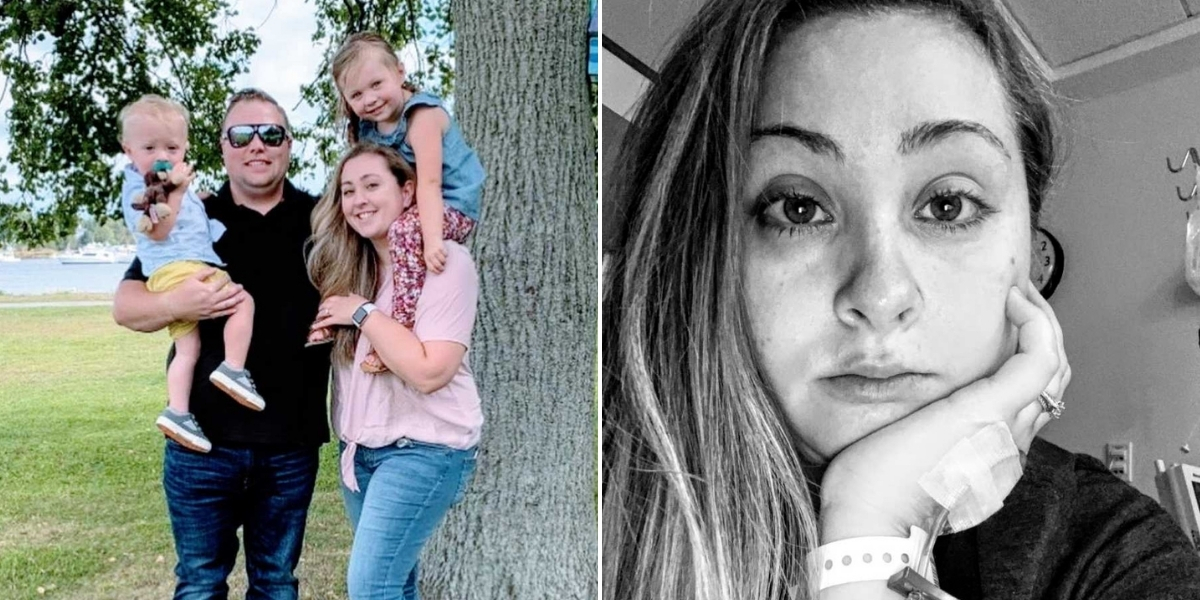
My husband and I live in a charming town in Massachusetts. He serves as a Police Officer, and I work as a Neonatal Intensive Care Nurse. We love our community, our friends, and the life we’ve built here. Our two children, aged 2 and 4, fill our days with laughter, mischief, and endless energy. We live in a cozy home on an acre of land, and by all accounts, we are fortunate. We have our health, our family, our friends—everything we could ask for.
Bad things aren’t supposed to happen to people like us.
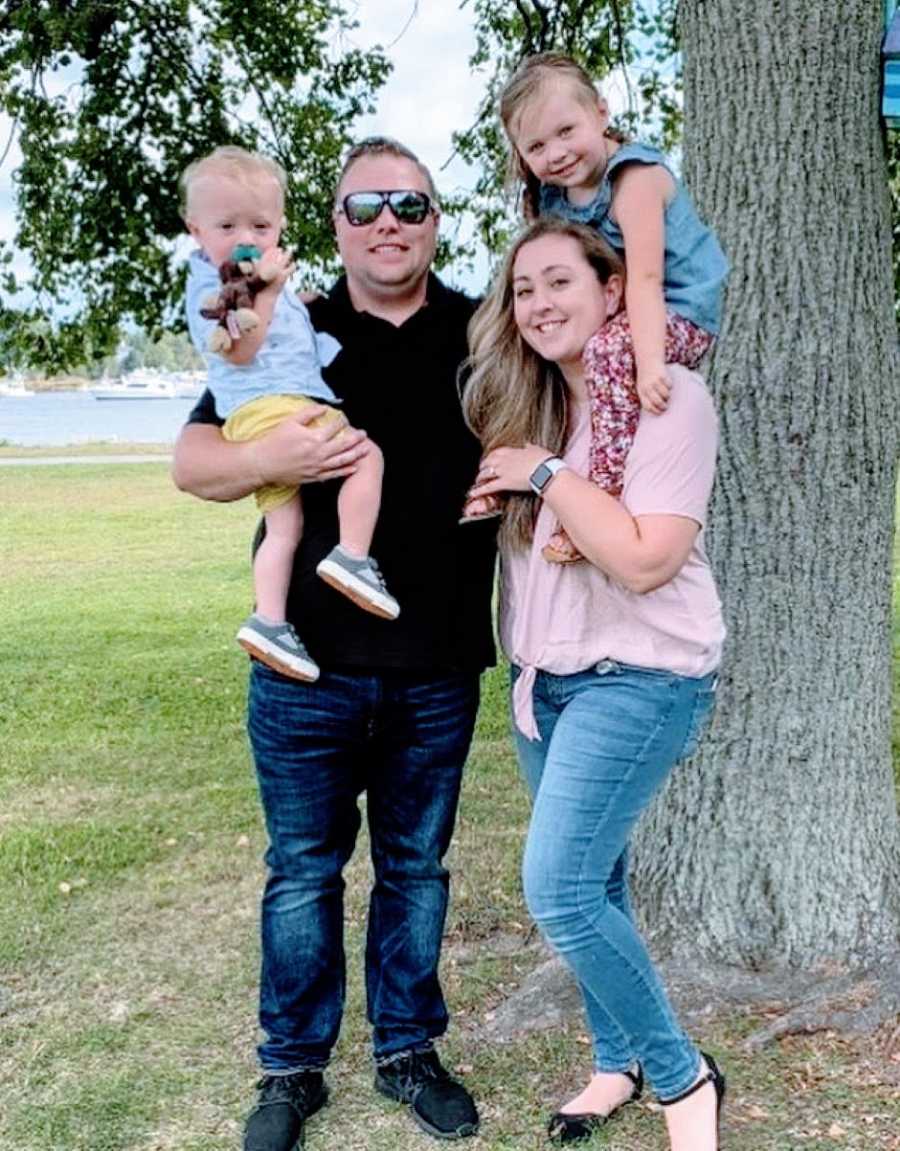
In January 2020, my husband and I decided to start trying for our third and final baby. The thought of expanding our family one last time was thrilling. We were ready, hopeful, and eager for the joy another child would bring. We tried for a few months, but in March, COVID-19 upended everything. As essential workers, we decided to pause until the pandemic was more under control. Little did we know, life had its own plans.
Almost immediately after deciding to pause, I found out I was pregnant. A pandemic pregnancy was daunting, but the excitement far outweighed the fear. We shared the news with family and friends, celebrated, and began planning. As a NICU nurse, I thrive on preparation. I chose my doctors, arranged my maternity leave, and even started rearranging the kids’ rooms, imagining one of them sharing with their new little brother.

But some things, no matter how prepared you are, can’t be planned.
At just 18 weeks, my water broke. I was driving home after a grueling 12-hour shift when I felt an uncomfortable wetness. At first, I thought, “Did I just…?” Panic set in. I was only ten minutes from home, so I hurried back, and the moment I stepped out of the car, I knew something was wrong. I told my husband I needed to go to labor and delivery immediately.
Because of the pandemic, spouses weren’t allowed unless it was time to give birth. Alone, I made my way to the third floor. After what felt like an eternity, a smiling midwife came in, reassuring me that it was probably nothing serious. But as she examined me, her face changed. She made a call, and suddenly, two more doctors arrived. Quietly, they consulted and then one looked at me.
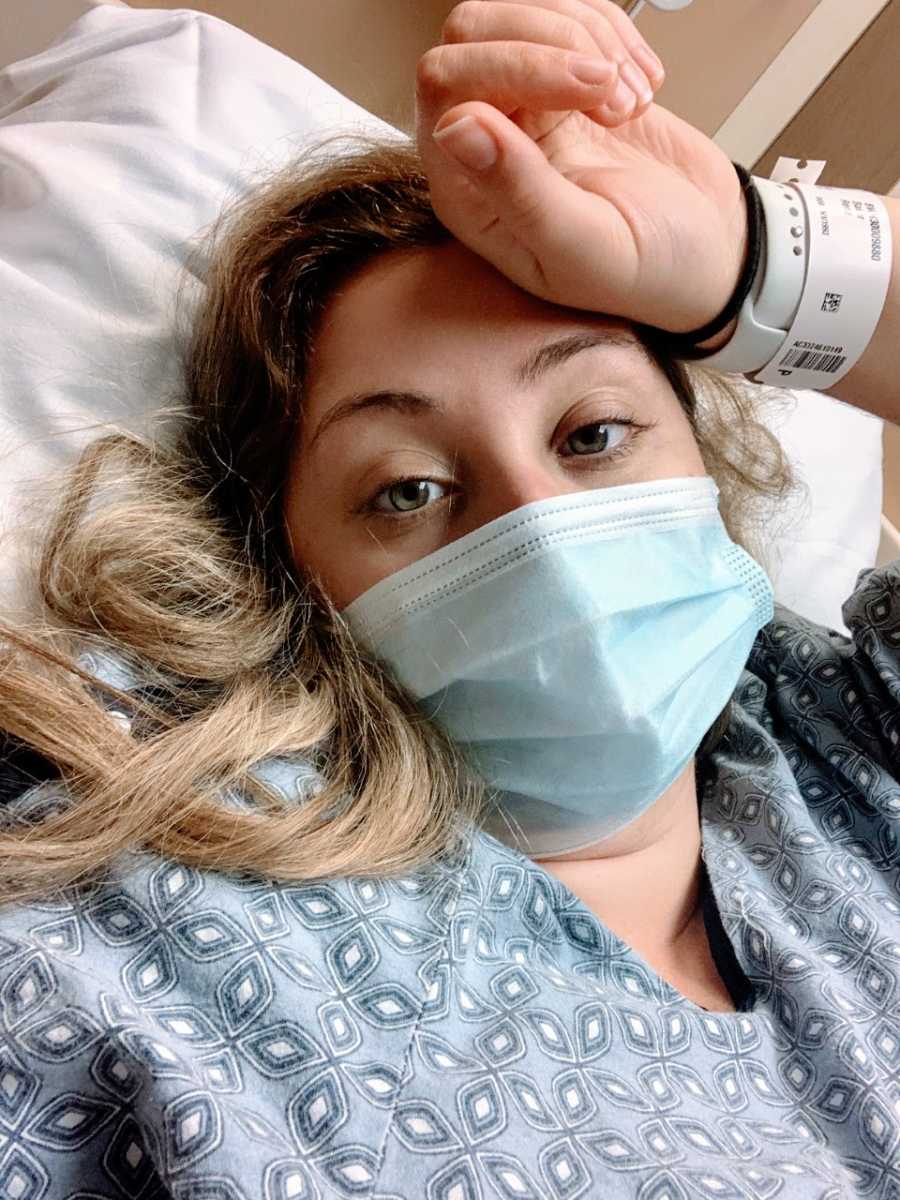
“I am so sorry,” she said softly. “Your amniotic sac has ruptured. Your water has broken. You are going to miscarry. You can let it happen naturally or we can induce tonight.”
My world stopped. Miscarry? At 18 weeks? My baby had a heartbeat, a little boy whose name we hadn’t even picked. I pressed my hand to my stomach, feeling his gentle flutters. No. Not today.
I knew that if he could make it to at least 24 weeks, he’d have a fighting chance. I demanded a transfer. “Take me to Brigham and Women’s Hospital in Boston. Now.” The doctors thought it pointless, but I didn’t care. Ambulance lights flashing, my husband trailing behind, I was whisked away.
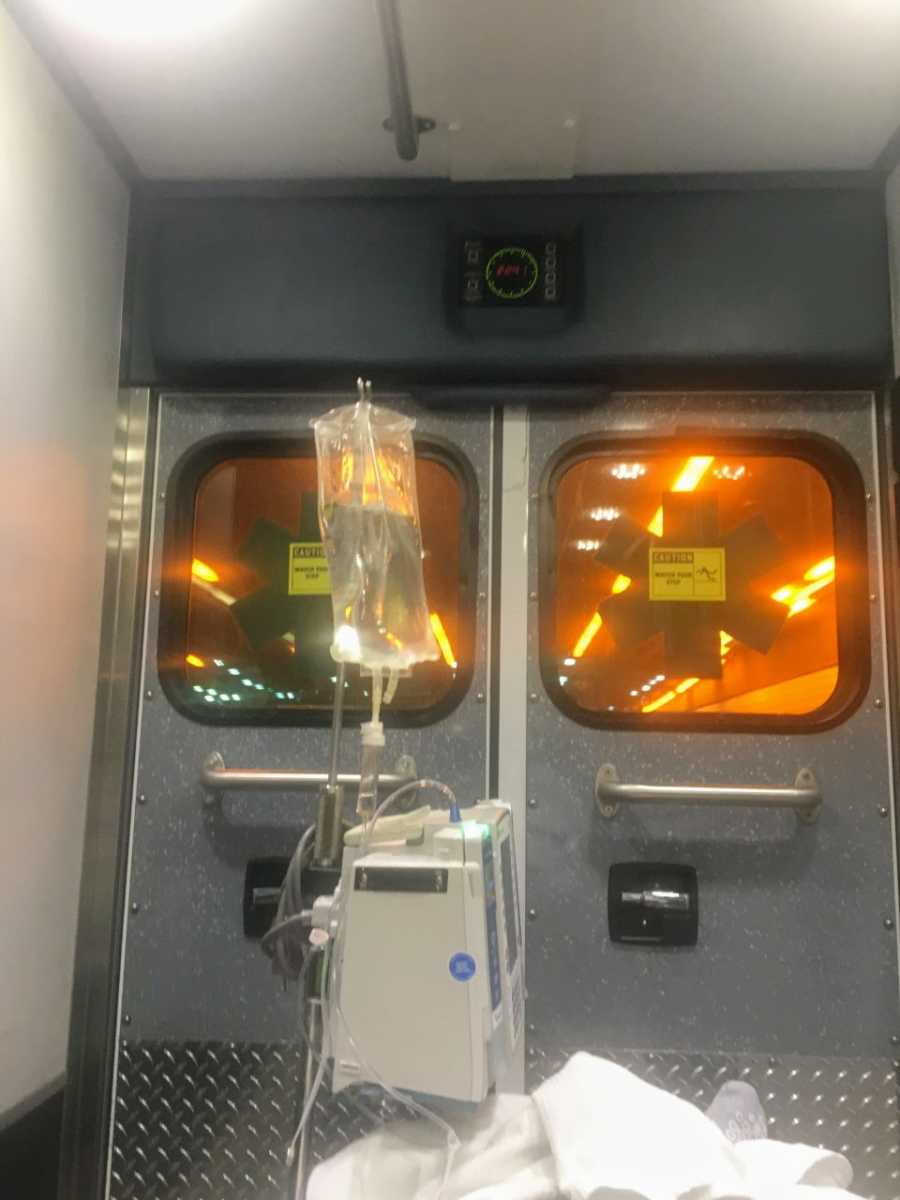
At Brigham, my husband was again asked to wait outside. But soon, I met Dr. Easter, a kind-eyed doctor who treated me not just as a patient but as a colleague. We discussed every risk, every possible outcome. I underwent tests, ultrasounds, and exams, and she delivered both hope and honesty: I still had enough amniotic fluid, and my body wasn’t in labor yet. But the tear in my water bag was serious; without intervention, the baby’s lungs wouldn’t develop.
We made a plan. Strict bedrest at home, twice-weekly appointments, and if I reached 24 weeks, I would be admitted for full antepartum care. Only a handful of pregnancies with water breaking this early make it to viability, but I held onto hope.
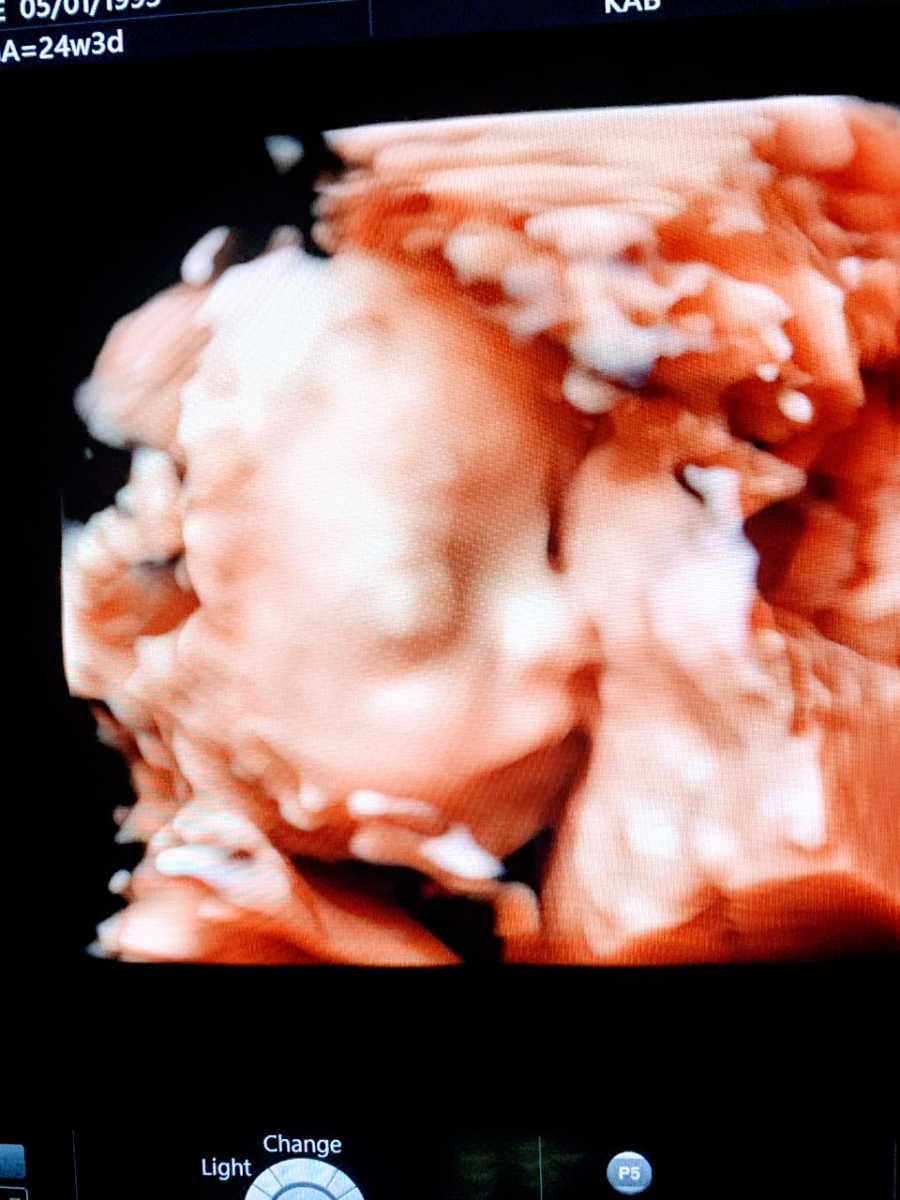
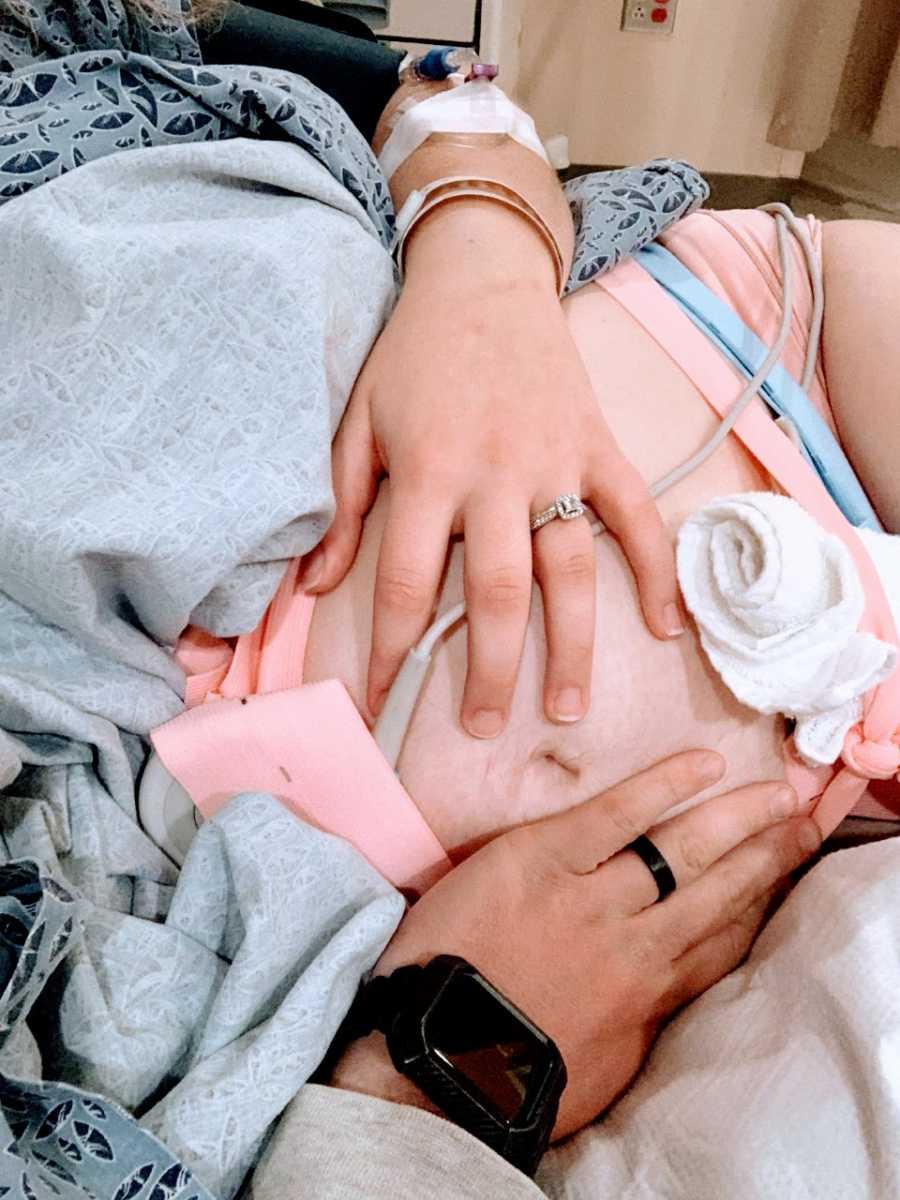
Six long weeks of bedrest passed, filled with fear and anticipation. My husband cared for me and our other children, while I braced for every unexpected leak, every tiny shift that could signal disaster. Then, finally—I made it to 24 weeks. The baby still had enough fluid, and his lungs had begun to develop. Bags packed, I was admitted to the hospital, ready to remain on bedrest until my son could safely be born.
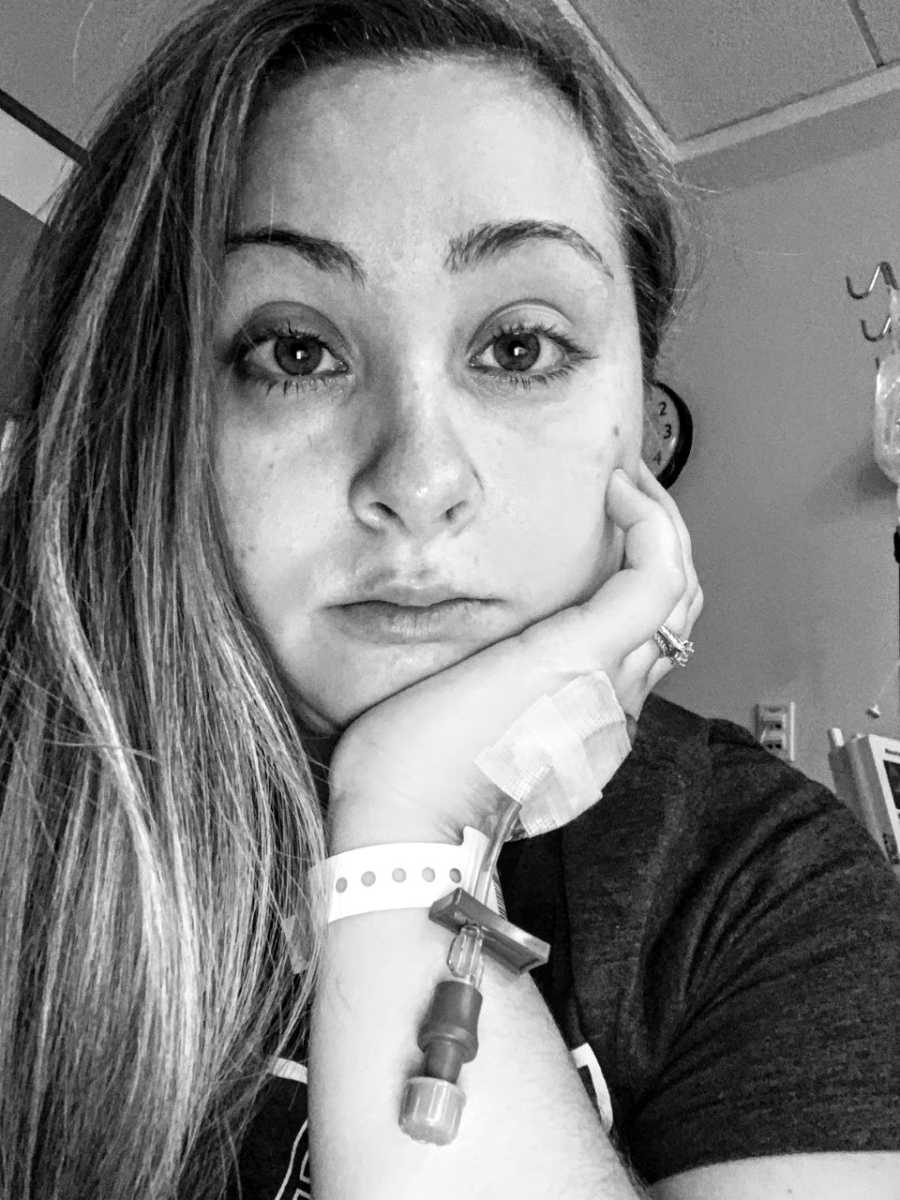
But fate had its own timeline. At 25 weeks and 4 days, after just 11 days on the antepartum floor, my tiny son Jameson arrived via emergency C-section, weighing only 1 pound, 12 ounces. I had developed an infection, a common complication when membranes rupture so early, and the doctors had no choice but to deliver him.
Bad things aren’t supposed to happen to people like us.
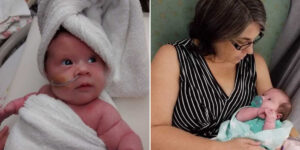
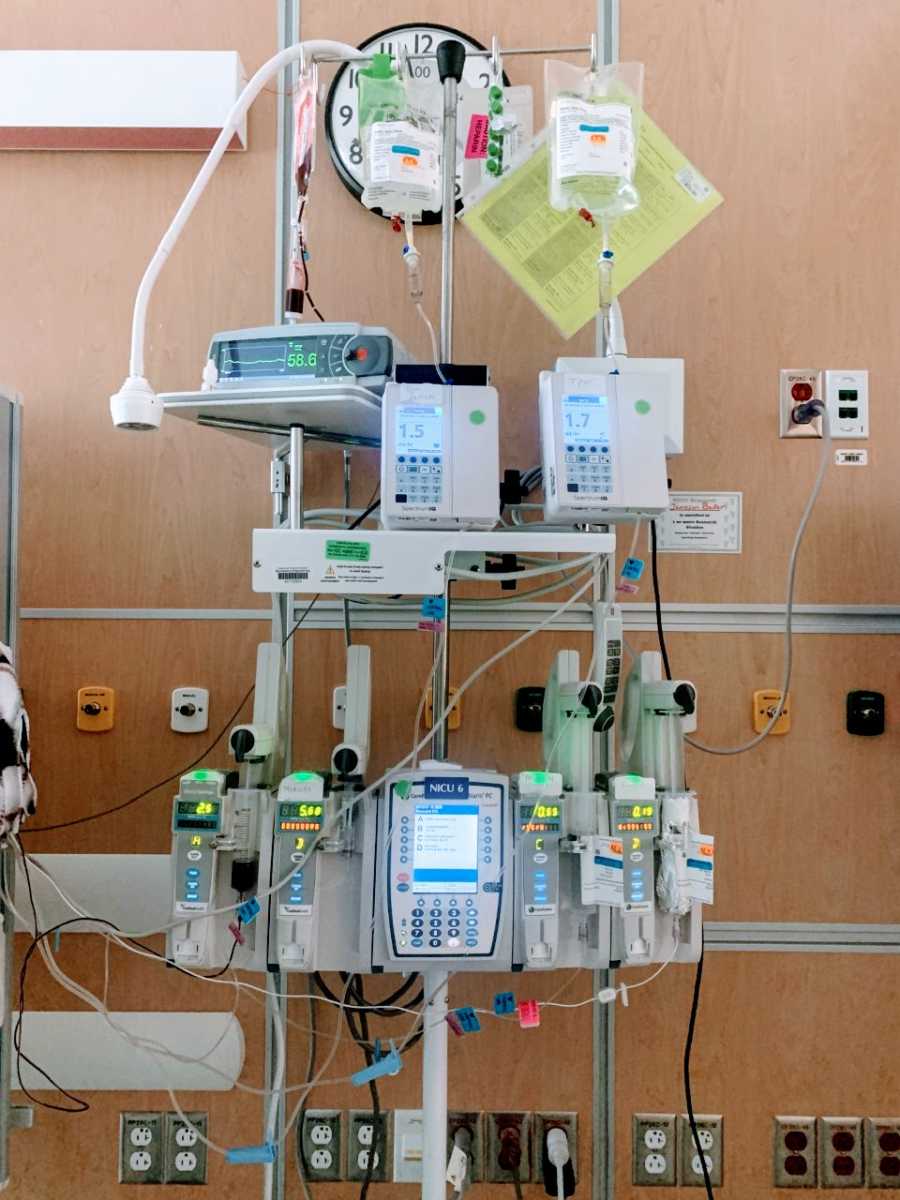
The following months were a blur of NICU alarms, ventilators, intubations, transfusions, and heart monitors. Jameson fought, relentlessly, against each medical challenge, a micro-preemie whose fragile lungs struggled to catch up. As I held him, 36 weeks corrected and weighing four pounds, I reflected on all the “what ifs”—the choices that could have ended differently, the doctors who intervened, the transfer I insisted upon.
And yet, here he is. Alive. Fighting. A miracle.
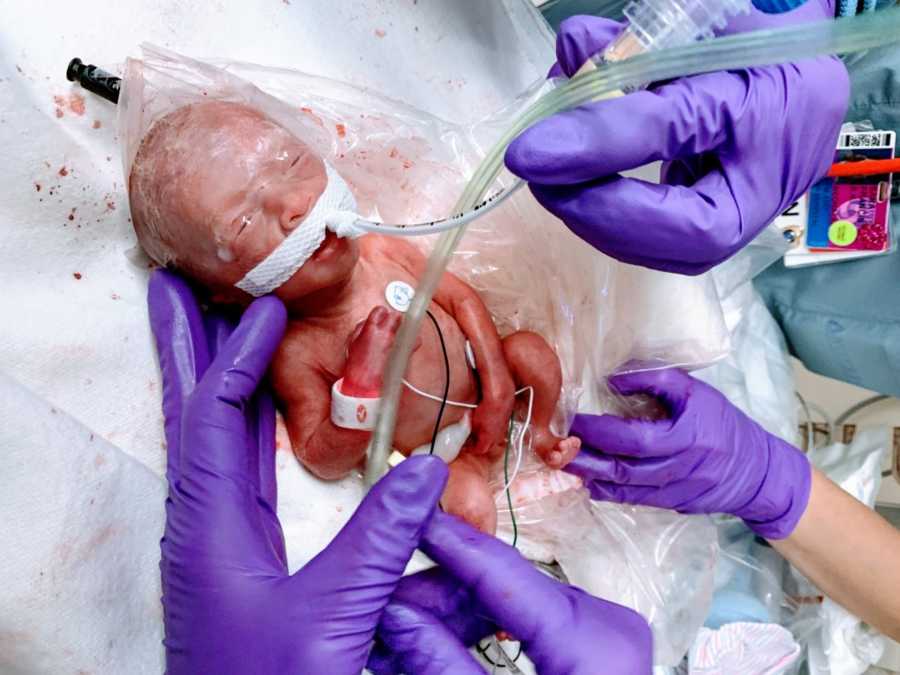
Bad things do happen to people like us. Premature birth affects one in ten pregnancies, a stark reminder that life is unpredictable. As Jameson continues his journey in the NICU, I’ve started building a community for other preemie families, to share guidance, support, and hope. I want them to know: I see you. I am you. And you are not alone.
I wrote this poem, Someday, in honor of my son Jameson:
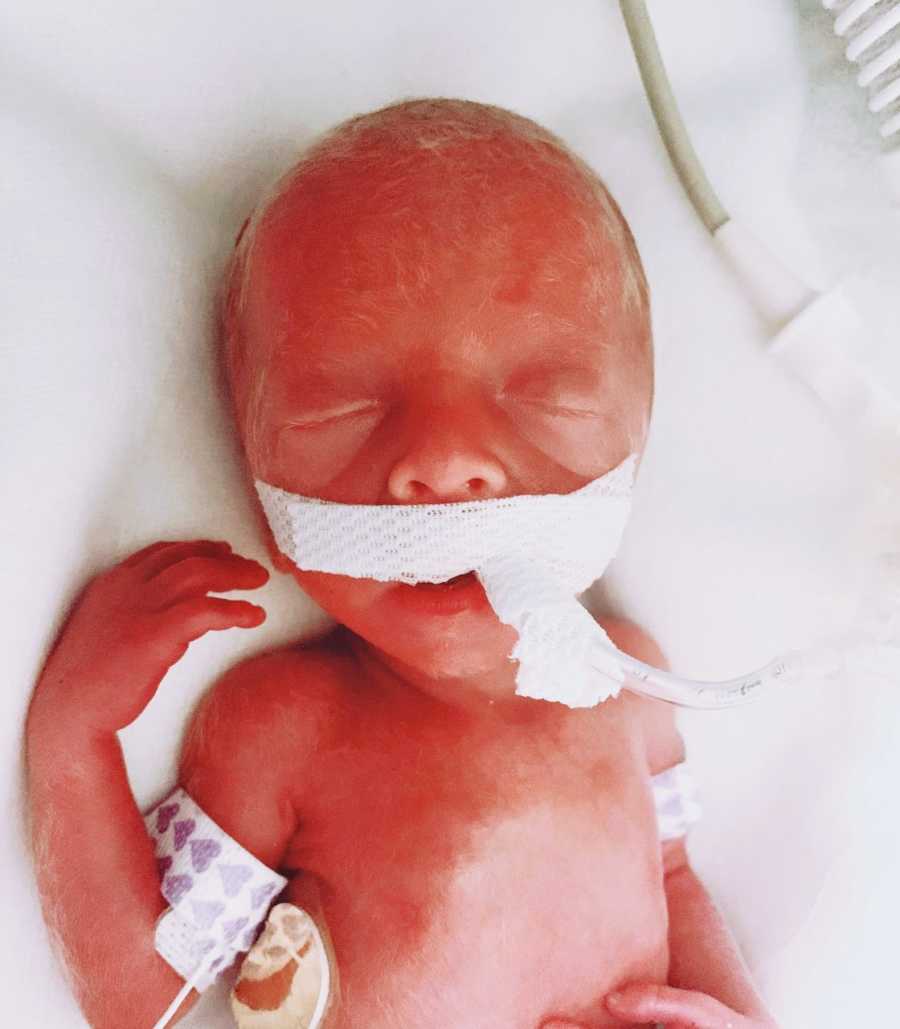
Someday, I’ll hold your hand without wires or alarms
Someday, I’ll scoop you up freely, without tubes
Someday, your nursery will be yours, not the hospital’s
Someday, I’ll kiss your head without a mask
Someday, I’ll introduce you to your siblings
Someday, I’ll fold your clothes into drawers, not hospital bags
Someday, I’ll watch you breathe freely and run, play, and laugh.
But today isn’t that day. Today, I hold your hand through the isolette. I untangle cords, wipe away tears, and cradle you as monitors beep around us. Because someday, this will be behind us. Someday, we will walk out of the NICU doors together—safe, whole, and free.
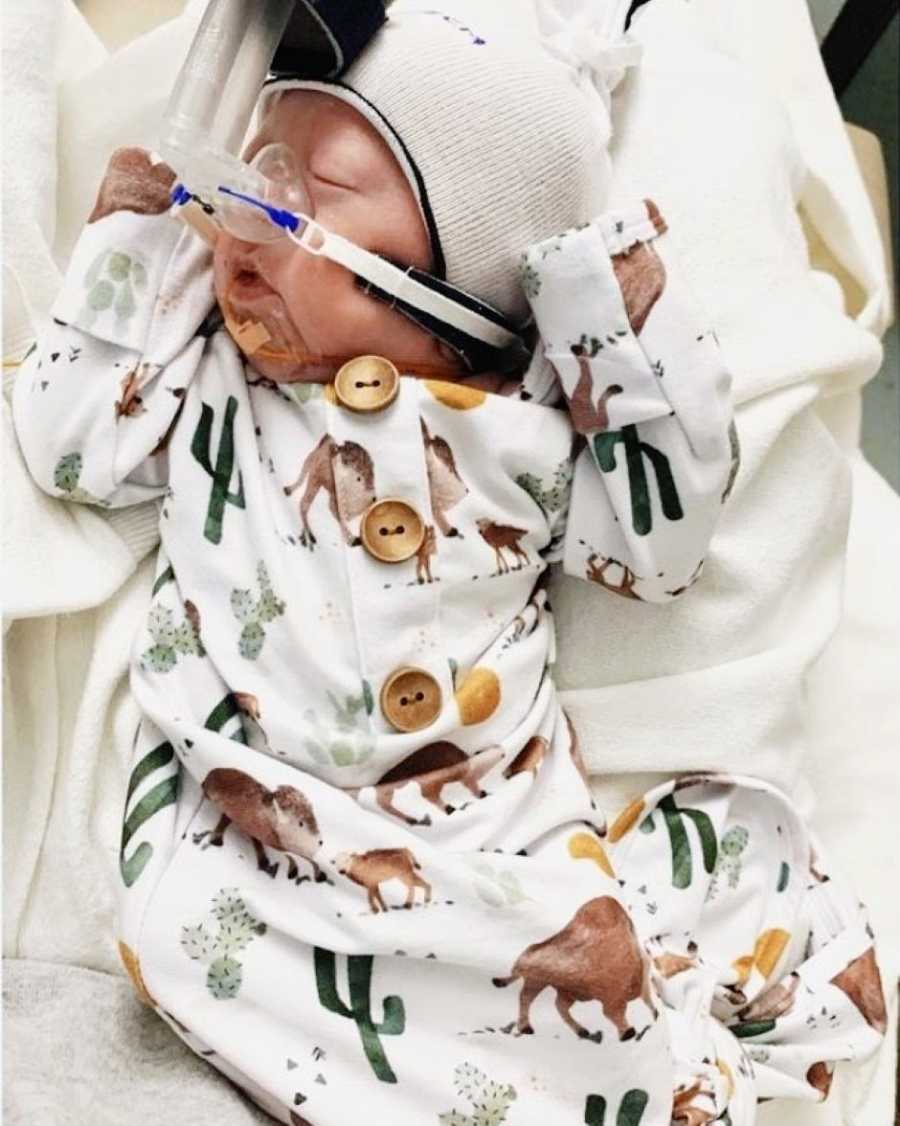
Someday.