Motherhood was never something I felt eager to step into. Don’t get me wrong—I love children, from the tiniest infants to teenagers navigating the chaos of adolescence. My undergraduate degrees are in Elementary Education and Inclusive Education, with a focus on developmental, cognitive, emotional, behavioral, and learning disabilities. My master’s is in school counseling. I genuinely enjoy being around kids across all abilities and ages. But there’s a difference between loving children and being a mother—and it’s a difference I only fully understood when faced with the possibility myself.
I’m not entirely sure if my hesitation to become a mom stemmed more from fear or defiance. Maybe being 30 helped me recognize myself more clearly than I did a decade ago. I know now I could safely place at least half of my resistance in the basket of defiance. I was tired—so tired—of hearing questions like, “When are you hopping on the baby train?” or “Will you have a bun in your oven soon?” Even worse were the unsolicited declarations: “You need to start having kids soon if you want more than one,” or “You’re getting older; it’s time to start planning a family.”
Y.U.C.K. Seriously, let me say it one more time: YUCK.
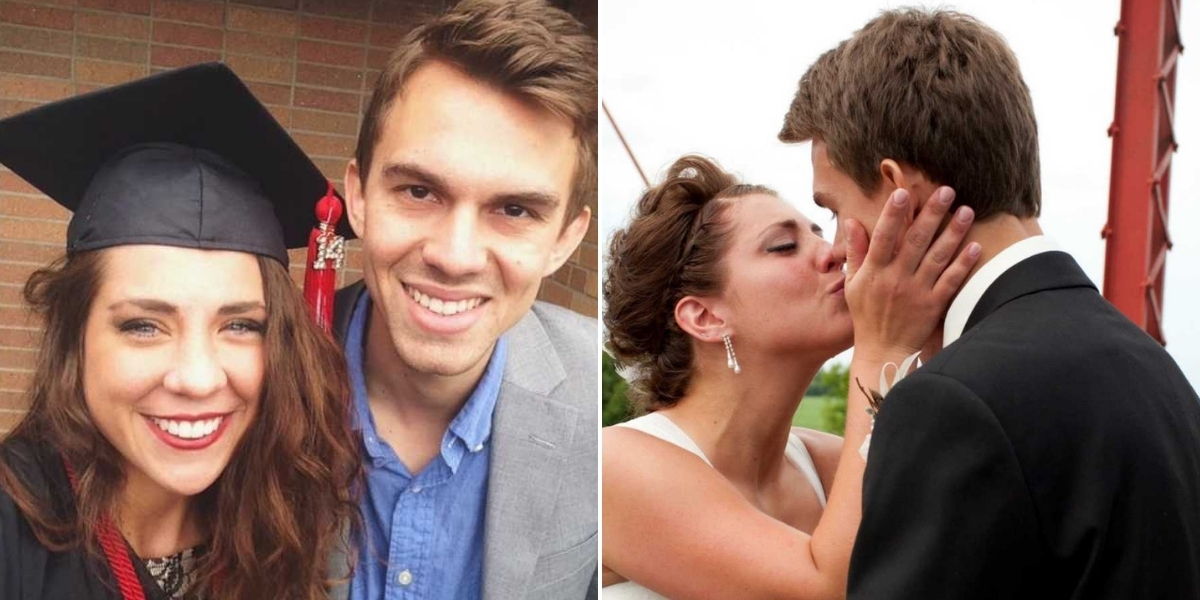
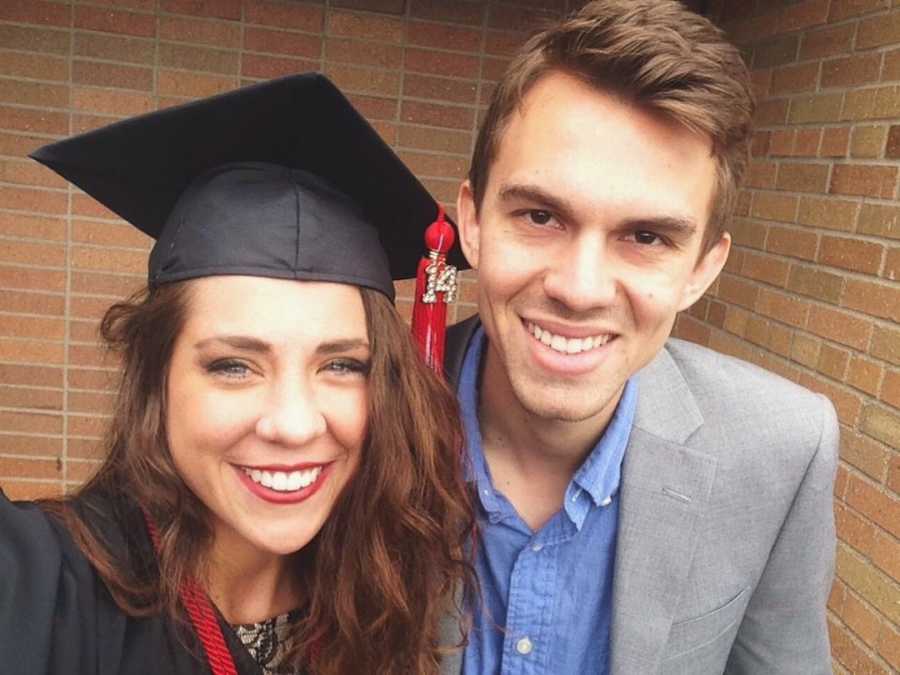
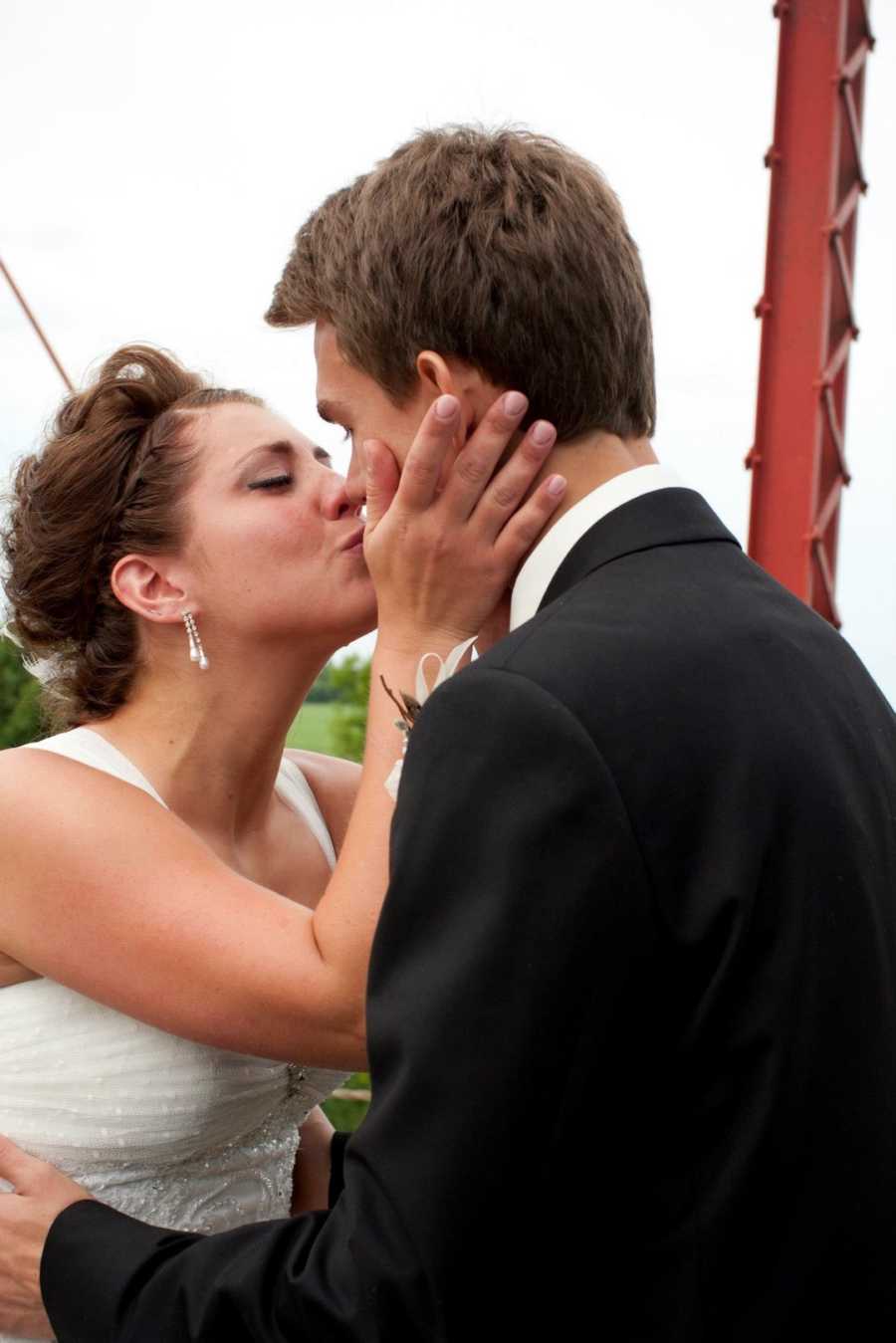
Most people meant well. Their questions and advice were warm, even kind-hearted. Yet my reaction was intense, more intense than it needed to be, but that’s just very “Brooke.” I used to joke to my husband, Noah, every time someone brought up having a baby—I’d add another year of waiting. Ah, yes, there was the defiance! Maybe the questions were so persistent because Noah and I married our high school sweetheart version of each other, did all the “right” steps in order: college, living together, adult jobs, building a home, traveling, ticking all the boxes. From the outside, a baby seemed inevitable.
And yet, even seven years into our marriage, a baby wasn’t even a passing thought in my mind—or my heart. During my mid-twenties, when friends and family began purposefully having children, I felt left behind. I convinced myself that motherhood wasn’t my natural calling. I didn’t want a baby—I wanted freedom. I wanted to travel, to run another marathon, to read, write, splurge on fancy cheese instead of diapers. Being a woman who didn’t feel a pull toward motherhood was disorienting. It made me question my heart, my character, even my womanhood.
The weight of needing to justify why I didn’t feel ready to be a mom seeped into every corner of my being. It was exhausting, draining, and it left me anxious and guilty. I asked myself questions that haunted me daily: “Am I a good person? Does this make me a bad teacher? How can a teacher not want kids? Am I failing as a wife because I don’t want to be a mom—right now, or maybe ever?”
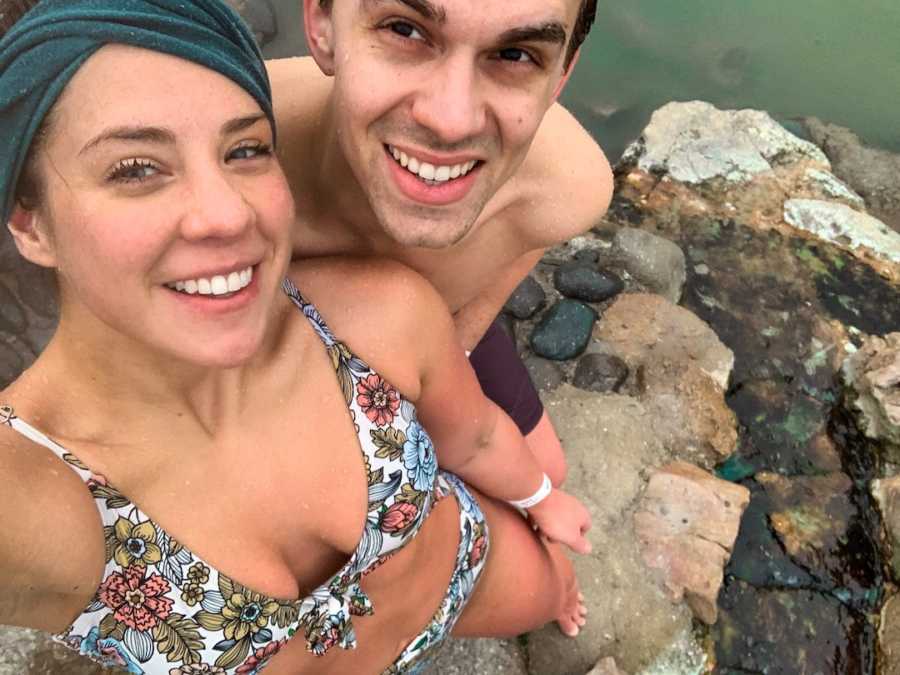
If half my resistance was defiance, the other half was pure fear. The thought of having children was terrifying—not because our life was unprepared, because in many ways it was perfect. Noah isn’t just my husband; he’s my unwavering support, my best friend, my partner in every sense. Together, we had a home, financial stability, an incredible support network, and a love so deep it sometimes startled me. Yet I feared sacrifice. I feared losing myself. I feared giving everything I had and still failing to live up to the ideal of parenthood.
So much of this struggle was tied to belief. Before getting pregnant, I believed a host of lies. I believed I had to “make peace” with giving up running, wine, cheese, and even a semblance of personal freedom for months—or years. I dreaded pregnancy. Those feelings made me feel ashamed, guilty, like there was something inherently wrong with me. I wondered, “Do all women truly have an innate desire to have children? If so, am I broken?”
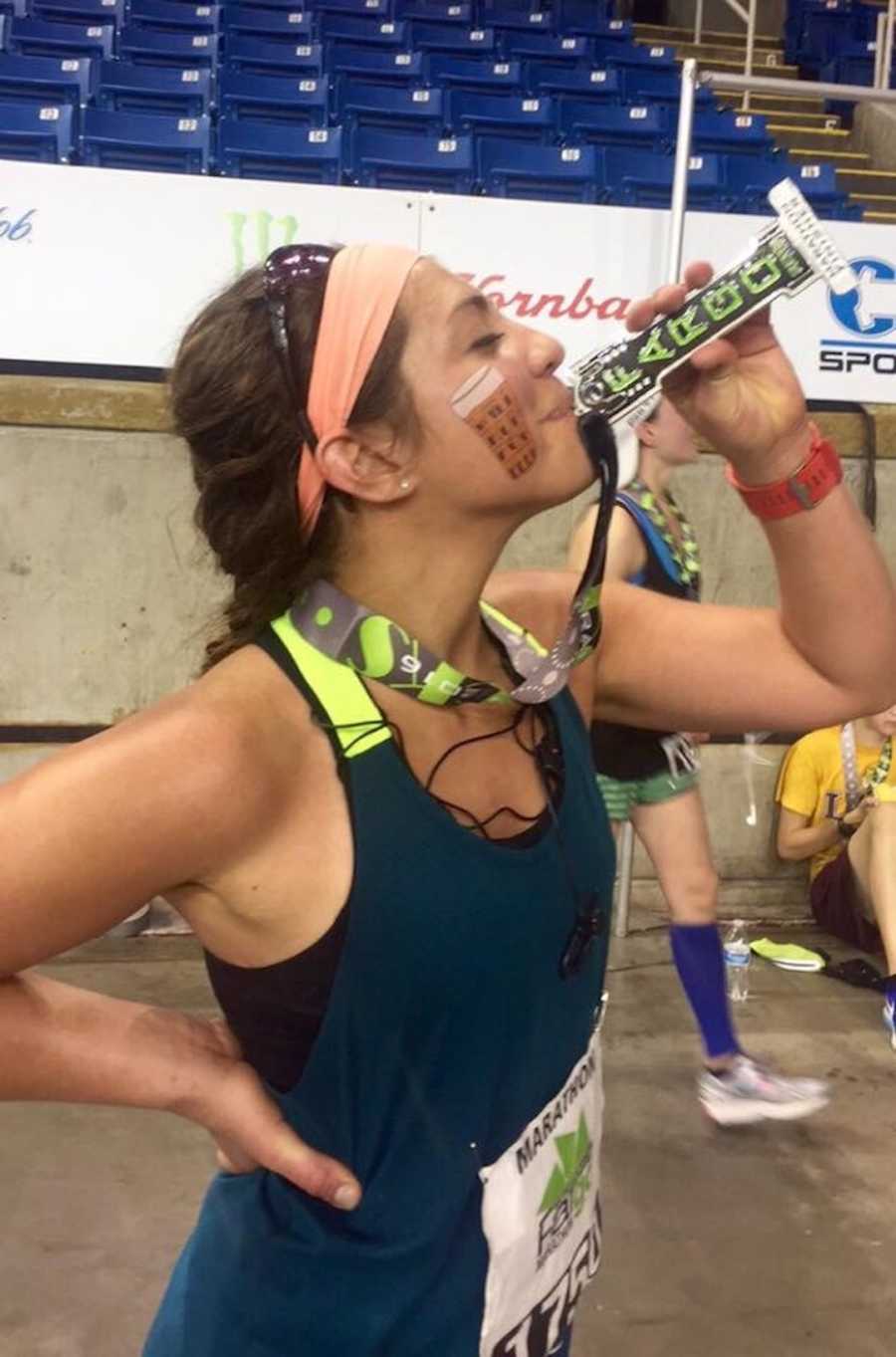
I can’t say my decision to get pregnant came from a place of selfless, enlightening clarity. In fact, it was absolutely, undeniably vain. It was all math. In August 2019, I realized I’d ovulate on Noah’s birthday. “Fun,” I thought. I calculated that conceiving then would result in a baby being born the second week of May—just before my 30th birthday. I could have my cake and eat it too: a decade of travel, adventure, and freedom, and a baby before leaving my twenties.

“Noah, we’re going to have a baby, and we’re going to try this week,” I declared.
No jokes. That’s exactly how it happened. Over Labor Day weekend, I peed on the magical stick and immediately Facetimed my sister for confirmation. Two pink lines. I was pregnant.
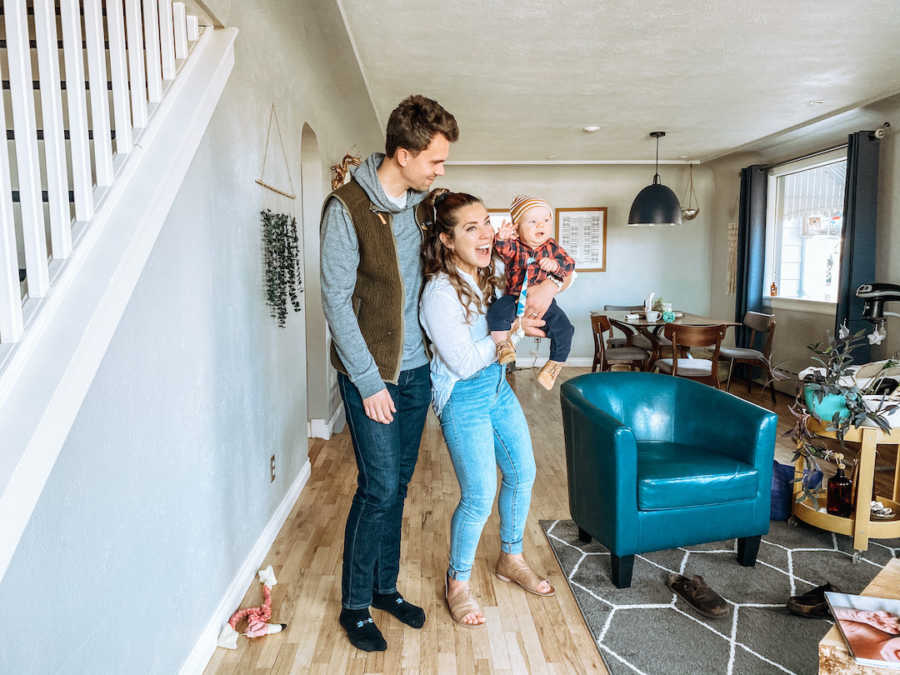
When I told Noah, no words could truly capture that moment. The hugs on the couch, the tears welling in our eyes, the nervous, joyful giggles, the overwhelming hope—it made our living room glow. Everything felt perfect, terrifyingly perfect.
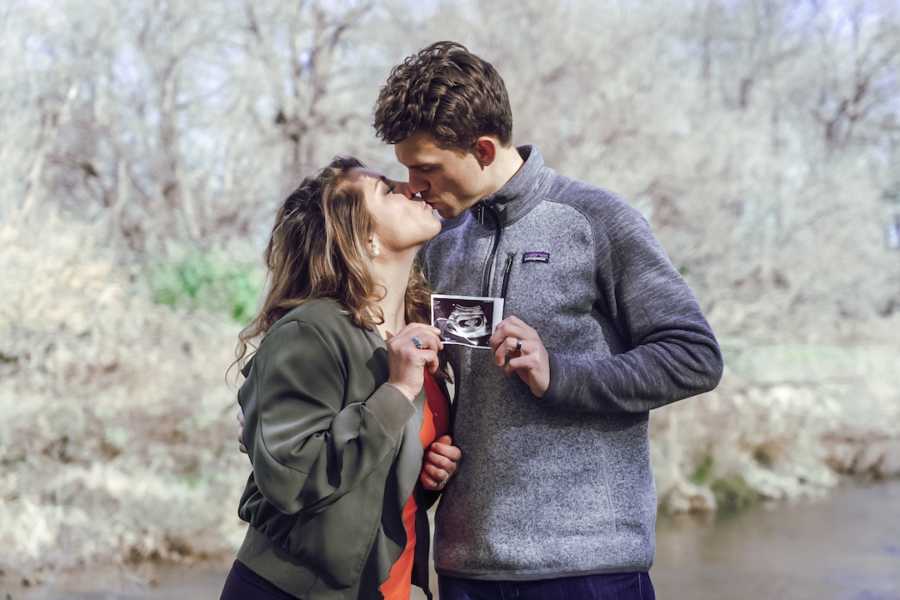
Pregnancy itself defied my expectations. No debilitating nausea, no constant fatigue—after the first trimester, I felt more energetic than before. I was calm, centered, and my heart began to soften alongside my growing belly. My fears of losing activity were unfounded; I ran three to four miles daily up to 38 weeks, feeling strong and joyful.
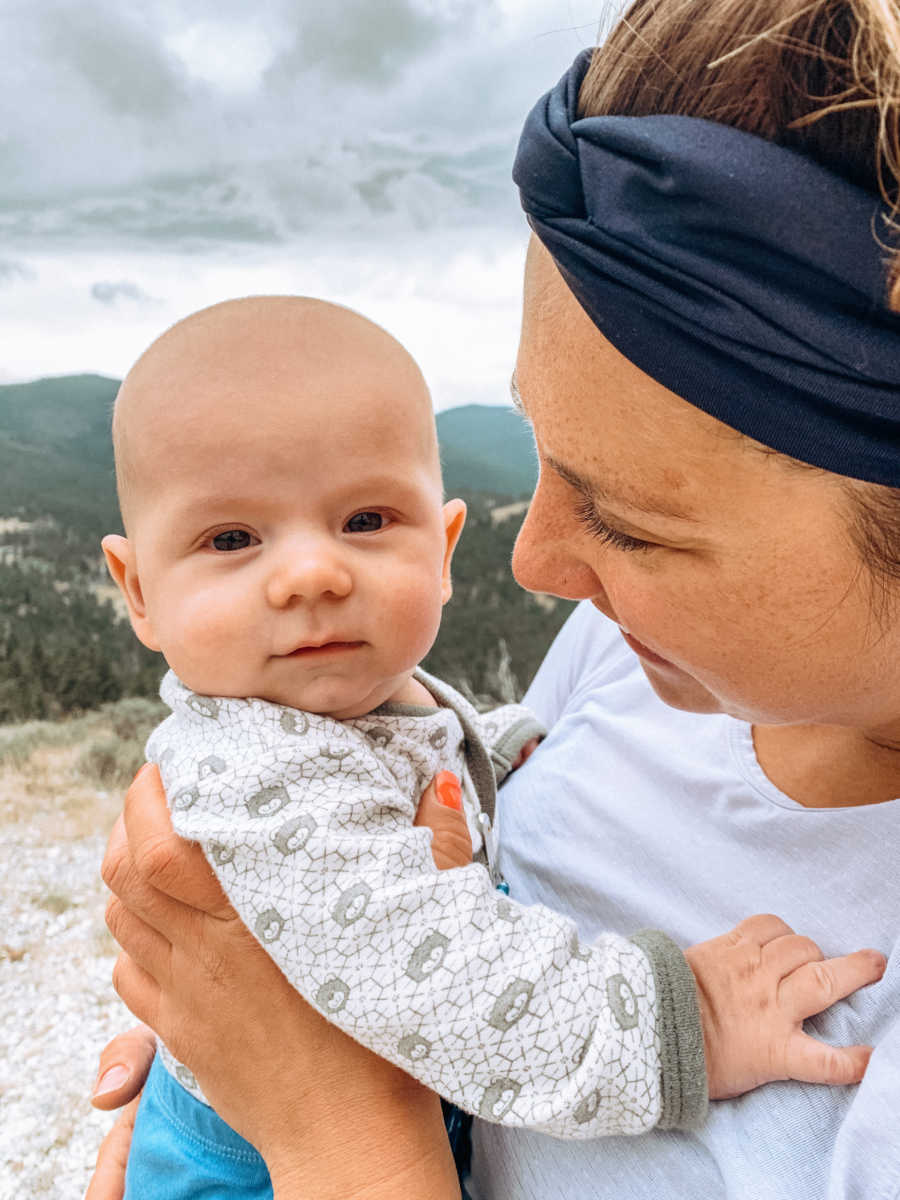
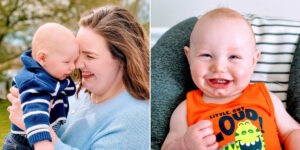
Still, parenthood, this journey, has been nothing like I imagined. At 40 weeks, I was guzzling cayenne water, soaking in primrose oil, eating pounds of spicy Indian food, and walking up to seven miles a day—yet still, no baby. My little one seemed determined to humble me, arriving on my 30th birthday instead of the week I’d meticulously calculated. That day brought two failed epidurals, a spinal, and a c-section. Not my plan—but the best birthday of my life. Happy birthday to us, sweet Rhodes Boone Kupcho.
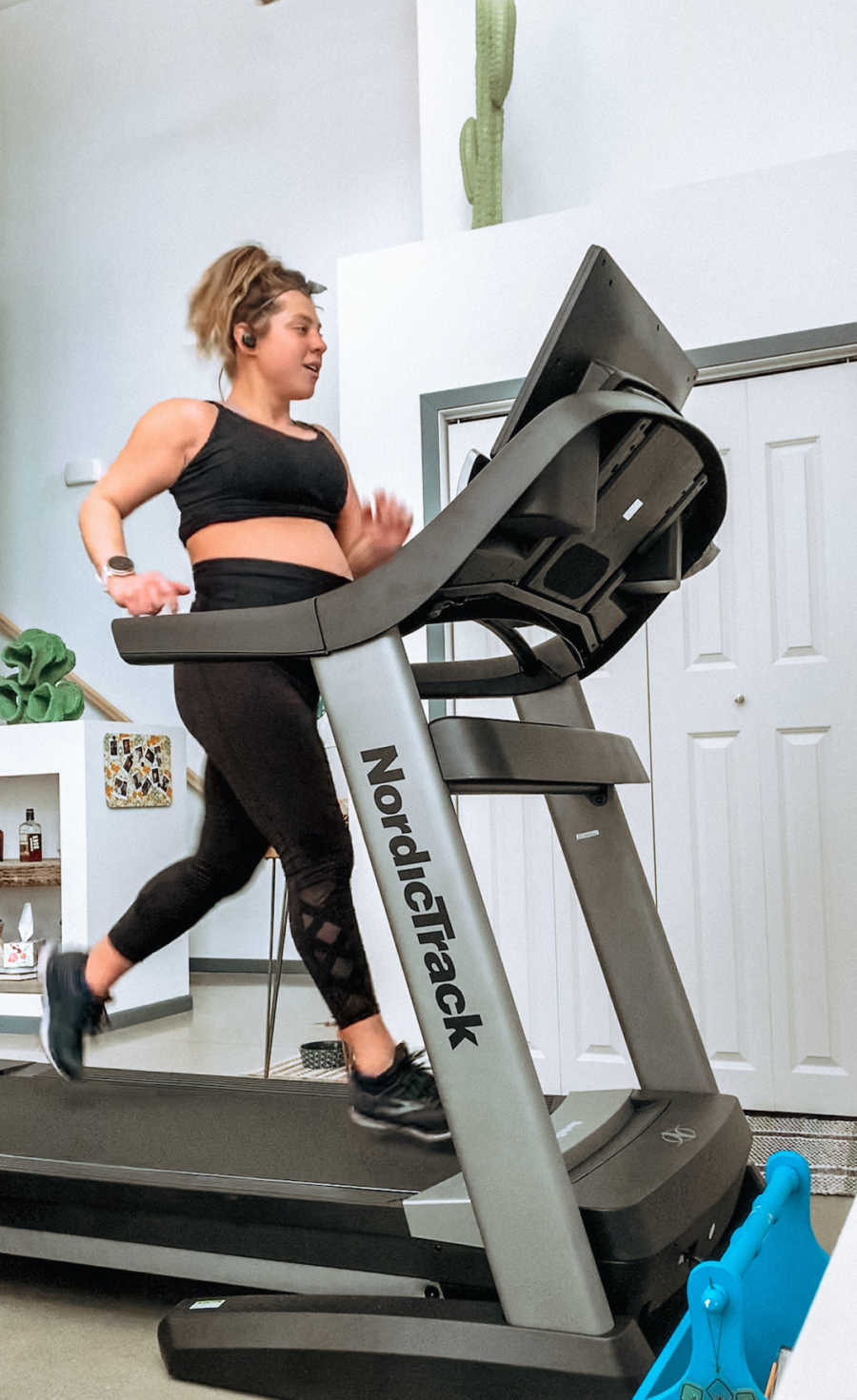
Motherhood doesn’t always come easily for me. It’s hard work, constant sacrifice, and it clashes with my independent, adventurous spirit. Pausing a hike to breastfeed, carrying a pump on a trail run—these aren’t easy adjustments. But Rhodes has shown me a better version of myself, a version less consumed by selfishness.
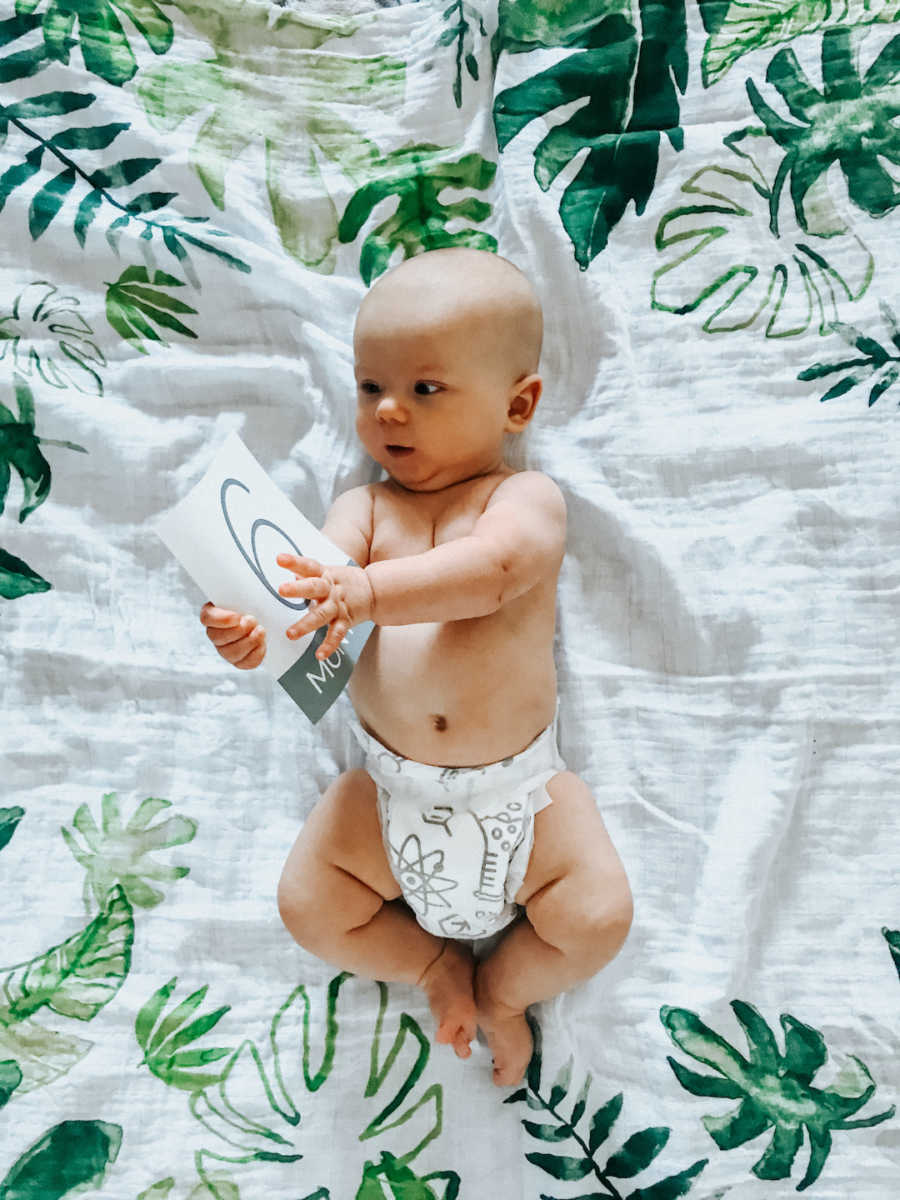
Through him, I’ve discovered the beauty in slowing down, in savoring the present moment. Holding Rhodes close, inhaling his sweet baby scent, imprinting every detail in my memory—it’s life-changing. Motherhood can be exhausting, messy, tear-filled—but it is overwhelmingly life-giving. Watching Rhodes experience the world for the first time feels like a second chance at life for Noah and me. The journey is hard, yes, but it is also profoundly, unforgettably beautiful.