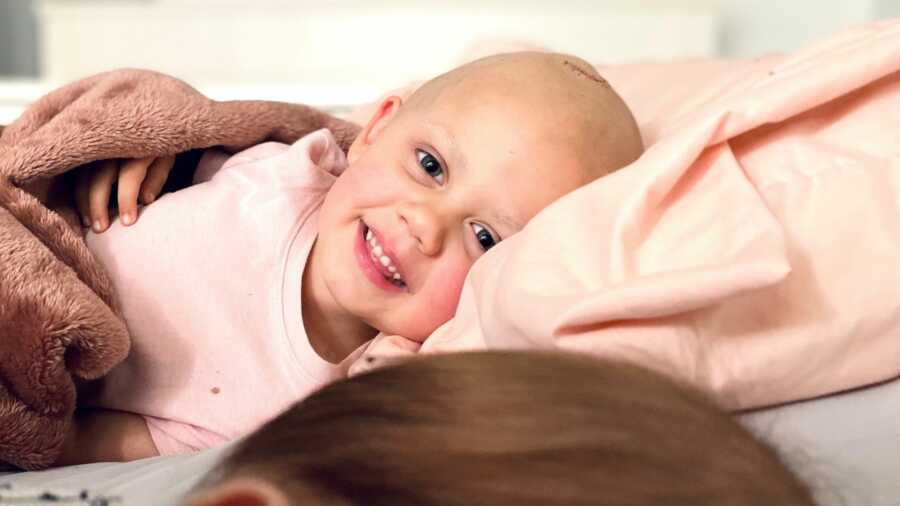
It all began in May 2020, when Charlie started showing unusual symptoms. She was losing her balance more easily than usual, complaining of persistent headaches, and had random bouts of vomiting early in the morning around 6 a.m., with no other signs of illness. Concerned, we took her to the doctor, and after just one visit, she was immediately sent for a CT scan. Two long hours later, the call came: Charlie had a tumor in her brain.
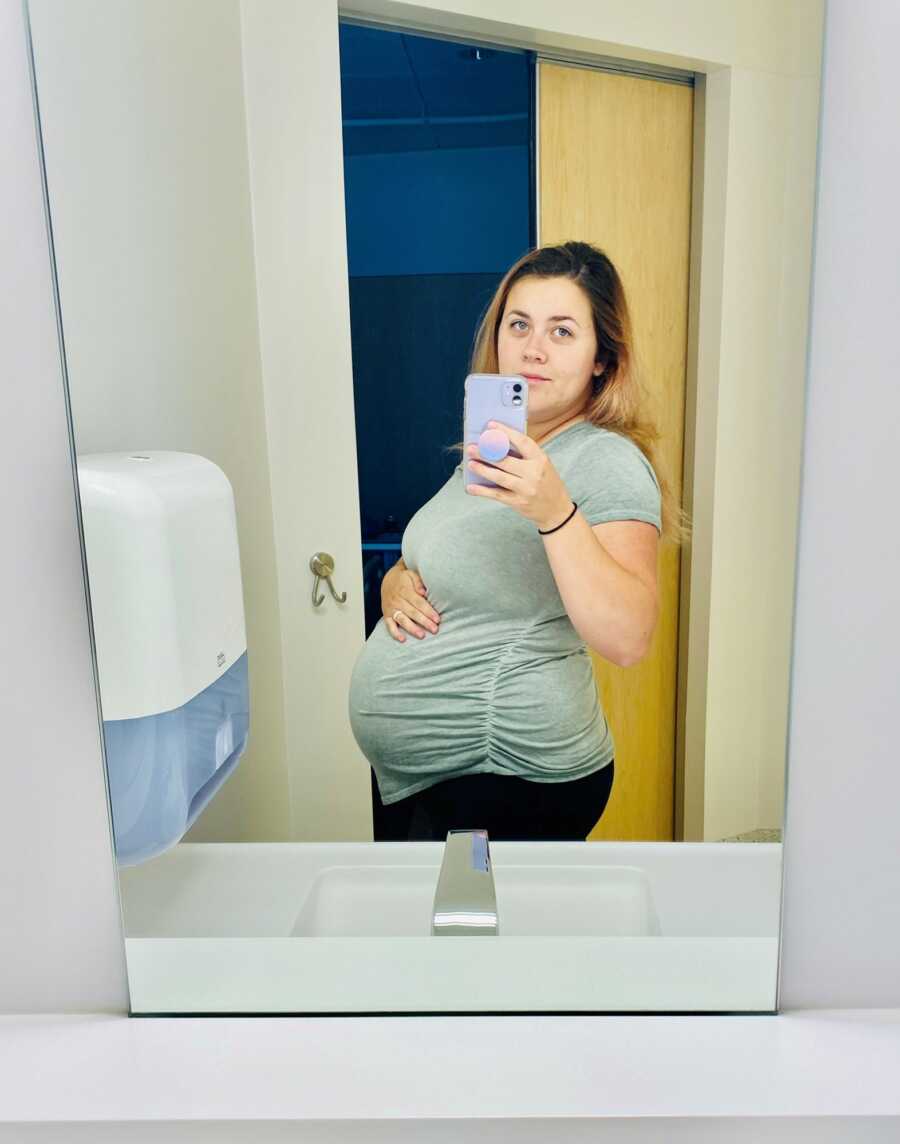
We rushed to the hospital, where an MRI confirmed the diagnosis. Surgery was scheduled for less than 36 hours later. Before the operation, Alecs and I were warned about a syndrome common after brain tumor removal in the specific part of Charlie’s brain—the cerebellum. Essentially, we were told that Charlie could wake up unable to do anything she had been able to do before: talk, walk, sit up, or even use her hands. The thought of that was devastating, especially as I was 36 weeks pregnant. I couldn’t imagine bringing a new life into the world while fighting for my other child’s life. As a mother, I felt completely powerless, at my absolute lowest point.
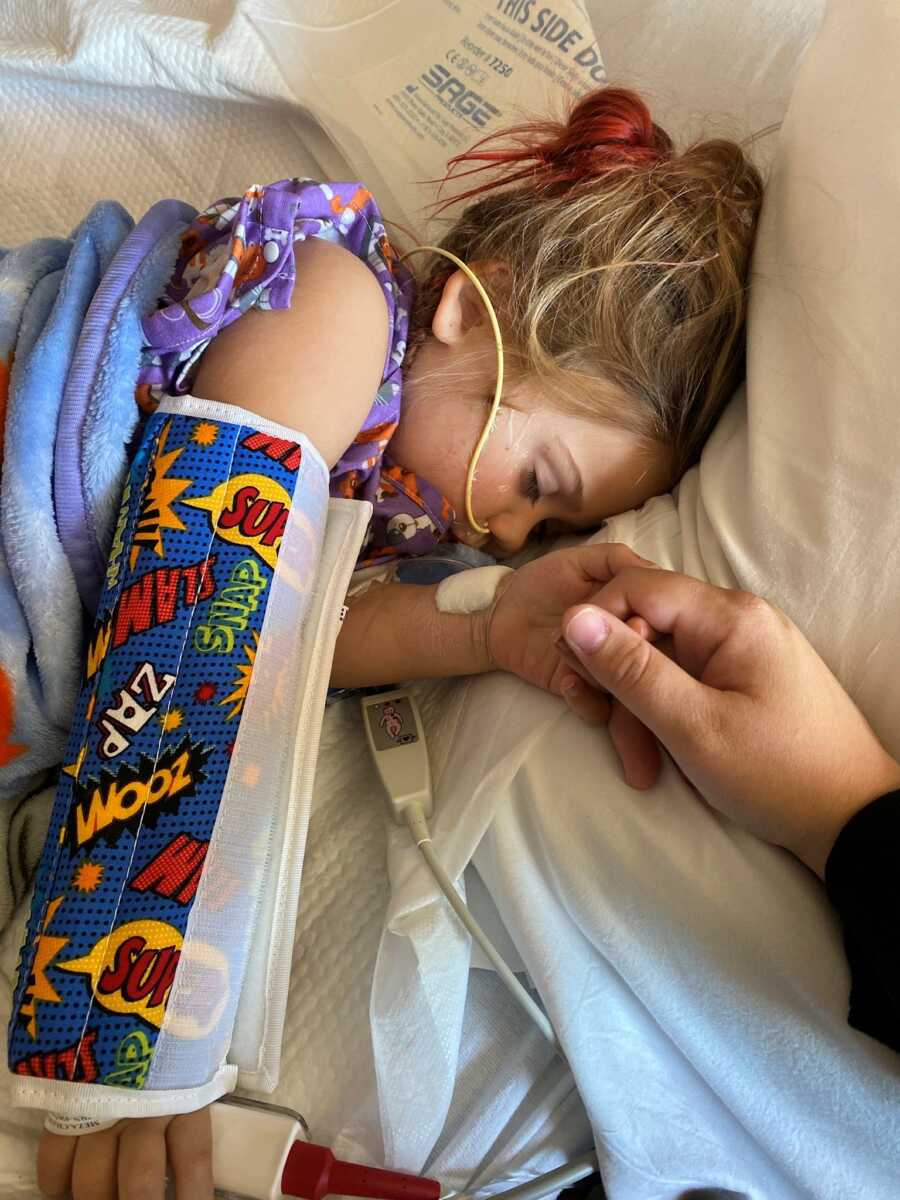
After a grueling ten-hour surgery, we were immediately called by Charlie’s surgeon. The news was grim: they suspected the tumor was cancerous, likely a pediatric cancer called medulloblastoma. Hearing the words “Charlie” and “cancer” in the same sentence was crushing. Compounding the challenge, COVID-19 restrictions allowed only one parent to be with Charlie at a time, creating enormous emotional strain for our family. Shortly after Charlie’s first round of high-dose chemotherapy, I had an emergency C-section and nearly lost my own life. Less than two weeks later, I was back in the hospital for Charlie’s second chemotherapy session—with my newborn by my side.
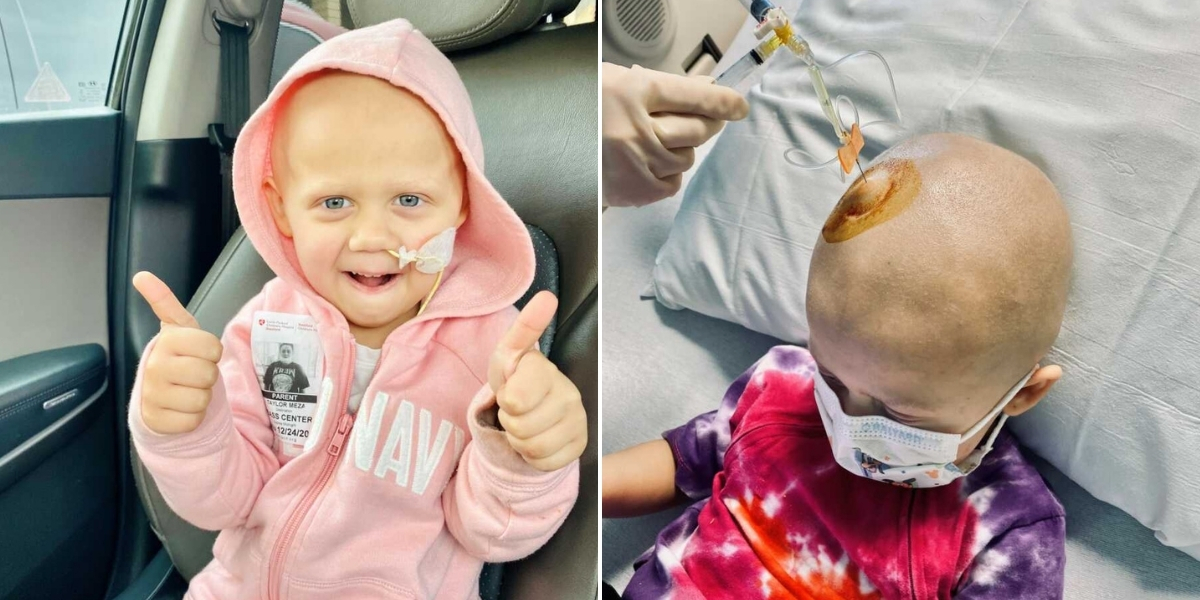
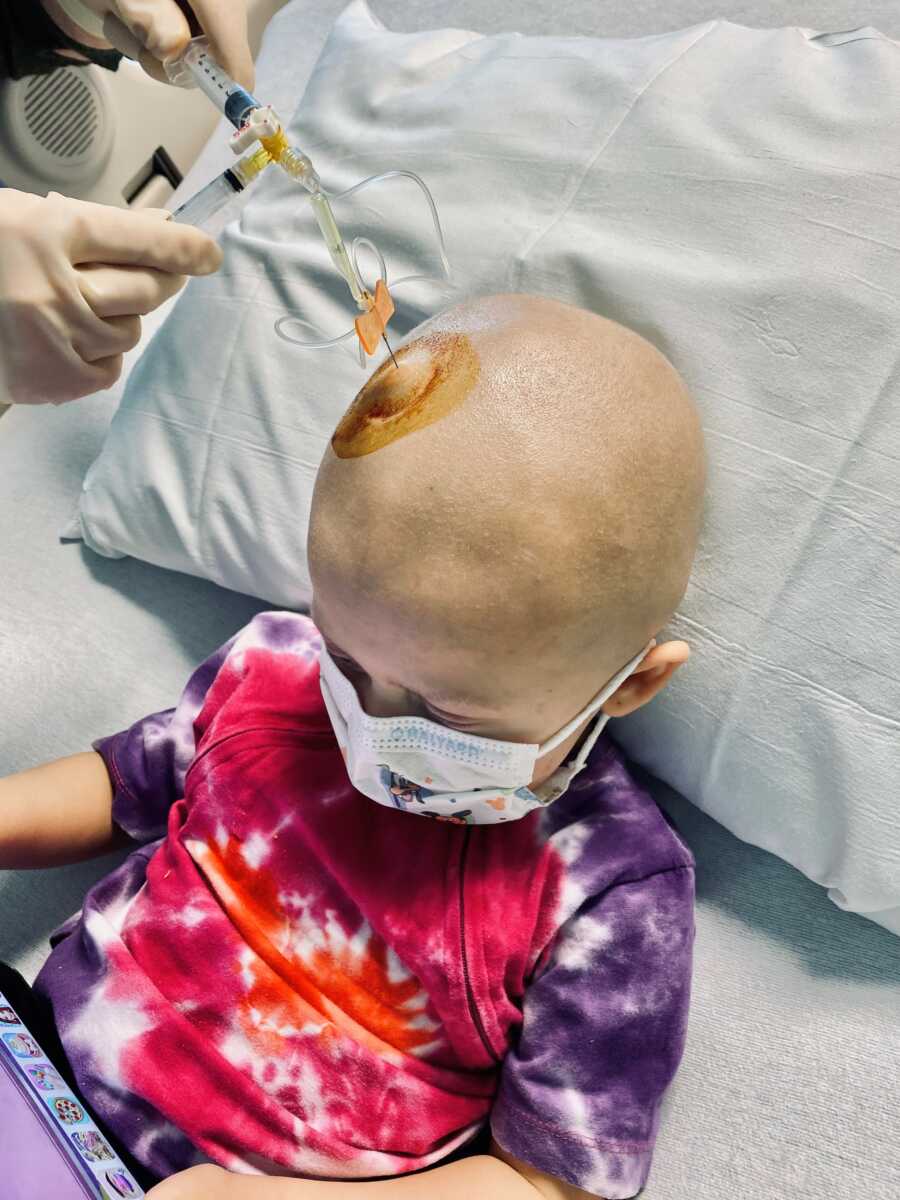
Charlie underwent ten high-dose chemotherapy rounds, spending about half of each month in the hospital over eight months. During this time, we received the final pathology results for her tumor. The findings meant her treatment needed to be more aggressive than initially planned. We were given two options: radiation to her brain or the insertion of an Ommaya Reservoir—a small port in her head to deliver chemotherapy directly into her spinal fluid.
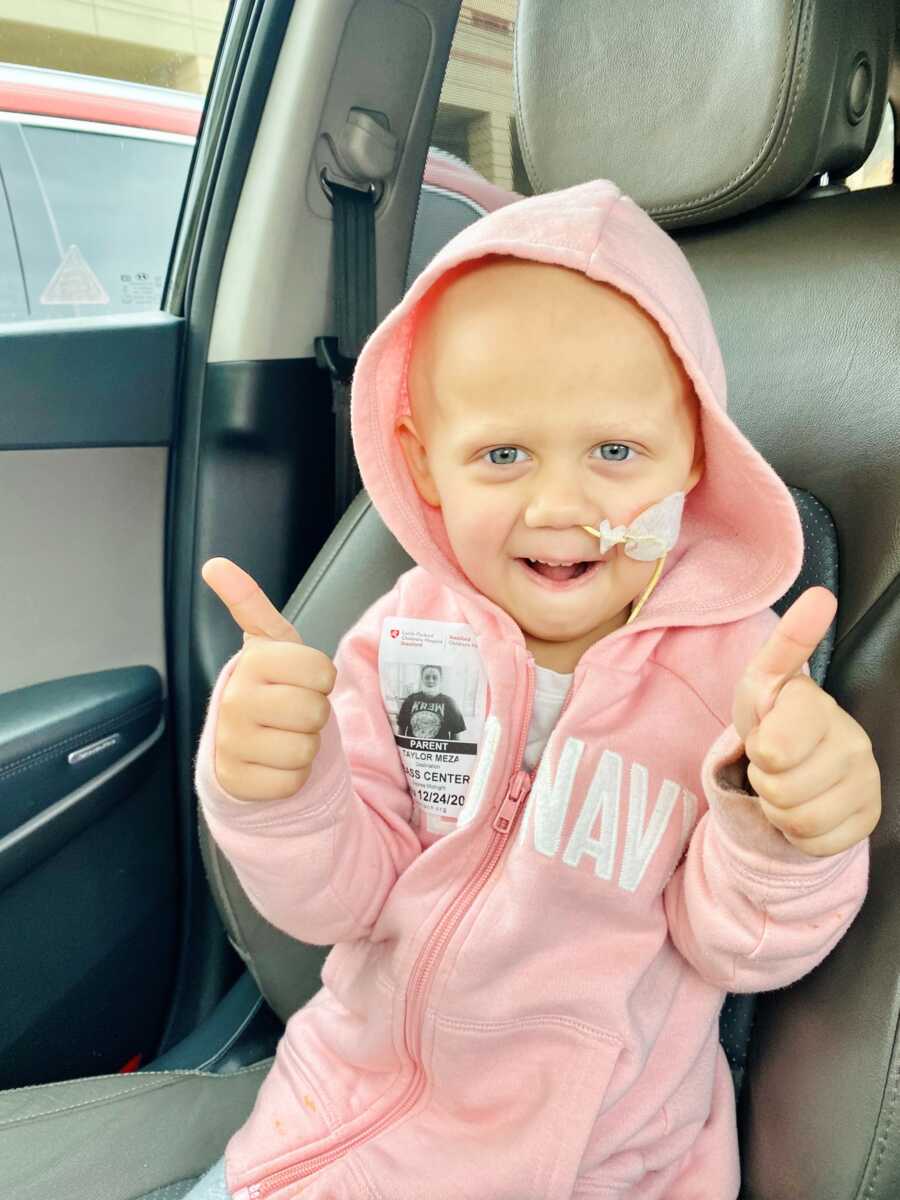
Less than a month later, surgery was scheduled to insert the Ommaya Reservoir, and treatment began immediately. Charlie received ten doses of chemotherapy directly into her spinal fluid, in addition to the systemic chemo she was already enduring. The treatment was intense and came with many side effects: relentless vomiting (requiring an NG tube for eight months to maintain her weight), exhaustion, brain fog, mood swings, neuropathy in her limbs, ankle stiffness, stomach pain, hearing loss, and signs of PTSD emerging from the sheer trauma of the experience.
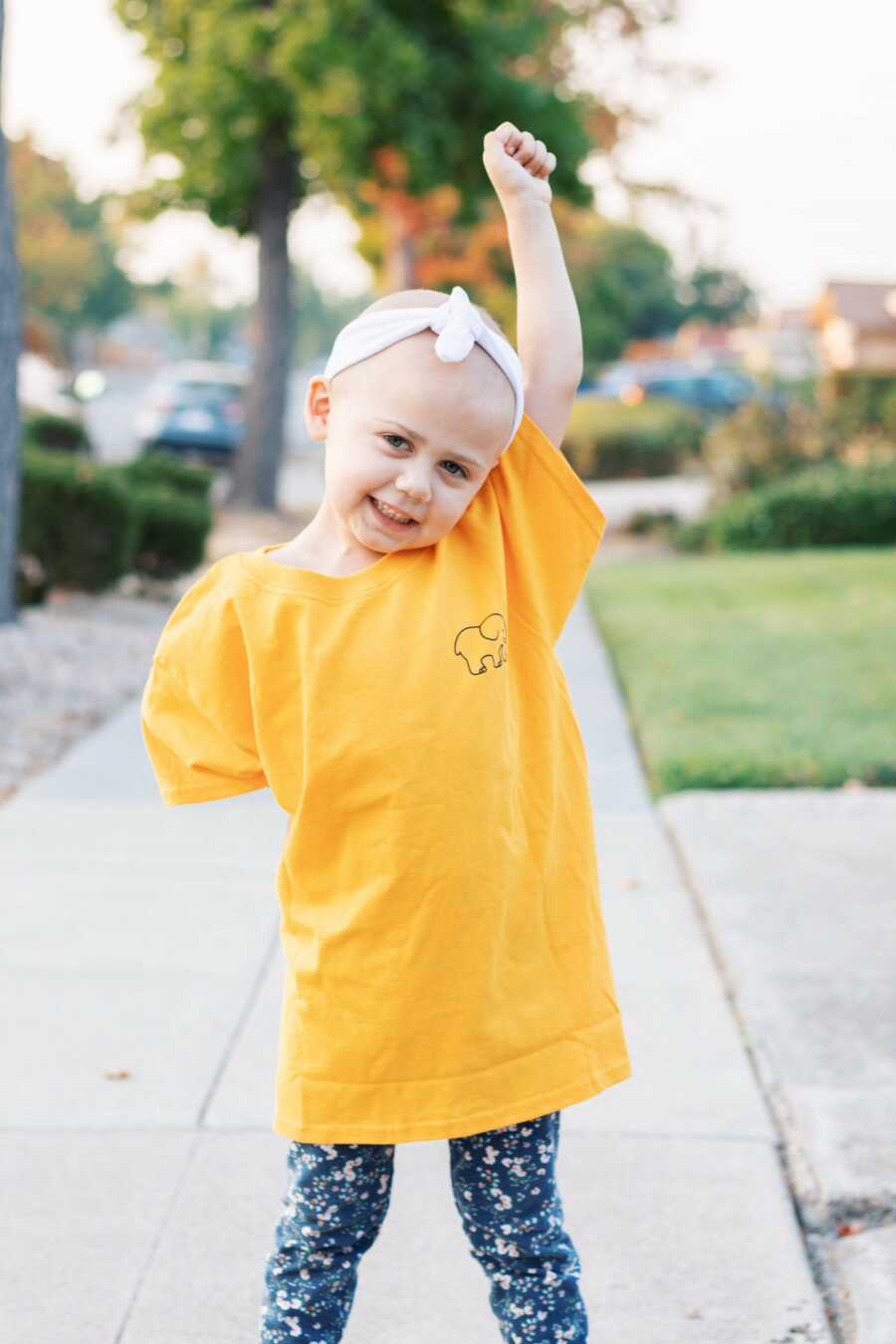
In January, Charlie completed the high-dose chemotherapy and transitioned to maintenance chemotherapy at home, taken orally in 21-day cycles with weekly lab monitoring. She finished her last cycle on August 31st, marking the official end of her chemo treatment. Now, she can begin the slow process of recovery and hopefully return to a new normal.
Enduring a global pandemic on top of a cancer diagnosis made everything even more isolating and anxiety-inducing. I scrubbed down groceries obsessively, terrified of exposing Charlie—whose immune system was nearly nonexistent—to germs.
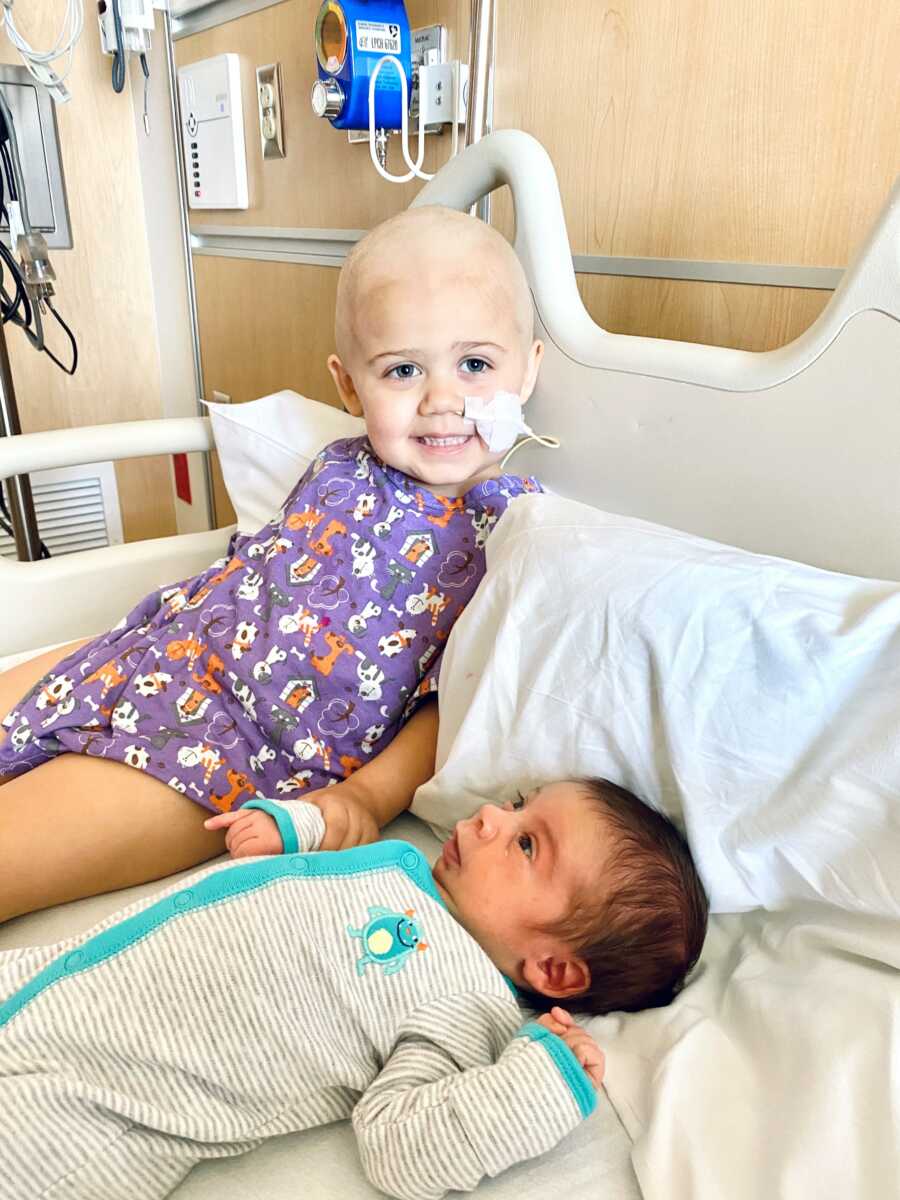
Feeling the isolation, I decided to share Charlie’s journey on Instagram. I didn’t expect much, but our community has grown to over 6,000 followers, many of whom genuinely care, support, and even relate to our struggles. Sharing her story was a difficult decision, but after learning how drastically underfunded childhood cancer research is, I felt compelled to advocate. Childhood cancers receive only 4% of government cancer research funding, leaving families to navigate outdated treatments designed for adult bodies, often causing lifelong side effects. Some cancers have no effective treatment at all, resulting in a 0% survival rate. This is unacceptable—children like Charlie deserve more than 4%.
To put it in perspective, Starbucks makes as much money as the National Cancer Institute spends on childhood cancer research annually in just five days. The 4% is stretched over more than one hundred pediatric cancer types and subtypes. Families, many of them parents like me, are the ones pushing for change because witnessing children in pain is unbearable. Relationships with friends and extended family often change; people step back because they don’t know how to cope with the horror. I’ve been there myself. Pediatric cancer isn’t rare—1 in 285 children will be diagnosed before adulthood. We fight so that future children won’t hear, “There isn’t anything else we can do,” but instead, “This will work. There is a cure.”
Charlie is currently on a unique protocol, combined with another German protocol never used before. Doctors are doing their best to give her the best chance at a normal life, but the uncertainty is constant. Living in that uncertainty is exhausting; I constantly worry about the future, seeing friends bury children and fearing the same fate for Charlie. It forces me to live more in the moment, to appreciate life, and to prioritize my own health so I can care for my three children. I still struggle with PTSD, anxiety, and depression, but I am working on healing and moving forward.
If you are a parent facing cancer with your child, know this: you are incredible. You are enduring a nightmare no one should face, and your best is enough. Better days are ahead. And if you want to make a difference, please consider joining the movement for more childhood cancer research funding. Our petition is already making strides and has even caught the attention of the White House. Charlie deserves a future with hope, with cures, and with a chance at life—just like every child fighting this battle.