Trigger Warning: This story contains details and images of child loss that may be triggering.
I realized I wanted to become a surrogate the day I sat feeding my newborn baby, scrolling through the news on TV. The Supreme Court had just ruled that same-sex marriages were legal in all 50 states. My heart swelled with joy for this monumental step toward equality, but it also ached—how unfair it felt that some people had to fight so hard just for the chance to become parents. In that moment, I recognized how incredibly easy my own path to motherhood had been, and a deep desire grew inside me: I wanted to help someone else experience the joy of holding their child for the first time. That was when I knew surrogacy was calling me.
Timing was important, so I waited, revisiting the thought now and then, until life aligned in a way that would allow me to fully commit. By then, my son was in preschool, and I had embarked on a career change that brought less stress and more time at home—exactly what surrogacy demands. I researched the requirements to become a gestational carrier: being between 21–42 years old, having at least one uncomplicated full-term pregnancy, maintaining a healthy BMI, and leading a stable, healthy lifestyle. I met them all. In January 2019, I chose United Surrogacy as my agency—a decision that would prove to be a lifeline of knowledge, guidance, and support throughout this journey.
After reviewing my medical history and filling out my profile, I was introduced to Rick and Sonny (names changed for privacy). From the very first moment, I knew I wanted to help them. Their profile radiated love and hope for the family they longed to create, and I still keep it today. They lived in Israel, where same-sex couples couldn’t legally marry, adopt, or pursue surrogacy. Knowing their story brought me back to the reason I first wanted to help others experience parenthood. They deserved every joy a child could bring, and I wanted to help make that possible.
We connected over Skype, diving into long, heartfelt conversations about our families, relationships, and the heavier topics—genetic testing, pregnancy complications, and views on termination or selective reduction. These were not easy discussions, but being fully aligned on every possible scenario was essential. Once we were officially matched, we all underwent psychological evaluations with a specialist experienced in surrogacy. The goal was to ensure we were emotionally prepared and equipped with tools to navigate anything unexpected along the way.
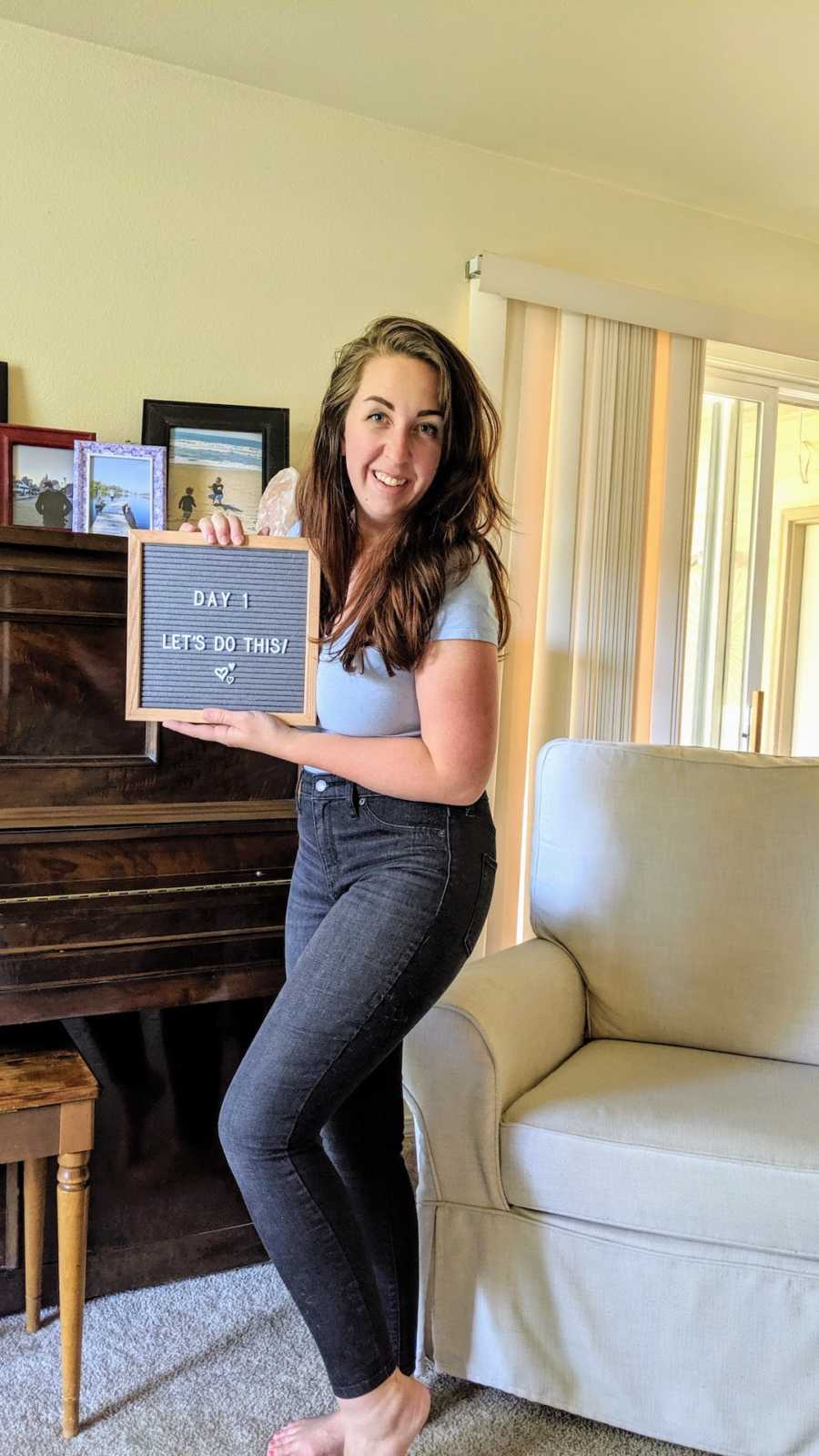
As a gestational carrier, I had access to therapy services throughout the process and postpartum—a support that proved invaluable. After our evaluations, I had a medical clearance exam with the fertility clinic to confirm I was fit for IVF. Rick and Sonny had already created embryos with the help of an egg donor, so all their medical steps were ready. Once I received clearance, we finalized our legal contract—a smooth process since we had already discussed the major points in depth. With that done, I was ready to start an IVF cycle.
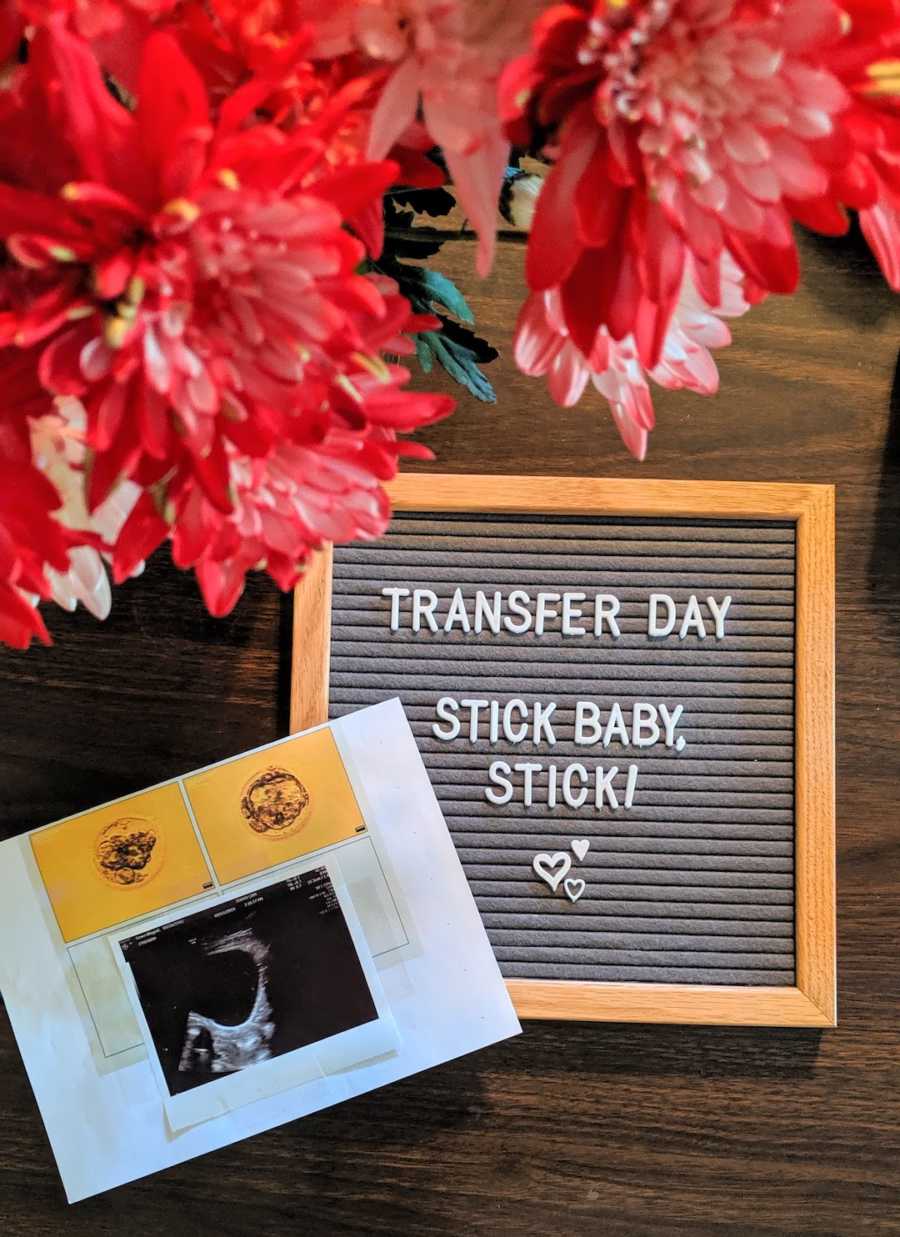
IVF is grueling, one of the most exhausting and emotionally taxing experiences I’ve ever endured. Precise timing of shots, unpredictable side effects, and hormonal surges can leave you feeling completely unhinged—sleepy, dizzy, nauseated, and emotional. But I focused on the reward: the possibility of seeing Rick and Sonny hold their baby. On July 11th, 2019, we transferred one perfect embryo. Even with a high-quality embryo and perfect preparation, only about 60% progress to a viable pregnancy. We were in that fortunate 60%. I was pregnant!
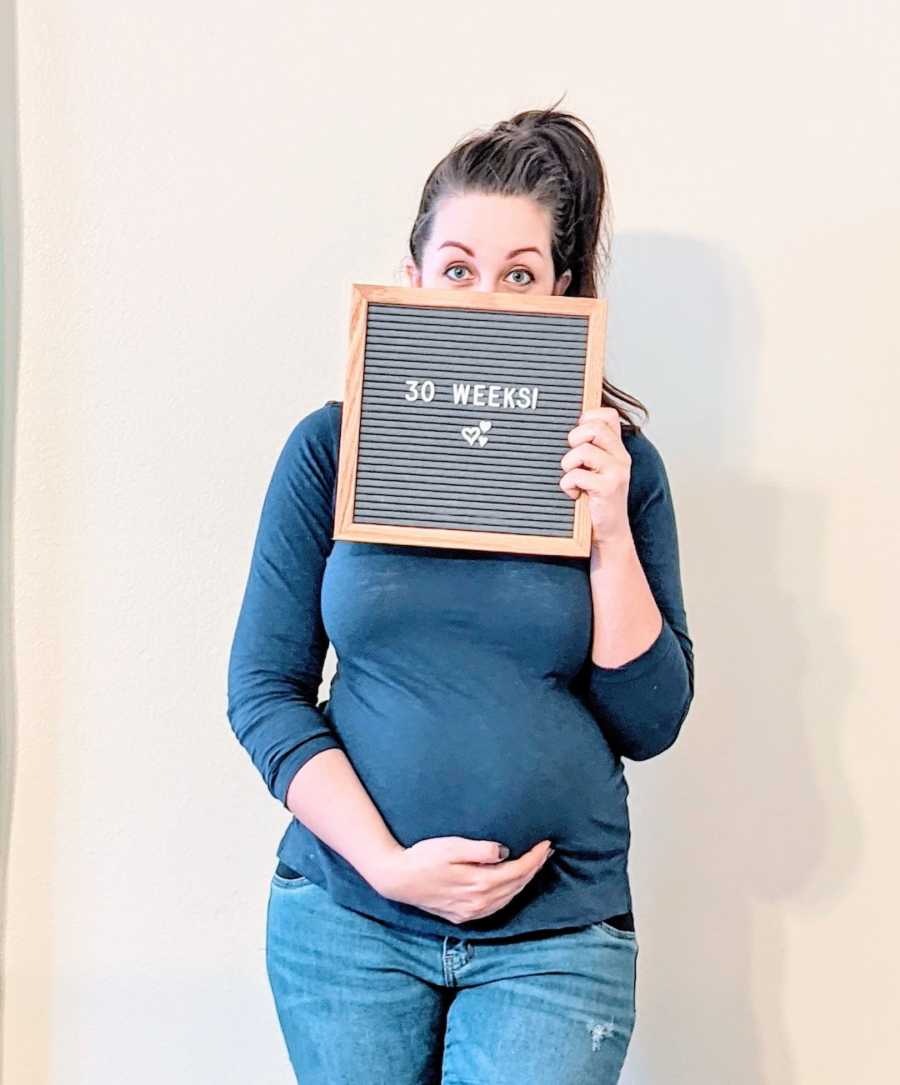
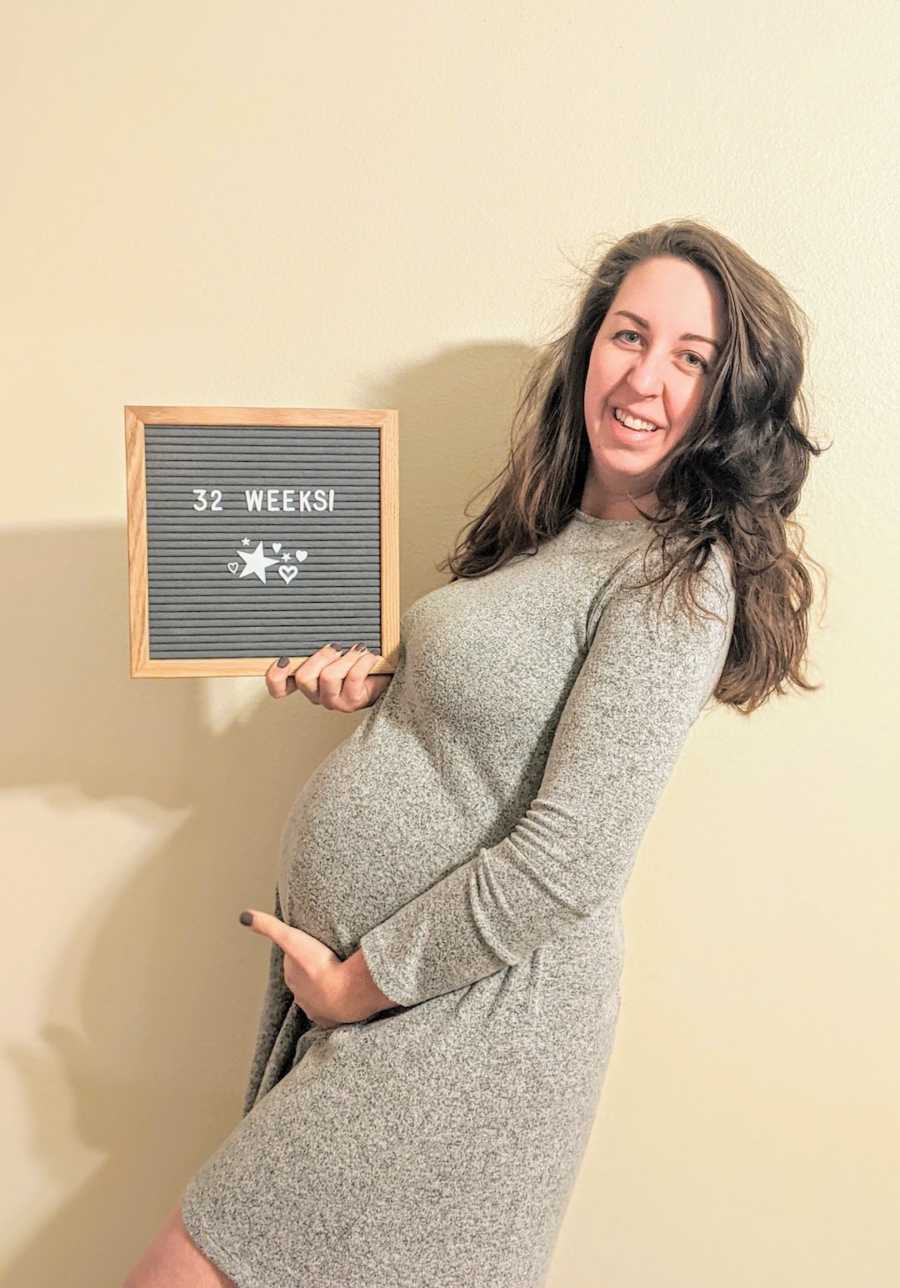
Throughout the pregnancy, I underwent frequent ultrasounds and blood tests to ensure everything was progressing. I experienced the expected exhaustion and nausea, which faded at the start of my second trimester, leaving me feeling energized and healthy. Sharing belly photos and updates with Rick and Sonny brought me immense joy, and seeing their excitement as our due date approached made every difficult moment worthwhile.
My due date was March 28th, 2020, just two days after my birthday. I secretly hoped for a little birthday buddy. By then, my hospital bag was packed, forms completed, and my birth plan ready. I had an unmedicated birth with my son and wanted the same experience again—fully aware, fully present, and pain-free in spirit. Over FaceTime, I watched Rick and Sonny prepare the nursery, counting down the days to meet their baby.
But about a week before their planned arrival from Israel, the unthinkable happened. At 35 weeks, I felt him stop moving. Panic surged through me as I rushed to my OB and midwives. Their confirmation hit me like a physical blow: no heartbeat. My first thought was, How will I tell them? I had a strong support system—my husband, my midwives, the agency, and close friends—but I couldn’t bear anyone else delivering the news to them. I sent a simple text, “Call me when you wake up,” and waited through the night, dreading the heartbreak I would see on their faces.
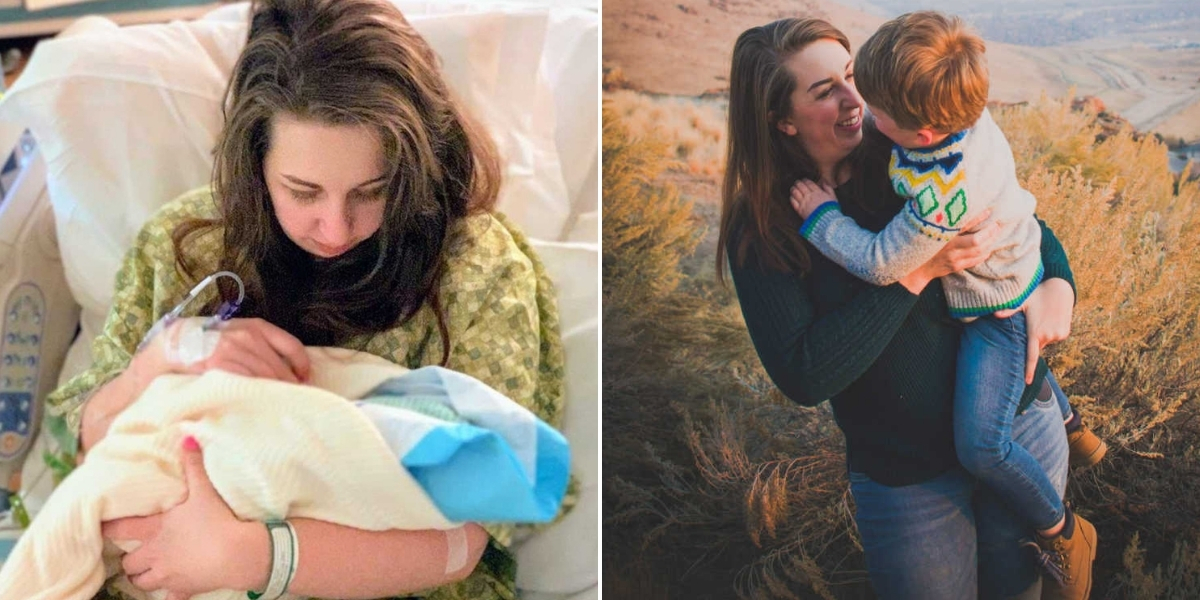
The next day, I took my son for a “Mom and Me” day before my induction. At a children’s play gym, I felt every gaze, imagining they thought, “She’s about to pop!” They had no idea there was no baby inside me. For my own mental and physical safety, induction was necessary that evening. My doctor promised all the pain relief I wanted, but I felt numb—I couldn’t comprehend enduring physical pain on top of emotional devastation. I barely remember the labor, but I do remember cradling Jonathan, holding on to the hope it was all a mistake, longing to hear his cry.
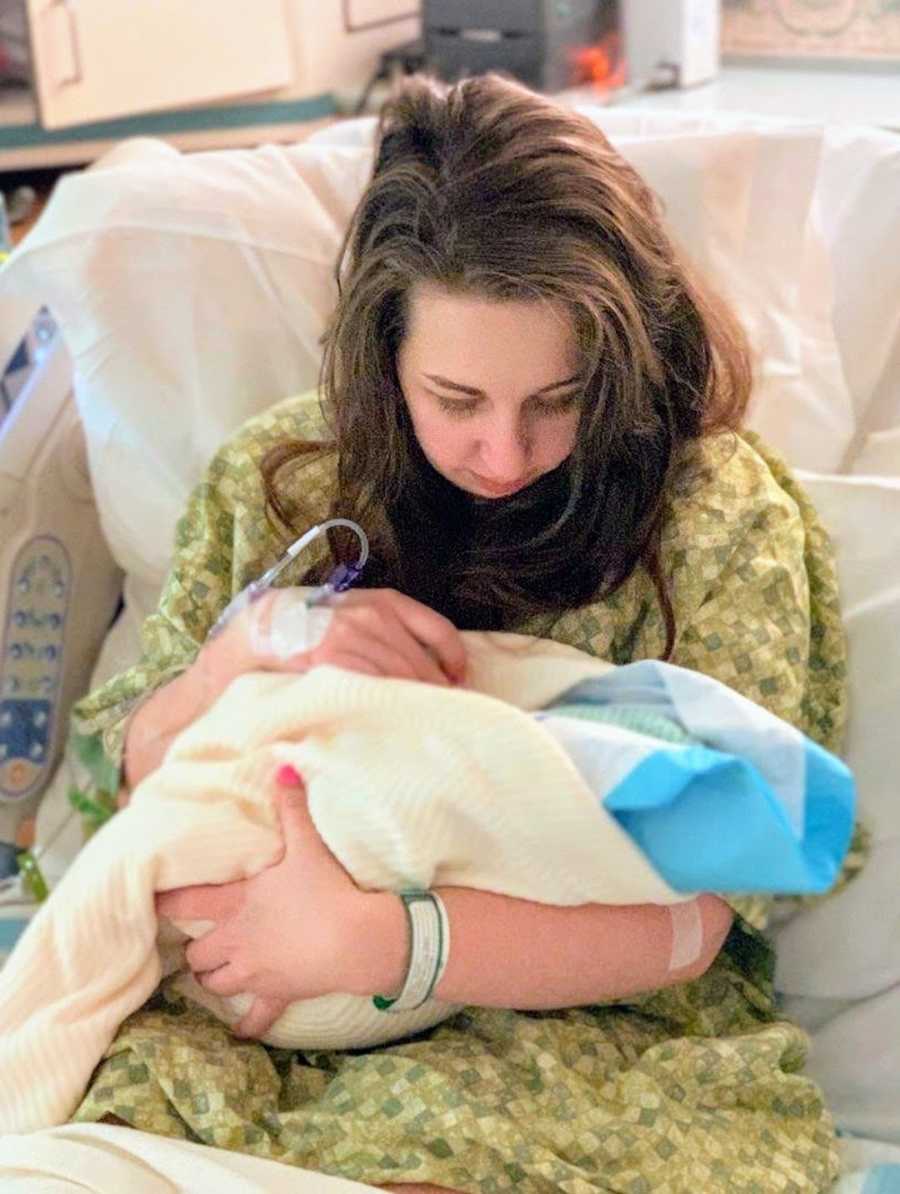
I tried to give him all the love and words his daddies would have shared. I said goodbye to his perfect little face, still damp with tears. My husband never left my side, curled on the tiny hospital loveseat, insisting it was comfortable. Hours later, my midwife, exhausted from a long shift, offered the most profound, healing hug. I dozed off feeling both devastation and comfort, surrounded by love.
On FaceTime with Rick and Sonny, none of us knew what to say, but none of us wanted to hang up. We grieved together, forming an unbreakable bond despite the distance. Family and friends provided unwavering support, and physically, my postpartum recovery was smooth. Emotionally, the journey continues. Jonathan’s death was diagnosed as a cord accident—his umbilical cord was only 11 inches long with a velamentous insertion, constricted at the insertion point. Every doctor and autopsy confirmed it was a terrible accident, beyond anyone’s control.
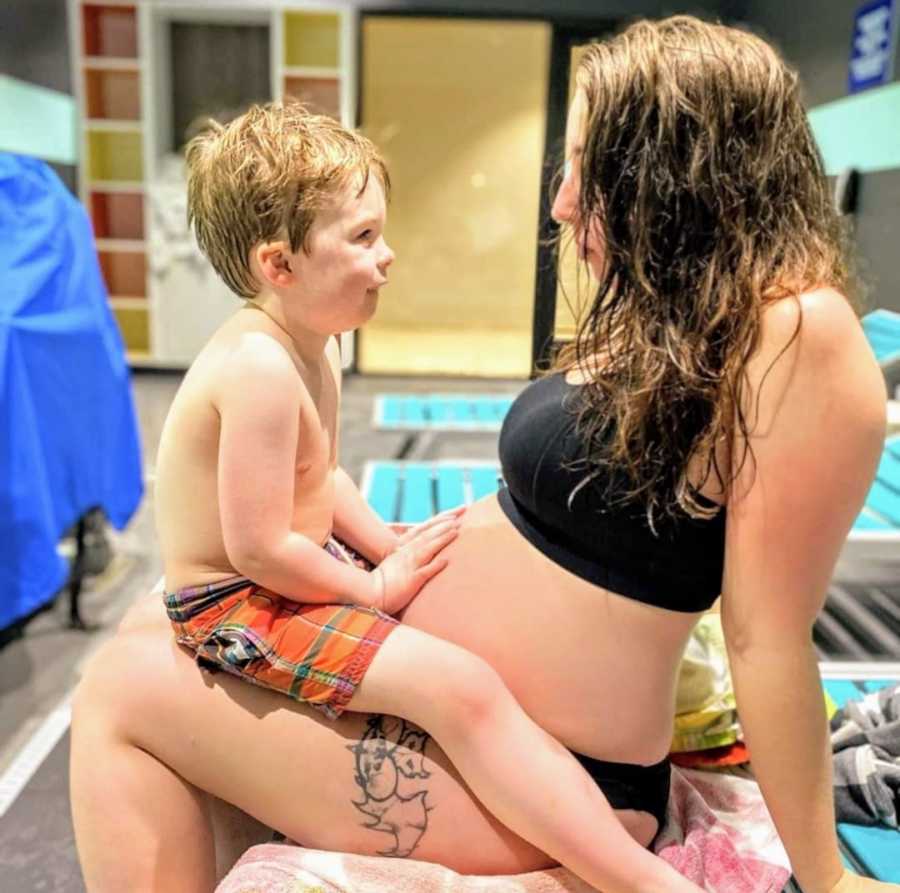
Fortunately, the cord accident is not genetic, so Jonathan’s embryo siblings are not at increased risk. Everything about the umbilical cord and placenta formation was beyond my influence as a gestational carrier. Though frustrating, knowing it was uncontrollable is also comforting. My bond with Rick and Sonny remained deep, and in August 2020, about six months postpartum, they asked if I would carry another baby for them. I was honored by their trust.
The next embryo transfer in March 2021 resulted in a blighted ovum, where the gestational sac develops without an embryo. Now, as we prepare for a third IVF attempt with a planned transfer on July 15th, 2021, I feel a profound sense of hope. The date so closely mirrors Jonathan’s original transfer two years prior, and I can’t help but feel he is guiding us, helping his daddies finally bring a baby home.