On Christmas Eve of 2018, my husband Brian and I received the most beautifully terrifying news: despite our decision to stop at two children, number three was on the way. At first, it was nerve-wracking, but that feeling quickly gave way to excitement. We were instantly enamored with this tiny baby who would complete our family—our beautiful surprise. What we could never have imagined was just how much of a surprise she would truly be, and how profoundly she would change our lives and the lives of everyone around her.
My first two pregnancies had been far from easy. With our first child, I endured hyperemesis gravidarum, a severe form of morning sickness that never let up. My second pregnancy spared me that misery but brought insulin-resistant gestational diabetes. So when my third pregnancy unfolded completely uneventfully, I felt like I was in heaven. I joked often that I was just waiting for the other shoe to drop because it seemed almost too easy.
Then, on April 18, 2019, at my 20-week anatomy scan, our world shifted. The news was devastating: our baby wasn’t growing as she should. Her left arm was curved, her right leg drastically shorter and underdeveloped. The sonogram revealed a single umbilical artery, which could lead to delayed growth and make delivery dangerous. I sat in the OB’s office, alone, absorbing the shock. Brian had normally been there for every scan, but this time he was at home, preparing for our cruise to celebrate my 30th birthday.
When I shared the news with him, fear and uncertainty filled our hearts. We didn’t know what this would mean for her. Would she be okay? When we returned from the trip, we immediately booked appointments with a high-risk OB and began bi-weekly scans. Over time, they confirmed that her heart was perfect, but her left tibial bone had stopped growing at 15 weeks gestation, causing her foot to club. Her right radius was on its own slow growth curve. Everything else appeared normal, though there are always things you can’t see on a sonogram.
At just one day shy of 37 weeks, I went into labor. Her heart rate began dropping with every contraction, prompting an emergency C-section. On August 12th, 2019, at 11:40 p.m., Delilah made her grand, thrilling entrance into the world.
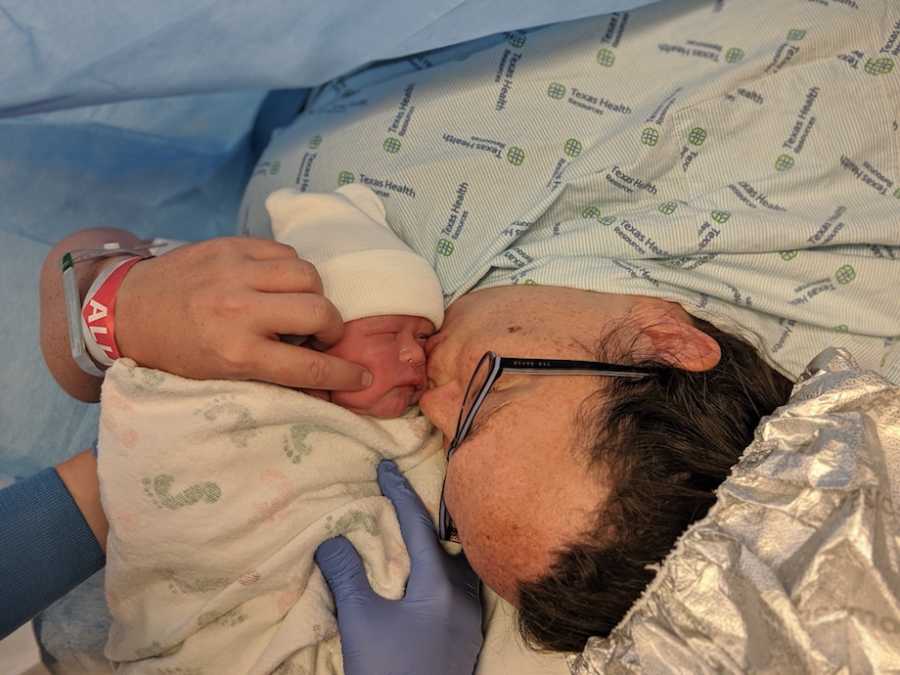
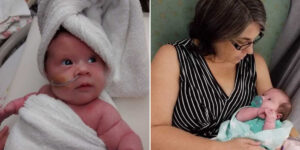
The challenges didn’t end at birth. When the doctors examined her, they discovered far more than her arm and leg differences. Both her hands had anomalies, but the most alarming was her imperforate anus—she had been born without an opening. Delilah was rushed to the NICU, where a tube had to be placed down her throat into her stomach to drain anything she swallowed. She was put on IV nutrition and hooked to countless monitors. The next day, she underwent her first surgery to create a colostomy.
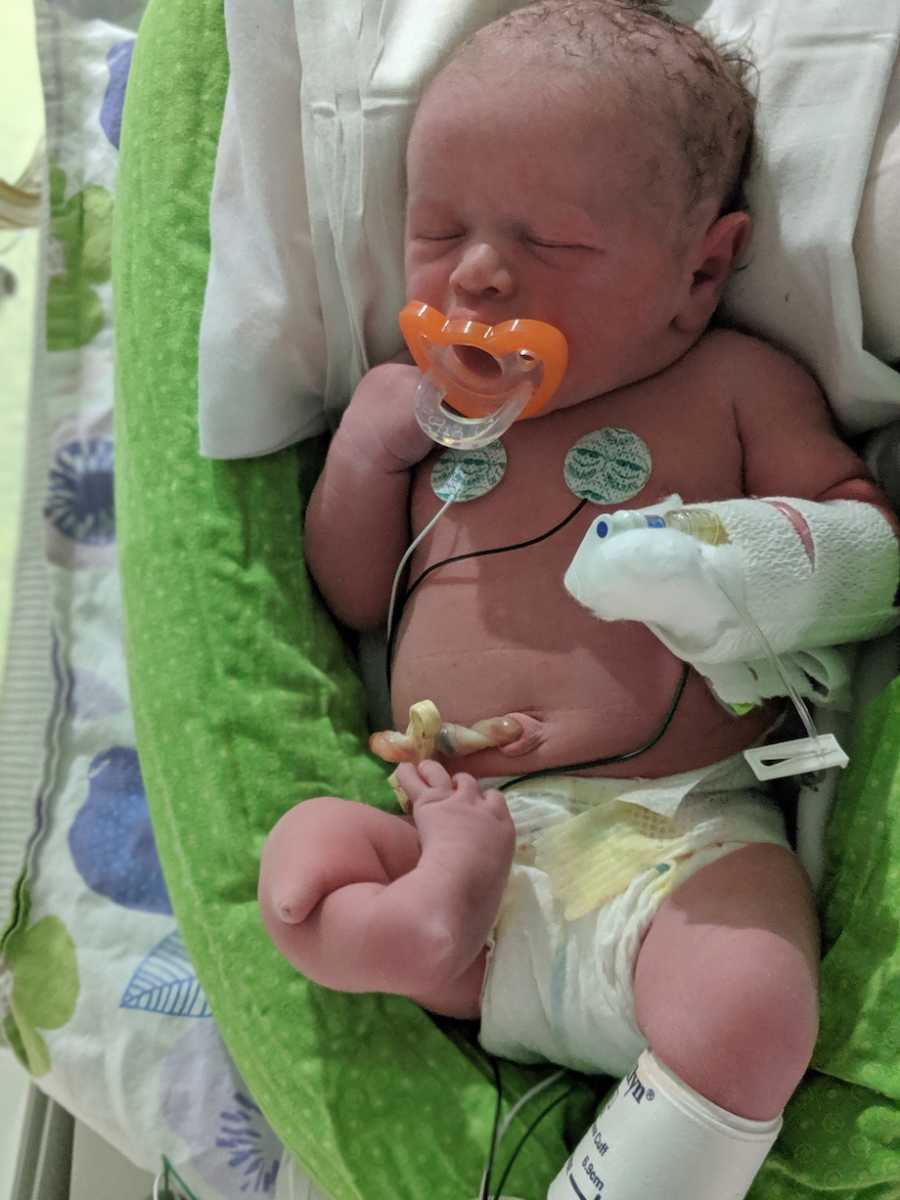
By the time she left the NICU at one month old, she had already endured two emergency surgeries, countless X-rays, stalled growth, and six diagnoses under the rare and complex umbrella known as VACTERL Association. As she has grown, additional diagnoses have been added. She has persistent cloaca, meaning her urethra, rectum, and vagina—normally separate—were all fused into one channel. She has a neurogenic bladder, requiring us to catheterize her twice a day to prevent kidney damage. She experiences nearly constant UTIs.
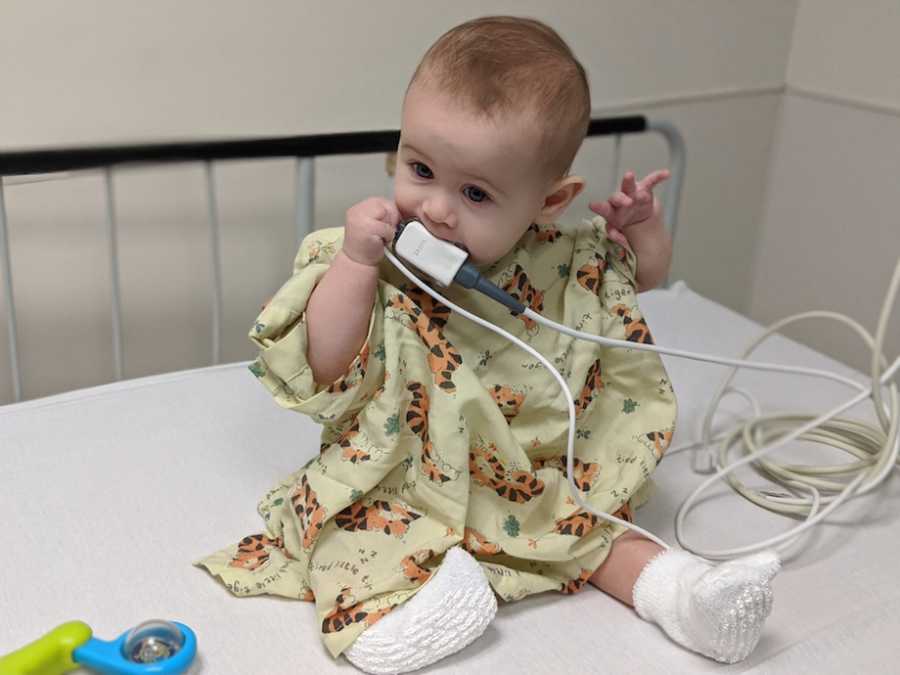
The limb differences we saw in utero became even clearer: she has tibial hemimelia, leaving her tibia disconnected from her ankle and causing her foot to club. Her fibula floats to the side. Caudal regression syndrome means her spinal cord stops short of where it should. She has radial dysplasia and a hypoplastic thumb, along with polysyndactyly—a fusion and duplication of fingers. Mild microcephaly completes a picture so rare, Delilah is literally one of a kind.
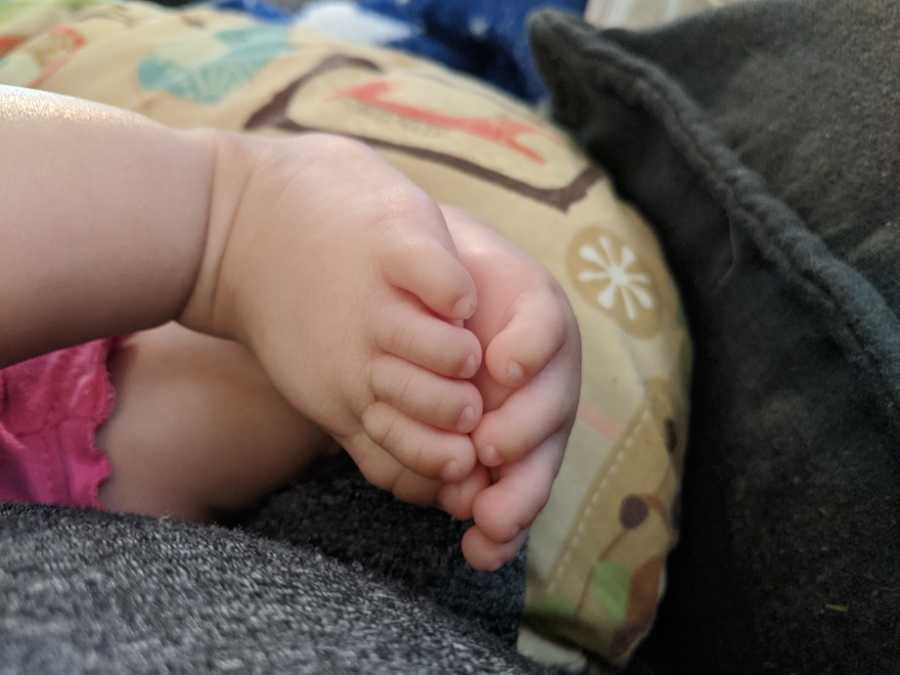
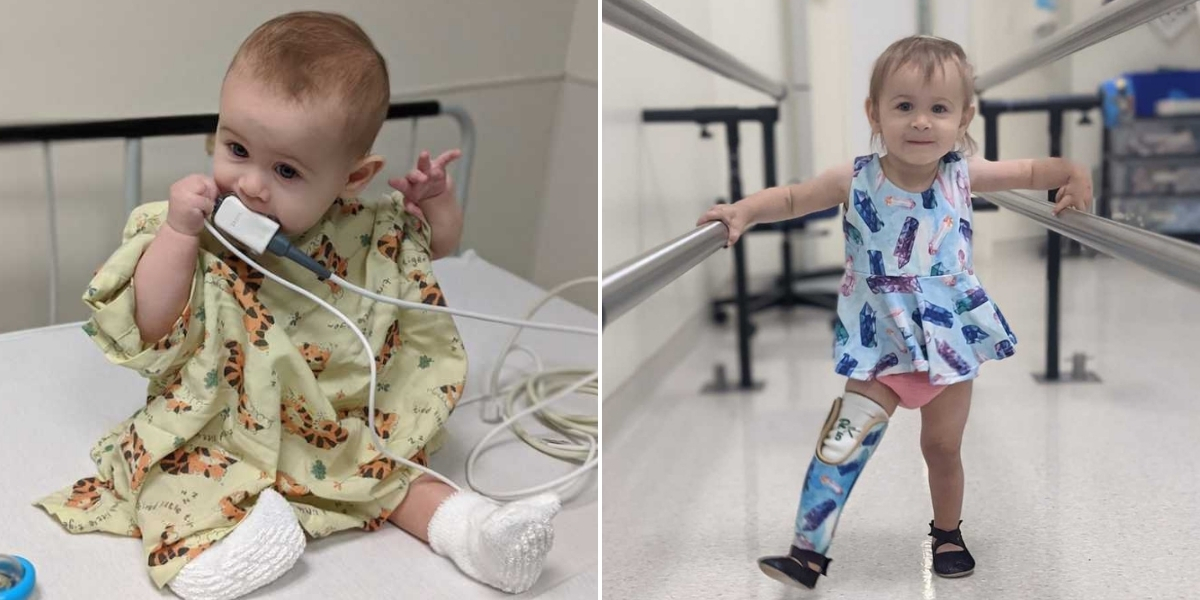
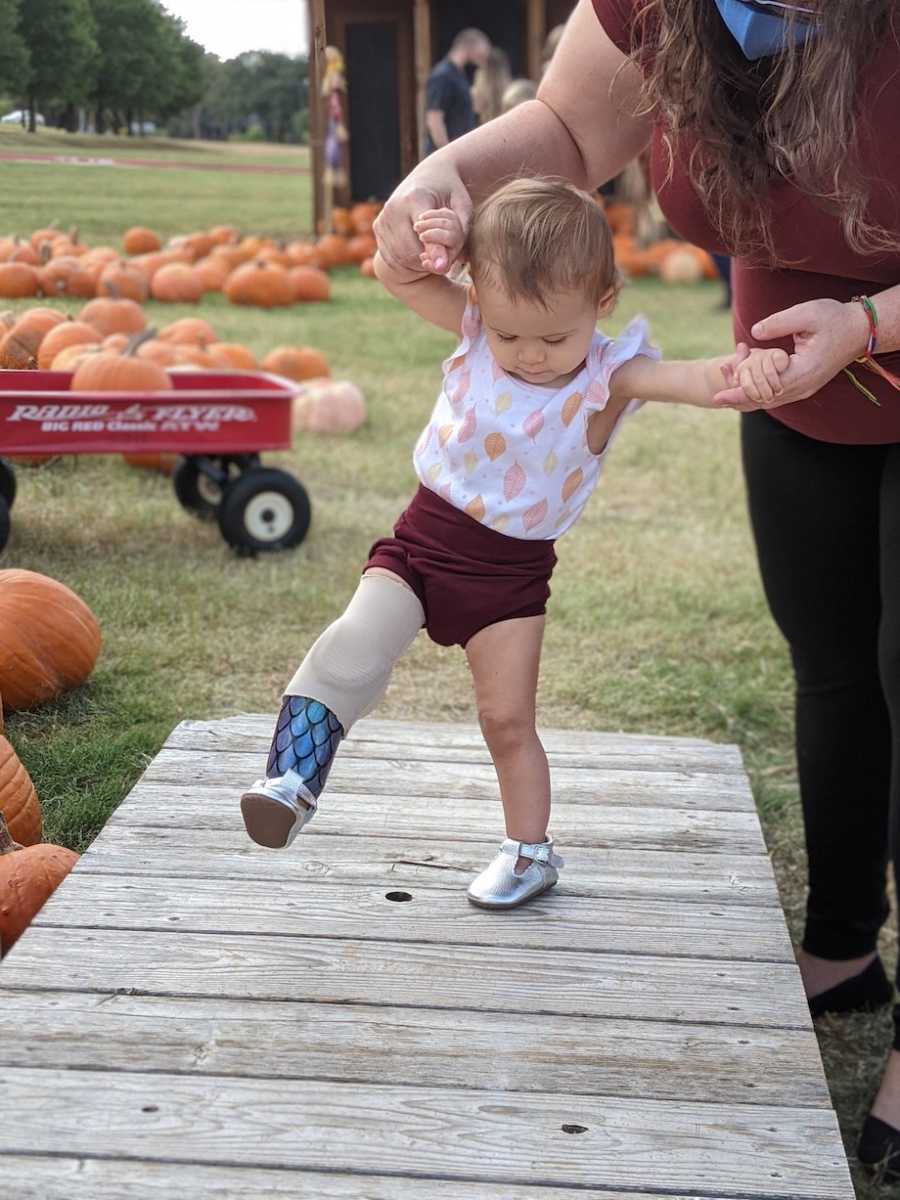
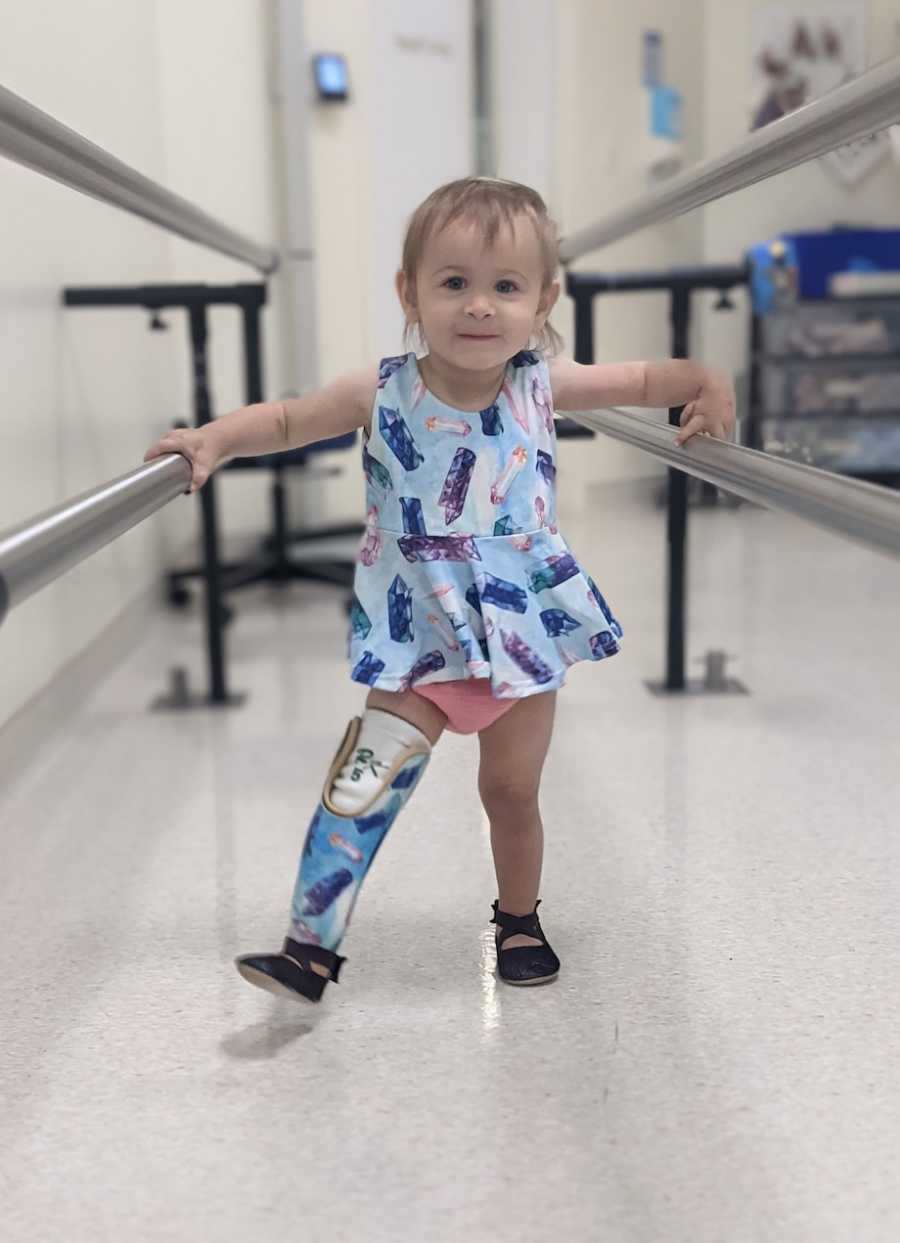
Now, approaching her second birthday, Delilah has undergone twelve surgeries, including major anorectal and urogenital reconstructions. Her colostomy has been reversed, and we celebrate her “Poop-iversary” each year—her first bowel movement through her custom-made anus, affectionately called her Gucci Booty. She had her foot amputated to enable walking, and both hands have been reconstructed with three perfect fingers and a functional thumb on each.
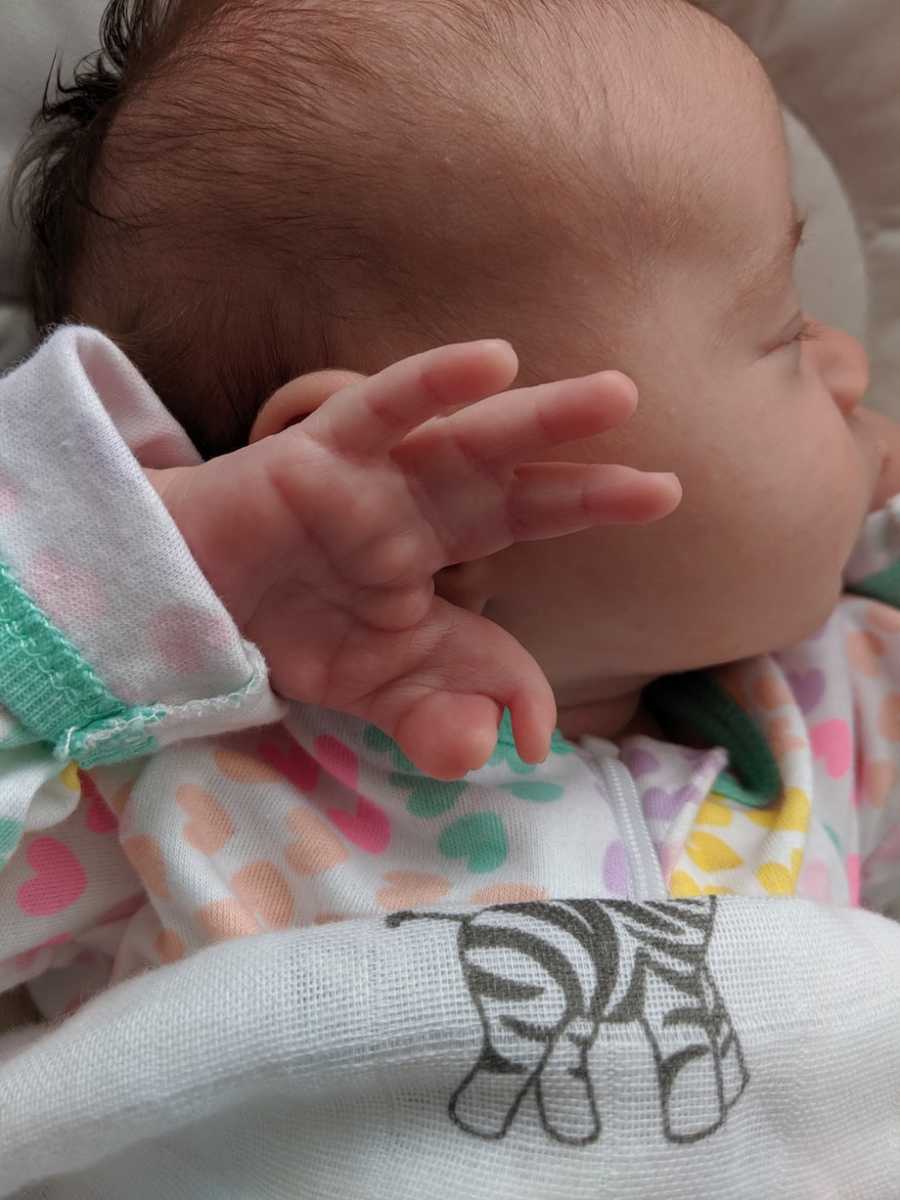
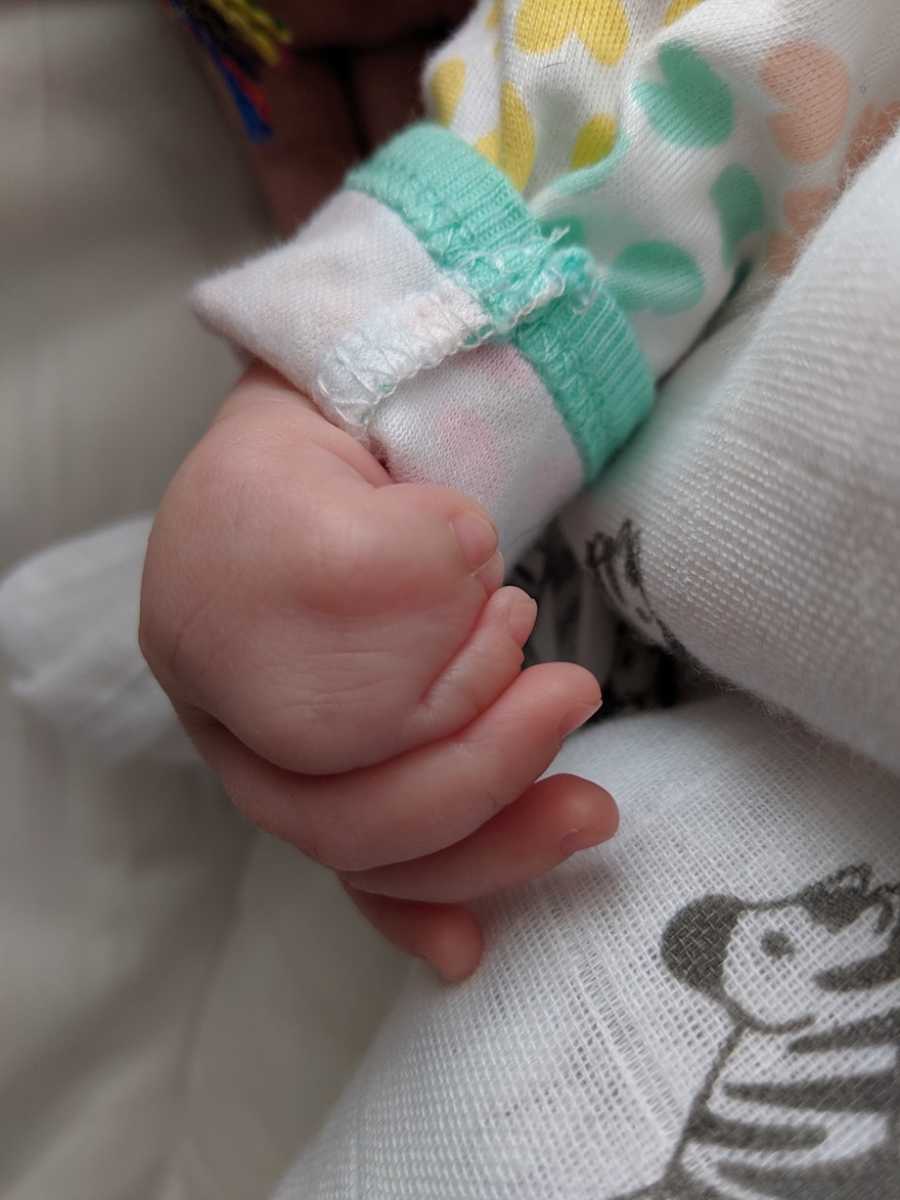
People often say, “I couldn’t do it.” Raising a child with complex medical needs is exhausting, terrifying, and unexpected—but we do it because she needs us. No parent would allow their child to die if they could prevent it. You don’t think about it; you just act. You make appointments, attend therapies, educate new doctors, and even travel across the country to find the best surgeons. You do it all because your child is your world.
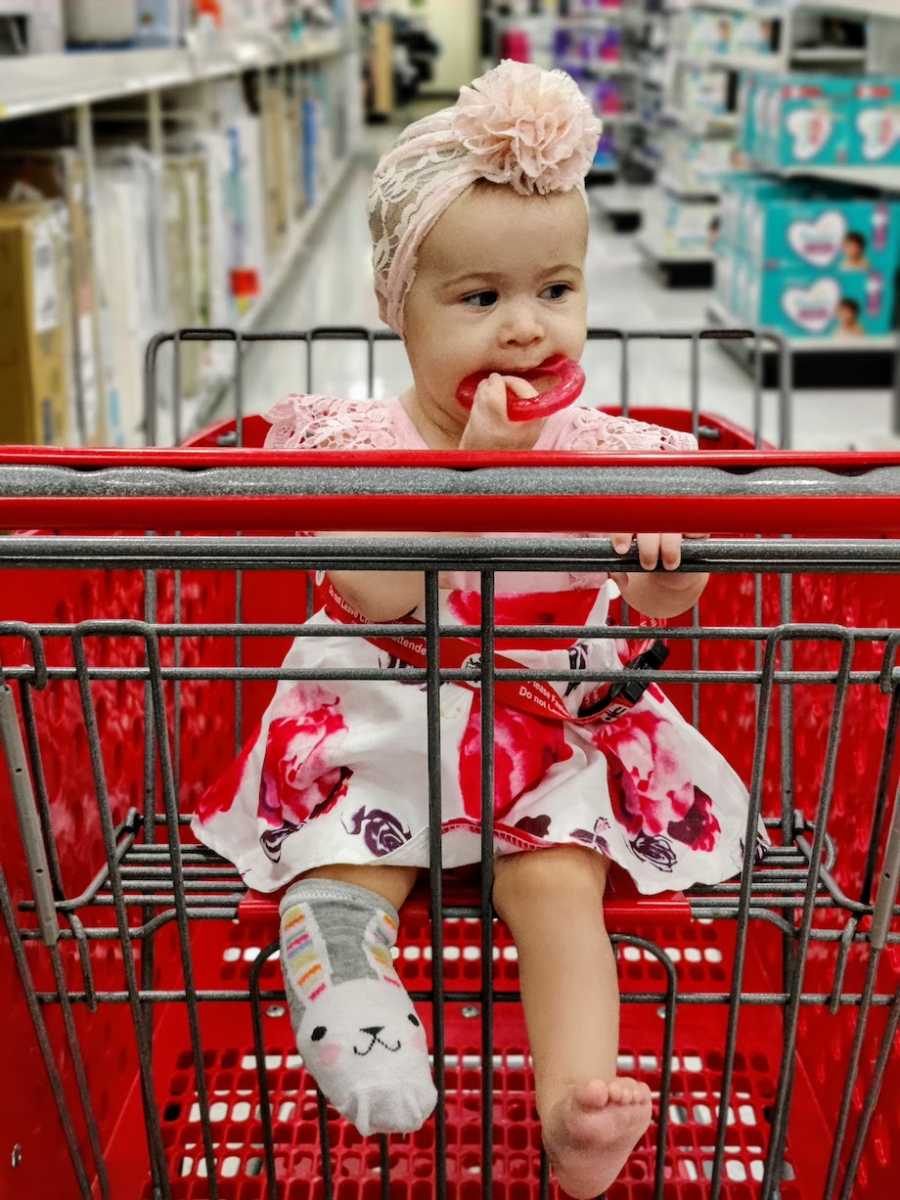
Despite everything, Delilah is a very typical toddler. As I write this, she is downstairs throwing a tantrum over refusing a nap. She loves to color, play with animals, and interact with her siblings. She adores bathtime and hates when it ends. She is fast—whether running on her prosthetic leg or knee-walking during a leg break. But she is not a “poor baby.” She is not broken. She does not need to be fixed. She was born like this, and it is okay.
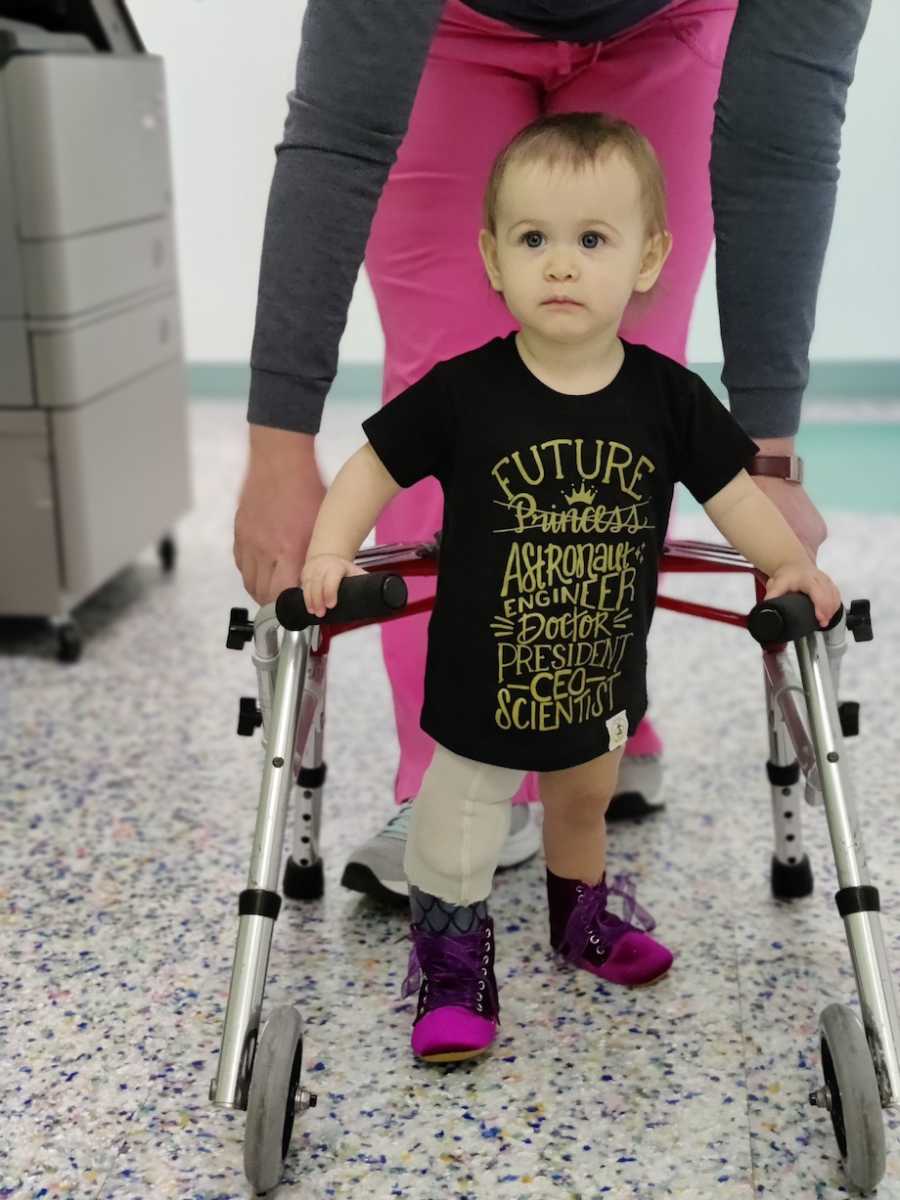
Her differences do not define her. She will face challenges, but she will also thrive in countless ways. She looks different—so what? We all look different. She is perfect. Growing up with a special needs brother taught me invaluable lessons about resilience, advocacy, and love. Now, raising Delilah, that fire has grown stronger: I am determined to help her navigate a world where differences are accepted and normalized.
I look forward to the day Delilah is “boring”—when people stop pointing her out and see her simply as herself. Because being different is normal, and she is perfect just as she is.