An Open Letter to Mothers Struggling with Postpartum Anxiety
My postpartum journey has been a rollercoaster of trials, tears, anger, depression, anxiety, and, most importantly, hope. I hope my story brings even a sliver of comfort to anyone reading this who is navigating what is often called the hardest trimester of all—the fourth trimester: postpartum.
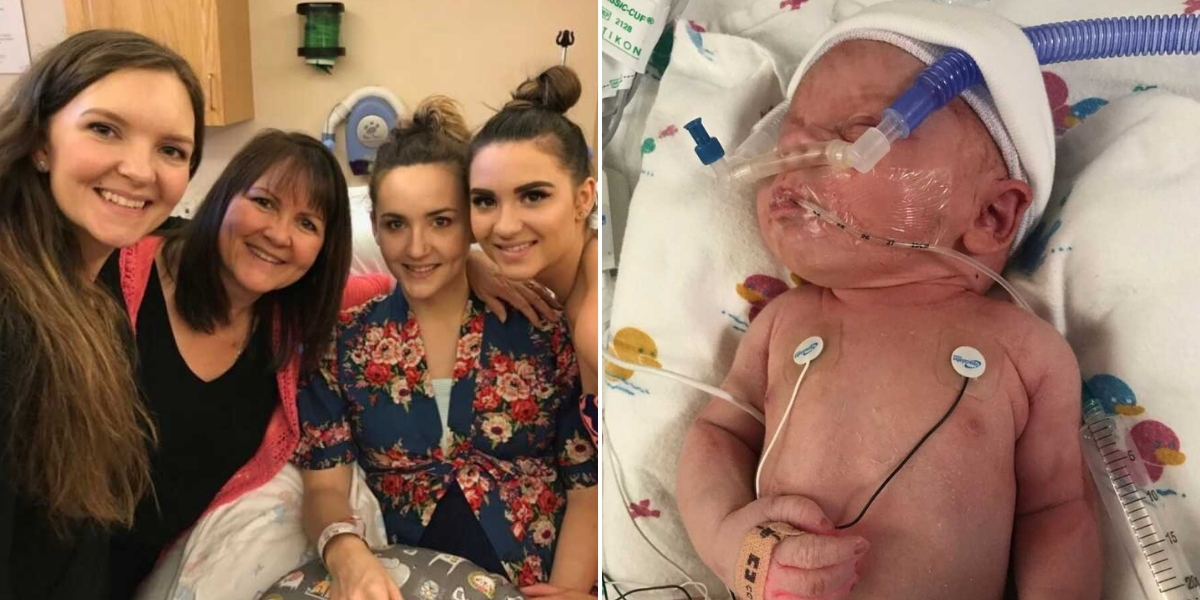
It was Mother’s Day. Just days earlier, I had delivered my son via C-section, and my dream of a home birth had been shattered. My baby contracted Group B Strep, and he was very sick, which made our hospital stay long, exhausting, and emotionally draining.
Breastfeeding was a constant struggle. I was sleep-deprived, disheveled, and completely overwhelmed. My body felt like it had been hit by a truck. I wasn’t okay.
Yet there I was, in a hospital room filled with people who had come to celebrate my very first Mother’s Day. Balloons floated in the corners, flowers adorned every surface, and gifts sat unopened. My sisters and my mom gathered around me to take a photo, and I managed a smile.
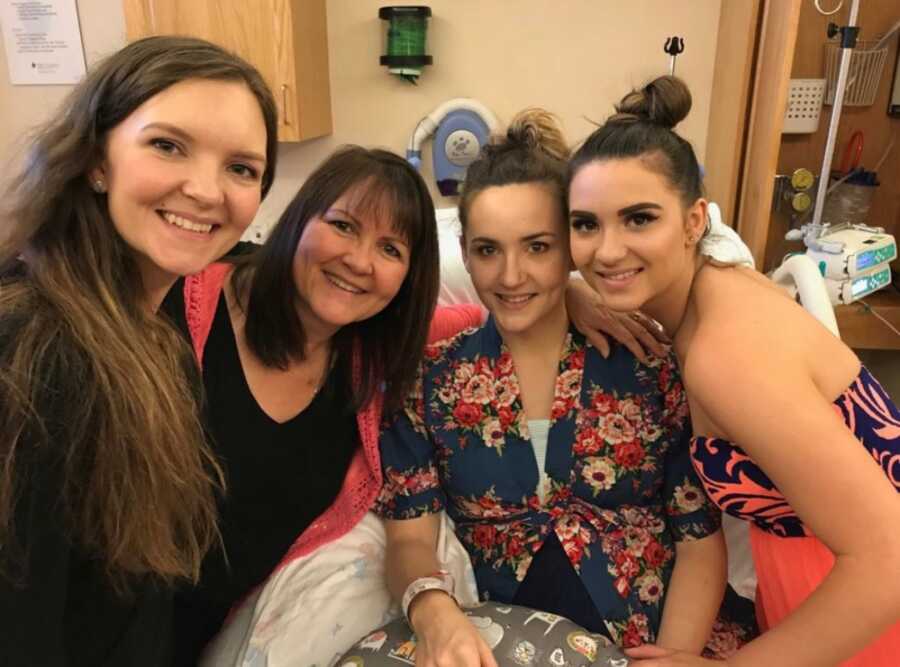
I excused myself to hobble to the bathroom. I shut the door behind me and let the tears flow.
That night, after the visitors had left, I took a shower for the first time since the celebrations. It was just me, my husband, and my son. I painfully waddled from my hospital bed to the bathroom, removed my clothes, and stared at myself in the mirror. My body was swollen from all the fluids, my belly sagged and felt foreign, and blood-stained bandages covered the incision from my C-section.
I stepped slowly into the warm shower, letting the water cascade over me. My emotions surged uncontrollably. I could hear my son crying in the other room, my husband comforting him, and I let tears fall silently down my face. I didn’t know why I felt so sad—I just did. I cried, prayed, and cried some more, letting it all out.
Thankfully, the postpartum depression lasted only a couple of weeks. I am grateful for that brief span of darkness because, during that time, I had started rationing the last of my pain medication, which ironically lifted my mood and scared me even more. But soon, postpartum anxiety arrived—and it was far more persistent.
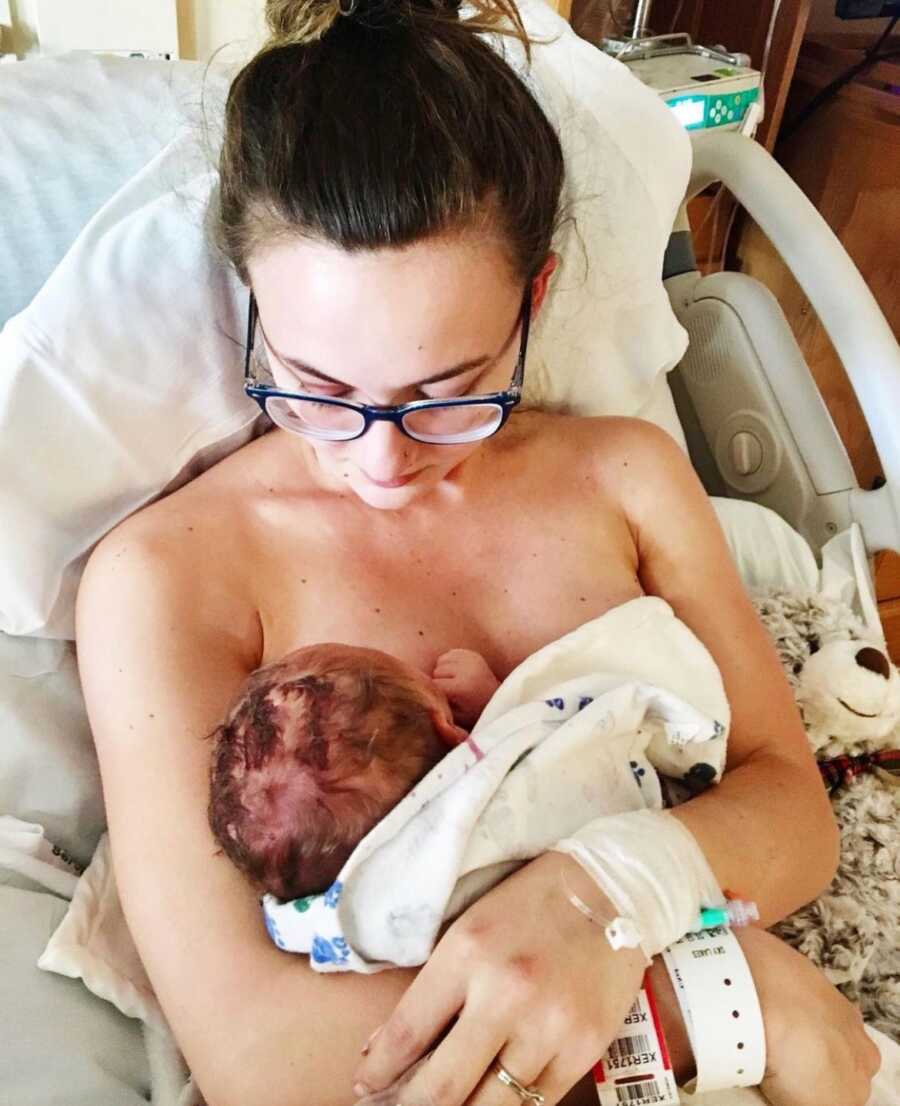
My son cried constantly, breastfeeding remained a battle, and leaving the house became a source of panic. I remember sitting in the rocking chair, on the phone with my mom, in tears and at my wit’s end, unsure what else to do. I felt like every other mom had it easier—their babies smiled while they went about their day, fed effortlessly, and slept through the night. Meanwhile, I was awake five or six times a night, dreading the next feeding, and imagining worst-case scenarios about my baby’s safety—visions of him falling, getting hurt, or worse.
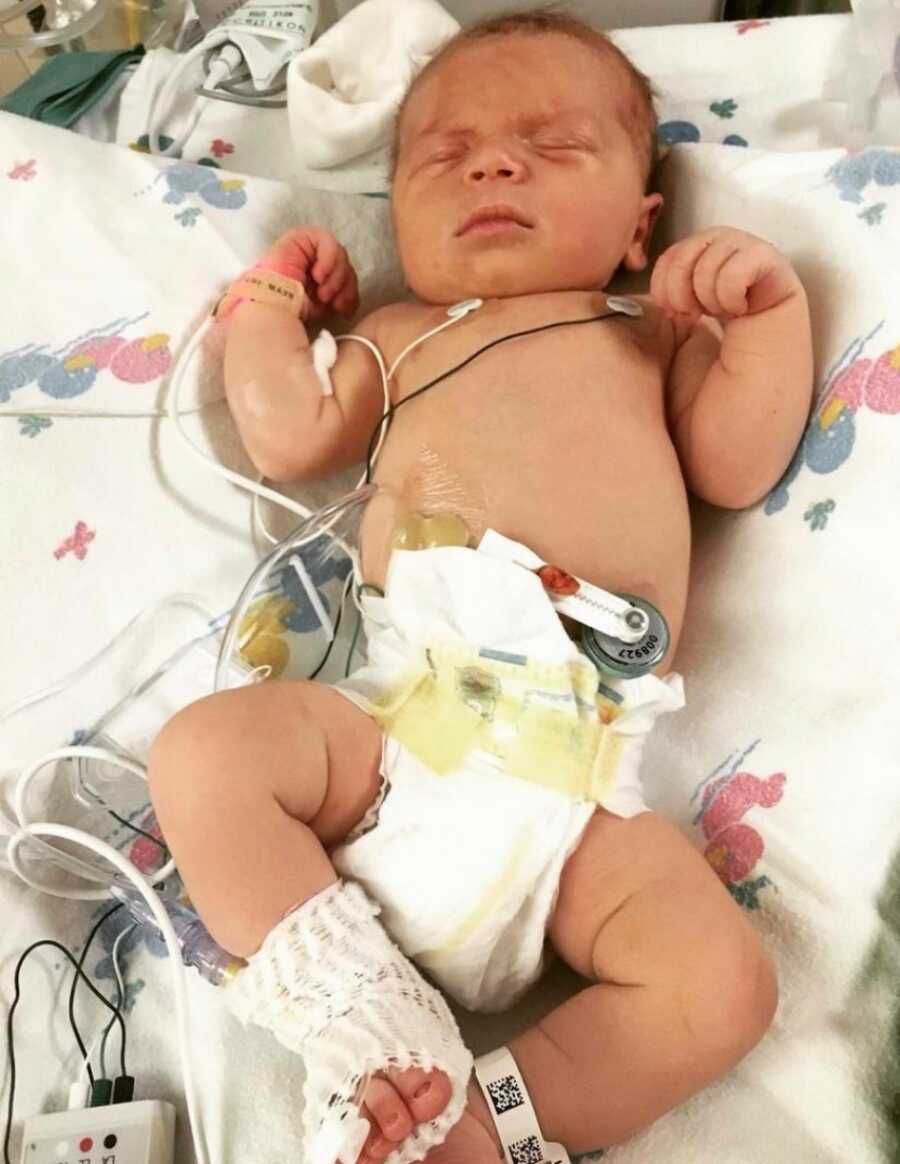
I later realized these terrifying thoughts weren’t a reflection of my love for my son—they were the cruel manifestations of postpartum anxiety. I loved my son more than anything; the anxiety came from fear of losing him, twisting my mind into imagining impossible horrors.
By four months postpartum, breastfeeding finally became manageable, which brought some relief—but just as one storm passes, another appeared: Breath-holding Spells.
It was a normal Tuesday. I was changing my son’s diaper while The Office played softly in the background. When he started crying, I didn’t think much of it—until his lips turned blue and he stopped breathing. Panic consumed me. I picked him up, patted his back, and whispered, “Take a breath. Mommy’s here!”
He went completely still, and I felt as if my world stopped. I began CPR, reaching for the phone to call 911, when suddenly he inhaled. Relief flooded through me, but I was still trembling, confused, and terrified. Doctor visits and tests later revealed he was experiencing Breath-holding Spells—a condition that affects about 5% of children, with no known cause or cure, only coping strategies and time.
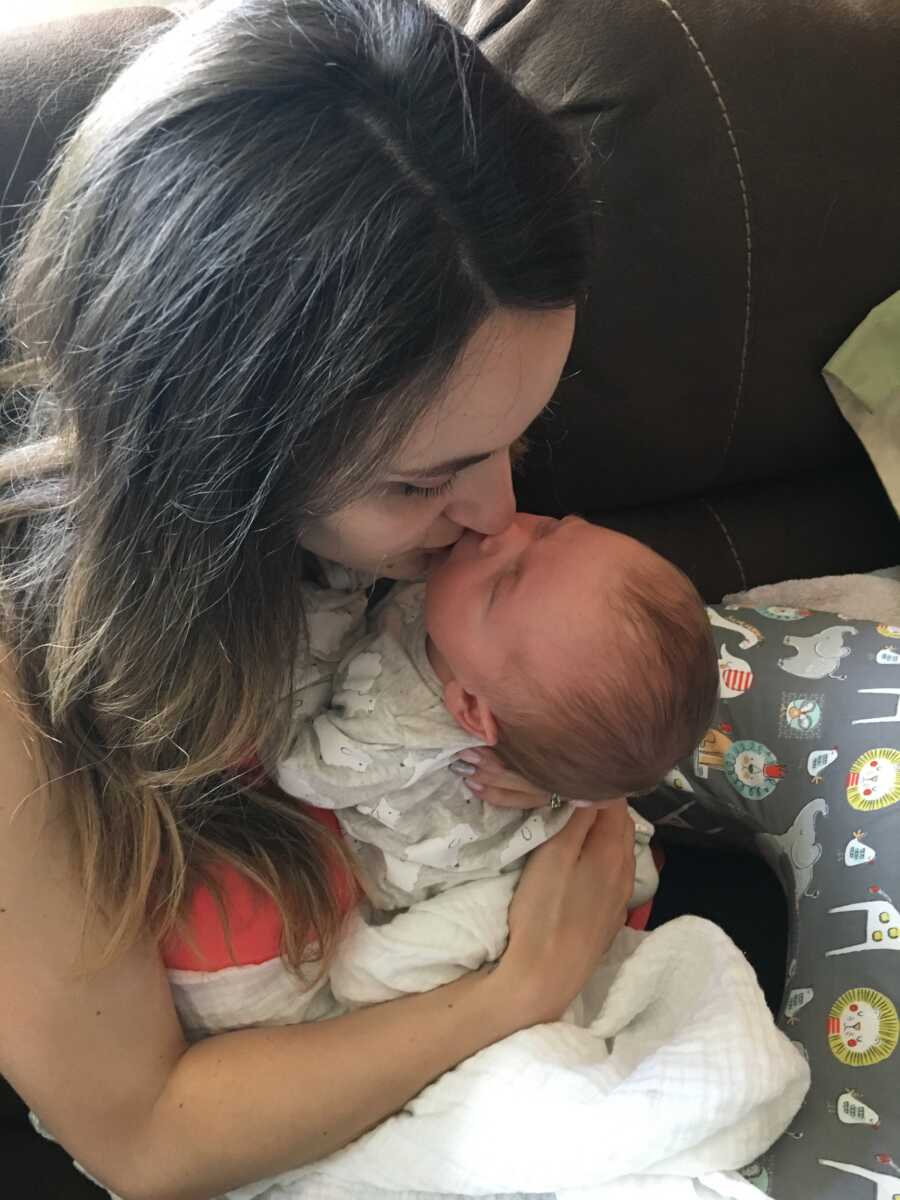
Over the next three years, our son experienced more than 500 of these spells. During the worst months, with 25–30 spells each month, I had to emotionally detach to survive. I would hold my stiff, blue-faced, arch-backed baby, looking away until the spell ended, unable to witness his agony.
These challenges strained my marriage. Plans changed constantly, tension built, and anxiety over leaving the house became overwhelming. For a time, we even questioned if we wanted more children because motherhood was far harder than we expected.
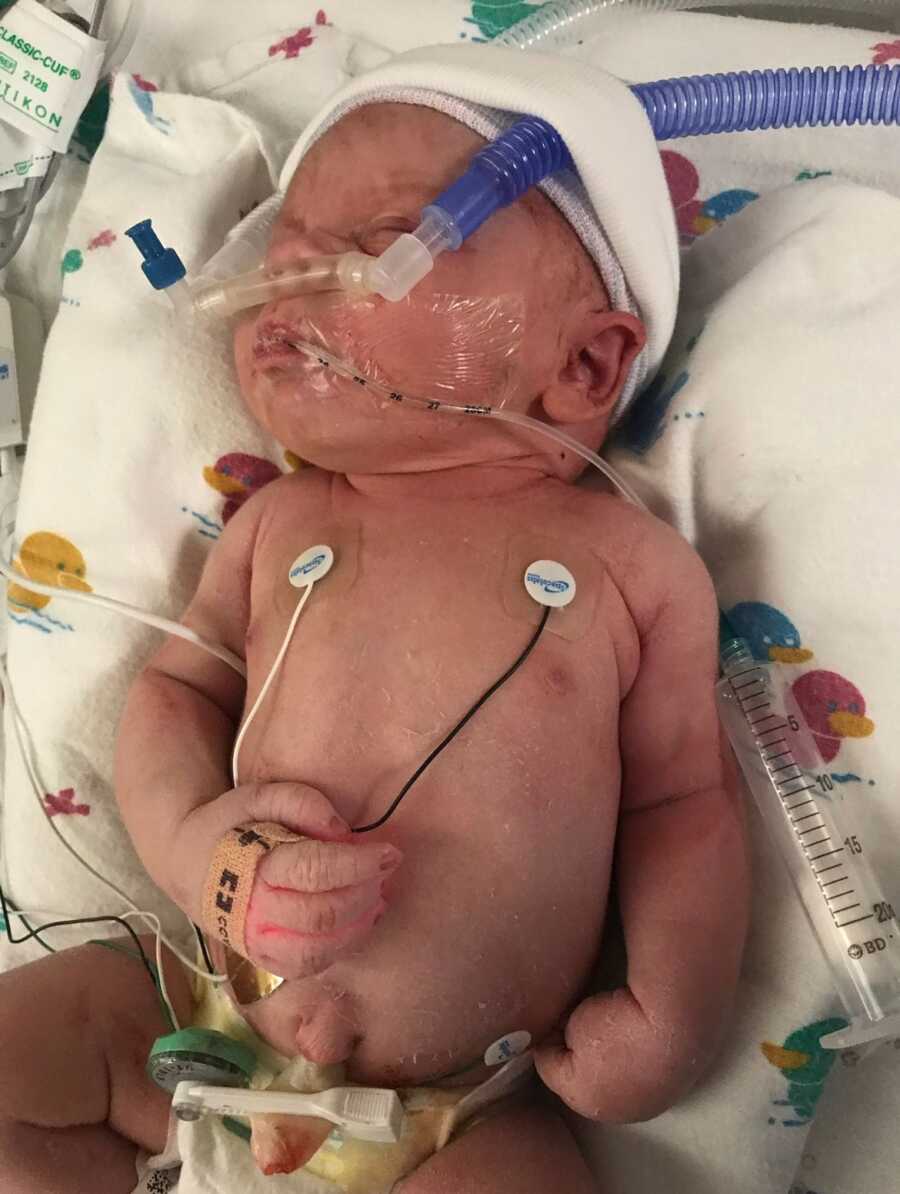
Now, our son is 3 ½ years old, and this is where hope shines through. With time, patience, and support, I gradually found myself again. The Breath-holding Spells occur less often as he grows, and my anxiety has mellowed into what feels like the “normal” worries of parenthood. My husband and I are stronger, and the prospect of expanding our family feels brighter.
Through it all, God has been our peace in the storm. I prayed, I cried, I got angry, and I clung to Him daily. His presence gave me joy amidst exhaustion, fear, and pain. Our son, Ezekiel—meaning “strength of God”—has reminded us to lean on divine strength more than ever.
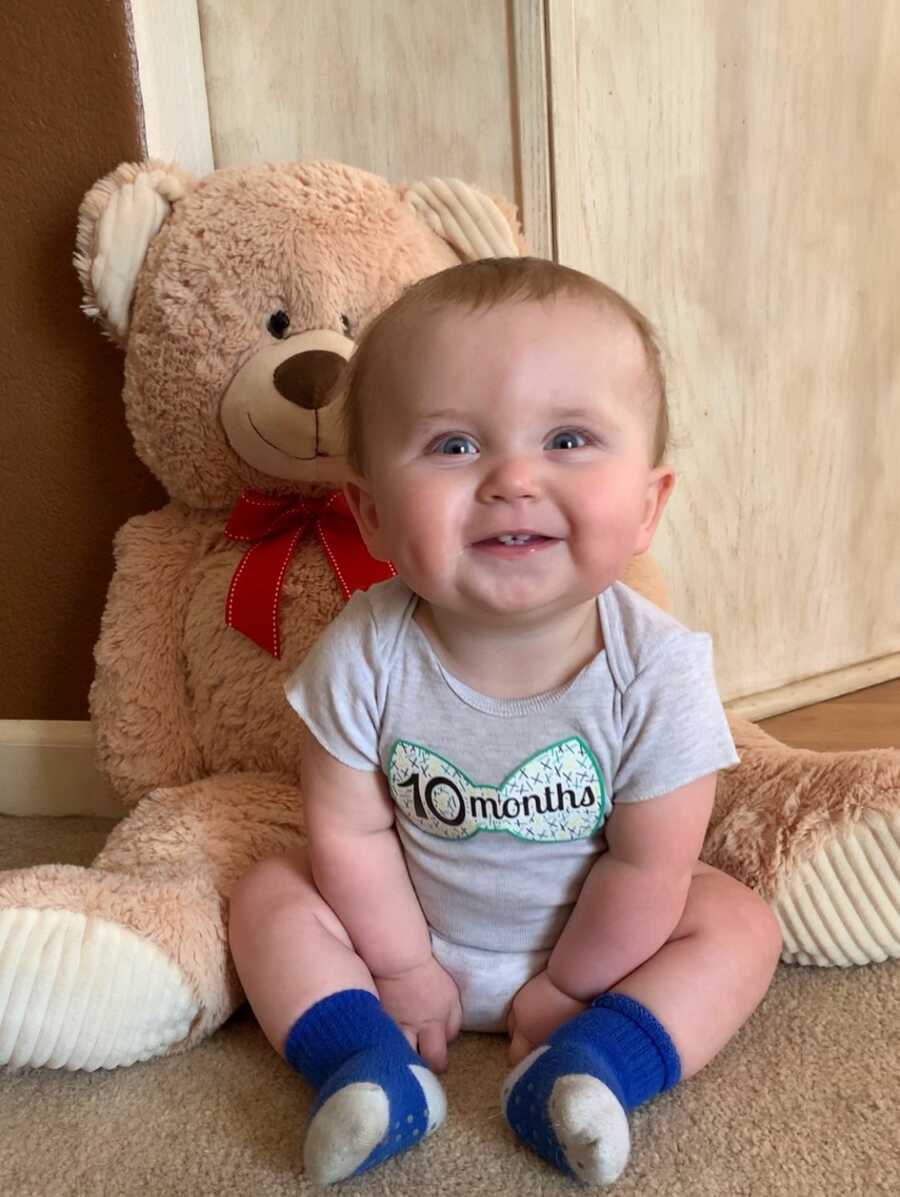
Motherhood is difficult. Postpartum depression, anxiety, OCD, and other mood disorders are real. If you are struggling, know this: you are not alone. Dark clouds will pass, and sunshine awaits on the other side.

You will get better.
You will feel like yourself again.
You may not believe it now—but hold onto hope anyway.
“You will guard your hearts and minds through Christ Jesus, surpassing all understanding.”
—Philippians 4:6-7