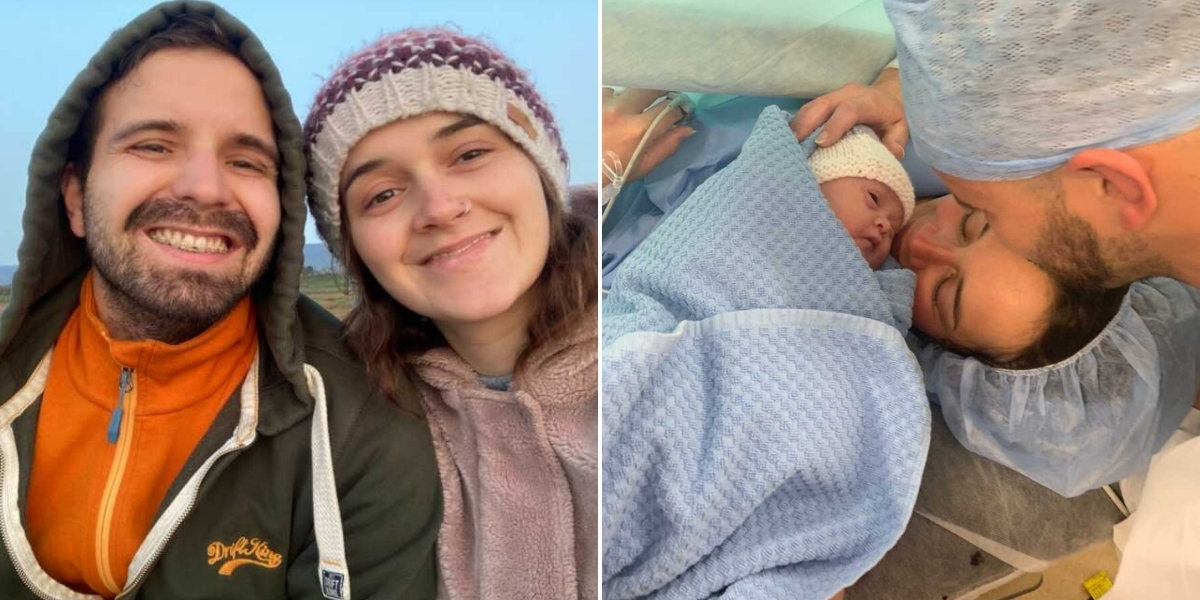
Early on a dark, chilly November morning, my partner, Ross, and I bundled up to take the dogs for a walk before work. The sky was still a deep shade of pre-dawn, and out of nowhere, a shooting star streaked across the horizon. Without speaking, we each made a wish to ourselves. That month, after six months of trying for a much-wanted baby, we finally found out I was pregnant. November 2020 brought a strange mix of joy and anxiety, as the heaviest Covid restrictions were in place and everywhere felt closed off, locked down, and uncertain. Overjoyed, we decided we would share the news with our families and close friends at Christmas, when I would be eight weeks along.
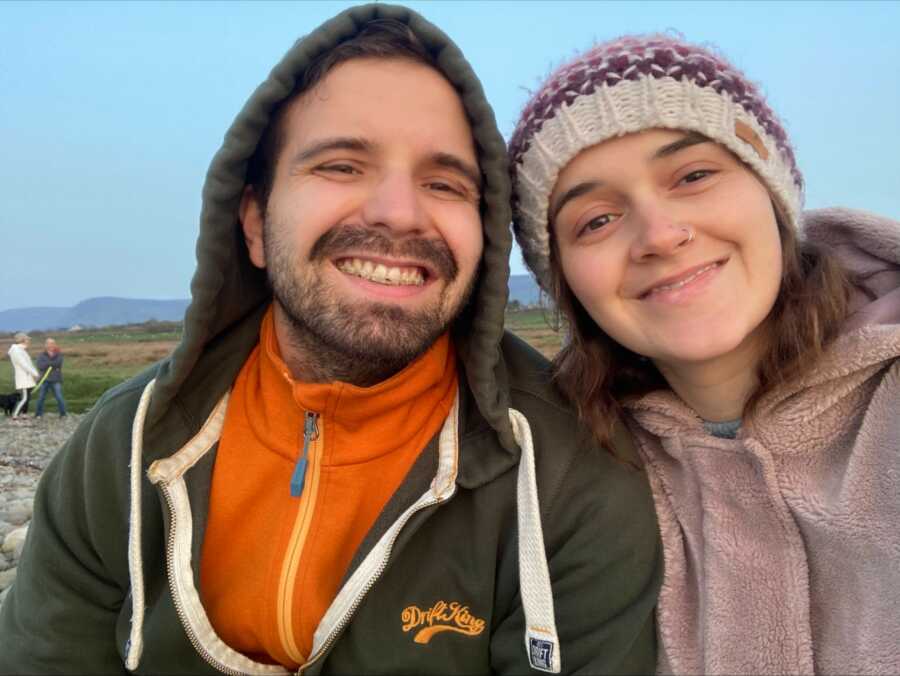
I had been working as a nurse on a busy surgical ward, and as Covid cases surged, Ross and I decided it would be safest for me to leave work for the remainder of the pregnancy. The ward was starting to feel like an unsafe place for our unborn child, and we wanted to protect our little miracle.
Before my 12-week dating scan, we sat at breakfast and had a quiet, serious conversation about the “what ifs”—what if our baby had Down syndrome? It felt like a heavy thought, but something inside told us we needed to acknowledge it. Due to Covid restrictions, I had to attend the scan alone while Ross waited in the car. The sonographer was meticulous, explaining everything as she went, but also seemed to delight in my awe and tears as I saw the tiny life growing inside me. “I can’t believe there’s someone in there,” I kept whispering, my hands clutching my belly, my heart full.
It was my first pregnancy, and I didn’t notice how long the scan was taking or the many measurements the sonographer recorded. Eventually, she spoke the words that would shake us both: there were concerning findings. She explained that our baby had extra fluid in unusual places—a cystic hygroma, later progressing to hydrops fetalis. The causes could range from infections—like one from cats (we have two!) or exposure to scarlet fever—to chromosomal conditions. That phrase, “chromosomal abnormality,” felt like a dagger to my heart.
Being alone in that moment, I had to absorb the news and then relay it to Ross. That, I think, was the hardest part of the entire pregnancy: carrying the weight of heartbreak by myself, while he waited in the car, unaware of the full gravity. Later scans revealed a severe heart defect, and the hydrops was worsening. Time and again, we were braced for the worst-case scenario: our baby might have a life-limiting condition, and survival was uncertain.
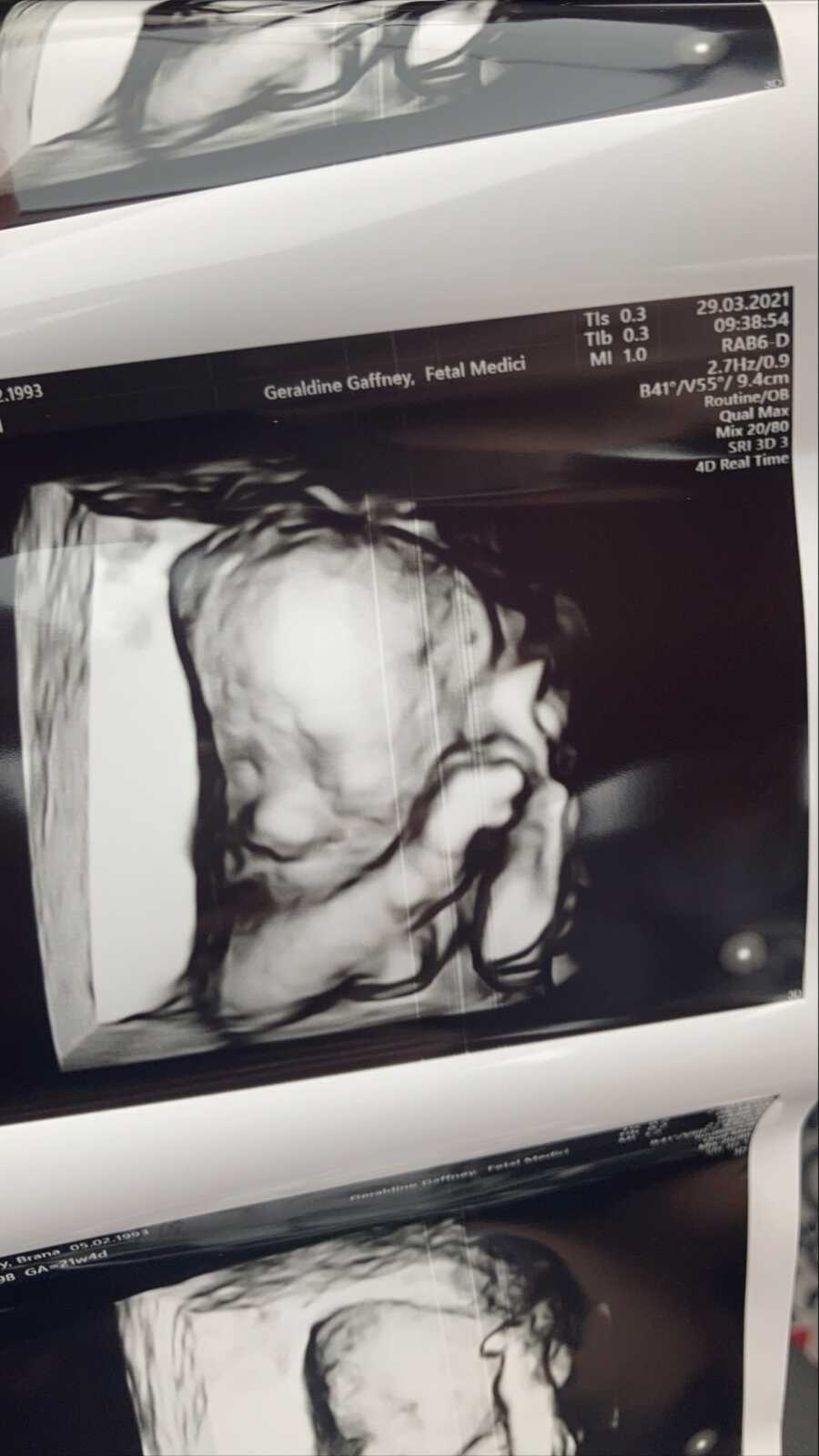
At 15 weeks, I underwent amniocentesis, where a fine needle collected amniotic fluid to test for chromosomal conditions. Four long days later, we got the call that changed everything. Our baby girl had Trisomy 21, or Down syndrome. Relief washed over us like nothing else ever had. Finally, we had an explanation for her medical challenges, and more importantly, a reason to hope. In that moment, we named her Evie.
We didn’t know if we’d get to bring her home, or how much time we’d have together, but naming her gave us a sense of connection, a way to speak to her even before meeting. Scan after scan, our little shooting star defied expectations. I had scans every two weeks, and every time doctors feared her heart might stop, she proved them wrong. My first fetal echocardiogram was terrifying. Again, Ross could not be with me. The doctors warned that her heart defect was so severe that she might not reach full term, or even if she did, she could not survive birth, and surgery would be impossible.
We were devastated. Ross mourned not just the thought of losing our baby, but also the idea that we might never have the chance to raise a child with Down syndrome again. In Ireland, abortion had recently been legalized, with strict parameters. A diagnosis of Down syndrome alone would not qualify, but combined with a heart defect, termination could be offered. It was mentioned once, but we made it clear it was never an option.
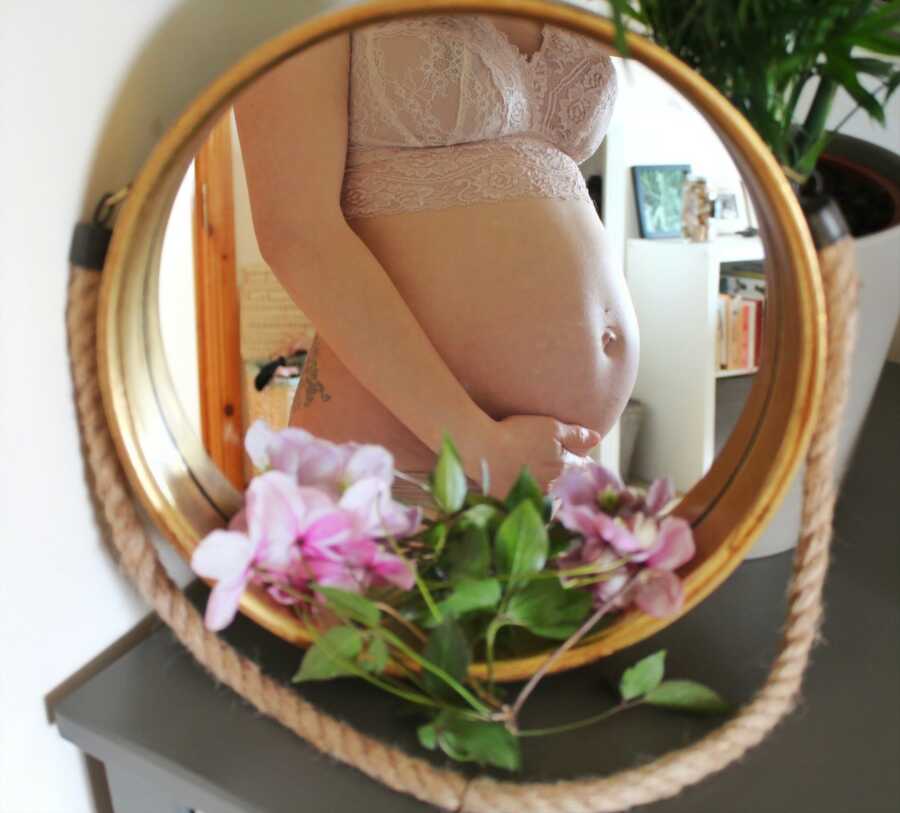
Determined not to give up, we leaned on positivity. We vowed to let Evie write her own story and support her however we could. I turned to social media to connect with other parents of children with Down syndrome, finding an overwhelmingly supportive “Lucky Few” community across Ireland, the UK, and beyond. Their stories, advice, and encouragement bolstered our courage in ways we couldn’t have imagined.
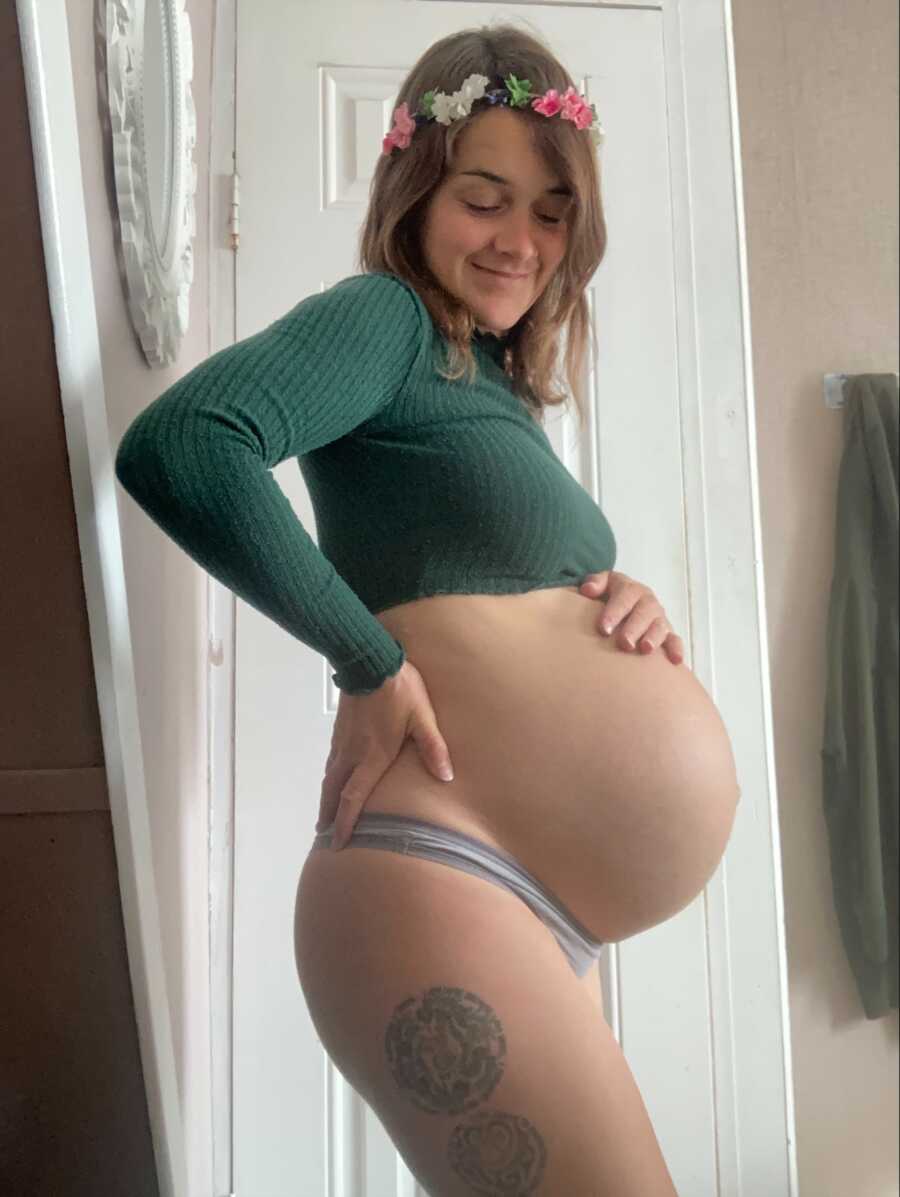
As her due date approached, we moved to Dublin at 36 weeks, near the hospital where both my obstetrician and Evie’s cardiologist were based. Ross’ parents lived just 20 minutes away, and we stayed with them while waiting for labor. My obstetrician was cautious about going past 40 weeks, so I was booked for induction at 39. But at 5 a.m. on the day, my water broke. We got ready and headed to the hospital, knowing labor might still need intervention.
For 18 hours, my water trickled, but contractions never came. Finally, IV syntocinon was started, and due to Covid restrictions, Ross could only join me in active labor. Once in the delivery suite, contractions began. Hypnobirthing techniques helped me breathe through the surges, and for a fleeting moment, I even felt a strange joy in the intensity. But after six hours, with Evie’s heart rate dipping with each contraction, an emergency C-section was necessary.
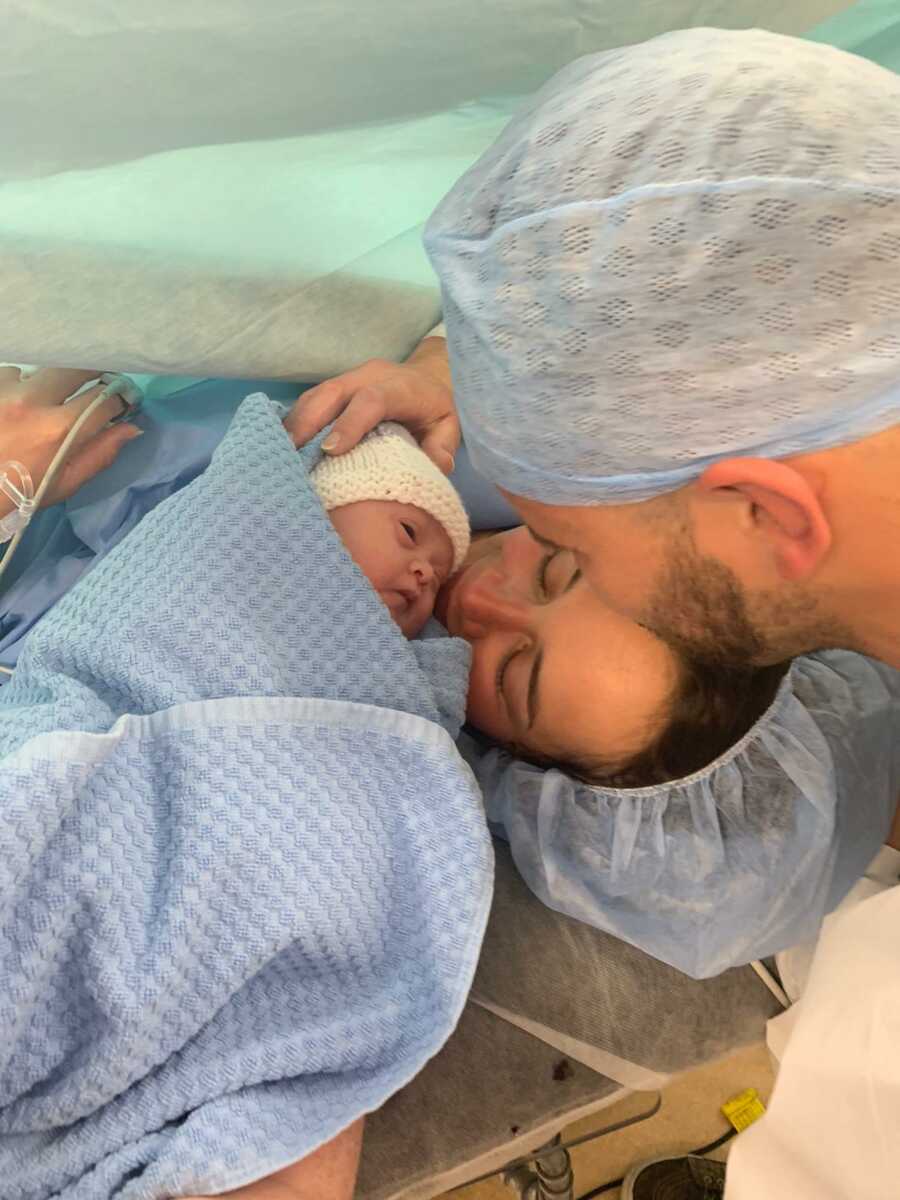
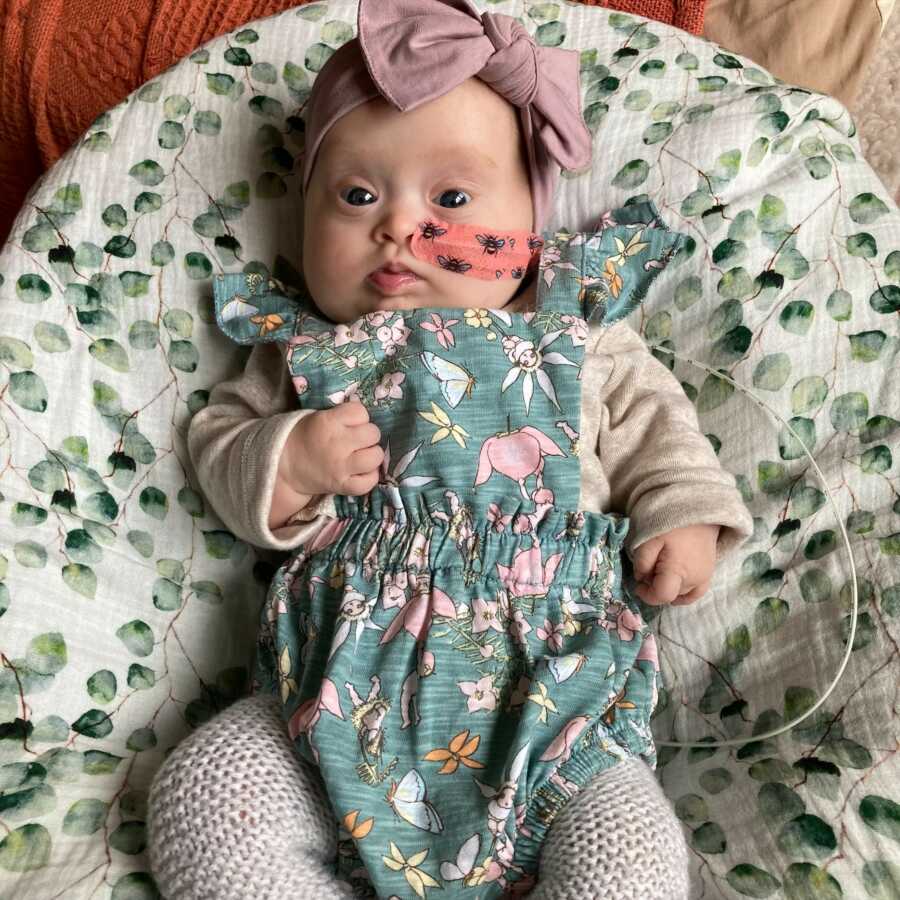
Evie arrived pink and perfect, letting out a small cry before needing breathing support. Ross went to see her while I was stitched up, and for two fleeting minutes, she was placed in my arms. Those two minutes were the proudest—and the most heart-wrenching—of my life. After nine months of carrying her, she was whisked away to the NICU, and I had to wait eight hours to hold her again.
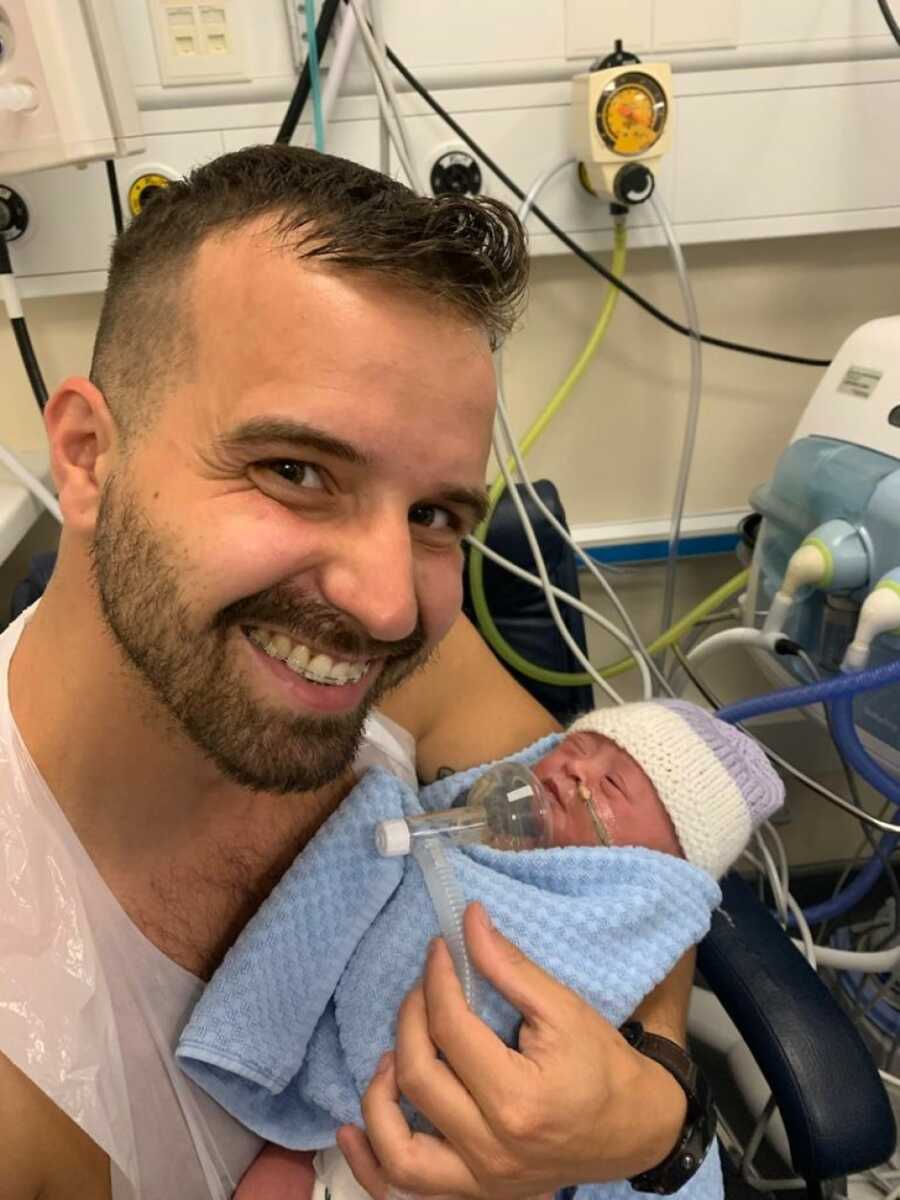
When I finally met Evie, she was nestled in an incubator, masked by medical protocols. Ross had held her first, in a plastic apron and mask, before handing her to me. The moment was bittersweet; my long-anticipated vision of holding my baby immediately after birth was replaced by cautious, sterile measures. Yet, even through the barriers, Evie’s tiny gaze locked on me, and I felt an unbreakable bond form in an instant. Our public health nurse even remarked on how special our connection was.
Evie, in her short life so far, has already shown resilience, determination, and unconditional love. She has brightened countless lives, and I cherish sharing her journey. Her heart defect remains inoperable, but we hope for many years with our little shooting star. I wrote a poem after my 12-week scan, and the last lines read:
“This baby will always be our greatest achievement. We will take any outcome as what is meant to be. Baby, if you come into this world early or late, We will make sure you will always be wild and free.”
Evie has already proven she will be all that—and more.