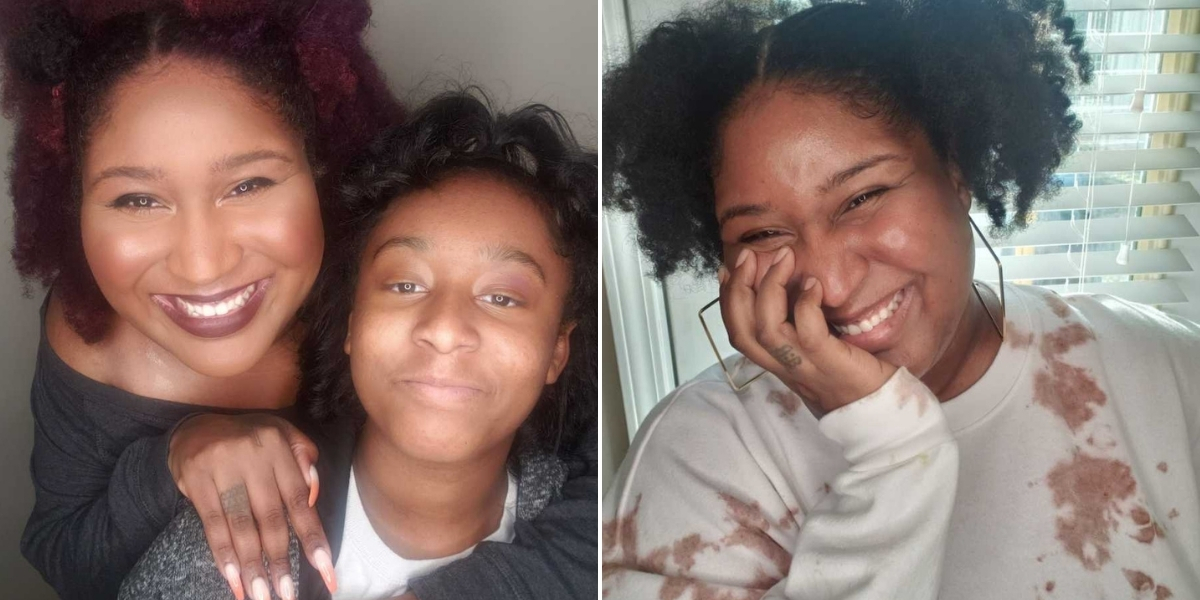
I was about seven when I first realized something was different about me. Kindergarten was all play, and first grade was similar—learning through play, without the pressure to focus steadily. Most kids weren’t expected to focus at that age anyway. I already knew the basics. My mother had taught me reading and writing when I was four. So in first grade, I mostly remember the fun and games, the carefree moments while other kids were still learning the alphabet.
Second grade hit me like a wave. My brain felt like it was in a constant state of panic. I couldn’t pay attention long enough to absorb what the teacher was saying. Everything was noise, a chaotic blur of words and instructions I couldn’t process. At seven, I didn’t have the words to explain it to my mother. She loved us fiercely, but her standards were high—how we looked, behaved, spoke, and performed in school mattered immensely. She would sit with me through homework, her patience thin, unable to understand why I couldn’t grasp something taught only hours before.
My teacher quickly noticed the struggle. She filled out a form and left a note for my mother. When my mom read it, she quietly told me she was making a doctor’s appointment. As I got ready, I felt a spark of hope. Maybe the doctor could tell me what was wrong. Maybe I could leave that room as a different person—anyone but the chubby, anxious girl who couldn’t focus. The appointment itself was brief. The doctor asked questions in a way I could understand, but his diagnosis was delivered to my mother: ADHD. He left the room quickly, handing her a slip of paper, speaking in hushed, urgent tones.
I had no idea what ADHD meant. Was I fixed now? Could I suddenly focus, suddenly be normal? This was before the internet; information didn’t arrive at the click of a button, and even if it did, I was seven—I wouldn’t have understood it. We went to the pharmacy, came home, and my mom handed me a pill at dinner. “This will help you pay attention,” she said. I swallowed it easily, but a lump sat in my throat. Something was still wrong.
I grew up in a small family: my tall, naturally thin mother, my sister two years younger than me, and my brother ten years my junior. My mother raised us alone after divorcing our father, who had cheated. She worked tirelessly to provide for us, raising us with the tools she knew, though the understanding of mental health was limited in her time.
I developed a secret coping mechanism: food. Late at night, while everyone else slept, I would eat. It didn’t matter what—I just ate. Crackers in the bathroom, snack cakes on the dark kitchen floor, anything I could hide. Food was comforting. It didn’t care about my ADHD, my medications, my frustration, or the anxiety that made words impossible. Every bite gave me a tiny burst of relief, a fleeting sense of control.
But the weight gain didn’t go unnoticed. My mother began trying to “help” me, but her approach often hurt more than it healed. She would serve me fat-free yogurt while my sister enjoyed ice cream, scold me, and stress the need to lose weight. “No one wants a fat daughter,” she’d say. Even as a pre-teen, I was trapped in yo-yo dieting, alternating between starvation and secret binging. Anorexia and binge eating became my religion, with the mantra: “No one wants a fat girl.”
By fifteen, I was overwhelmed by mental health struggles I didn’t understand. I was exhausted by my body, my mind, and the weight of unattainable expectations. Diet pills on TV made me cry; bingeing and starving became routine. One Monday night, I took a handful of pills, retreating to the bathroom with candy as I sat on the floor and cried. I wasn’t afraid—I was tired. My only sorrow was leaving my family behind. I wanted rest, but not their absence.
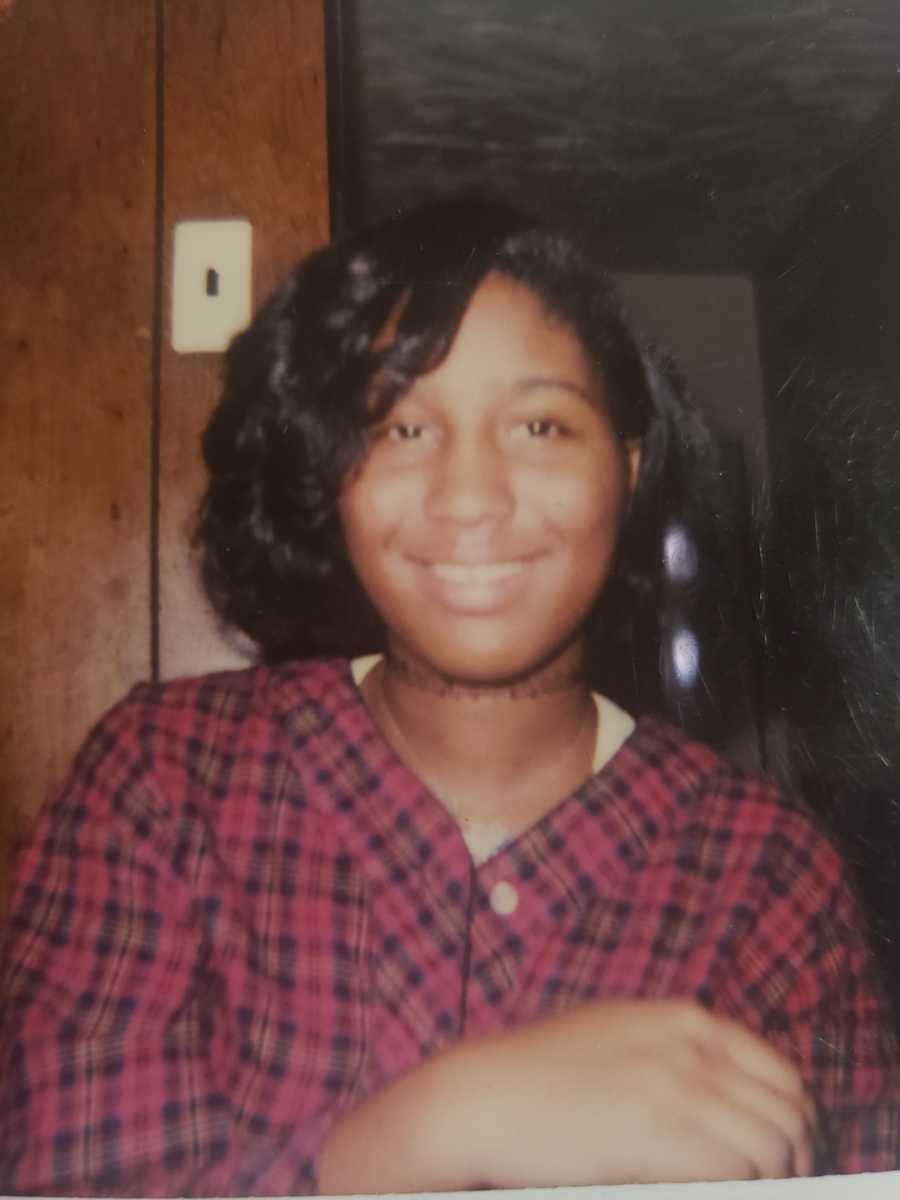
My sister found me the next morning, shaking me awake as my mother had already left for work. I was violently ill and emotionally raw, but I lied, saying I’d gotten sick in the night. I stayed home from school, crying, wondering when the feelings would end.
By Wednesday, I was at school, still recovering. In Honors English, it all came undone. Coach M, noticing something was wrong, asked me to stay after class. He offered kindness, a chance to talk. I broke down, unable to form words. I admitted I had tried to kill myself, felt like a failure at everything—including ending my own life. My sobs were deep and raw, a release of years of pain.
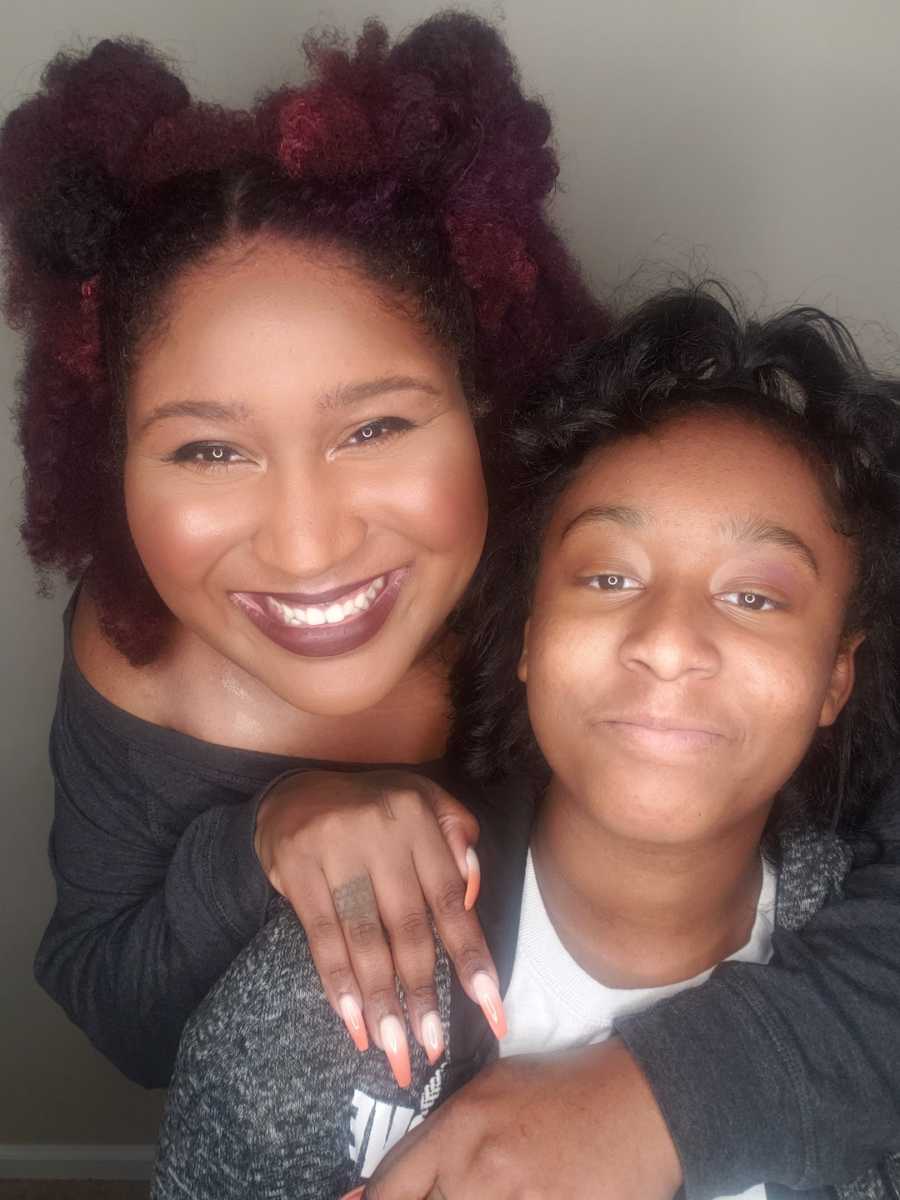
He escorted me to the office, where my mother arrived quickly. They called a local mental health hospital as we waited. My mother, uncertain, muttered that maybe I was doing it for attention. She wasn’t a bad mother—she was a product of her environment, raising me the best way she knew. I hold no resentment; I know she loves me fiercely, has regrets, and expressed them. We are healed.
At the hospital, I felt scared and alone. On my first phone call, I begged my mother to let me come home, apologizing for everything. She cried, explaining I wasn’t there as punishment, but to get help. For the first time, someone listened. I spent weeks in intensive therapy, both individually and in groups, with my mother joining some sessions. I was diagnosed with major depressive disorder, binge eating disorder, anorexia, generalized anxiety disorder, and ADHD. For the first time, I was humanized. A doctor explained what these disorders were, how they affected me, and that I could function, feel less pain, and live a normal life.
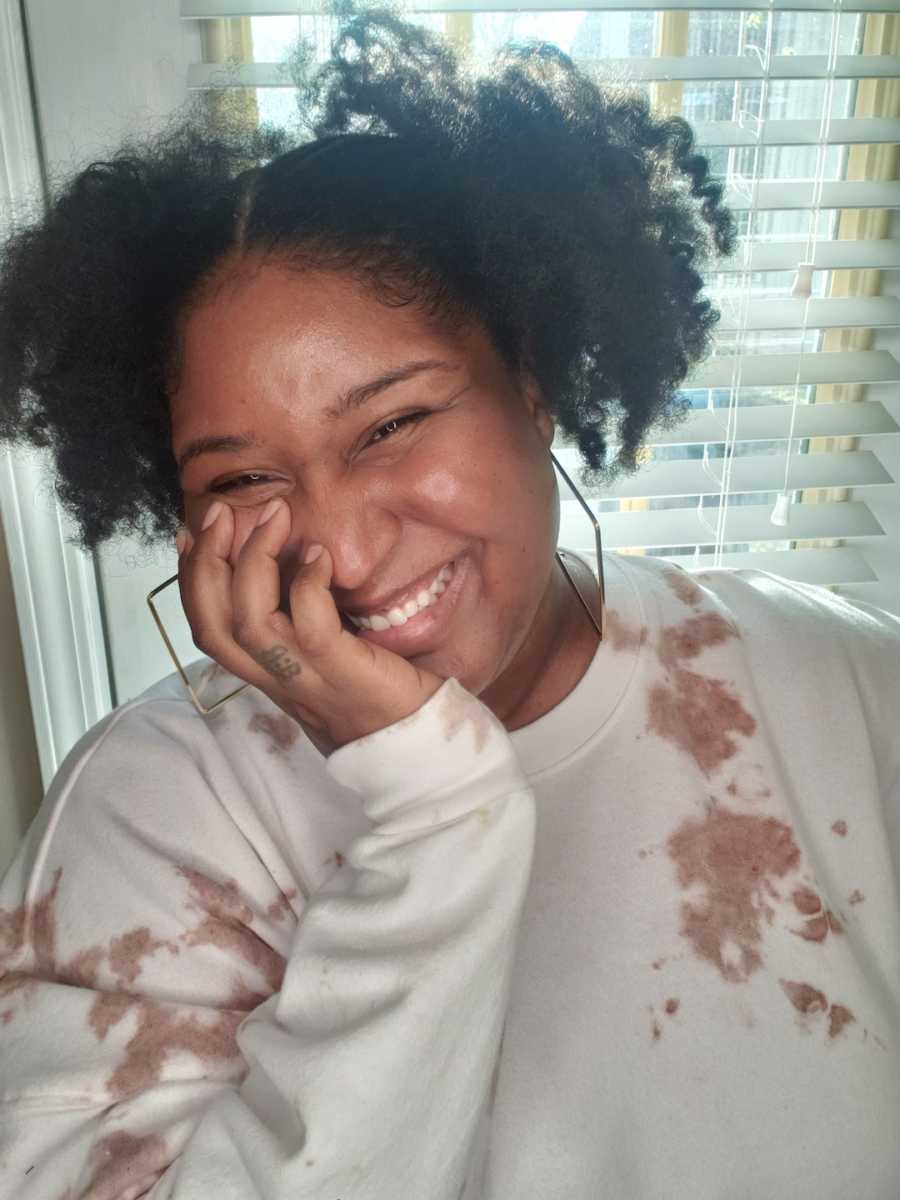
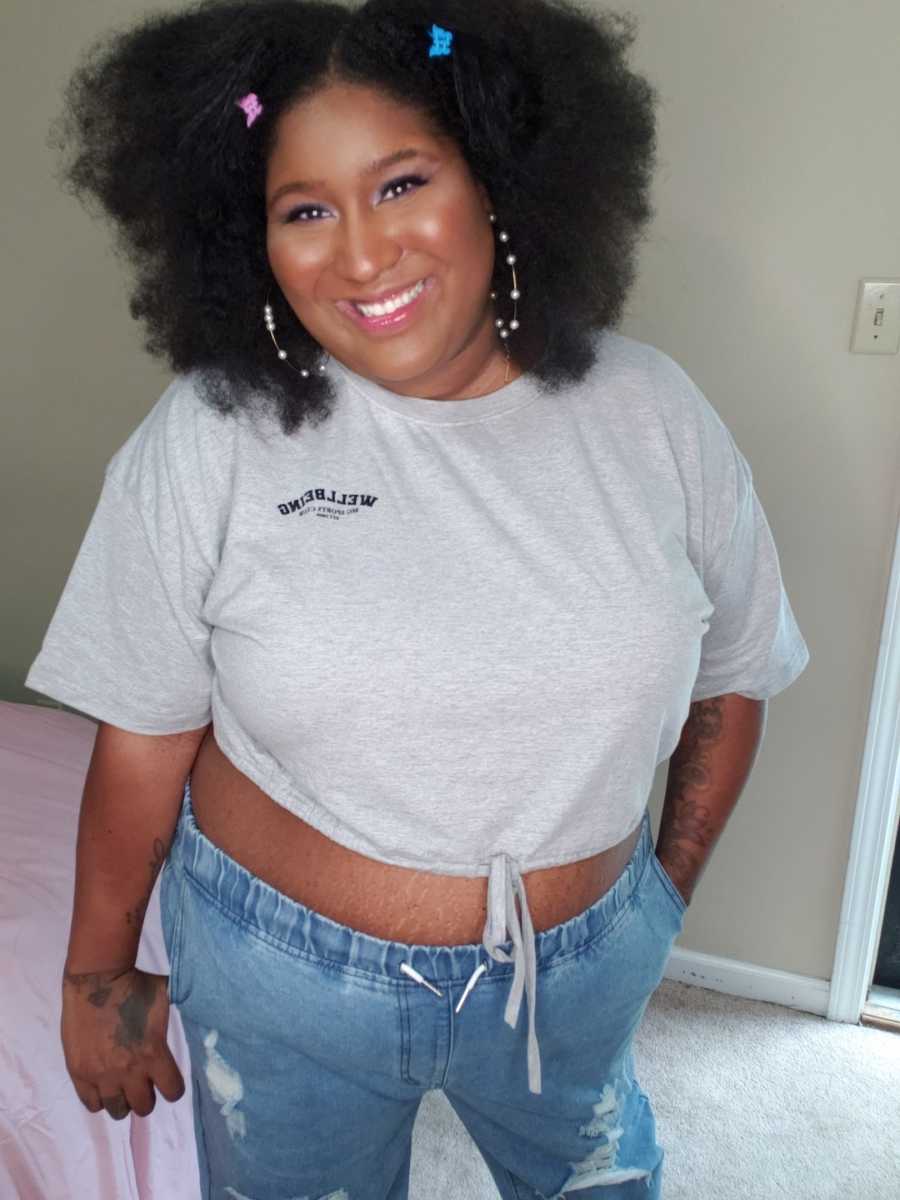
I left the hospital a new person, slowly learning to be healthy mentally and physically. With therapy and new medications, I gained understanding and self-compassion. I still attend therapy today, giving myself grace, knowing it’s okay to have bad days. I once feared taking up space, believing I had to conform to the diet industry’s ideals. Now, I claim my presence unapologetically.
I’ve realized bodies are different—some thin, some larger—and there is nothing wrong with either. Diets warp our perception of hunger and self-worth. I fight against this narrative daily. I now have children, a career I love, a supportive partner, and a healthy mind and body. Life is better than I ever imagined. Depression doesn’t mean weakness, weight doesn’t determine love or worth, and self-love is a lifelong journey.
Every day isn’t perfect, but the peace I’ve found is profound, unlike anything I imagined as a child. My hope is that you, too, can reach this peace, embracing yourself fully, flaws and all, and living a life rich in love, joy, and acceptance.