“We are going to need to take some bloodwork because I think something else is going on.” Those words from my doctor hit me harder than I expected.
“OK, that sounds good,” I lied, forcing a calm voice. My ophthalmologist gave me a reassuring smile before leaving the room. Alone in the dim office, tears streamed down my face. I was now blind in one eye, despite a week of steroid eye drops for a sudden, painful case of iritis—inflammation of the iris. I had just recovered from shingles, and I was only 22. My body was betraying me, and I had no answers.
People told me it was “just stress,” as if my health struggles were trivial. But I was stressed and terrified. I had just graduated with my nursing degree, was working grueling night shifts as an oncology nurse, and planning my wedding. I was following all the rules, ticking all the boxes—but life felt like it was controlling me, not the other way around.
When the bloodwork came back, I frantically searched online. HLA-B27. A gene linked to autoimmune diseases, including a condition called Ankylosing Spondylitis (AS). The images I found of people with AS—crooked, stiff spines—made my stomach churn. I nervously wrote down the name of the disease and took it to my next appointment. My ophthalmologist reassured me that my iritis was responding to stronger steroids, and then dismissed my fears about AS: “Only middle-aged men get that disease.” I clung to his words, choosing hope over panic.
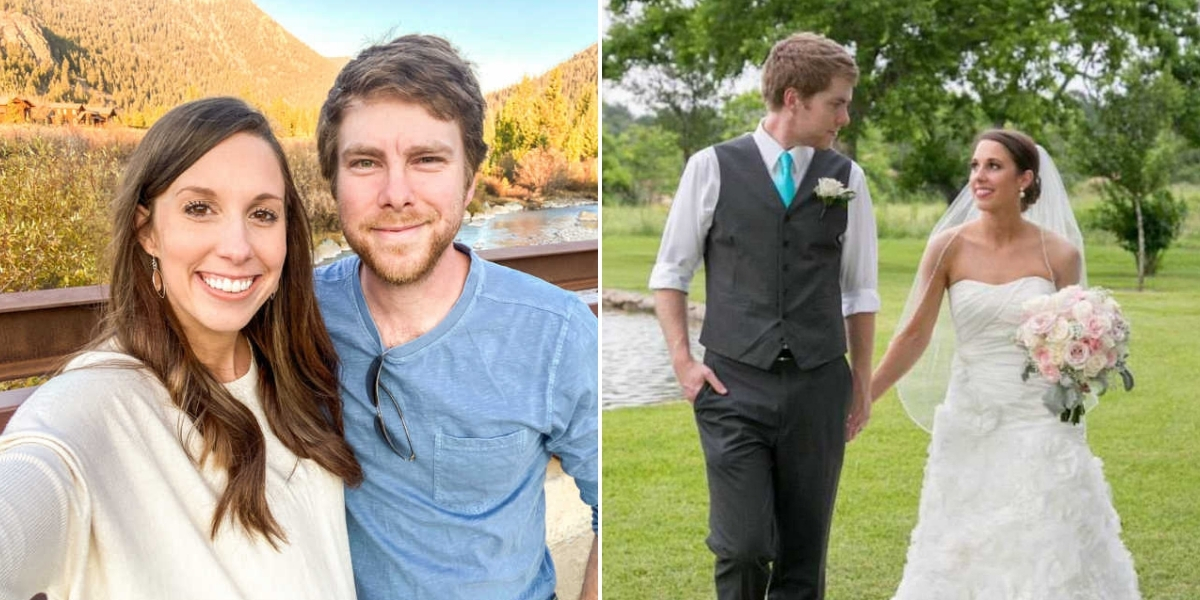
Months later, I walked down the aisle, seeing my husband clearly with both eyes, ready to start a new chapter. After the honeymoon, we moved to Chattanooga, TN, where I started a challenging job on the Trauma Medical-Surgical floor. Aware of my susceptibility to inflammation, I tried to eat healthy, inspired by my mom’s cookbook, Against All Grain by Danielle Walker. Paleo seemed promising, and I dove in, even tackling tricky recipes like homemade mayonnaise. But after weeks, I felt deprived. Cheat weekends became cheat weeks, and eventually, I abandoned the diet. The freedom was fun, but it came at a cost—my health began to spiral again, just like before my wedding.

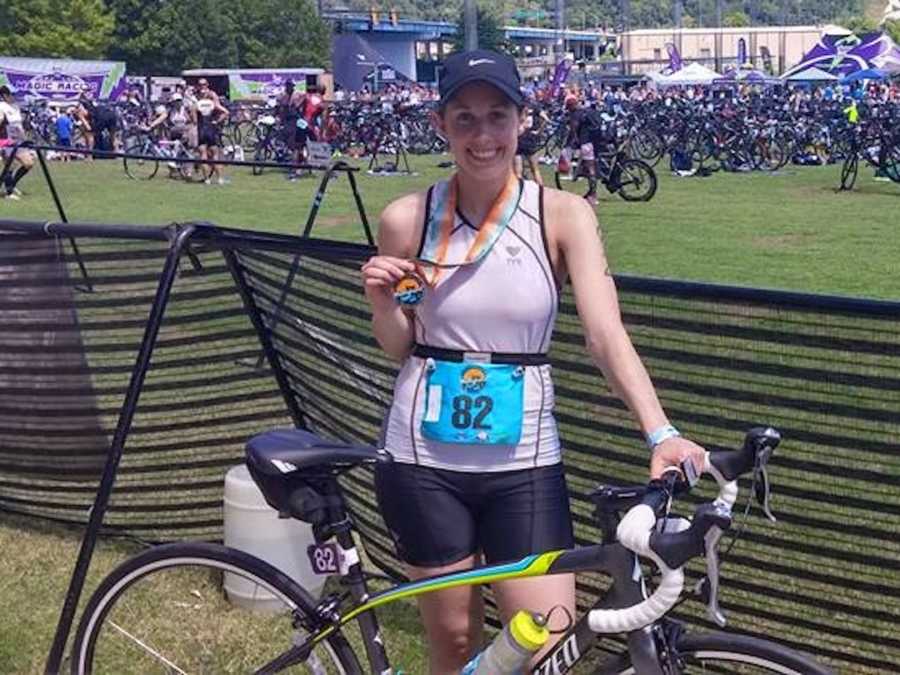
Two summers later, during triathlon training, my body betrayed me once more. Hips and knees ached, gut bloated, energy plummeted. Fatigue dominated my days; I spent off-days on the couch, a zombie in my own life. Grocery trips felt like monumental tasks. My brain refused to cooperate—foggy, forgetful, exhausted. I was tired, and tired of saying I was tired.
Thankfully, my husband was my anchor. He managed our home and work while I rested, and I was overcome with love for him—and guilt toward myself. Watching him care for us while I felt powerless filled me with a mix of appreciation and resentment I vowed never to repeat.
Eventually, the pain intensified. Severe hip and back stiffness made simple movements excruciating. One morning, limping to the bathroom, I felt it: this was Ankylosing Spondylitis. Doctors initially dismissed me, prescribing ibuprofen like a typical nurse with back pain. Finally, a rheumatologist reviewed my MRI and looked at me. I held my husband’s hand, heart racing, waiting.
“Yup, you have it,” he said softly. Relief, not fear, washed over me. I wasn’t crazy, lazy, or broken—I had an autoimmune disease. A weekly biologic injection became my new normal, and I anxiously watched the bruising and swelling from my first shot fade as I called my best friend.
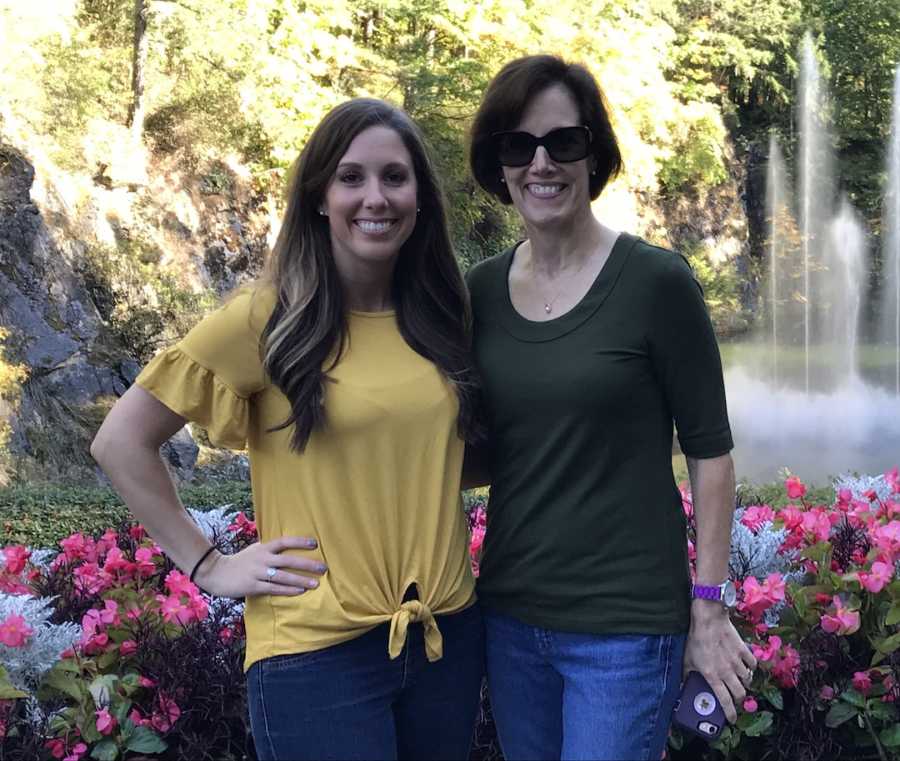
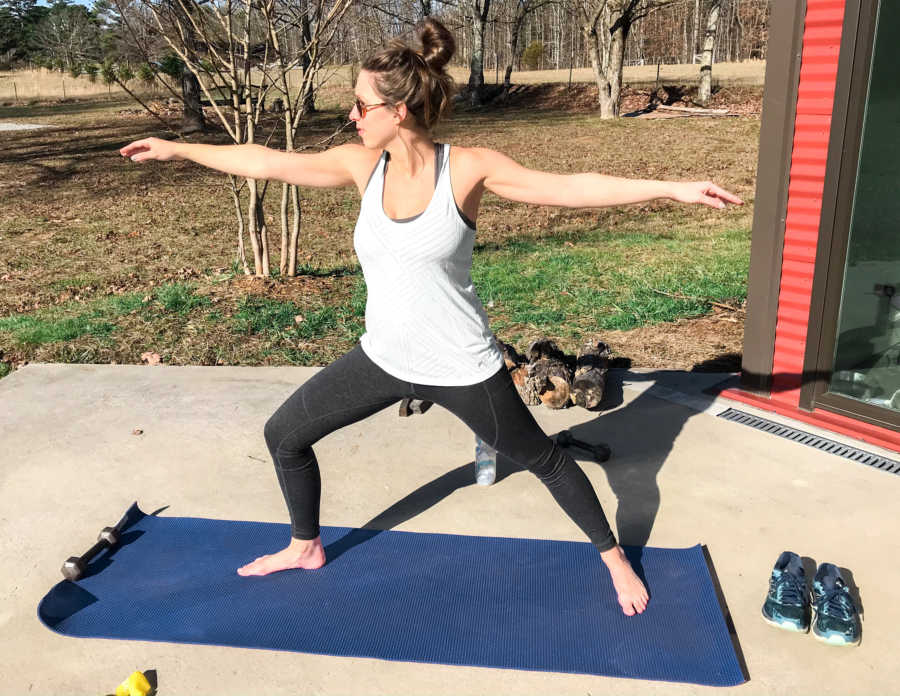
Slowly, my life shifted. Hiking with my husband on Lookout Mountain, the fog lifted. I could see clearly, breathe deeply, and appreciate the world again. Yet after a year, something still felt off. My body was better, but not thriving. I returned to what had worked before: a non-inflammatory, Autoimmune Paleo (AIP) diet. This time, I didn’t feel deprived. I cooked with love, not obligation. I listened to my body and responded with care. I learned to honor my limits and needs, finding balance between physical and mental health. Podcasts, books, and daily reflection taught me to manage stress, easing both inflammation and anxiety.
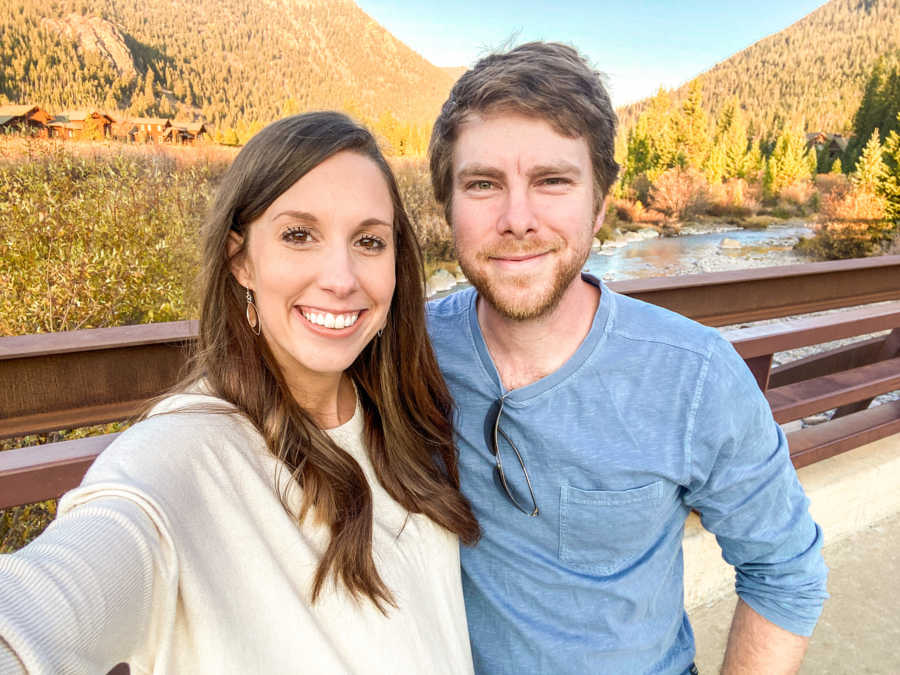
Eventually, walking into work pain-free became routine. I was in control—of my health, my mind, my life. Ankylosing Spondylitis had taught me to show up for myself in a way I never had before. I became aware of the connection between stress, diet, and inflammation. I realized that loving myself was not optional—it was essential.
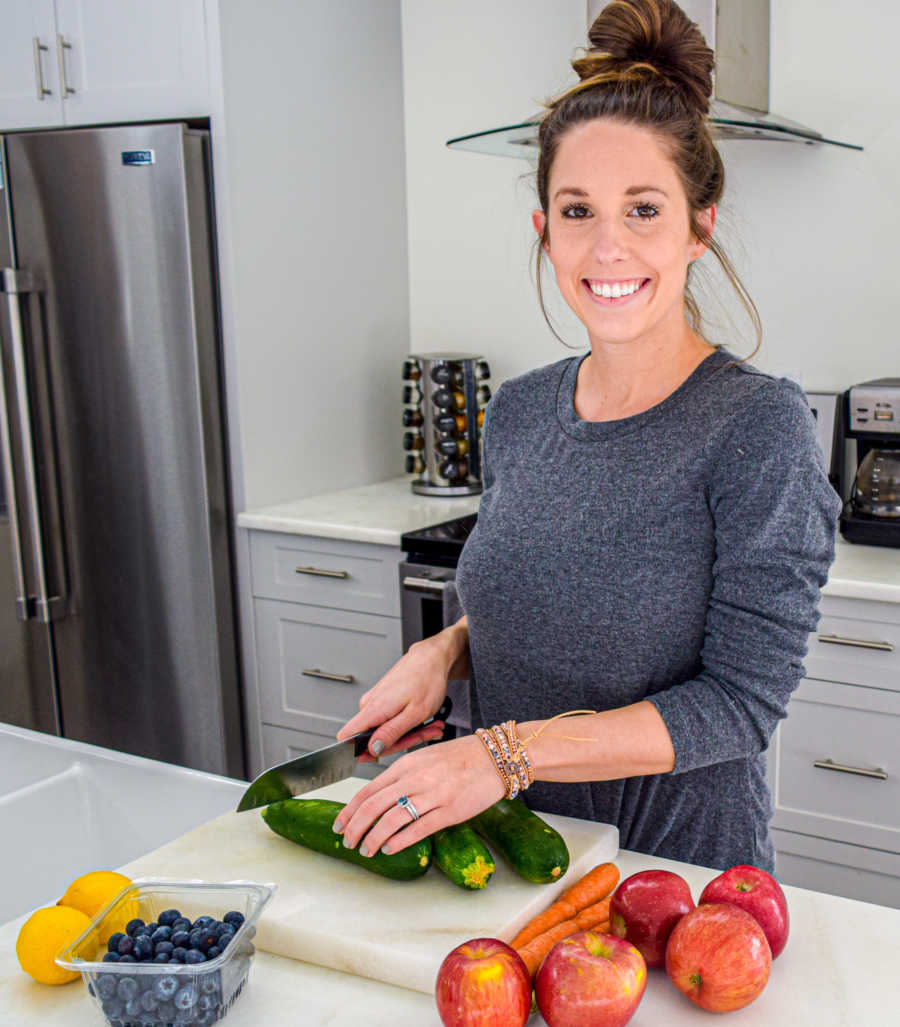
Then one day, I admitted a patient with an autoimmune disease. She felt trapped, hopeless, frustrated by repeated hospitalizations. Sharing my story, I watched her eyes widen. She hadn’t realized the impact of diet and stress on her health. She decided to try the AIP diet, inspired by our conversation. That moment sparked a calling: I became a life coach for women with autoimmune disease. Walking away from bedside nursing was difficult, but guiding others toward healing and empowerment filled me with joy.
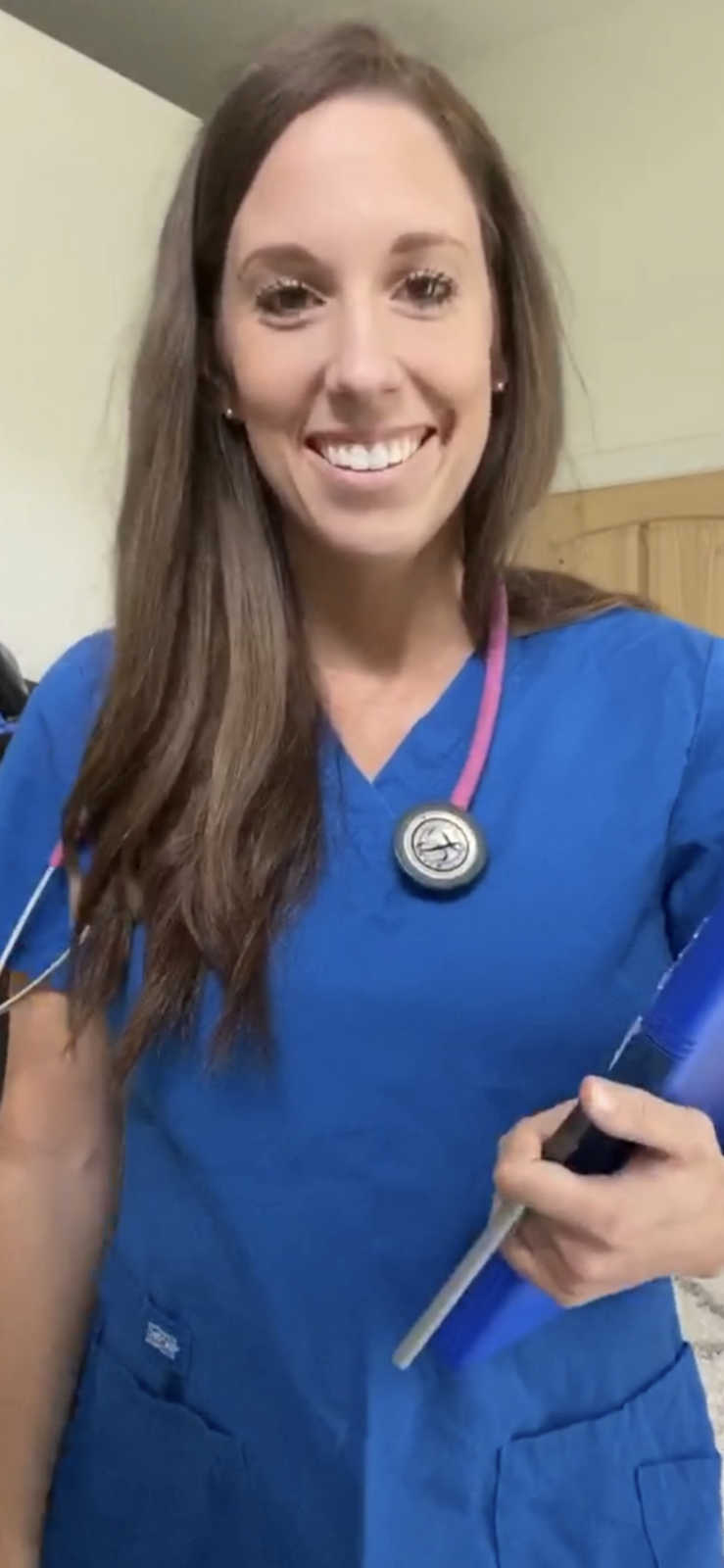
Through coaching, I learned that the core struggle isn’t food or medication—it’s how we relate to ourselves. Perfectionism breeds disappointment, self-criticism punishes, and seeing our bodies as unworthy magnifies suffering. The truth is: you are inherently worthy. Autoimmune disease is a challenge, not a definition. Feel your emotions, treat yourself with compassion, celebrate small victories, and honor your body and mind.
You are the one who knows your body best. Show up with love. Care for your mind. Care for your body. Celebrate every step toward wellness. You deserve it.