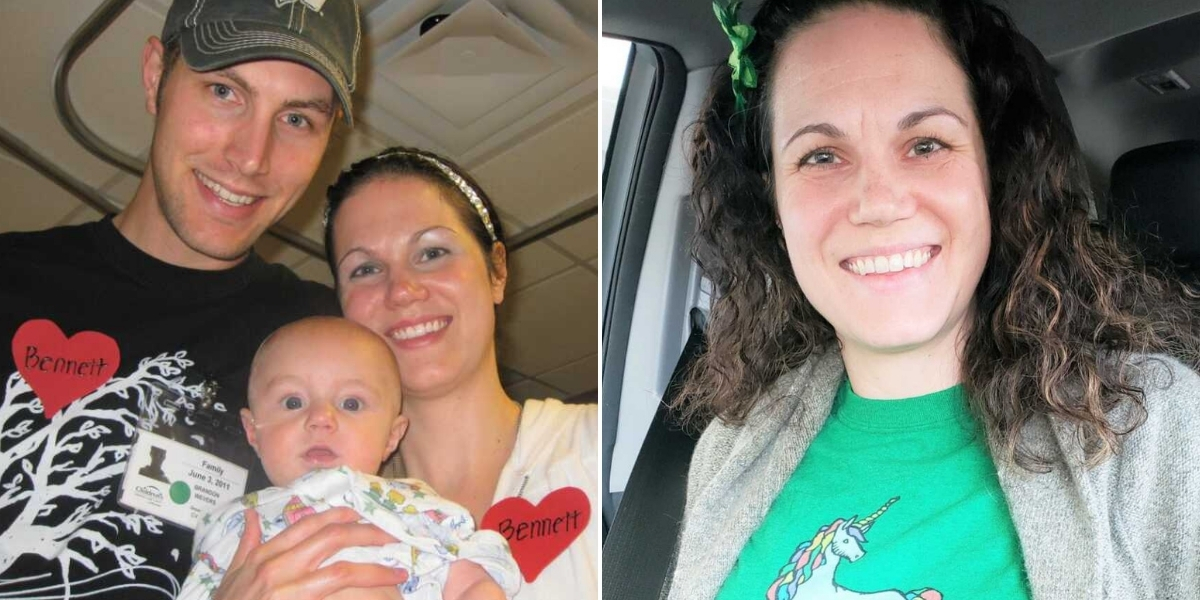
Our journey with Bennett began with a surprise—finding out we were expecting a baby boy! But that joy quickly came with unexpected news: at 23 weeks pregnant, we learned Bennett would be born with a severe congenital heart defect. We were overwhelmed, but we also felt grateful for the incredible care surrounding us. In early January 2011, Bennett arrived safely, without incident. Yet an echo shortly after his birth revealed a partial Atrial and Ventricular Septal Defect (AVSD)—he was born without a septum between his atria and without a true mitral valve.
Doctors had told us to expect surgery around 6–12 months of age, but by late May 2011, Bennett began showing signs of congestive heart failure. At just shy of five months old, on June 3, 2011, he underwent his first open-heart surgery. Using his own pericardium to repair his atrial septum, the surgeons avoided any risk of rejection—a huge relief. They also worked to repair and recreate his mitral valve as best as they could. At that point, the surgeon predicted he might need another surgery in 10–15 years. Despite the gravity of it, Bennett healed remarkably quickly.
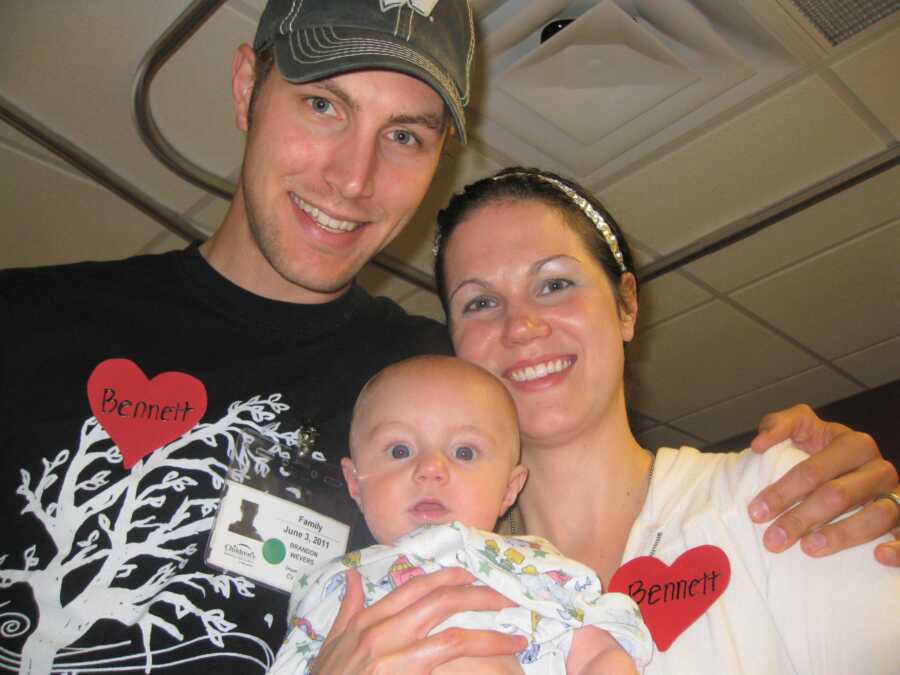
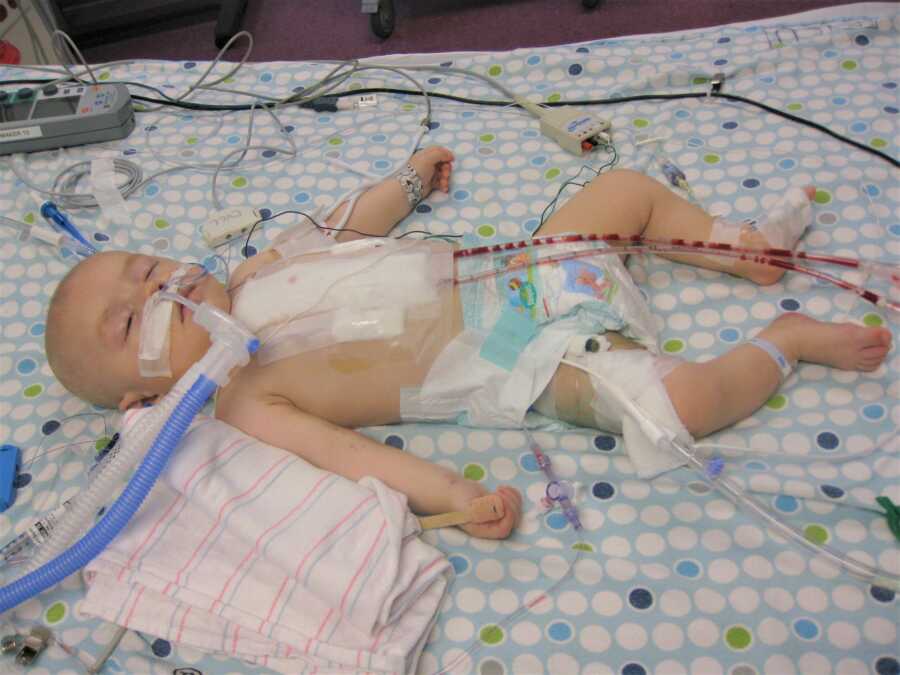
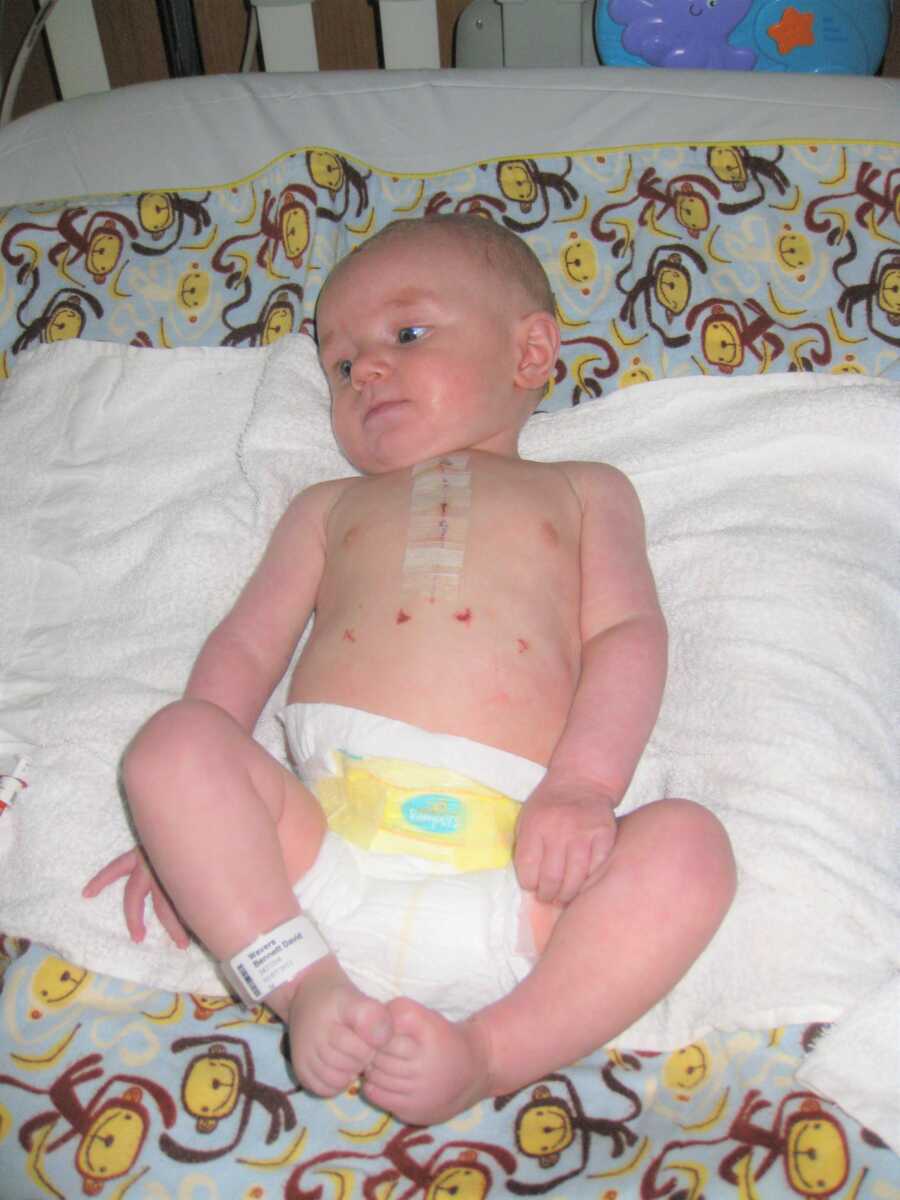
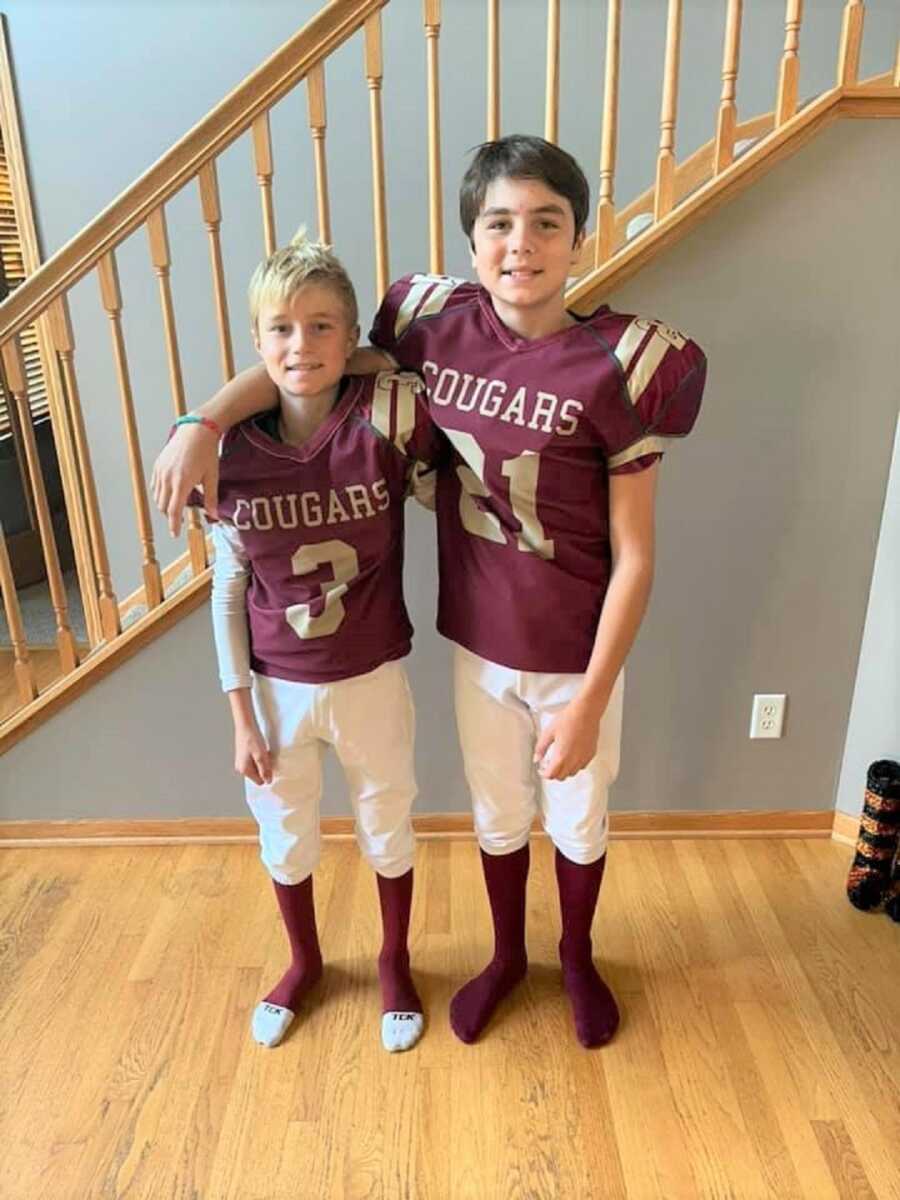
Over the next decade, he thrived. Active and fearless, he played basketball, baseball, and football without letting his heart condition hold him back. Around age six, he began taking daily heart medication, but even that didn’t slow him down. Every cardiology visit, however, reminded us another surgery was inevitable. It was surreal to watch this vibrant, energetic boy and know major heart surgery was looming in his future. The anxiety intensified during the onset of Covid, knowing his heart condition placed him at higher risk.
At the same time, another challenge emerged: in March 2020, we learned my brother-in-law, Kelly, had been diagnosed with IgA nephropathy—a kidney disease that progressed rapidly. By July, he needed a kidney transplant. Family and friends stepped forward to be tested, but none were a match. My youngest sister, Nicole, offered, but wasn’t able to donate at the time. That left me, the oldest sister, as the next option. Through the paired exchange program, I could donate to one person while a matched donor gave a kidney to Kelly, connecting us to life-saving transplants that might never otherwise happen.
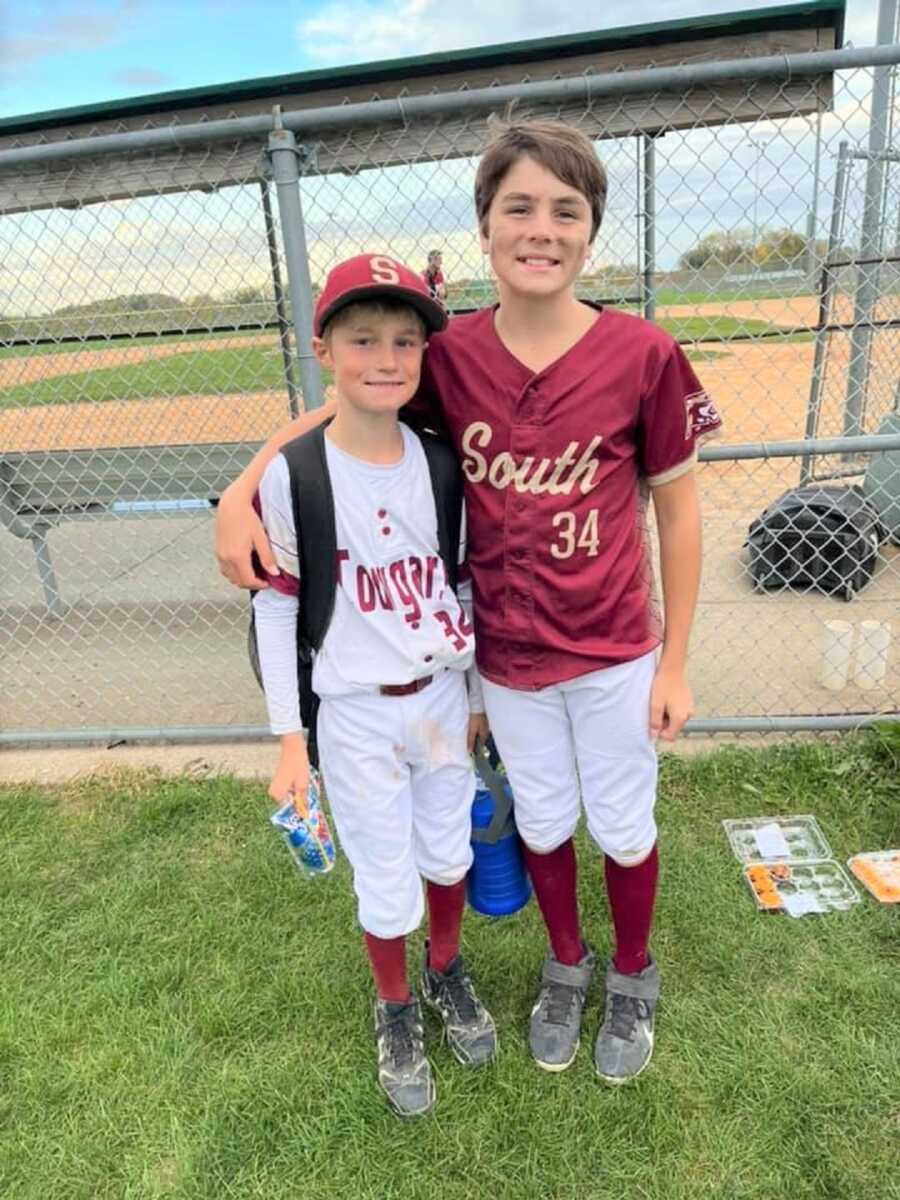
After testing, I was approved as a paired exchange donor on January 4, 2021. The plan was to travel to Colorado for surgery, but coordinating three weeks of childcare and recovery for my own children, while also caring for my husband as my post-op support, was overwhelming. And then came the unexpected news that shook me: during Bennett’s routine six-month cardiology check in late February 2021, we learned he needed his second open-heart surgery—sooner than we had anticipated. He had just finished a busy basketball season and made the travel baseball team for the first time. How could this healthy, vibrant 10-year-old need surgery?
The doctors explained that operating now, while his heart was still strong, would give him the best chance at a smooth recovery. We scheduled his surgery for June 14, 2021, after his baseball season, so he would miss only a few weeks. Meanwhile, I moved to the advanced donation program for my kidney transplant, giving Kelly a “voucher” for a future kidney. Miraculously, just two days later, I was paired with a recipient in Minnesota—perfect for minimizing travel and recovery stress. My surgery was scheduled for March 31, 2021, and thanks to incredible support from my husband, parents, and friends, everything came together seamlessly.
Bennett, of course, had his own fears. He began struggling at school, acting out in ways that revealed his anxiety about the upcoming surgery. With gentle guidance from his school counselor, he found a way to express his feelings, even though he didn’t want to make me sad. I will never forget how brave he was, handling so much at just ten years old.
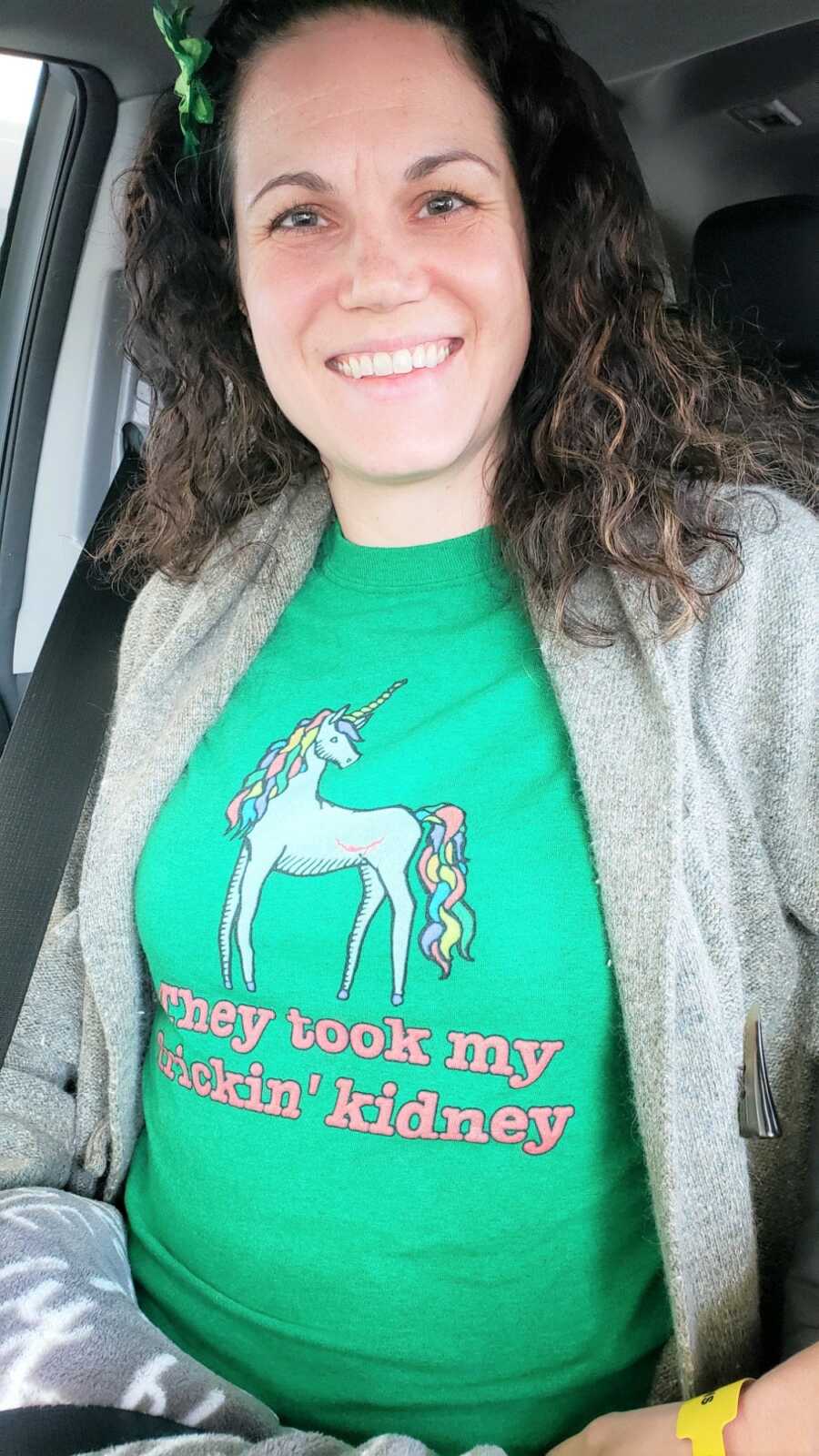
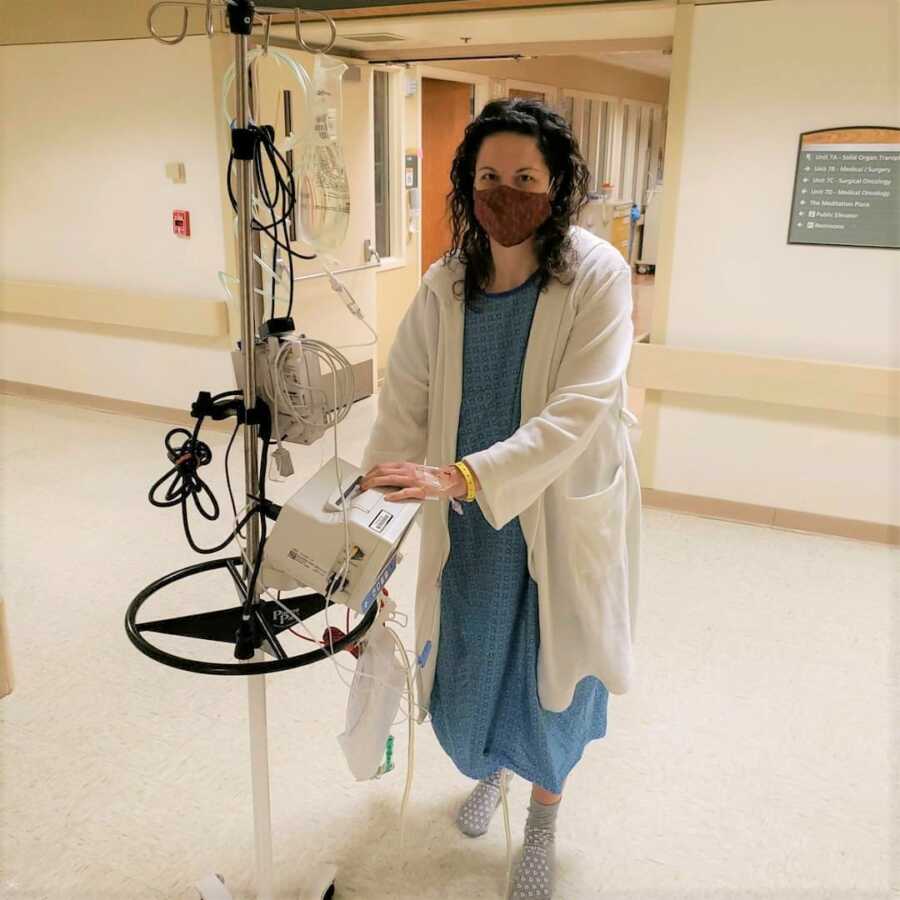
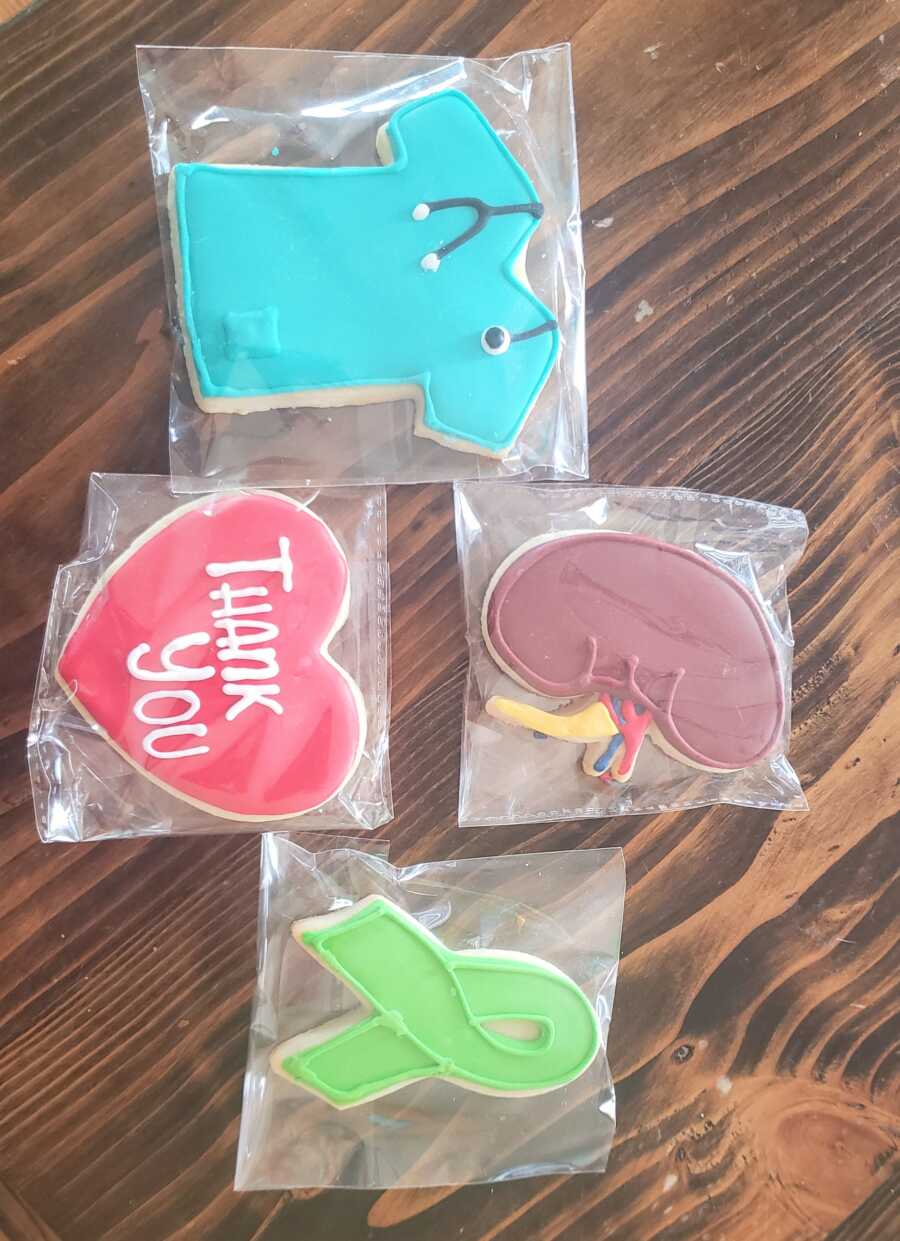
My kidney donation went smoothly. I arrived at the hospital at 5:30 a.m., and by 7:30 a.m. I was in the OR. I awoke in recovery to the reassuring presence of my husband and, within hours, was walking laps around the unit. I was discharged after two days and able to care for my family as I healed. Six weeks later, I met my recipient—a humbling experience that highlighted the incredible chain of lives touched by a single act of donation.
Meanwhile, Bennett’s surgery approached. The reality that he might need his mitral valve replaced—and potentially never play contact sports again—was terrifying. We brainstormed alternative activities and supported him through the emotional rollercoaster. His final baseball tournament on July 13th ended with a championship win, and his team presented him with a basket and a giant sign to remind him of their support as he headed into surgery.
On the day of surgery, I walked Bennett into the OR, holding his hand as he drifted off to sleep. Hours later, he was back in the ICU with a fully repaired heart. The surgeon had been able to fix his mitral valve without prosthetics, predicting no further surgery for 20–30 years. Bennett was up and walking by day one, climbing stairs by day three, and discharged that Friday—just three days after open-heart surgery. The once-present heart murmur had vanished, leaving us awestruck.
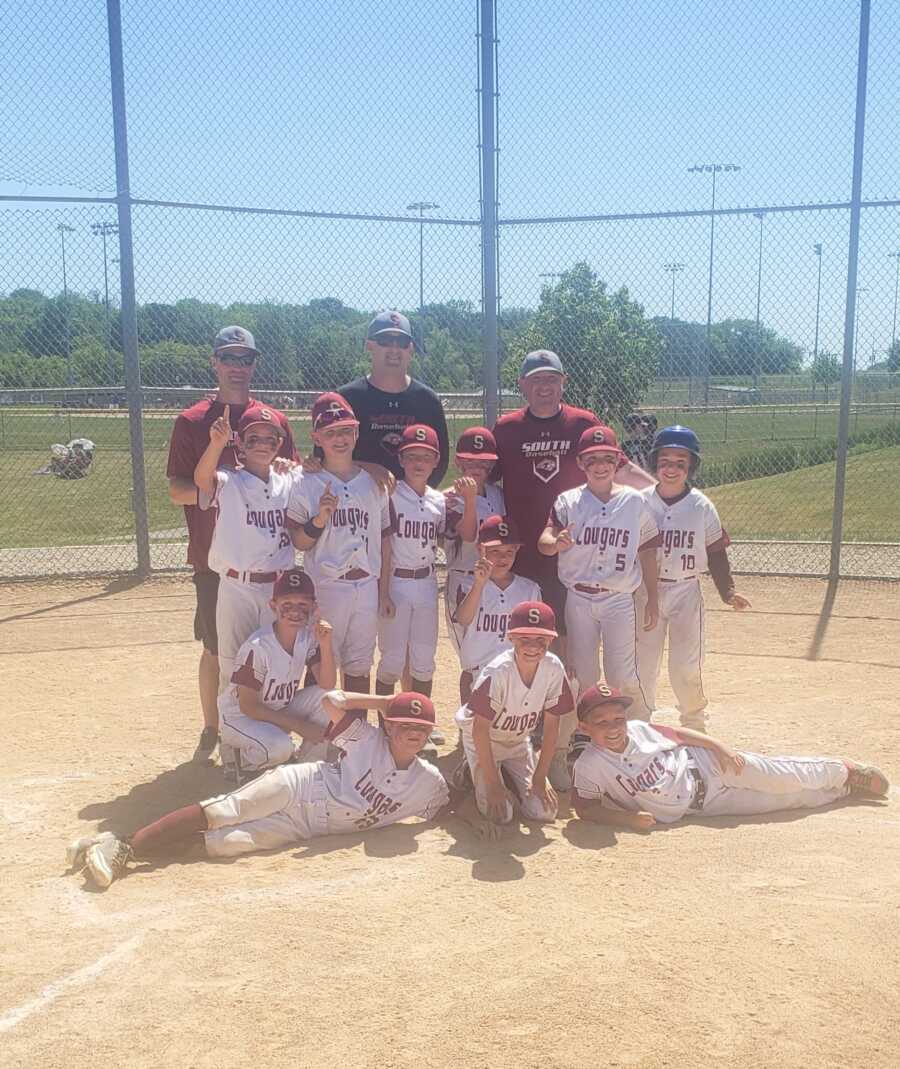
Recovery was filled with small victories: Bennett walking daily, shooting basketball, and even completing 10,000 shots over the summer. Friends and family visited, played games, and cheered him on. Post-op cleared him for football, baseball, and all the sports he loved. Watching him return to his energetic, joyful self was a miracle.
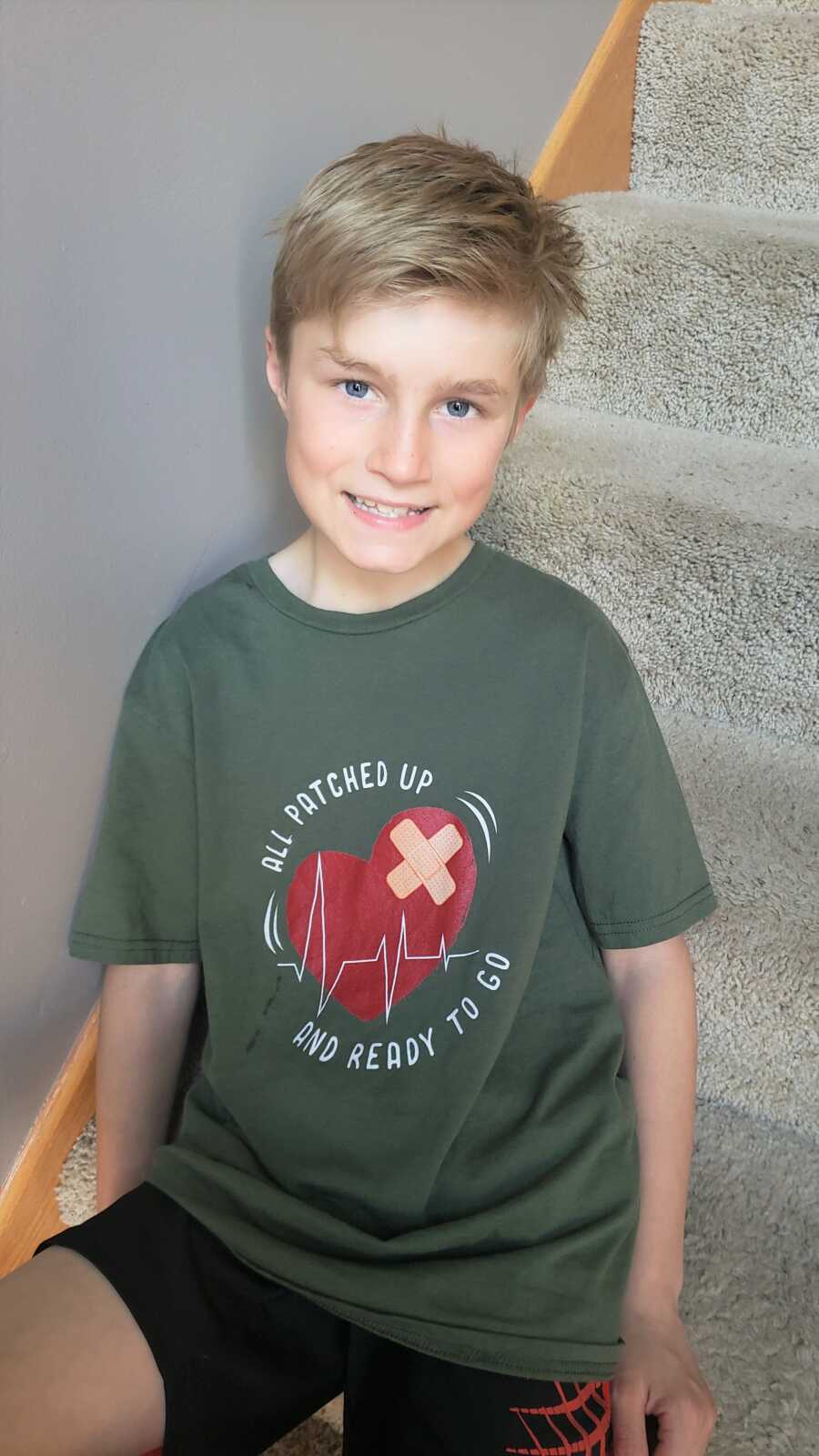
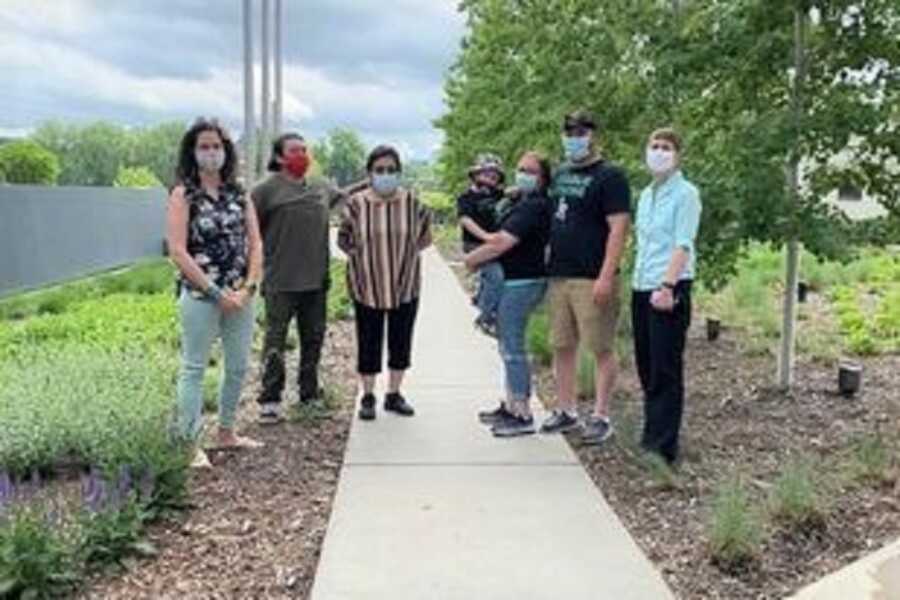
The Wevers’ journey was full of fear, love, and perseverance. Bennett’s courage and resilience, combined with the gift of a kidney donation, brought life-changing hope to our family. Kelly eventually received his kidney on August 25th and is now thriving. To say we are blessed is an understatement. Through it all, we have witnessed the extraordinary power of community, medical care, and faith. Our family survived, healed, and thrived—and our hearts are fuller than ever.