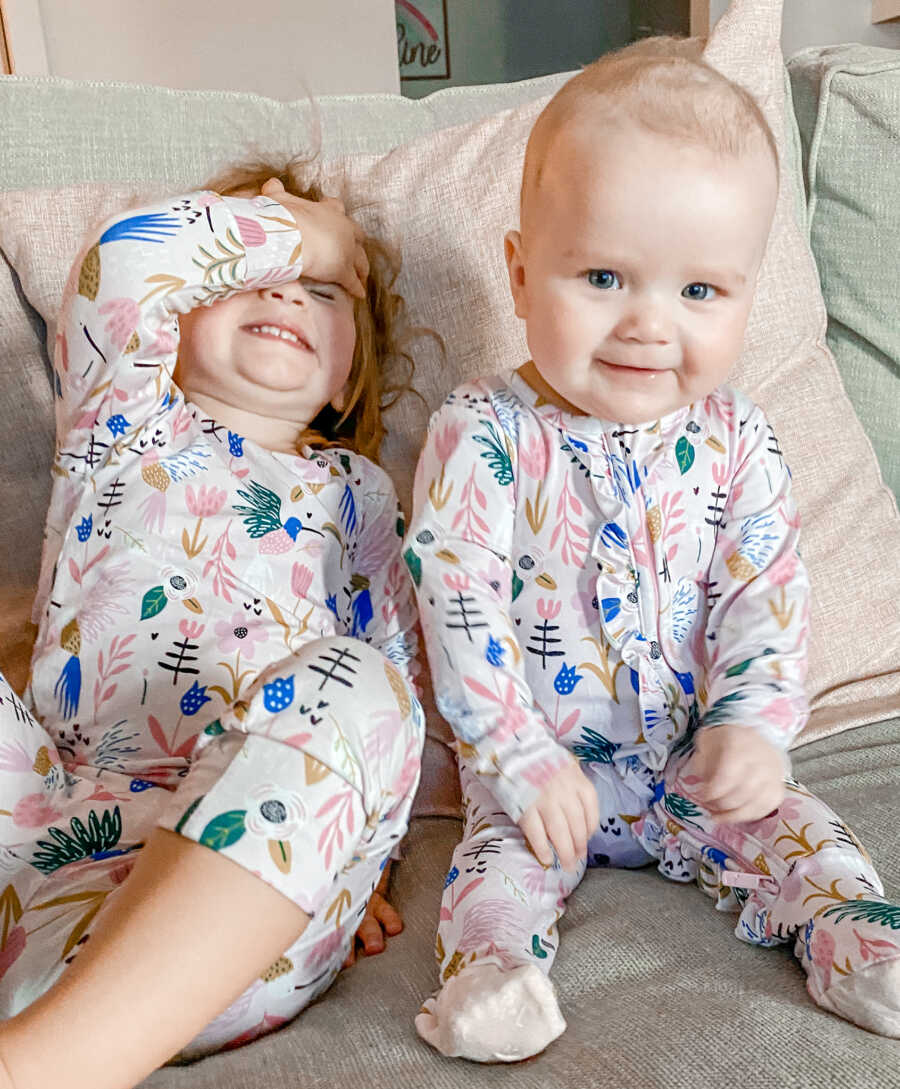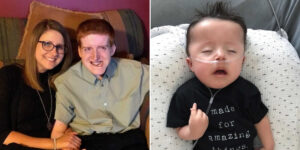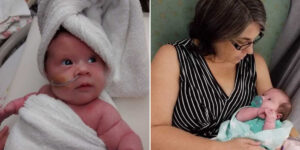
I’ll never forget the night we got the call. My husband had just left to go to the store for diapers for Big Sis, since we had her all day while Mom and Dad were at the hospital. My phone rang—Mom was on the line, her voice trembling. She asked if we were all together. My heart sank. I knew something was wrong, yet I kept whispering to myself that it couldn’t be as bad as I feared.
There was no way our seven-week-old grandbaby had cancer. I went upstairs to gather our other children—#2, 3, and 4—into the hallway. (Our youngest was downstairs, and we called her up a little later.) We waited, holding our breath, as Mom quietly said the words I would never forget: “It’s leukemia.” I immediately screamed, “No! No! No!” over and over, my voice cracking.
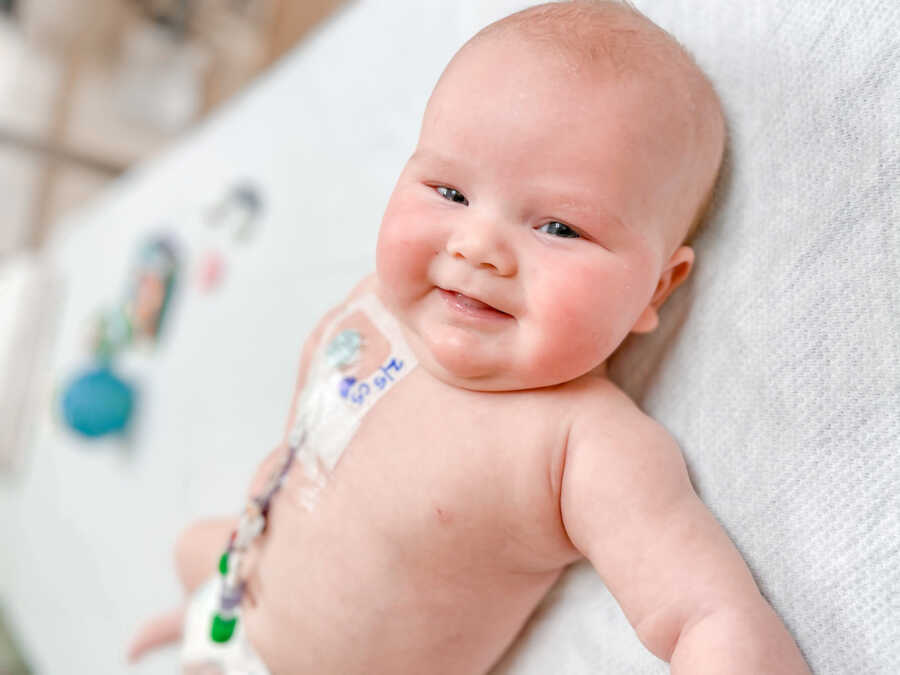
Our oldest son, sensing the gravity, took the phone from me as I collapsed to my knees, sobbing. Our other two children held me, their tiny arms trying to comfort a mother who was anything but strong at that moment. Memories of my mom’s seven-year battle with lymphoma flooded back, and every nightmare I had witnessed replayed in my mind. I knew, in that instant, I couldn’t bear to watch my sweet granddaughter endure the same pain.
We called my husband to come home immediately. When he arrived, I could barely form the words, could barely get out the name “leukemia.” I called my sister, and by the sound of my voice, she knew. Her scream echoed my own. Soon, her husband picked up the phone, sharing in our shock and grief. Our oldest daughter had to hear the news alone in an ER room, her husband waiting outside due to COVID restrictions. The three of us—my sister, my husband, and I—relived our trauma from caring for my mom. PTSD wasn’t just a word; it was the air we were breathing.
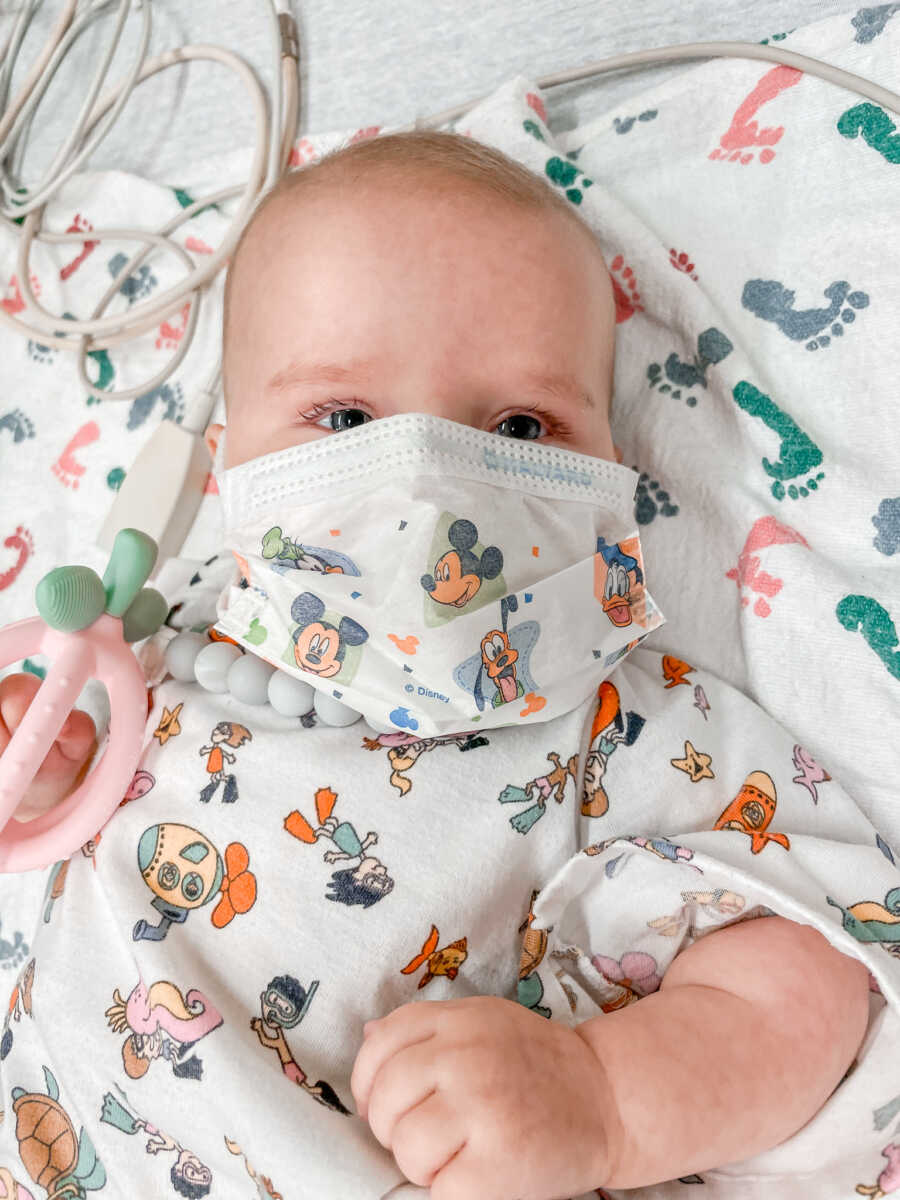
The memories of that day with Avery haunt me endlessly. I felt like I had failed my children, like I wasn’t strong enough for them. Instead of lifting them up, they literally held me. But once the shock settled, we reached out to our immediate family and decided to share Avery’s story publicly, through social media.
Why share her story? Because we know the world of cancer intimately. Watching my mom endure her long, painful fight gave us a front-row seat to the heartbreak and fear cancer brings—especially blood cancers. Avery’s diagnosis is incredibly rare—only one of 400 babies last year was diagnosed with infantile leukemia. Yet every three minutes, somewhere in the world, a family hears that life-changing, terrifying word: “cancer.”
Childhood cancer is complex, with 12 main types and hundreds of subtypes. I’ve walked this road with friends whose children fought valiantly but didn’t survive. A dear friend lost her five-year-old son to DIPG, a cancer with a ten percent survival rate. March 2011 still hurts. Sharing Avery’s journey is our way of shining light on the realities behind the statistics: real families, raw emotions, and heart-wrenching days.
During a pandemic, social media became our lifeline. Text chains were overwhelming, but online, we found a supportive, far-reaching community—from Australia, Brazil, Portugal, Canada, and across the U.S.—cheering for us, sending gifts, and offering words of encouragement. Some days, these friends—mostly strangers—are what keep us moving forward.
Our family has given up more than most to keep Avery safe. Since March 14, 2020, I haven’t stepped foot in a store or restaurant. I stay home, keeping myself healthy so I can spend nights at the hospital giving Mom and Dad a break. My husband and I ensure we remain well so we can care for Big Sis whenever needed. Out of the ten of us, everyone except Avery, Big Sis, and Papa is actively in or seeking therapy. The mental toll has been immense.
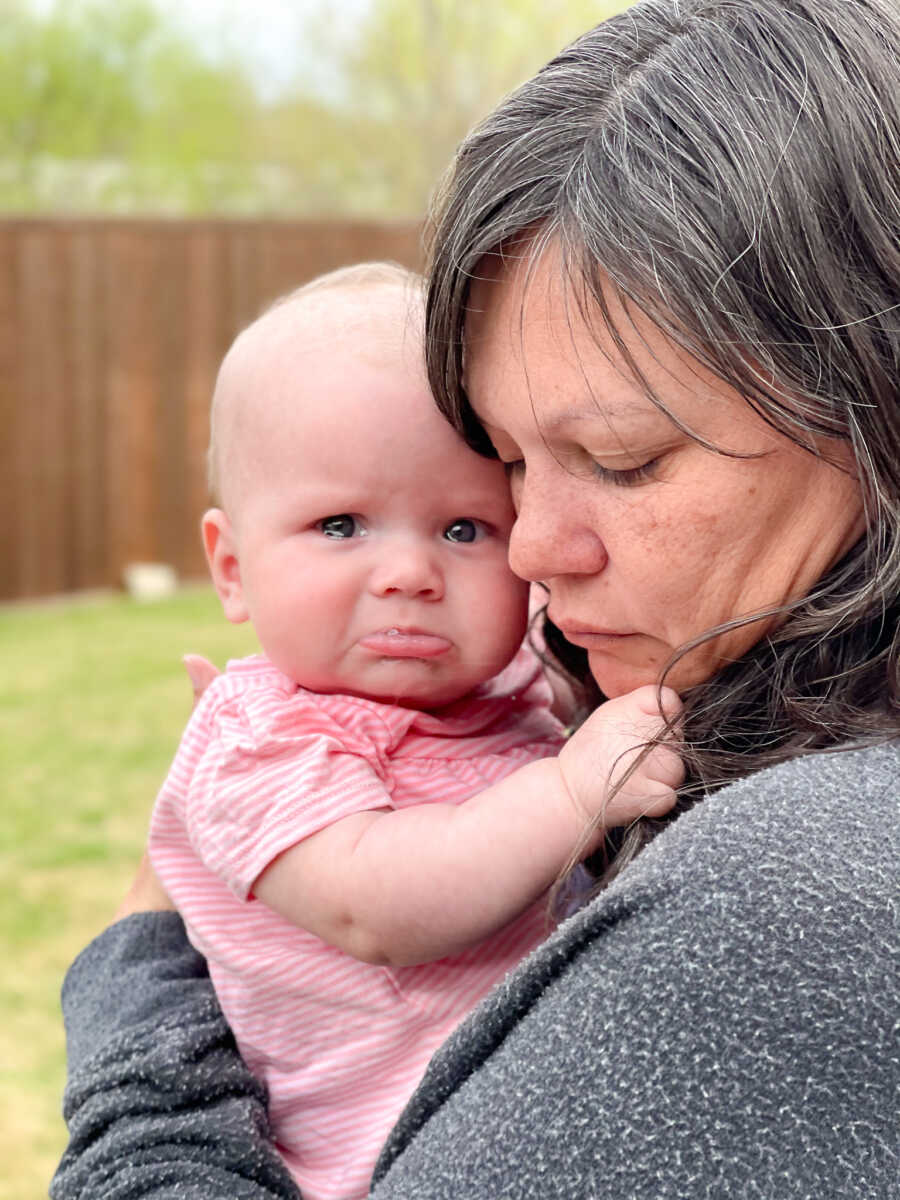
Faith is complicated in this journey. After watching people tell us, “God will heal Avery,” we struggle with cynicism. We prayed for seven years for my mom’s healing. It never came. I still believe in God, and I believe in science. I believe they can coexist. I also believe children can and do die from cancer. But we believe in Avery’s fight, and that belief keeps us going.
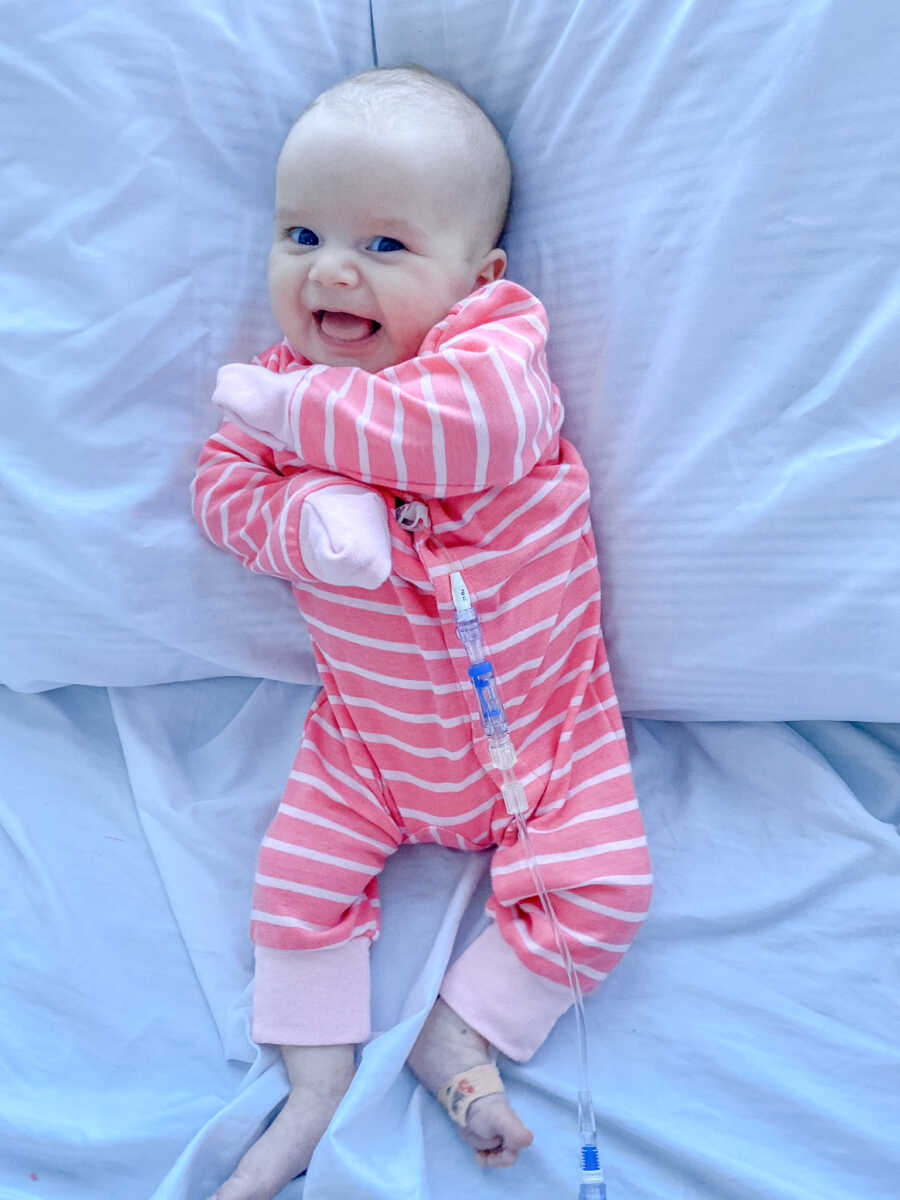
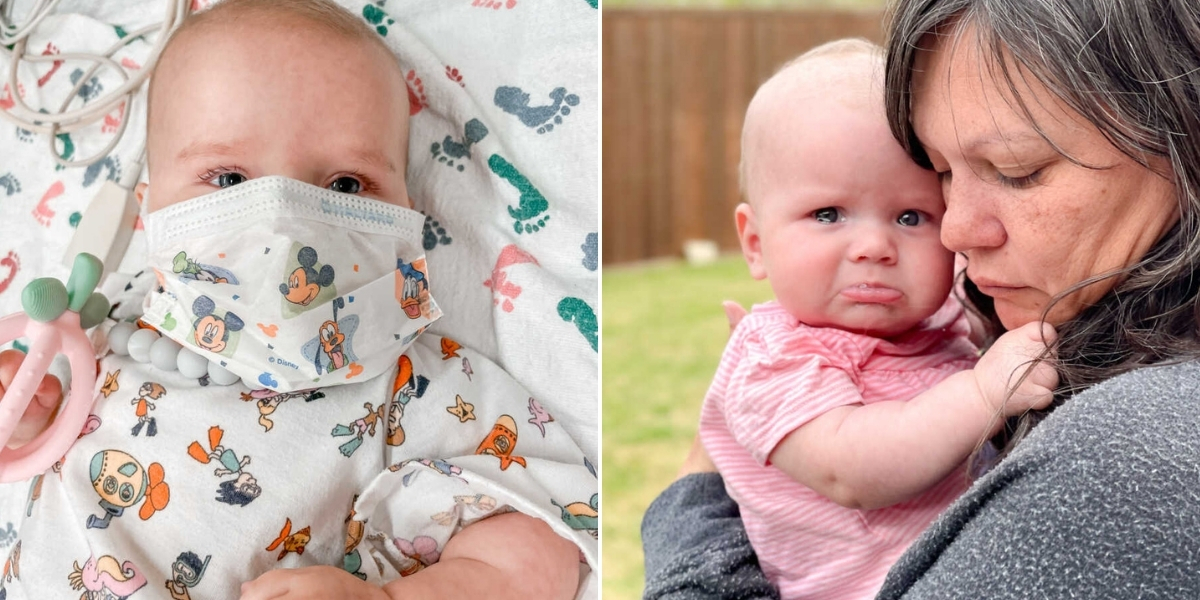
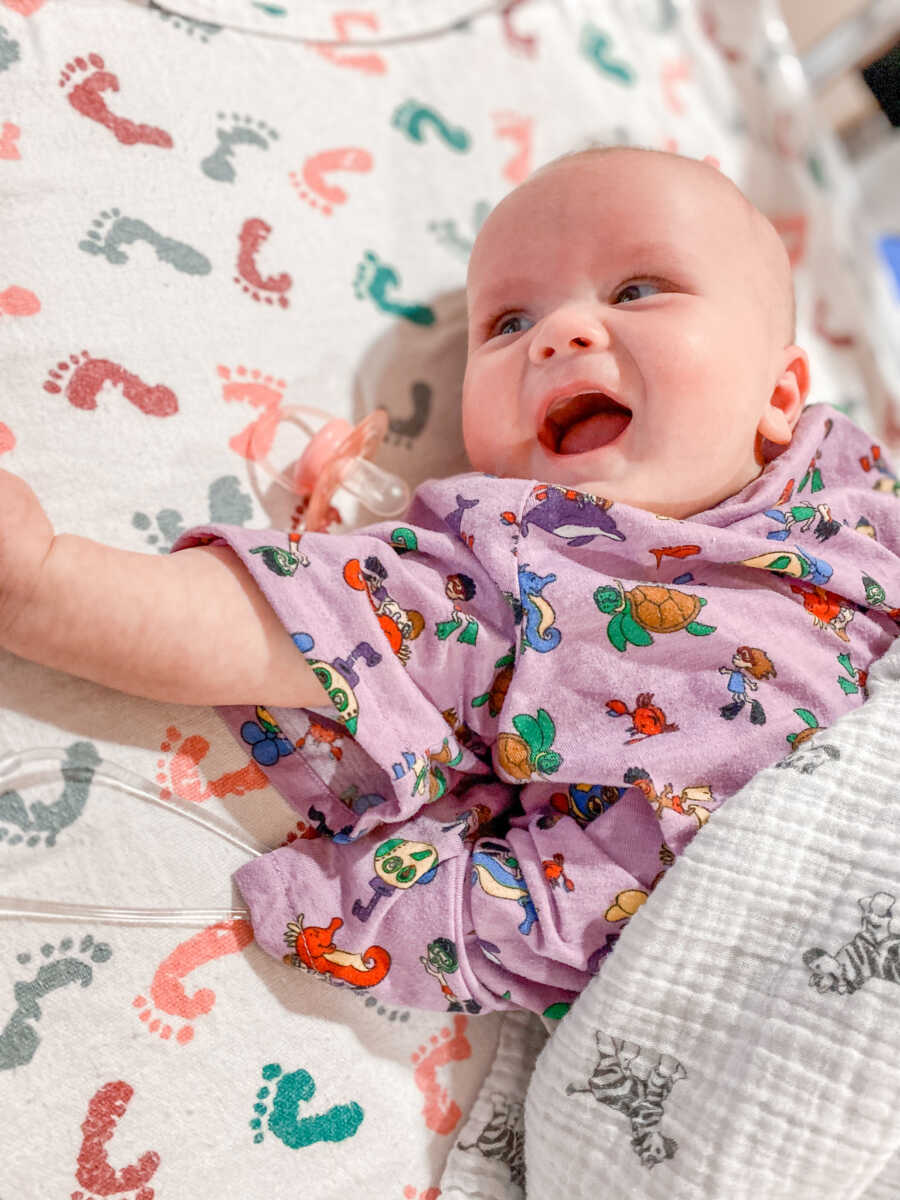
In the past eleven months, Avery has endured seven rounds of chemotherapy, with one more to go before her bone marrow transplant. She spent her first Thanksgiving and Christmas in the hospital, and she will spend her first birthday there as well. She’s had three PICC/Central line placements, two T-cell collection days, CAR-T therapy, countless bone marrow biopsies and lumbar punctures, and a long list of COVID tests. She’s faced CRS, neurotoxicity, and hypoglycemia—all side effects of the treatment meant to save her.
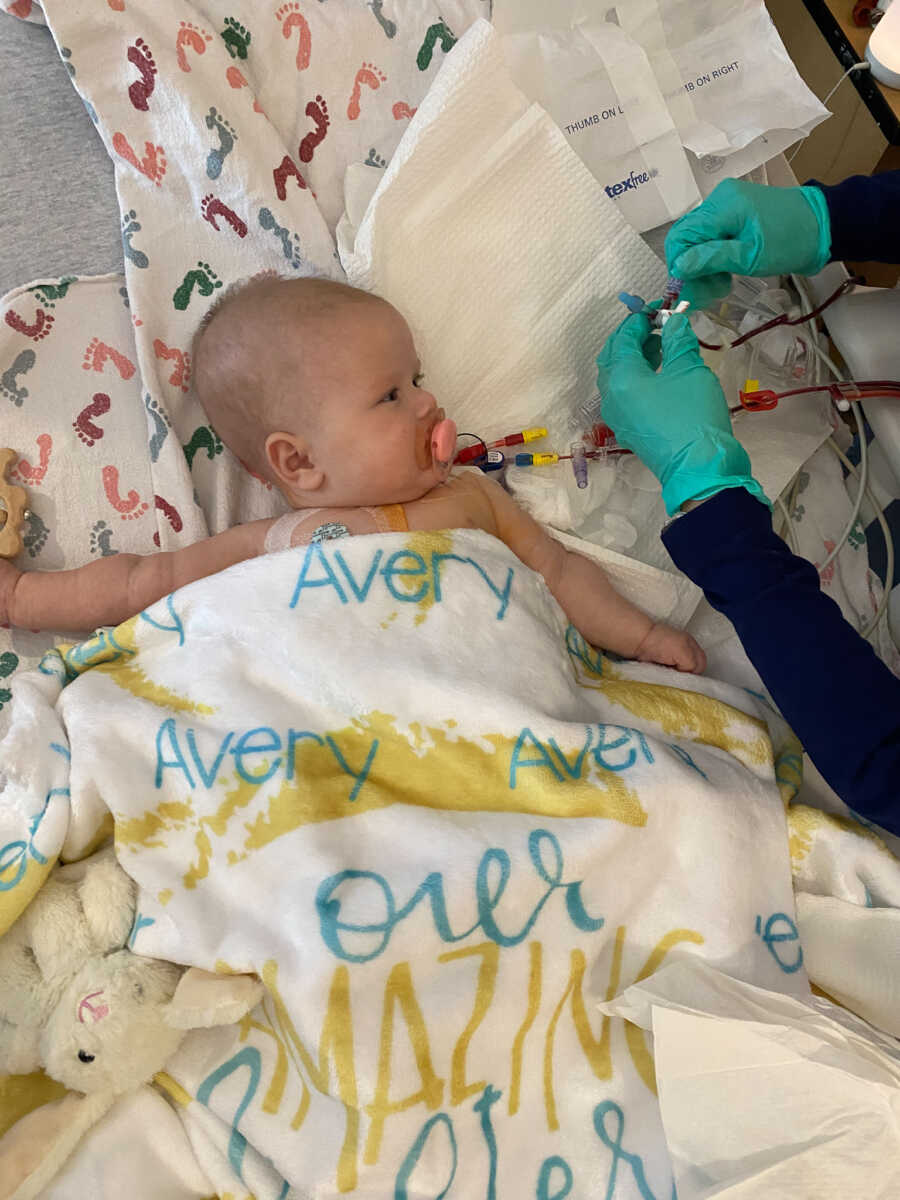
Watching her battle CRS—fevers reaching 106°F, body twitches, inconsolable crying, weakness, nausea, chills—has been the hardest part of our journey. And yet, the biggest fight still lies ahead: her bone marrow transplant. Just four days before her first birthday, she will receive stem cells from a stranger, a gift that gives her the best chance at a cure. This procedure wipes out all her bone marrow cells to make room for new, healthy ones, leaving her without an immune system for weeks as we wait for engraftment—the moment the new cells begin working.
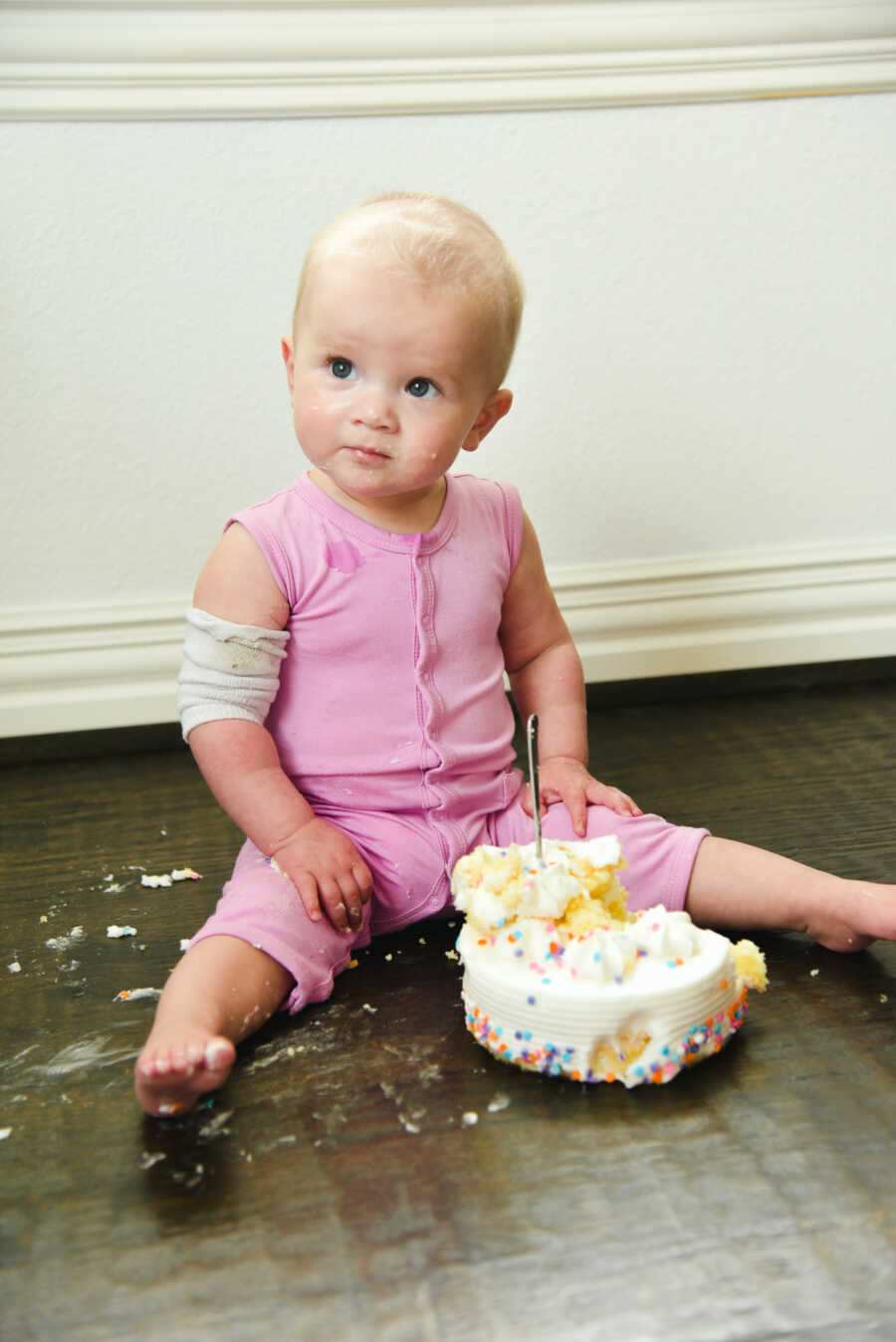
Until then, we will care for her, relying on her amazing medical team for guidance. This battle is terrifying, exhausting, and painful—but it’s also a story of love, resilience, and hope. Our hearts overflow with gratitude for her anonymous donor and for every moment we get to spend with her. Most of all, we love our sweet girl with everything we have and fight for her dream of a long, healthy life, free from cancer and everything it entails.