Living With Disabilities
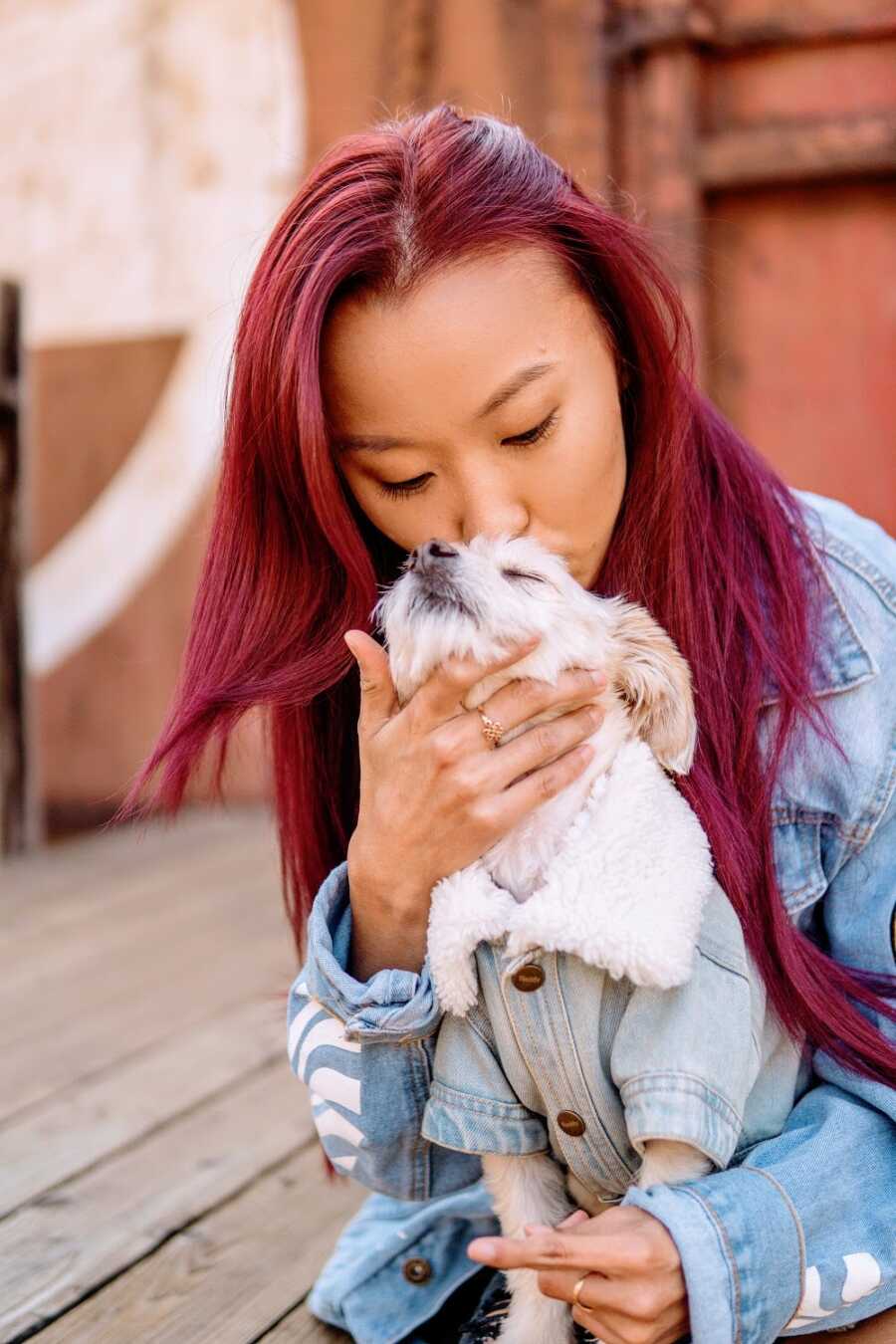
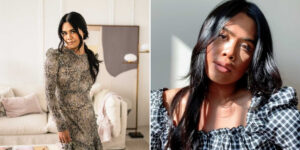
“My name is Gigi, and I am an aspiring model and DDA advocate. On the surface, I might seem like your average twenty-something, but anyone who knows me—or even just reads my story—would likely disagree. Most mornings, I follow a fairly standard routine: I wake up, clean myself up, get dressed, have breakfast, and drive to work, where I spend hours at my retail job. But beneath this everyday rhythm, my mind often drifts toward bigger dreams—dreams of stepping beyond my comfort zone and empowering others by sharing my journey through words and photographs.
Still, I sometimes ask myself: why would anyone care about my story?
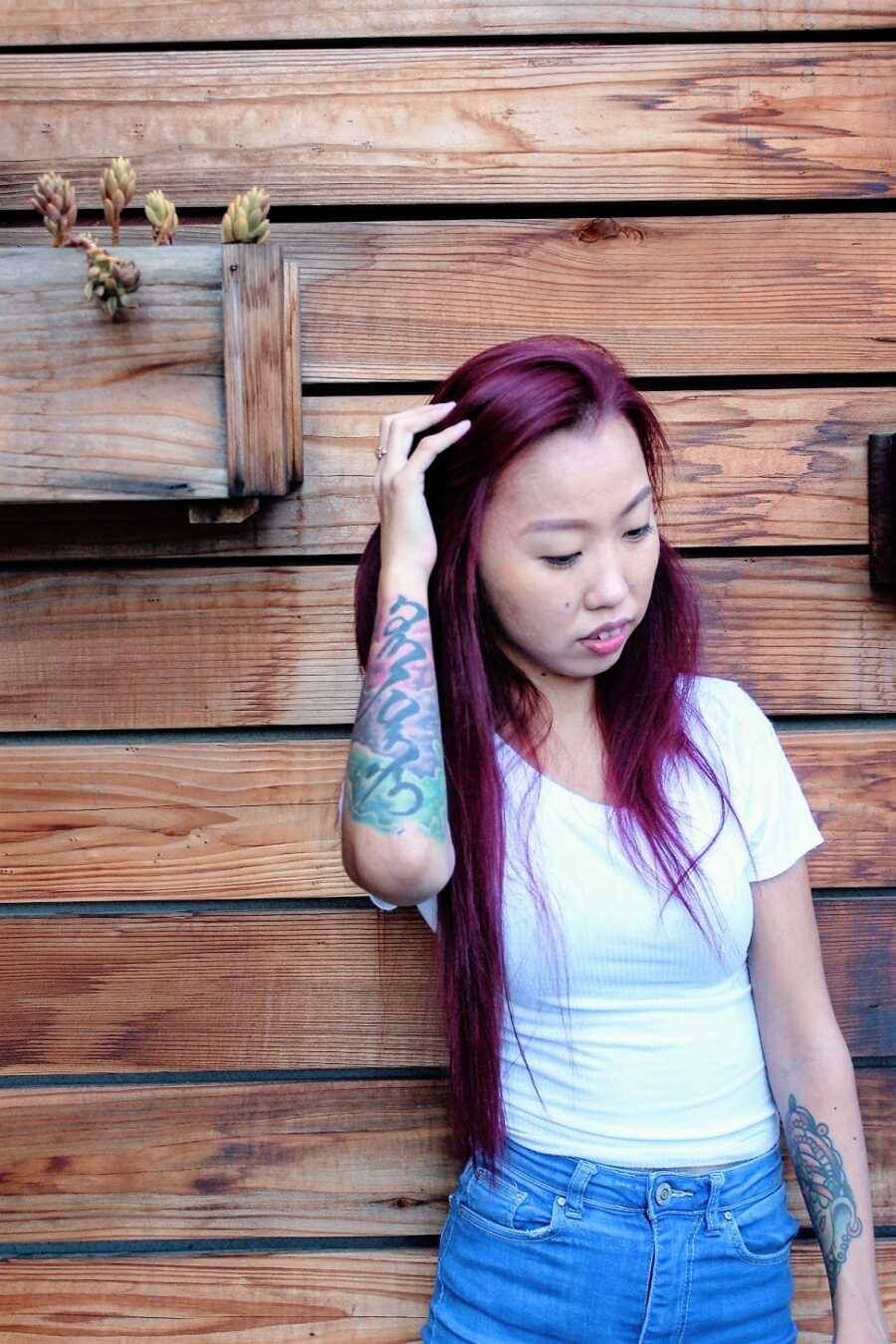
While my daily life may appear typical to an outside observer, it has been shaped by years of challenges and perseverance. My journey shares some similarities with the experiences of many immigrants striving to build a better life in the United States, yet my family’s story comes with its own unique hardships.
What most people don’t see is what happens behind closed doors. Many mornings, I wake up stiff, my muscles locked in spasms. Simply getting out of bed can be a struggle, and it can take me well over an hour in the bathroom just to tie my hair back, shower, brush my teeth, and get dressed. On some days, I might even put on a little makeup, but this isn’t vanity—it’s a triumph over the physical limitations my body imposes. Anyone watching might assume I have one hand tied behind my back—or that I’m being dramatic—but the former is closer to the truth.
After this long preparation, I sit down to a hot breakfast, usually a waffle or omelet lovingly prepared by my mom. While it’s made with care, it’s also practical—cooking independently can be dangerous for me, from chopping ingredients to handling a hot pan safely. Then, I get into my car, fitted with adaptive equipment like steering wheel attachments and a backup camera, and drive to the job I finally earned after completing an internship program for young adults with disabilities.
Cerebral Palsy Journey
How did I get here? My story begins in Mongolia, where my mom gave birth to me a month prematurely. The delivery was traumatic, and due to medical missteps, my brain was deprived of oxygen. The doctor had to give me several injections to my skull to save my life. Although I went home with my family, it became clear over the next few years that I wasn’t hitting developmental milestones. I couldn’t stand or walk independently, and speaking clearly was a challenge.
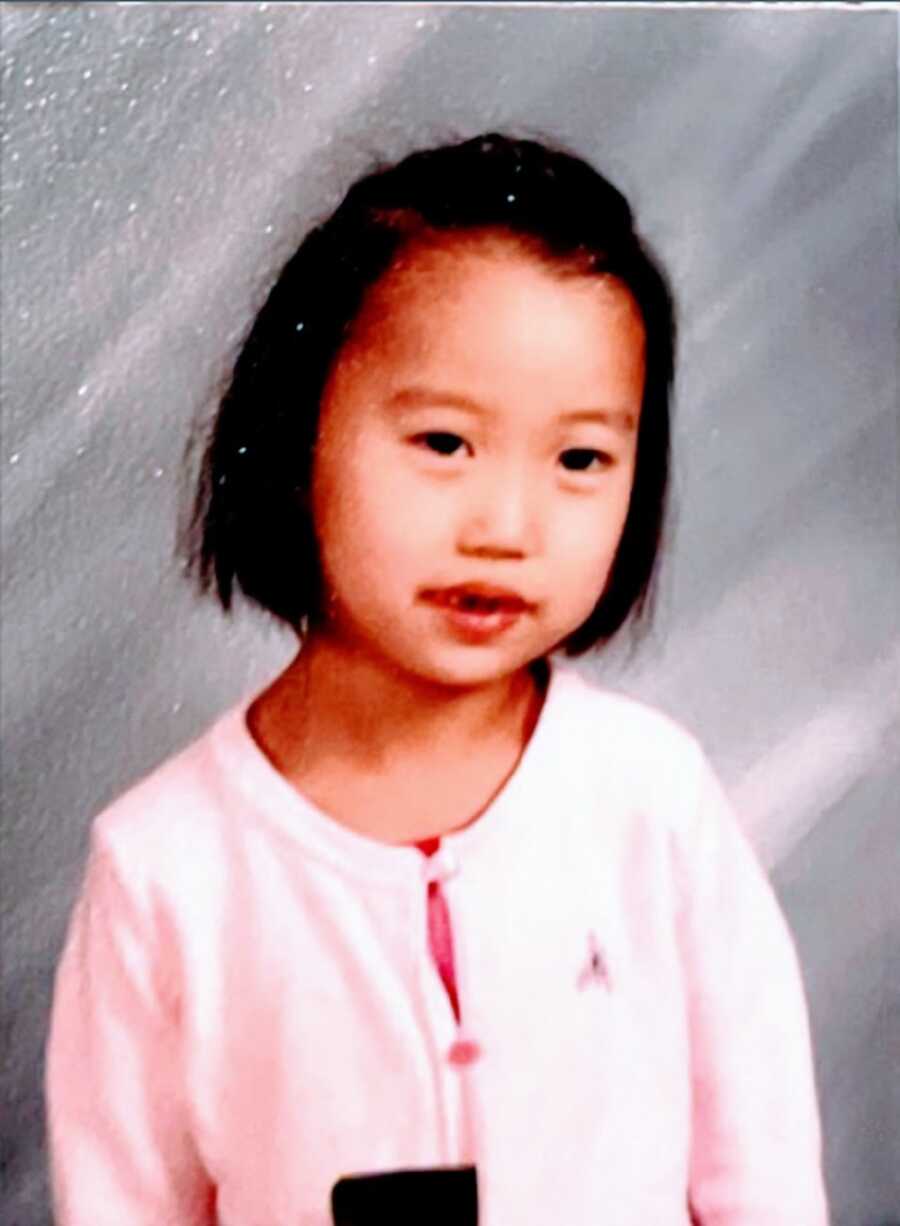
By the time I was three, doctors recommended I attend a school for children with special needs, and it was then I was diagnosed with cerebral palsy—a condition affecting my motor skills, muscle control, gait, speech, and coordination, particularly on the left side of my body.
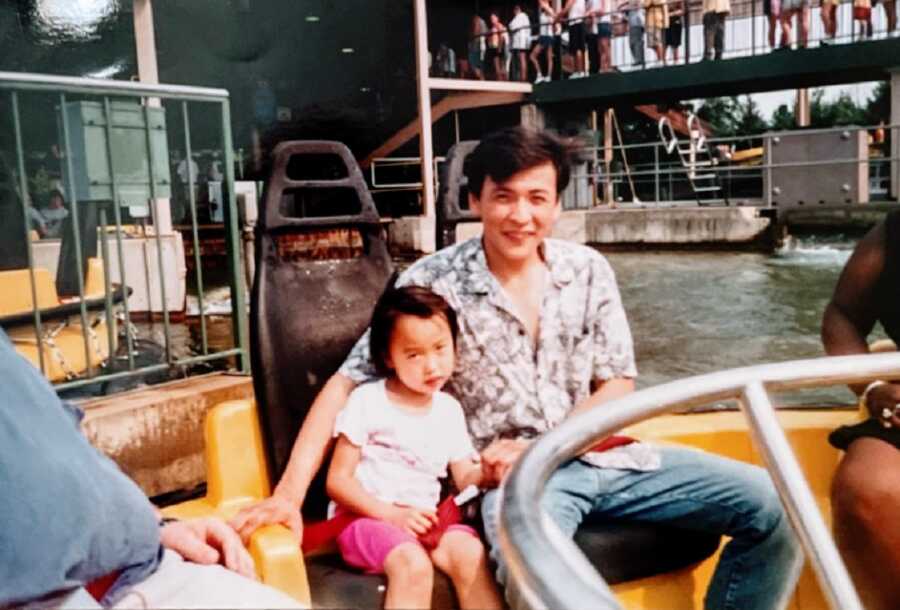
At six, my family moved to the United States for a series of life-changing surgeries that gradually helped me walk. Before that, I relied heavily on leg braces, a walker, or a wheelchair. My dad, who was incredibly loving, often carried me, even when it became awkward as I got older. Imagine a nine-year-old being carried everywhere!
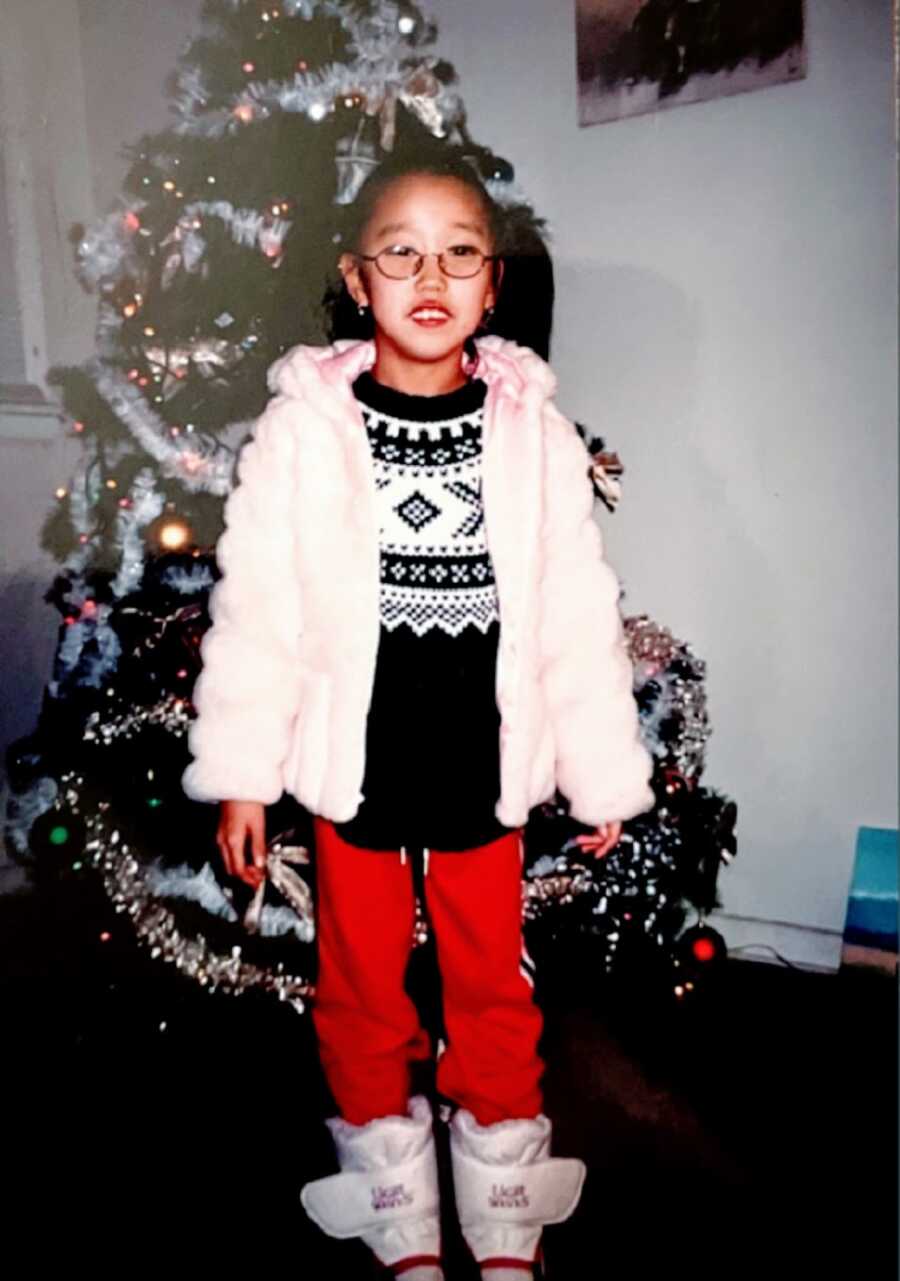
Tragically, my dad passed away during my teenage years. His loss left my mom to care for me, my 18-year-old brother who enlisted in the Navy to support us, and my baby brother, who was just one year old at the time. Life became even more challenging, yet my family’s resilience kept us moving forward.
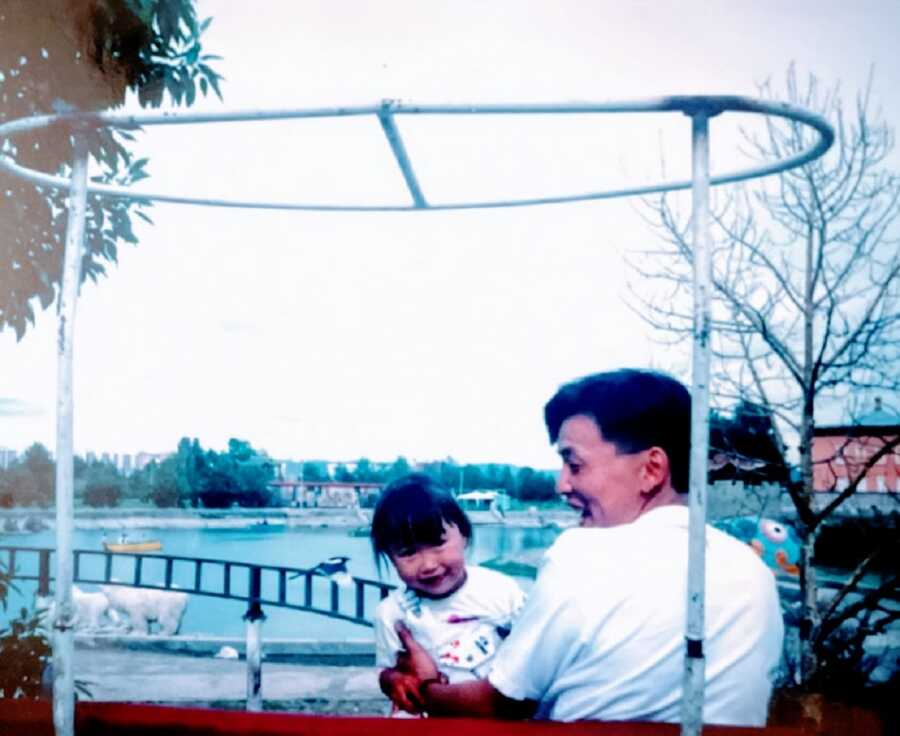
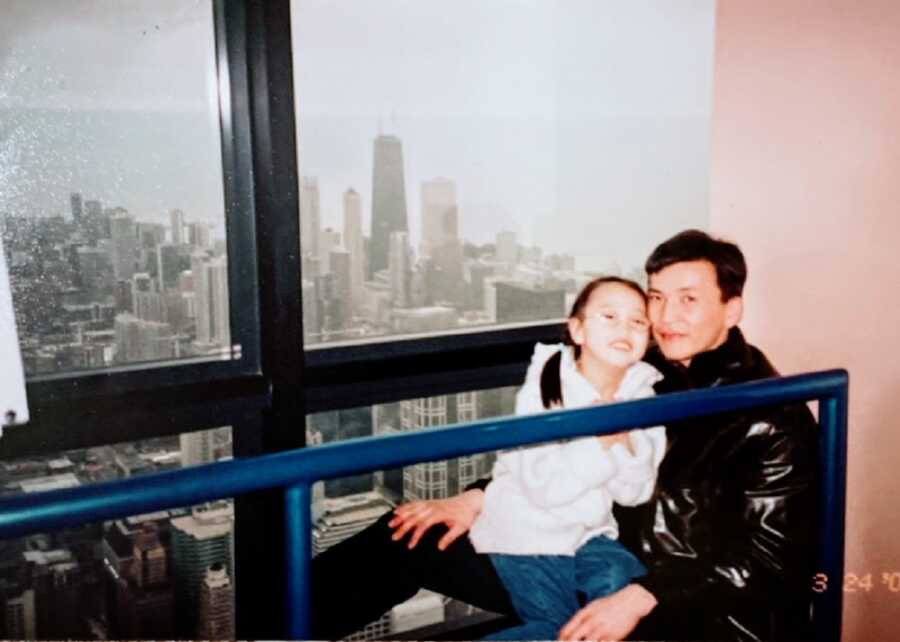
School and Social Challenges
Having lived with cerebral palsy since birth, I didn’t always recognize how different my life was from my peers. Early on, I tended to hang out with adults—they were more polite, less likely to stare, and didn’t bombard me with questions about my disability. Playing with kids my age was often uncomfortable. I remember a pivotal moment in third grade during recess: while turning a jump rope, a boy asked why I walked and spoke differently. I told him I was born this way. The next day, he said his mother explained that I was ill. It hit me like a ton of bricks—I realized I was not just different culturally, but also seen as sick.
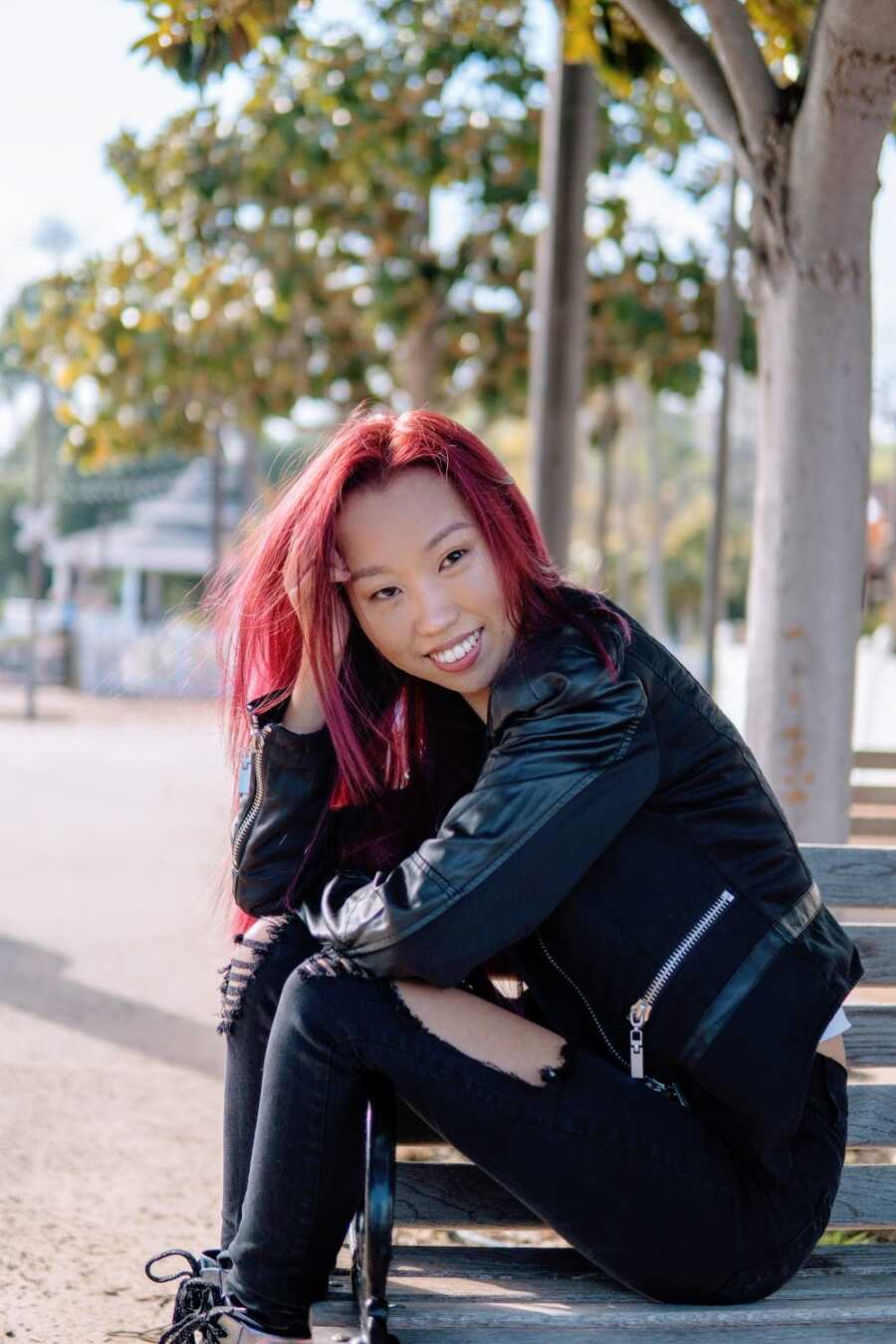
Middle school brought a new set of challenges. I was placed in a special ed classroom where all students, regardless of ability, were taught the same way. I often felt bored and unchallenged. Even gym class was isolating, as coaches, overly cautious due to my disability, left me to entertain myself while other kids ran and played team sports.
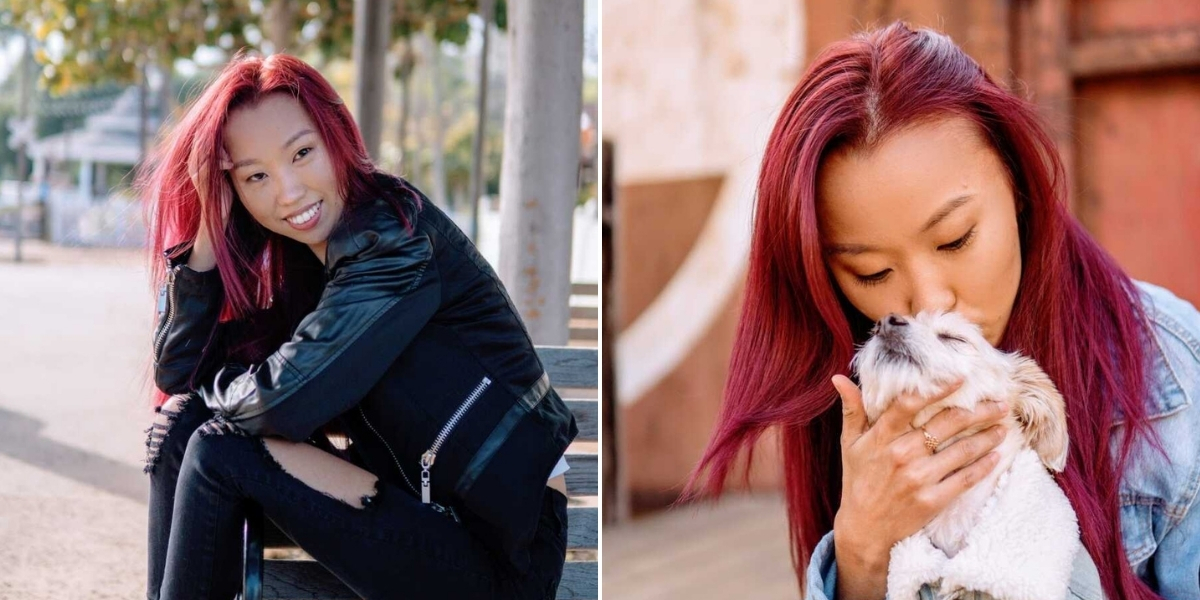
By high school, I had learned to navigate social interactions carefully. I began embracing my uniqueness through fashion—colored hair, ripped jeans, and edgy style became my way of expressing identity and confidence. I loved fashion and even dreamed of becoming a designer. Yet life wasn’t always easy.
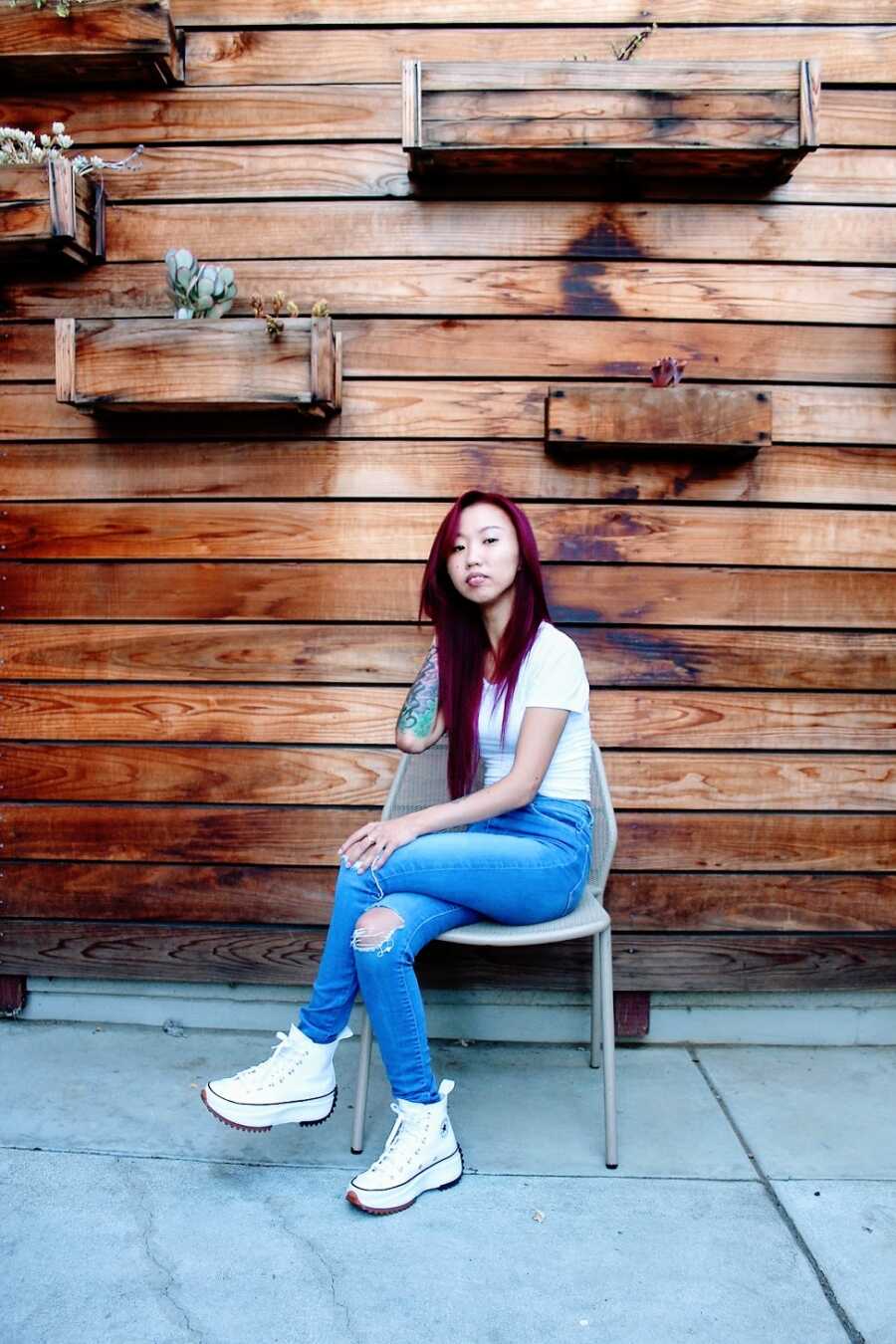
I recall one incident where a classmate insulted me by calling me a ‘crooked Asian girl.’ Though it stung, I focused on the support of kind classmates who stood by me. High school ended, and I felt both excitement and trepidation stepping into the adult world. Many peers were moving forward—college, jobs, relationships—while I felt stuck, frustrated by daily tasks that seemed impossible.
Changing Mindsets
Eventually, I realized that if I wanted change, I had to take responsibility for it. Small steps led to bigger accomplishments. I learned adaptive driving, had independent living support to manage daily tasks, and leaned on job coaches to thrive in the workplace. I also allowed myself to explore life’s joys: skydiving, horseback riding, and traveling. These experiences taught me that even when my mind and body aren’t perfectly in sync, I am in control of my journey.
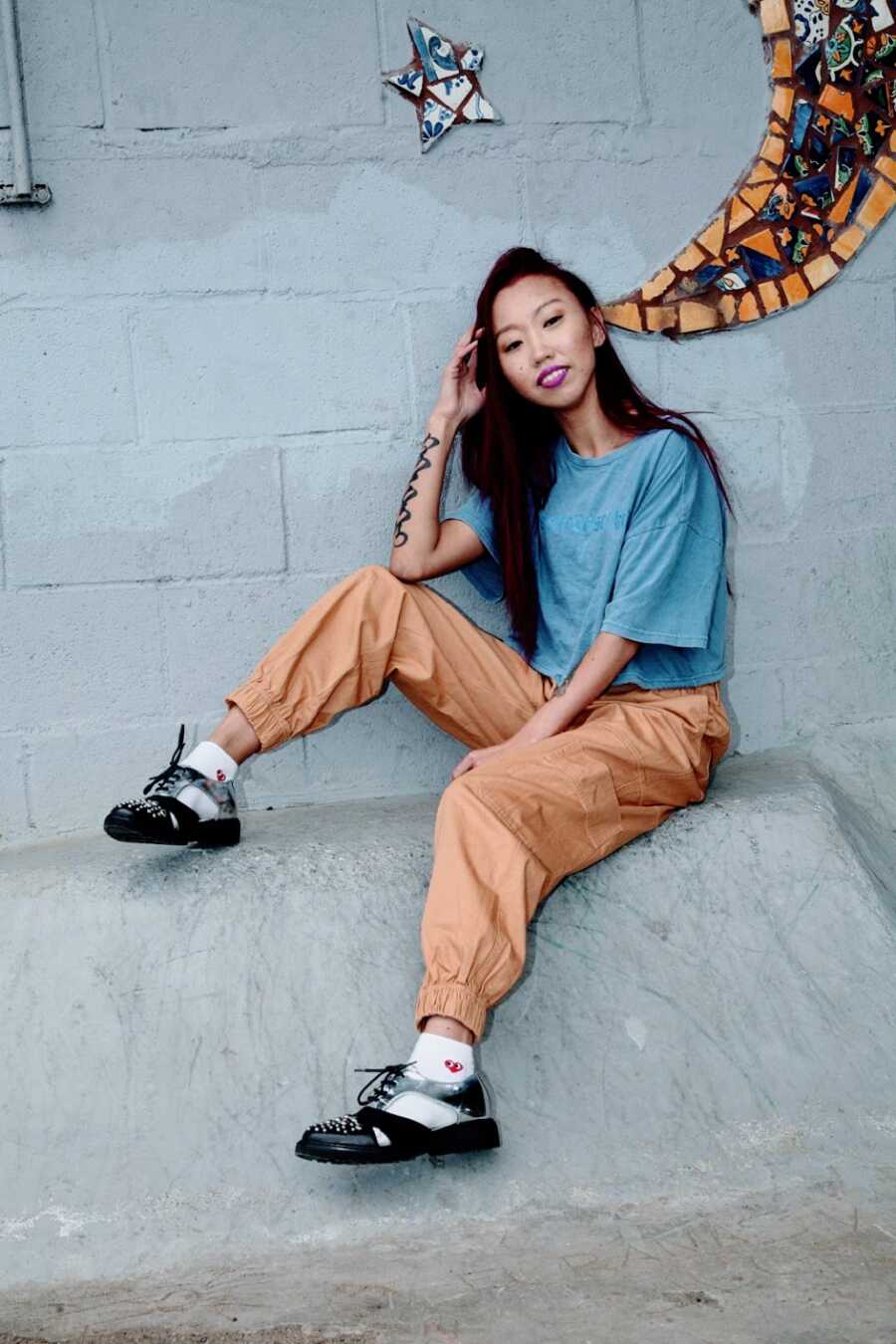
Modeling and Advocacy
Modeling became a natural extension of my story. Being in front of the camera allows me to showcase confidence, strength, and beauty. Collaborating with photographers was nerve-wracking at first, but now I embrace every opportunity to share my journey visually. My goal is simple: show that it’s possible to feel both frustration and empowerment at the same time.
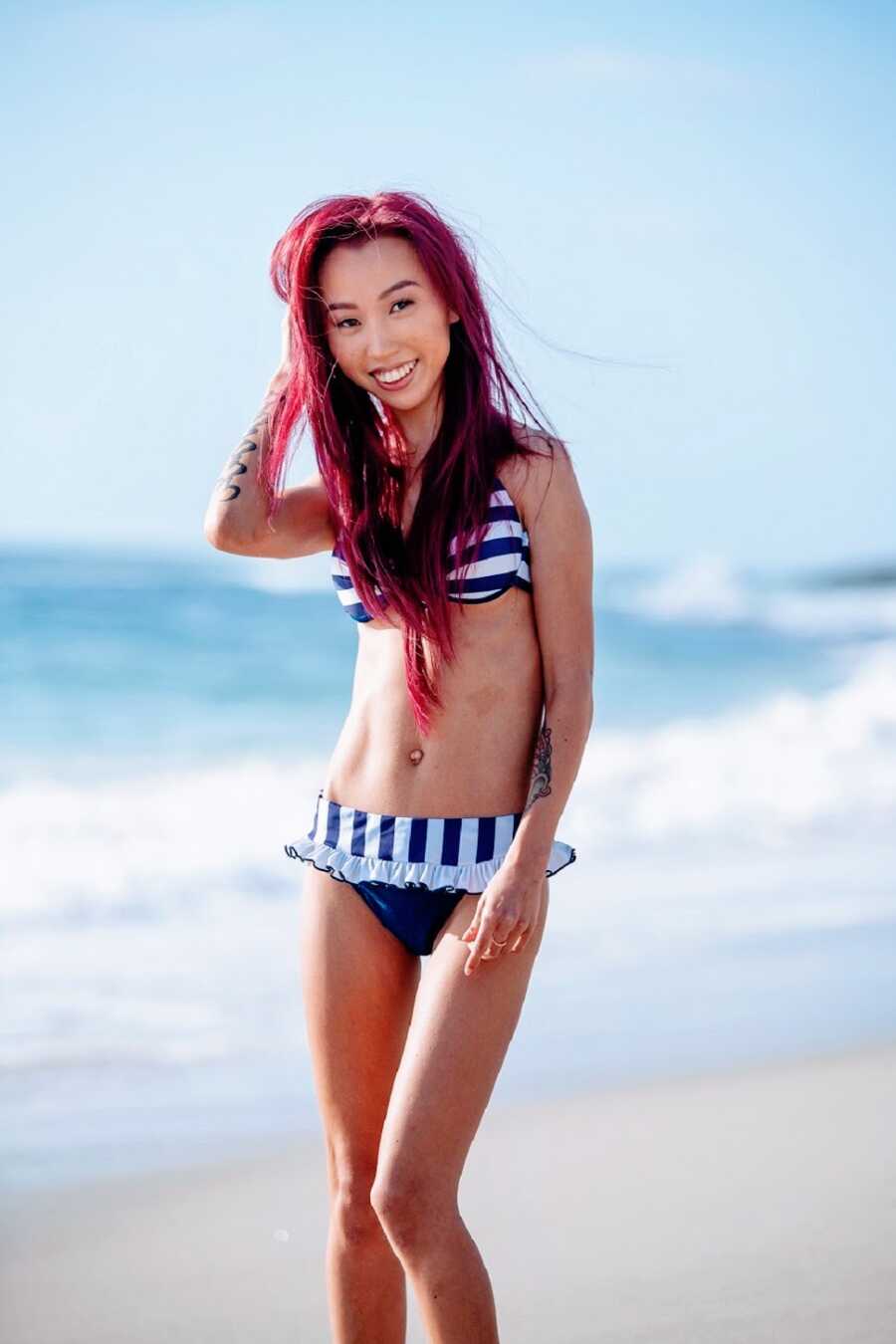
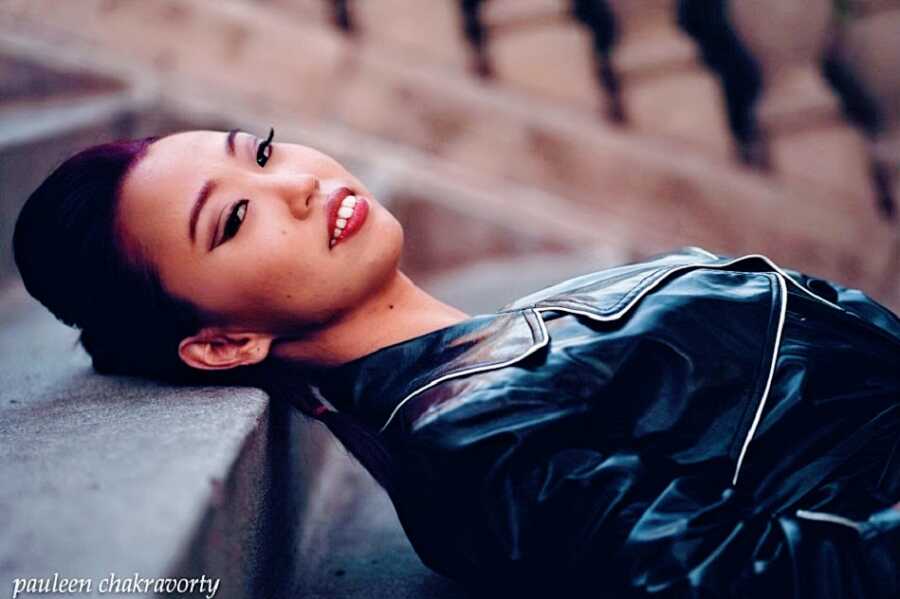
Life is unpredictable, and I can’t say where modeling, advocacy, and blogging will take me. What I do know is that people notice, people are inspired, and that matters. If sharing my story helps others imagine walking a day in my customized orthotic shoes, then every challenge I’ve faced has been worth it. People with visible and invisible disabilities deserve their place in society—and in the spotlight.”