A Motherless Mom
My entire motherhood—one-third of my life—has been intertwined with grief. Eleven years have passed since my mom, Criselda Garcia Paz, died. Sometimes my grief whispers softly, bittersweet like a quiet wind. Other times, it hits me like a freight train, sending me through days filled with anything that reminds me of her. How do you process being a pregnant 19-year-old while losing your mom? How do you move forward after watching her heart stop while life grew inside you? Are you supposed to “get over it”? “Get through it”? Say it made you stronger, or gave you a morbid sense of humor? Maybe it’s all of the above.
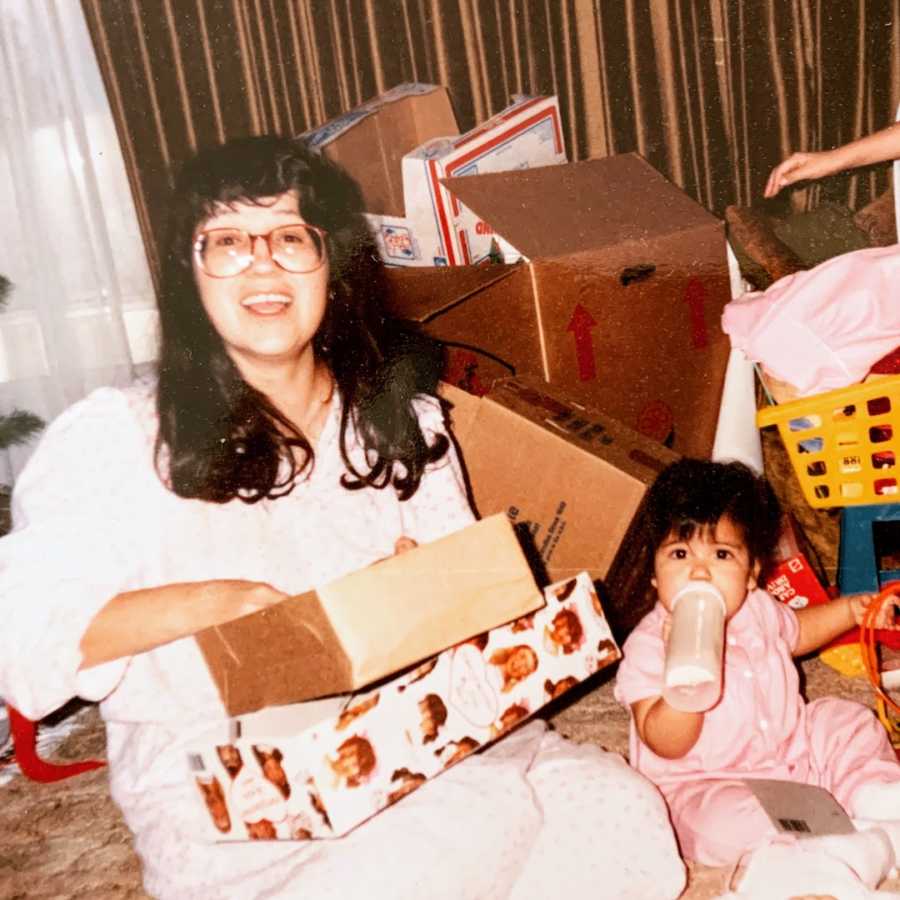
For the longest time, I didn’t do any of that. I went straight into survival mode. I put everyone else first: my brother, my sister, my grandma, my pregnancy—the list felt endless. I’ve hesitated to admit just how detached I was from my first pregnancy, scared my son would feel blamed. I didn’t even buy him an outfit until nearly the third trimester—and that outfit still sits in a box. When he arrived, he was exactly what I needed to navigate those first years: joy, light, and a sense of purpose for our family, far beyond just my immediate circle.
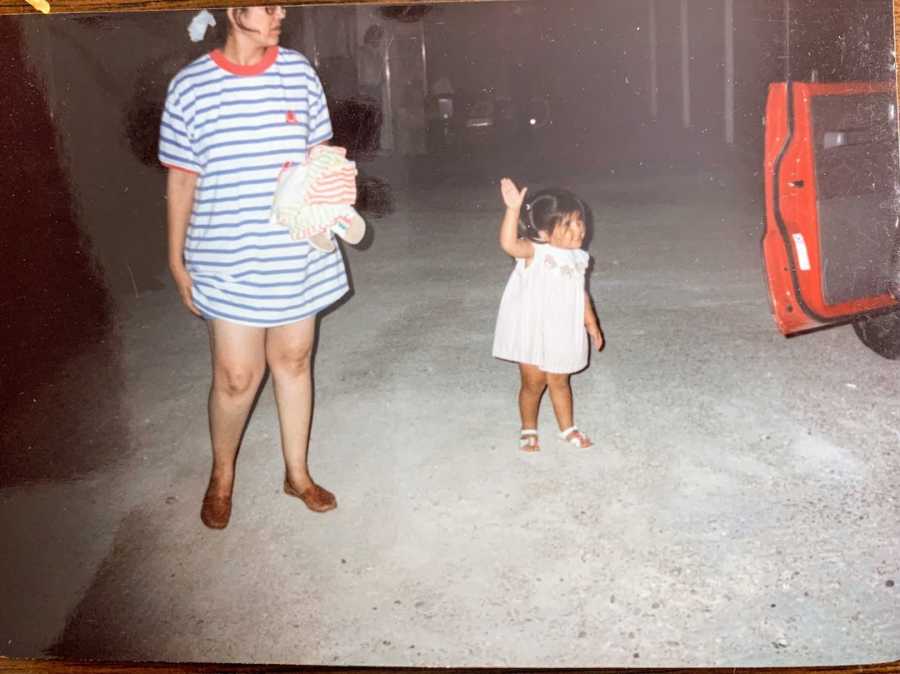
Still, it was unbearably bittersweet. Mom was supposed to be there—holding him, guiding me through the first week postpartum, standing beside me in ways only a mother can. Aunt Myra stepped into that space with grace, sharing love and support exactly as Mom would have. One middle-of-the-night feeding, she reminded me of something Mom had said: “It’s just October,” speaking of her grandson’s arrival. But Mom never made it to October—she passed on Easter Sunday, April 4, 2010. The tomb was empty, and so was my heart.
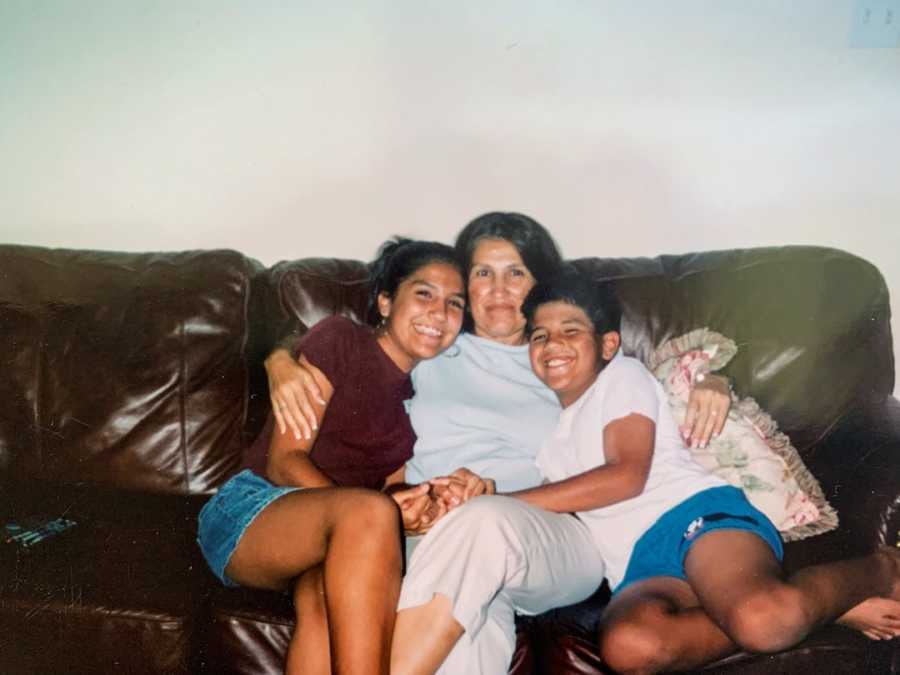
I remember the moment vividly. I was at work when my cousin Victor called and drove me home. Walking into Mom’s bedroom that final time—knowing she’d never be there again—is indescribable. The “NO SMOKING. Oxygen in use” sign taped to her door. Orange pill bottles scattered across her bedside table. A nurse carefully administering morphine to ease her pain. Her cracked lips, parched and desperate, clamping down on a damp washcloth. So frail, jaundiced, silent except for sighs, blinks, and eye rolls.
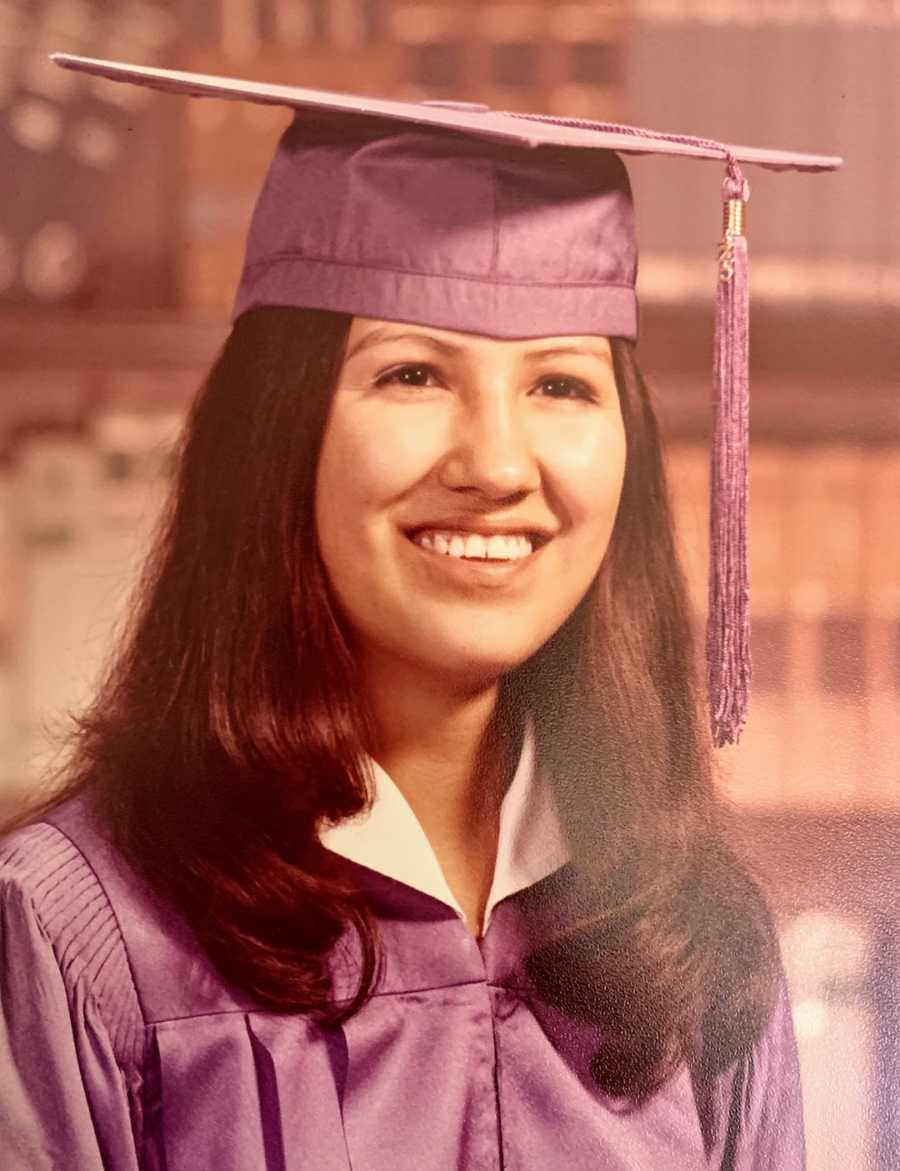
Her last words weren’t dramatic or famous, but they were everything that mattered: she looked each of us—my sister, my brother, and me—in the eye. We told her, “I love you, too, Mom.” Eleven years later, I remember so much and so little at once. I can picture her nightgown, but not the color of the sheets. I recall the heartbreak in the details I’d rather not relive—the moments that once replayed endlessly in my mind like a cruel highlight reel.
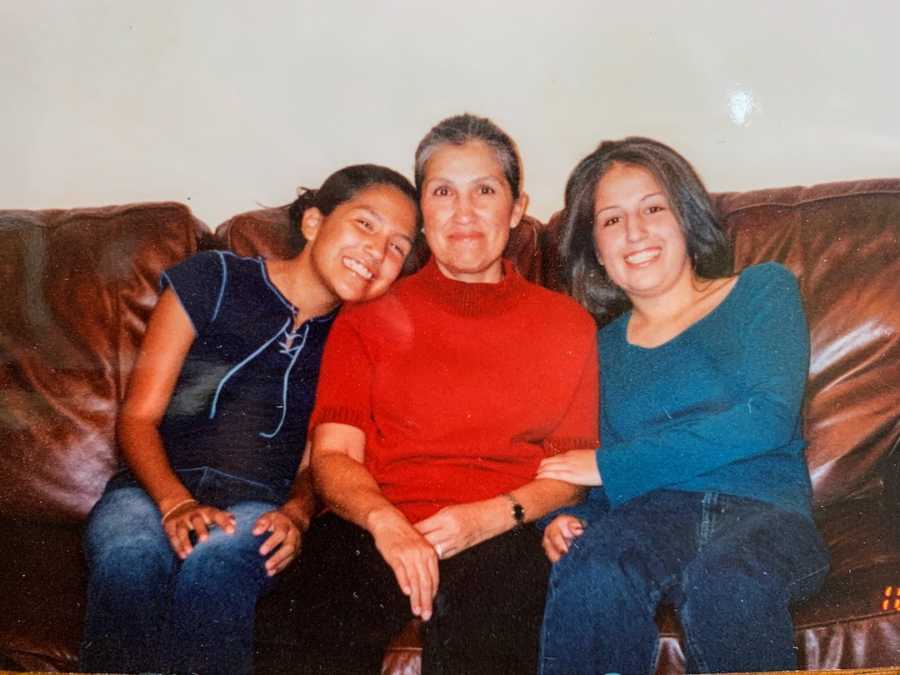
The first year after her death was a whirlwind of confusion and emotion. Every holiday became a dual celebration: my son’s first memories of joy and my first experiences of mourning. The peaks felt euphoric, the valleys devastating. I wondered if I’d ever feel complete again—not merely content or “okay,” but whole. Mom took a piece of me when she died; I was only 19.
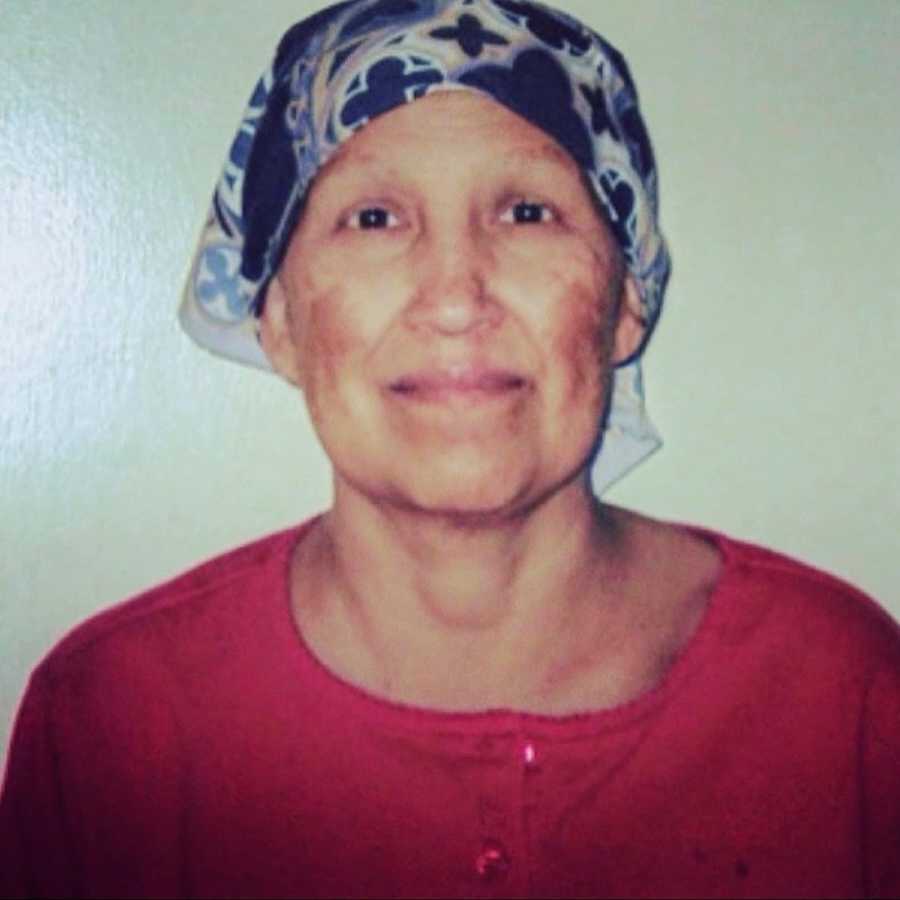
I never knew her as an adult. I never had her guidance on love, communication, childbirth, or the responsibility of raising another human. I sought advice from aunts, my dad, friends, and even Facebook—but it was never quite the same. Hearing people talk to their moms daily feels foreign to me now. And yes, it’s sad, but not everyone has a mom they love, and I did.
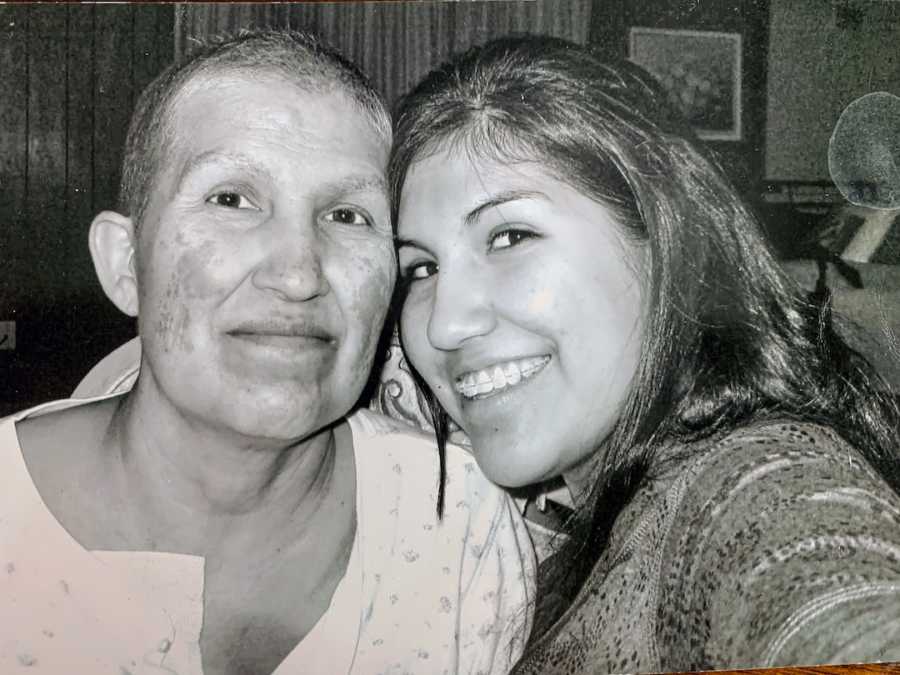
I am slowly learning my identity as a mom. Motherhood transforms you, reshapes you, and takes time to grow into. My first journey into motherhood was defined by survival. I am blessed with three children, but anxiety colored every pregnancy. I expected loss, feared the worst, and each day was a fragile balance between gratitude and dread. I distanced myself from everyone—including my husband, my siblings, my children. I was angry, exhausted, and defeated.
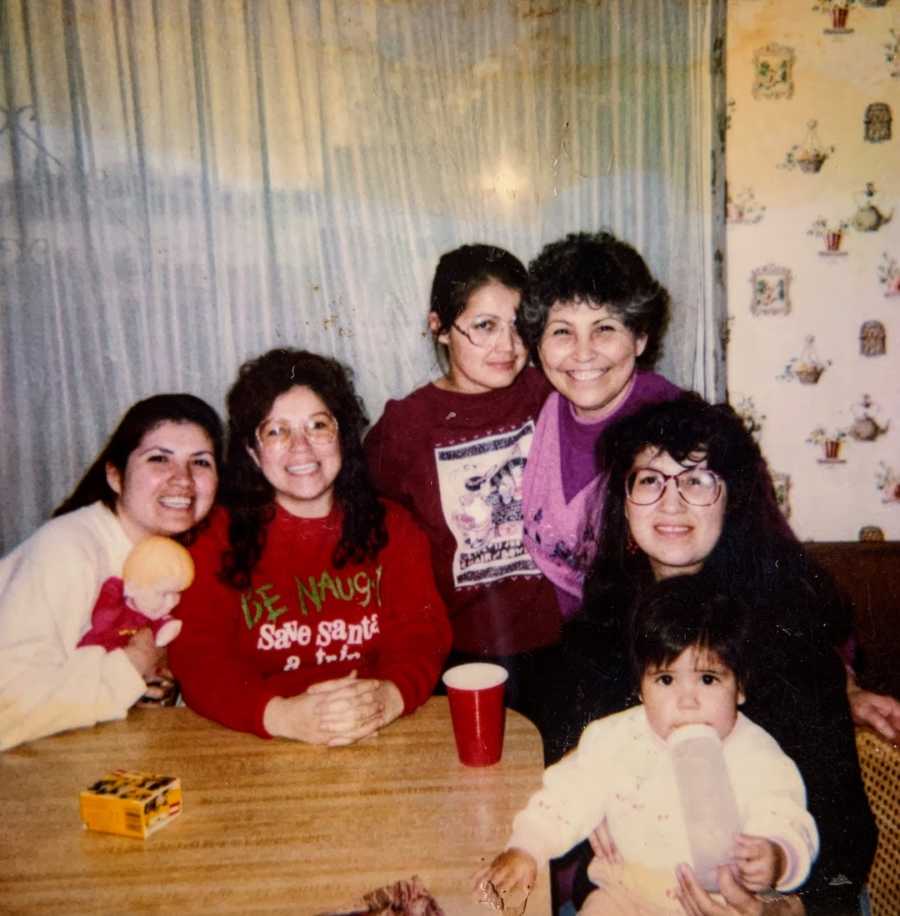
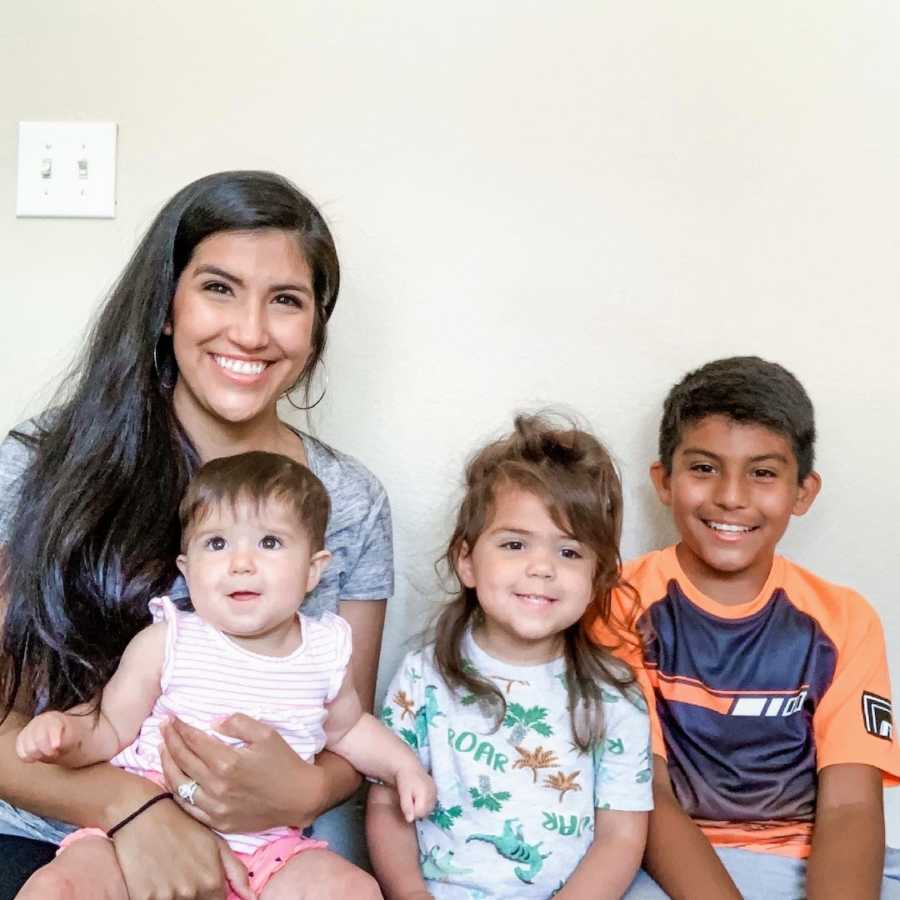
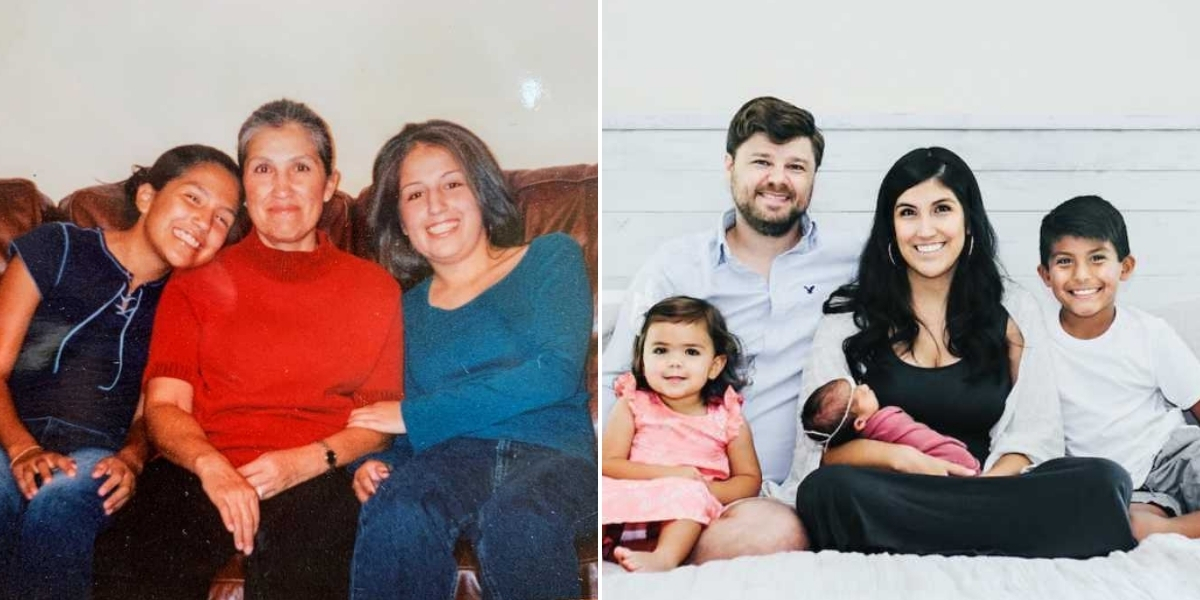
Now, as I write this, tears stream down my face while my 10-year-old recounts his school day, my toddler asks for a snack, and my 9-month-old giggles in peek-a-boo. My son is Isaiah. My daughters are Crislynn—bearing Christ at the lake, carrying both our initials—and Sofia, meaning wisdom. Their names reflect the place I was in when they were born.
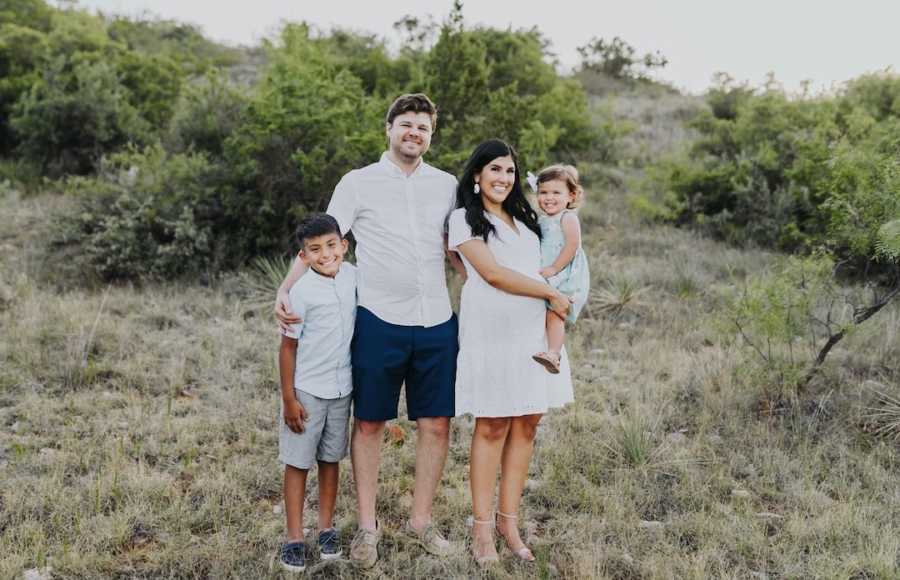
Each pregnancy and postpartum phase has stripped me down to my rawest self, only to rebuild me again. I see my mother mirrored in my life: three kids, middle child like me, shared initials, and physical resemblance. When I miss her, I eat banana Laffy Taffy, sip lemon slushes, and buy French bread to eat whole—rituals that keep her memory alive.
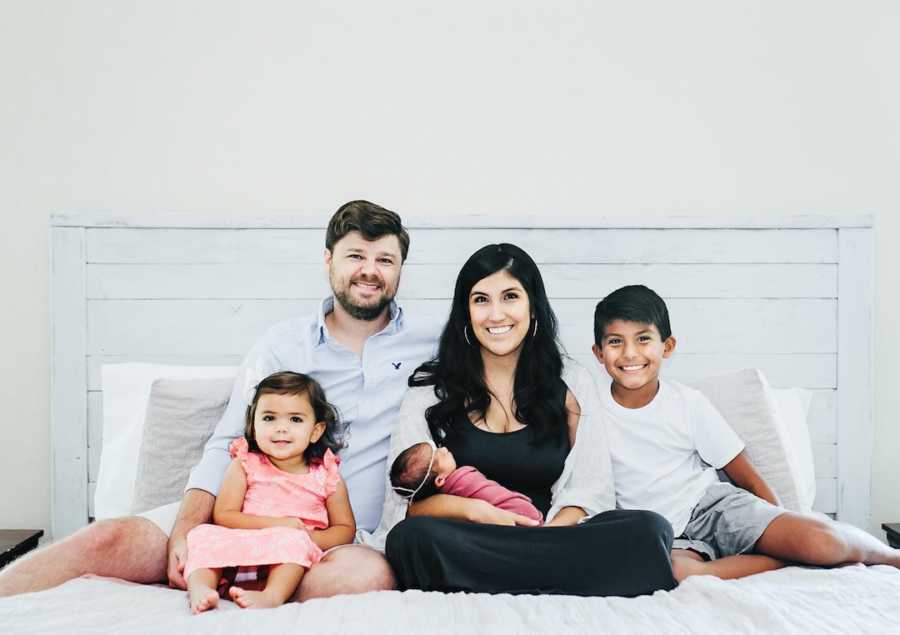
I make sure my children have photographs of me with them. Selfies, countless angles—probably too many, but I don’t care. My mom died young, and I’ll never have images of her holding my belly or meeting my husband. I will honor her by being present for my children, even if imperfectly. It’s morbid at times, perhaps, but it’s my way of preserving our moments together.
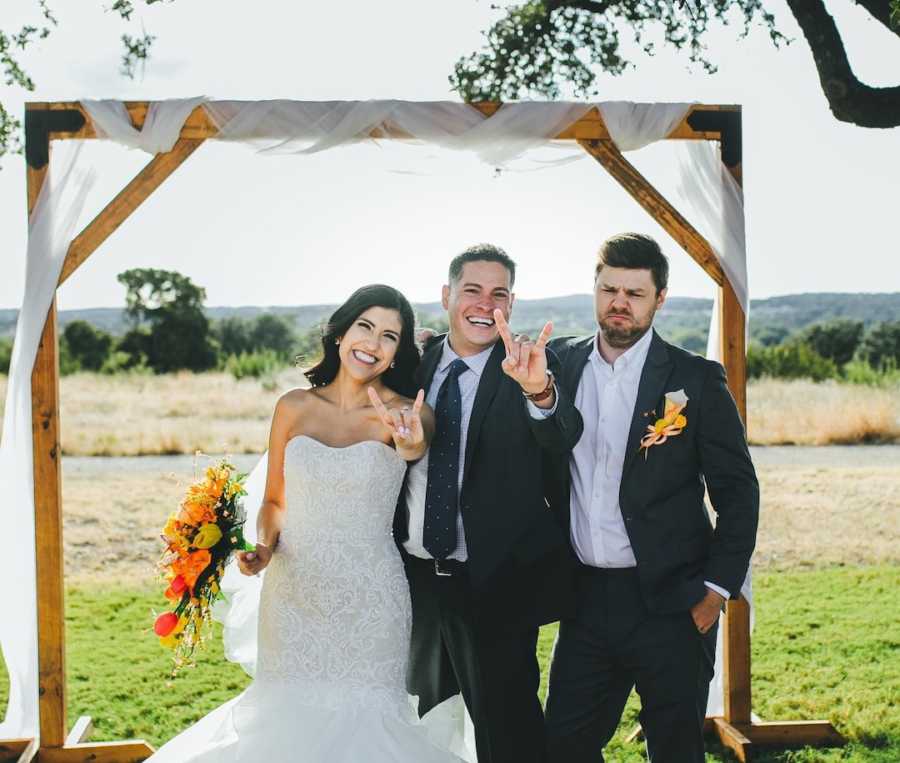
My mother’s sisters, my friends, and extended family have all stepped in to fill gaps. From diapers and birthday cards to wedding veils and officiating ceremonies, my life has found its full circle in unexpected, beautiful ways. Eleven years have passed, shaping my perspective, revealing scars and resilience. I am only 30, yet one-third of my life has been defined by grief.
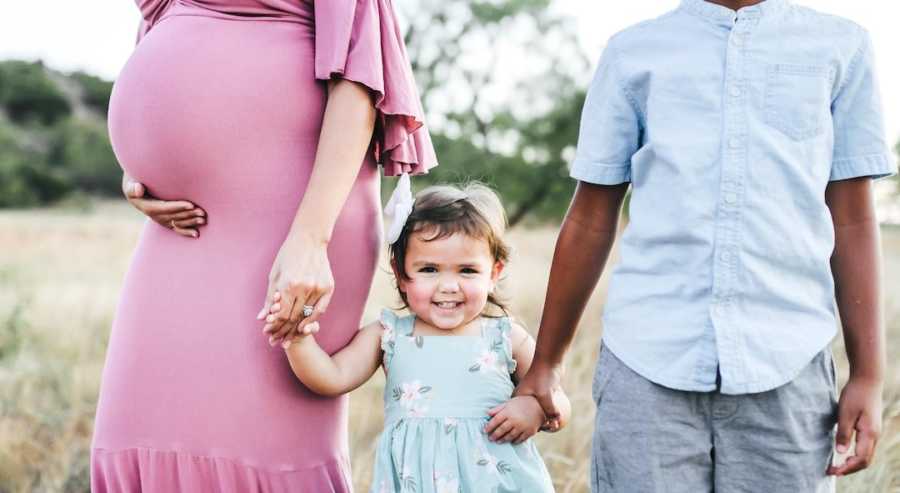
I will always feel her absence. As a mother, I will give all I can to my children. As the 19-year-old I once was, I will still crumble. Grief doesn’t end—it evolves. It gets easier to live with, to speak about, but it doesn’t vanish. I honor my mother by loving my children desperately, even imperfectly, and ensuring that in my love, she lives on.