Humour and humility, trauma and joy. My journey has been intense, challenging, and sometimes overwhelming—but every single moment has been worth it.
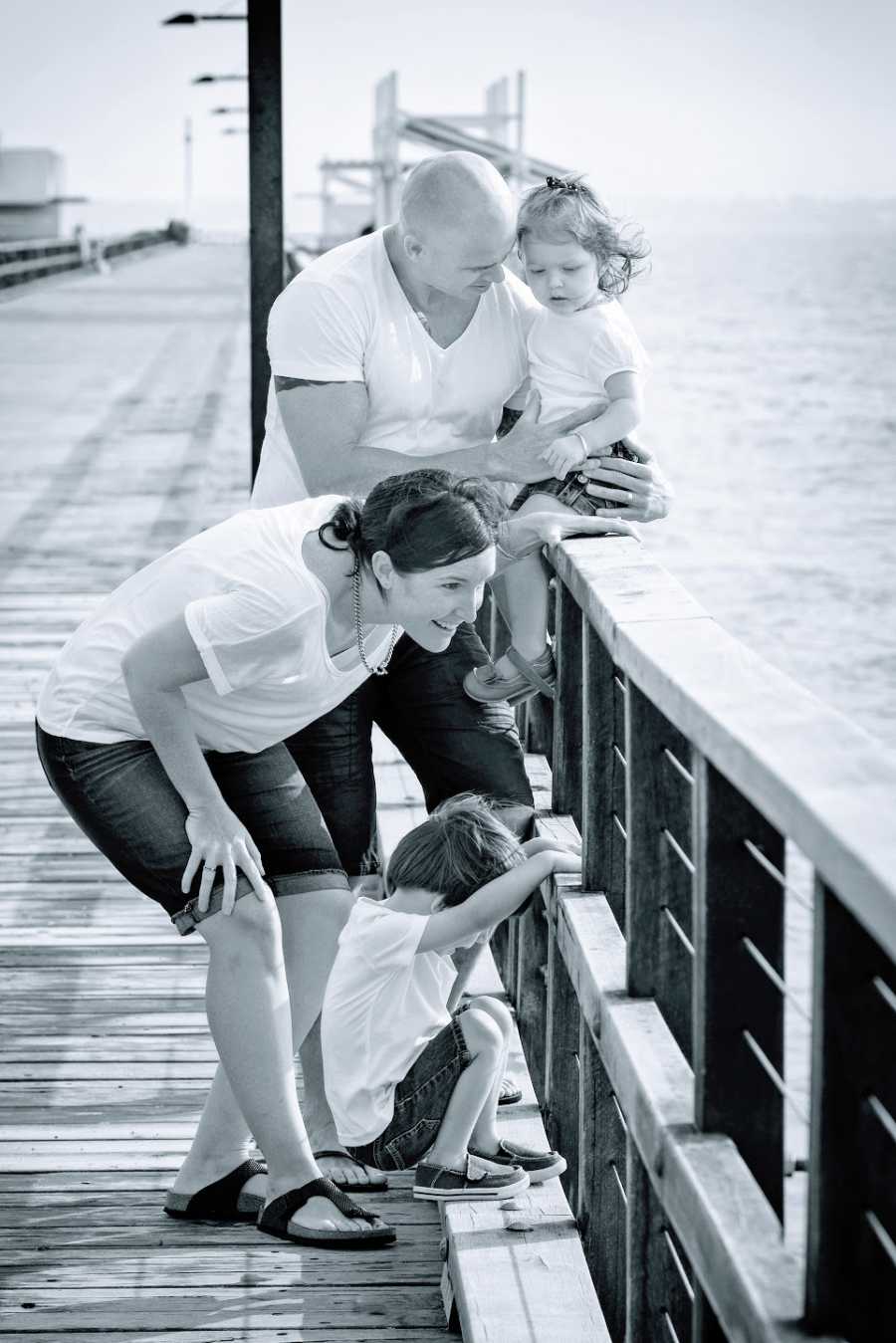
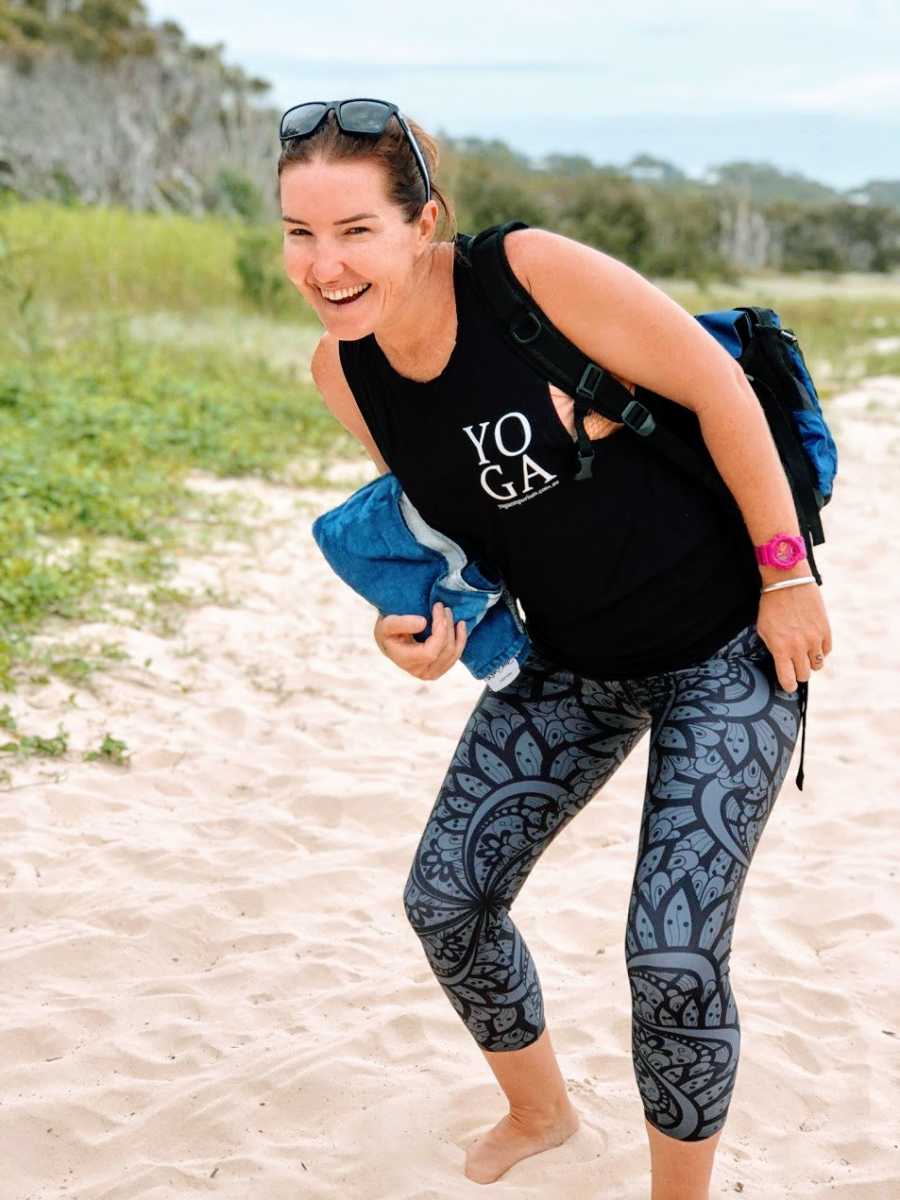
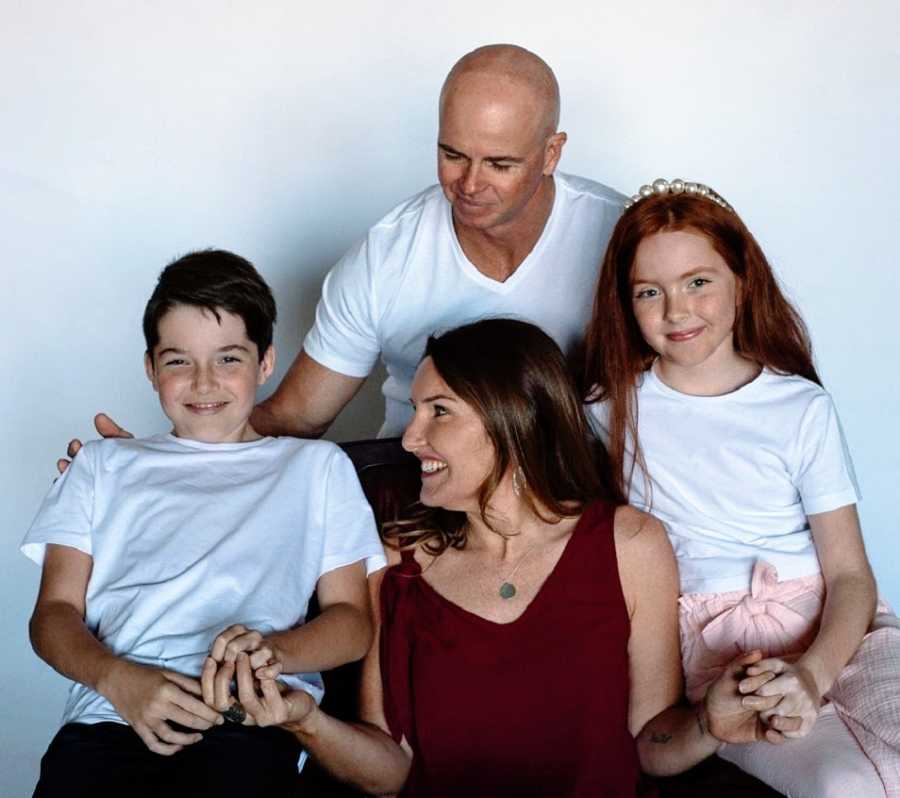
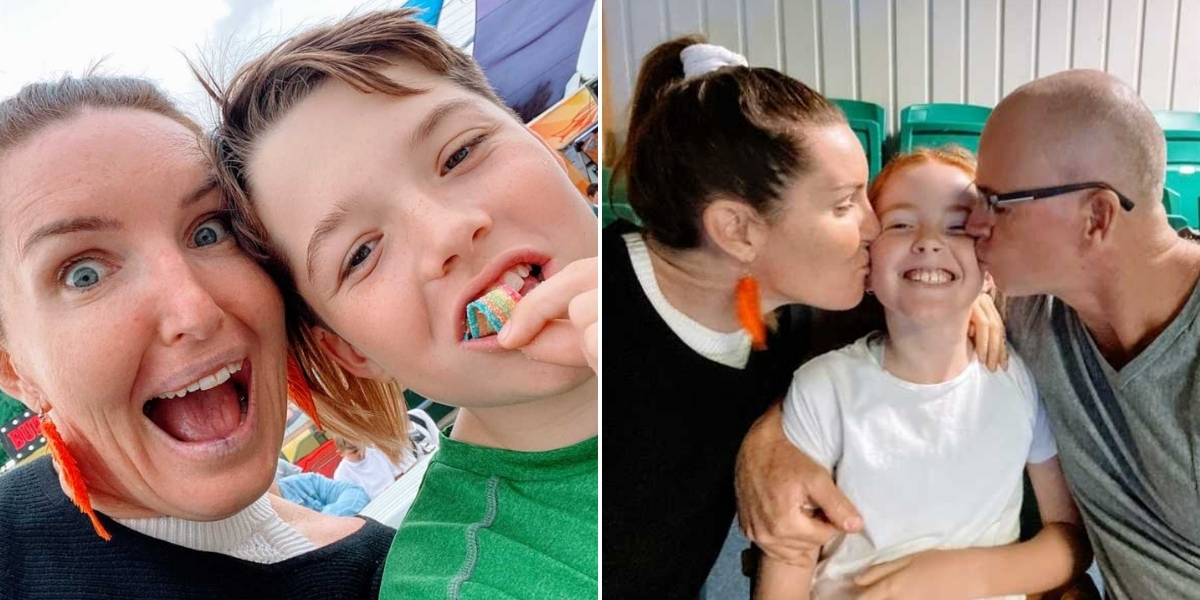
My name is Zoe (pronounced “Zo”) Martin. I’m a mother to two extraordinary children and a wife to an incredible husband. These roles are the heart of my world—they are my most treasured gifts, my anchors, and my inspiration.
You will notice me refer to the term ‘neurodivergent.’ Coined by Judy Singer in 1998, it describes differences or variations in the human brain, encompassing autism, ADHD/ADD, and dyslexia. I love this term because it’s inclusive, empowering, and hopeful—for me, my family, and countless others in the neurodivergent community.
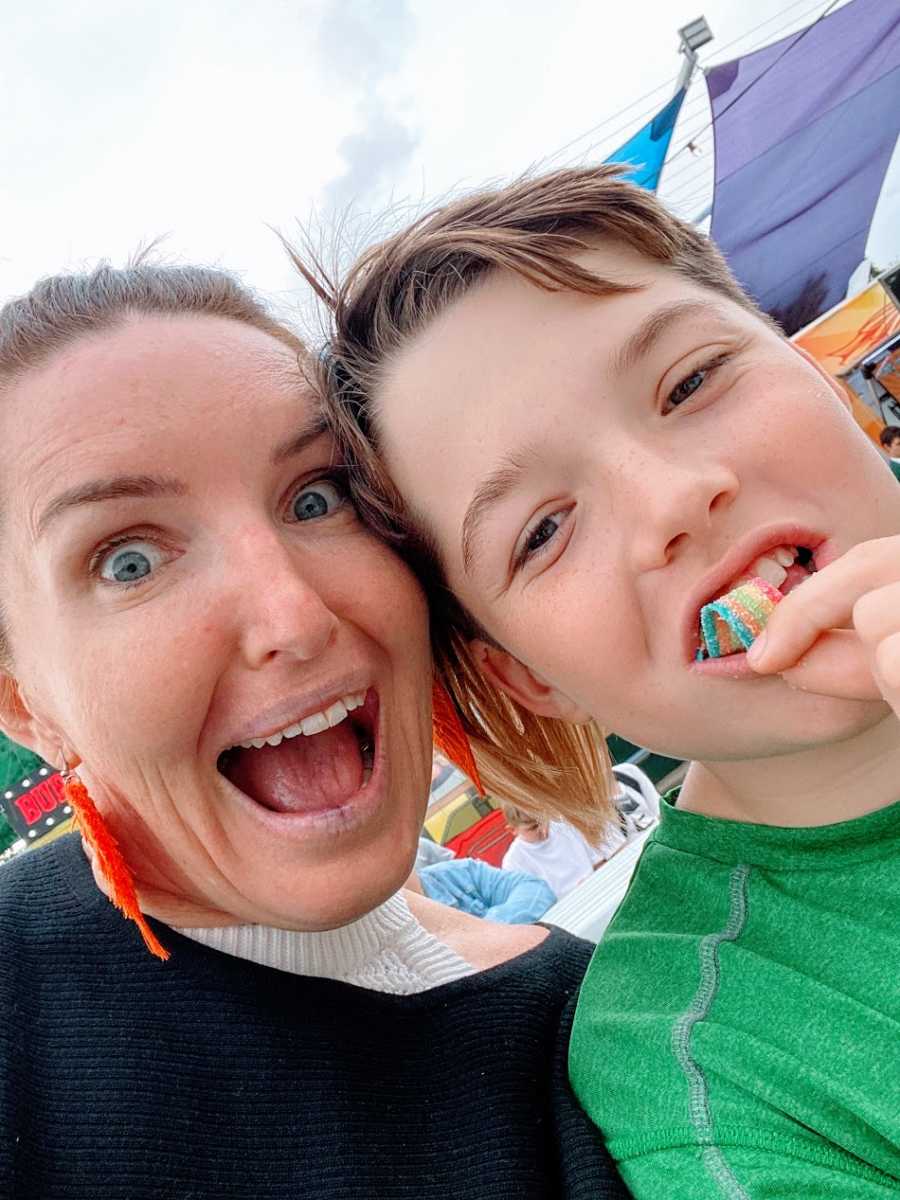
My journey into neurodivergence began with my eldest child, Billy. By the time he was about three, people would joke he was “a policeman.” He had intense reactions, craved attention, needed to be first, and always wanted the biggest slice of cake. My mother noticed early signs that something didn’t quite fit, and she validated my instincts in a way that made me feel safe naming my worries. I knew there was more to this than a “busy little boy.”
Billy started kindergarten, and a parent-teacher conference confirmed my suspicions. His teacher explained, “He is policing his peers, calls out a lot, and moves constantly.” Society’s typical response? “He’s just a busy boy—send him outside more.” But running around isn’t a cure for neurological differences.
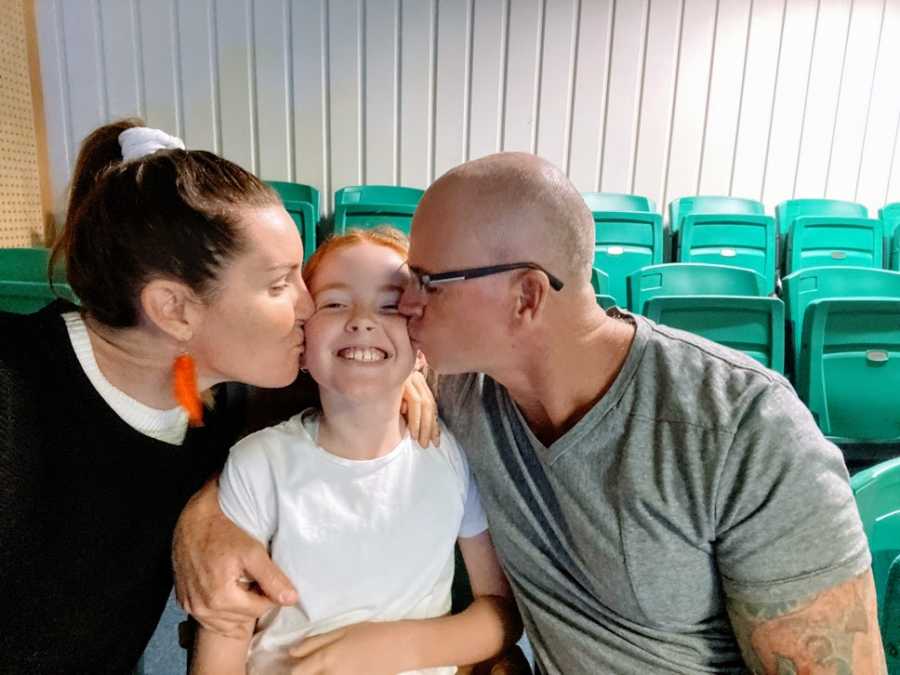
From there, things started to feel chaotic. My family was fractured under the weight of confusion and stress. Scott and I, my husband, were struggling, often taking out our frustrations on one another, which widened the distance in our marriage.
We kept “pushing through,” but the challenges only grew. When Zhema, our youngest, started kindergarten, and Billy entered first grade, the signs became more apparent. Zhema’s teacher described her as “aloof, often in her own world.” At home, we called it “unicorn land,” dismissing it as cute. Looking back, it was a defense mechanism—I wasn’t sure I could cope with more.
Scott and I felt like we were living in a dream, one that often felt more like a nightmare, punctuated by brief, fleeting moments of joy.
The pivotal moment came when we took Billy to a pediatrician. At age seven, he was officially diagnosed as Autistic, and later, he was also diagnosed with ADHD/ADD and Pathological Demand Avoidance (PDA). That day was simultaneously one of the best and worst of my life—it brought clarity, but also fear.
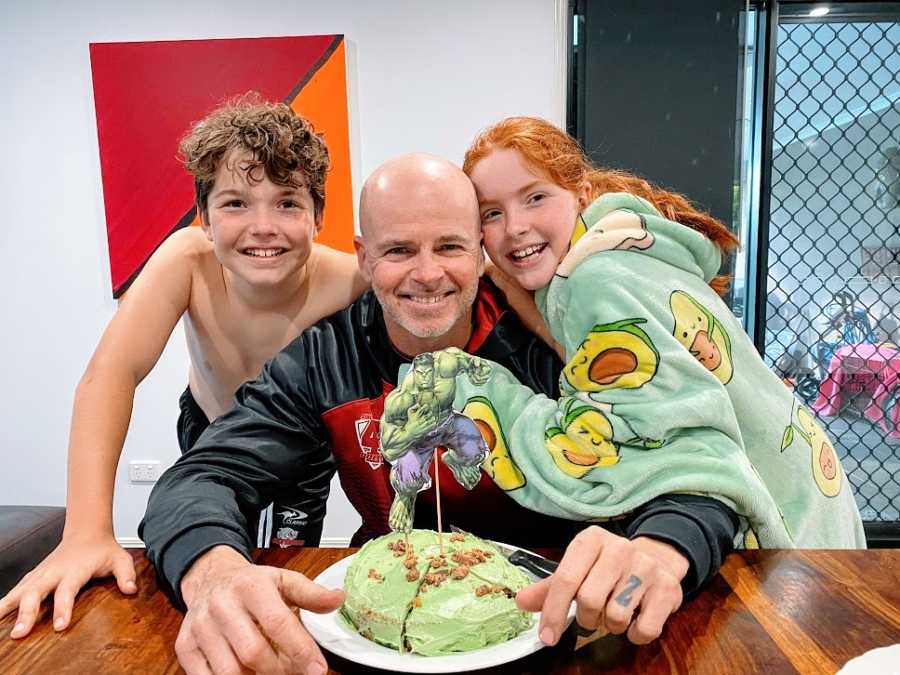
Scott, my husband, has always been intense and principled, traits I loved yet sometimes struggled with. His journey paralleled mine. One night, he Googled autism and asked, “This is me, isn’t it, Zed?” I had long suspected the same. His courage to seek a diagnosis at age 46 not only helped him understand himself but also became a beacon of hope for Billy.
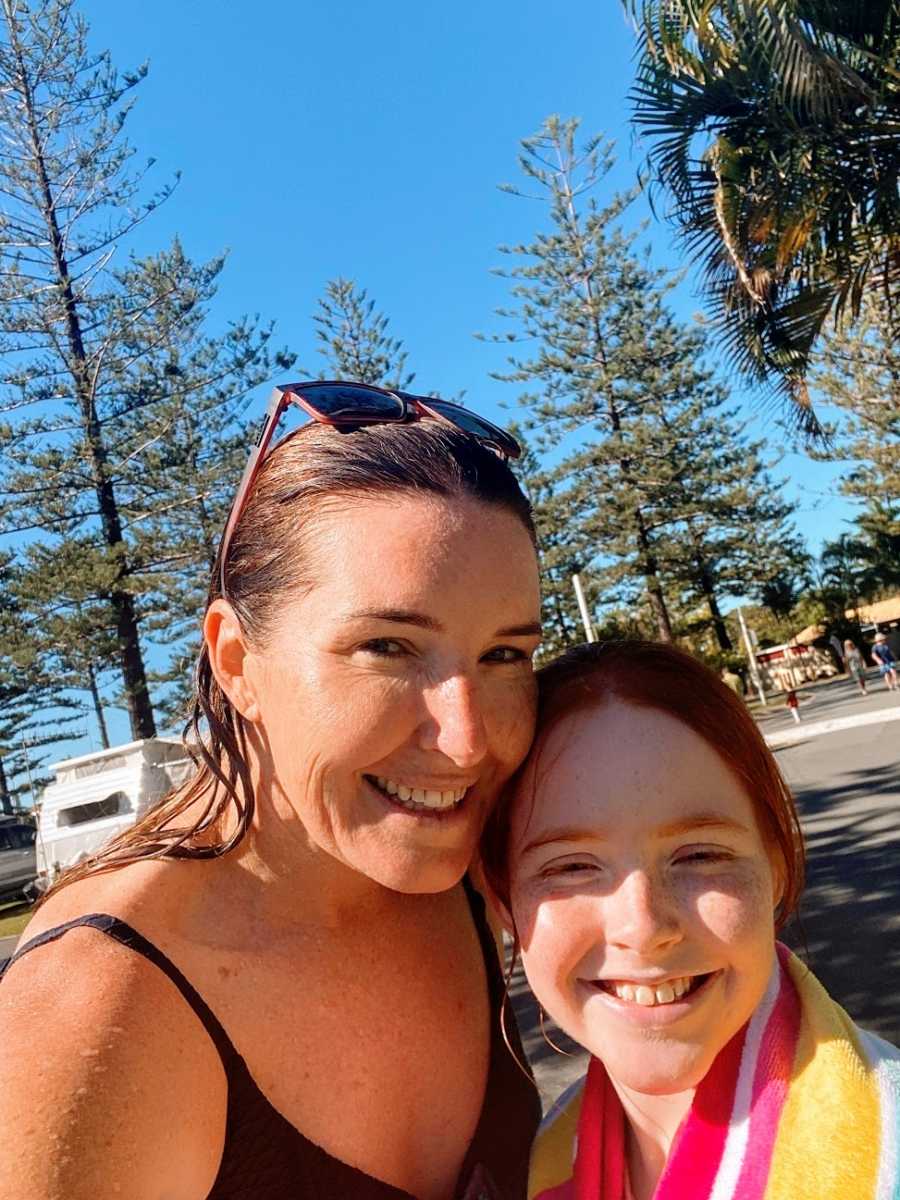
As Scott began connecting his past to his diagnosis, I saw him transform, and I felt immense pride—though it was emotionally taxing for both of us. Soon, Zhema, at age six, received her own diagnosis: Autism, ADHD/ADD, and PDA. One by one, the pieces of our family’s puzzle were falling into place.
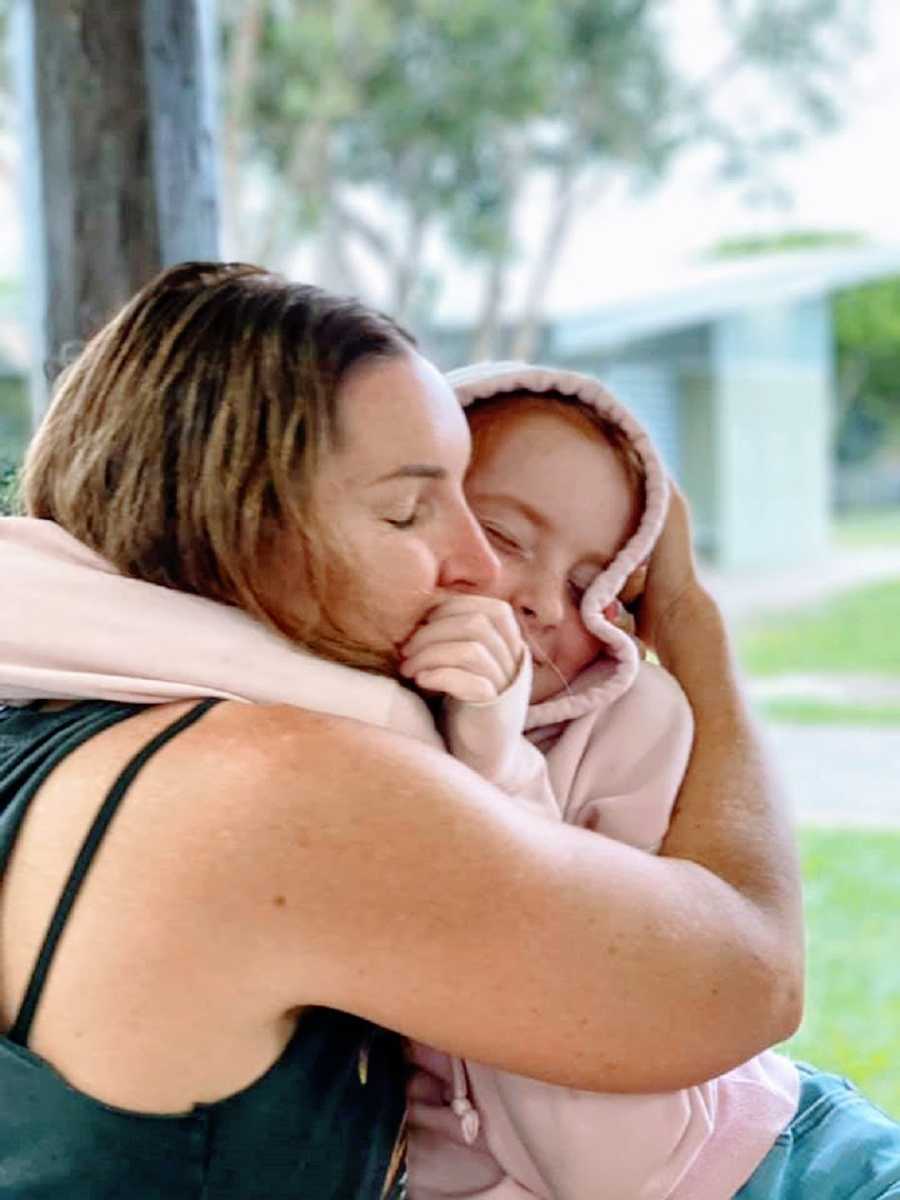
I jokingly said I was the only neurotypical person left in the house, but her diagnosis prompted deep reflection on my own life. Growing up, I had struggled to make and maintain friendships, navigating a world of social expectations and unwritten rules. I often gravitated toward boys, finding them easier to understand, and my report cards repeatedly noted that I was easily distracted, distracted others, or failed to reach my potential.
Back then, neurological differences like autism and ADHD were rarely recognized in schools. Awareness was scarce, and support even scarcer.
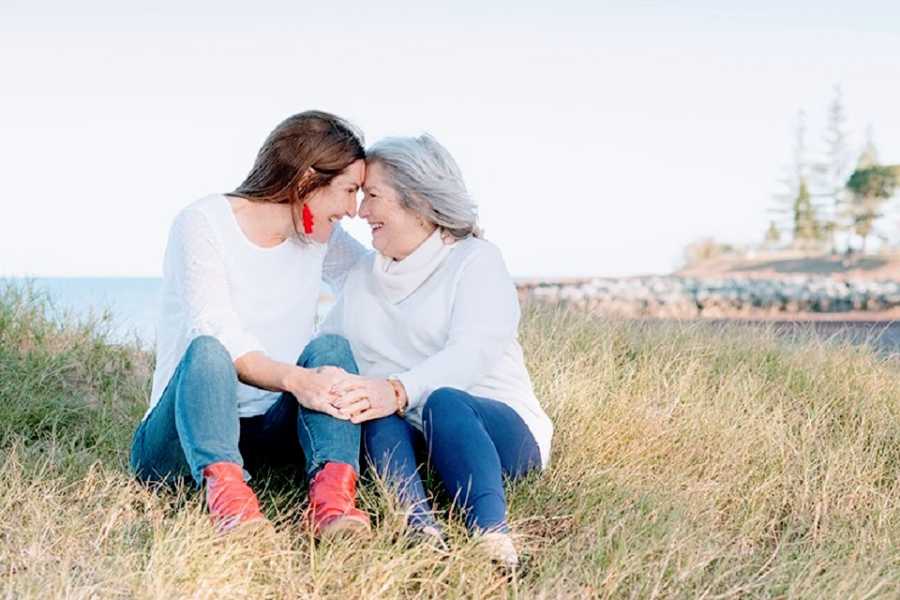
It became my turn to take radical responsibility. With my mother by my side—the woman who had supported me through every life challenge since my father passed when I was seventeen—I sought a diagnosis for myself. I was confirmed as Autistic, ADHD/ADD, and PDA. The process of connecting my past experiences to these diagnoses was emotional, illuminating, and, at times, heartbreaking. It helped me finally understand the decades I had spent trying to be anyone but me.
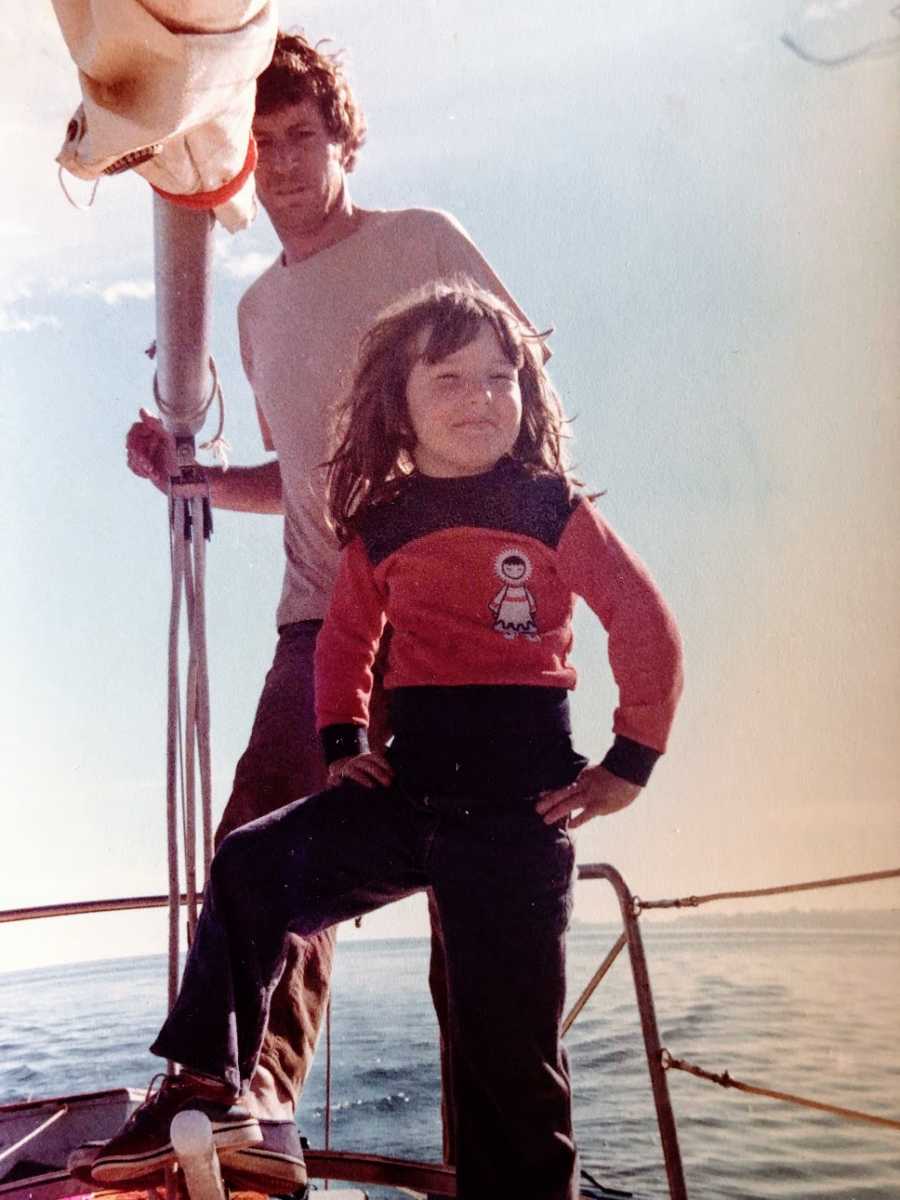
After our diagnoses, I initially thought I could “fix” autism. I fell hard into a period of blame, self-reproach, and exhaustion, running my children to countless therapy sessions. I even considered asking Scott to leave—but he remained steadfast, reminding me of our commitment to our marriage and family. Slowly, I realized that unlearning old beliefs, parenting methods, and societal pressures was the true work. We were dismantling what no longer served us to rebuild something stronger.
Therapy helped, but the real transformation came when I stopped chasing a medicalized solution and started cultivating love, understanding, and empowerment. I unplugged from systems that didn’t serve my family and plugged into Team Martin—a new reality of support, growth, and unity.
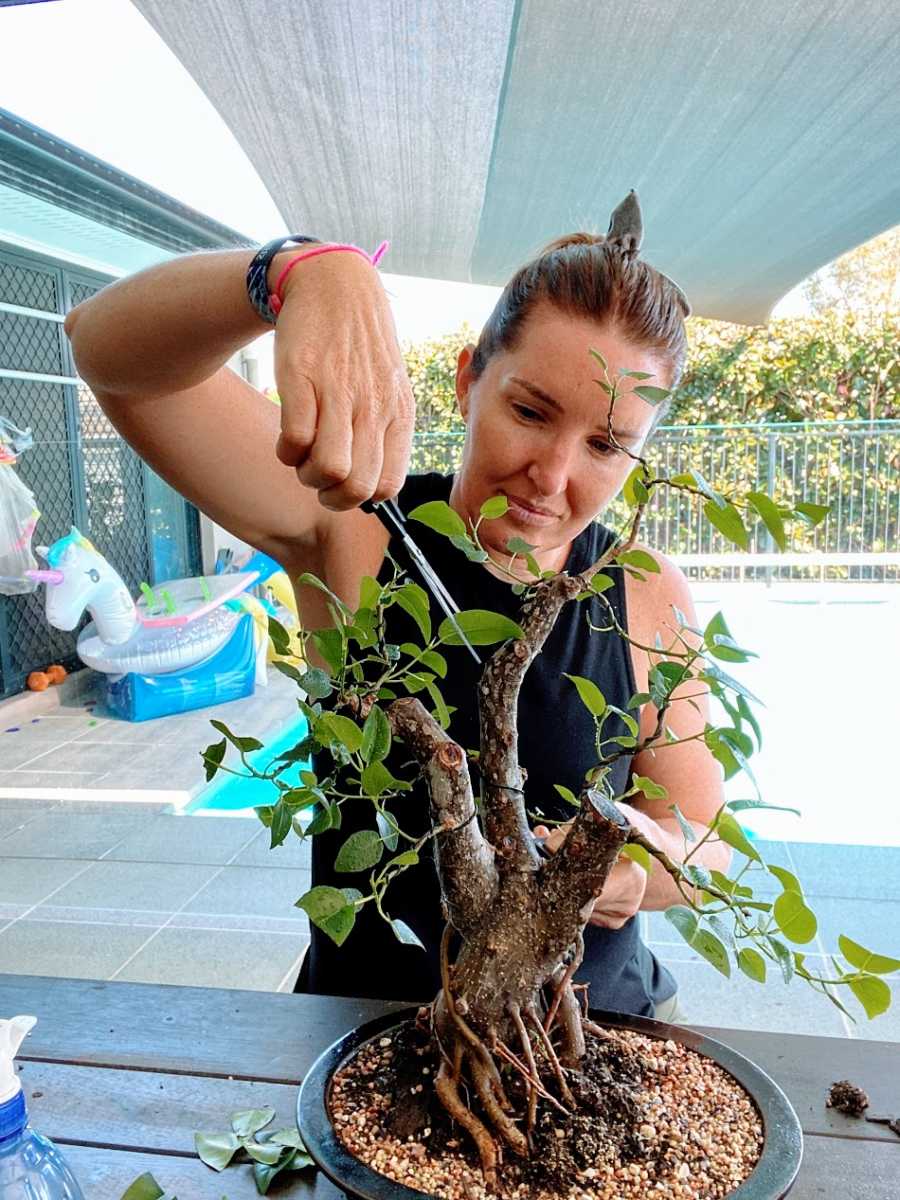
I realized Earth was hiring, and I took the leap from a 28-year career in finance into my true passion: supporting mothers who are neurodivergent or raising neurodivergent children. I hold certifications in Coaching, Epigenetics, Communication, Fitness, and more. I am also Australia’s only Transcendental Rebirth facilitator and a trained Futurist, helping mothers co-create brilliant futures.
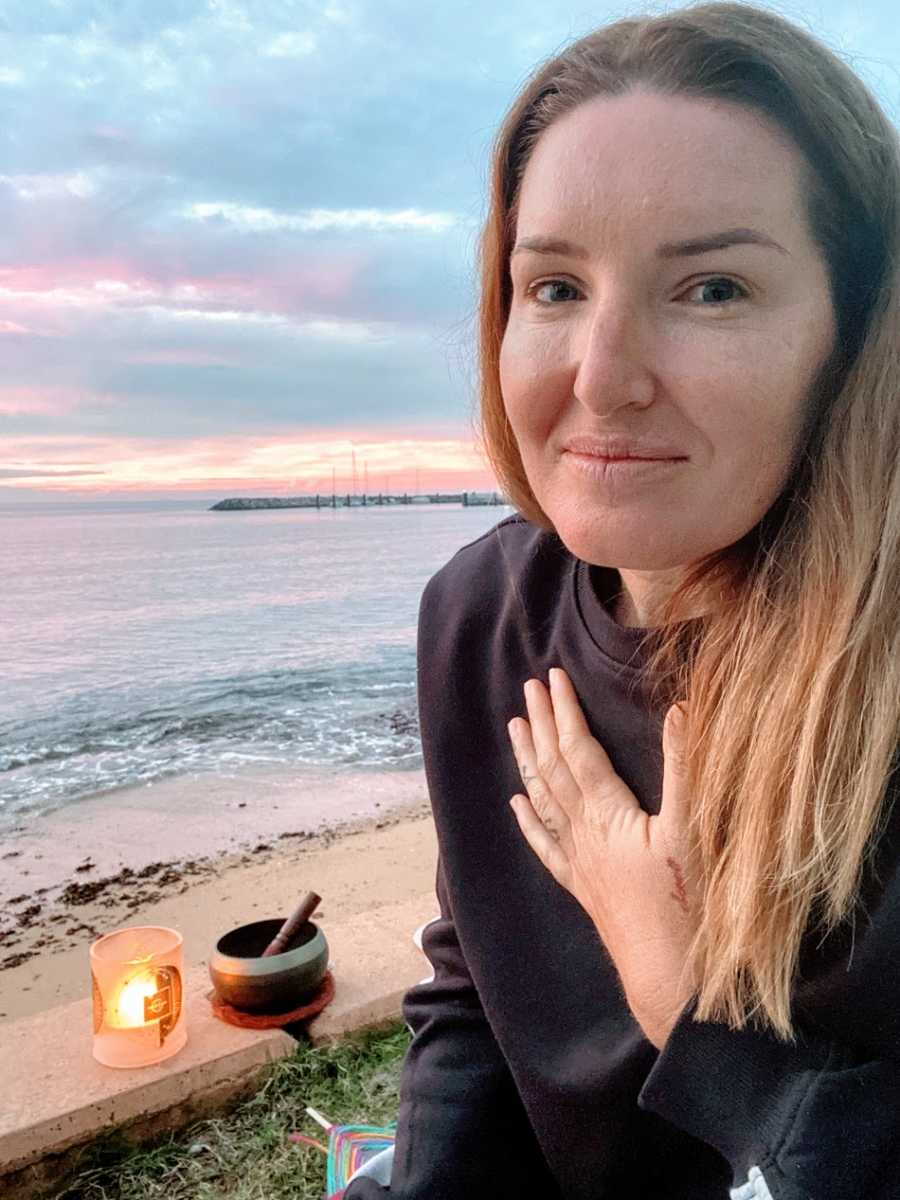
I founded the Sovereign Mother’s Circle, an online membership where mothers reclaim their essence, embrace radical acceptance, and create a safe space for growth and connection. I also authored Making Peace with Autism, a memoir illustrating our journey and showing what is possible when autism is seen not as a disorder but as a way of being.
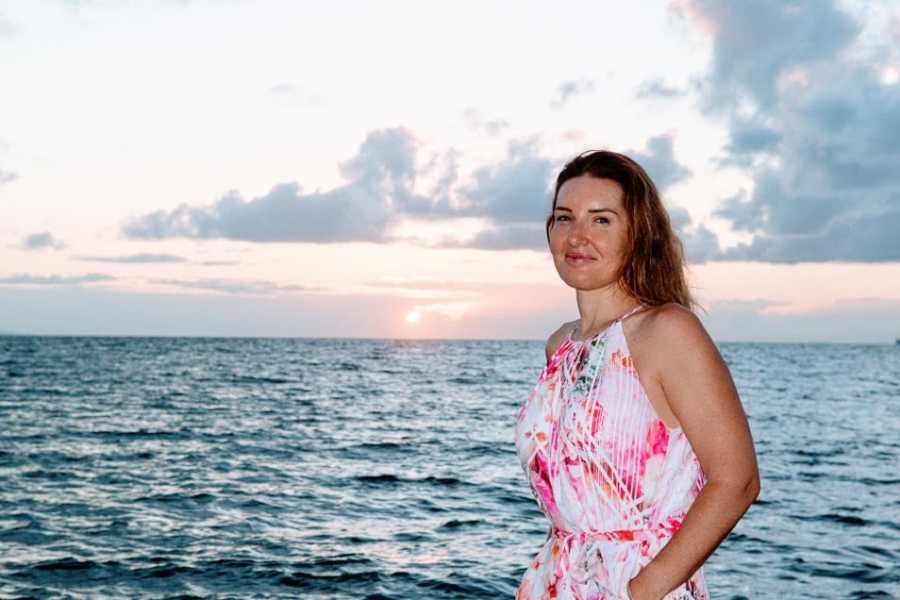
My most recent work is a Futuring course specifically designed for neurodivergent mothers, combining modalities that allow for forgiveness, understanding, and creation of a future from the present moment. It is held in the highest frequency of love and empowerment, offering tools to transform trauma into strength.
Humour and humility, trauma and joy—my journey has been intense, messy, and sometimes overwhelming, yet every step has shaped a life of love, understanding, and purpose. My journey isn’t over. It is ongoing, evolving, and infinitely worth it.