“Mom, do I have a real mom?”
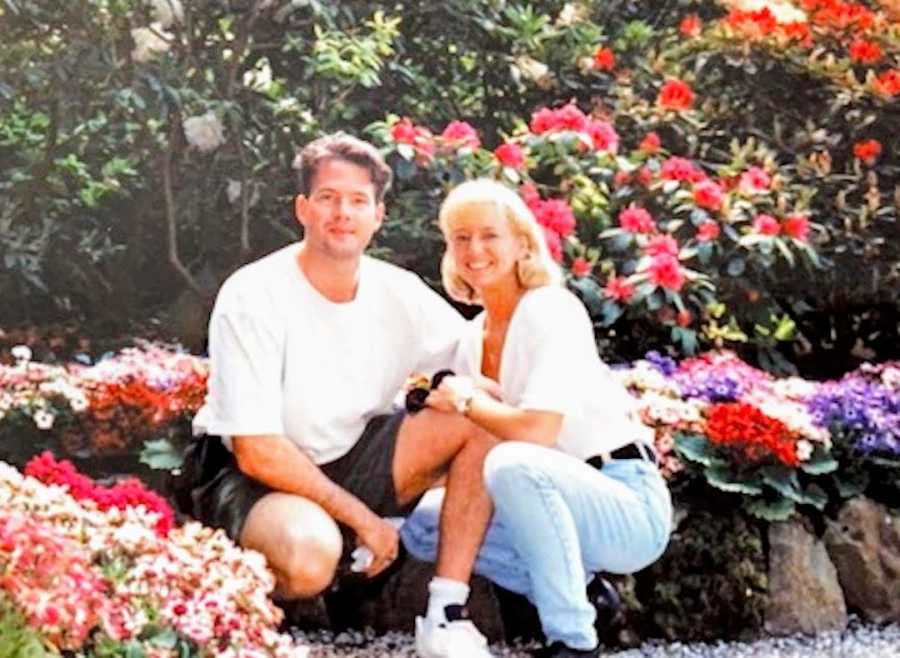
Fifteen years ago, my daughter caught me completely off guard with this loaded question. It made me pause and reflect on the winding, sometimes heartbreaking journey that brought us to that moment. When Dave and I married on May 7, 1994, we fully expected to check “have a family” off our list when we decided to schedule it into our lives. Life, however, had other plans. After what felt like an eternity, I finally got pregnant—but heartbreak struck when we lost the baby at ten weeks.
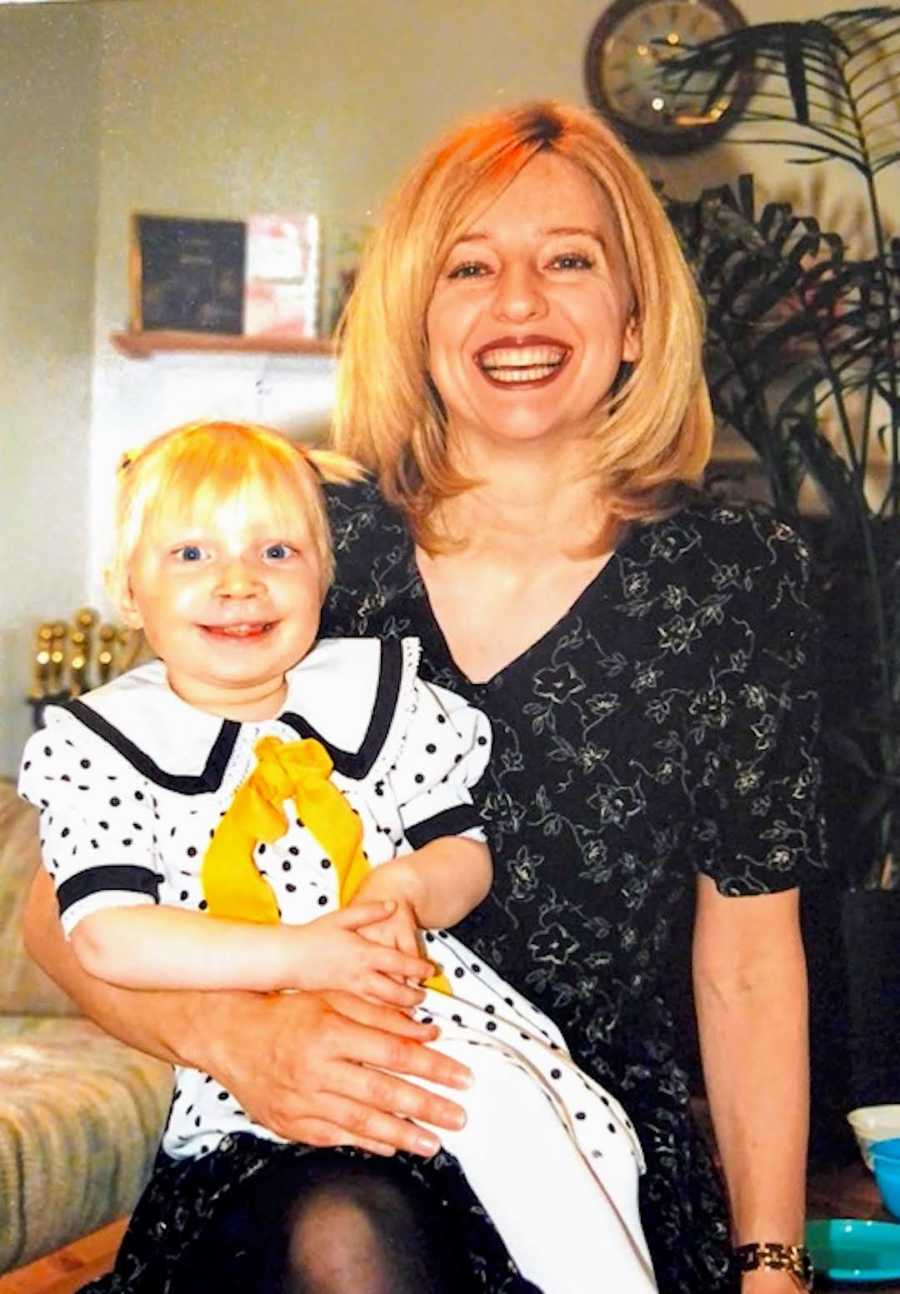
Yet, as painful as it was, that miscarriage became an unexpected and essential part of our journey. Each negative pregnancy test—and I became almost addicted to taking them—along with the heartbreak of losing our baby, slowly built the resilience we would need. In my book, The Pocket Adoption Coach, I liken this to a little chick struggling to break free from its eggshell. A passerby might be tempted to help, but intervening too soon can be fatal. It’s the struggle itself—the building of strength—that prepares the chick for life outside the shell. Similarly, every setback we faced prepared us for the challenges ahead in our adoption journey, challenges that at times threatened to derail our dreams entirely.
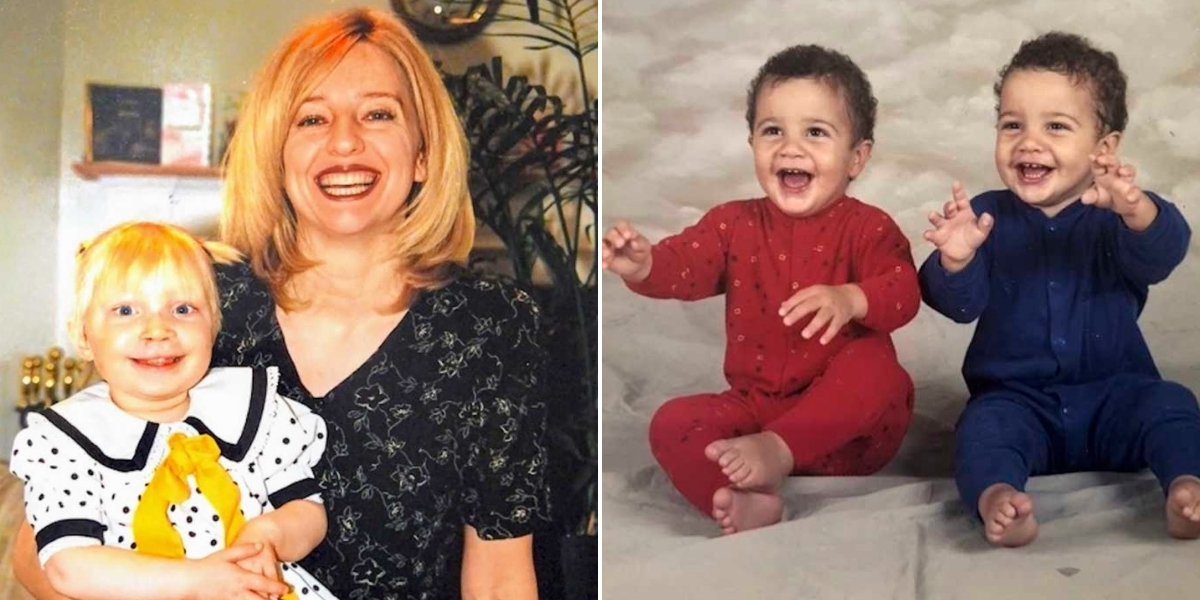
Our first adoption was international. Katja was born in Cherkasy, Ukraine, where she spent nearly her first four years in an orphanage. At that time, we lived in Montreal, and Quebec’s borders had not yet reopened for Ukrainian adoptions due to corruption concerns. Our local government agency wanted to track our progress but could not guide us, so through trial and error, we assembled our dossier and sent it overseas, hoping it would satisfy the authorities. It did not. There were countless moments when we were told, “You can’t do that!” Some came from Ukrainian officials, others from our own immigration processes. One heartbreak came when we were forced to leave Katja behind and return home without her after a process breakdown.
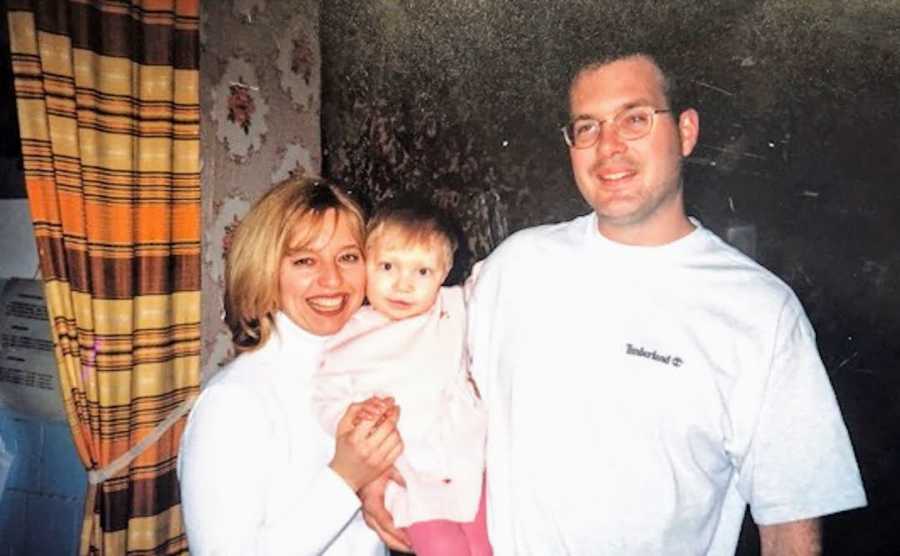
During that first visit, however, Katja surprised us. She had never spoken before, but when we visited the orphanage between adoption meetings, she looked up and called out, “Mama.” It was a small bloom of hope in a garden of bureaucratic obstacles. The authorities assured us we could return in six months to a year. Luckily, we didn’t have to wait that long—our fight to bring her home was won just a month later. The following year, Quebec reopened borders to Ukrainian adoptions, inspired by our perseverance.
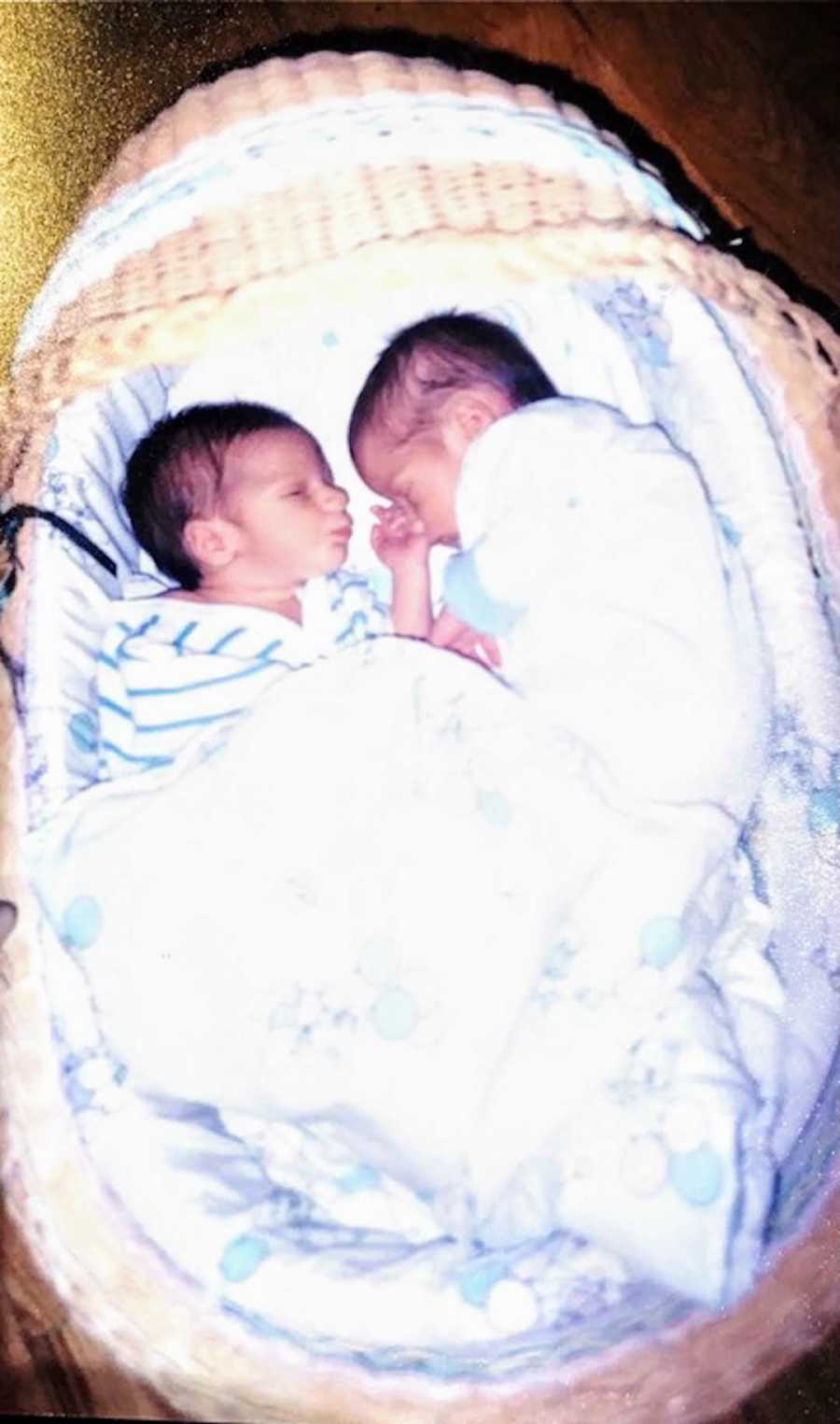
Our second adoption, of twins Matt and Nick, nearly didn’t happen either. Quebec law at the time prevented pregnant girls from choosing the adoptive parents if they placed a baby for adoption. Through the creativity of our family doctor, we found a legal workaround: supporting the young woman as if she were keeping the baby, giving her the freedom to choose us after birth. Before this option, she had considered terminating her pregnancy to avoid government intervention. That she ultimately selected us felt miraculous—a clear example of angels appearing in our path at the exact right moment.
Many angels guided us along the way. While living in Switzerland before moving to Montreal, I had a miscarriage, and in a brief encounter with a new neighbor, we were unknowingly set up to meet the doctor who would later connect us with Matt and Nick’s birth mother. Another angel appeared years later when we were helping Katja track her Ukrainian birth parents. As a teenager, she wanted to know two things: why she was placed for adoption, and whether she had siblings. We searched tirelessly but found nothing—until a young woman named Faith, connected through a Ukrainian language tutoring gift from my sister, agreed to help. Faith’s determination led her to Katja’s birth grandmother, who still lived at the same address listed on adoption papers twenty years prior. Through Faith, we reunited Katja with her two younger sisters and learned the profound love that had guided her birth parents’ difficult decisions.
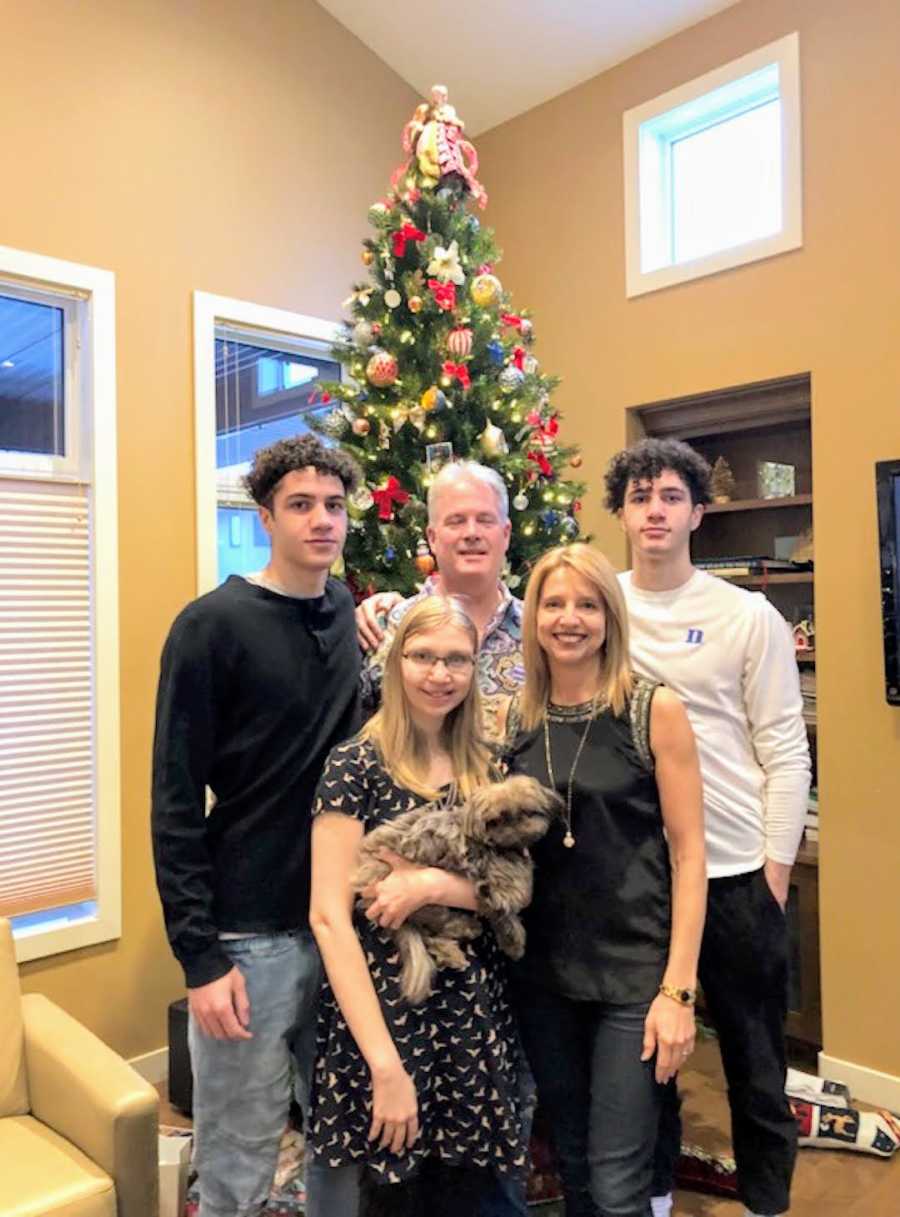
Throughout all of this, we kept our vision of family vivid and tangible. Photos of Katja adorned our fridge. A broken dresser knob—a small accident during IKEA assembly—became a symbol of hope and purpose, a daily reminder that our mission was more than paperwork; it was about bringing our daughter home. By the time we adopted Matt and Nick, our resilience had been forged. Even when officials initially tried to delay the adoption, we navigated the process seamlessly. Within fourteen months, our family grew from one to three children—and later, we added Chloe, a six-pound Shih Tzu, completing our household of love.
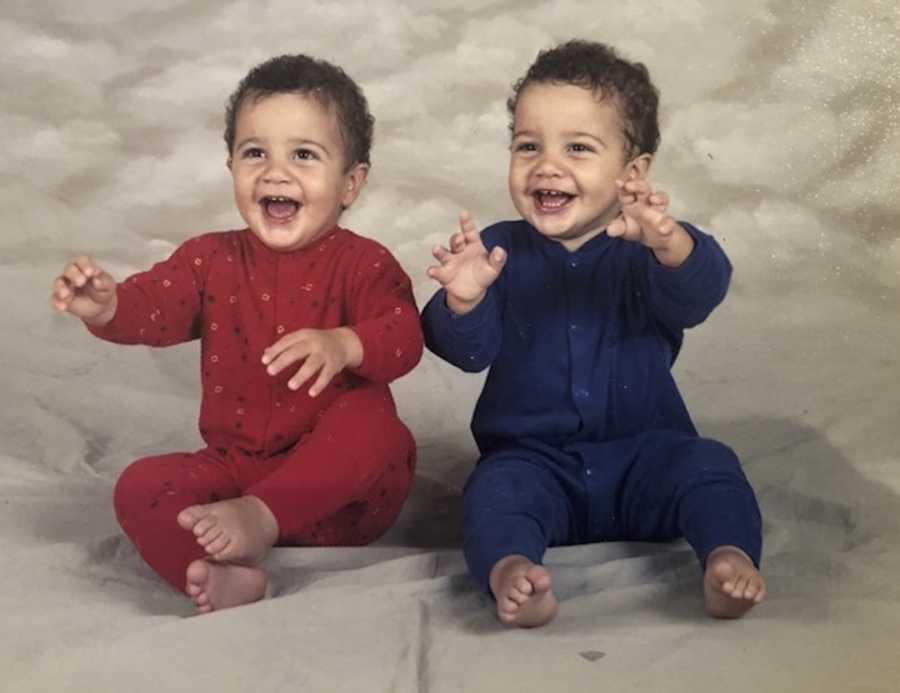
Now, with our children in their twenties, I recognize every blessing. From the beginning, we were honest about adoption, celebrating each child’s unique heritage. That honesty guided us through moments like Katja’s question: “Do I have a real mom?” We didn’t always have perfect answers, but we were present, offering truth, care, and love. Isn’t that what all real moms do?
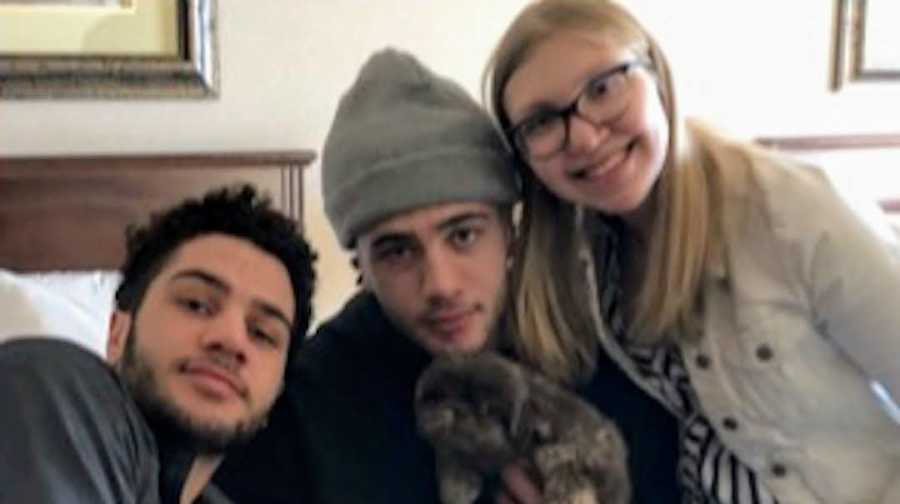
Through sharing our story, both in my book and through coaching, I hope to inspire others to pursue their dreams, no matter the obstacles. Adoption is never just about completing legal documents—it’s about the courage, persistence, and love it takes to bring a child home. And the journey, with all its twists, heartbreaks, and miracles, continues long after the final signature.