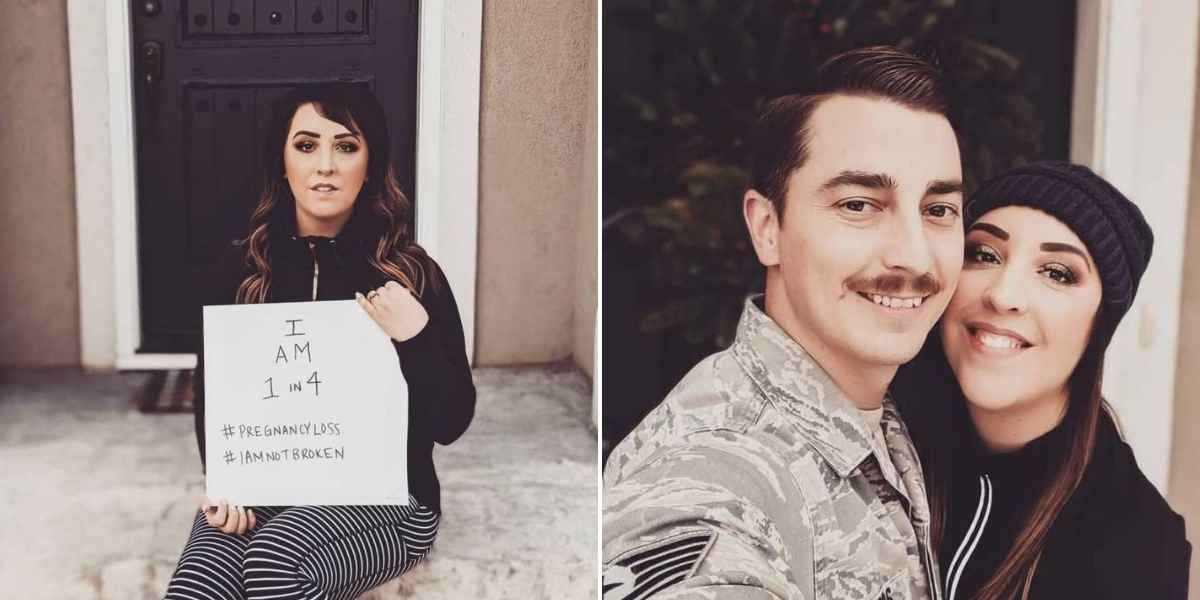
There are some things in life that most people take for granted. Things they assume everyone has or will have naturally. Children are one of those things. In school, young girls are taught how to prevent early pregnancy. Think of those cringe-worthy health classes where teenagers are warned how easily pregnancy can happen. We were given detailed lessons on contraception and prevention—but rarely were we told about the millions of women who actually struggle to get pregnant or carry a pregnancy to term. About 12 percent of women, roughly 7.4 million people, face infertility. One in four will experience miscarriage. These are numbers that seem distant in the classroom, until they hit home. And when they do, you’re blindsided—just like I was.
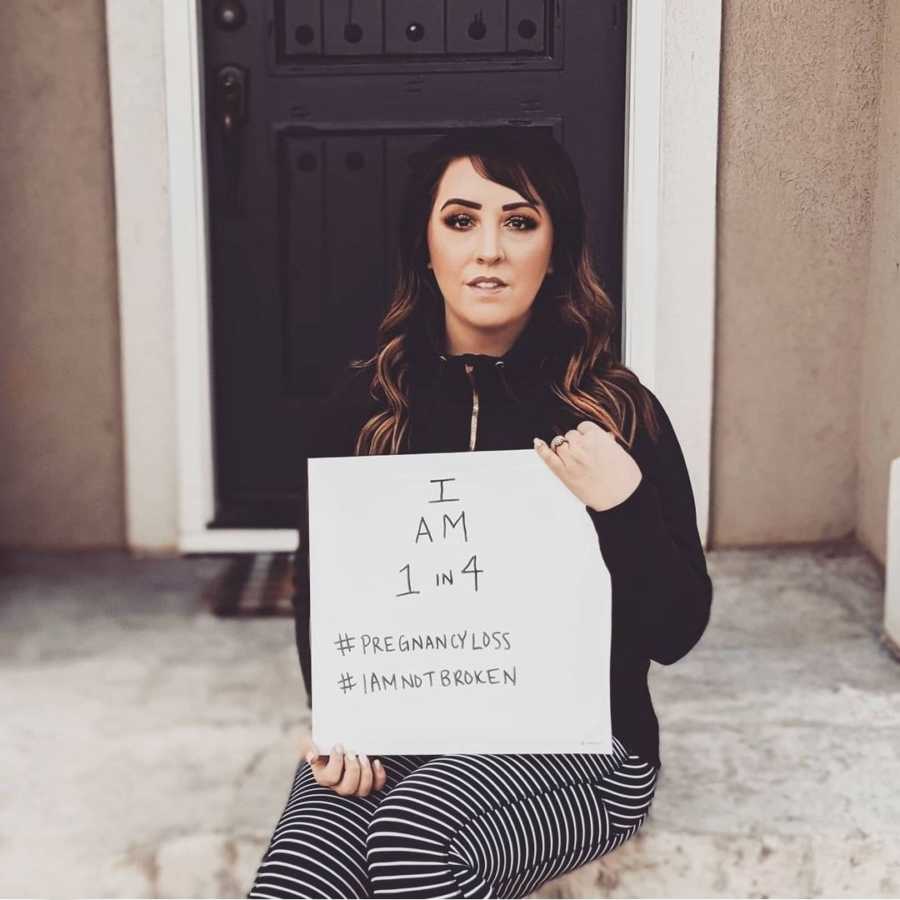
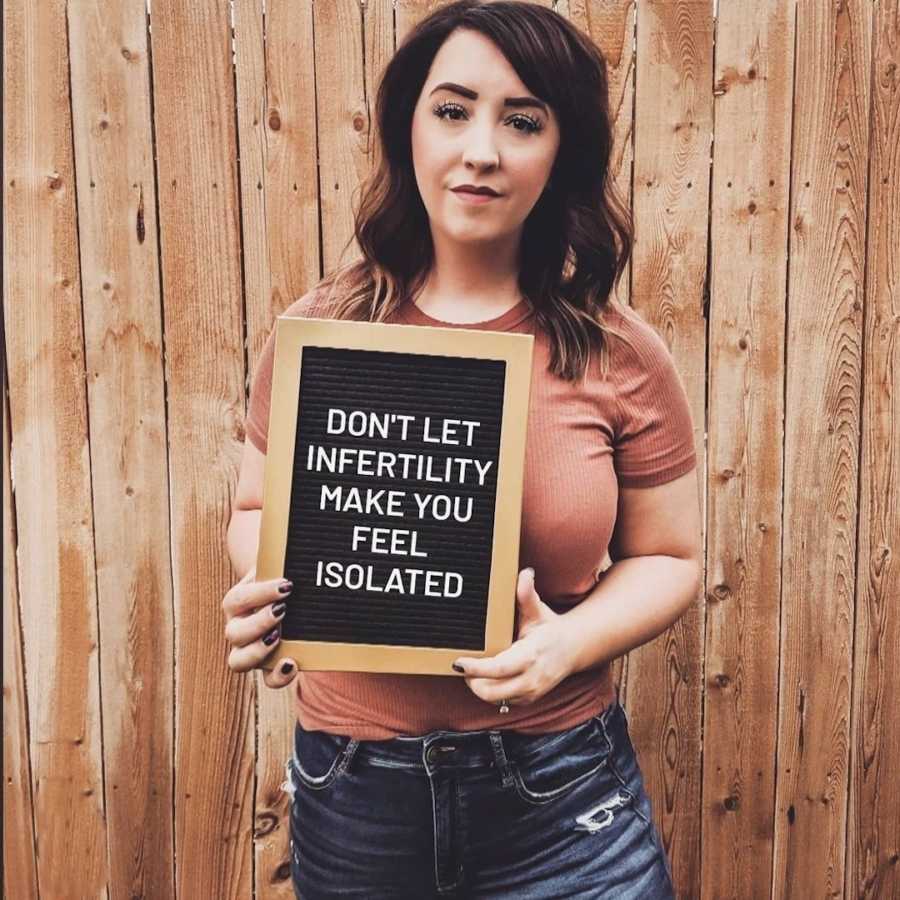
Hi, my name is Audra, and I am infertile. Saying it used to carry a small dose of shame, as if I were announcing, “Hi, I’m Audra, and I’m abnormal.” For years, I carried that weight, quietly, privately. It took a long time to step past the stigma surrounding infertility, but today I speak about it openly. I no longer hesitate to share my journey with anyone who is willing to listen. Over time, I found a community of people—both women and men—bravely sharing their own battles with infertility. Their openness pulled me out of the isolation I felt. They gave me perspective, connection, and purpose. Infertility wasn’t something I needed to be ashamed of—it was the rest of the world that needed to learn.
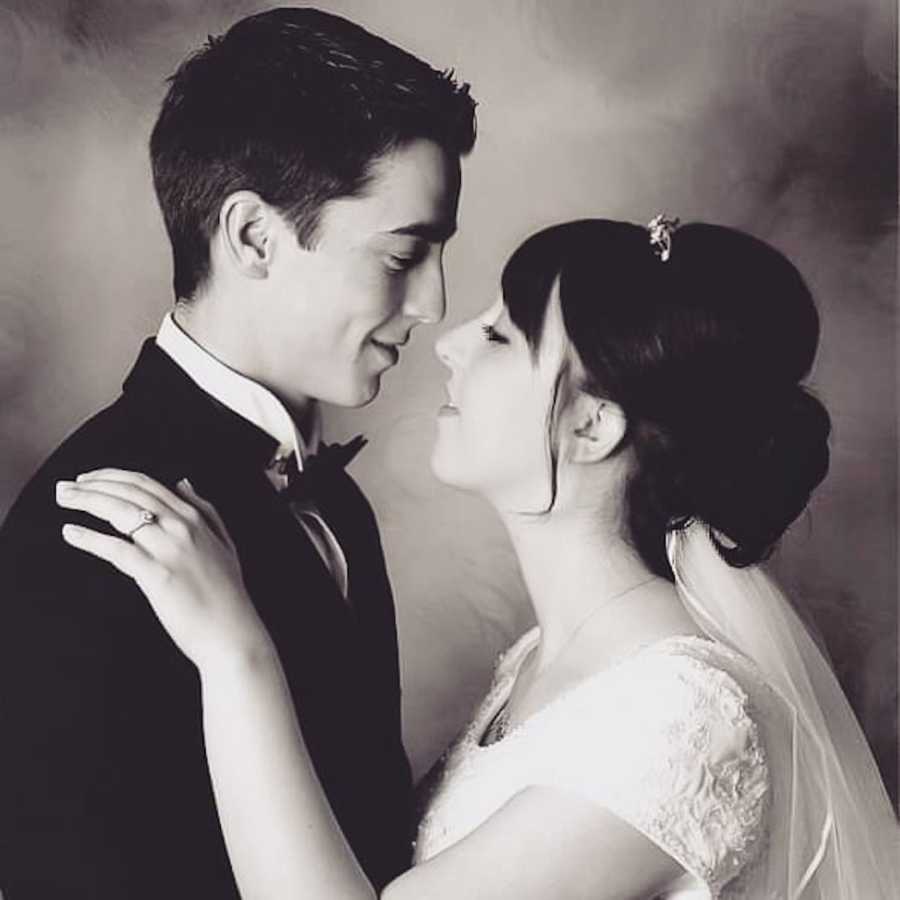
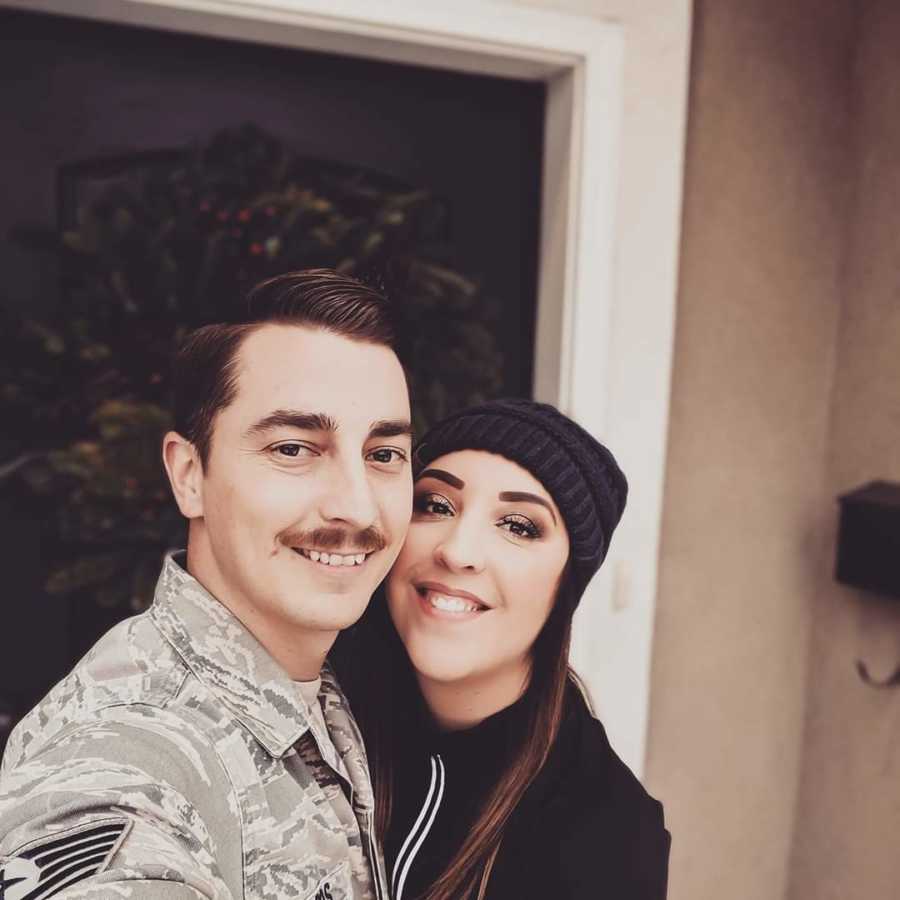
My husband, Skylar, and I were married on February 15, 2008. I was just 20, he was 21, and we knew we weren’t ready to have children yet. We made the conscious decision to wait, which felt right for us at the time. It wasn’t until 2013 that we decided we were ready to try for a baby. And that’s when reality hit me harder than I ever expected. I thought getting pregnant would be straightforward—after all, that’s what my high school health class had implied—but eight years of trials would prove otherwise.
After eight months of trying with no results, we finally went to see a doctor. We were living in England at the time, as my husband was stationed there with the Air Force. Speaking with a doctor on base, I realized how little I knew about conception. Pregnancy doesn’t just happen—it requires the perfect alignment of dozens of factors. I learned the hard truth: the idea that getting pregnant is easy is simply not true. Over the next eight years, I gained an intimate understanding of my body, its cycles, and the complexities of conception.
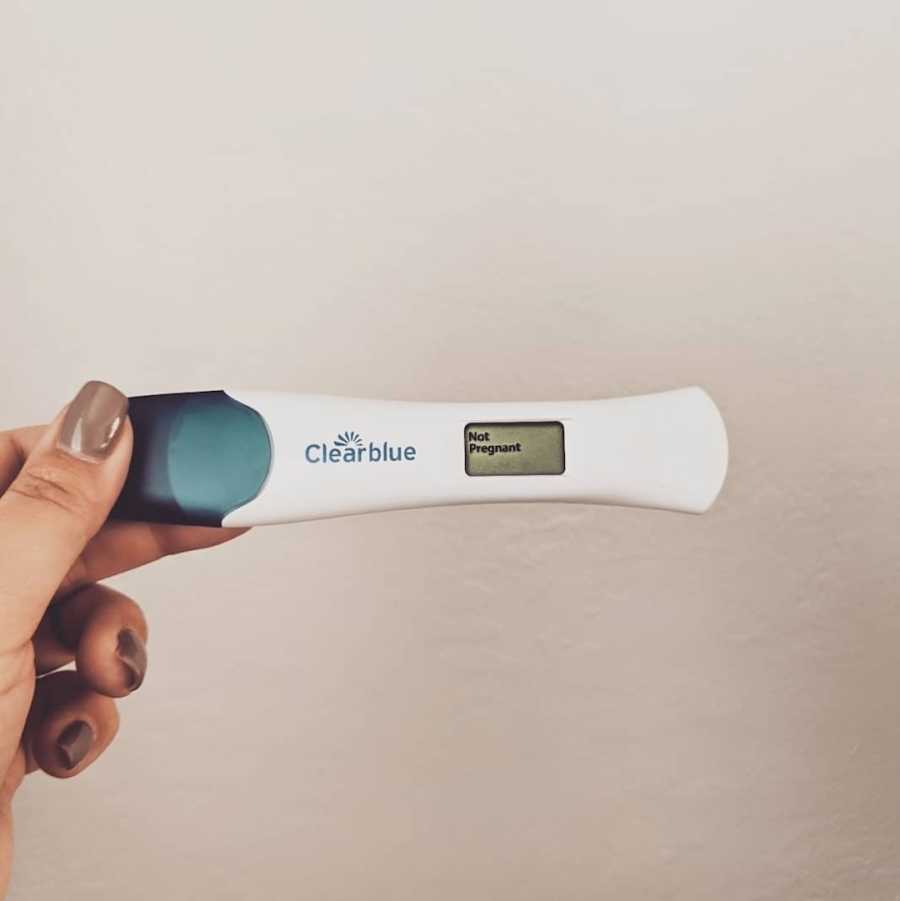
In 2014, we began our first medication-assisted fertility treatment. To our delight, I became pregnant on the first attempt. Our excitement was immediate—but tragically short-lived. I experienced an early miscarriage, and the crushing blow of loss hit me with full force. That’s when I realized: this journey would not be easy. While everyone around me seemed to effortlessly have children, I felt utterly alone, isolated in a struggle that seemed uniquely mine. I often thought, “Why me?”
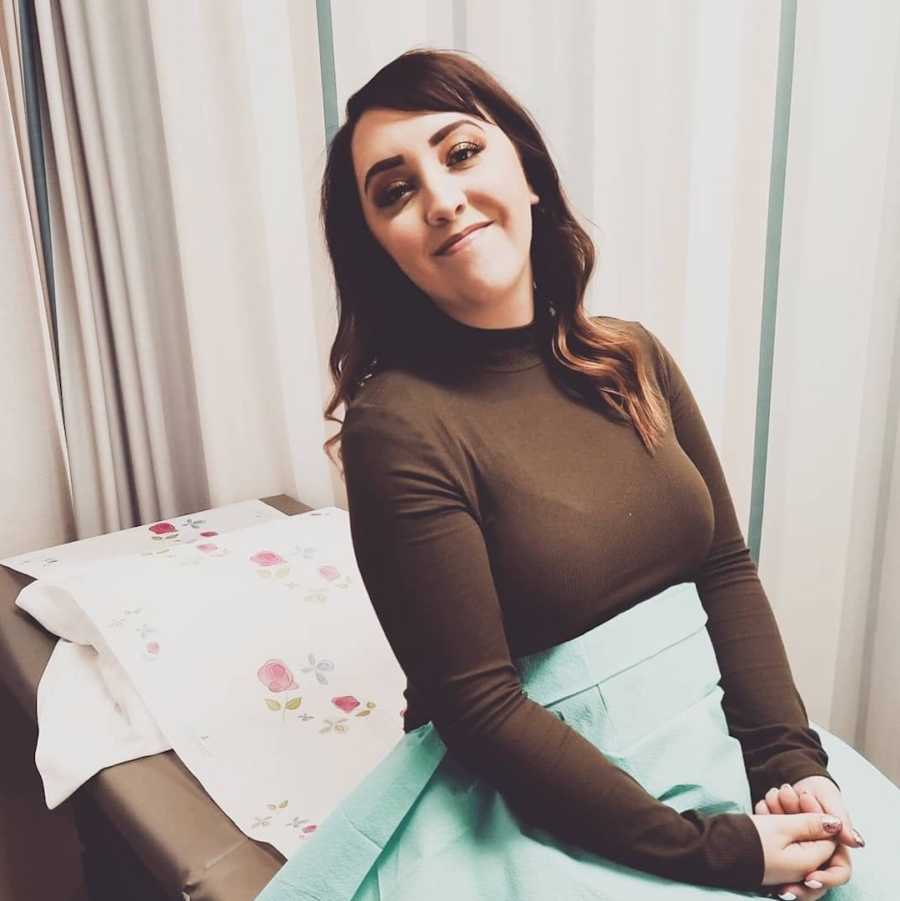
The years that followed were filled with countless appointments, specialists, medications, tears, and flickers of hope. Eventually, I received a diagnosis: PCOS, or Polycystic Ovarian Syndrome. It took two years to get an answer, a reminder of how difficult infertility diagnoses often are. PCOS meant I did not ovulate regularly and carried additional challenges like menstrual irregularity, hormone imbalance, insulin resistance, and hair loss. The diagnosis was both devastating and relieving—I finally had an explanation. Despite repeated treatments and countless attempts, nothing worked.
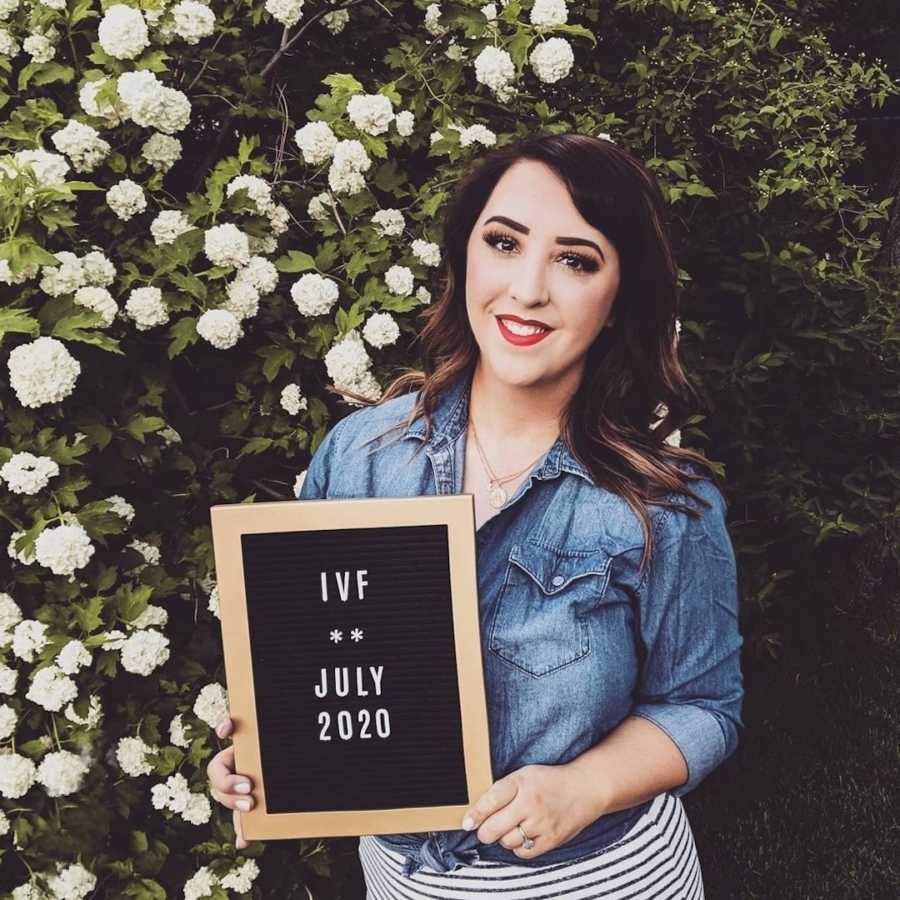
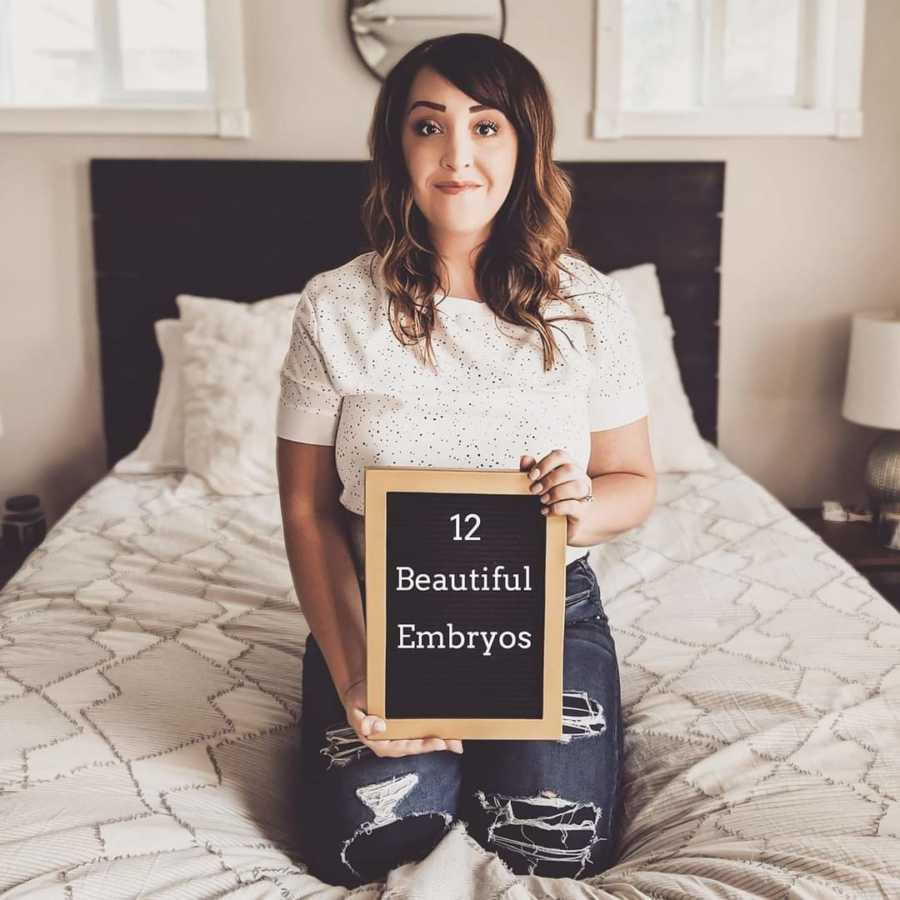
By spring 2020, Skylar and I decided it was time for IVF, or In Vitro Fertilization—the final and most intensive step in fertility treatment. It’s invasive, costly, and emotionally demanding. I had hoped to avoid it, but we found a doctor we trusted completely. In July 2020, after weeks of injections and exhausting side effects, I underwent egg retrieval. For those unfamiliar with IVF, it involves stimulating the ovaries to produce multiple eggs, extracting them via a minor surgery, fertilizing them in a lab, and freezing viable embryos for future transfer. Out of 28 eggs retrieved, 17 fertilized, and 12 grew into embryos—a number that filled us with cautious hope.
Sharing my IVF journey publicly drew both support and criticism. I received harsh messages from strangers condemning my choices. Yet, after years of struggle, I had no doubt in my path. I brushed off negativity, wishing only that those who judged would find peace in their own lives.
Our first embryo transfer took place on October 9, 2020—a day etched into my heart. Through the ultrasound, we watched the embryo being placed. Four days later, a faint positive pregnancy test confirmed our hope, which was soon verified by a blood test. I was pregnant. But even with this joy, I carried the weight of past losses. Pregnancy after infertility is not simple. Every twinge, every symptom, every test brought a mix of elation and dread. I waited for disaster, knowing from experience it could come at any moment.
At seven weeks, I faced complications that led to an emergency room visit. Covid restrictions kept Skylar from accompanying me. The ultrasound tech, kind and patient, turned the screen so I could see my tiny baby moving, heartbeat flickering—a surreal, life-affirming moment. But a week later, at my official seven-week ultrasound, tragedy struck: there was no heartbeat. My body hadn’t yet recognized the loss, leaving me feeling distant, numb, and, initially, angry. How could this happen again? After all our efforts, it felt cruel. My doctor offered a D&C procedure to expedite the miscarriage, as natural passage would take weeks. I chose the surgery, going through one of the hardest experiences of my life alone. The compassion of a dedicated nurse was my saving grace that day.
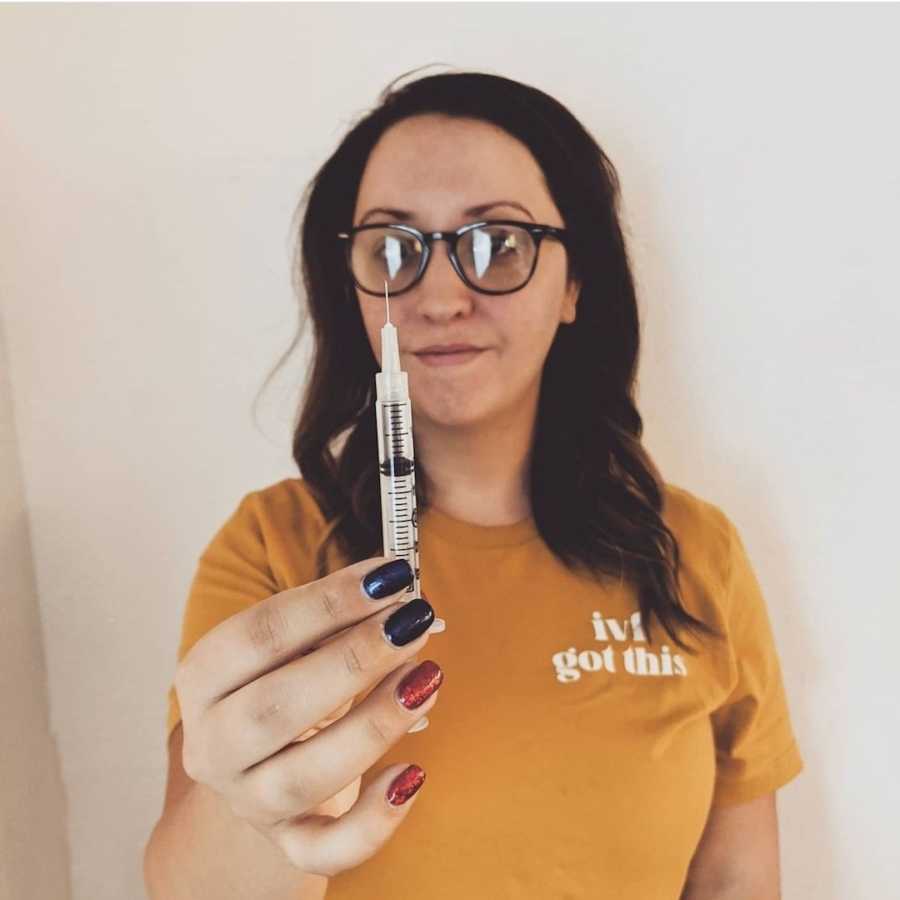
Genetic testing later revealed no abnormalities—the miscarriage was not due to DNA issues. I also learned the baby was a girl. Though initially heartbreaking, I now find solace in imagining her: brown eyes like mine and Skylar’s, brown hair, a presence I will meet in another life. My faith sustains me, and picturing her brings peace.
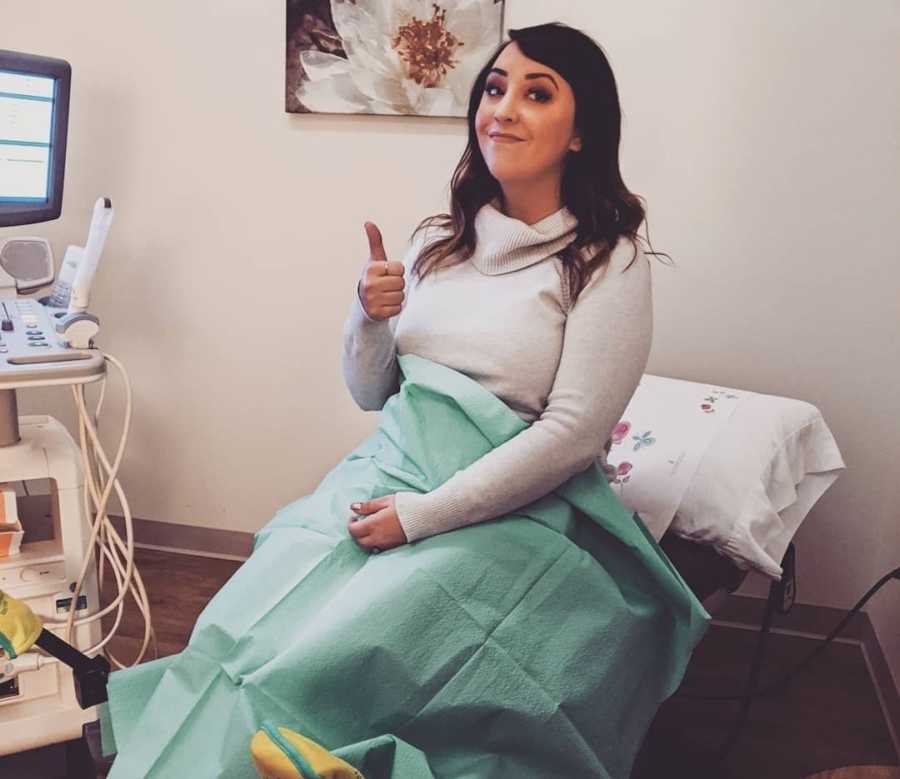
Now, almost five months later, we are preparing for another embryo transfer. I feel a swirl of emotions, but hope stands at the forefront. In the months since my loss, I have learned I am not alone. The support from friends, family, and community has been overwhelming. Life continues, even amid grief, teaching resilience and allowing hope to return.
To those navigating infertility: keep going. The urge to give up is strong, I know—but find community, find empathy, and remember you are not alone. You are not abnormal. I will continue to share my story, hoping to ease even one person’s journey. For me, opening up about the hardest trials of my life has already made it all worth it.