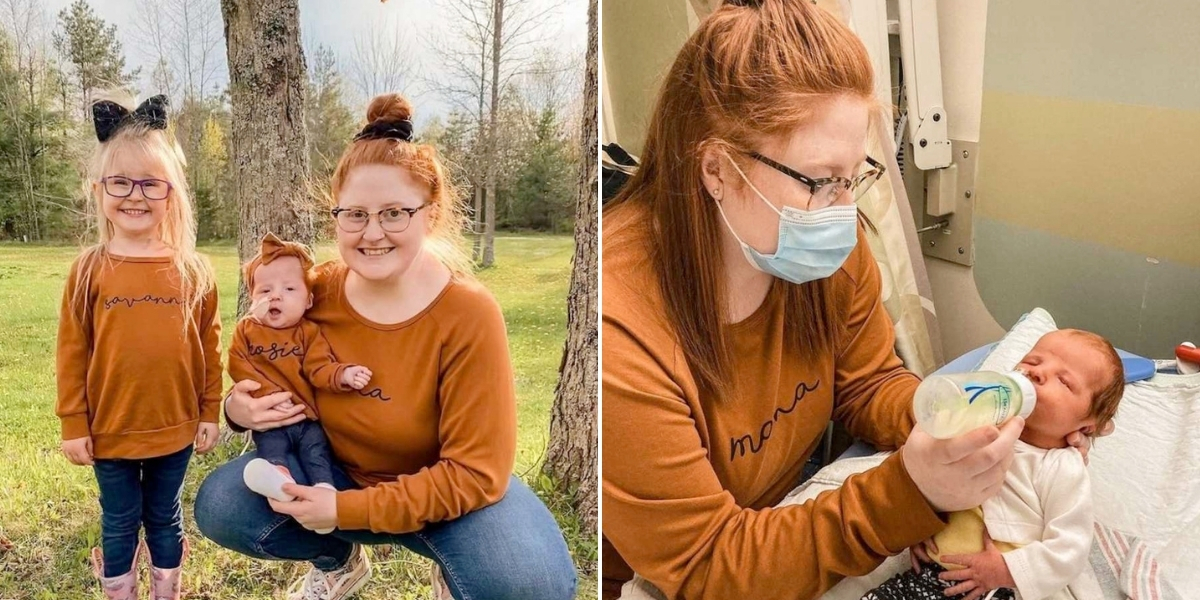
On April 19th, 2020, we received the most incredible news: we were expecting our rainbow baby after experiencing a heartbreaking miscarriage just two months earlier in February. When I saw that positive pregnancy test, my heart leapt with joy—but fear immediately followed. After everything we had gone through, carrying this baby felt infinitely scarier. For the first trimester, I felt like I was walking on eggshells, praying constantly that nothing would go wrong.
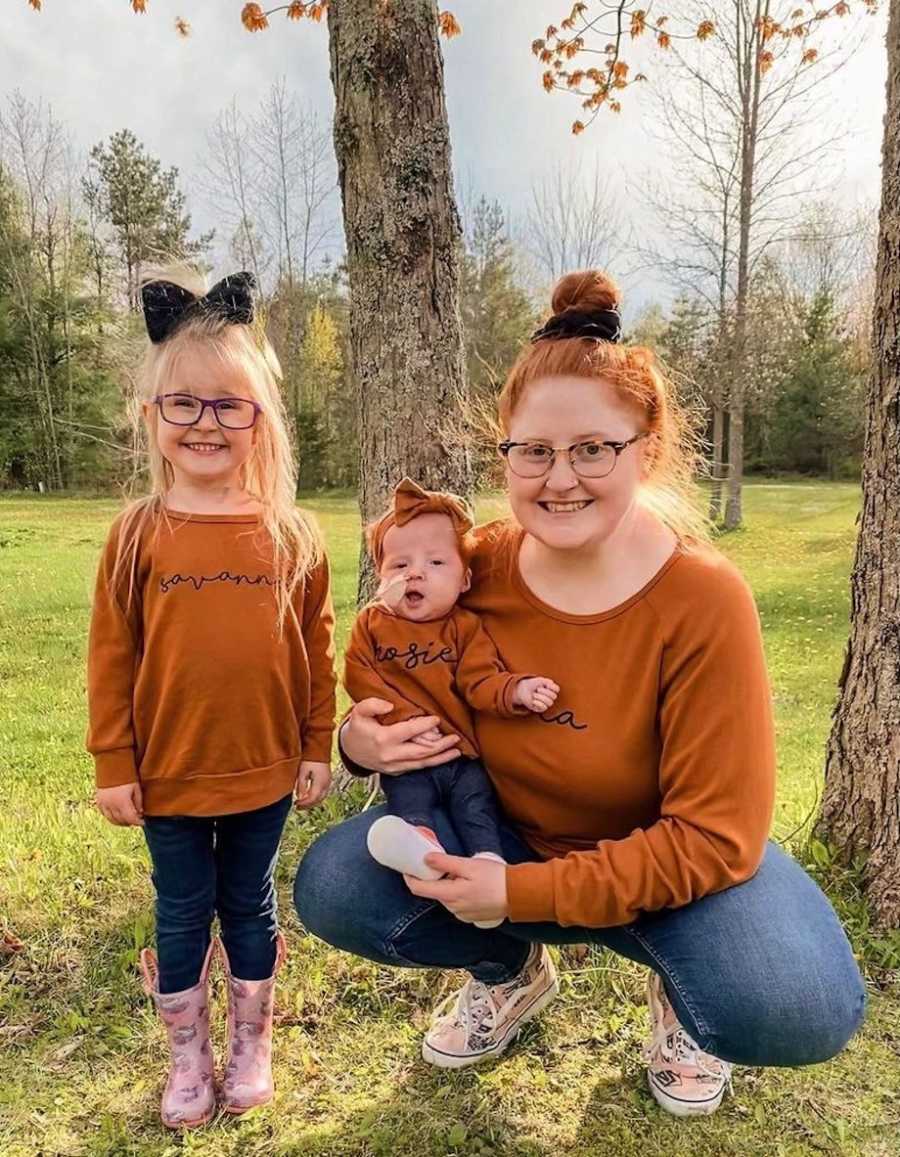
I had been pregnant before—our older daughter, Savannah, had just turned three—but this journey was anything but easy. I had dual nephrostomy tubes, which meant tubes coming out of both kidneys with urine bags strapped to my legs. It was far from a typical pregnancy. I knew the road ahead would involve countless ultrasounds, doctor appointments, and endless urine samples to monitor for kidney infections—definitely not every pregnant woman’s favorite pastime! But I also knew that our sweet baby was worth every single challenge.
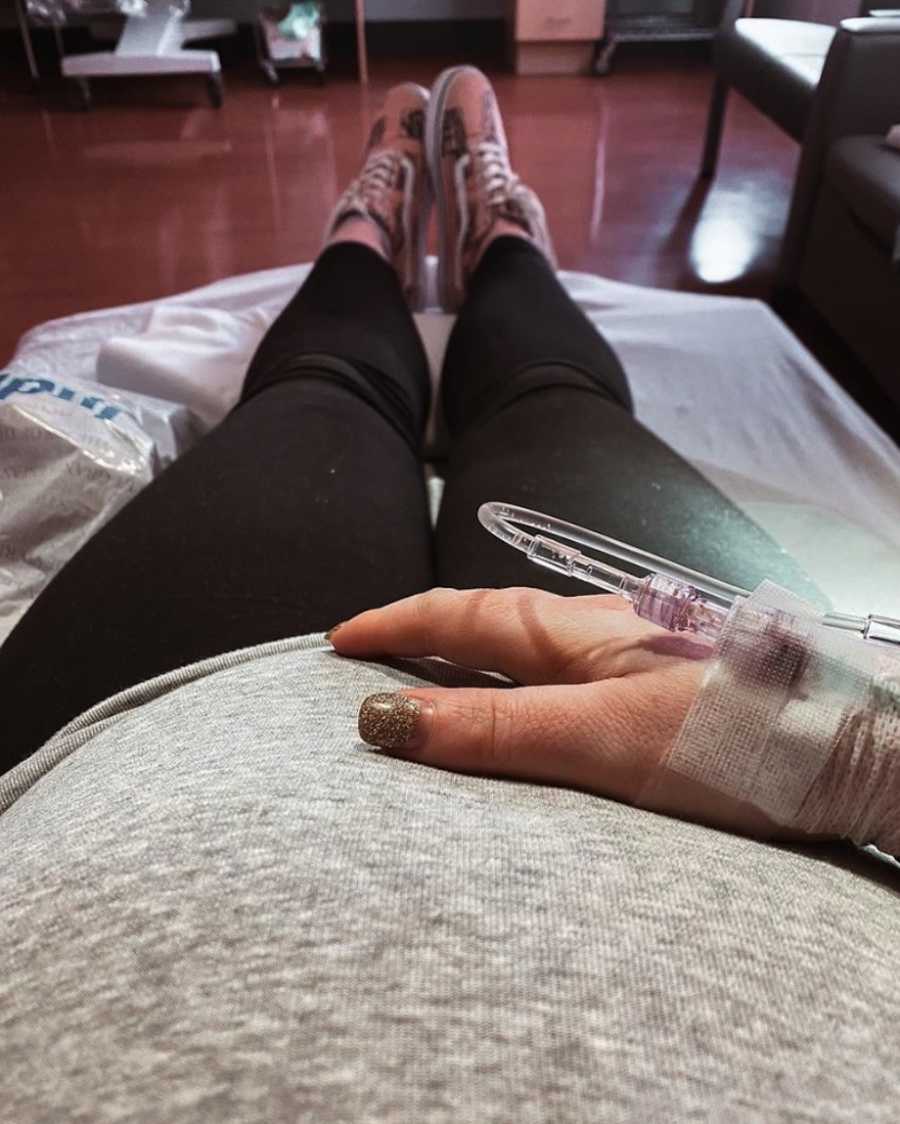
Unfortunately, I developed hyperemesis gravidarum, a severe form of nausea and vomiting, early in my pregnancy. The vomiting was relentless, lasting throughout my entire pregnancy. In the first few months, I ended up in and out of the hospital, needing IV fluids and medications every other day just to keep going. This was all happening in the midst of the COVID-19 pandemic, so my husband, Chris, wasn’t even allowed to come inside the hospital to support me. It was an incredibly lonely and difficult experience, but I kept holding onto the hope of meeting our baby.
On June 15th, 2020—our first wedding anniversary—we announced we were expecting our rainbow baby. The love and excitement from family and friends lifted our spirits. A few months later, we shared that we were having a baby girl, and our hearts soared. Throughout the pregnancy, we had countless ultrasounds and appointments, and every time we were told, “Baby is healthy.” Those were the words we clung to and longed to hear.
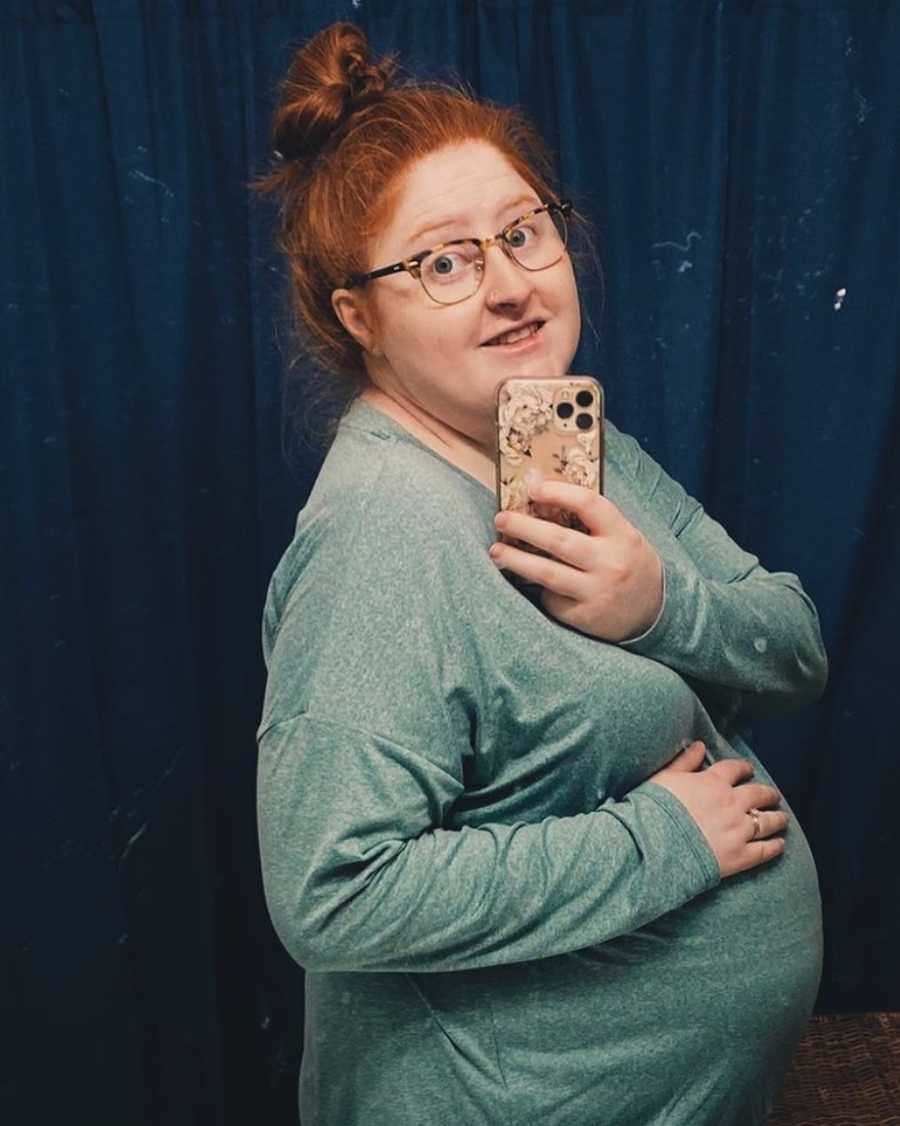
Finally, December arrived. I was just over 37 weeks and scheduled for induction due to complications in my previous pregnancy and because my discomfort was becoming unbearable. On Saturday, December 12th, 2020, I was called into the hospital to begin the process. Labor was slow, grueling, and the pain medications barely helped. Chris was my anchor through every agonizing moment.
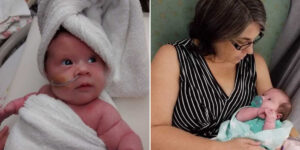
By Sunday evening, we were deep into labor. I experienced the frustration of a nurse insisting I wasn’t “really” in pain because I kept dozing off, even as the pain caused me to nearly pass out. But at around 7:00 a.m. on Monday, December 14th, 2020, our beautiful Rosie arrived, flipping our world upside down in an instant. She was placed on my chest, and the first thing I noticed was her fiery red hair—just like mine. But almost immediately, she was taken away because she hadn’t cried.
The medical team worked quickly to get a small cry from her, but my instincts told me something was wrong. When the pediatrician approached Chris and me, her hesitant words confirmed our fears: Rosie had multiple physical deformities. I pressed for clarity, asking about each concern. She listed them: facial deformities, a cleft palate, a flattened ear, an unusual head shape, and a heart murmur. We were shocked, overwhelmed, and terrified.
Rosie needed to be admitted to the NICU, but due to COVID-19 restrictions, only one parent could visit at a time. Watching her being wheeled away, I felt frozen, trapped in a fog of grief and fear. Chris stayed with me, holding me, helping me shower, and giving me the strength to face the hours ahead. When I finally held Rosie in the NICU, my focus shifted to survival mode—doing everything we could to bring her home safely.
Within her first 24 hours, Rosie required an NG tube for feeding, as her cleft palate made breastfeeding impossible and bottle feeding wasn’t working. Over the next eight days, while moving between Civic Hospital and CHEO (Children’s Hospital of Eastern Ontario), we learned more about her complex medical needs. She had two heart conditions—ASD, a hole in the heart, and pulmonary valve stenosis—and cataracts in both eyes. On top of that, she had craniostenosis and the other birth complications we had already been told about.
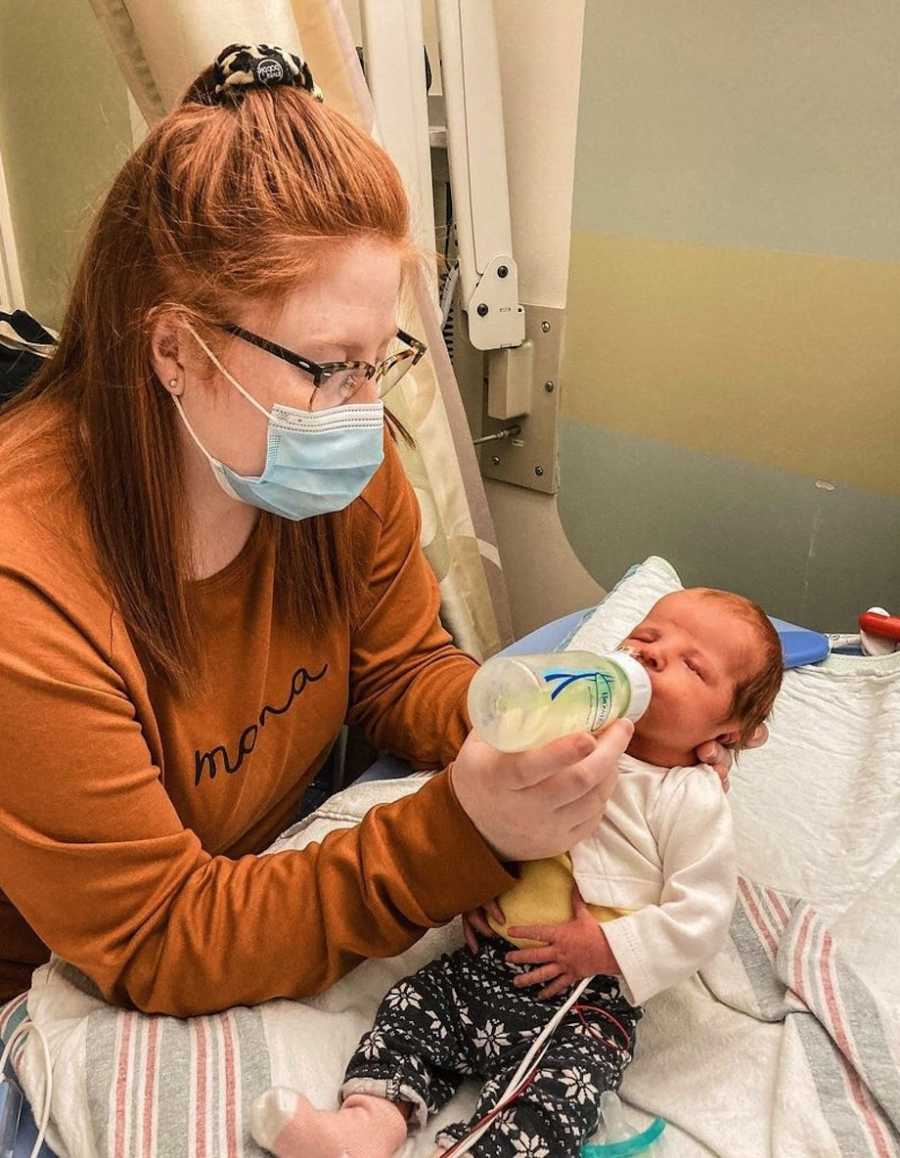
Life felt unbearably heavy. We cried, prayed, and hoped for answers. The outpouring of love and support from friends, family, and even strangers lifted us. A GoFundMe, organized meals from our hometown church, and a Facebook page called “Prayers for Rosie” became lifelines. Finally, after eight long days, we were able to take Rosie home for a few precious weeks before the next medical challenge arose.
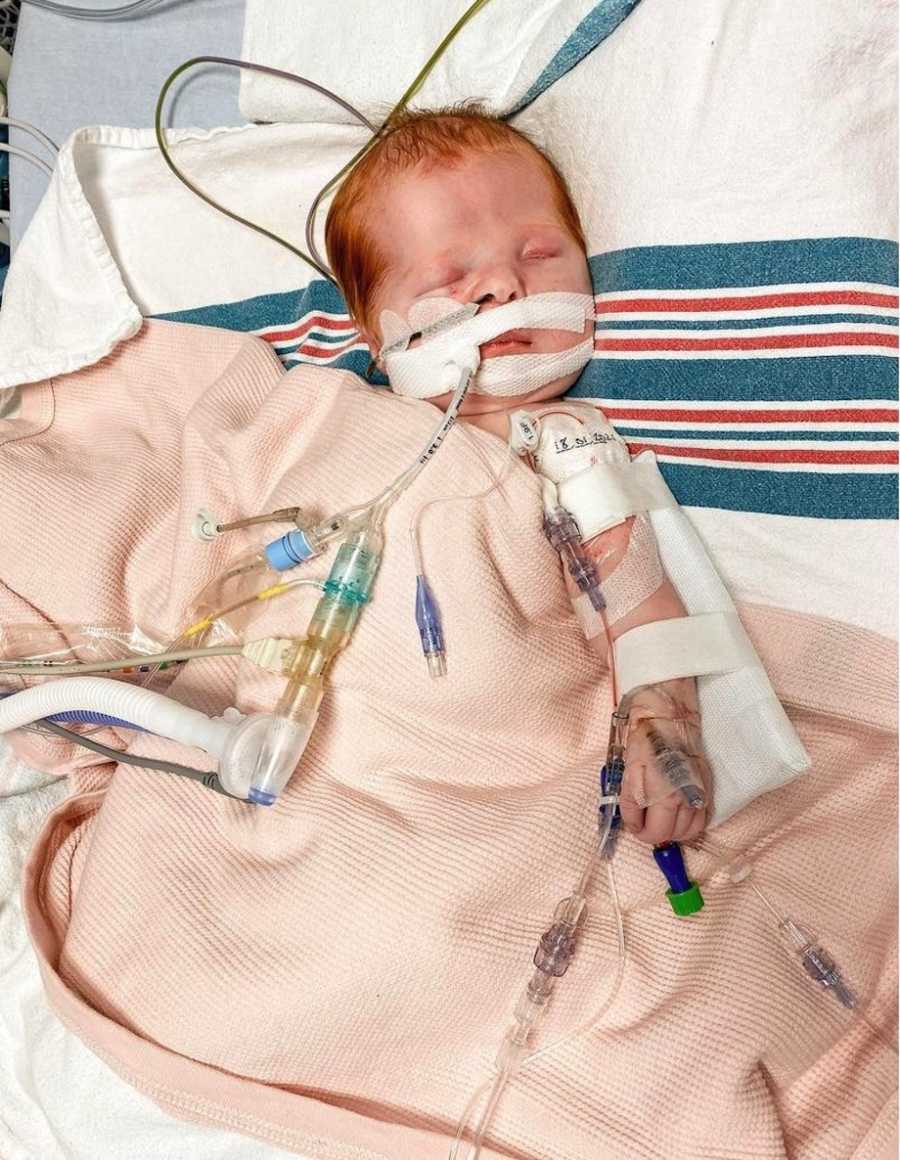
One early morning, Rosie began vomiting her feeds. She had been taking only 60% of her feeds orally, the rest through her NG tube. She had never vomited before, so I knew something was seriously wrong. At first, the doctor on call didn’t take the situation seriously, but the next day, after more vomiting, Rosie was rushed back to CHEO. Tests revealed a twisted bowel, requiring emergency surgery. Chris and I prayed fervently as she went into the OR. She made it through the operation, but the following day her oxygen dropped, and she was intubated in the PICU.
Less than 24 hours later, surgeons returned to take her in for another emergency surgery. They warned that they might find dead bowel, and if that were the case, there would be nothing they could do. I can’t fully describe the fear that gripped me in that moment. Chris and I held Rosie’s tiny hands and sang over her, repeating the words of a family hymn: “Even in the valley, God is good. Even in the valley, He is faithful and true.”
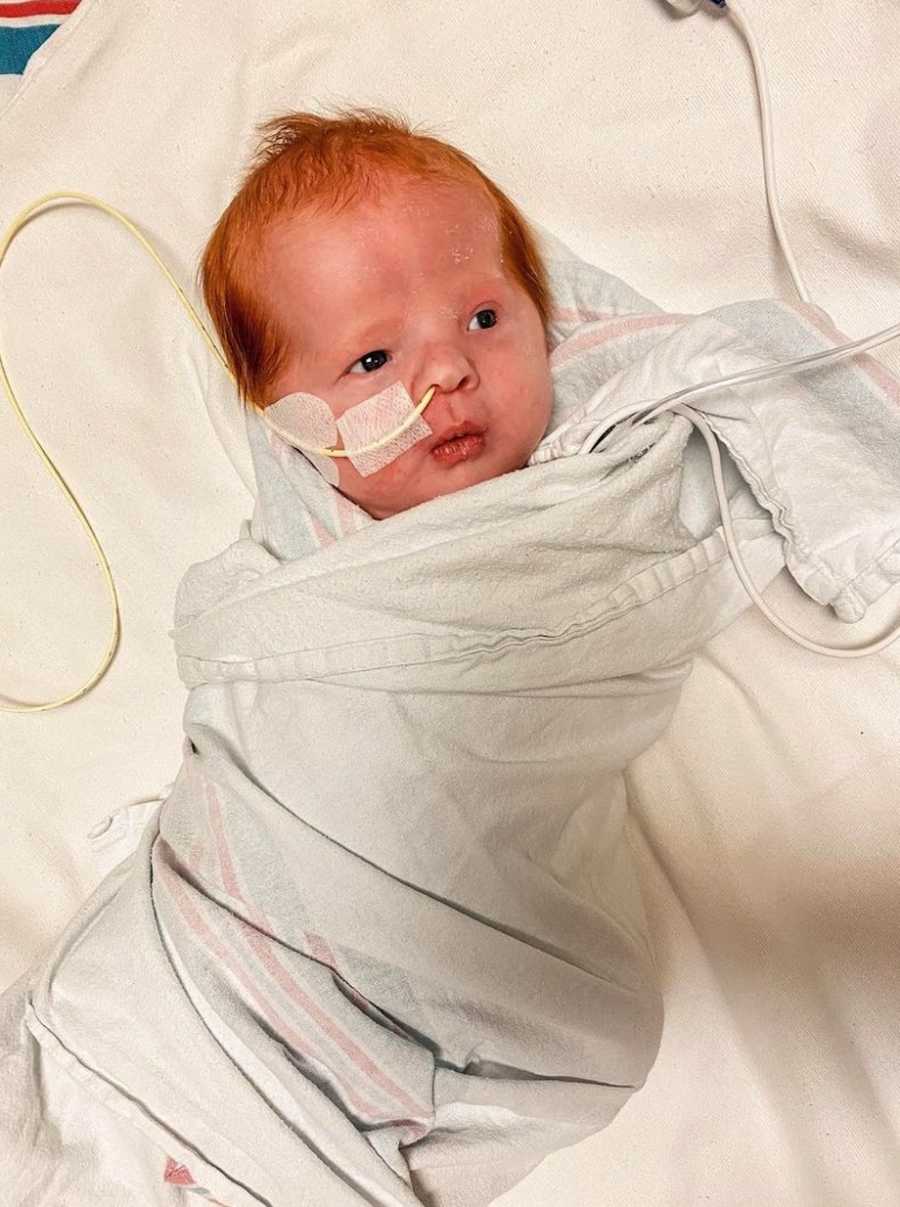
Prayers poured in from around the world, and when the surgeons returned with the words, “She’s going to be okay,” I screamed, “THANK YOU, GOD!” They discovered no dead tissue—just a hernia causing her distress—which was repaired successfully. Over the next few days, Rosie underwent a third surgery to fix bruising on her bowel and also had cataract surgery. Slowly, she came off the ventilator and began acting like a baby again.
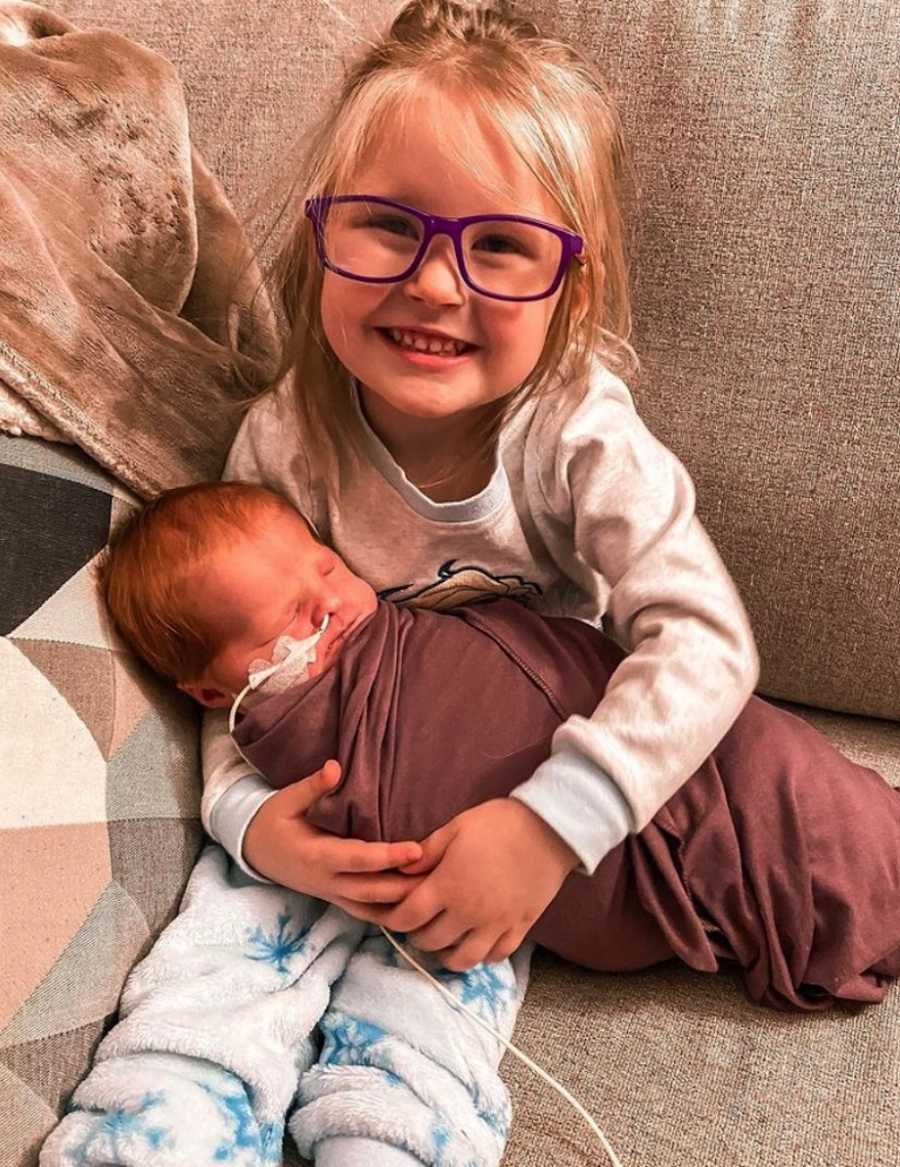
Only weeks later, we faced her heart condition. Her pulmonary valve stenosis required urgent repair. The trauma and fear were immense, but we kept faith. A month after surgery, an EKG and echocardiogram revealed an incredible result: her valve numbers, previously in the high 70s, had dropped to 14. We were overwhelmed with gratitude—again, we whispered, “THANK YOU, GOD.”
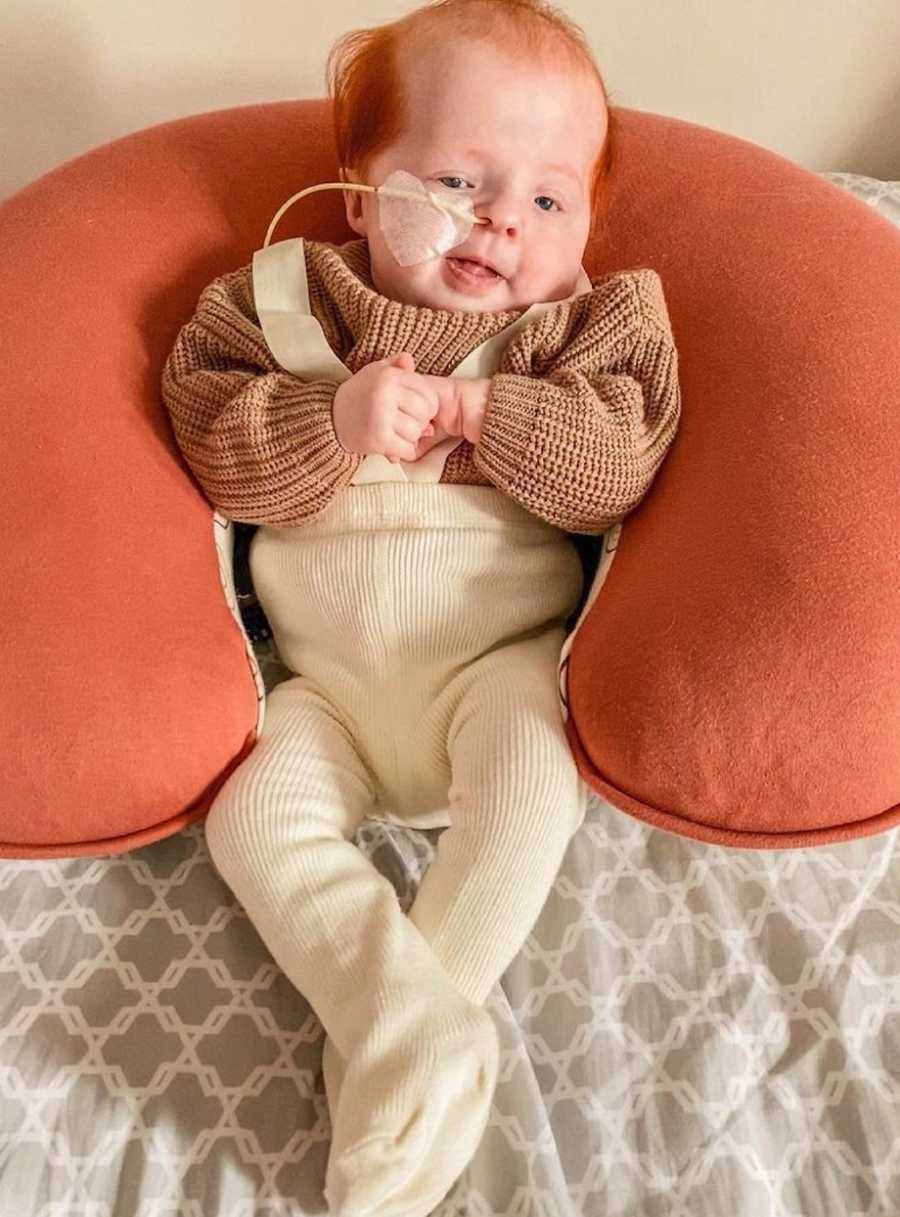
Now, Rosie is just shy of six months old. Looking back, I see every challenge as a testament to God’s faithfulness. Every answered prayer, every miracle, every life touched through her story has strengthened our hearts. Rosie is thriving—rolling over, saying “mama,” and bringing joy to every day. She is a true rainbow, a living reminder that even in the hardest moments, God is good.