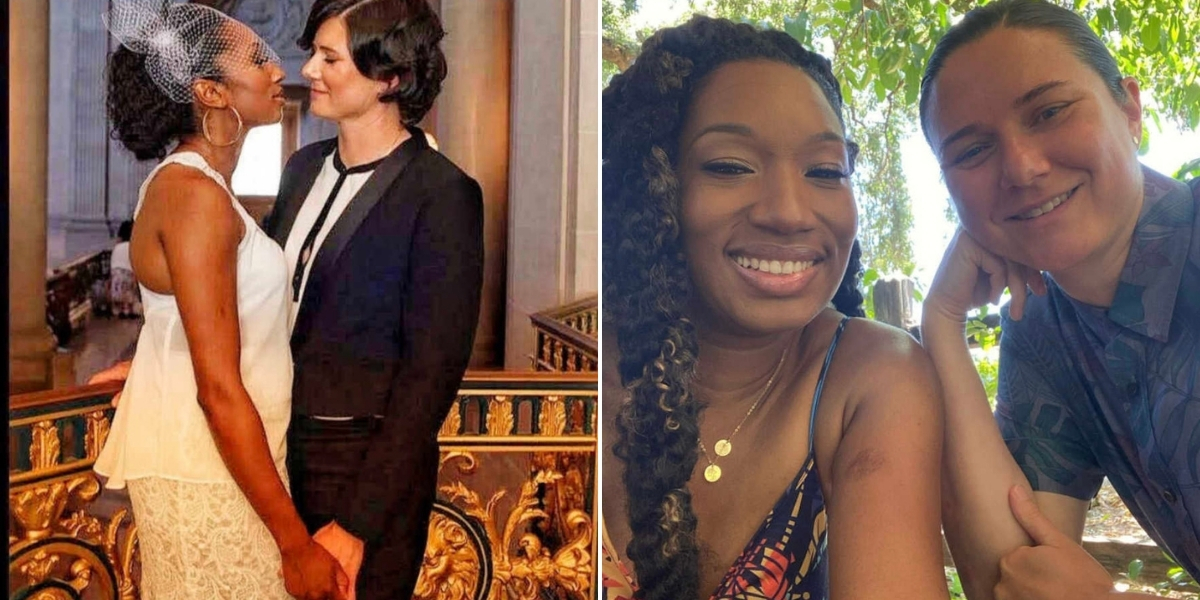
My wife and I had talked about starting a family for years. In the past, our relationship had been a cycle of breakups and reconciliations, which made the idea of having children feel complicated and uncertain. This time, though, things were different. We were newlyweds, both in our 30s, ready—or at least close to ready—to take that next step. I wasn’t in a rush to have children, but my wife, being four years older than me, often reminded me she didn’t want to wait past forty. In the end, I agreed.

A year later, we dove into the process of learning what it took to become parents as a lesbian couple. We attended a workshop hosted by the California Cryobank, hoping to get clarity. By the end of the session, everything we thought we knew about conception had shifted. We left with a fresh perspective and a concrete plan: my wife would carry our first child, and I would follow soon after.
We began scouring online sperm banks, reading profiles meticulously and debating every detail. Soon, my wife started the medical screening required for clinical insemination—what used to be called artificial insemination. During this period, we also discussed wanting our children to be close in age. I suggested we start looking for a donor for me as well.
One night, while lying in bed, my wife excitedly showed me two donors she loved. I shared my excitement, and I also told her about a donor I was interested in. I asked, “What do you think about this one, babe?” She glanced at the profile and said, “My eyes aren’t that color,” referring to the donor’s eye color. I was confused but accepted it and started searching again. When I asked if she would help me pick a donor, she replied, “I’m sure you’ll pick a good one.” I was crushed, but I stayed silent.
Eventually, we selected a donor for her: tall, handsome, athletic, educated, and healthy—exactly what we wanted. But time was ticking; he had a limited number of vials, so we had to act fast. My chosen donor was also running low. We checked our finances and realized we couldn’t afford the recommended 6–8 vials. Luckily, we managed to purchase three vials for her, two for me, and six months of cryogenic storage. Yet this sparked tension—though not due to money, but because I had purchased sperm for myself.
The first insemination was emotionally charged. She was tense, and I tried to help her relax. After the procedure, she lay on the sterile medical table, silent. That silence marked the beginning of a downward spiral. The next day, she said, “I’m pregnant!” I cautioned her, explaining that we wouldn’t know for fourteen days—the dreaded “two-week wait.” My attempt at realism ignited a massive argument. She accused me of being unsupportive and pessimistic, while I felt defensive, simply trying to manage expectations. Our home filled with tension, and barely a word was exchanged. When her period arrived two weeks later, the disappointment hung over us like a dark cloud.
We waited months before trying again. Consulting our fertility doctor, we explored ways to increase the chances of conception. She started taking Clomid to produce more eggs—she had only been releasing one per cycle—and also tried acupuncture, inspired by positive testimonials. Despite the optimism, the second insemination brought the same stress. Arguments became daily. I withdrew emotionally, and we became strangers in our own home. Every conversation felt like a spark in a room full of gas. And when her period came again, our hearts sank.
With only one vial left for her, we faced the dreaded conversation: what if it didn’t work? I struggled to speak, yet knew we had to. Our discussion erupted into another argument. She wanted to continue, but I questioned spending more on vials when two were still available for me. A rift grew in our home; love felt overshadowed by tension, and our relationship teetered on the edge.
She chose to go ahead with the third insemination alone. I refused to attend, disconnected and bitter. When she returned home, I couldn’t even look at her. Fourteen days later, her period arrived, and with it, devastation. Over a year had passed. I began doubting us, even considering separation. I asked her, “Is this about you having a baby, or us having a baby?” That question marked a turning point. She shifted, opening up. I started listening actively, letting go of defensiveness, and committing to compassion and understanding. We promised to communicate better, be present, and continue loving unconditionally. In hindsight, trying to conceive tested our relationship in ways we hadn’t imagined—but I now know it’s common.
We agreed I would try next. After testing and clearance, I began the insemination process. The first cycle failed, but I remained hopeful. Two months later, I tried again. I rested, took it slow, and noticed early signs: fatigue, headaches, cravings. My wife suggested, “I bet you’re pregnant!” I held off belief until day fourteen. On day twelve, feeling I might start my period, I took a test “just in case.” We waited five minutes, then looked together. The digital display read: PREGNANT. It couldn’t feel real. After years of planning, hope, and heartbreak, our dream was tangible—we were going to be parents.
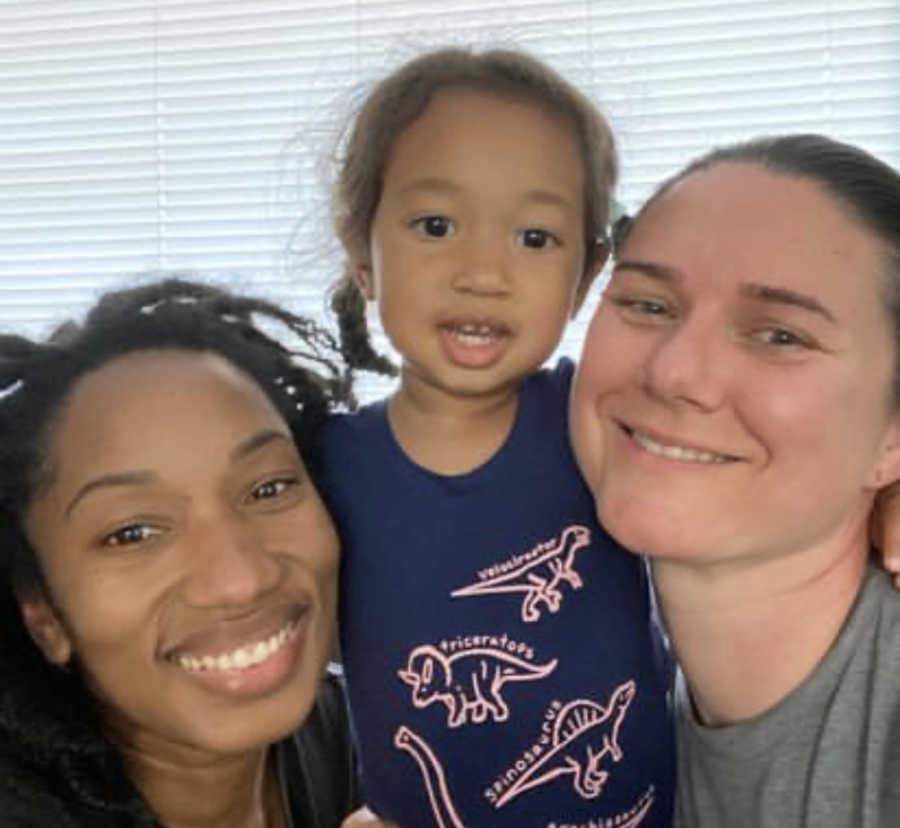
Our daughter arrived healthy and full-term at 38 weeks. She became our joy, our balance, the yin to our yang. She is our reason to push forward, to live authentically, and to love without reservation. She bridges our hearts, completing a journey that tested every fiber of our being and ultimately brought us closer than ever.