My story begins on October 14th, 1997. I was just like any other baby—laughing, cooing, and exploring the world around me. Everything seemed perfectly normal, until the time came for me to start walking. When most babies take their first steps, I didn’t. I showed no interest in standing or moving on my own. My parents noticed early on that something wasn’t right, so they took me to multiple doctors—a family physician, a pediatrician, a neurologist—hoping for answers. After several tests and many sleepless nights filled with worry, they arrived at a diagnosis when I was around two years old: Spinal Muscular Atrophy, or SMA, type 2.
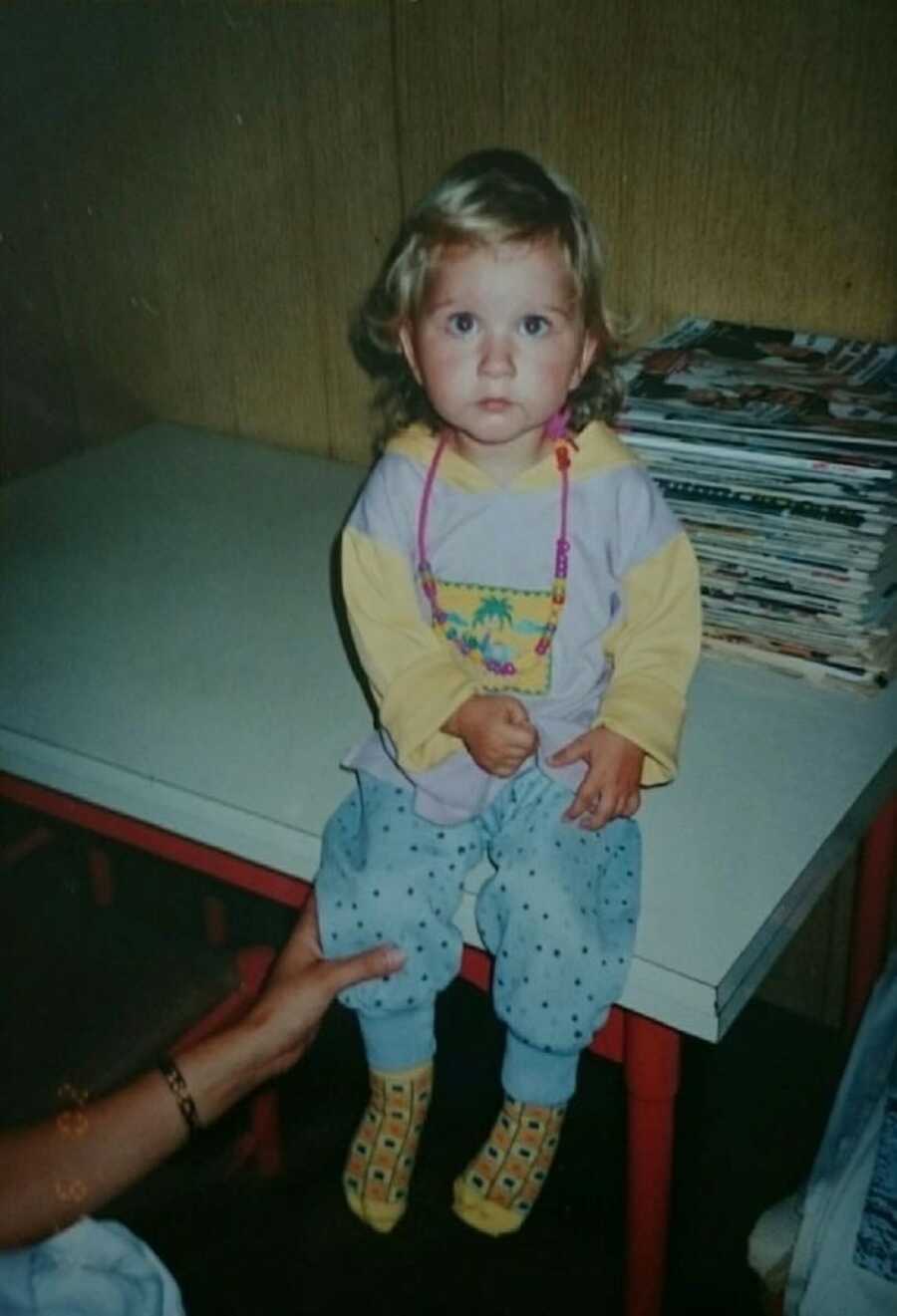
SMA is a genetic neuromuscular condition that causes progressive muscle weakness, affecting every muscle in the body, especially the limbs and lungs. I was too young to remember much of the initial shock, but I know it was overwhelming for my parents. Yet, despite the heavy news, they quickly embraced me as just another child, and for that, I will always be grateful. They treated me equally, never making me feel different or limited. That love and acceptance meant that, as a child, I never felt like there was something wrong with me. Even with my power wheelchair, I was included in everything, always finding ways to participate fully.
Life was relatively smooth, except for occasional bouts of pneumonia, a consequence of SMA’s impact on my lungs. My parents’ optimism was unwavering. I remember one particularly frightening hospital stay, when a doctor presented my mother with three stark options: I could either never go home again, go home with a trach, or leave completely healthy—a “miracle,” he said. My mother, steadfast as ever, responded, “Only one option exists for her, and it’s the last one.” And against all odds, that’s exactly what happened. I went home fully well.
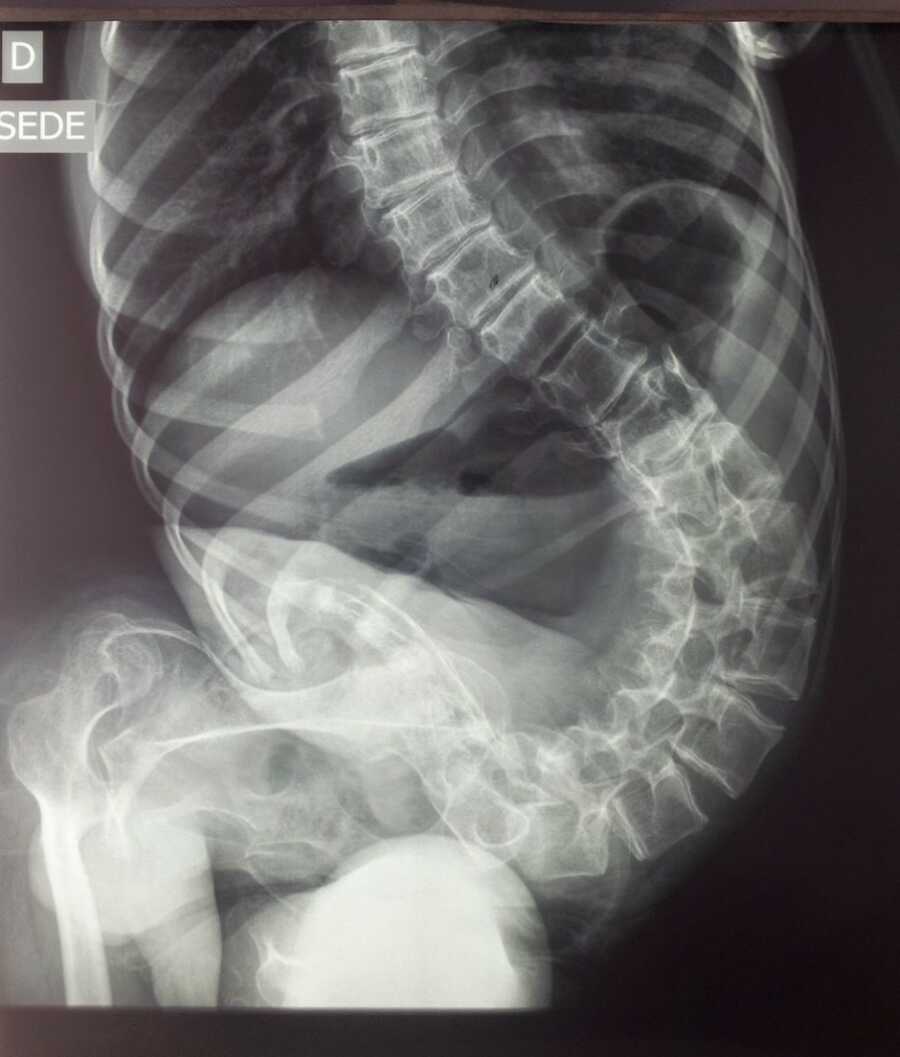
As I entered my teenage years, I became more aware of myself—my body, my limitations, and my differences. Like many teenagers, I began comparing myself to peers. I didn’t like my thin frame, the crookedness of my body, or the shape of my arms and legs. Yet, interestingly, I never wished I could walk. Walking had never been part of my life, so I had nothing to miss. The hardest part of my disability, for me, was never the physical limitation—it was the way I saw myself and feared others saw me. I avoided photos, struggled with self-esteem, and never truly believed the compliments about my appearance. In my own eyes, I wasn’t enough.
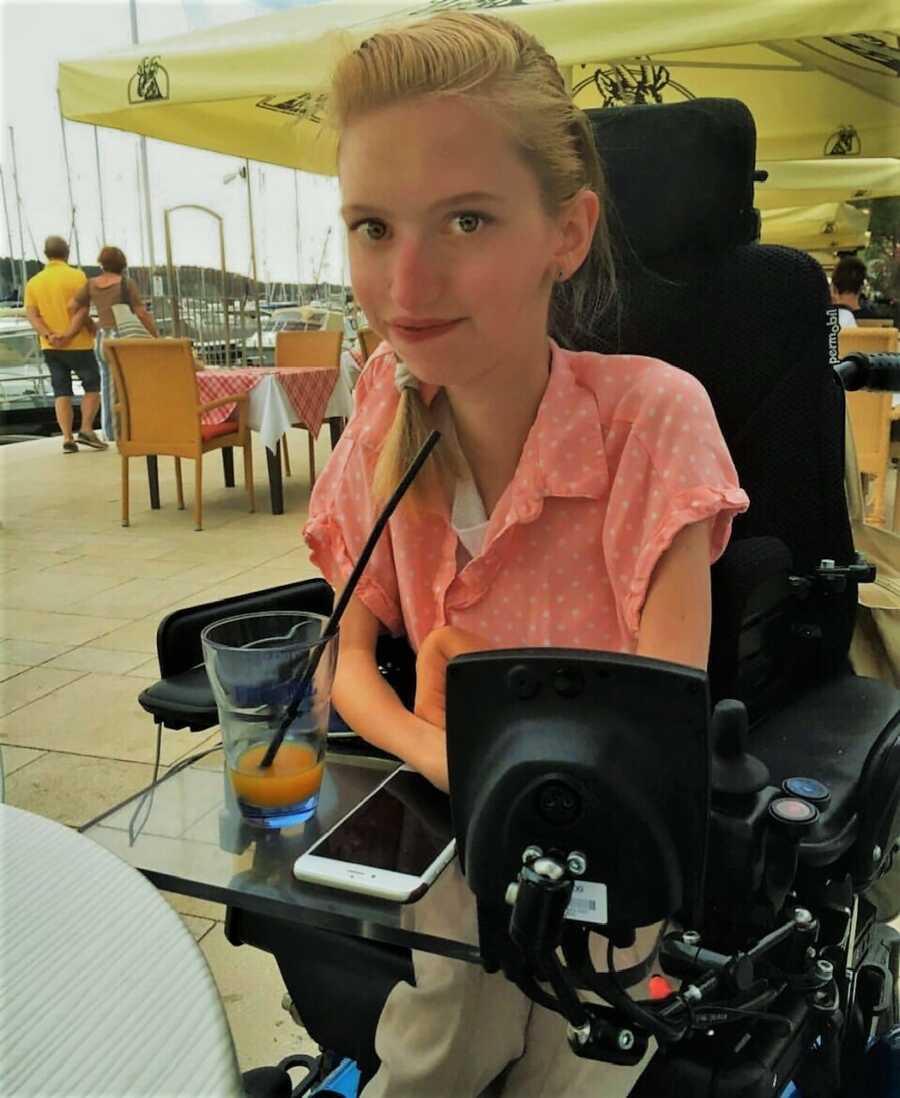
During those years, SMA often leads to scoliosis—and for me, it did. My spine became so curved that it began to compress my lungs, affecting my breathing. In 2012, I underwent spinal fusion surgery. The operation itself went well, but shortly after, I developed a high fever. Doctors discovered I had a staphylococcus infection on my heart valve—a dangerous, meat-eating bacteria. Once again, the doctors laid out three options: I could never go home, undergo another risky surgery, or rely on antibiotics to slowly heal me. My family and I believed I would be okay, and after about a month, during a routine heart valve check, the doctor made a call that changed everything.
He examined the screen, puzzled, then summoned a colleague. I watched, tense, as they whispered, scanning the results. Finally, my doctor turned to my mom, smiling wider than ever, and exclaimed that there was no trace of infection. It was supposed to be impossible, yet there I was—completely healthy again. I stayed in the hospital for another month to finish my antibiotics, then went home, once more, whole.
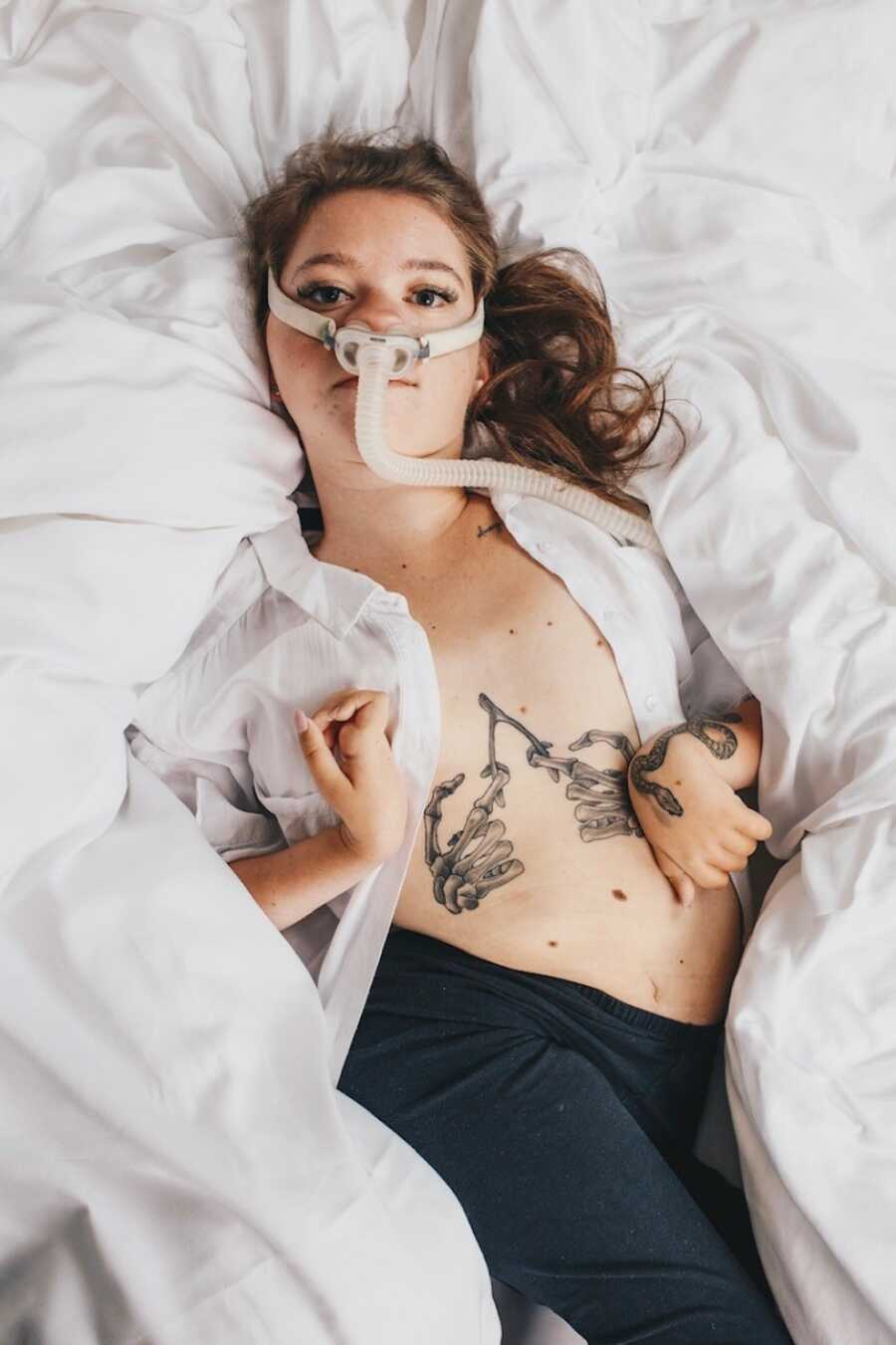
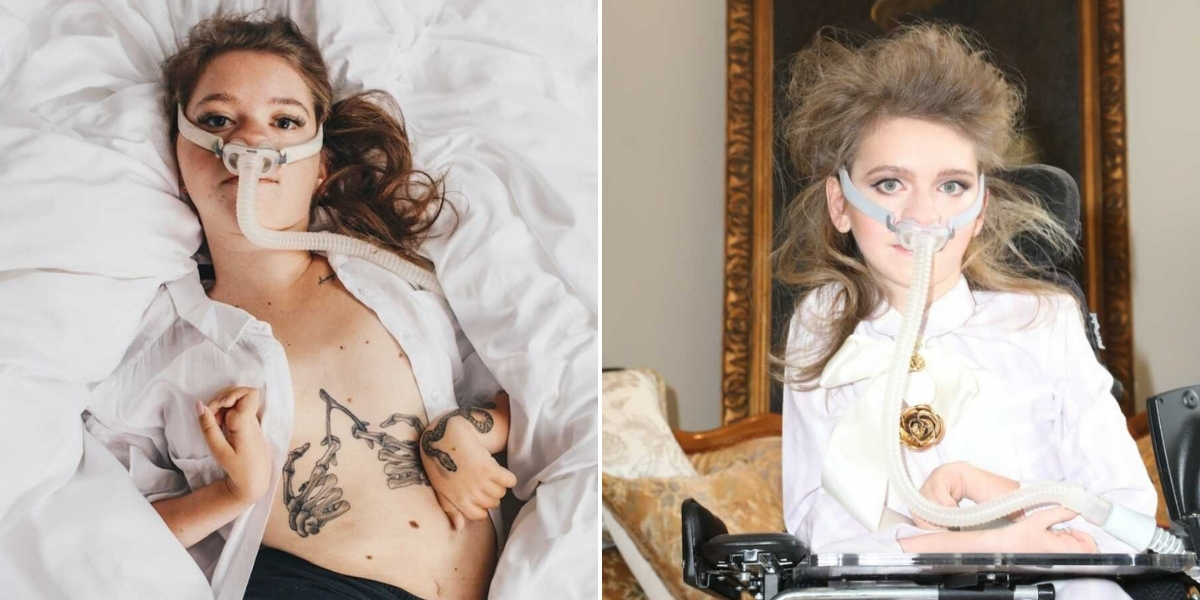
Life took a surprising turn in 2019. I posted an ad seeking a personal assistant, and among the applicants was a professional photographer who invited me to a photoshoot. I had never imagined being in front of a camera. In the fashion world, only certain “standards” are seen. Yet, that first professional shoot completely changed my confidence. For the first time, I felt seen, validated, and beautiful. It was surreal, realizing that someone from the industry believed in me enough to make me the model.
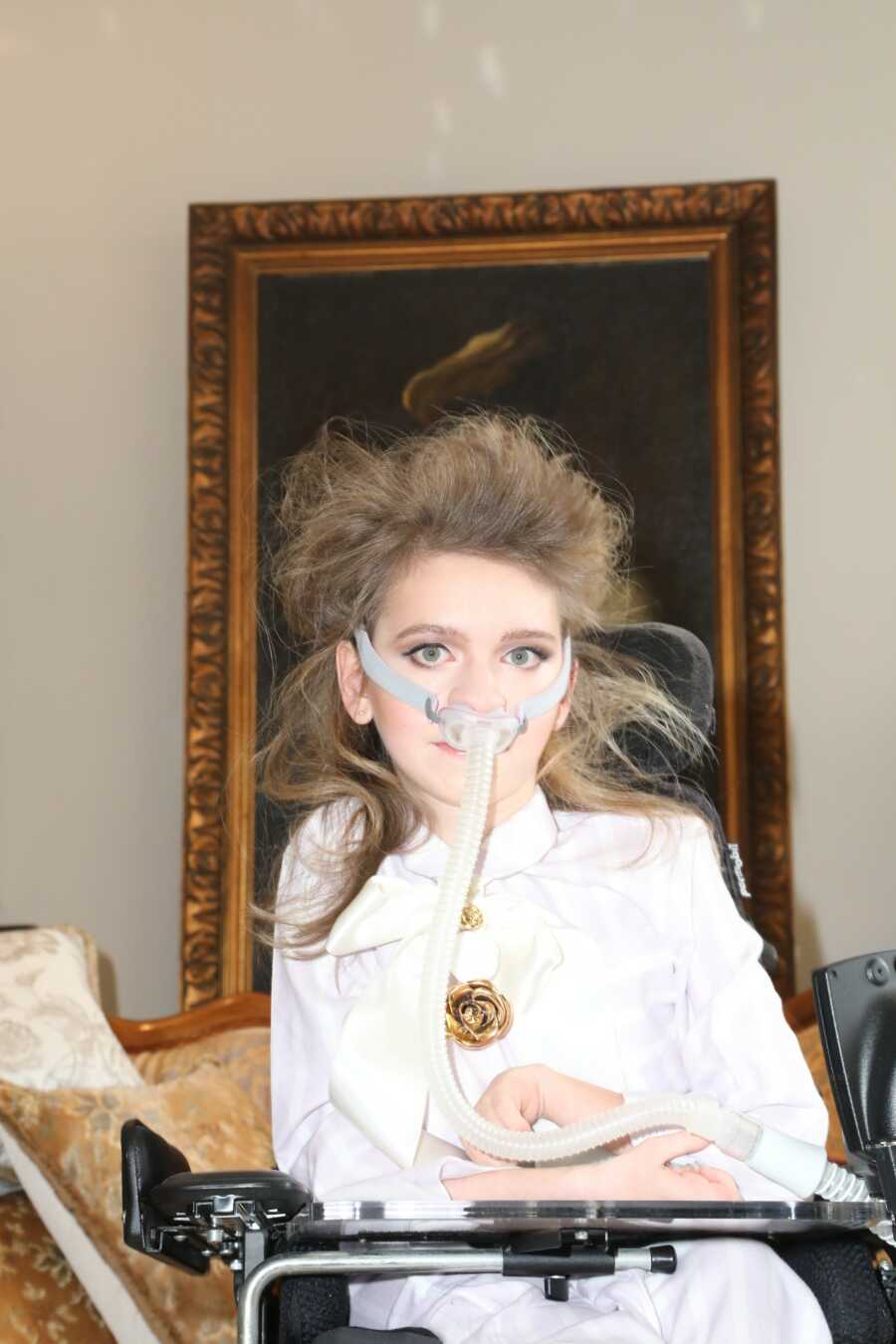
That same year, my breathing required more support, and I began using a BiPAP ventilator 24/7. While initially self-conscious about being seen wearing it, I quickly realized there was no reason for shame. It gave me energy, allowed me to breathe easier, and even helped me gain weight. My perspective shifted—I no longer judged myself for something that improved my life. Around that time, I also began my Instagram blog, sharing my journey, experiences, and insights about life with a disability. I wrote about inclusion, intimacy, dating, and representation in media—topics often left unspoken, but deeply necessary.
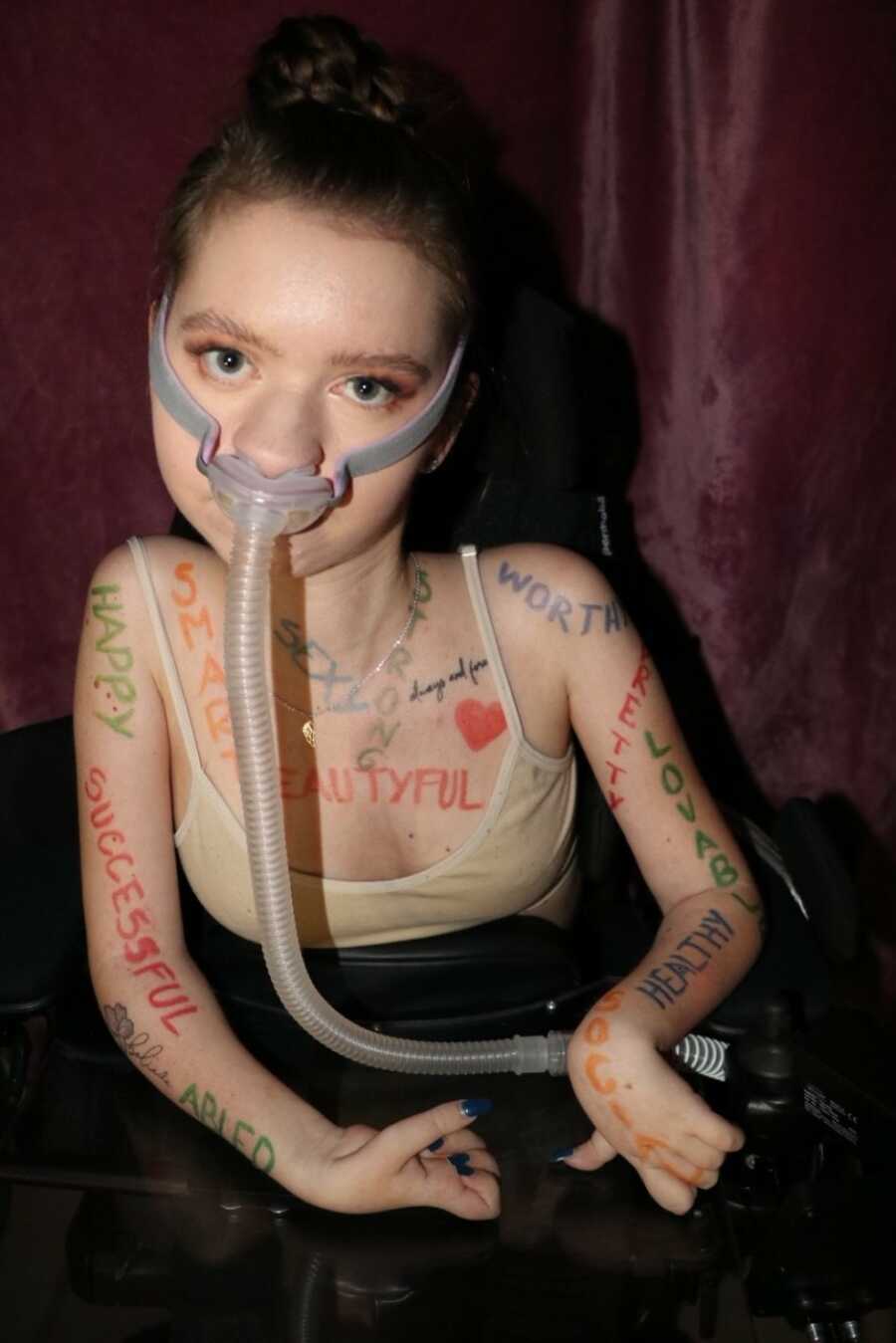
Then came a pivotal moment. The first adult SMA treatment, Spinraza, became available in Slovenia. Hope surged in my family, until tests revealed I had been misdiagnosed all along. I did not have SMA. At first, it was a shock—a mix of disappointment and confusion—but eventually, I accepted it. I didn’t know my true diagnosis, yet my body remained the same. I had learned to listen to it, trust it, and love it, regardless of a name on paper.
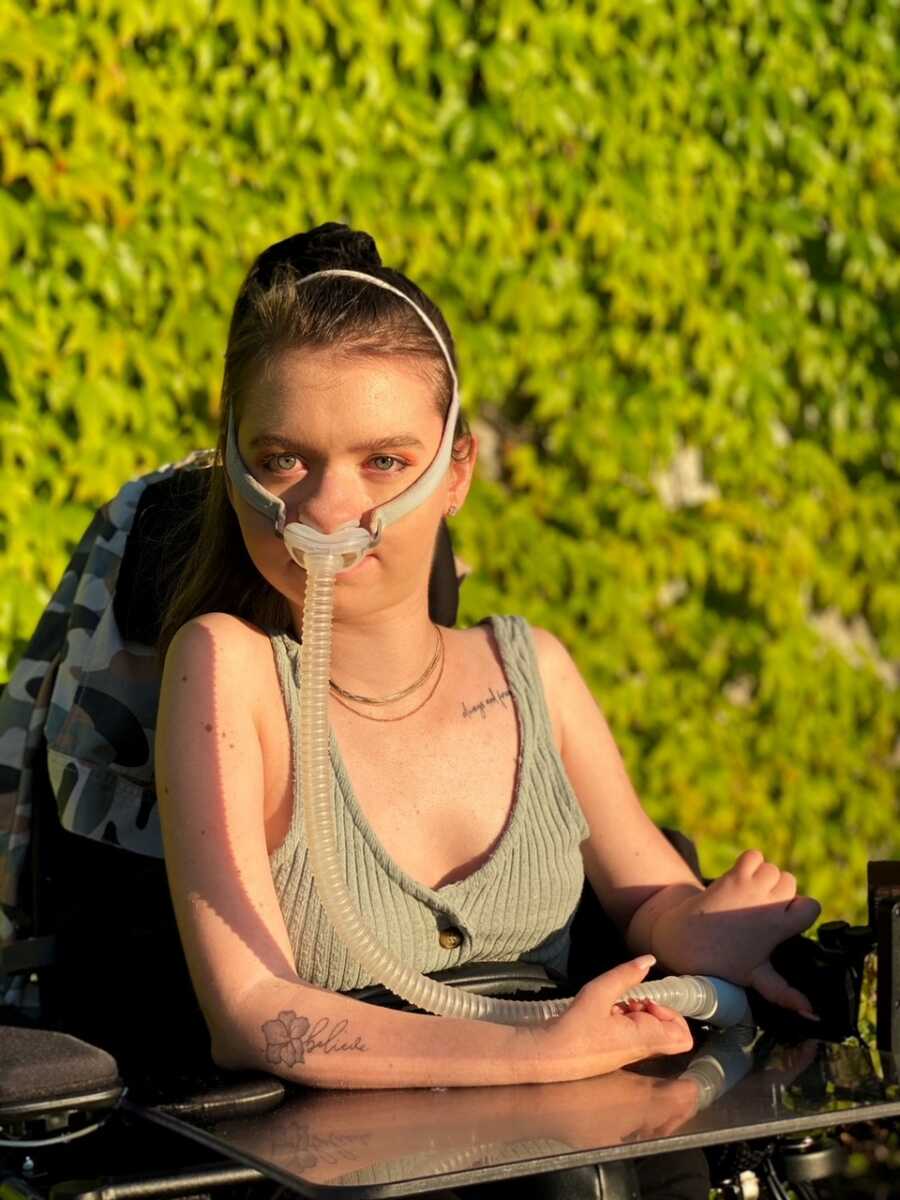
Today, I am thriving. I’ve graduated with a degree in Criminal Justice and Security, embraced advocacy for the disabled community, and pursued opportunities I once thought impossible. I’ve learned to love my body, celebrate my journey, and share my story to inspire others facing similar challenges. If I could speak to my younger self, I would say: love your life, embrace every challenge, and trust that something beautiful is waiting around every corner. Because through every hardship and every triumph, we grow stronger—and that is worth everything.