It took me longer to write this story than I ever expected, because fighting for your child is overwhelming in ways words can barely capture. You don’t know where to begin, or how it will end—but I had to start somewhere, because not telling our story never felt like an option.
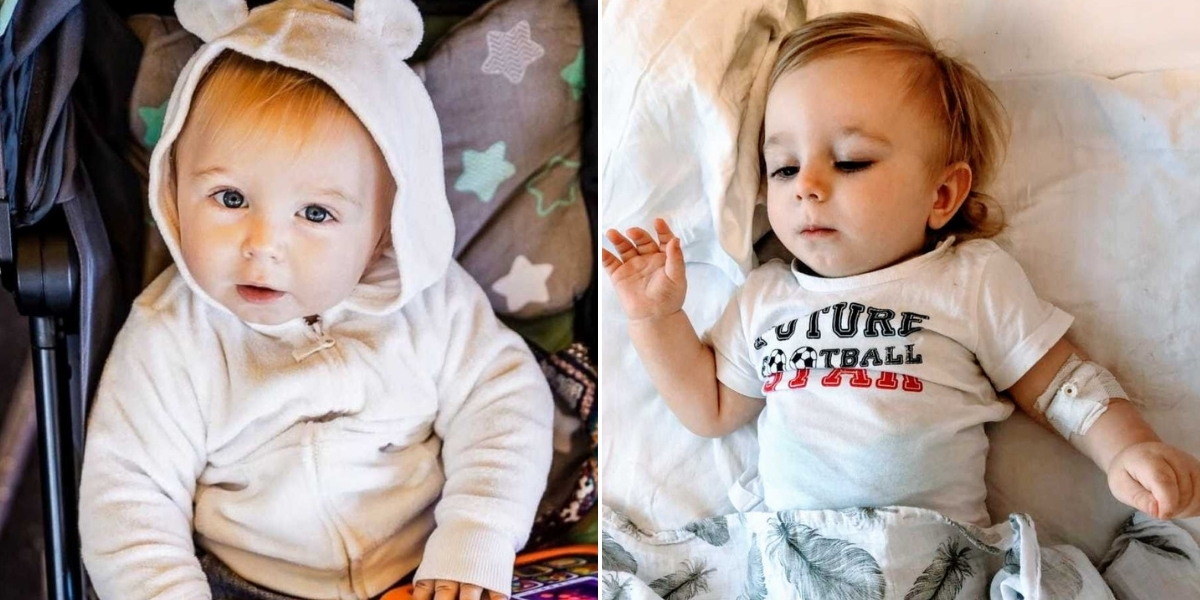
So I will start from the beginning. My husband, Ruslan, and I were blessed with a little boy named Yehor. We are from Ukraine, and we are a simple family. I work as an accountant, and my husband is a policeman. Together, we earn about $300 a month. Our life was modest, but we were happy. We dreamed of a normal future—playing games with our child, watching him grow, and living a quiet, ordinary life. But the first years after Yehor was born did not go the way we imagined.
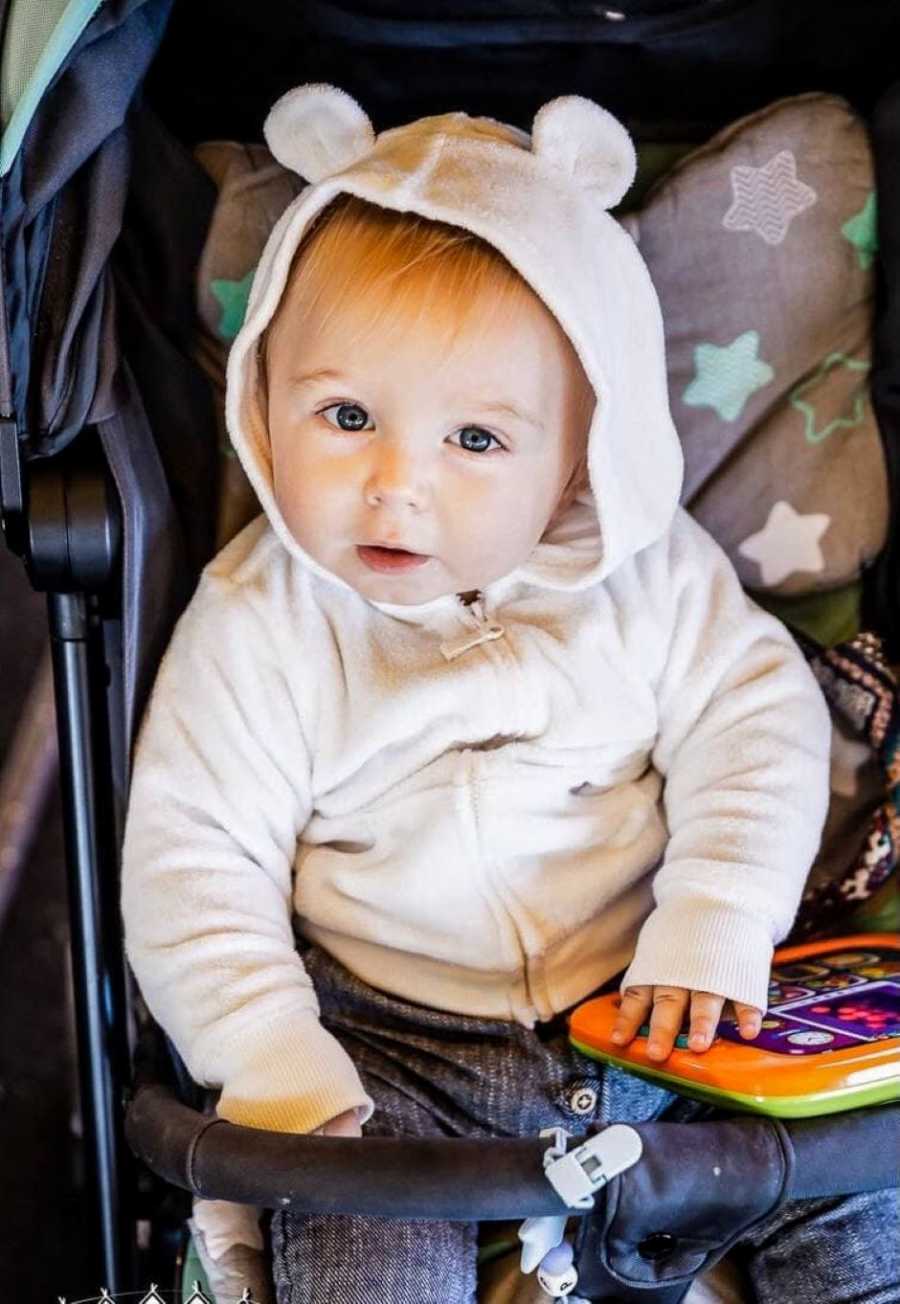
When Yehor was just four months old, we began noticing a tremor in his hands. Doctor after doctor told us not to worry, assuring us he would grow out of it. Still, something felt wrong. Eventually, we went to the most expensive private hospital in Ukraine, hoping for answers. That was where a doctor first voiced suspicion of spinal muscular atrophy, or SMA.
I had never heard of SMA before. In Ukraine, rare—or orphan—diseases are not well explained or discussed. As the doctor began to explain what SMA was, fear took over. I had no idea how I was supposed to handle this reality, but I knew one thing: I had to stay strong for my son. He could not see me broken, crying, or hopeless. When I asked the doctor if there was a cure, his answer still haunts me. He said, “Yes, there is. But you will never be able to pay for it, so you better plan on having another child.” Even today, I cannot comprehend the cruelty of those words.
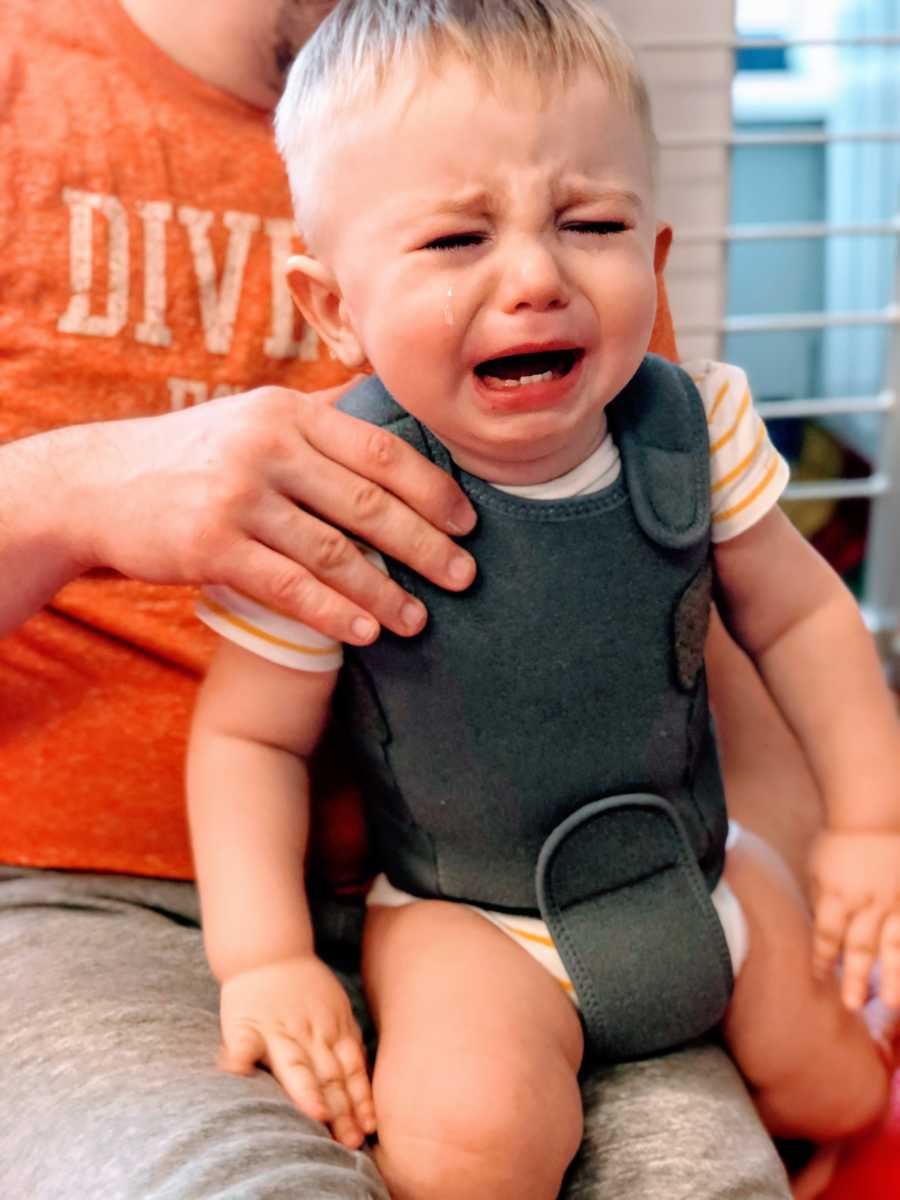
Spinal muscular atrophy is a genetic disorder in which the genes responsible for muscle function are missing. There are several types of SMA. With Type 0, babies often do not survive pregnancy or pass away shortly after birth. Children with Type 1 have severe difficulty moving and breathing, and many do not live beyond two or three years. Type 2, which Yehor was diagnosed with, allows children to live longer—but the severity varies greatly. These children cannot walk, most cannot sit independently, and many develop swallowing difficulties early on.
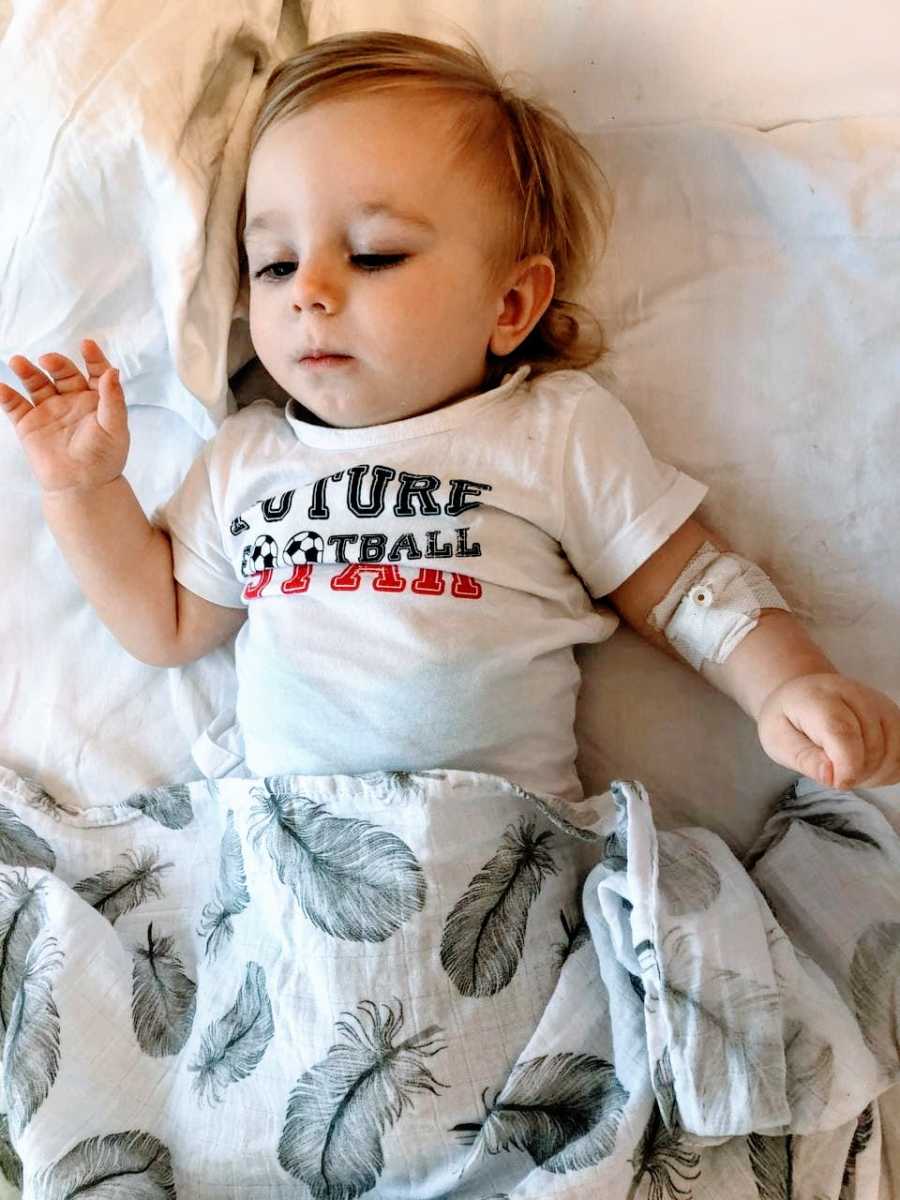
SMA is also a progressive disease. Over time, a child loses more and more muscle strength. Limbs can become deformed, movement becomes limited, and eventually breathing is affected. In Ukraine, without proper treatment and support, children with SMA Type 2 often die in their early twenties. During those years, they must fight not only the disease itself, but also a lack of infrastructure and accessibility for people with disabilities. Yes, I was luckier than some parents—but that did not mean I could accept this fate for my son. I could not stop fighting for Yehor to walk, to breathe freely, and to live beyond 20 years.
After his diagnosis, I met many wonderful people living with SMA Type 2. For years, they had no choice but to adapt, because until recently, there was no effective treatment. But now, my child had a chance—something previous generations could only dream of. From the moment I heard his diagnosis, I knew I had to do everything possible to give him that chance. The doctor had been right about one thing, though: we would never be able to afford this treatment on our own.
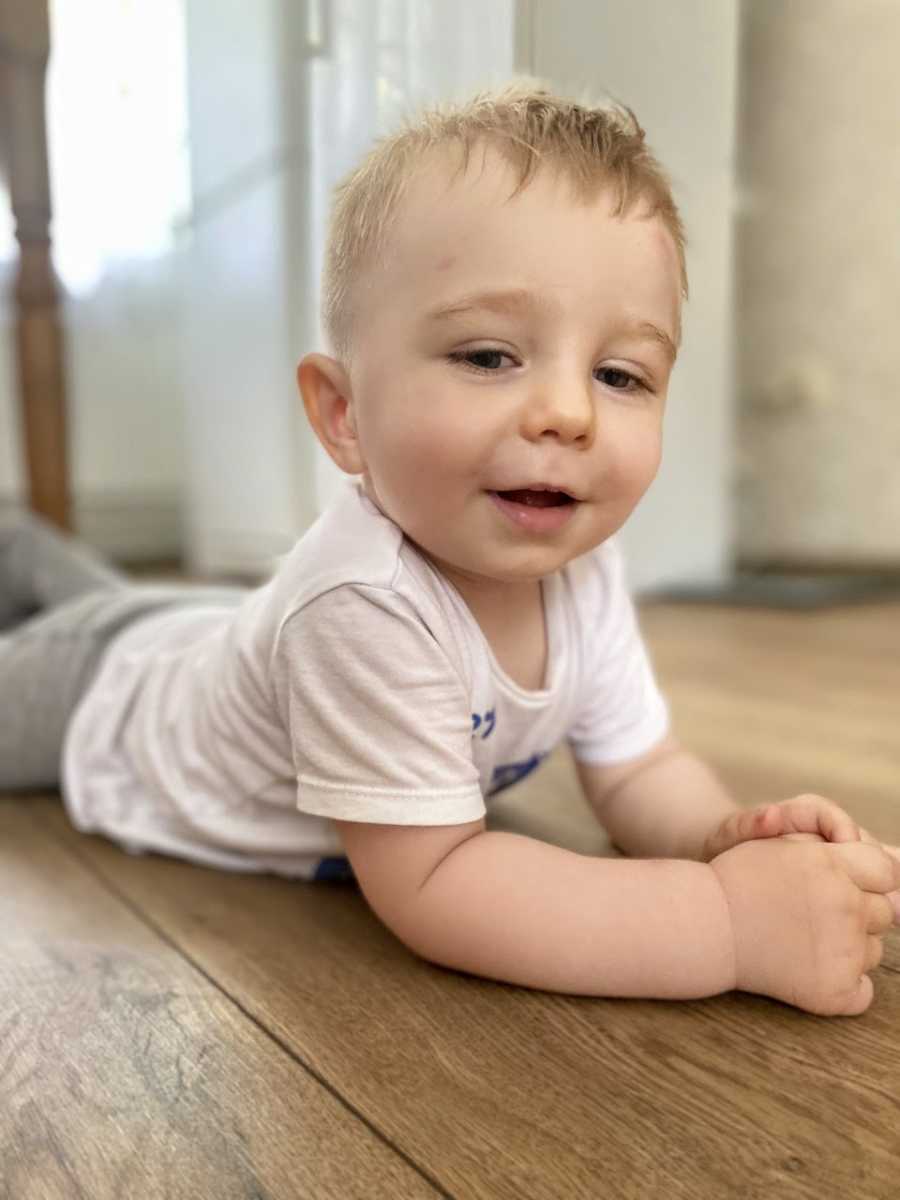
The treatment is called Zolgensma, a revolutionary gene therapy and one of three approved treatments for SMA today. Unlike the other options, Zolgensma is not a lifelong treatment. It is a single injection that replaces the missing gene. The other treatments must be taken for life—costing around $700,000 in the first year and $300,000 to $400,000 every year after that. We knew we could never sustain those costs. Those treatments also do not replace the missing gene; they only support backup genes. So we made the hardest decision of all: to try to raise $2.3 million for Zolgensma.
Every day, I look into my son’s eyes, and I cannot imagine saying, “This is too much. We are not going to try.”
We started with a simple Instagram post. Slowly, something incredible happened. Kind strangers began reaching out. They became volunteers, supporters, and family. People started helping us not only in Ukraine, but in Canada, the United States, Germany, Belarus, and many other countries. Even now, I struggle to believe the kindness we have received from thousands of people who chose not to scroll past our story. Thanks to them, we have raised more than $900,000 so far—an unimaginable amount for our family. Every dollar represents someone sacrificing something small to give my child a chance at a long, healthy life.
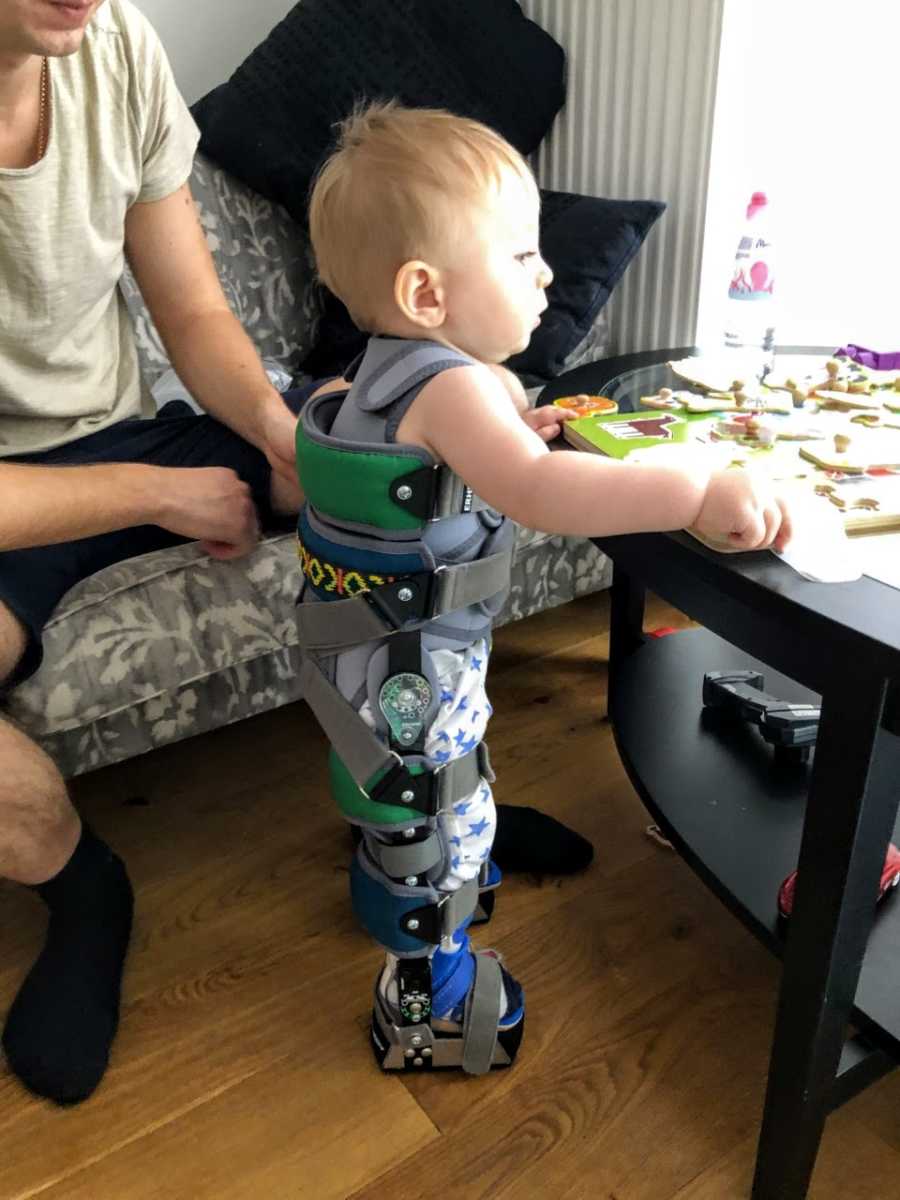
Recently, we received news that gave us a second breath of hope. San Antonio Children’s Hospital agreed to perform the treatment for $1.87 million—but only if Yehor receives it before his second birthday. That means we have just two months left to raise more than $900,000. The goal is closer than ever, but time is against us. If just 90,000 people saved $10 for Yehor, we could give him something generations of children with SMA could only dream of.
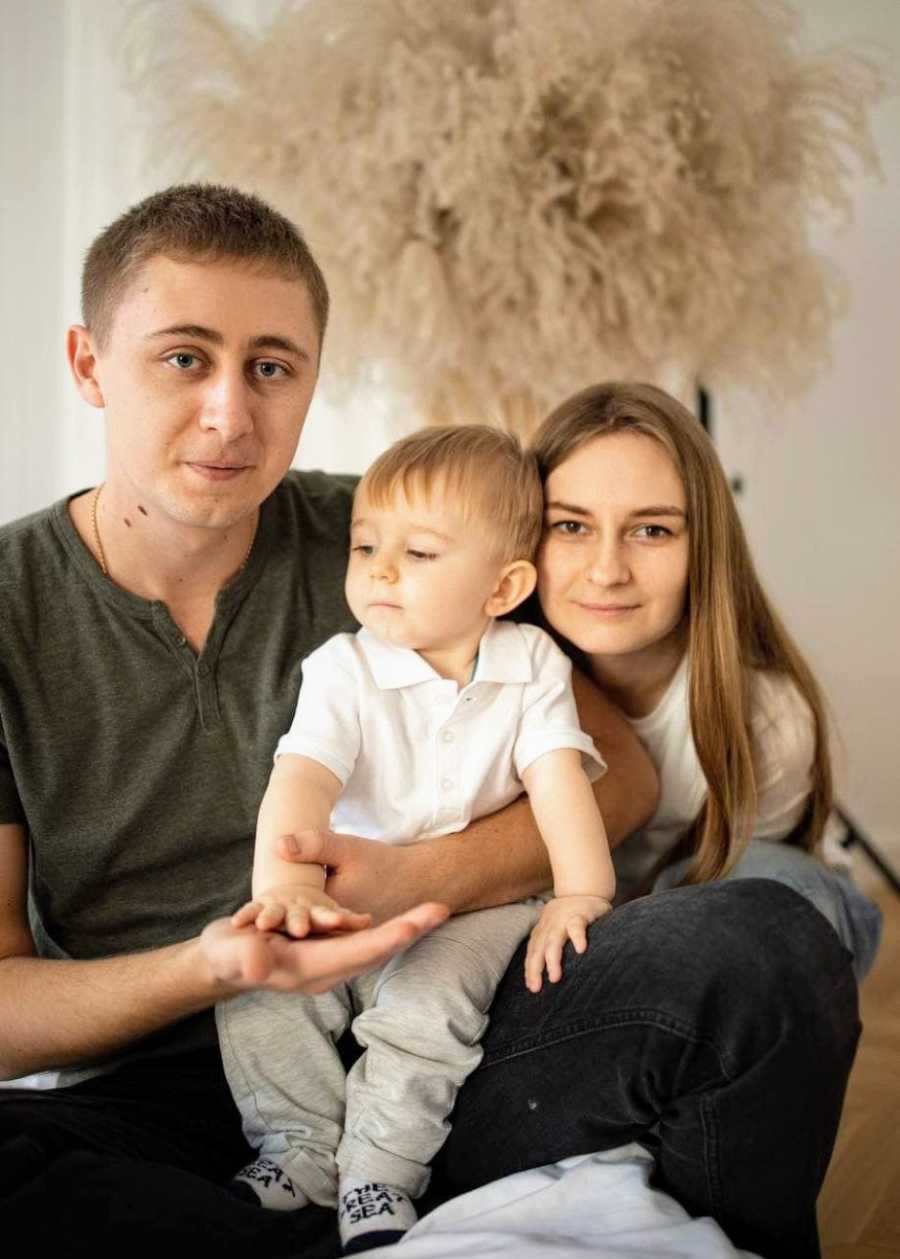
Yehor works incredibly hard every single day, doing special rehabilitation exercises. He is a little warrior. I owe it to him to do everything in my power to get him this treatment. Because if I don’t, one day he may ask me, “Why didn’t you get me the treatment?” And I would never be able to answer, “Because more people scrolled by than stopped to help.” After witnessing complete strangers working day and night for the past ten months to save my son, I truly believe in the kindness of people.
I won’t lie—this journey is not always easy. Not all messages are supportive. Rejections and cruel comments have become part of our reality, and every single one hurts as much as the first. But then a message arrives from another mother with a sick child. We share our fears, our strength, and how we cope—and suddenly, the weight feels lighter. In those moments, I know with all my heart that Yehor will get the treatment he needs to survive.