I was in elementary school the first time I realized my body looked different from others. I must have been in fourth grade, sitting in class and glancing over at the girl next to me. Her stomach was flat when she sat down, while mine felt round and heavy in comparison. I looked down at myself and quietly asked, “Why don’t I look like her?” It was such a simple question, but it marked the beginning of a long, complicated journey with my body and self-image.
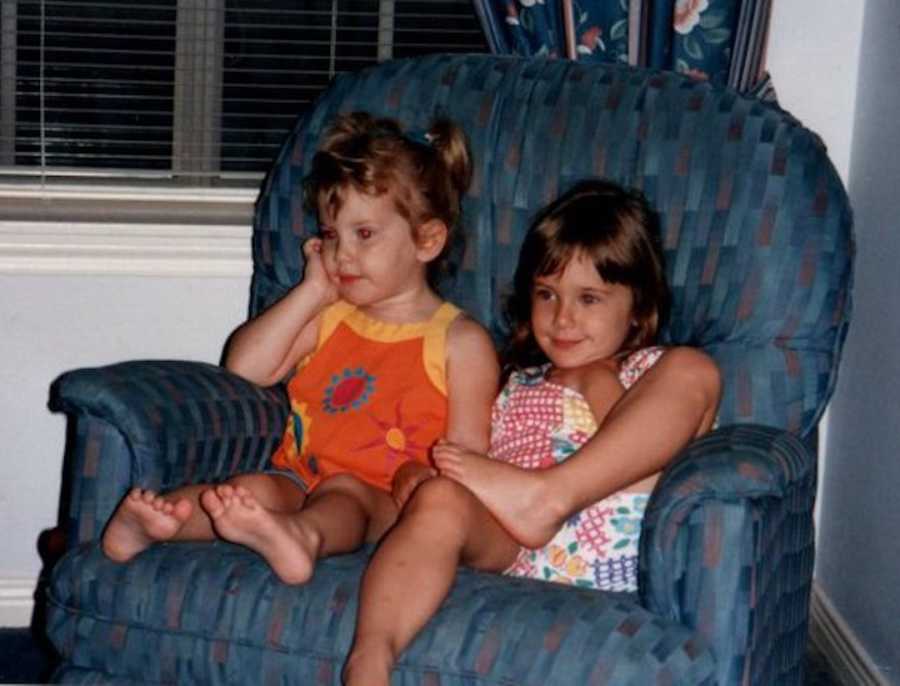
About a year later, I heard the words every child dreads: I was told I needed to lose weight. Imagine being a little kid at the doctor’s office, stepping onto the scale, and seeing concerned looks from adults. That was my life. My mom was told I was too heavy and needed to go on a diet. Looking back, I understand how harmful and unethical this was, but at the time, we didn’t know better. I started attending Weight Watchers meetings and weighing myself regularly. I was learning to count calories before even reaching middle school.
Dieting became a constant in my pre-teen years and slowly morphed into disordered eating. My life revolved around low-fat foods, calorie counting, and Alli weight loss pills. It consumed me. But at 14, something changed—I joined a competitive dance studio. Until then, I’d only danced at inclusive, family-owned studios where size didn’t matter. Suddenly, I was told repeatedly by my teacher that I wouldn’t be a good dancer until I lost weight. By then, I already restricted my diet so much that I thought the only way to lose weight was to stop eating entirely. And that’s exactly what I did.
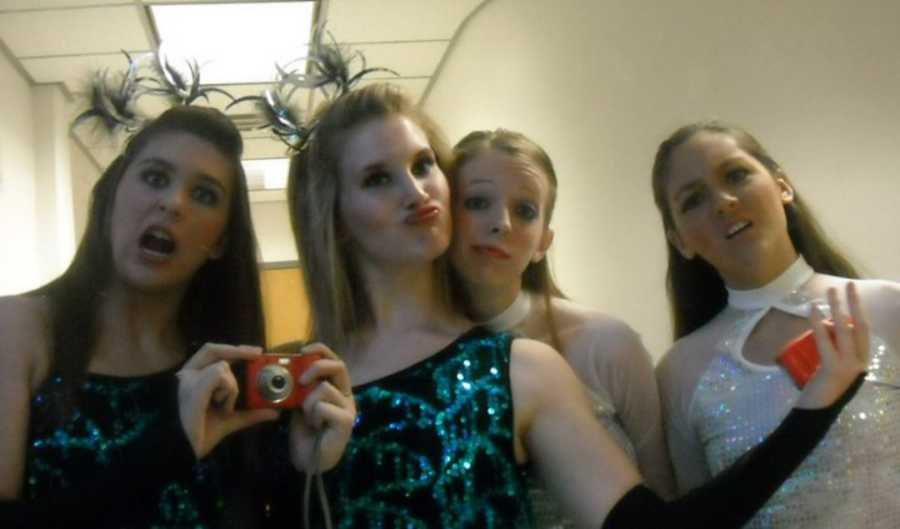
My family quickly noticed my struggle. I didn’t hide it from them. I remember going to Hugo’s in Downtown Houston for my sister’s birthday and refusing to order food. I sat back with my arms crossed as the waiter placed a plate in front of me and my family urged me to eat. I stared at the beautifully plated rice with total apathy, fully aware I wouldn’t touch a single bite.
Soon after that dinner, my mom scheduled an appointment with a psychiatrist. I was furious and even ran away from home the day of the appointment to avoid going. But when I returned, my mom took me anyway. The psychiatrist agreed to wait for me, and though I barely spoke, she gathered enough information to diagnose me with Anorexia Nervosa.
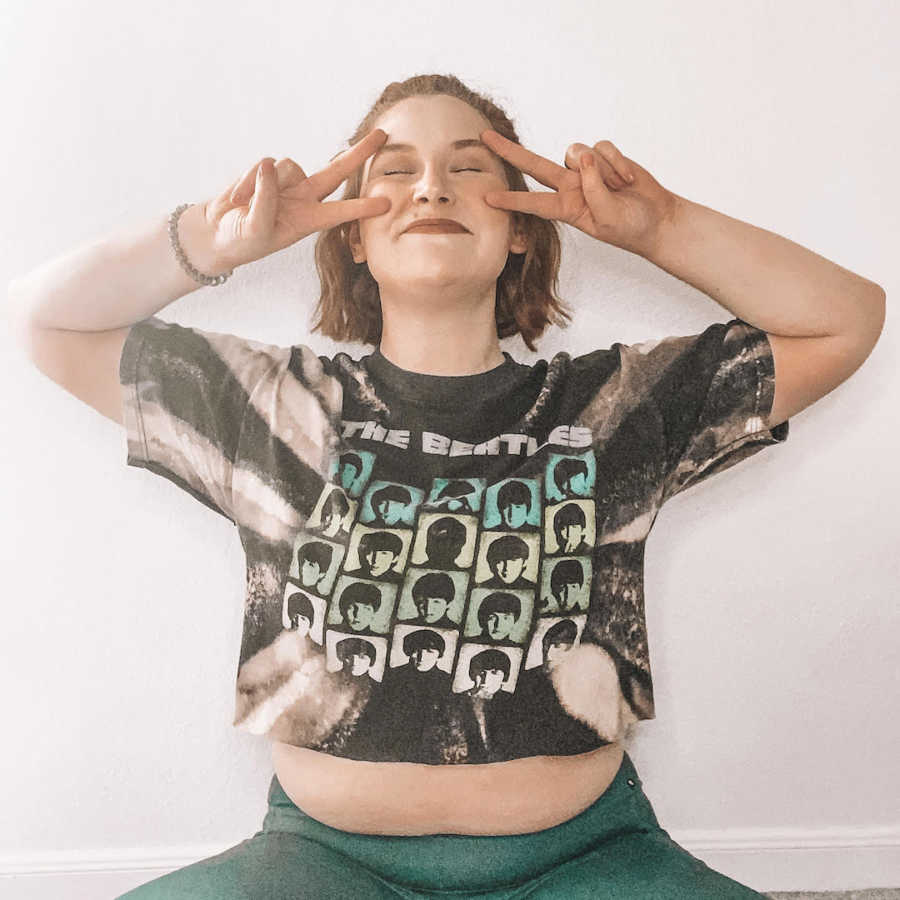
Returning home, I looked in the mirror and thought, “There’s no way I have anorexia; I’m not thin enough.” The stereotypical image of someone with anorexia had been ingrained in my mind. I quickly learned, though, that you can’t tell if someone has an eating disorder just by looking at them.
By the end of high school, I had found recovery from anorexia. I felt confident heading off to college, certain my eating disorder would stay behind me. In a way, I was right—the anorexia did not return. But it wasn’t long before another disorder took its place. Around 19, Orthorexia Nervosa began to control my life. I became obsessed with “healthy” eating, terrified of certain foods, and would have anxiety attacks at the sight of something like shredded cheese in my Chipotle bowl. I refused birthday cakes made just for me and stuck only to foods on my approved list. Anxiety around food isolated me from friends and family.
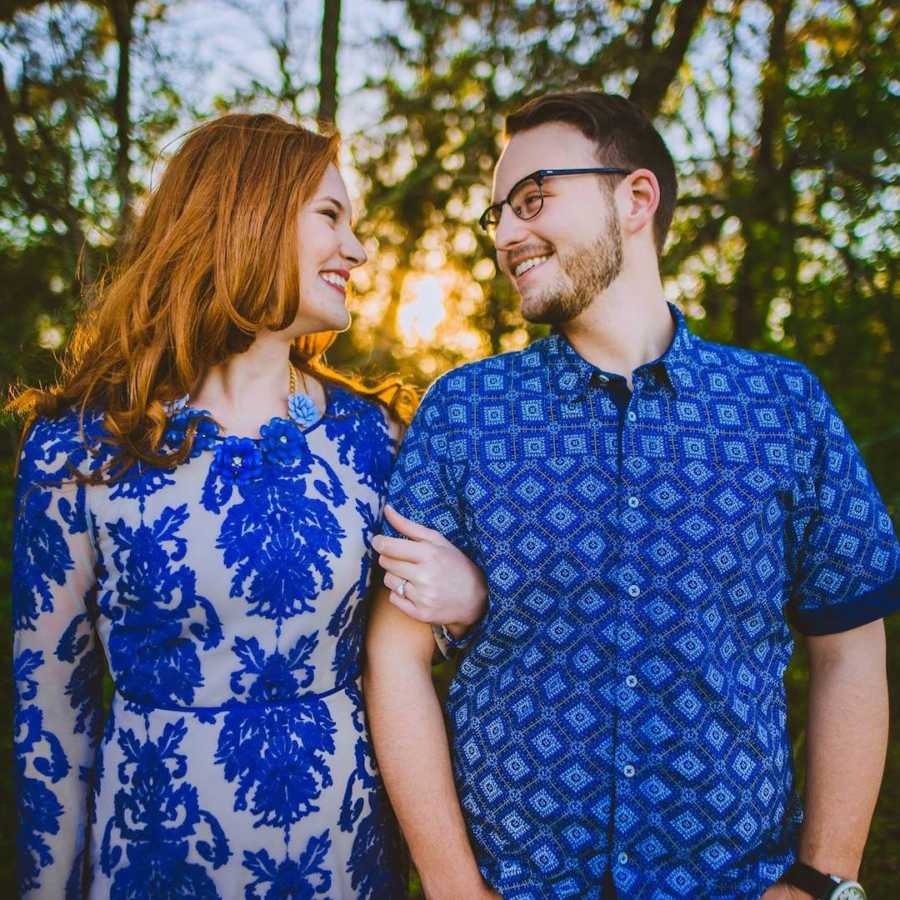
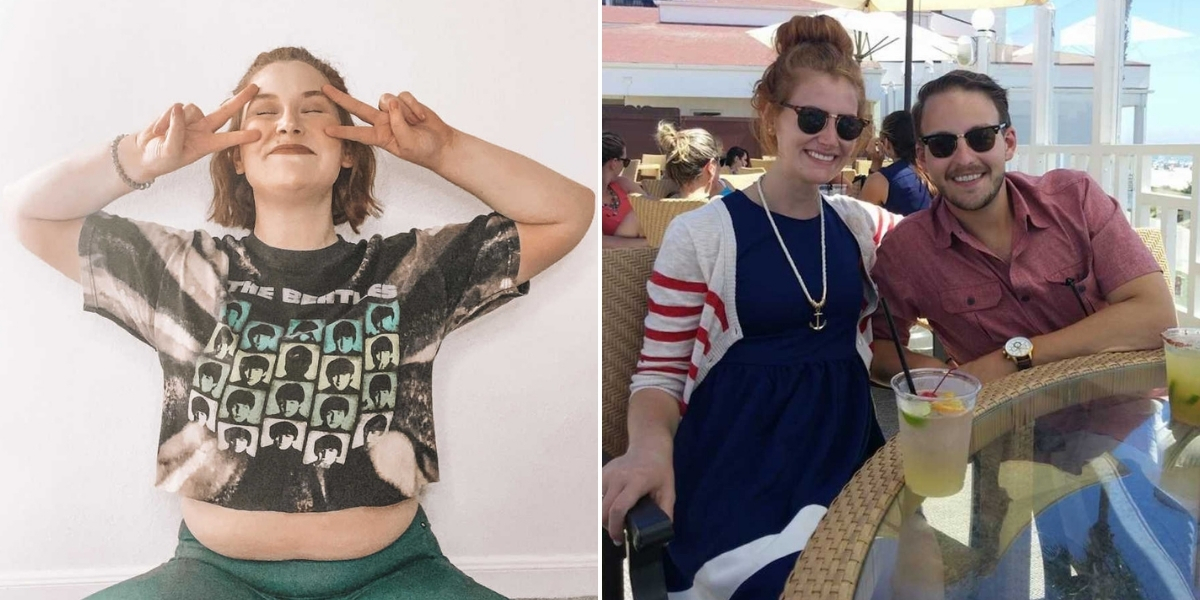
At 20, I met my now-husband, Taylor, at the sickest I had ever been. I was emaciated and consumed with thinking about food and completing daily workouts. I missed so much during those first years together—football games, dinners with friends, ice cream dates I declined—all sacrificed to the demands of orthorexia. I was trapped, and this time recovery felt even harder than with anorexia.
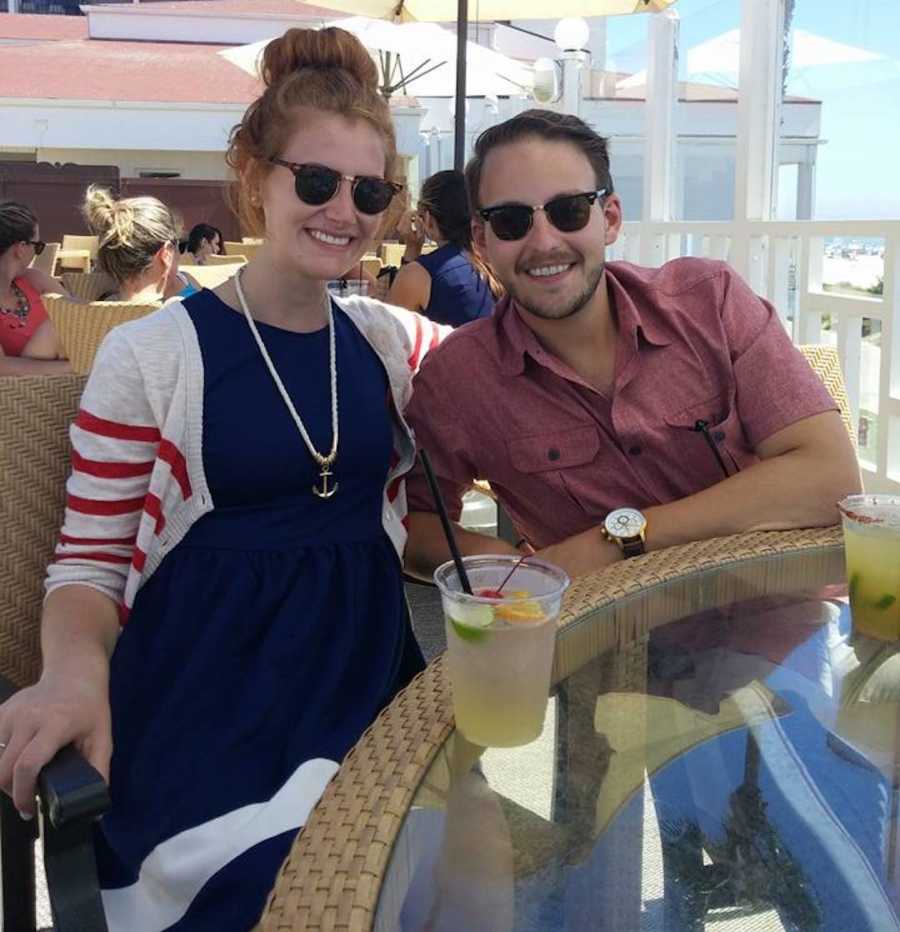
Even after we got engaged, my struggle continued. Four days after my 23rd birthday, Taylor proposed, and I entered one of my worst relapses. Wedding planning became a minefield of obsession: every bite, every workout, all driven by the pressure to fit into a wedding dress. I wanted to enjoy the excitement of planning a life with Taylor, but instead, I was consumed by fear and control.
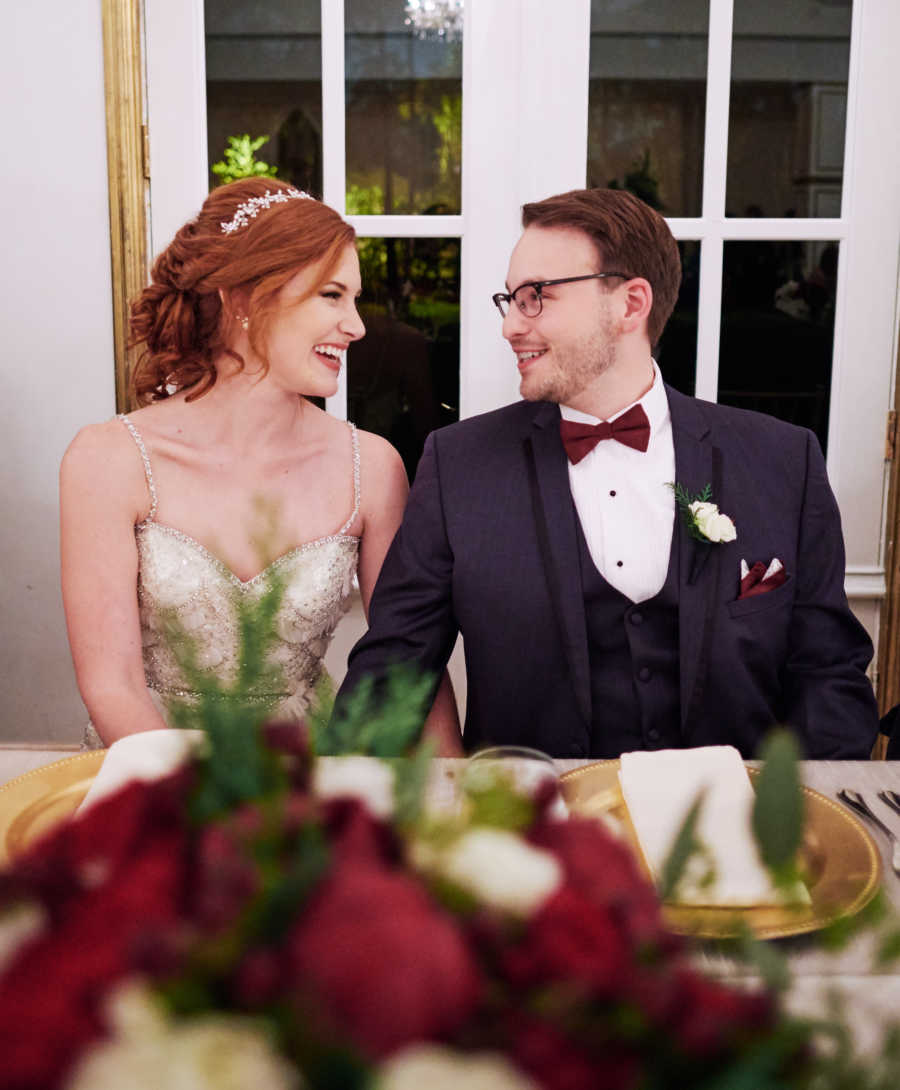
The turning point came on our honeymoon in Hawaii. Sitting at breakfast, looking across the table at Taylor, I had a sudden, profound realization: I wanted more than this. Not just for me, but for him too. For the first time in years, I felt peace around food and headed to the buffet without fear. That day marked the start of a committed journey to recovery from orthorexia.
The final breakthrough came a few years later through faith. Attending a Bible study and later a conference focused on healing, I experienced a moment of clarity. It was as if God was showing me that He wanted me free from the control food had over my life. I ate a boxed lunch at the conference without hesitation—a simple act that carried years of liberation. I exhaled a breath I hadn’t realized I’d been holding for so long.
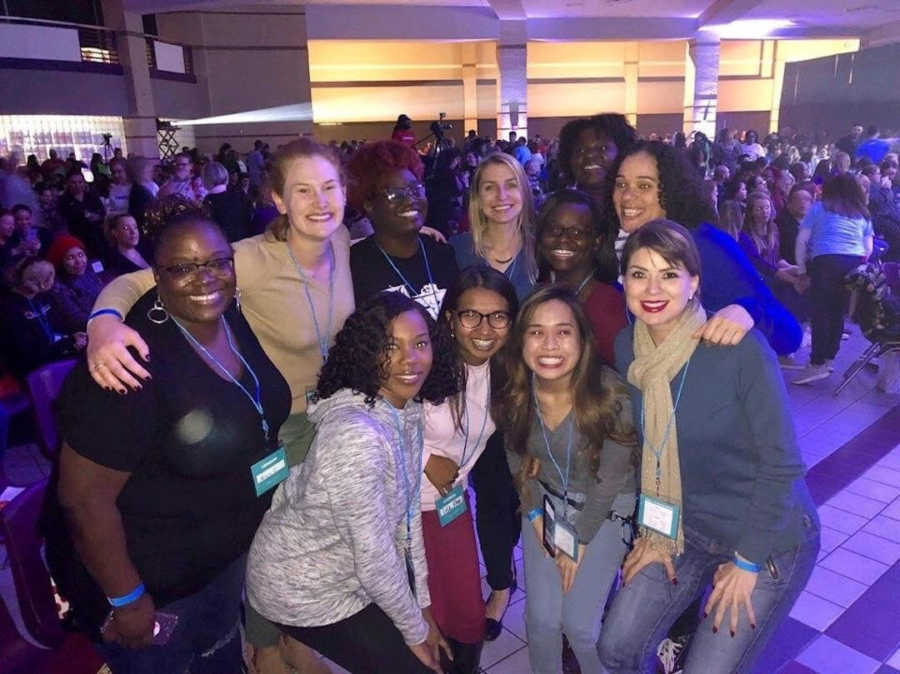
Since that day, eating disorders no longer have a hold on me. I still attend therapy and take medication when needed, but my faith and perspective have truly set me free. Recovery is a daily choice, sometimes hard, but every moment has been worth it. My life is brighter, my body feels like home, and I finally feel at peace in the world. Everyone deserves that—including you.