Growing up in a traditional Indian family in America was often overwhelming. There was immense pressure to follow a very specific cultural and societal timeline, to live life in a way that would earn the approval of the community. Reputation mattered above everything else. Graduate from college, go to grad school, get married, buy a big house, have kids, ensure they followed the same timeline, retire, and die. Everything had to be perfectly aligned, and there was little room to make mistakes. Don’t rock the boat, and above all, don’t give anyone a reason to speak negatively about you.
For most of my life, I tried to follow that timeline to the letter. It was all I knew, and I desperately wanted to be called perfect, to be praised and loved for hitting every milestone. I completed grad school, built a career in the medical field, married an Indian/Christian man, purchased a big house, and even started my own business as a makeup artist. On paper, it seemed like I had it all.
But beneath the surface, I was struggling. Depression shadowed me for years. I often imagined slitting my wrist, and I would sob uncontrollably because my life felt hollow, like a performance I didn’t belong in. I had spent so much time trying to make everyone else happy that I didn’t even know who I truly was. I was playing a role—perfect wife, perfect daughter, perfect Indian woman—someone worthy of respect and love. But inside, there were two versions of me: the polished, admired version, and the deeply hurt, self-loathing girl who despised the life she was living. From the outside, it all looked perfect. Why complain? But inside, something gnawed at me, telling me this was all wrong.

Eventually, the weight became unbearable. I could no longer fake it. In my hidden life, I had become someone I barely recognized—a liar and a cheater. I knew something had to change, and that change had to start with me. This was a period of intense internal conflict and turmoil. I knew I had to leave my marriage and start over, but the fear of hurting my ex, my family, or being judged by my community was paralyzing. Since childhood, I had been conditioned to fear imperfection above all else.
Therapy became my lifeline. My therapist helped me see how deeply my culture and upbringing had ingrained the belief that stepping outside the lines was unacceptable. I had to unlearn a lifetime of rules, expectations, and guilt. Deciding to get a divorce was one of the hardest choices I’ve ever made, but it became one of the greatest blessings of my life. It marked the beginning of my healing and growth, the moment I reclaimed my life.
After my divorce, I moved to Los Angeles to create a life free from my family’s and community’s expectations. I traveled the world, learned how to date as an adult, explored my sexuality, and formed friendships with people who loved me for who I truly was. I found my voice and began to embrace freedom. Yet, there was still a part of me that wanted to play small, to avoid disappointing my family further. Hurtful words and judgment from others still stung, and sometimes I questioned whether I was doing the right thing. But the joy I felt living authentically reminded me that my freedom and happiness mattered more than anyone else’s approval.
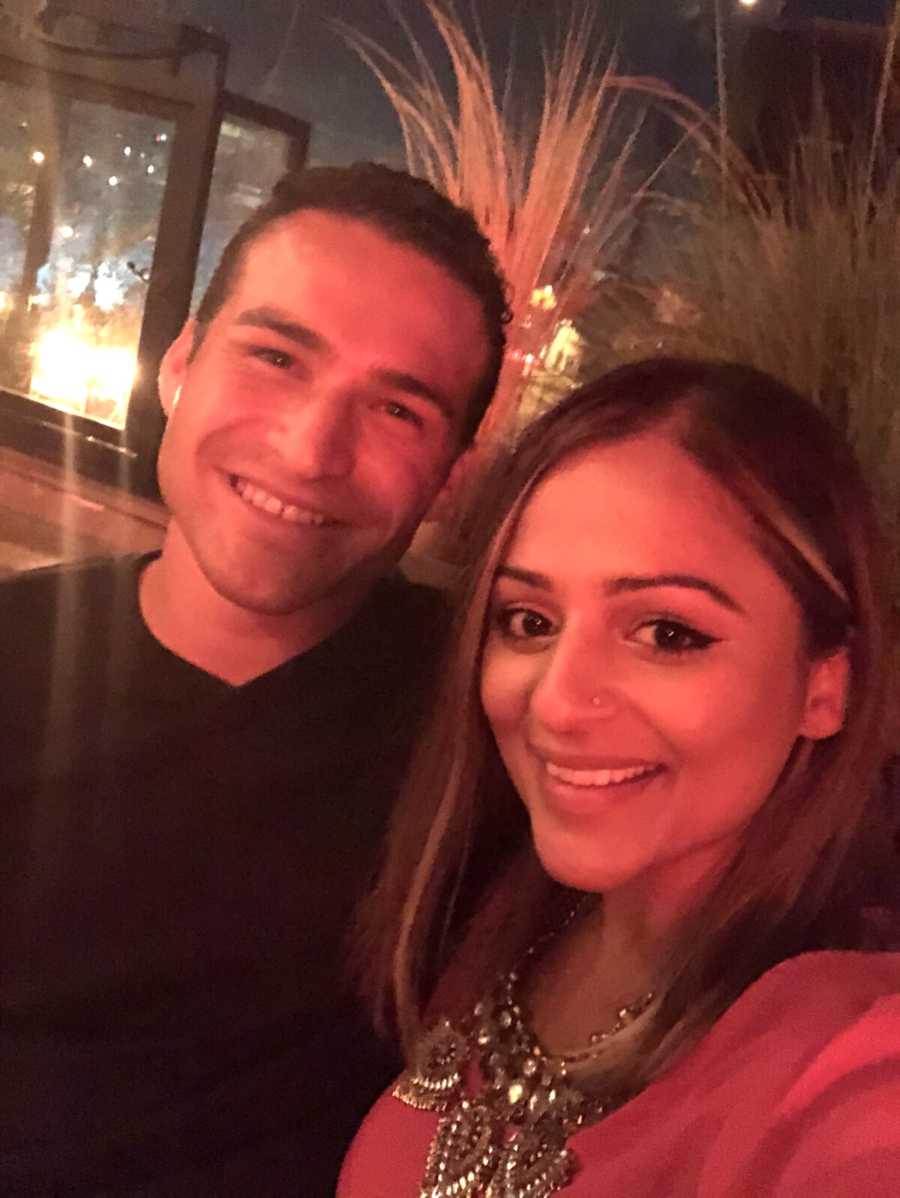
About ten months after my divorce, a man named Isaac walked into my life. With a kind smile and gentle presence, he immediately left an impression. If you had told me back then that we would fall madly in love and get married, I would have laughed. Dating in LA was exhausting, and I never imagined a long-distance relationship could work—he was eight years younger and about to be stationed in South Korea for over a year. I expected a brief fling, yet even after just a few magical days together, I was devastated when he left. The intensity of my feelings shocked me; I sobbed all weekend long.
We stayed in constant touch, speaking for hours despite the time difference. A month into our relationship, Isaac admitted he had hooked up with someone else, and the blow felt like a punch to the gut. But in the reflection that followed, I realized I was in love. I told him I wanted more than friendship and set a boundary: if he wasn’t ready, we would have to stop talking. He eventually recognized he wanted the same, but we both had to confront unhealthy patterns. We worked to set clear expectations for our relationship, aligning our values, goals, and dreams. The physical distance taught us to build trust, emotional intimacy, and effective communication. For months, affection and sex were off the table. Visits to South Korea allowed us to reconnect physically, but the foundation of our relationship remained a deep friendship—we were best friends first.
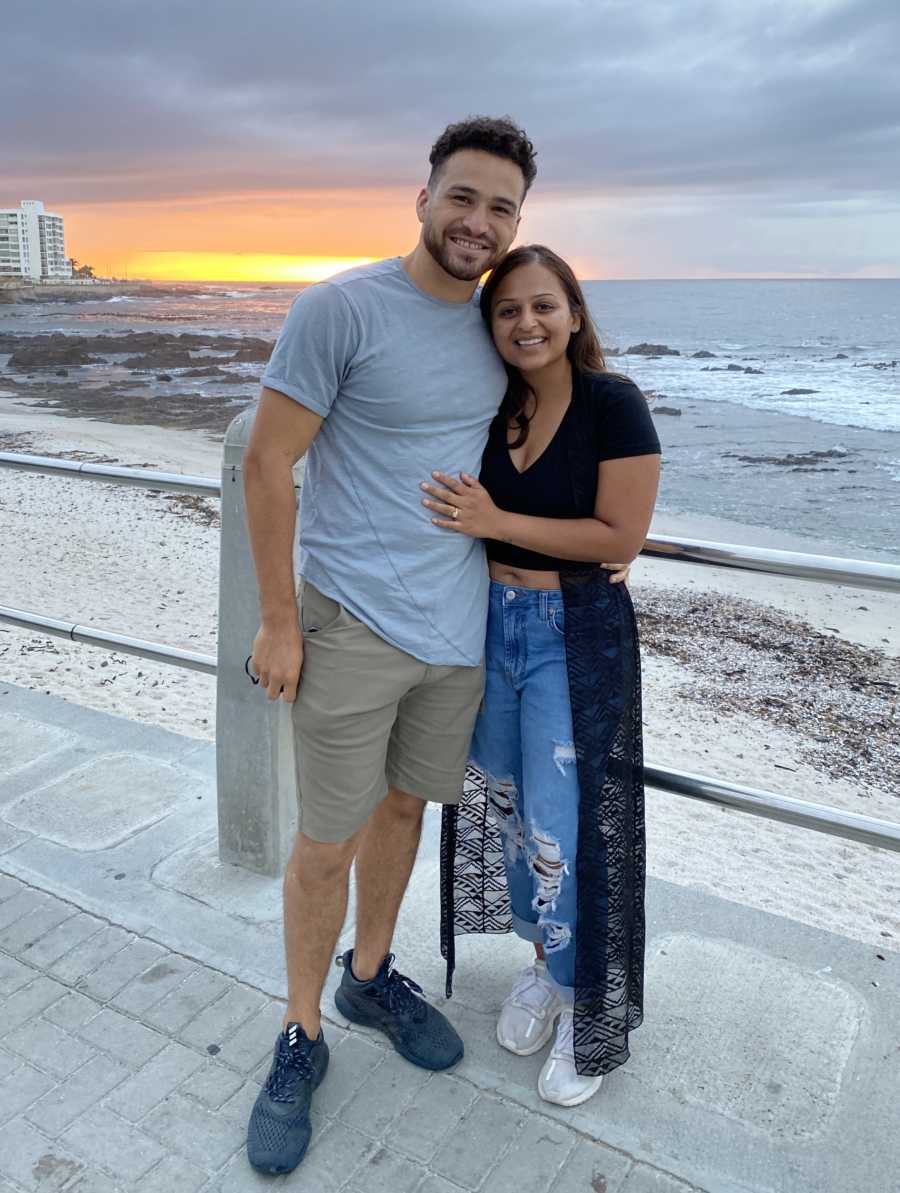
Ten months after meeting, we eloped on a whim during a trip up the California coast. It felt completely natural and right. Though our families had concerns—my family, still reeling from my divorce, did not approve—we knew we had to follow our own hearts. Our elopement was everything we dreamed of: a small ceremony in Big Sur, CA, officiated by our best friends, surrounded by love, laughter, and tears. That day was about us and our love, exactly what we wanted.

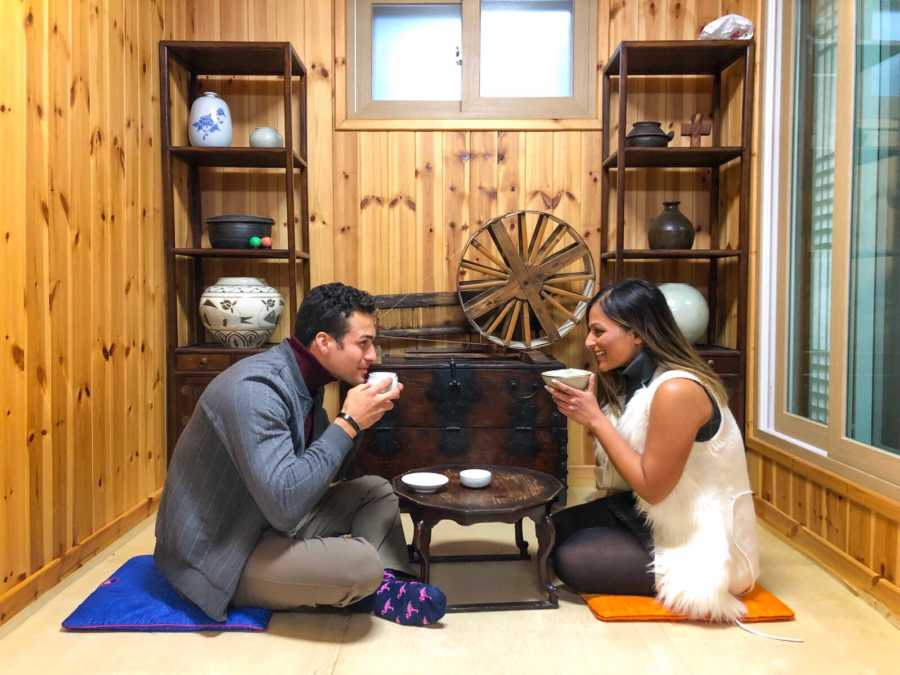
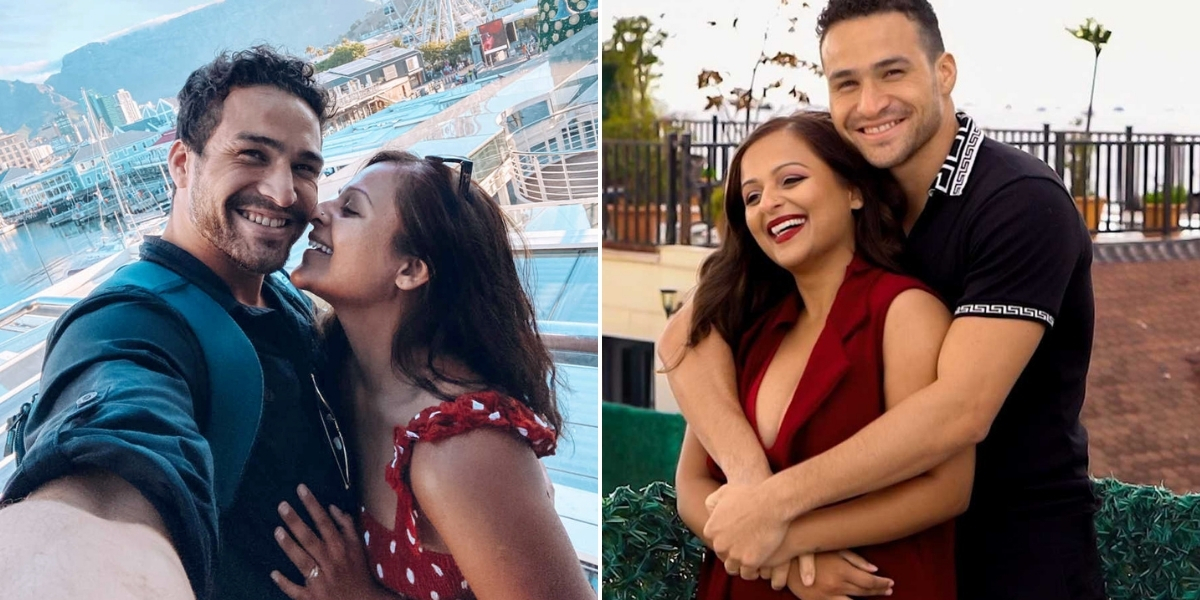
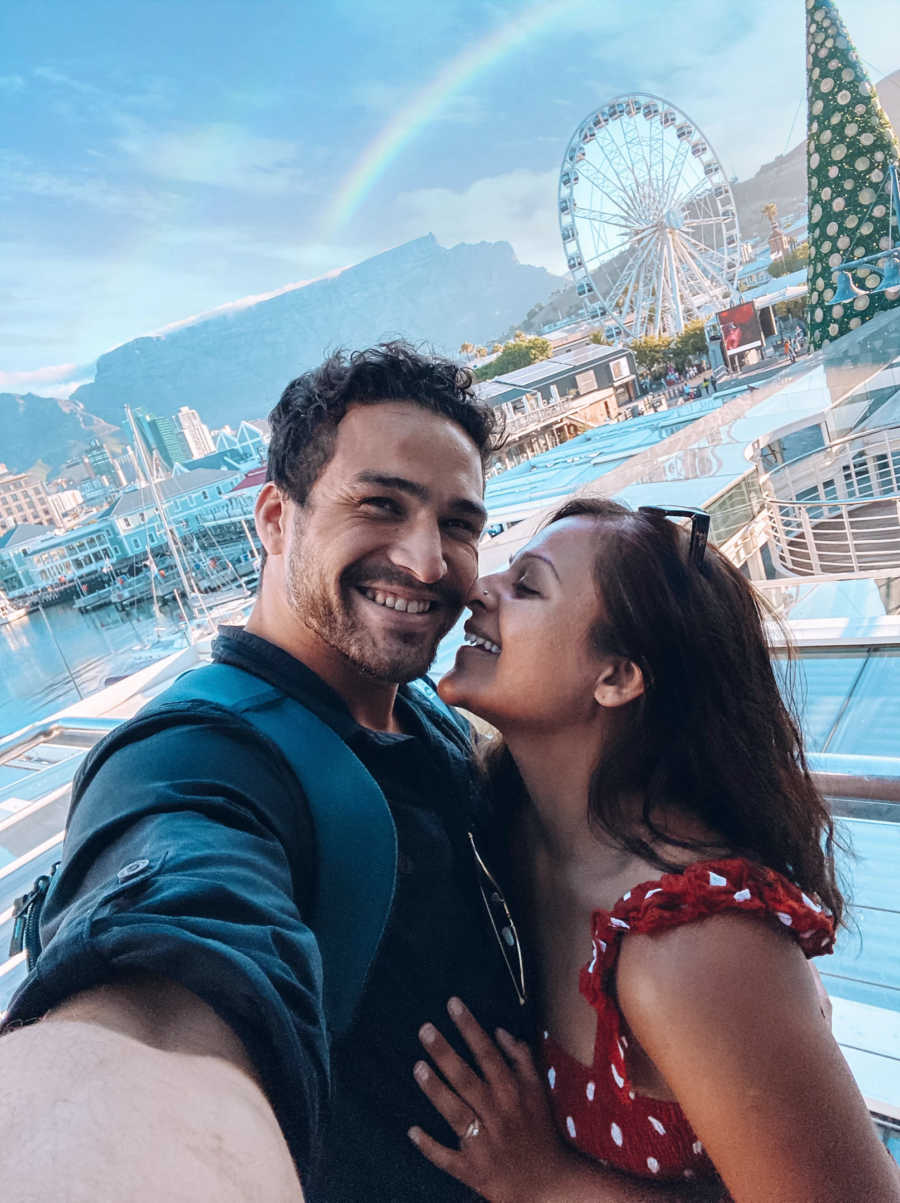
Since then, life has only grown richer. Our marriage is a safe space where we can be fully ourselves, pursue our dreams, and communicate openly. We’ve sold everything to travel the world, started a business together, and share our adventures, lessons, and love story online to inspire others. Isaac has helped me break down walls I had built for decades, allowing me to heal more than I ever thought possible.
I’ve learned to carry the lessons from my first marriage into this one. My past was one of my greatest teachers, and I have no regrets. Every choice, every heartbreak, and every triumph led me here. Today, I am living the life I had only dared to dream of—the life I was always meant to live.