I always dreamed of being a dad. When I was 25, I thought that dream might come true in the next five years. But by the time I turned 35 and still had no children, I realized my path might look different. And that was okay. I’ve always been cautious about following society’s “traditional rules” for family, knowing that my journey would not look like most.
My hesitation comes from my childhood. I grew up watching my mother treated like a third-class citizen by my father. Love, care, and nurturing were absent from our home; abuse was the norm. Raised without a good example of what a family could be, I often worried I wouldn’t know how to be a good dad or husband. I knew my life would be different—and that I would find my own, non-traditional way to build a family.
When I moved to the U.S., a new possibility opened up. I realized that even without being married or having biological children, I could still become a dad. That’s when I decided to foster. Opening my home to a child who has never met me before, who arrives scared but willing to trust, has been an incredible honor. They come with a fragile hope: that I can give them safety, love, and stability, even if only for a short time. And at the same time, they dream of returning to a home where love is already waiting.
I entered this journey knowing my role as a foster dad was to provide care while the parents worked toward creating a better life. My responsibility was to nurture and protect the children, and, eventually, to return them to their parents. Over time, I learned that fostering isn’t just about the kids—it’s about fostering the entire family.
Attachment is inevitable. You love these children deeply, and your heart aches imagining them leaving. Sometimes, you even wish you could keep them forever. But the phone calls start—parents reaching out, scheduling visits. The reality sets in: adoption may never happen. And in that moment, you must realign your love, embracing the parents with the same open heart you give the child. Fostering is a delicate balance between holding close and letting go.
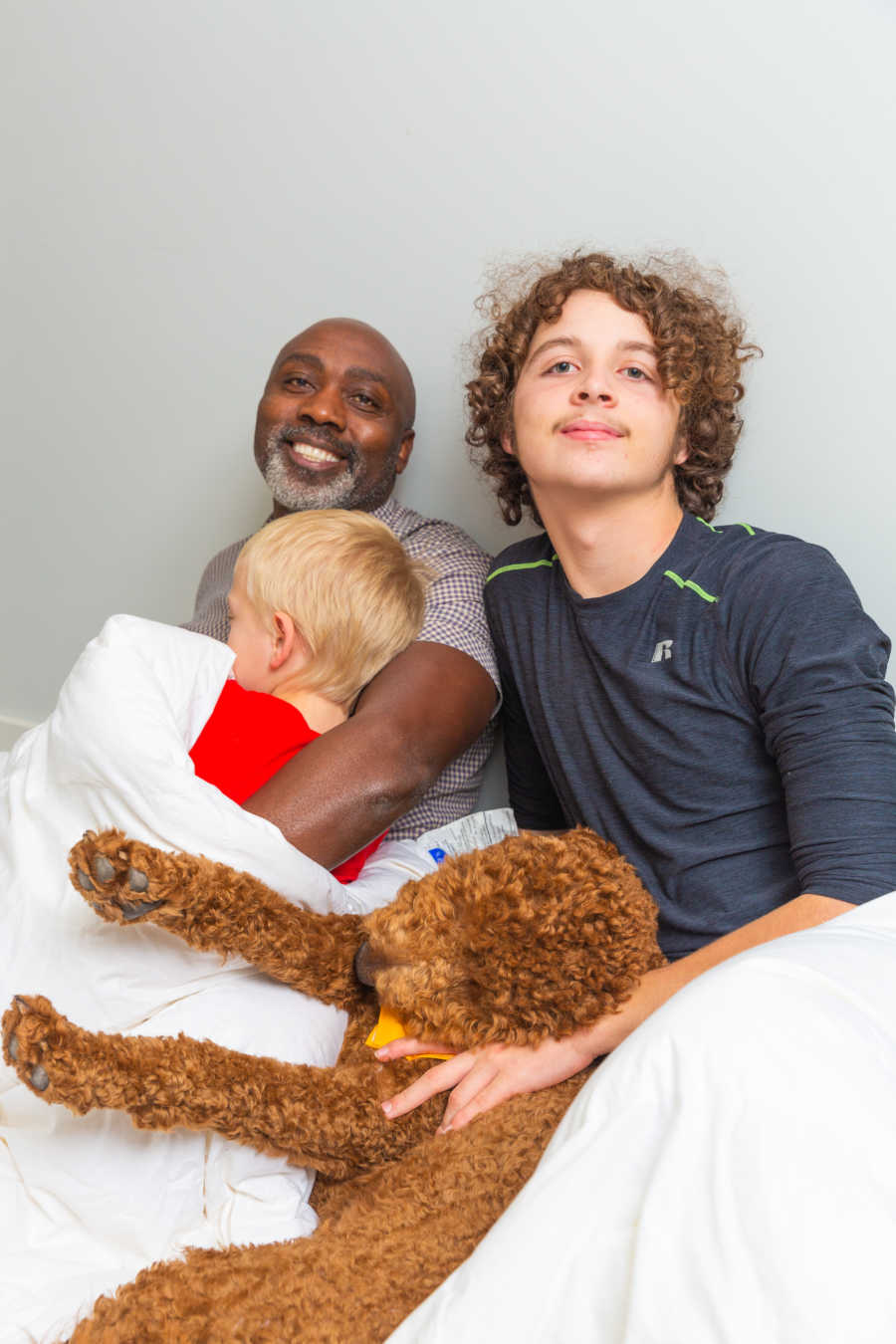
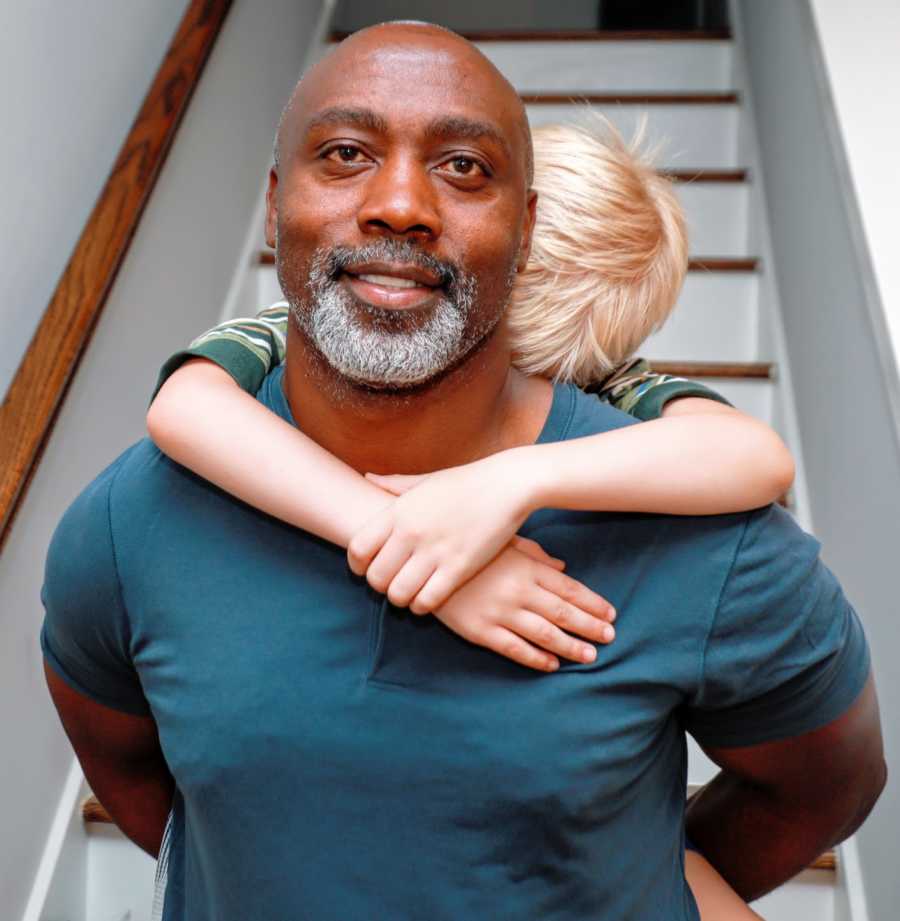
Fostering means loving your children fully in the moment. You feed them, clothe them, teach them. You sit with them through restless nights and nightmares. You celebrate their laughter and comfort them through the trauma they carry. You rush to hug them when they come home from school, knowing that the joy you give them is temporary—but necessary.

So how do I navigate these conflicting emotions? I focus on the present. I accept their history, their pain, and their families. I care for them when they cry and when they laugh. I hold them when their parents don’t show up, and when a call from home doesn’t come, I whisper reassurance. I love them fully because anything less would be unfair. Every day, I wrestle with the knowledge that this love, however intense, is temporary.
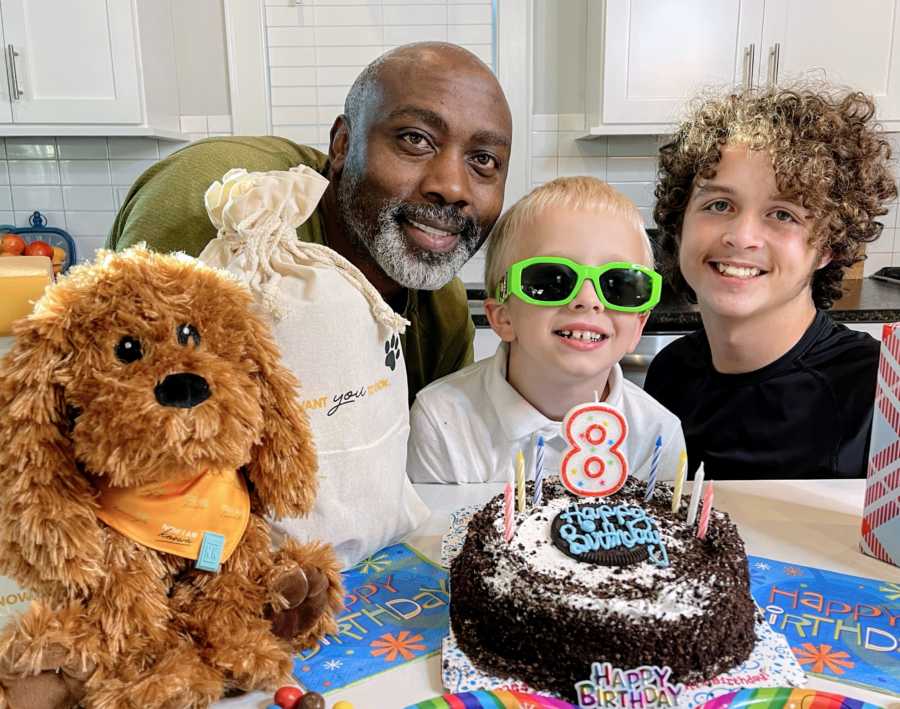
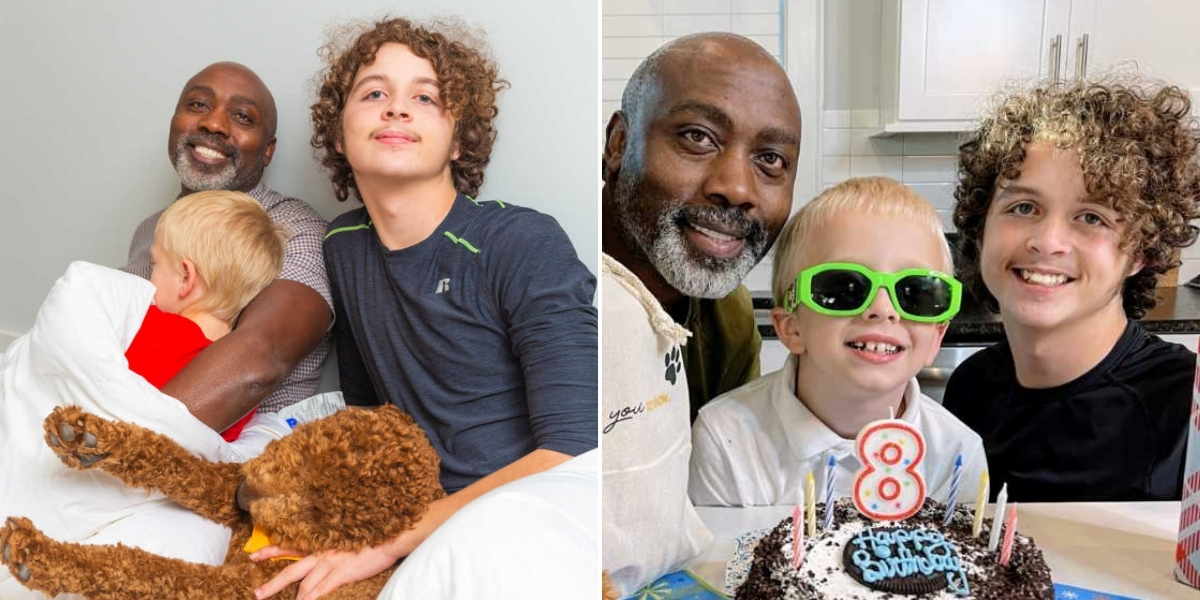
For the past ten months, I’ve fostered a seven-year-old boy—he just turned eight. He is part of a sibling trio. I couldn’t take all three, so my best friend, also a foster parent, welcomed his sisters while I cared for him. Our close proximity has allowed me to provide respite care for the girls, so the siblings see each other often.
Over the last few months, my foster son visited his parents every weekend in preparation for returning home. Every Friday night, I said goodbye, confident he’d be back on Sunday. I delighted in hearing about his adventures with his parents, his laughter and excitement filling my home. Yet in the back of my mind, I knew that one weekend, he wouldn’t come back.
Fostering also teaches humility and empathy. You learn the stories of children’s parents, the struggles that led them to foster care. I never judge. Life can challenge anyone in unimaginable ways. My role is to care for the children and support their relationship with their parents. No matter their history, it’s always a victory when parents want to be part of their children’s lives.
Last week, the time came to reunite the three children with their parents permanently. The week was bittersweet—filled with joy and grief. I gathered every ounce of positivity, taking private moments to cry. Finally, I loaded the children and their belongings into the car, embarking on the three-hour drive to their home. The journey was full of stops, laughter, and even a few sibling disagreements. The kids shared what they were planning to do with their parents and asked if I’d visit. I promised them I would.
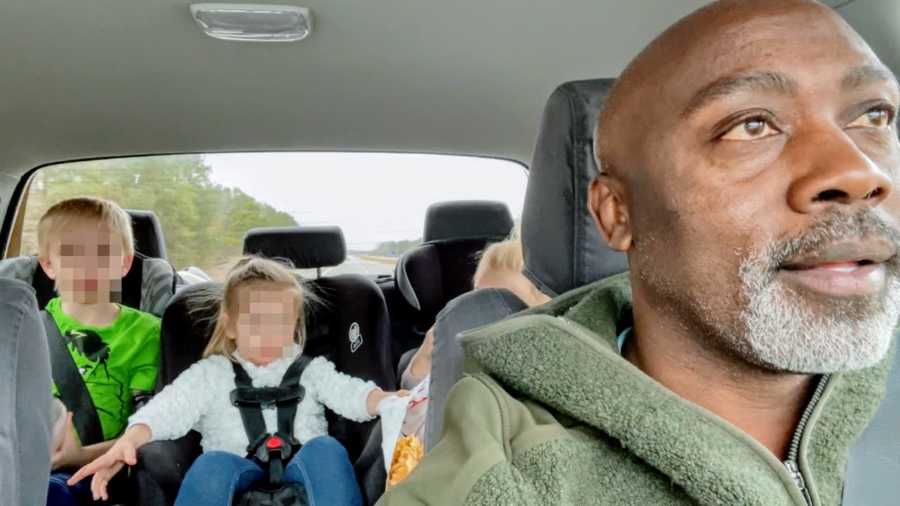
Arriving at their home, seeing their parents’ happiness was heartwarming but also sobering. I realized this was truly the end of my time as their dad. The children would no longer run to me for hugs, call for me when hungry, or cling to me at night. They would live differently now—eat differently, sleep differently, and grow in another environment. But they have parents who love them, and that fills me with peace. As I drove away, the tears flowed freely, yet I knew I had helped create a better future for this family.
This experience has solidified my understanding that fostering is about the family, not just the child. By caring for these children, I helped nurture the parents’ ability to provide, ultimately fostering the future of the whole family. Seeing them reunited gives me renewed purpose—to foster more children, build bridges with parents, and trust that families can recover and grow.
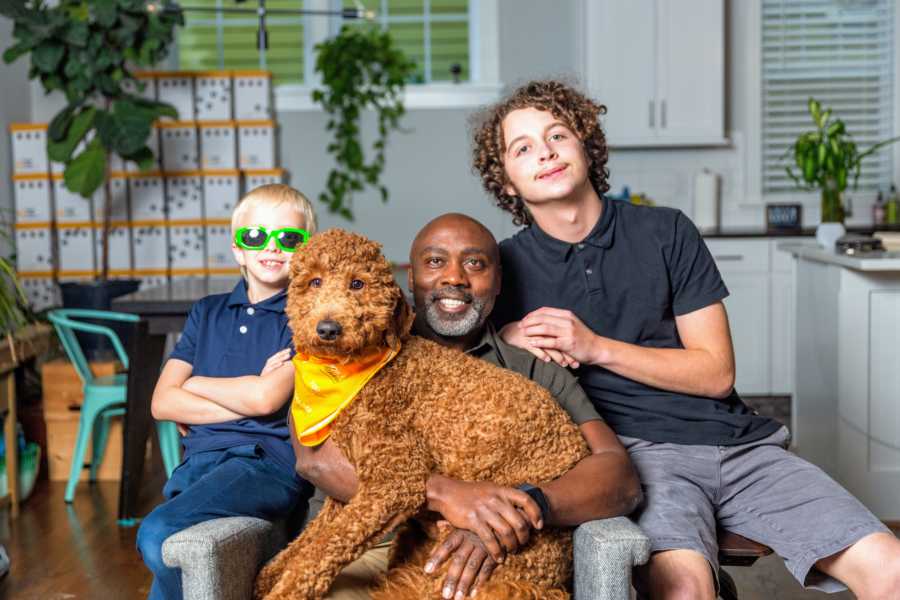
When I return a child I’ve loved as my own, I do so knowing I have done my part. And if the parents stumble, I will remain here, arms open, heart ready, because fostering is about love in its fullest, bravest form.