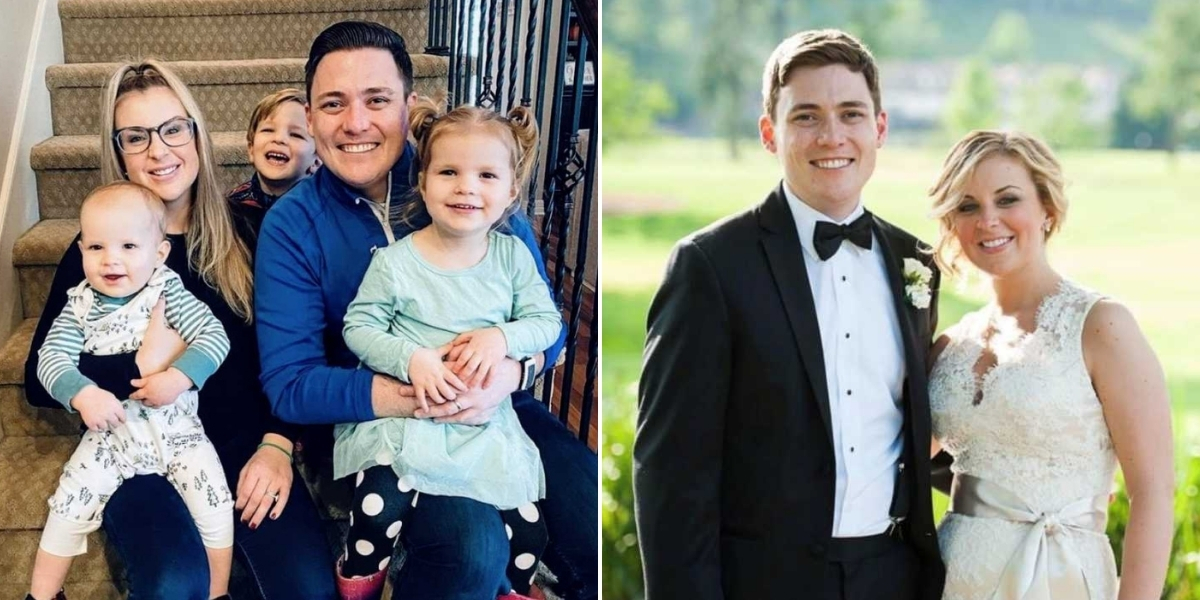
I’m no love expert. I’m not a psychologist, a couple’s counselor, or an advice columnist. I’m not a pastor, rabbi, or shaman. I didn’t even write my own wedding vows. All I know about love I learned from watching my husband, Steve, who taught me the meaning of “in sickness and in health” long before we ever said those words aloud.
Steve and I met in New York City in December 2010, where we were both working at the time. I wouldn’t call our meeting the most romantic beginning—our first night together involved a seedy bar and plenty of tequila shots—but despite the less-than-perfect setting, I knew almost instantly that I loved him. Maybe it was the way he made me laugh until my cheeks hurt, or maybe it was the way his eyes lit up when he smiled. Whatever it was, there was an immediate connection, a spark I couldn’t ignore.
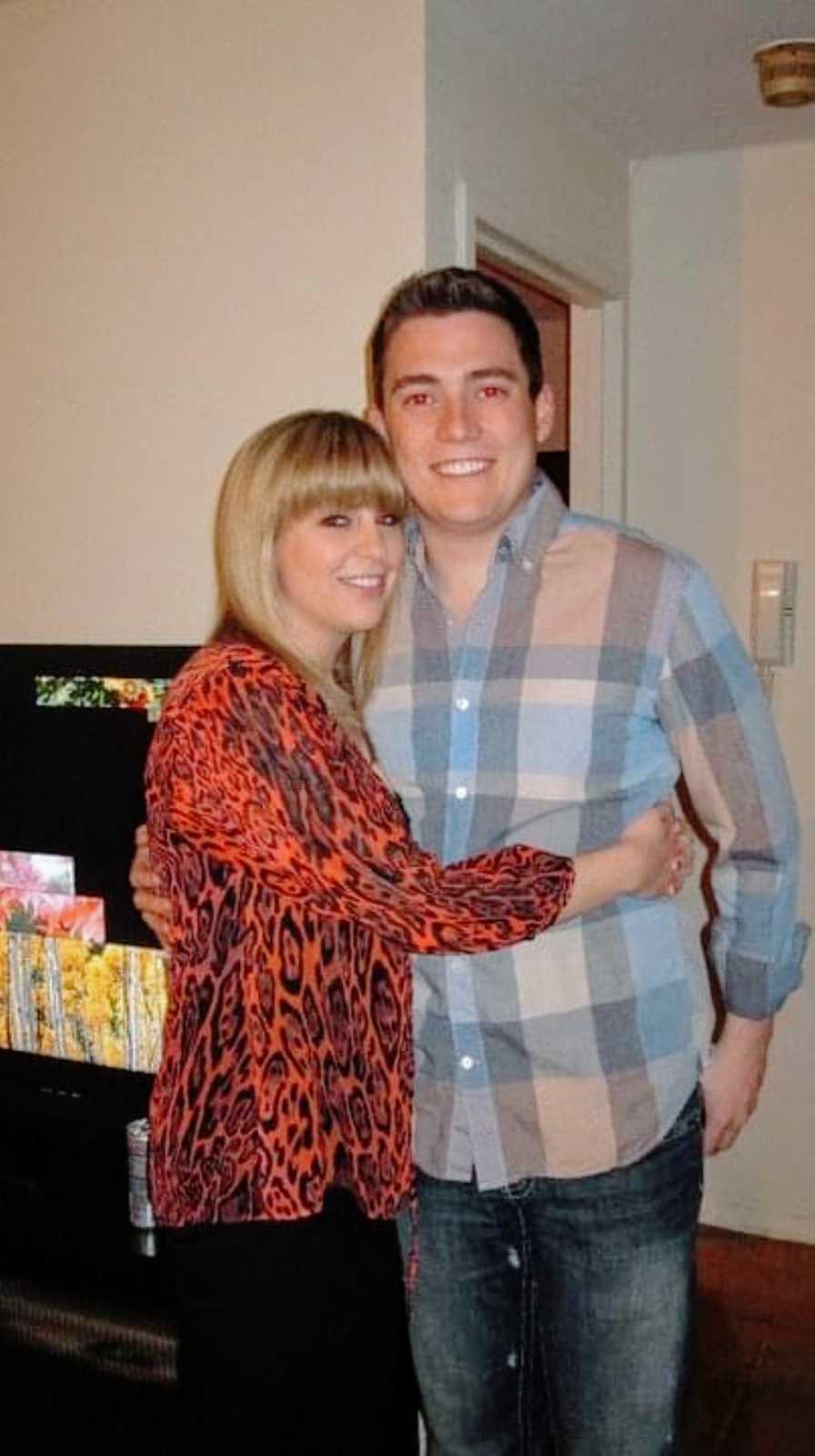
From that night on, we were inseparable. Within a few months, Steve had been interrogated by my parents, and soon after, I met his family (luckily without interrogation). Since we spent so much time together and rent in New York was sky-high, we decided to move in together. Steve came from a conservative Midwest family, so this choice raised a few eyebrows—but we were in love, and nothing else mattered.
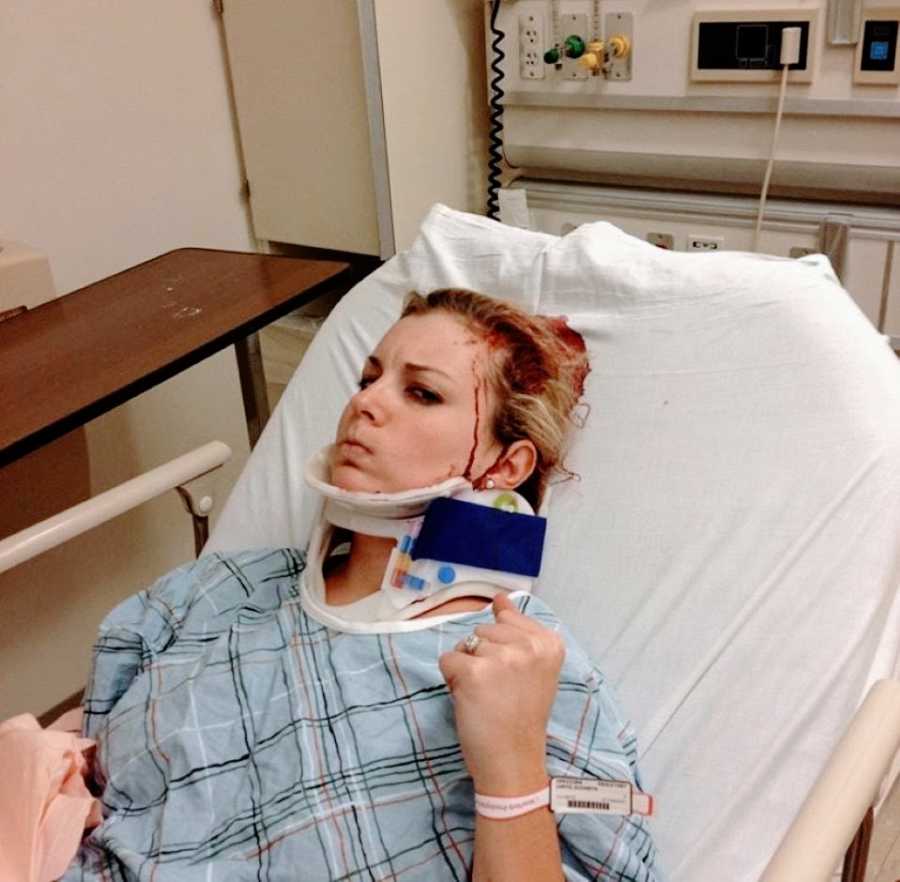
Looking back, that controversial decision to live together turned out to be life-saving. A few months later, I began experiencing grand mal seizures. My first seizure happened standing in our tiny studio living room, and I hit my head on the coffee table, requiring seventeen staples. If Steve hadn’t been there—or if I’d been living alone—I might not have survived. I remember very little from that day, but the first thing I recall is waking in the emergency room, Steve holding my hand and trying to lift my spirits with his silly, heartwarming jokes.
Alongside seizures came memory loss, depression, insomnia, and the frustrating inability to translate my thoughts into coherent sentences. The hardest part, though, was my own denial. I convinced myself I could still work full time, despite sleepless nights and worsening memory issues. I even grew frustrated when someone offered to pray for me. I cannot imagine how difficult it must have been for Steve to care for someone so stubbornly convinced they were healthy—but he stayed.
Steve had every reason to leave. I was crippled both mentally and physically, with no clear path forward. Doctors had no answers, shrugging and calling the brain a “mystery.” There was no guarantee of a normal future, and we didn’t even discuss ten years ahead. Most men in their twenties would have walked away—but Steve stayed, steadfast and devoted.
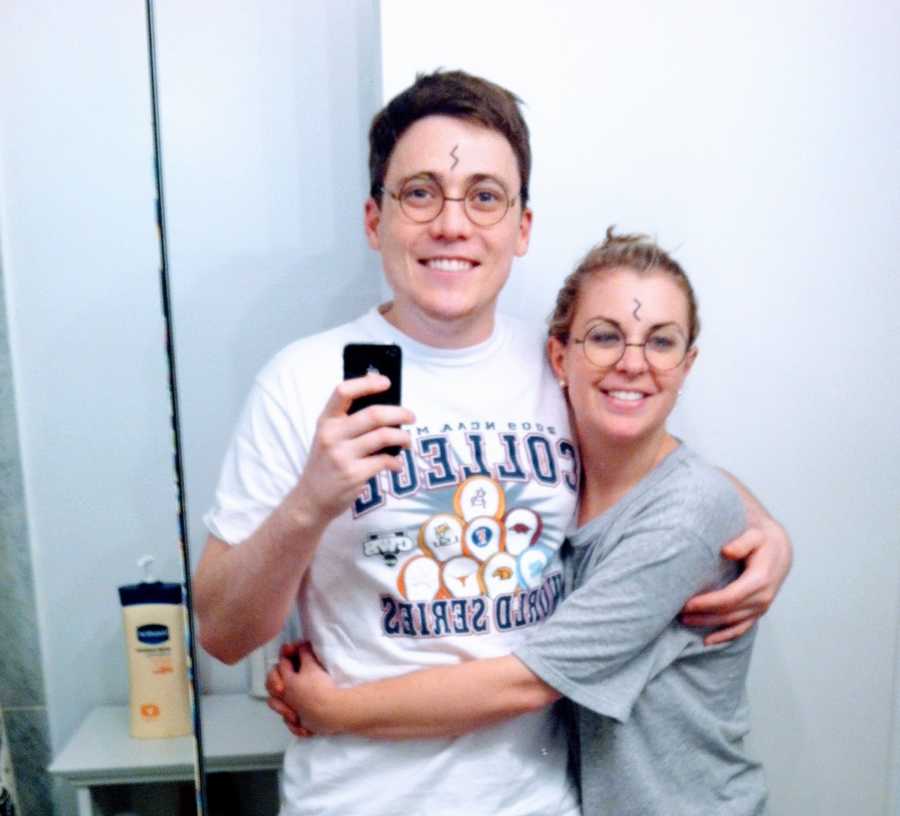
Not only did he stay—he proposed. On one knee, he asked me to marry him, saying it was the easiest decision of his life. Even amidst uncertainty, he saw the strength of our love and chose to use it to keep me afloat.
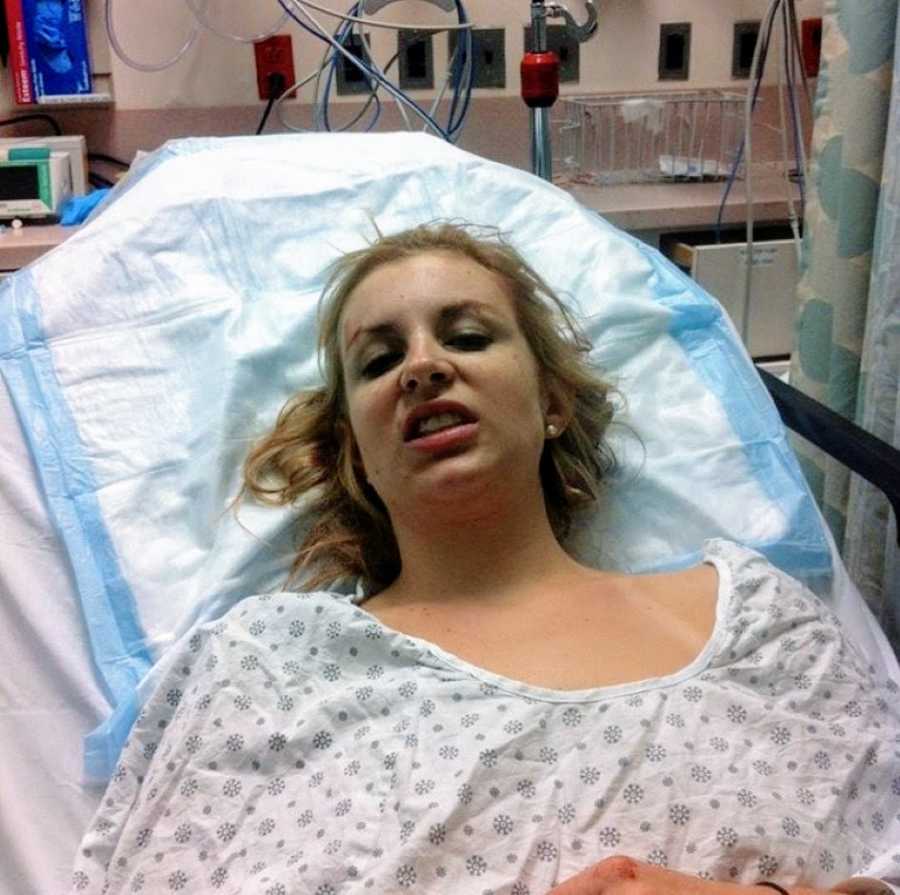
Several months later, I had a particularly severe seizure that required a multi-day hospital stay. At the time, Steve was working grueling 100-hour weeks as an investment banker, but he paused everything and remained by my side. He even used that downtime to build our incredibly cheesy wedding website, which I teased him about endlessly. Once again, doctors offered little help beyond suggesting we try different medications to control the seizures.
That’s when my mom stepped in. She spoke to a neighbor whose son had epilepsy triggered by Lyme disease. Desperate for answers, we sought a specialist. After over a year of debilitating seizures and unexplained symptoms, I finally received a diagnosis: Chronic Neurological Lyme disease. While the diagnosis didn’t promise a cure, it gave us a starting point—IV antibiotics, infusions, and multiple medications. And through it all, Steve rose to the occasion. He learned to administer my IV antibiotics, accompanied me to infusions, tracked medications, and even helped plan our wedding. Through every procedure, every setback, he kept a smile on his face and a corny joke on his lips, reminding me that laughter is often the best medicine.
His devotion extended beyond me to my family as well. During a challenging Easter Vigil visit, when my body was drained from treatment, Steve politely addressed my family’s concerns, explaining, “She’s not ready to talk about how she’s feeling, so please let me answer all your questions.” His thoughtfulness and empathy eased the burden on everyone around us.
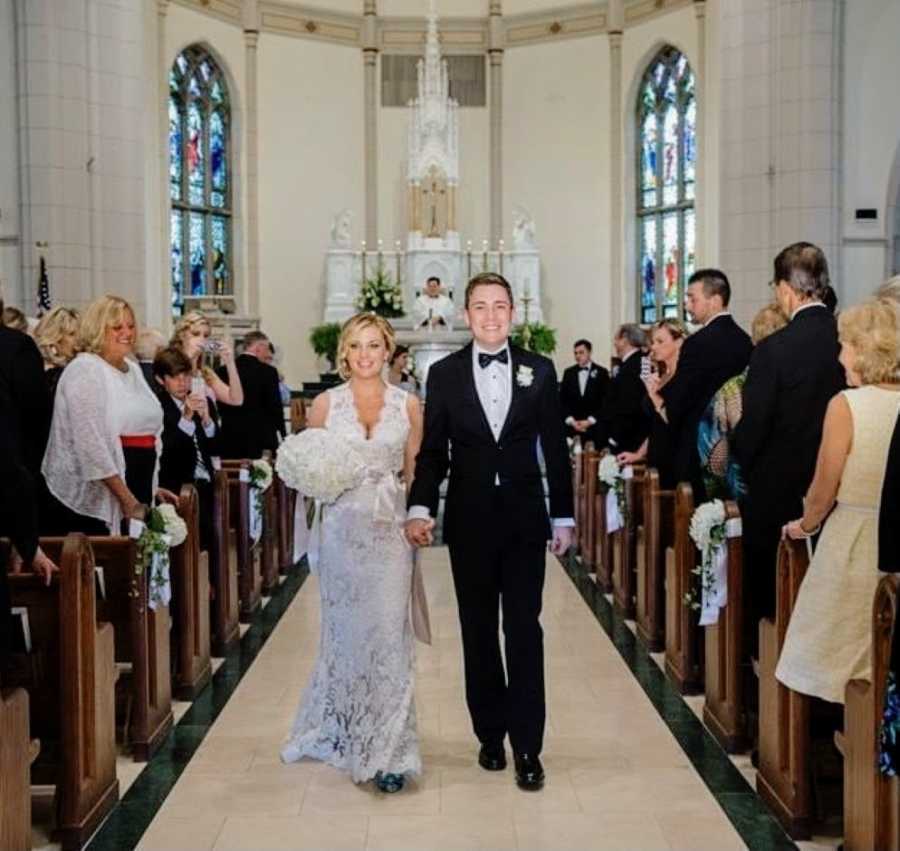
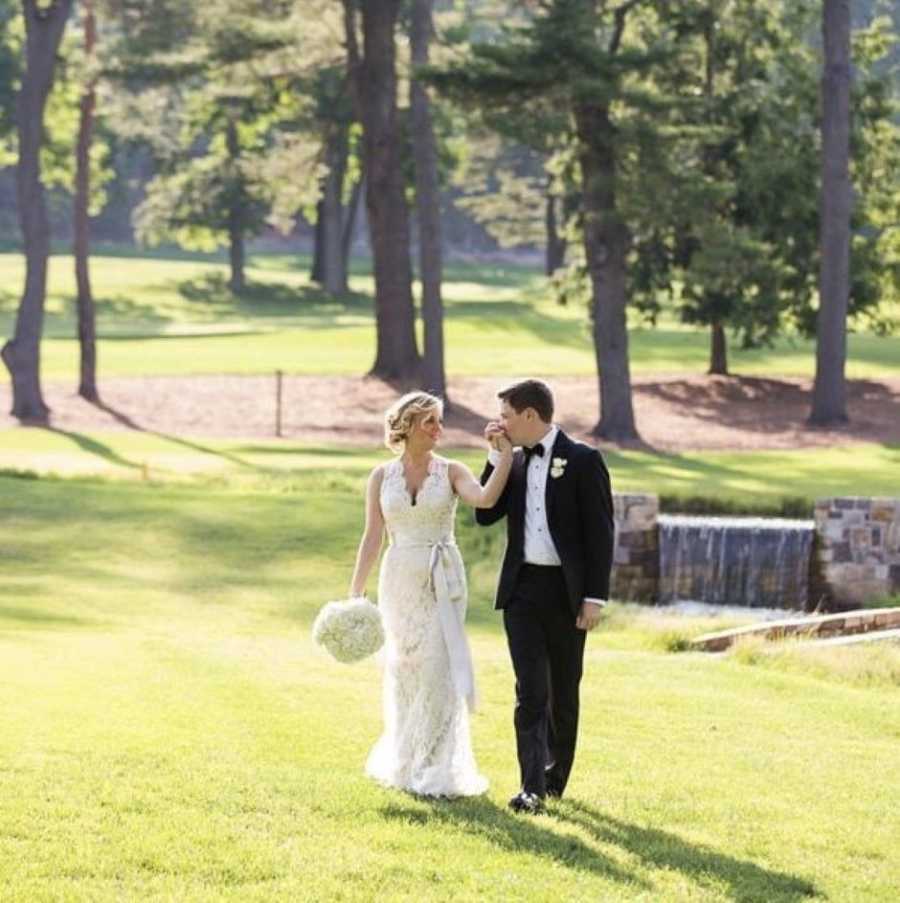
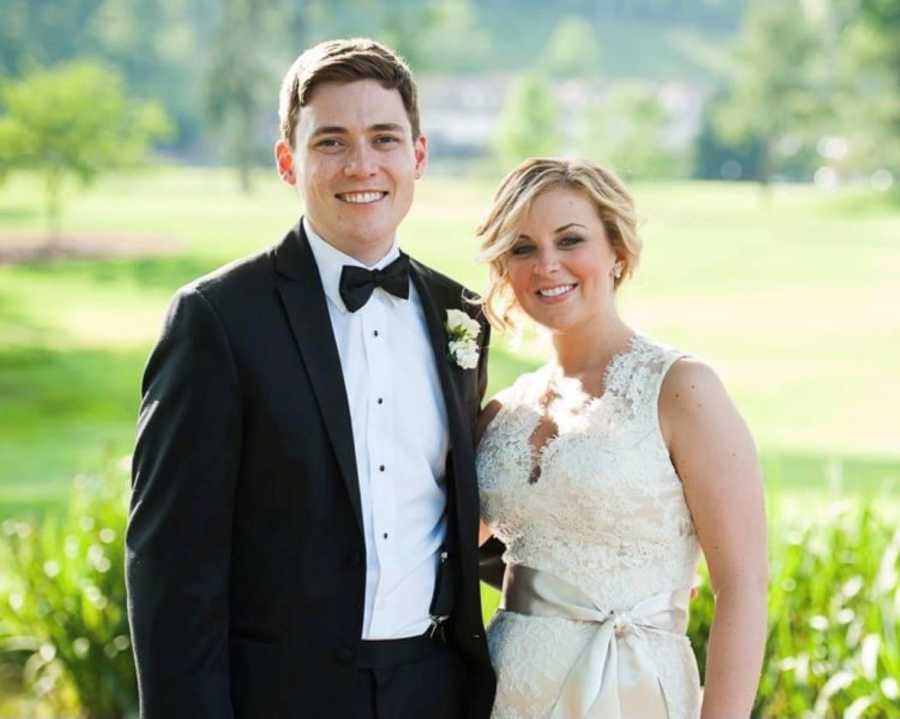
After a month of treatment, I regained enough strength to walk down the aisle, though I was still far from fully recovered. I barely remember the rehearsal dinner and even napped between the ceremony and reception. I attempted to convince Steve to let me remove my wedding dress for the nap, but he wisely refused, knowing I would never have had the strength to put it back on. Despite the challenges, we exchanged vows in front of family and friends, and those words carried more meaning than I could have imagined.
Unfortunately, my Lyme disease resurfaced shortly after our honeymoon. Another seizure struck while I was walking down the street, and Steve caught me in his arms—hardly the romantic moment I had envisioned—but he kept me safe. I endured another PICC line and five months of IV antibiotics, alongside oral medications. This time, the treatment succeeded, and I am now seven years seizure-free, with Lyme dormant.
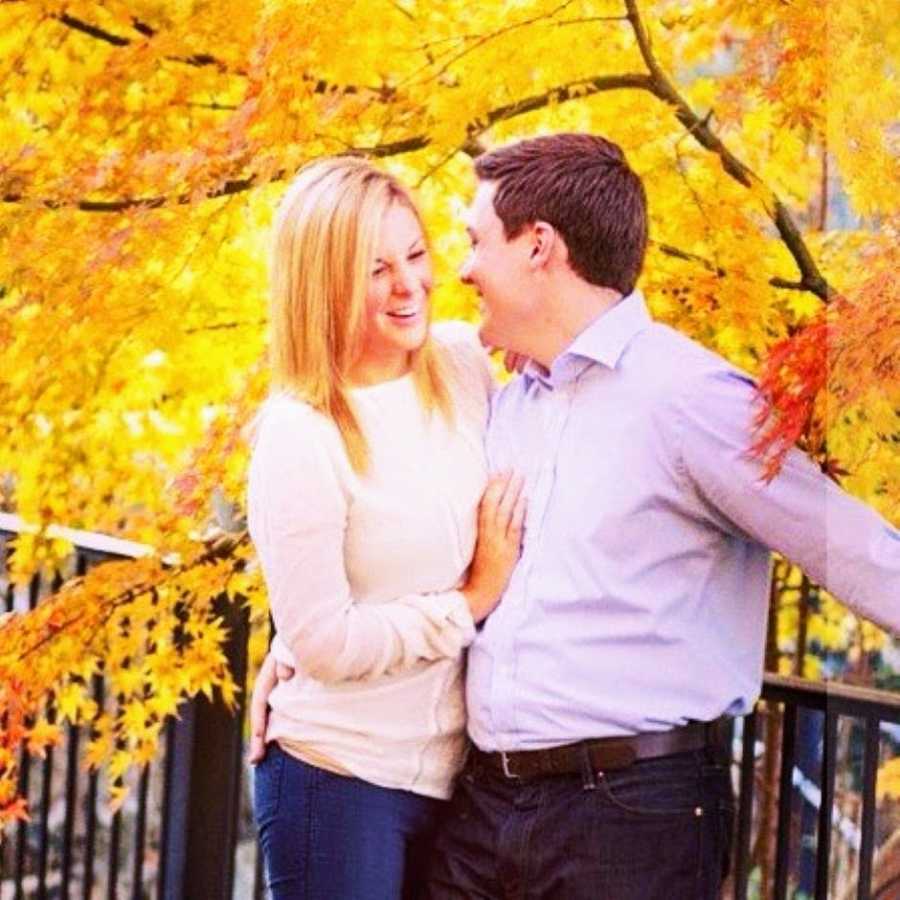
Today, our love manifests less in grand gestures and more in small, intentional acts. Steve and I chase after three children, say “I love you” daily, and take time to dance to our wedding song every few days. We laugh together constantly—he teases me about my errant chin hairs, I mock his aggressive gum chewing—and we recognize that laughter is essential to survival. No matter what life throws at us, we can overcome almost anything when we remain dedicated to each other and never forget to laugh.
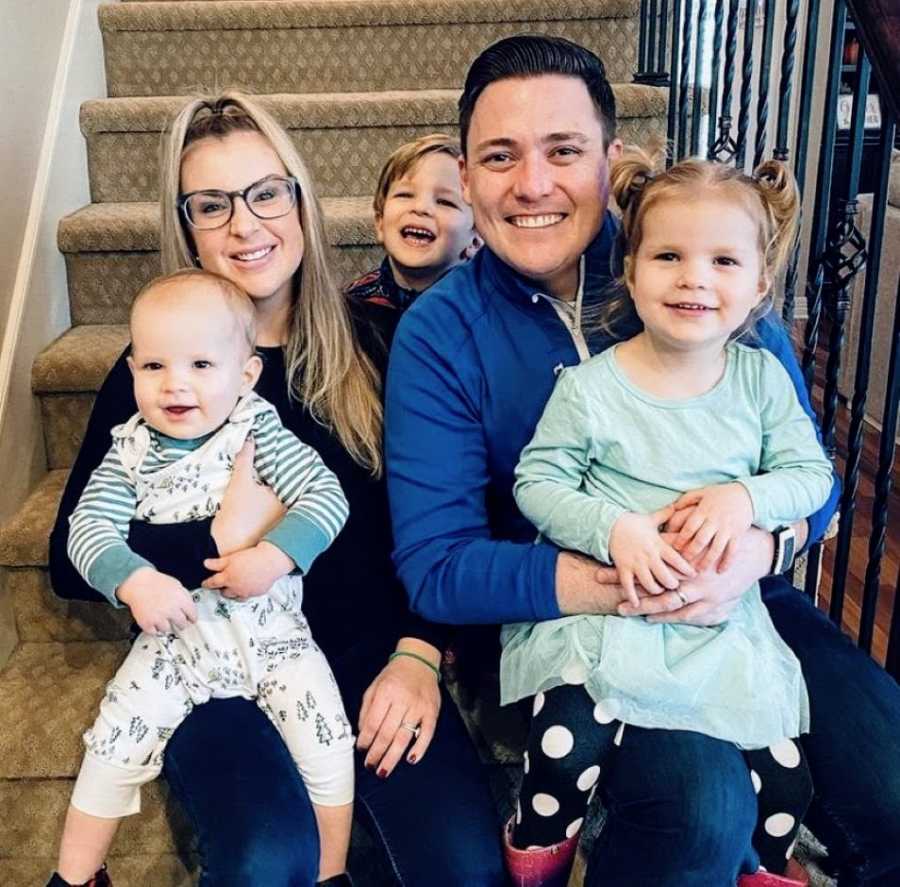
Reflecting on our journey, I’ve come to understand that love is dynamic and complex. It requires laughter and silence, sacrifice and compromise, grand gestures and quiet acts of kindness. Most importantly, love is not just the vows we spoke at the altar—it’s the daily choice to care for each other, to support each other through illness and hardship, and to nurture that connection with patience, devotion, and joy. Every day, we live our vows, proving that love is strongest when it is active, intentional, and resilient.