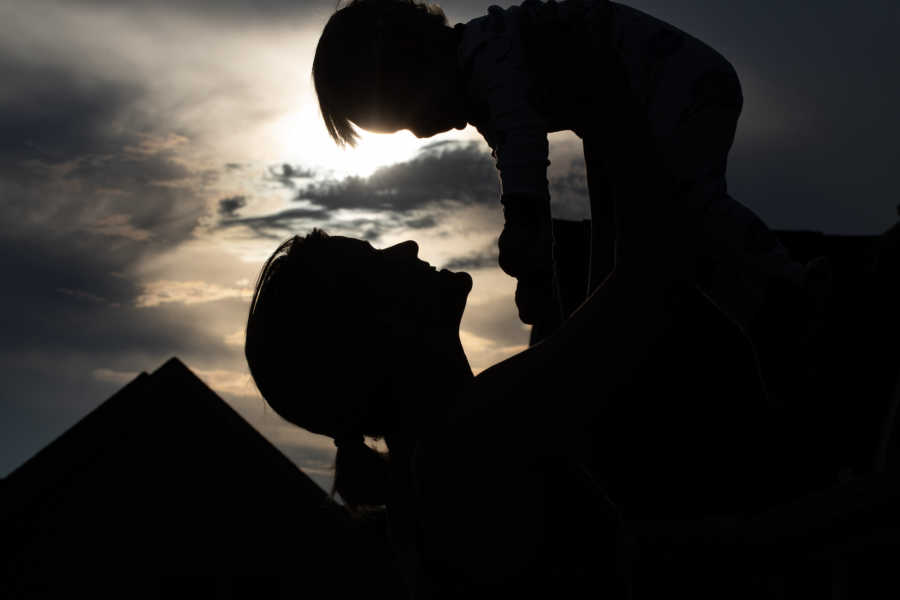
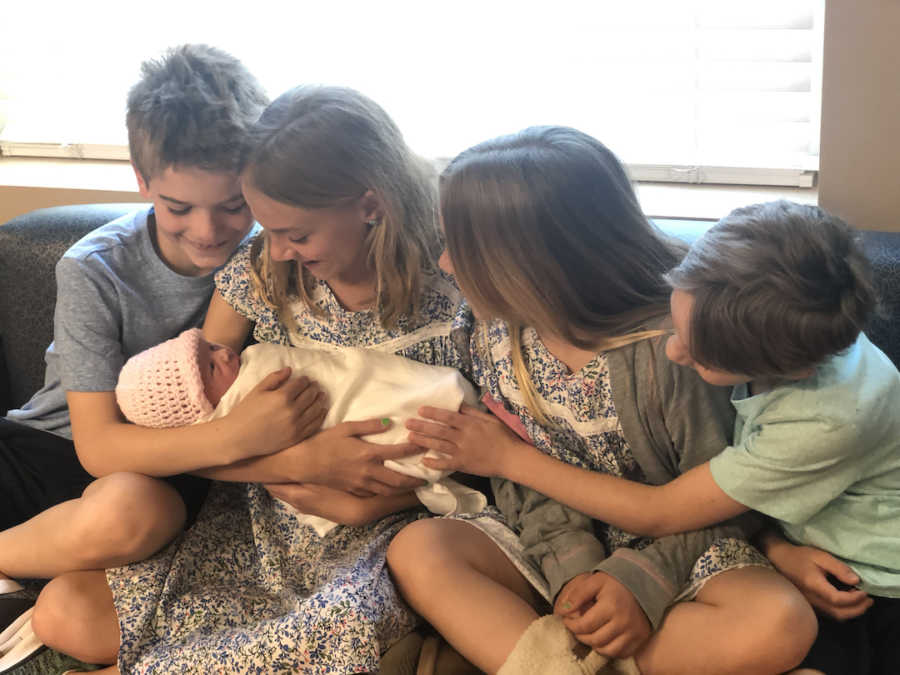
When we found out we were expecting, my husband and I decided to make the announcement to our older kids extra special. We created a scavenger hunt, with puzzle pieces that, when put together, revealed the message: “We are having a baby!” Watching their reactions was priceless. All four of them were overjoyed, and the girls even shed happy tears. Little did we know, the “putting together puzzle pieces” analogy would later become eerily fitting—used by Colbie’s physical therapist to describe the painstaking process of uncovering the cause behind our baby girl’s mysterious symptoms.
Care for Colbie
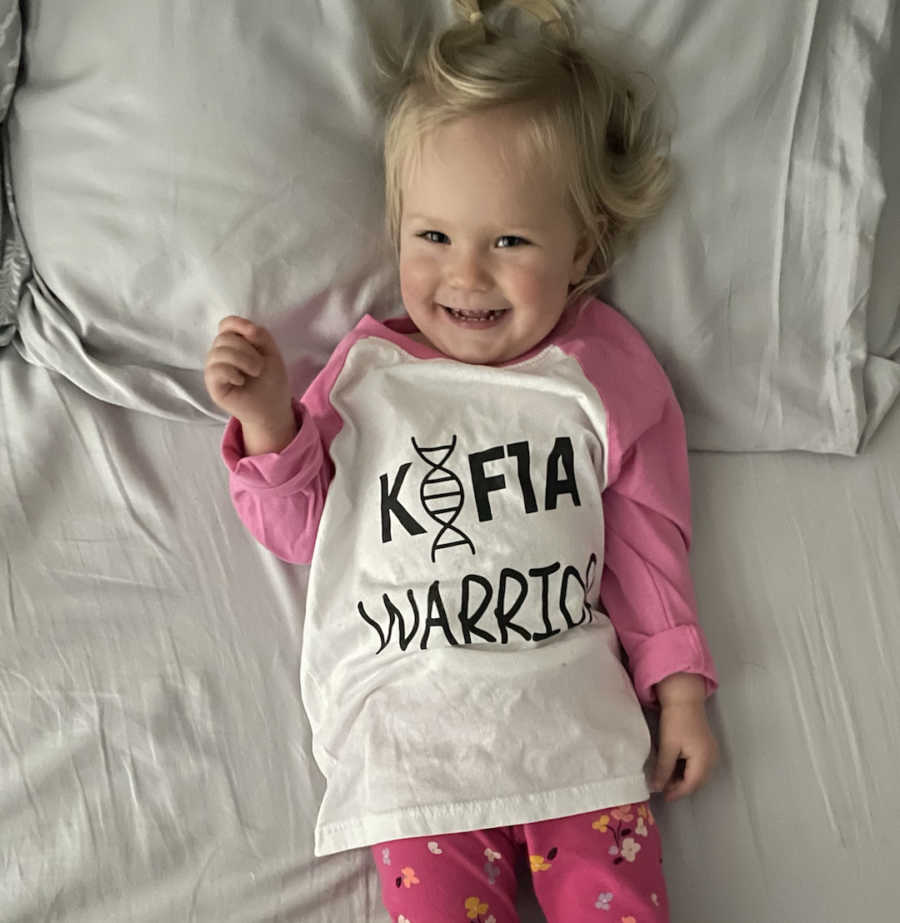
We considered ourselves lucky to have a diagnosis by 17½ months, after just a year of searching for answers. Rare disease diagnoses often take seven years on average. But while the timing may have been fortunate, the diagnosis itself—KIF1A Associated Neurological Disorder (KAND)—was devastating. KAND is a neurological degenerative disease caused by a mutation in the KIF1A gene. Its symptoms can vary, but often include loss of mobility, cerebellar and optic nerve atrophy, peripheral neuropathy, intellectual disabilities, seizures, hypotonia and hypertonia, developmental delays, spastic paraplegia, ataxia, and verbal delays—and in some cases, it can be fatal. Before genetic confirmation, KAND can even be mistaken for Rett Syndrome or Cerebral Palsy.
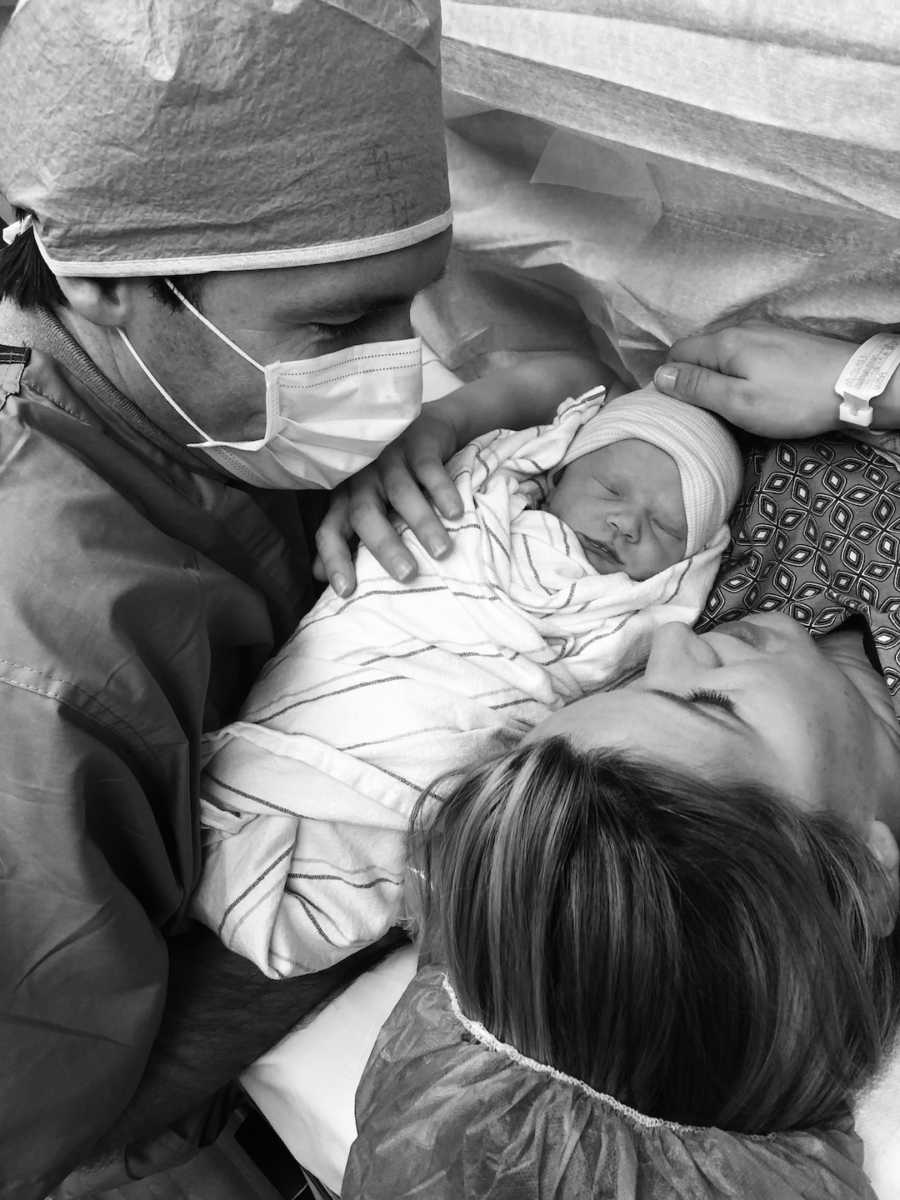
I still remember the moment we received the call on October 5, 2020. I went into shock and immediately began scouring Google. KIF1A.org provided some guidance, but beyond that, there was little information available. My heart shattered, and I felt an overwhelming helplessness. As a parent, my instinct is to protect my child—but Colbie may face challenges beyond what I could prevent.
Colbie’s early life
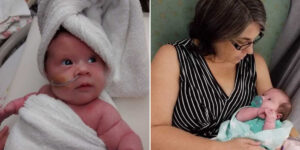
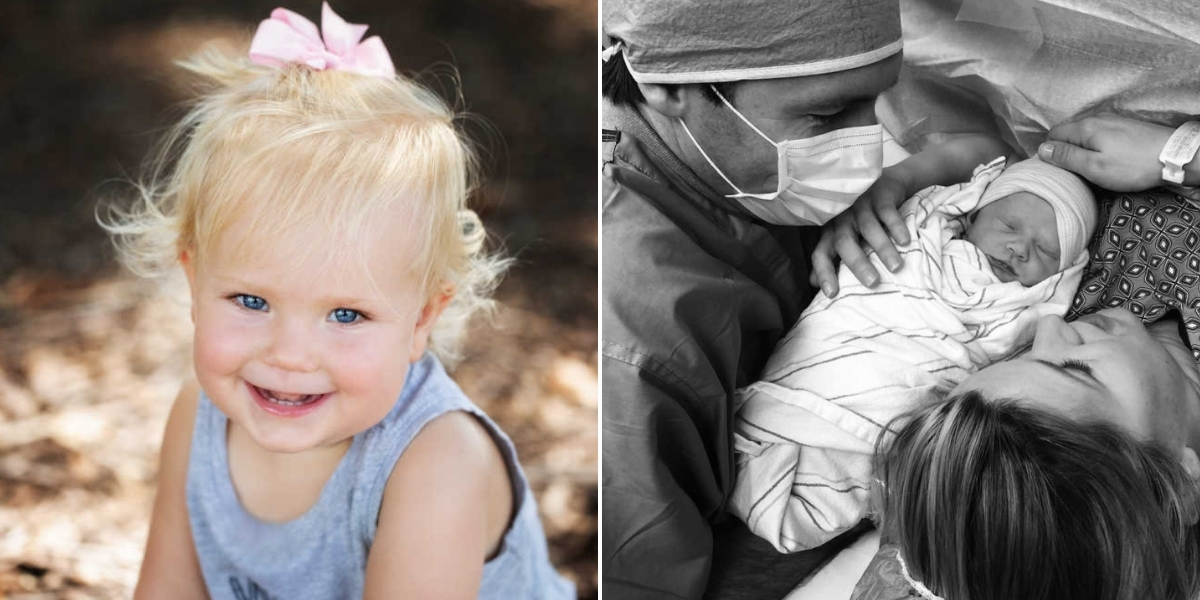
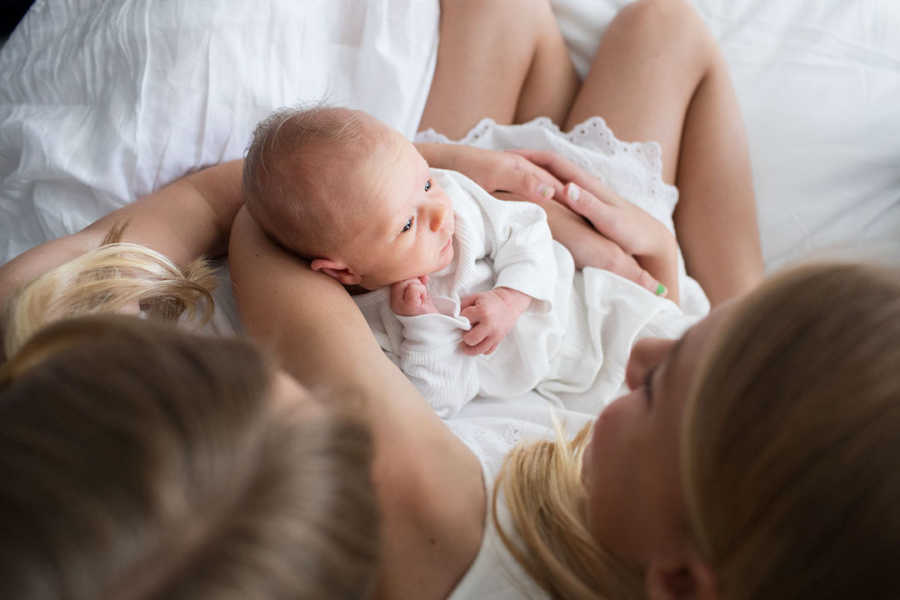
Colbie was born a sweet, easy baby, so delightful that we quickly fell completely in love with her. We now jokingly call her our “Boss Baby,” because she has a way of charming—and occasionally bossing—us all. Though she has only a few words, she communicates with a mix of charm and feistiness that keeps us all on our toes.
Early milestones seemed normal, but around eight months, we noticed she favored her left side and didn’t turn her head to the right to look at us. Her tracking seemed off, and she preferred lying on her back to play. We made an appointment with a local optometrist, but by ten months, Colbie began gazing off randomly, her eyes rolling upward in a steady motion.
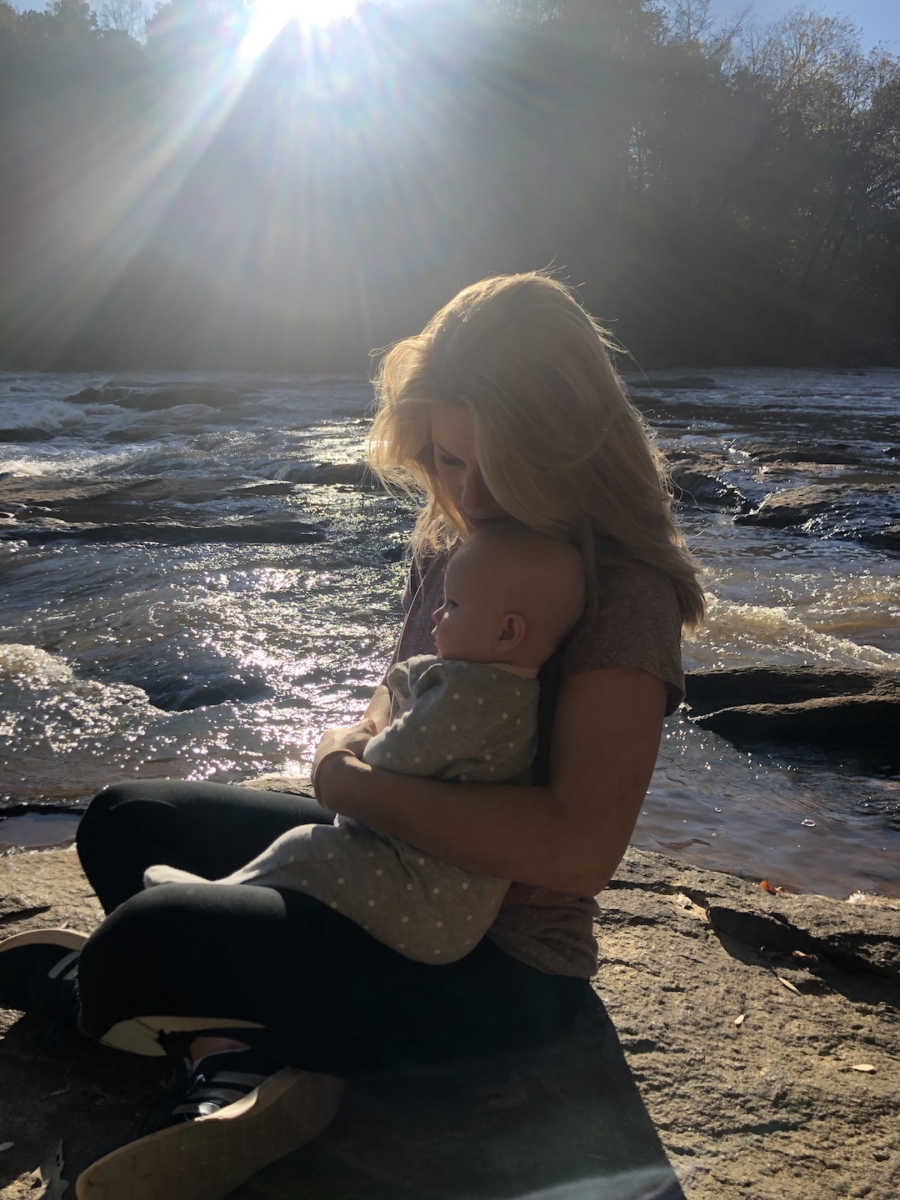
The optometrist referred us to a pediatric ophthalmologist to confirm the need for glasses and recommended a neurologist to rule out seizures. People often reassured me she would “catch up,” but my gut told me something deeper was at play. I had to find out, for her sake.
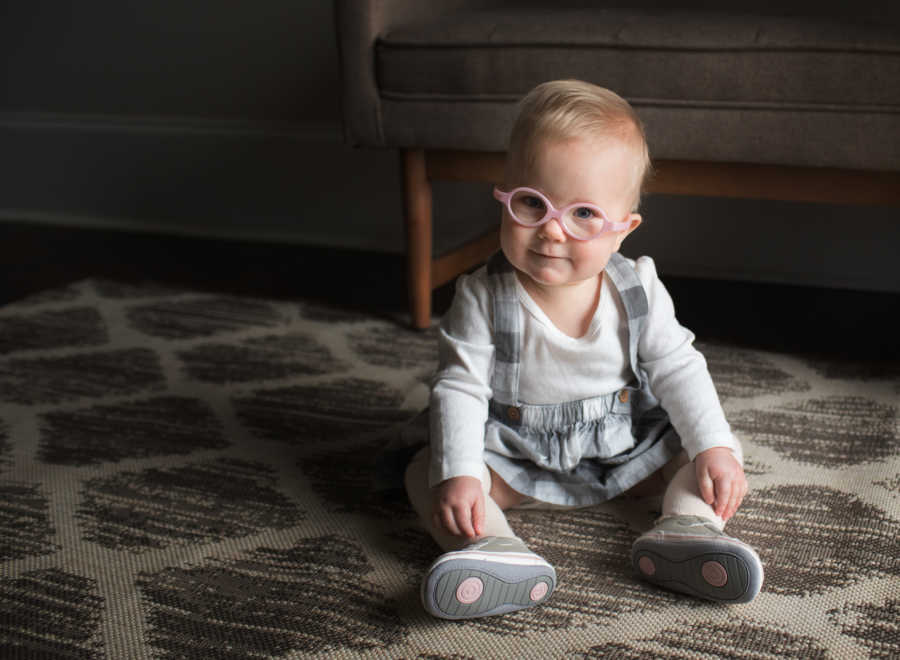
At daycare, even with glasses, Colbie lagged behind her peers. While other babies crawled and walked, sometimes approaching us to say “hi,” Colbie barely noticed us until we were right in front of her. She was often on her back or in an exersaucer to avoid the other babies climbing on her. Every visit left my heart sinking. Despite multiple urgent referrals, the ophthalmologist appointment was delayed seven months due to COVID-19. We clung to the hope that it was just vision issues—but something in our hearts knew otherwise.
The search for answers
We continued an exhaustive quest for understanding. Under a pediatric neurologist’s care, we ruled out seizures with EEGs and brain abnormalities with MRI (though subtle cerebellar atrophy was later noted). Bloodwork followed. Colbie was diagnosed with hypotonia and hypertonia, which affected her core stability, prompting regular physical and occupational therapy. Yet experts acknowledged this was just a symptom—not the root cause. They noticed the same motor planning, balance, and vision concerns we did. “The puzzle” remained incomplete.
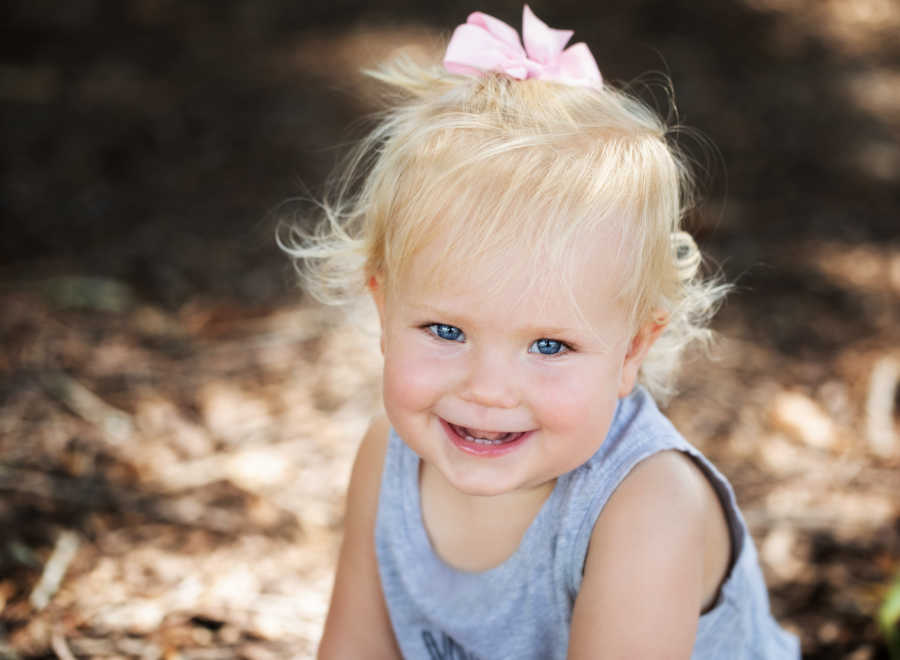
Seeking answers is a strange place to be. You want every test to come back negative, but then a negative result means more testing. Friends and family suggest waiting it out, but as a parent, you just know something is wrong. The anxiety of hoping for a diagnosis—while dreading it—was relentless. Few could anticipate that our daughter’s condition would be one of the rarest in the world, affecting only a handful of children globally.
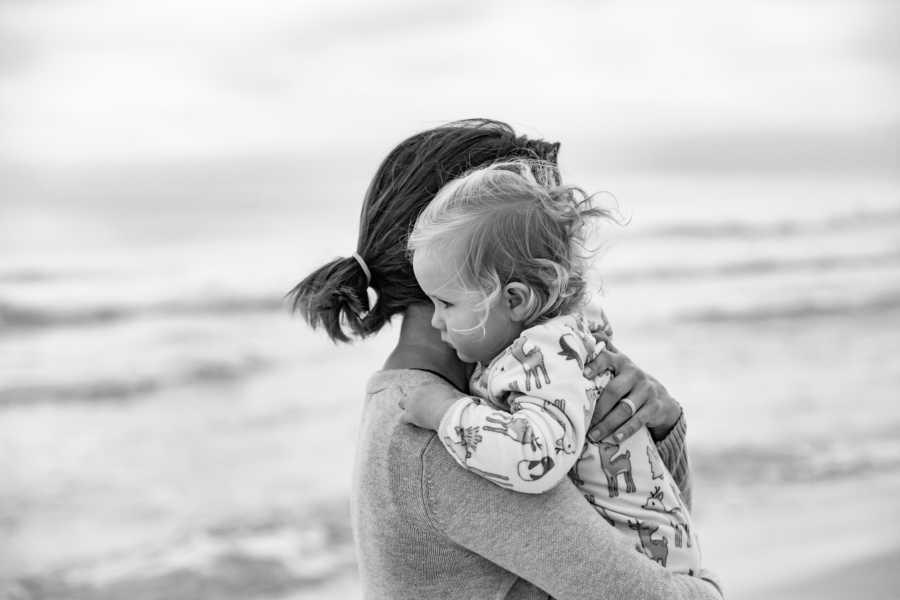
A Facebook hypotonia support group changed everything. Through them, we learned about Whole Exome Sequencing (WES). Genetic testing had been recommended by our neurologist, starting with a microarray test, which came back clear. That was both a relief and a new source of anxiety: what more could we put our baby through?
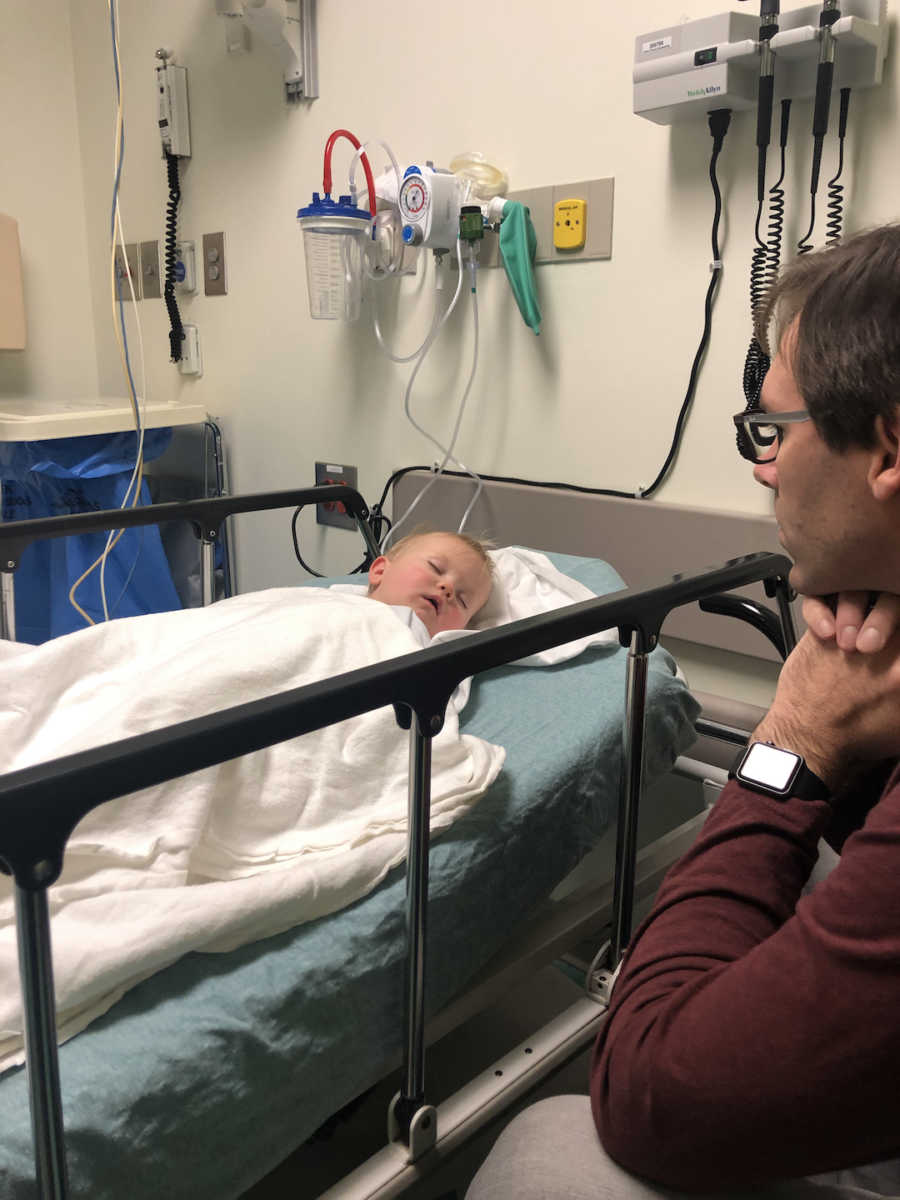
Researching rare disorders like Angelman and Rett Syndrome brought tears as we watched countless videos of children and families battling conditions similar to what we feared for Colbie. In hindsight, I believe that time of uncertainty was preparing us for the journey ahead. Our neurologist advised WES to refine the diagnosis. I told my husband I feared a positive result—but if it came, I hoped it would give us the guidance we needed.
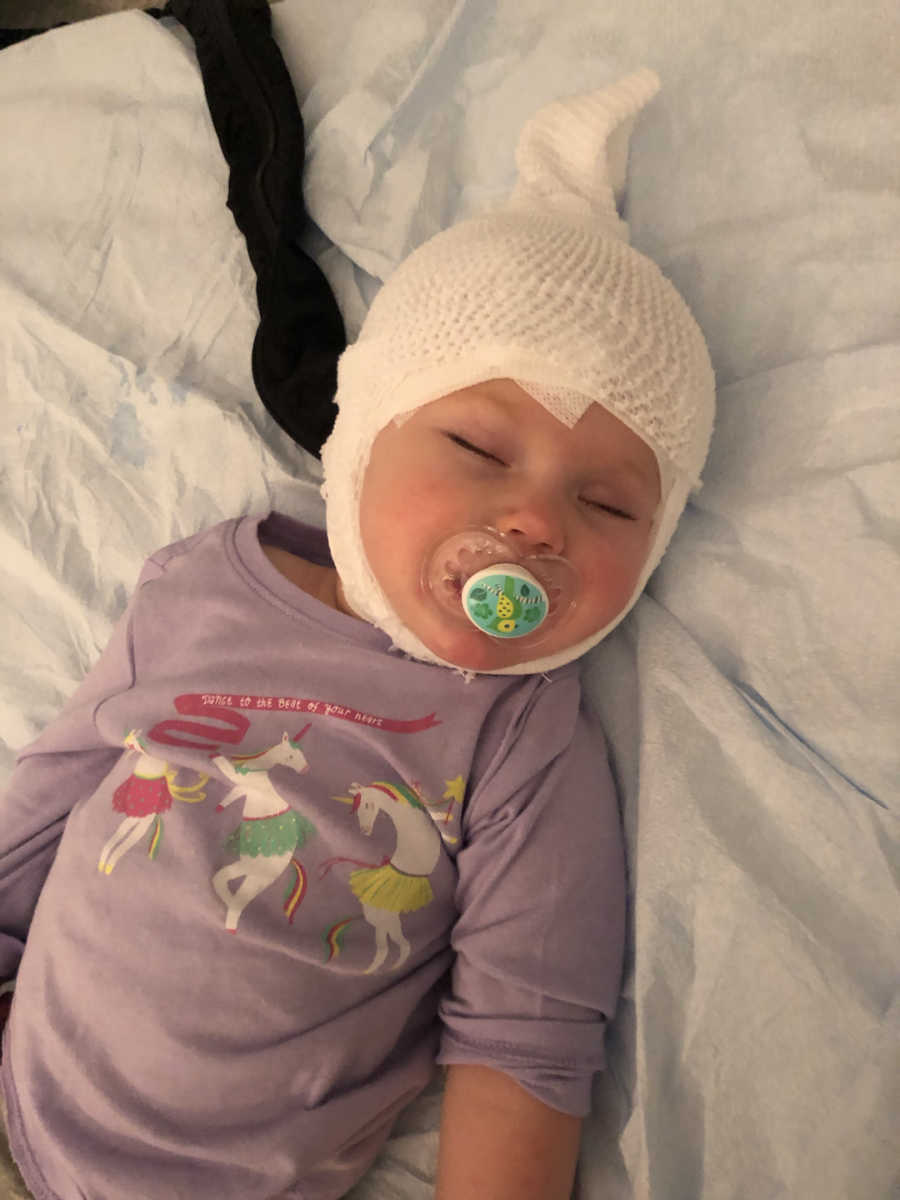
Receiving the KAND diagnosis
A rare disease affects fewer than 200,000 people. Colbie’s KAND affects fewer than 300 known children worldwide. The actual number is likely higher due to misdiagnoses and lack of awareness. The microarray and WES results confirmed it: KAND. Our local doctors and geneticists told us, “You will now be Colbie’s medical experts.” I didn’t want to hear this. I wanted a clear path to make it all go away. Instead, we dove into fundraising for KIF1A.org research, involving our older kids, and found purpose and hope through advocacy and community.
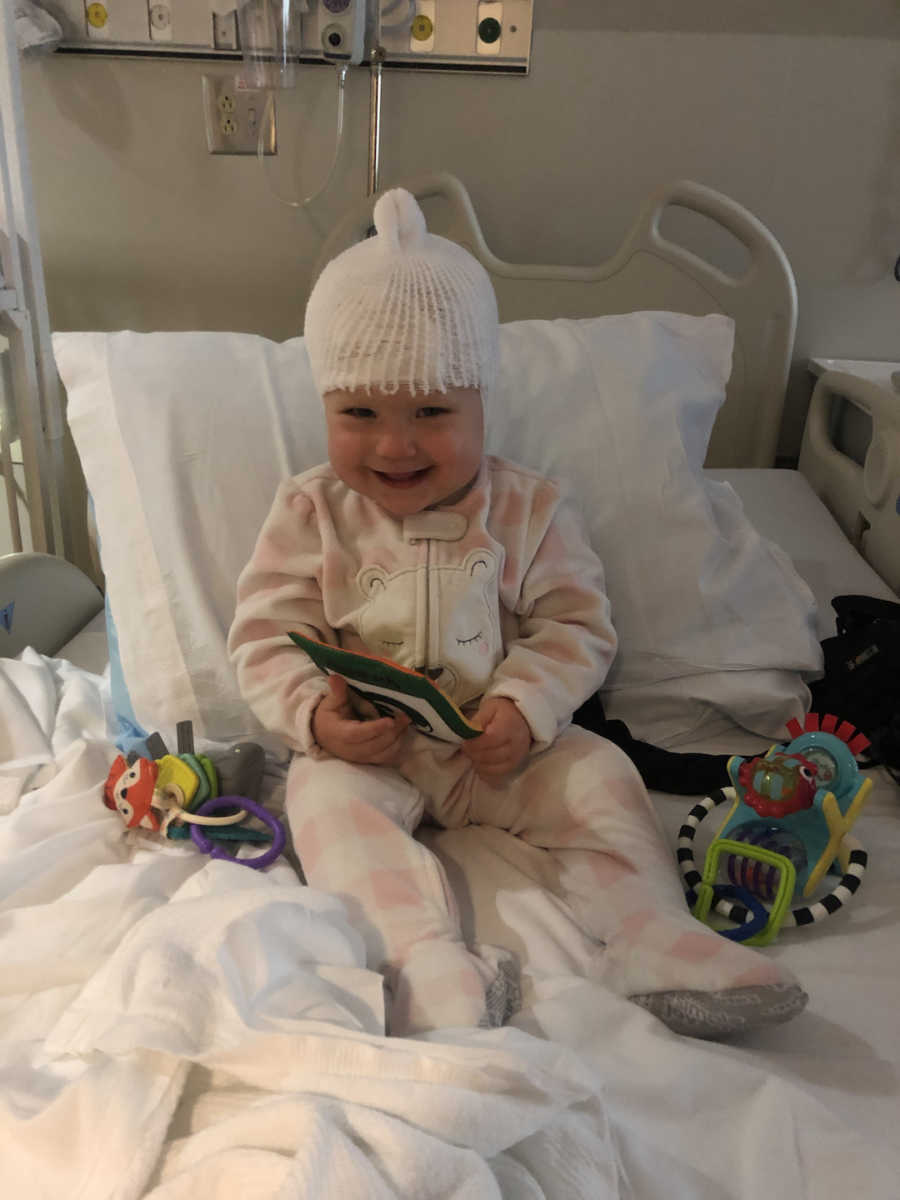
Life after diagnosis
Our journey hasn’t been without heartbreak. Since our diagnosis three months ago, we have already lost two beautiful KAND children in our support group. Some children face even more severe forms—born with feeding tubes, surgeries, oxygen support, and intensive care. These families are the embodiment of courage, and with each loss, our community grieves collectively. Their struggles remind us to cherish every milestone and to fight tirelessly for a cure.
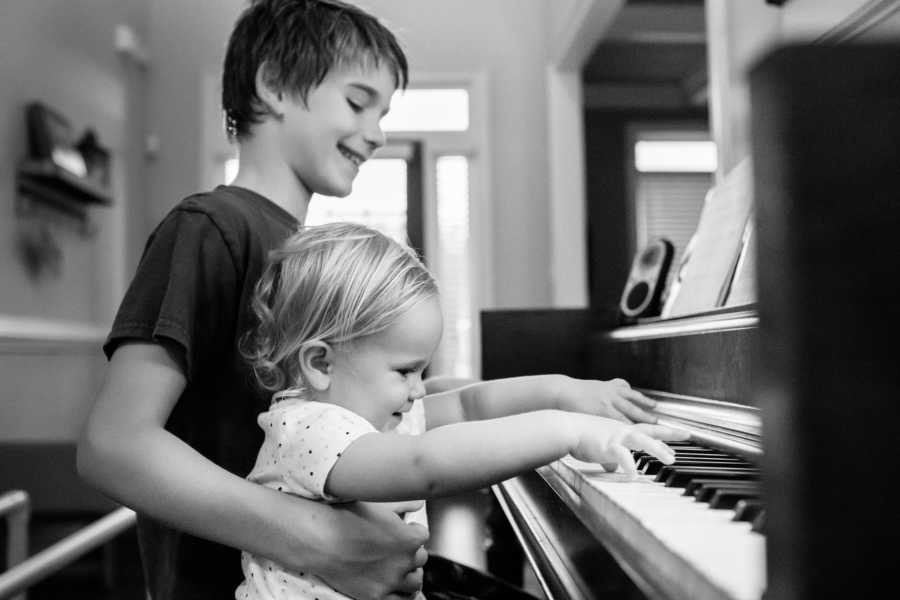
For Colbie, the future is uncertain. Time is precious, and we focus on each day with gratitude, celebrating her joy, determination, and spirit. At 21 months, she participates in multiple therapies: feeding, occupational, physical, play, speech, and aquatic. Water is her favorite—her face lights up with excitement—but every achievement demands immense effort.

Colbie still falls from sitting and crawling positions, requiring close monitoring and sometimes a helmet. Her eye movements, caused by downbeat nystagmus, are still being addressed. She is pulling to stand and making progress on her own timetable.

Our promise to Colbie
We will provide every support she needs, minimizing frustration while surrounding her with unconditional love. We will celebrate her not for what she can do, but for who she is. Our music-loving, outdoor-adventuring, happy, snuggly, and charming “Boss Baby” is a warrior. She inspires us daily, and we will never stop cheering her on—nor advocating for Colbie and other rare disease warriors like her.