I’ve always been hesitant to talk about my disability. Too often, these stories are used by others to push agendas that have nothing to do with my own experience. Stories of disability are frequently reduced to two extremes: tragedy or inspiration, with very little in between. But in reality, this mirrors the medical system that treats me like a list of symptoms, expecting outcomes instead of understanding the person behind the body.
Disability is rarely discussed as a societal issue. Instead, it’s treated as a personal failing or a burden to be “overcome.” We rarely take a step back to examine how public spaces, social norms, and individual actions create obstacles that disabled people must navigate daily. It’s as if disability exists only in the body, when so often it’s the world around us that disables us.
When people hear I have a chronic illness, they often ask how it “happened” or whether anyone else in my family is affected. Even medical professionals have suggested it might be linked to poor anxiety management—though that’s a misrepresentation of the data. I think people want a sense of control or predictability over illness and disability, but the truth is there were no warning signs. I was a healthy adult, eating well, sleeping well, rarely worried beyond the next university exam. Then, one day, I woke up without the use of my dominant hand.
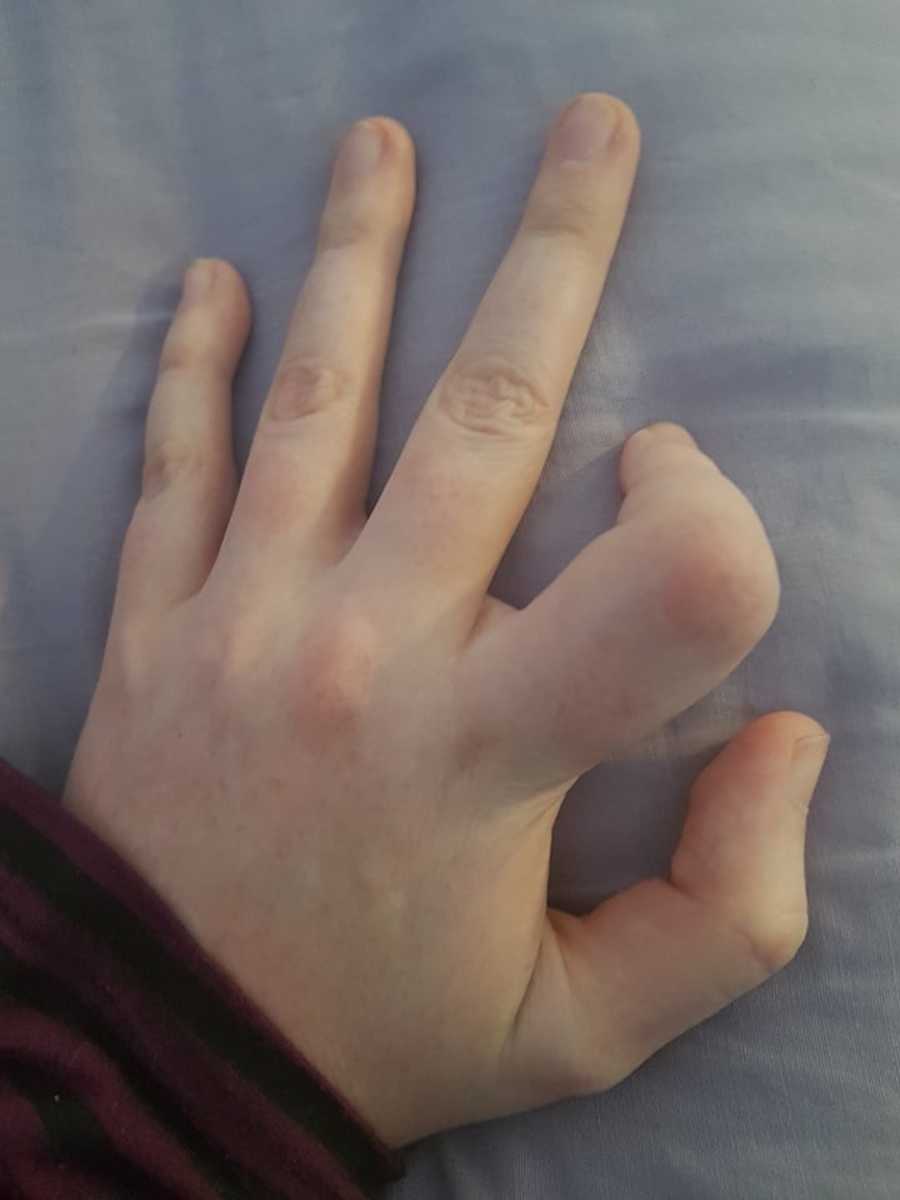
It took ten years—2010 to 2020—of relentless advocacy to get a treatment that actually worked. I lost my twenties to the medical system. Doctors acknowledged that only one treatment was likely to help me, the one I finally received last December, but first I had to try a series of expensive medications with side effects worse than my symptoms. Our healthcare system makes decisions based on dollars, not on the human cost of lost time, health, or opportunity. I’ve realized that the cost of a decade lost to inadequate care far outweighs any price tag. Sharing my story, I hear variations of this same struggle from others: paying out of pocket for life-saving treatments, denied mobility aids, or ignored in hospitals until conditions became life-threatening. This isn’t a story of one bad doctor or exceptional circumstances—it’s a pattern, a systemic problem, amplified by a global pandemic.
As a writer and content creator, I rarely aim to educate the non-disabled community about disability. I trust they can search online if they want facts. Instead, my goal is to connect with other disabled people, to empower them through words that resonate across experiences. Accessibility and disability rights are nuanced, but shared experiences—loneliness, navigating vulnerable positions, advocating for scarce resources—unite us. When disabled voices are isolated, so too are the experiences they represent. I tell my story for the disabled person who needs to hear that they are not alone in struggling to access resources and navigate an ableist world.

During university, I took an Introduction to Critical Disability Theory class. I was eager to engage with ideas about social discrimination, the history of disability, and how it can be perceived as a culture and community. But instead, I spent a semester answering to a non-disabled professor from Gender Studies (there is no Disability Studies department or program in my country). She compared women wearing high heels to being disabled, saying heels limit mobility. I, walking with a cane at the time, tried to explain the insensitivity of this metaphor, but was dismissed by both the professor and my classmates.
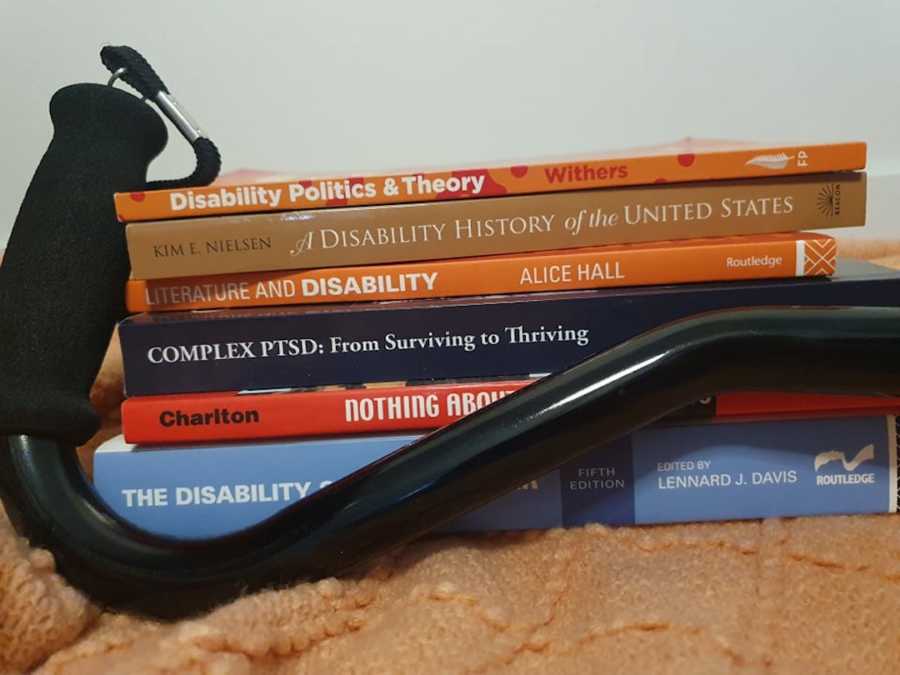
Other discussions were equally misguided and sometimes harmful. Questions like “Should the chronically ill be proud to be disabled if they’re still hoping for a cure?” or “Are disabled people like domesticated animals?” dominated class time. These experiences were deeply damaging to my mental health and later inspired my upcoming play, The Only Disability is a Bad Attitude (and I Have a Bad Attitude), which I intend to make fully accessible online.
Seeking a master’s program in disability studies proved equally frustrating. Most programs were rooted in outdated materials from a time when disabled people were institutionalized or forcibly sterilized. Curriculums focused on how to help disabled people navigate systems that had historically traumatized me, like healthcare and social services. Only two programs in my country examined disability as a lived experience in public spaces, but neither offered online classes, leaving them inaccessible.
So I took matters into my own hands. I downloaded every disability-related article my university library offered (skipping those written by non-disabled authors) and purchased books recommended by these authors. I cultivated an academic perspective on my own, learning to engage critically with my personal experiences. This self-directed scholarship has shaped my writing profoundly. Universities can replicate their courses endlessly, but no institution can replicate the insights that come from ten years of lived experience and reflection.
I also acknowledge my privilege in this journey. My intellectual capacity allows me to articulate my experience academically, but many disabled people, particularly those with intellectual disabilities, are denied that opportunity. Historically, when others speak for marginalized communities, the community itself loses power and voice.
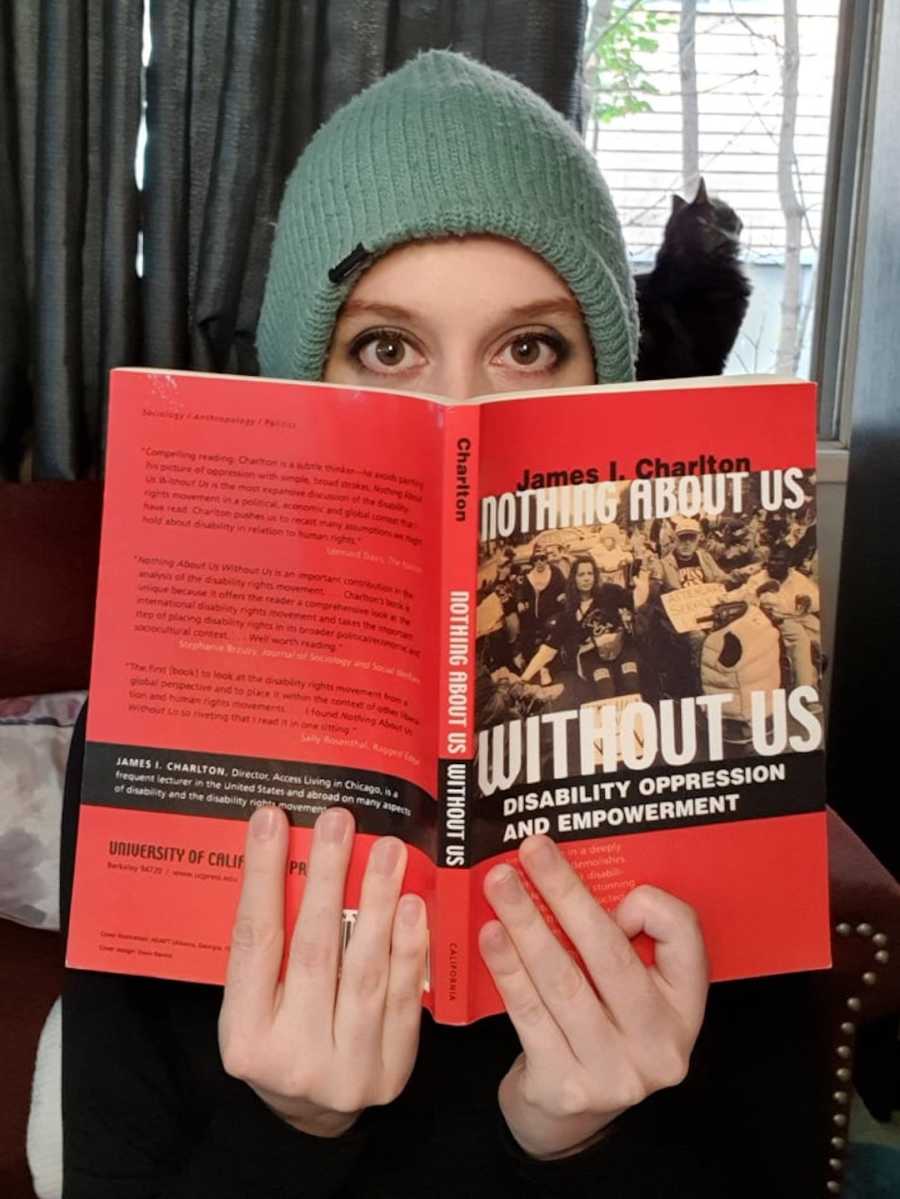
I am disabled, neurodivergent, and intelligent. I am “palatable” because I continue to contribute labor in a capitalist system. Yet disabled people often have their value questioned if they cannot “produce.” Society praises able-bodied achievements while simultaneously justifying the systemic poverty and resource denial faced by disabled people. My accomplishments are not remarkable “despite” my disability—they are remarkable because I navigated barriers that should not exist. My body is not the obstacle—ableism is.
The inspiration trope in disability often casts our lives as tragedy for public consumption. Stories are framed to make non-disabled audiences feel good, rarely giving disabled people the opportunity to speak for themselves. Tragedy is emphasized, while systemic failures are ignored. If stairs are a tragedy for wheelchair users, why not use that “tragedy” to demand ramps and accessibility?
I love my disability. My chronic illness has taught me to connect with my body and my environment in ways most people never do. Stress, fear, or overexertion flare my symptoms, forcing me to prioritize myself. I feel deeply the effects of my surroundings—weather alone can alter my joints. My disability has made me mindful, intentional, and self-aware. And yet, there is still pain, loss, and isolation. The poetry I create from my disability contains suffering, not inspiration or tragedy, but something far more complex.
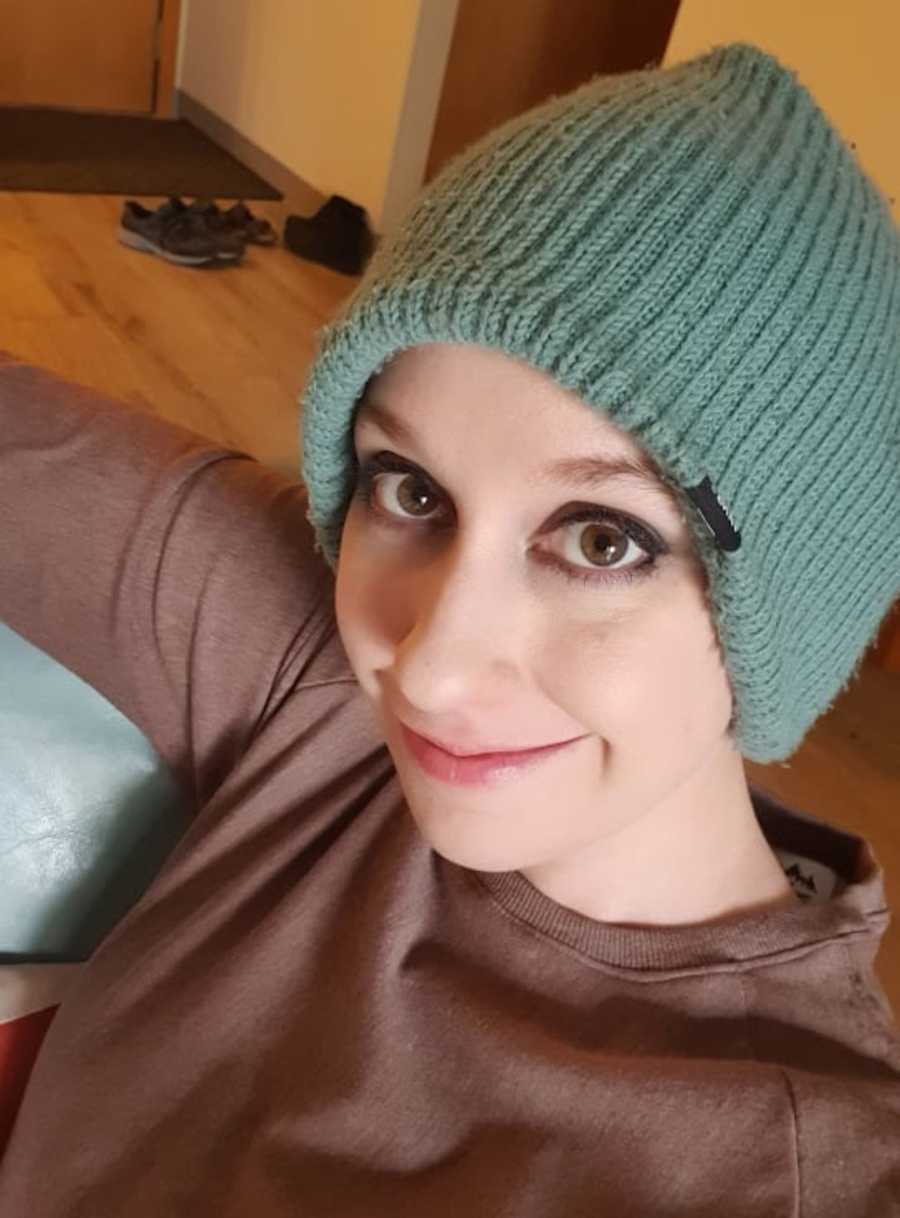
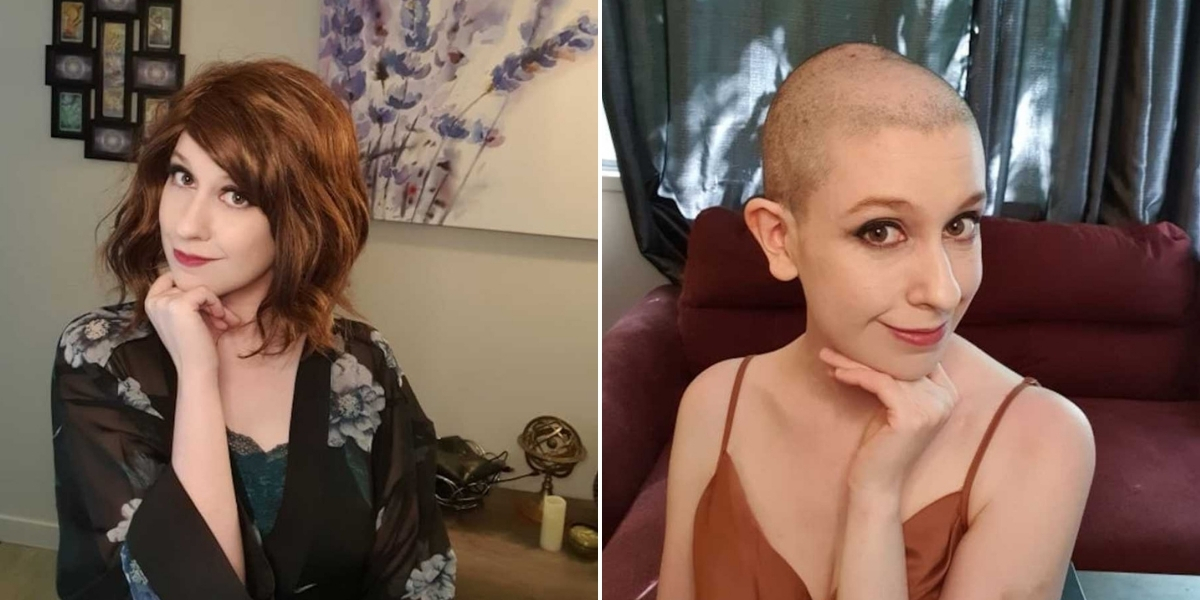
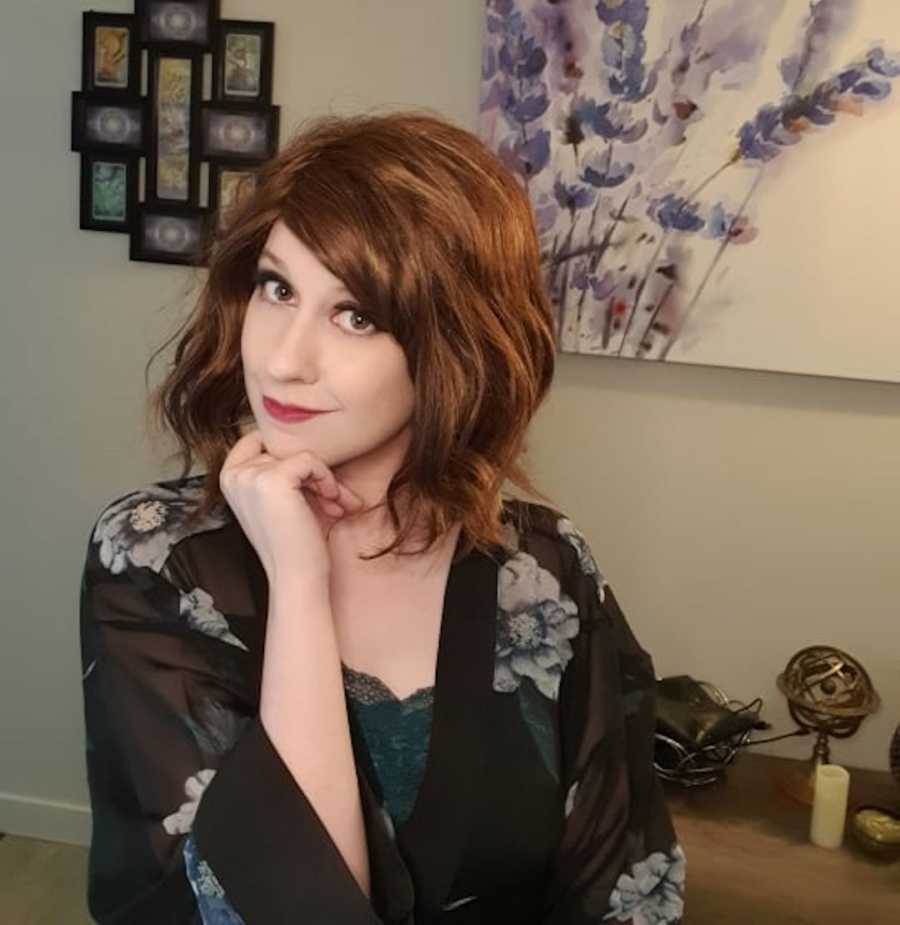
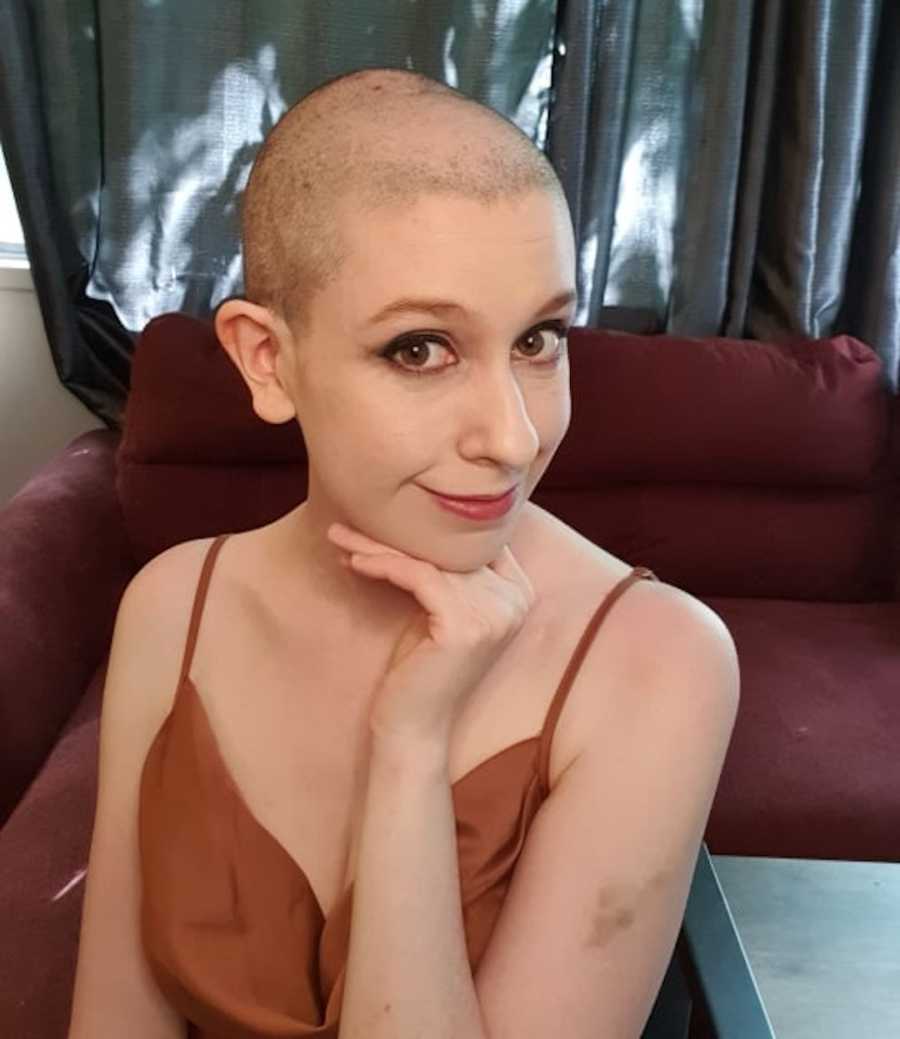
Over ten years, I watched inflammation destroy joints, my ability to walk deteriorate, and spent almost every day in unbearable pain. I lost permanent use of both hands, lost my hair (and I love the comfort of being bald), and faced exploitation from people who saw my disability as weakness. Women with disabilities are more likely to be targeted by abusers, assumed dependent and vulnerable. Speaking out often led to dismissal or blame, reinforcing a persistent pattern across our community. Nuanced representation matters because it teaches others how to recognize and respond to real danger.
Industries profit from disabled stories without including disabled voices. Charities often prioritize cures over accommodations. Executive roles rarely feature disabled people. If the industries claiming to serve us don’t trust our leadership, what does that signal?
If you want to understand disability, listen to disabled voices—especially intersectional ones. Follow creators who challenge you and broaden your understanding. Disabled stories are not here to inspire; they are here to be told authentically.
I am not here to inspire you. I am here to share my life, my struggles, and my insights, hoping for an equal conversation built on understanding and respect. I have a lot to tell you.