I had a privileged and happy childhood. I never feared for my life because of the color of my skin, so I know my experience isn’t comparable to Black lives. But when ‘Blackout Tuesday’ happened, it sparked some difficult, overdue conversations I had with myself—and with those closest to me—about racism and identity.
My mom is English and my dad is Indian. Most of my cousins on my dad’s side are also mixed race. To us, this blend of cultures was normal, and race was never framed as an issue—it just wasn’t something we talked about. But this week, I felt a wave of sadness, anger, and guilt, as though I’d finally woken up to something I had been in complete denial about. I’d always thought of myself as proud of my heritage, yet I realized I had been hiding parts of who I was, often unconsciously.
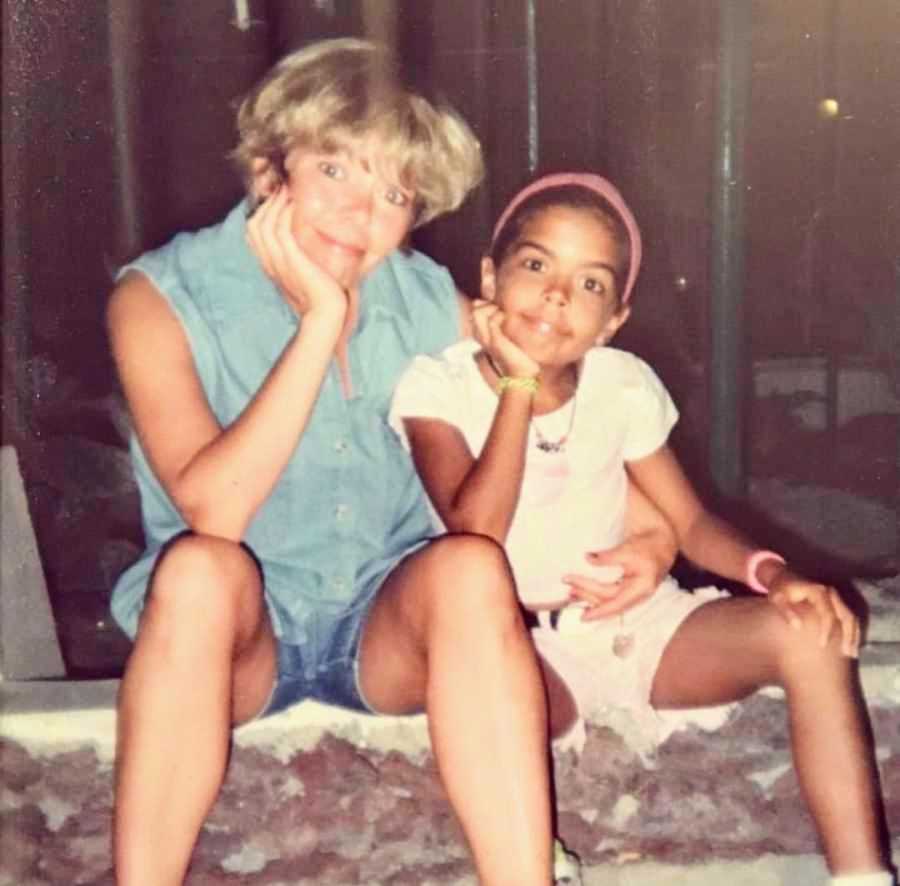
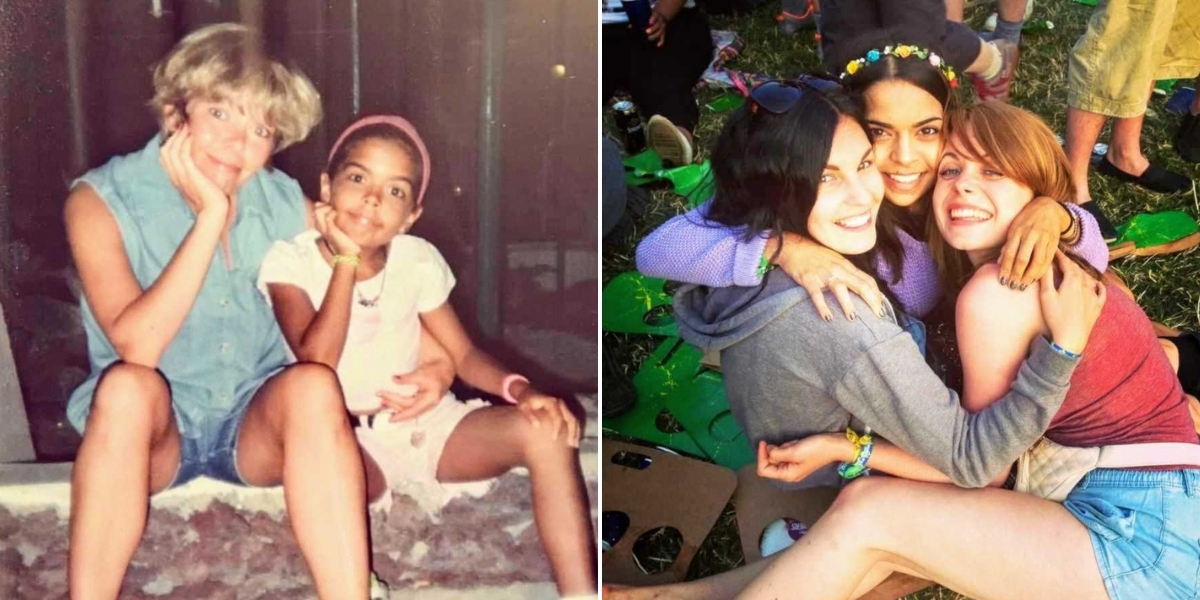
I grew up in a mostly white town with a mostly white group of friends. I always knew I was “the brown one,” and it became a kind of running joke. At the time, I didn’t notice—or perhaps I ignored—the effect it had on me. Everyday comments like, “Hey brownie!” or, “This is my brown friend,” or even, “Hi, I’m the brown one,” were casually thrown around.
When racial slurs were spoken around me, friends would reassure me, “It’s okay, you’re not one of ‘those.’” Strangers often asked, “Where are you from?” If I said the town in the UK where I was born, they would press, “No, where are you really from?” Once, an elderly lady at a bus stop bluntly added, “No, I mean because of your color.” I had become so accustomed to these comments that I brushed them off as ordinary. I believed that because they weren’t overtly aggressive, they couldn’t really be racist. “People are just curious,” I would think. “That’s just how it is. I’ll make it awkward if I argue.”

I would say, “My mom’s white and my dad’s Anglo-Indian,” and quickly follow with, “They’re all Catholic and speak English,” as if that somehow made me more acceptable.
I struggled with my appearance. I could never find a foundation that matched my skin tone, which made me feel strange and inadequate. I decided lighter was better than orange and convinced myself it looked more normal. I wished for straight hair—mine was so thick that the only way to tame it was with a clothing iron. Every morning, I would pull my hair into a skull-tight ponytail with layers of hairspray, trying to fit in.
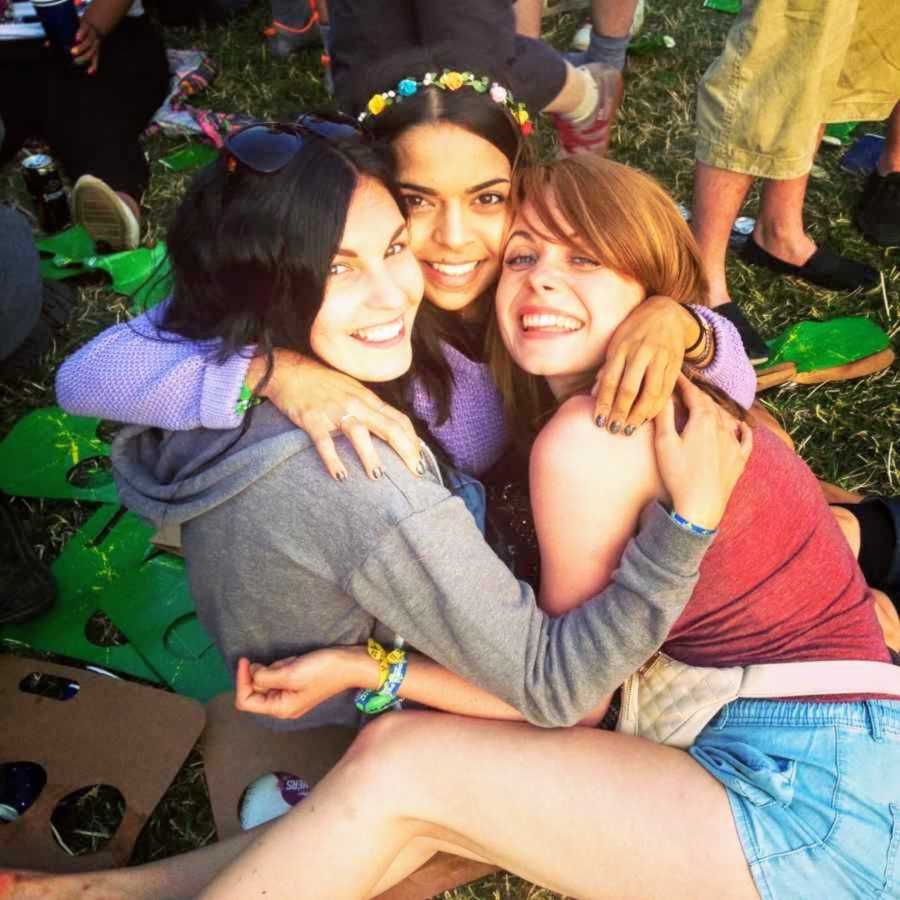
I remember sitting in French class when the boy next to me asked, “Yuck, do you shave your sideburns?” I was mortified—and yes, I did, because I hated my hair so much. I also shaved, plucked, and waxed my eyebrows, trying to mimic my friends or the people I saw on TV. I would lighten my hair with at-home kits, which always turned out orange.
When my white friends got nose piercings, I joined in—but quickly removed it again, convinced it made me look “too Indian.” On holidays, I would avoid the sun to make sure I didn’t get “too brown.” Every choice felt like a battle between fitting in and hiding myself.
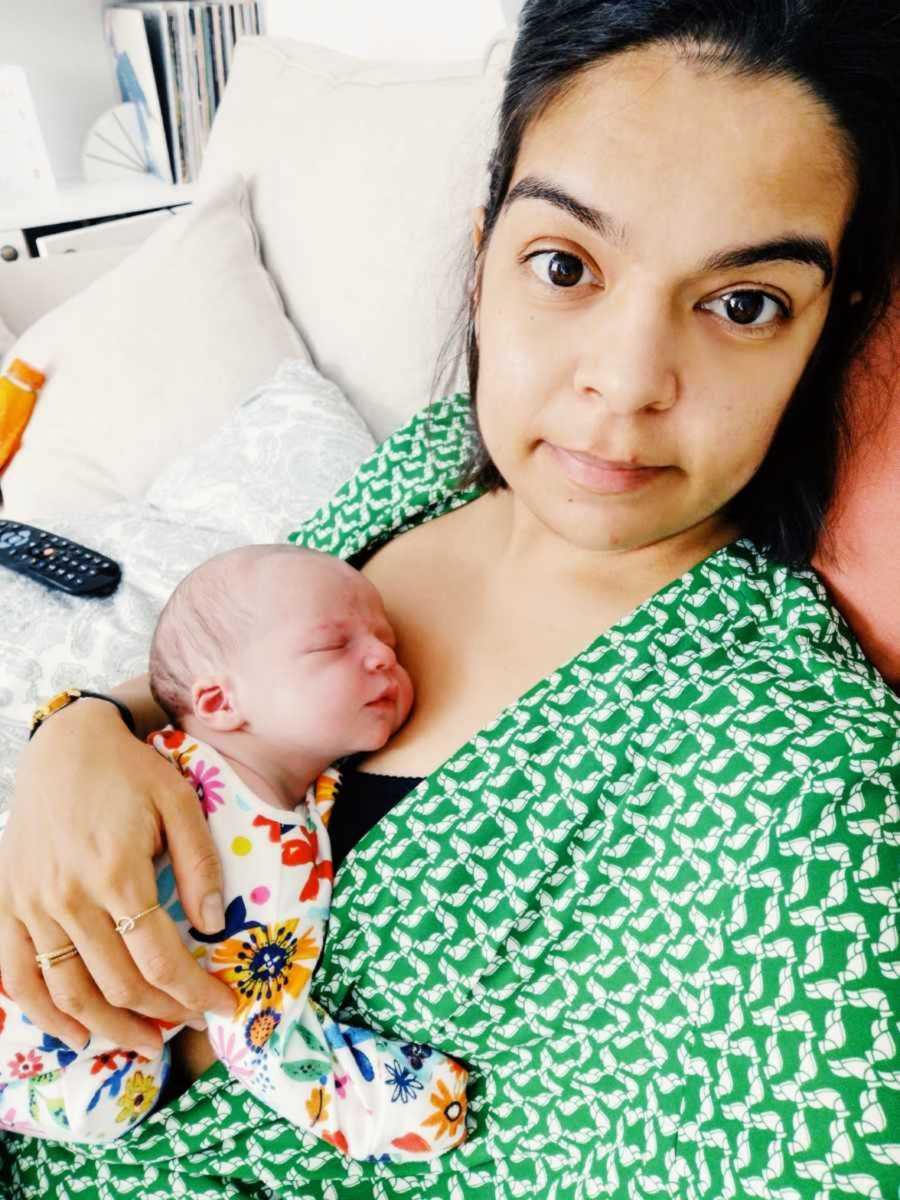
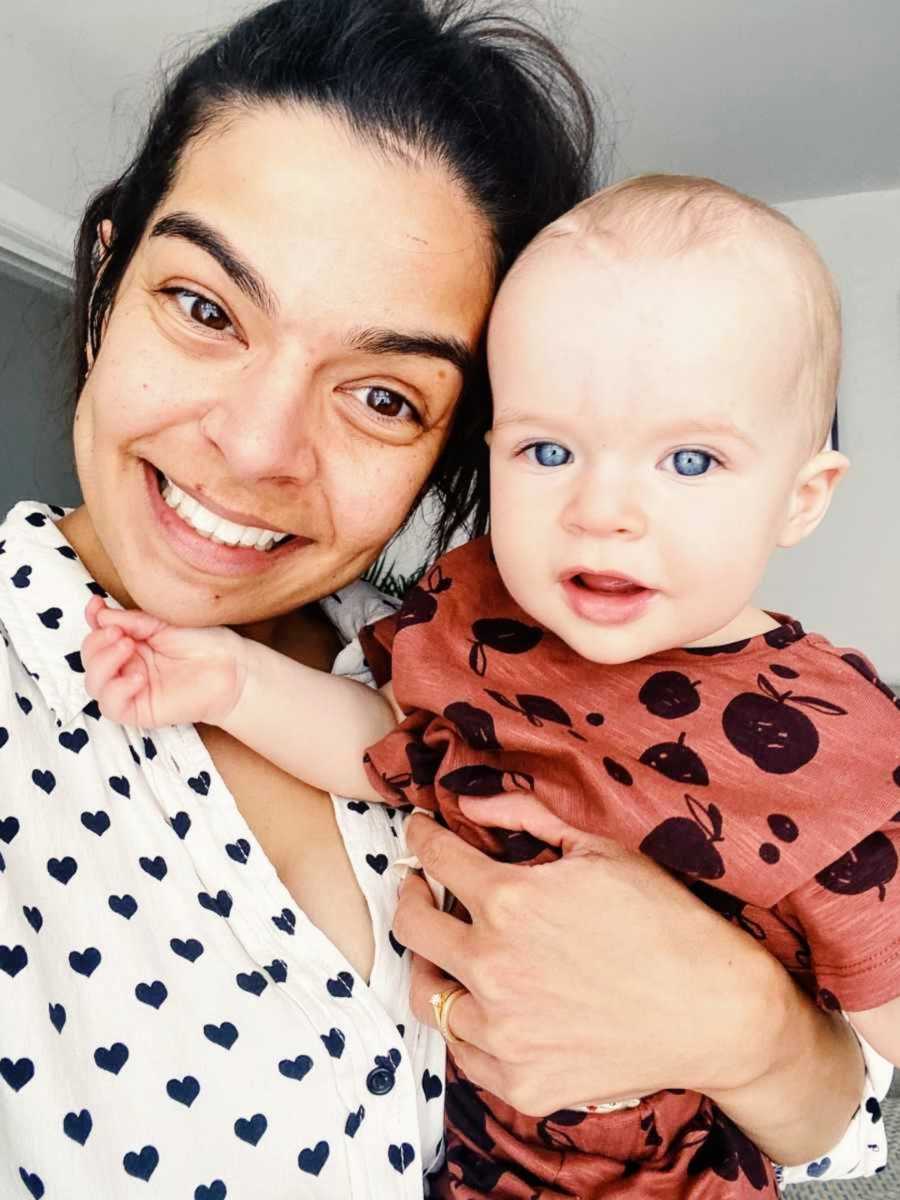
When my daughter was born, her fair skin caught me off guard. I had always imagined a baby who looked like me, and when she didn’t, I struggled. The guilt was overwhelming—I couldn’t voice it because I felt like a terrible mother even for thinking it. On top of that, people often commented on her skin tone before anything else: “I thought she’d be browner,” or, “She’s not very brown, is she?” Sometimes, even, “Disappointing, huh?” or, “She’ll tan easily though.” I felt like I constantly had to justify her existence to others.
It suddenly clicked: as a child, I had always assumed people wouldn’t believe I was my mom’s child because of my skin. The struggle I felt with my daughter’s skin tone wasn’t about her—it was about protecting her from having to feel like I did, always explaining herself, always feeling different. I had a good cry, and I apologized to her, because she is, of course, perfect. I wouldn’t change her for anything.
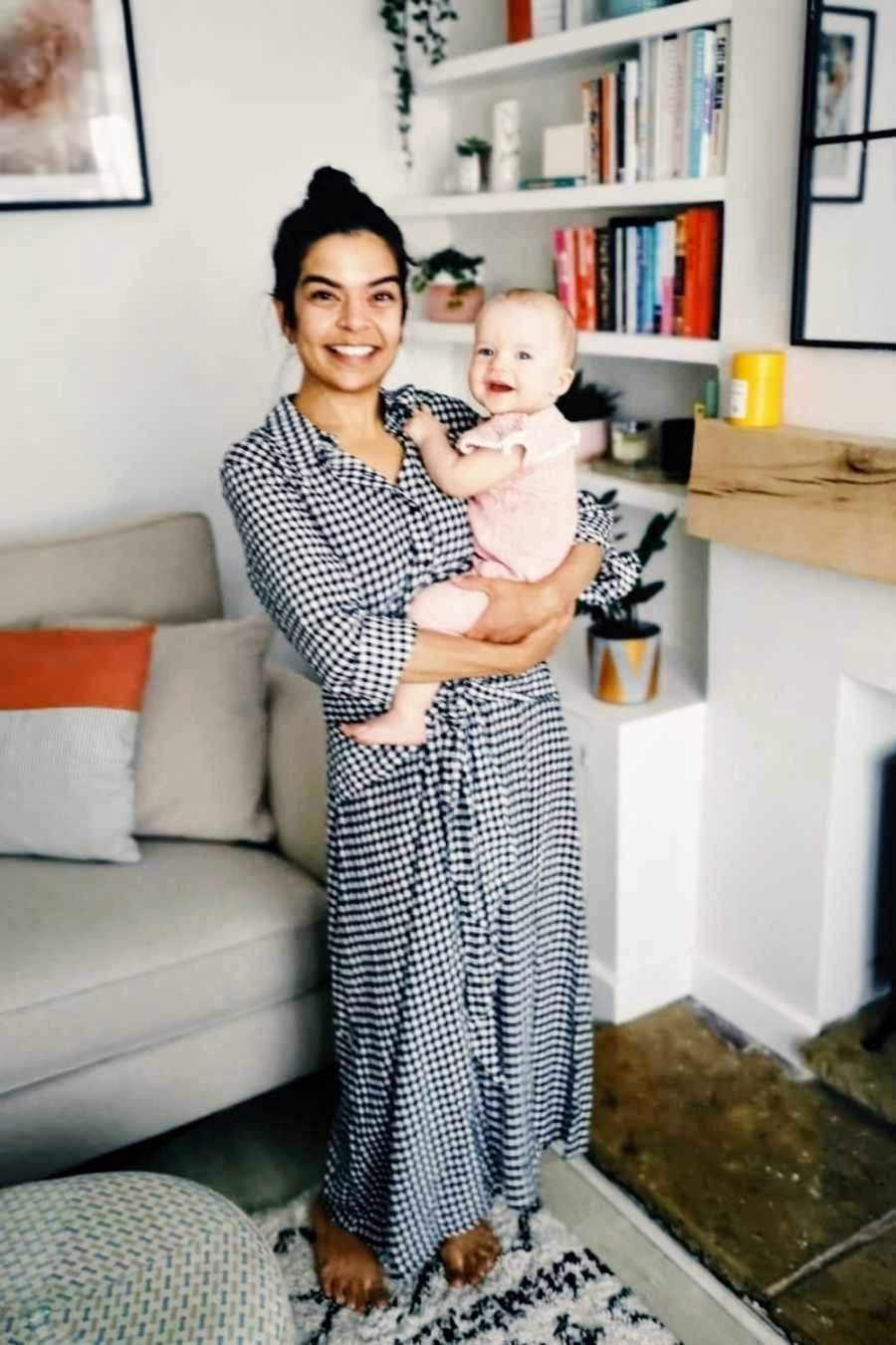
What I’ve learned is clear: I should never have justified her skin tone to anyone. I should never have responded to “No, where are you really from?” with an explanation. From now on, I will make sure she celebrates every part of her heritage and grows up proud of it.
If you have friends who are Black or people of color, and you haven’t had conversations about racism yet, do it. It’s uncomfortable and awkward, but it’s cathartic—and necessary. No parent is perfect, and you don’t have to explain your child’s appearance to anyone. You don’t have to explain yourself to anyone. If any part of my story resonates with you, forgive yourself, take your time, and know you are doing great.