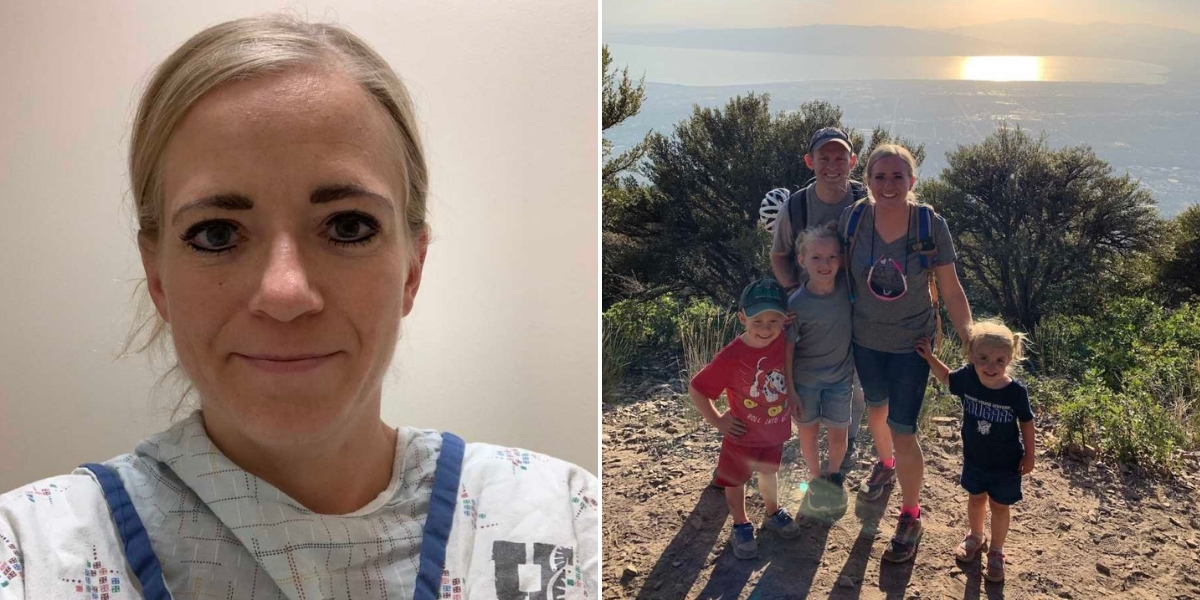
Our journey to build a family has been long, challenging, and yet full of unexpected miracles. We’ve learned that moving forward is essential—even when life is hard, even when the next step is unclear or frightening. When one door closes, we must keep walking, trusting that another window of opportunity will appear. Faith, we’ve discovered, only guides our footsteps if we’re willing to take them.
When my husband and I married, we both dreamed of a big family, and we began trying for a pregnancy right away. Months passed. Then years. After two years of waiting and growing concerned, I finally visited a doctor, who laid out a months-long plan of medications and treatments. I felt devastated—this journey was going to be far harder and longer than I imagined. But after two and a half years, the moment came: I got the call that I was pregnant. I was overjoyed, repeatedly asking the nurse if it was really true, while she struggled to understand why I was so emotional. The pregnancy came with complications, but we managed them, and the day our child arrived, our hearts overflowed with happiness. We had finally begun our family.
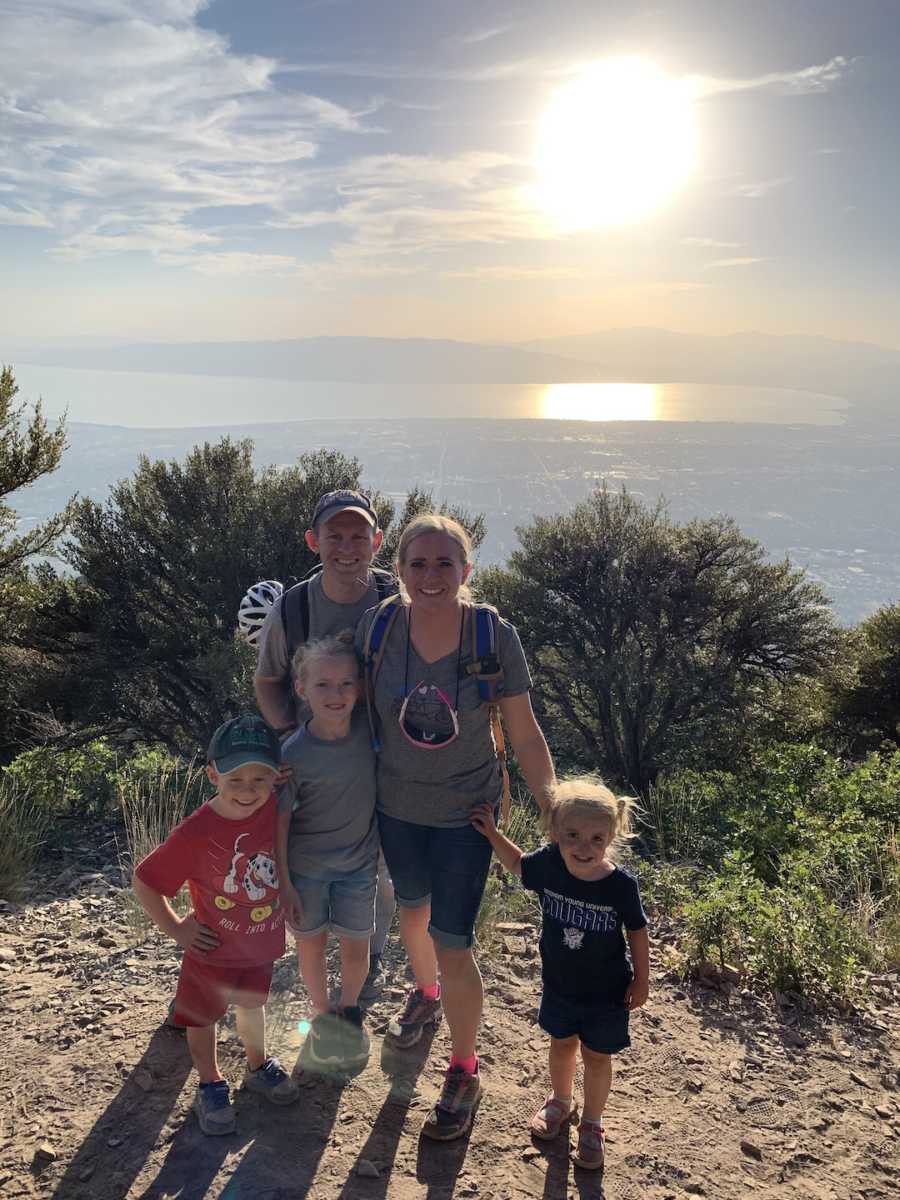
About a year later, we met with doctors to try for a second child. We hoped the same medication regimen would work again, but we knew it could take years. Months of treatment ended in disappointment. Determined to explore other options, we turned to artificial insemination. By the third round, we felt utterly defeated. I remember lying on the table, staring at the ceiling, drained of hope, knowing the procedure would fail again. And it did. At the same time, we were in the middle of a move and job changes, while medical bills mounted. We were lost, overwhelmed, and heartbroken, questioning why all our efforts hadn’t been enough. We prayed desperately for strength and direction, knowing we couldn’t give up. Adoption crossed our minds, but the timing didn’t feel right. We realized we had to keep trying—whatever it took—to either fulfill our dream of expanding our family or to leave nothing untried.
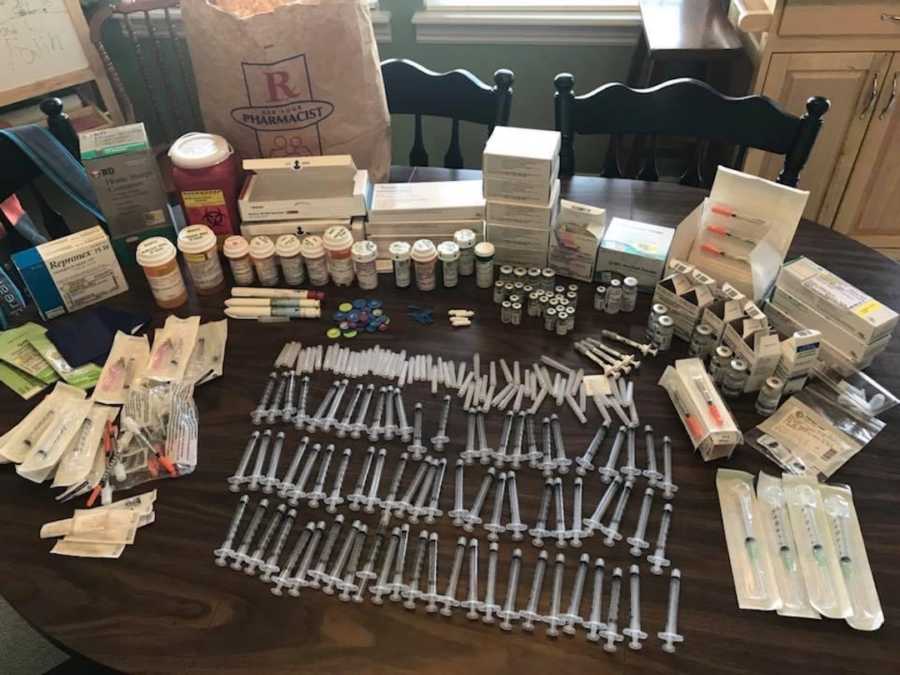
I began seeing a specialized infertility clinic and started additional rounds of medications and artificial insemination, hoping a different doctor or clinic might bring success. Every effort failed. We had exhausted nearly every option except in vitro fertilization (IVF)—a complex, expensive, and invasive process—but we knew we had to try. I focused on taking the very next step, even when the larger journey seemed overwhelming.
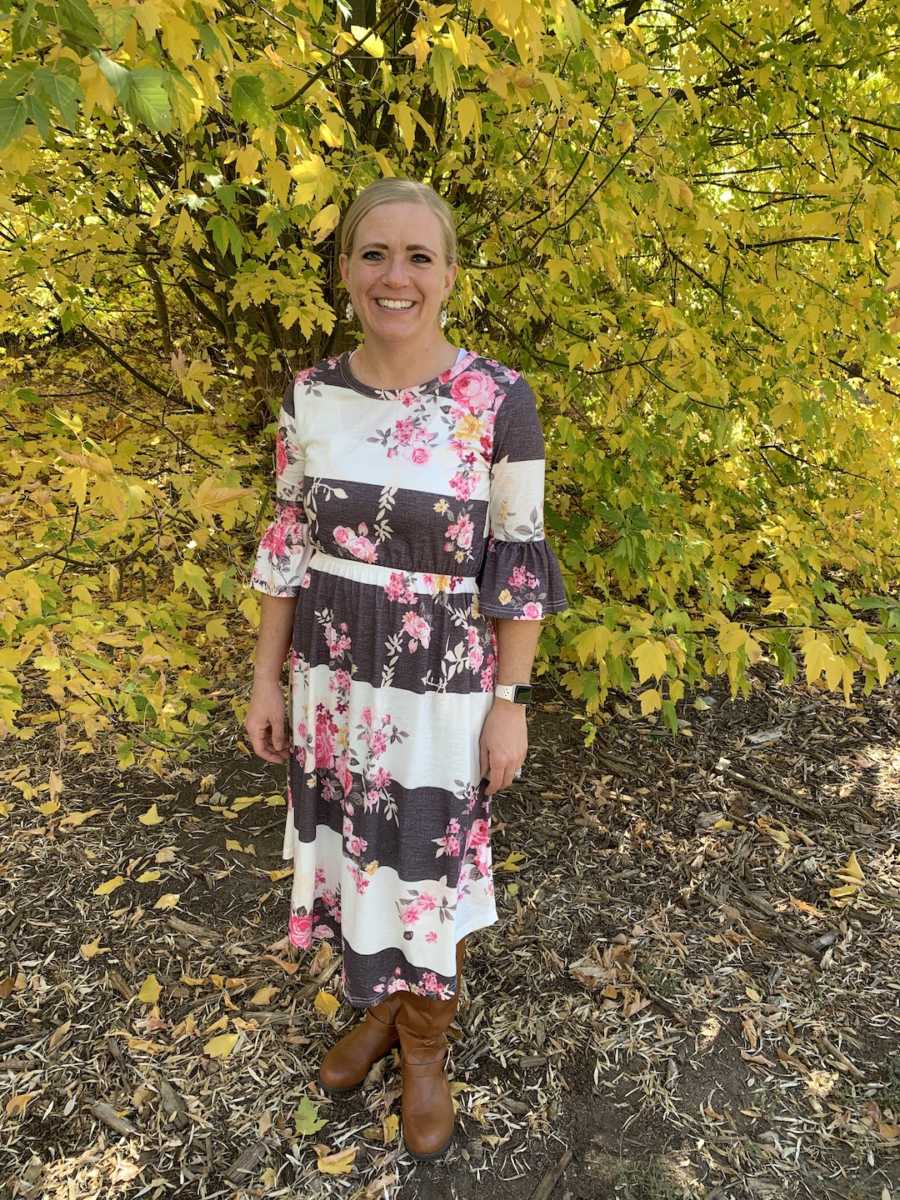
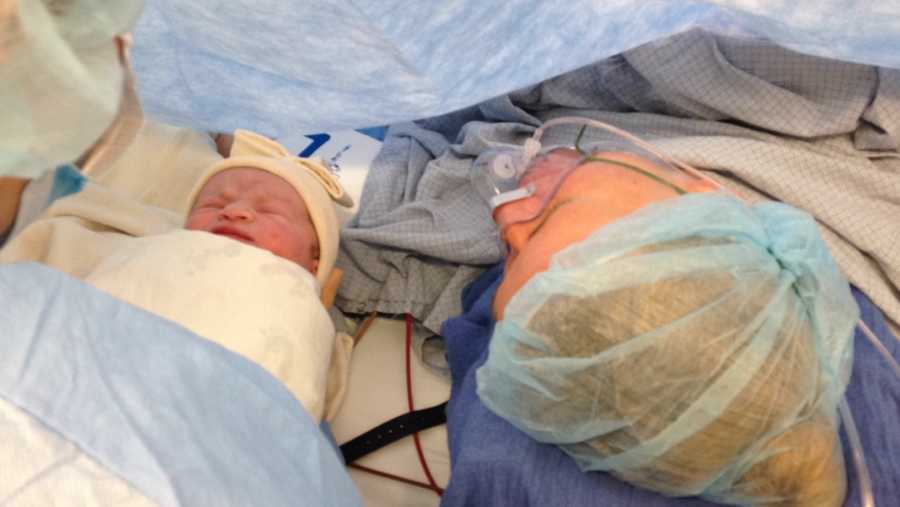
After months of medications and injections, I underwent the egg retrieval procedure. We were blessed with healthy embryos, and one was transferred to my uterus. The stimulation from the medications left my ovaries the size of softballs, leaking fluid, forcing me onto bed rest even before we knew the pregnancy had taken. When the call came confirming I was pregnant, we were overjoyed—after 22 months, we had succeeded. Early in the pregnancy, I experienced bleeding and a hemorrhage next to the baby, forcing me onto bed rest for months. Near the end, dangerously high blood pressure required an emergency c-section. But when our son arrived, it was one of the sweetest days of our lives, erasing every struggle we had endured.
A year and a half later, we tried a frozen embryo transfer for our third child. I began daily injections to prepare for the pregnancy. At first, I felt only mild discomfort, but about six weeks in, I experienced severe reactions—dizziness, trouble breathing, and a strange metallic taste after each shot. Night after night, I suffered through these allergic-like responses. Doctors were puzzled; some said it was impossible, others dismissed it as pregnancy-related. Yet stopping the injections wasn’t an option without risking the pregnancy. I endured each night, recovering slowly on the floor or in bed. Even after stopping the injections, I continued to have dizzy spells and “chemical episodes,” disorienting attacks that could last hours, leaving me exhausted and bedridden.
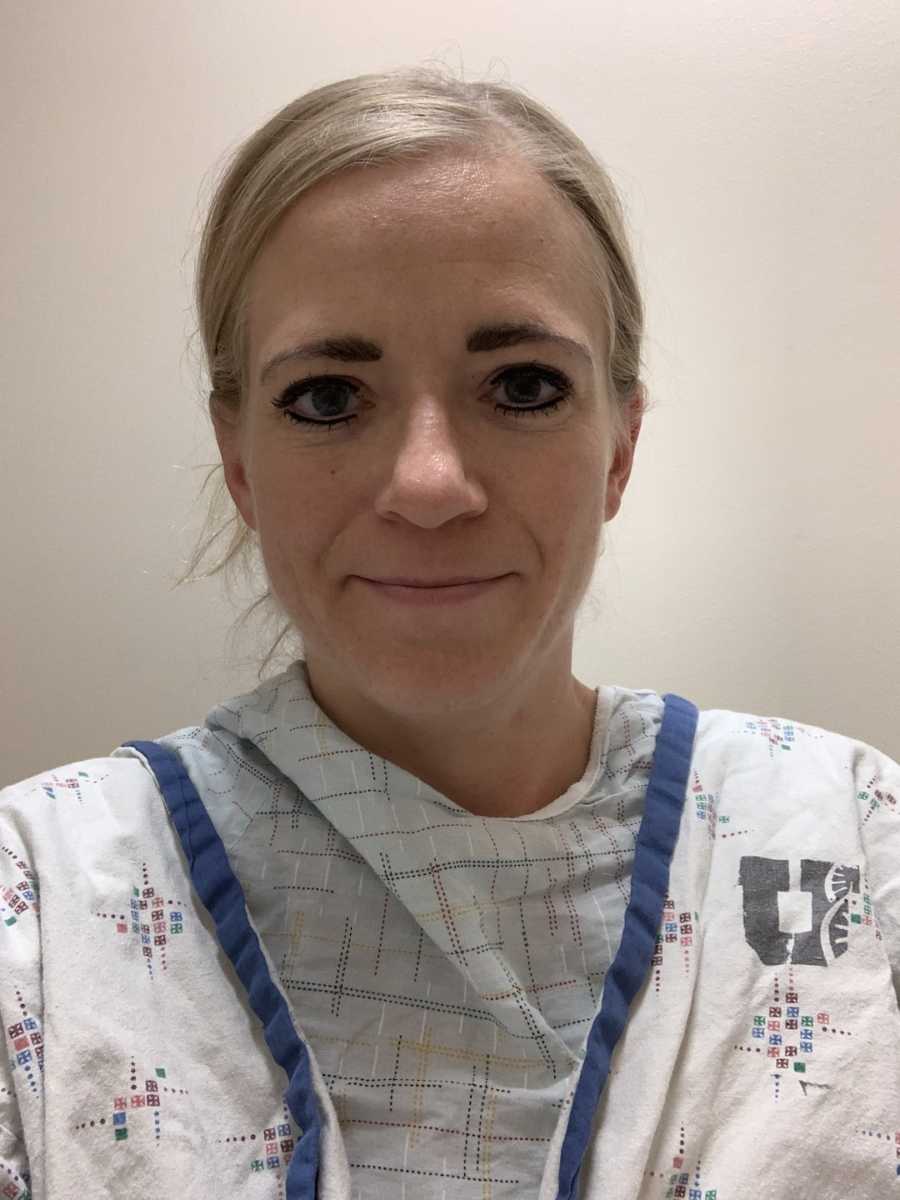
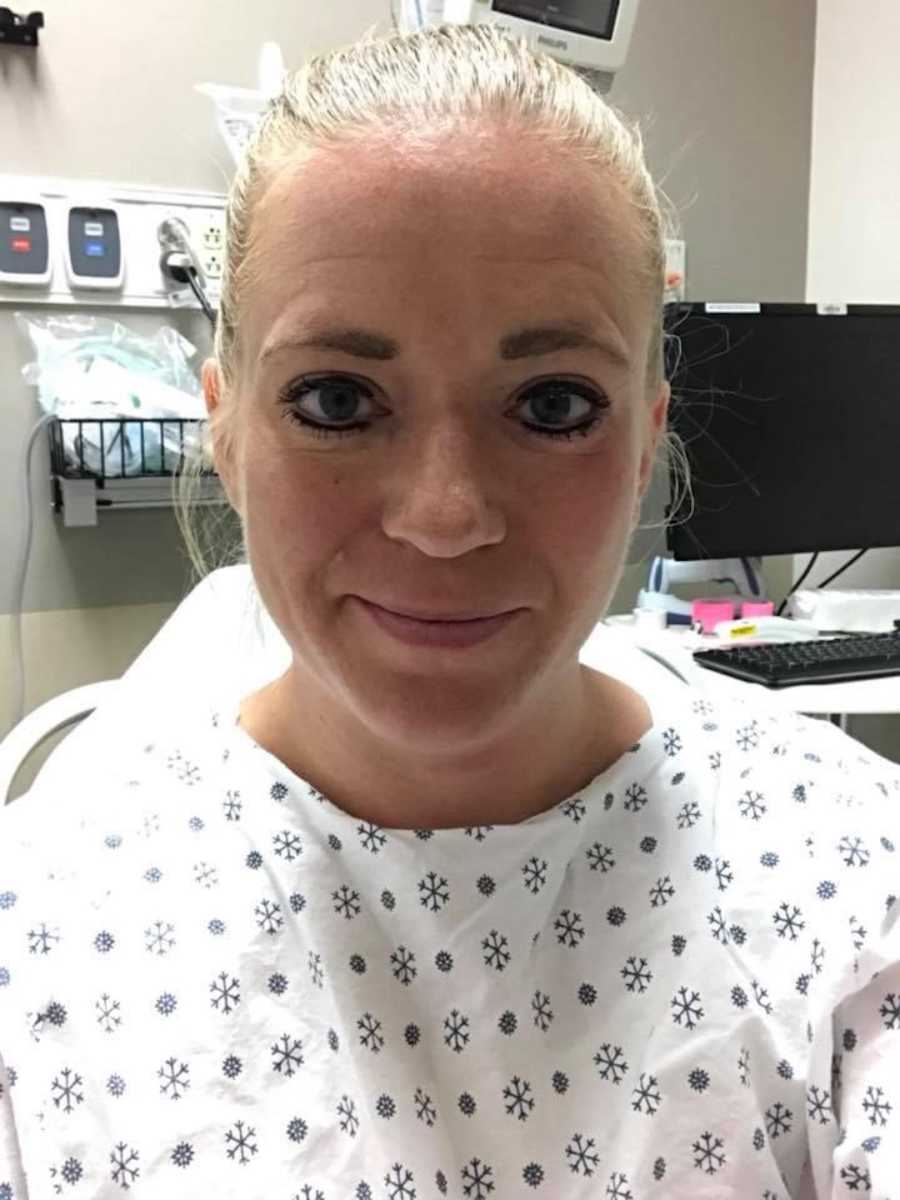
I saw numerous doctors and underwent countless tests. Some suspected it was psychological, others feared tumors. Finally, a neurologist diagnosed me with Postural Orthostatic Tachycardia Syndrome (POTS), a disorder of the autonomic nervous system causing my blood pressure to plummet and heart rate to spike whenever I stood. Relief came with having a name, but it was only the beginning. I started medications, wore compression stockings, drank electrolytes, and increased salt intake. Even so, standing, sitting, or walking became monumental challenges. I crawled through my home, spent hours on the couch or floor, and required help for basic activities. Every day was a struggle. My husband and friends became indispensable, helping me care for our children, ensuring we all survived the daily battles together.
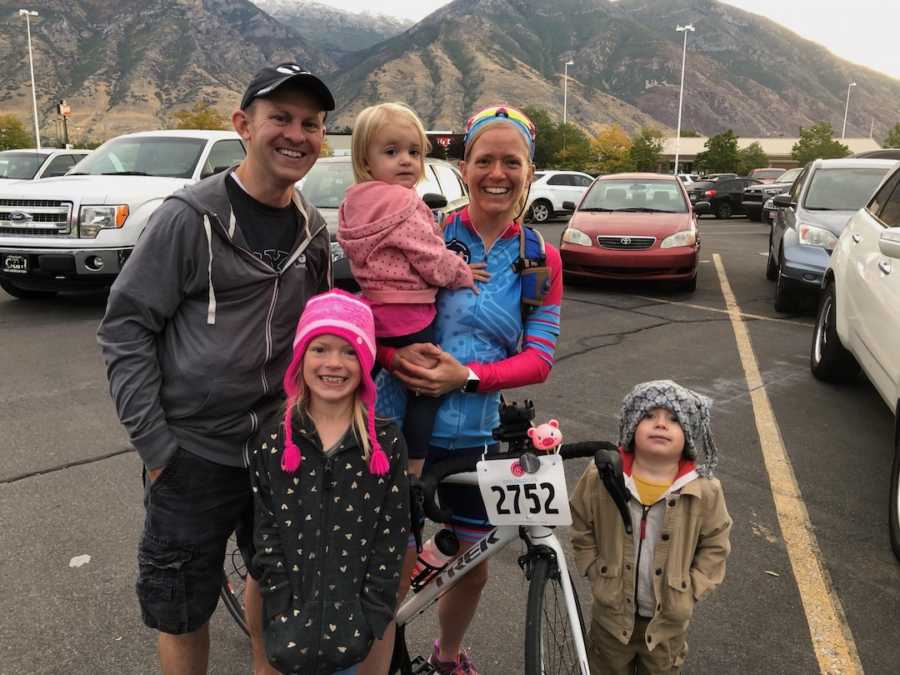
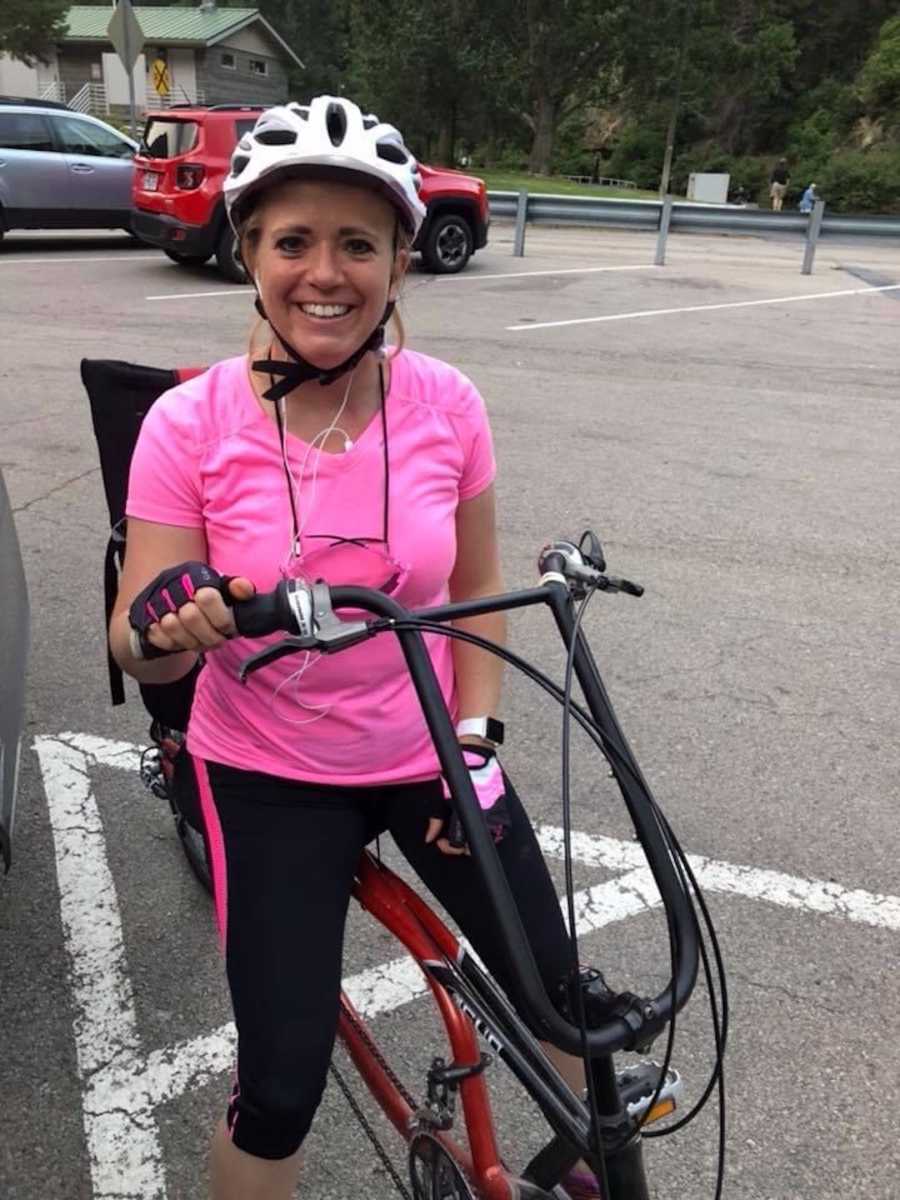
Eventually, I could venture outside with a wheelchair, and the fresh air, sunlight, and even simple sights like mountains or cows brought tears of gratitude. Slowly, I began small exercises and recumbent biking, building strength even while seven months pregnant. At first, each effort left me nearly incapacitated, but I persisted, doing what I could. My husband encouraged me to aim for a 20-mile bike race—a goal that initially seemed impossible. Yet step by step, mile by mile, I improved. A one-mile ride became three, then ten. I faced setbacks, but determination and the thrill of progress carried me forward. By race day, I completed all 20 miles, finishing last but victorious, with confidence, hope, and strength restored.
The following year, further testing revealed Mast Cell Activation Syndrome (MCAS), an overactive immune response, and possible Sjogren’s Syndrome. With medications, a medical diet, and continued biking, I regained more independence and strength. I even exceeded my expectations, biking 63 miles in a 40-mile race and logging over 4,000 miles since those early, grueling rides. I discovered my passion and reclaimed my life.
Today, we are profoundly grateful for God’s guidance, for family, and for friends who helped us navigate these challenges. Life looks different now—wheelchairs are tools for endurance, diets are strictly managed, and adventures are carefully planned—but we are thriving. We’ve also embarked on adoption to continue growing our family. The process is extensive, involving applications, background checks, interviews, and classes, but we tackle it one step at a time, confident in what we have learned: persistence, hope, and faith can make dreams come true.
To anyone on a difficult journey, know you are not alone. Keep moving forward, one day at a time, focusing on what you can do. Don’t give up. Try new directions when one path closes. Look back only to marvel at how far you’ve come—and remember, every step has been worth it.