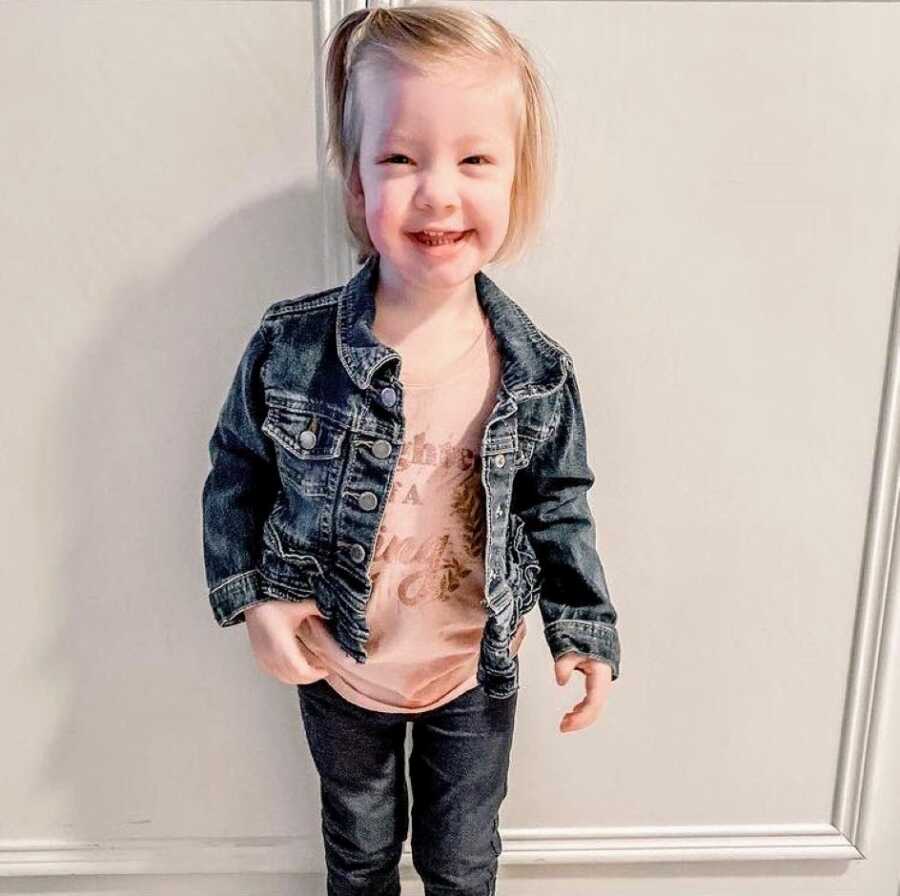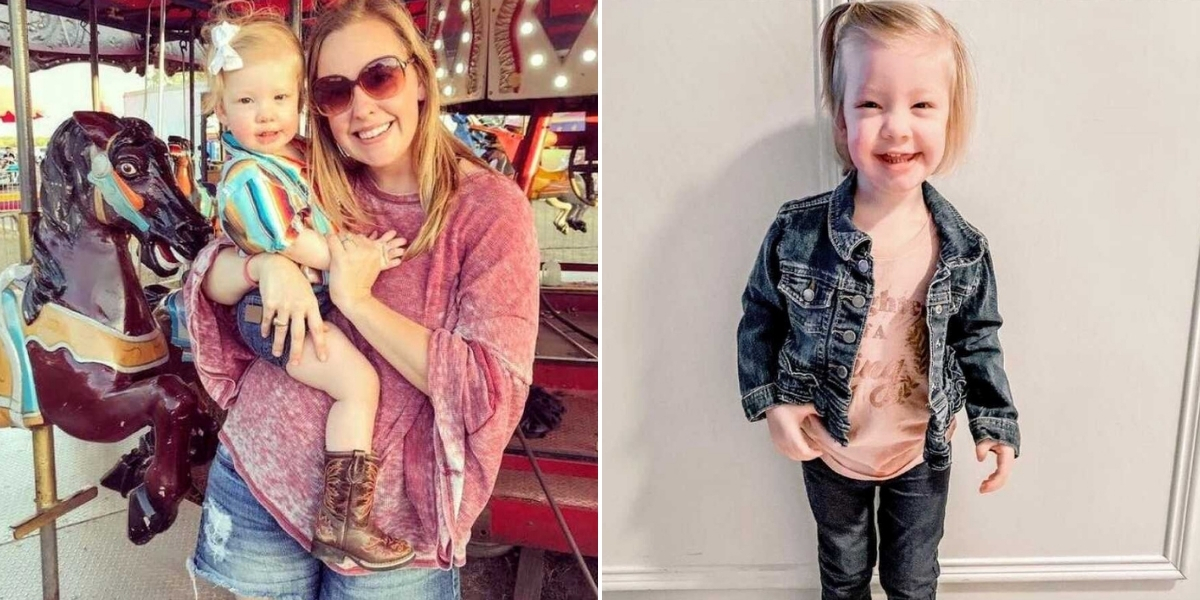
I want to take a moment to share why seeking a diagnosis for a child with suspected special needs can be so incredibly important. My daughter Charley has Coffin-Siris Syndrome (CSS), a condition considered so rare that only about 200 confirmed cases exist worldwide. Though still very uncommon, I suspect the number is higher—but because confirmation requires genetic testing, we may never truly know how many children are affected.
As a mother navigating my child’s developmental delays, I’ve noticed two types of parents: those who actively search for answers, and those who do not. Some fear putting a label on their child, some are in denial, and others simply don’t know where to begin or lack the resources.
To the parent who hesitates to seek a diagnosis because you don’t want your child labeled—I say this with all the love in the world: you might unintentionally be doing your child a disservice. I know how it feels. My own journey for answers was full of pauses and hesitations. Deep down, I didn’t want a diagnosis. I didn’t want to be “the mother of a child with special needs,” and I certainly didn’t want Charley to carry that label. I wanted to ignore it, deny it, escape it. Yet, a part of me secretly hoped for a diagnosis, because it would mean her delays weren’t my fault.
During Charley’s first year, I blamed myself for nearly everything. When she struggled to gain weight and teetered on the edge of “failure to thrive,” I thought it was because I’d tried to force breastfeeding too long. When she couldn’t bring her hands together, I blamed my swaddling. When she couldn’t crawl, I assumed I hadn’t done enough tummy time. Even her intense constipation became my responsibility. In my mind, every struggle was a reflection of my shortcomings.
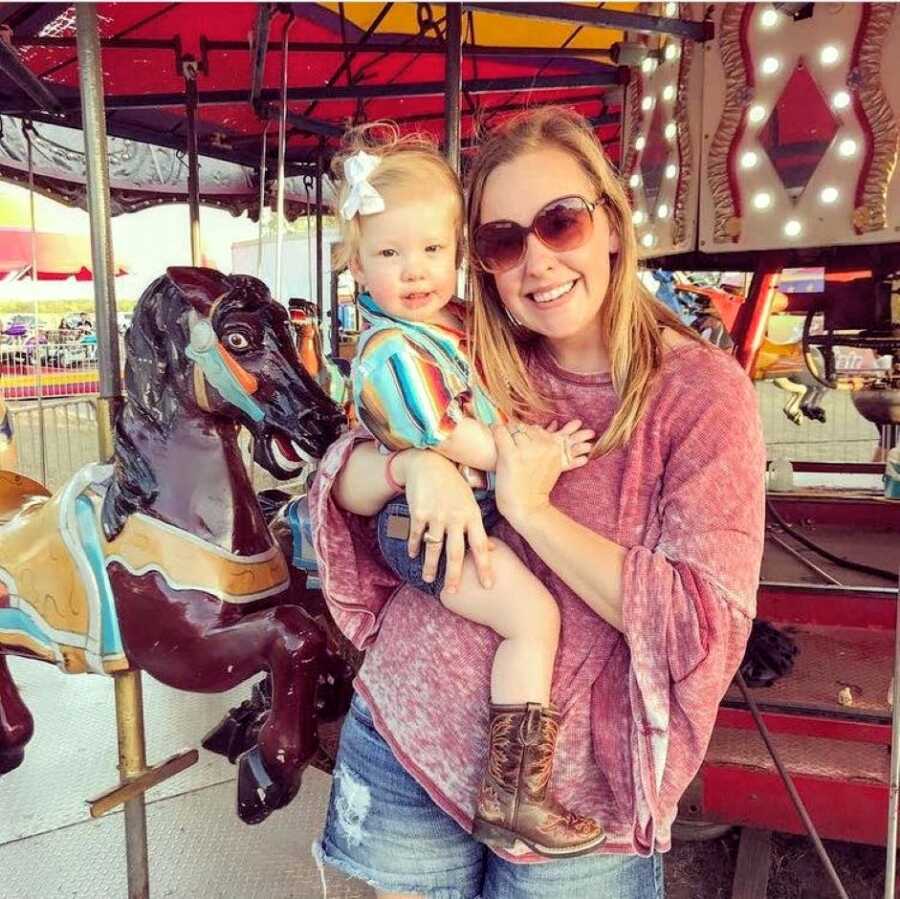
It wasn’t until after Charley’s first birthday that an occupational therapist mentioned the word “hypotonia” and asked if anyone had diagnosed her with it. When I brought it up to her pediatrician, the diagnosis was confirmed: Charley had low muscle tone. I joined a hypotonia parent support group on Facebook and learned that her global delays, chronic spit-up, and constipation were all related to hypotonia. Finally, so many questions were answered, and my weary heart found a moment of relief. I could breathe again. I was no longer solely to blame.
For a few months, I clung to the hypotonia diagnosis, assuming therapy alone would resolve her challenges. But then I discovered that hypotonia is a symptom, not a diagnosis. Our journey was far from over. I realized I needed to uncover the cause behind her low muscle tone. The thought of starting over was daunting, but I was determined—if hypotonia had already answered so many questions, imagine what clarity a true diagnosis could bring.
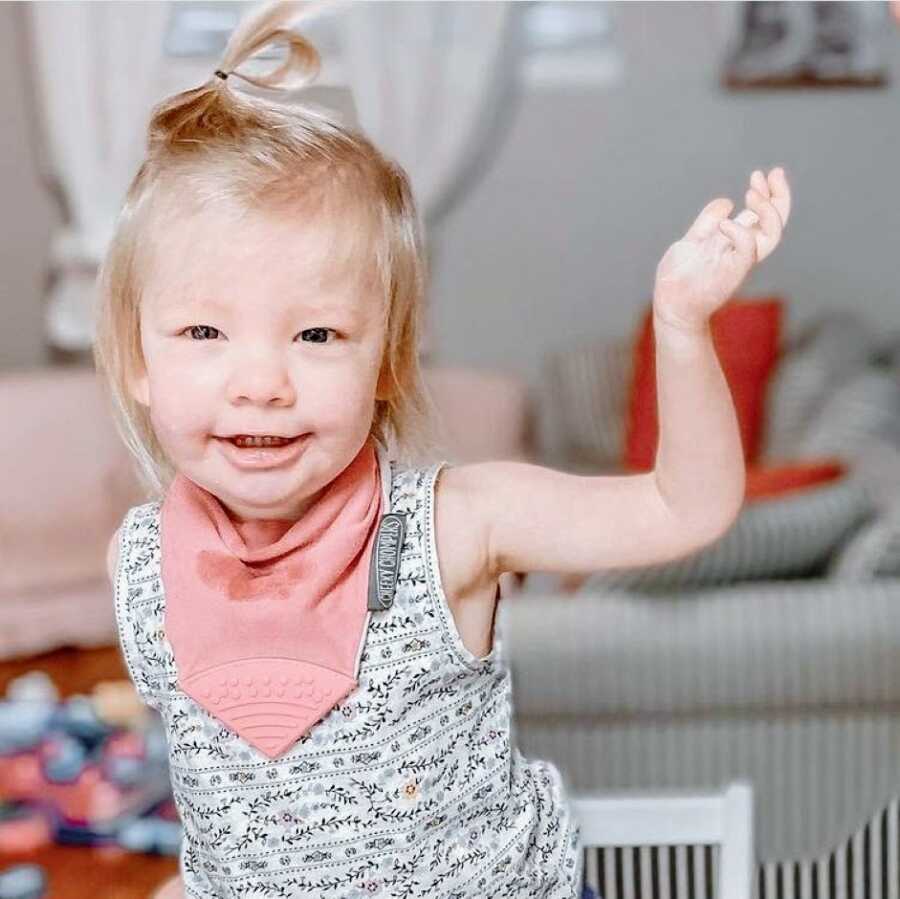
We embarked on a rigorous quest: referrals, tests, EEGs, EKGs, MRIs, CT scans, multiple rounds of genetic testing. I spent hours researching, calling labs and geneticists, navigating insurance battles, and advocating tirelessly for Charley. After a year of persistence, the third round of genetic testing finally delivered answers: Charley had Coffin-Siris Syndrome.
Receiving Charley’s diagnosis brought a mixture of grief, relief, peace, and yes—an official label. But this label opened doors we never imagined. Charley became part of a CSS registry, we attended annual CSS conferences, and connected with a supportive Facebook community full of families raising children like her. This network has been invaluable, guiding us on therapies, doctors, schooling, and life with a child who has CSS.
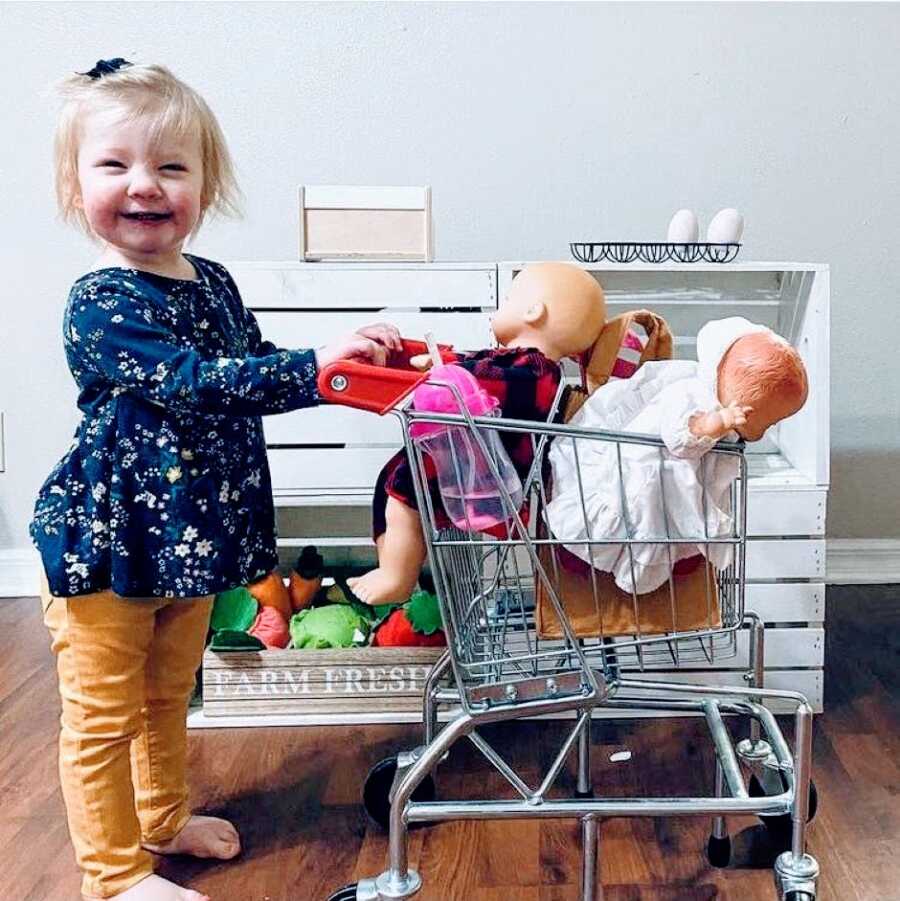
Beyond community, the diagnosis unlocked resources that genuinely improve Charley’s life. She qualifies for free healthcare, special education services, and therapies tailored to her needs. I understand the hesitation about labeling your child—I felt it myself. But a diagnosis is a blessing, worth the tears, effort, and relentless pursuit of answers.
To parents still searching for answers: keep going. Sometimes the journey takes years, and it’s okay to pause to protect your own mental health and enjoy your child. Every child, diagnosed or not, is fearfully and wonderfully made. None of this is your fault, and no label changes who your child is at their core.
If you’re unsure where to start, reach out. I would love to guide you. And to every parent raising a child who isn’t typical: you were chosen for this role. You are your child’s greatest advocate, a warrior, and a blessing. You can do this, and your love makes all the difference.