Like many, I once believed that after college, life followed a predictable path: you landed a corporate job, climbed the ladder, rode the hamster wheel for as long as you could, and one day retired with a fortune. For a while, I followed that path myself, working in the corporate world—specifically in the fashion industry. Traveling to Asia multiple times a year was thrilling at first, but the excitement wore off quickly. When my husband and I decided to try for children, I discovered that getting pregnant wasn’t as simple as it seemed on TV or in the movies. I had dreamed of becoming a mother since I was a little girl, and the reality of struggling to conceive was a bitter pill to swallow.
Month after month, nothing happened.
I had been warned in my twenties by my GYN that endometriosis could make conception difficult. At 22, that warning felt distant, almost irrelevant. But now, it played over and over in my mind like a cruel refrain. I couldn’t help but feel like I was failing—not just myself, but my husband, too. I began withdrawing from friends, especially those who were pregnant. Self-pity became my constant companion until, after a visit with my doctor, she suggested we see a fertility specialist.
Though I knew friends and family who had navigated infertility, I didn’t truly understand the process. I felt isolated, as if no one could grasp the magnitude of the emotional and physical journey ahead. Yet, hearing the success stories of those who had persevered reignited hope in me. If they could succeed, so could I.
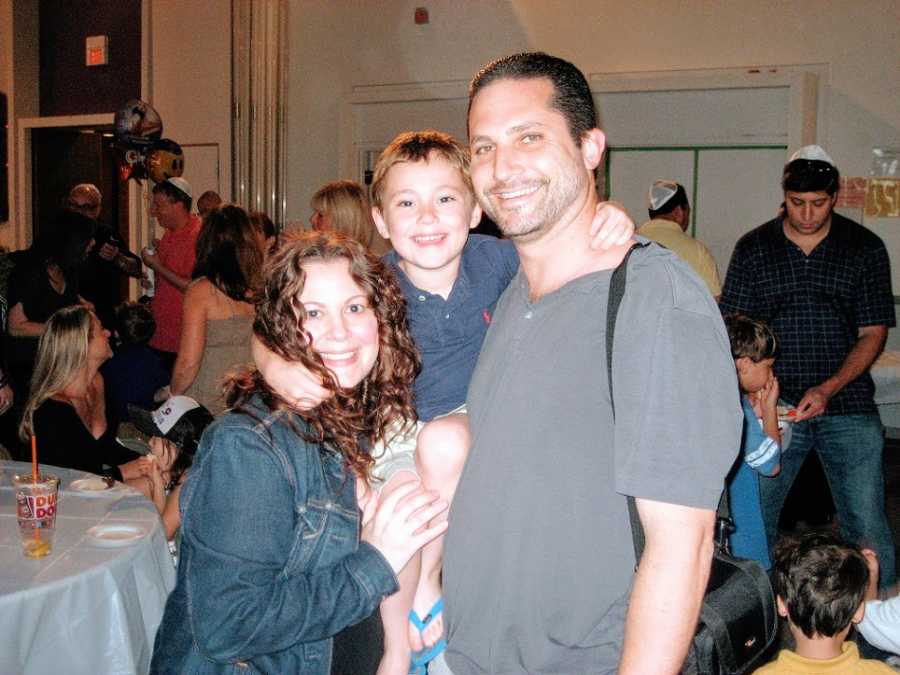
I’m grateful to say that on our first IVF attempt, we conceived, and we even had extra embryos frozen for the future.
When our son turned one, we began IVF again for baby number two. The second round brought a strange mix of familiarity and dread. Each two-week-wait left my heart racing, hope and fear tangled together. I still remember the ache when the call came confirming I wasn’t pregnant. It was a crushing blow.
What followed were cycles of hope and heartbreak—some canceled, many unsuccessful, and five ending in miscarriage. The journey stretched over four grueling years, cost nearly $200,000, and required 15 cycles before we finally celebrated a viable pregnancy. Early ultrasounds revealed we were expecting twins, and suddenly, the dream we had longed for felt within reach.
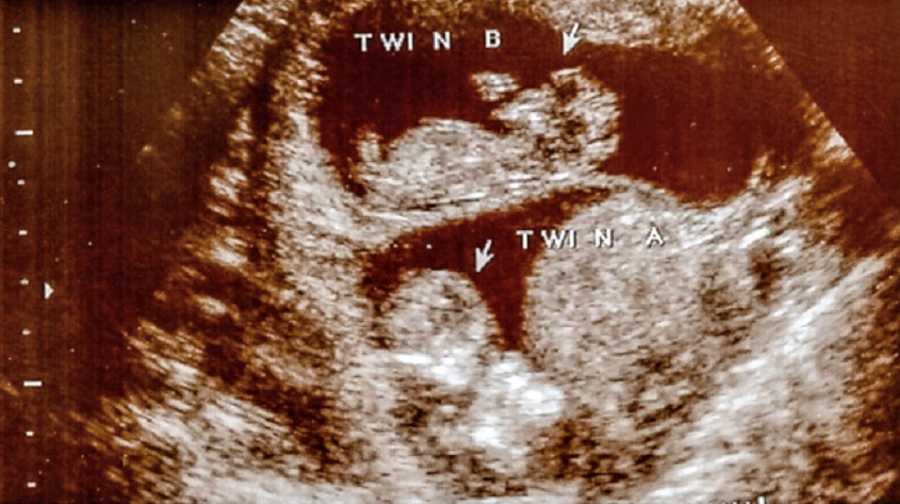
Carrying twins was an emotional whirlwind. Each ultrasound brought a rush of joy, and I savored every moment of my long-awaited pregnancy. I tried not to obsess over every ache or twinge, aware that the stakes were higher than ever. Life felt miraculous, fragile, and immeasurably precious.
At 16 weeks, a routine ultrasound raised concerns about my cervix. While the radiologist recommended bed rest, my MFM reassured me I could continue life as usual—even enjoy a long-planned vacation to the island where my husband and I first met. We decided to go, eager to share our special place with our four-year-old son.
But that joy turned into panic the first evening when I began bleeding heavily. The journey to medical care was chaotic: a police station, a boat ride to land, and a small, ill-equipped hospital. The fear was overwhelming. Updates from my MFM came in sporadically as I faced the grim reality: my cervix was opening prematurely, and I had developed sepsis. My only thought was protecting my babies, even if it meant risking my own life.
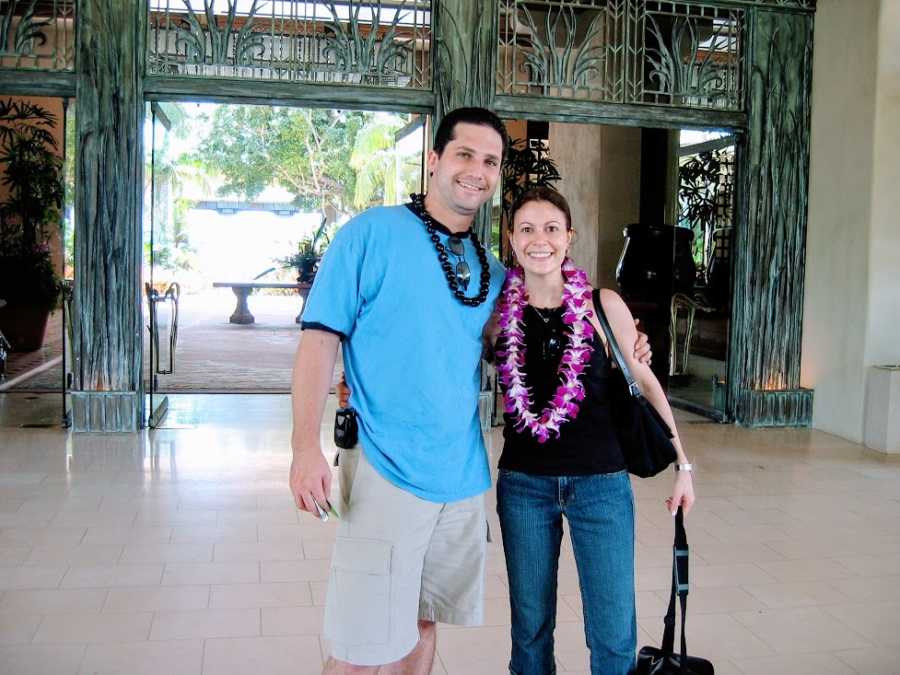
By morning, an ambulance transported me hours away to a hospital better equipped for the emergency. My water broke en route, forcing me into an unplanned delivery. There was no time to learn the babies’ sexes—a detail I had cherished imagining—but at that moment, survival was all that mattered.
Due to an immune condition, I was on blood thinners and couldn’t have an epidural. General anesthesia was necessary. Waking afterward, I braced myself for the worst, trying to delay facing reality. A nurse delivered the devastating news: Baby A could not survive, but Baby B was still alive. Alef, our son, was delivered safely, and remarkably, my cervix stabilized immediately. The emptiness left by his loss was profound, but Baby B—our sunrise baby—lived because Alef’s sacrifice saved her.
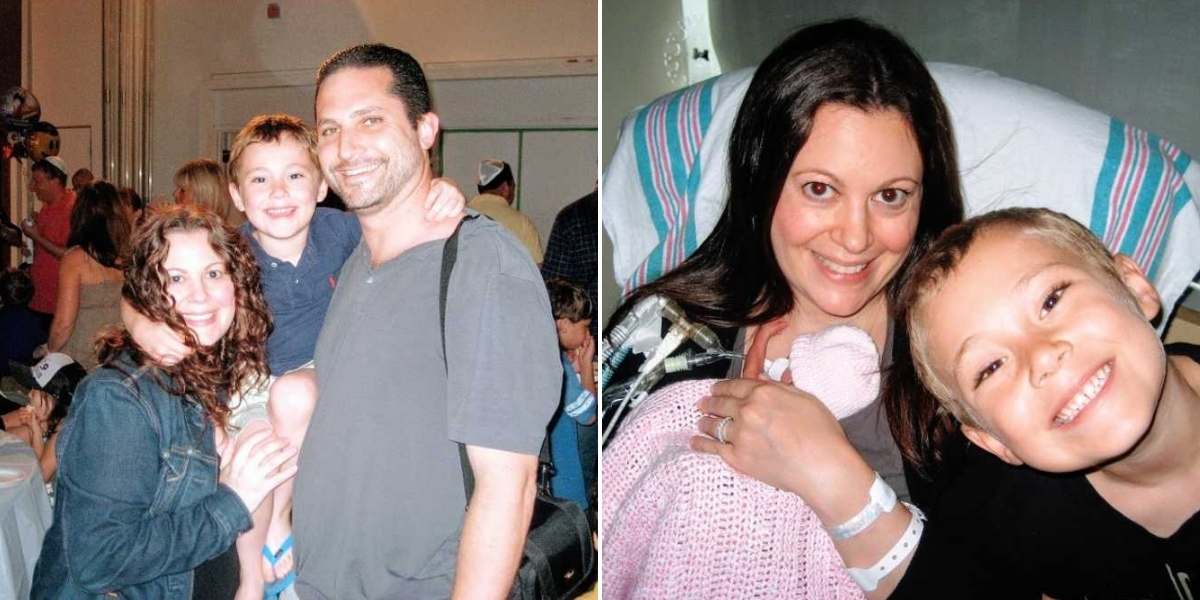
Holding Alef wasn’t possible in the moment. I requested only pictures and a satin memory box. It was a decision born of necessity, one I still grieve but understand as part of the path life set before me. Alef, our rainbow baby, became a sunset, while Baby B became our sunrise.
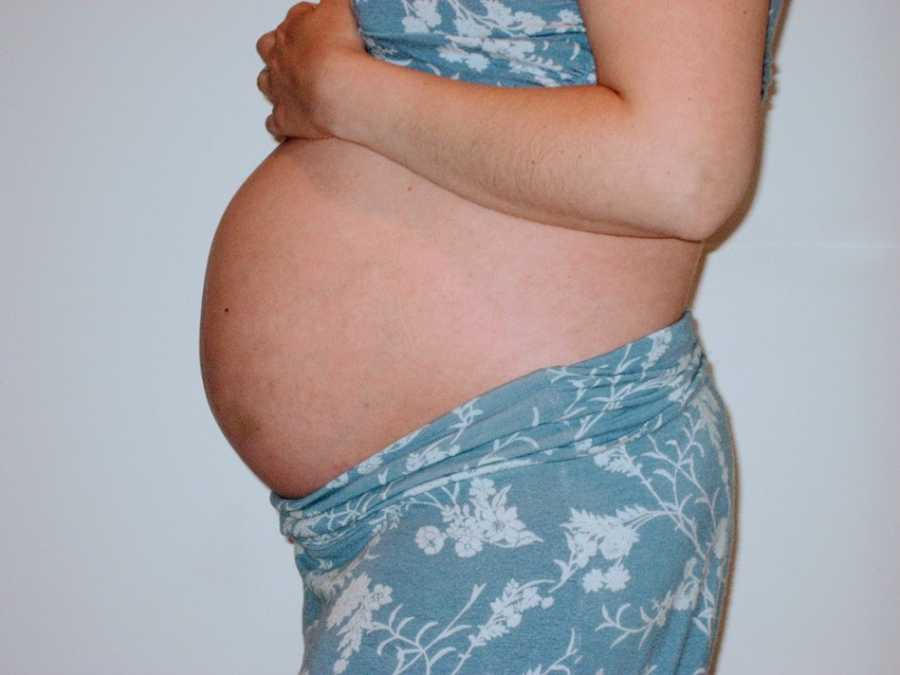
The weeks that followed were spent on strict bed rest in the hospital. My days blurred into a routine of constant monitoring, medical devices, infrequent showers, and loving visits. Every small milestone was a victory, and after a few weeks, a cerclage was placed to help prevent further premature labor—a step I wish had been taken sooner.
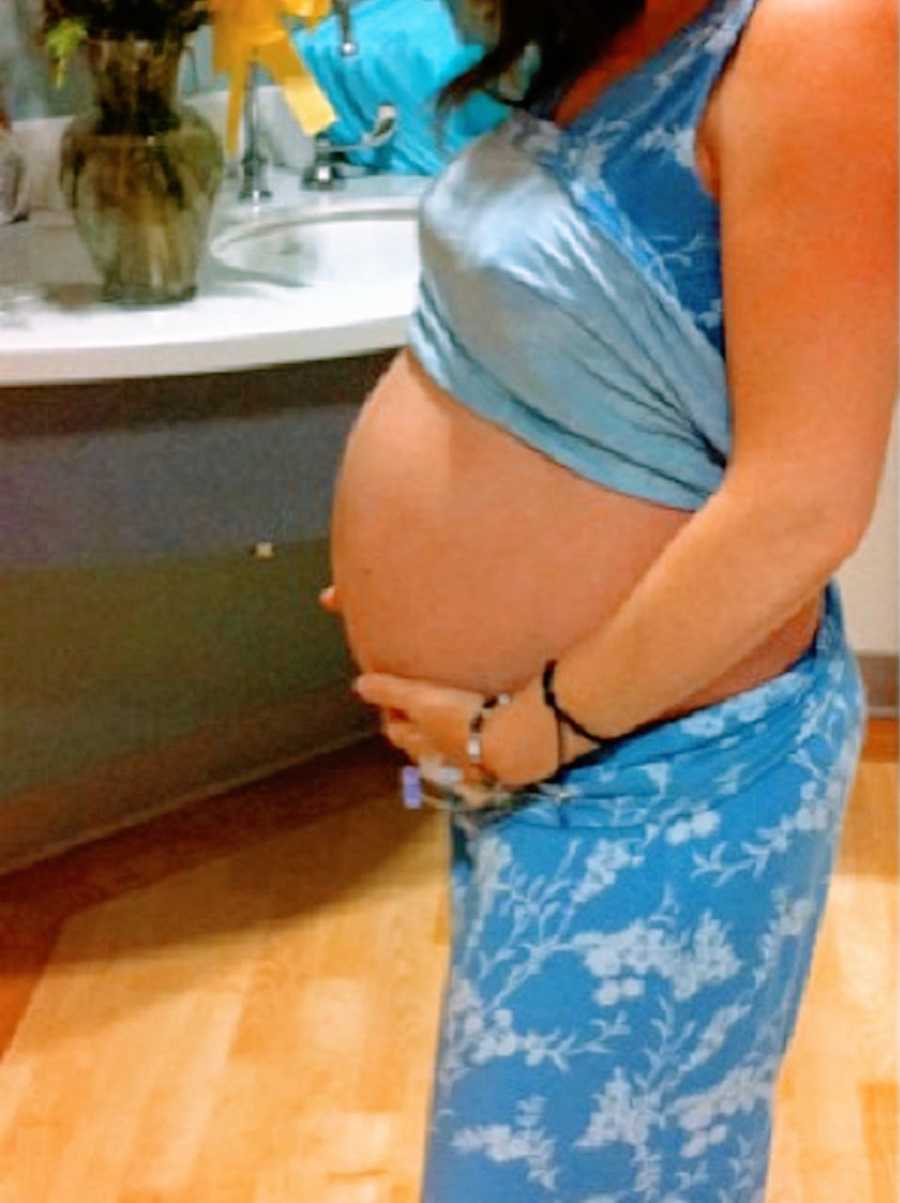
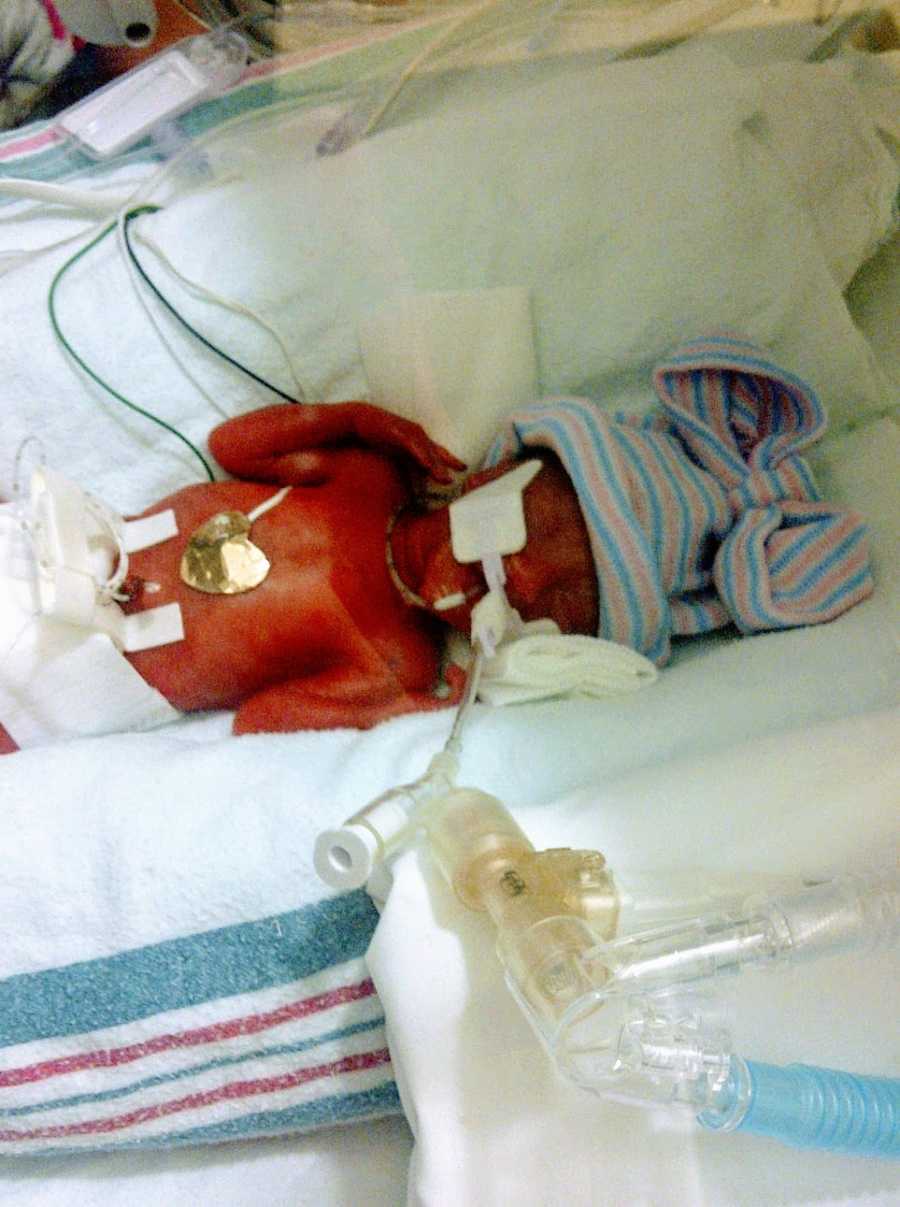
At 23.4 weeks, another scare hit. My water began leaking, and I faced a second emergency. Steroids, magnesium treatments, and constant vigilance followed. On that Sunday, with the risk of losing my baby ever-present, the unimaginable happened: labor began. In the rush to the OR, I called out for help, fear and hope colliding.
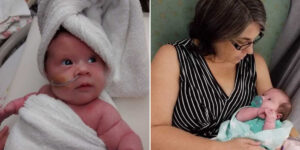
I woke in recovery, disoriented, and learned our daughter, Olive, had been born. We didn’t know her size or condition at first, but the NICU team reassured us. Born extremely prematurely, with a less than 5% survival chance, Olive defied the odds and came home 135 days later, healthy and strong.
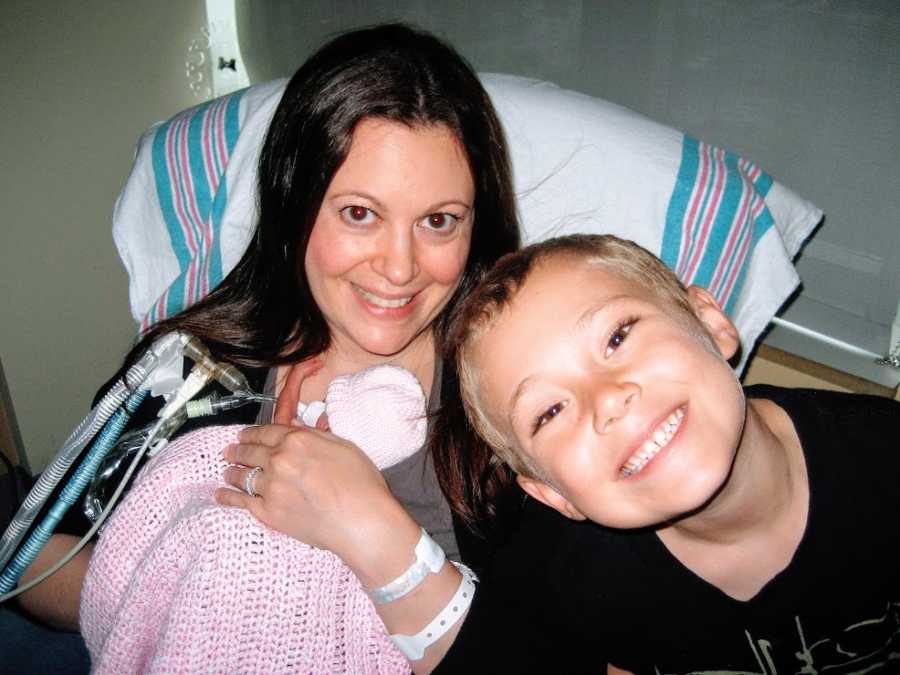
Our journey was marked by loss, fear, and uncertainty, but it was also defined by resilience, love, and the miracle of life. Today, we hold our precious children close, forever aware of the fragility of each moment and grateful for the extraordinary story that brought them to us.