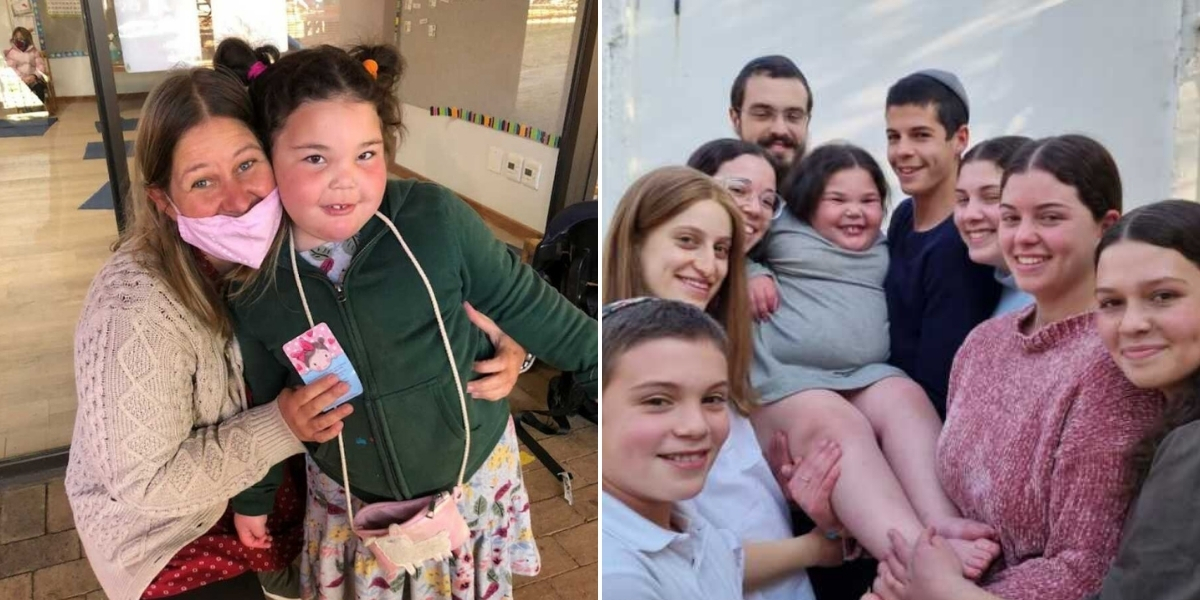
Everything had changed forever, and we had no idea.
Wednesday, December 7th, 2016, began like any other summer day in Johannesburg. The sky stretched wide and blue, the scent of jasmine clung to the warm air, and rolling blackouts meant we had no electricity at home. It was the last day of school, and Naomi, my wife, and I had met with the high school principal before collecting our children to head home. We expected nothing more than a lazy, ordinary afternoon.
Our twelve-year-old son came home proudly carrying an autographed school shirt—a small but joyful symbol of the end of his tumultuous elementary school journey. That, we thought, would be the highlight of the day.
Without electricity, there was no computer, so I settled into some paperwork at my office across the street.
Less than twenty minutes later, everything changed.
Our sixteen-year-old daughter burst through the door, eyes wide, voice shaking: “Something’s wrong with Shaina! You need to come home!”
Crisis mode kicked in immediately. I raced across the street, heart pounding but mind sharp, ready to act.
The scene at home was chilling. Naomi sat on the front step, her face pale and terrified, and in her arms, Shaina lay stiff, her small body rigid. Her face was flushed crimson, her lips tinged blue. She was breathing—sort of—rapid, shallow gasps that seemed completely erratic.
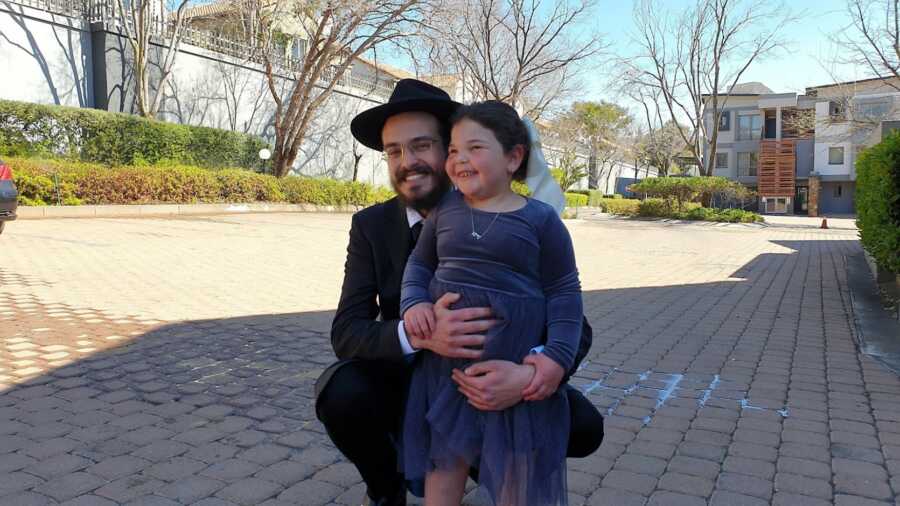
I grabbed her from Naomi’s arms, turning her face down, pounding her back, thrusting upward against her diaphragm. Nothing. Naomi, struggling to stay calm, was on the phone with emergency dispatch, urging them to hurry. Our younger children hovered anxiously in the background. I shouted for someone to hold the gate open for the paramedics.
I thought Shaina was choking, but my attempts had done nothing. Naomi tried to clear her mouth, but Shaina bit down hard on her finger. She was fitting.
Minutes dragged on—five, though it felt like hours—before the first responders screeched into the driveway. Almost immediately, more arrived. They dove in, checking vitals, attaching ECG leads, measuring blood pressure, testing glucose. Within moments, our dining room had transformed into a flashing, beeping casualty ward.
I kept my head as they cut her petite pink dress to monitor her vital signs, as they struggled to start an IV, as the lead paramedic barked orders with a tone that betrayed his unease. I only lost control when they brought in the defibrillator.
Thank G-d it wasn’t used. But hearing them say, as they loaded her into the ambulance, “Your daughter is in a very serious condition,” was gut-wrenching. It was code for: we have no idea what’s going on.
Shaina’s seizure had lasted over an hour. A seizure becomes life-threatening after fifteen minutes. Over the next eighteen months, we would endure a series of these bizarre, terrifying episodes.
It wasn’t until her neurologist began controlling the seizures with medication that we could finally breathe again. But the relief was partial. Shaina barely spoke, was unsteady on her feet, and still wasn’t toilet trained. For years, we had attributed her developmental delays to her being born seven weeks premature, but her doctor wasn’t convinced. A thorough investigation began.
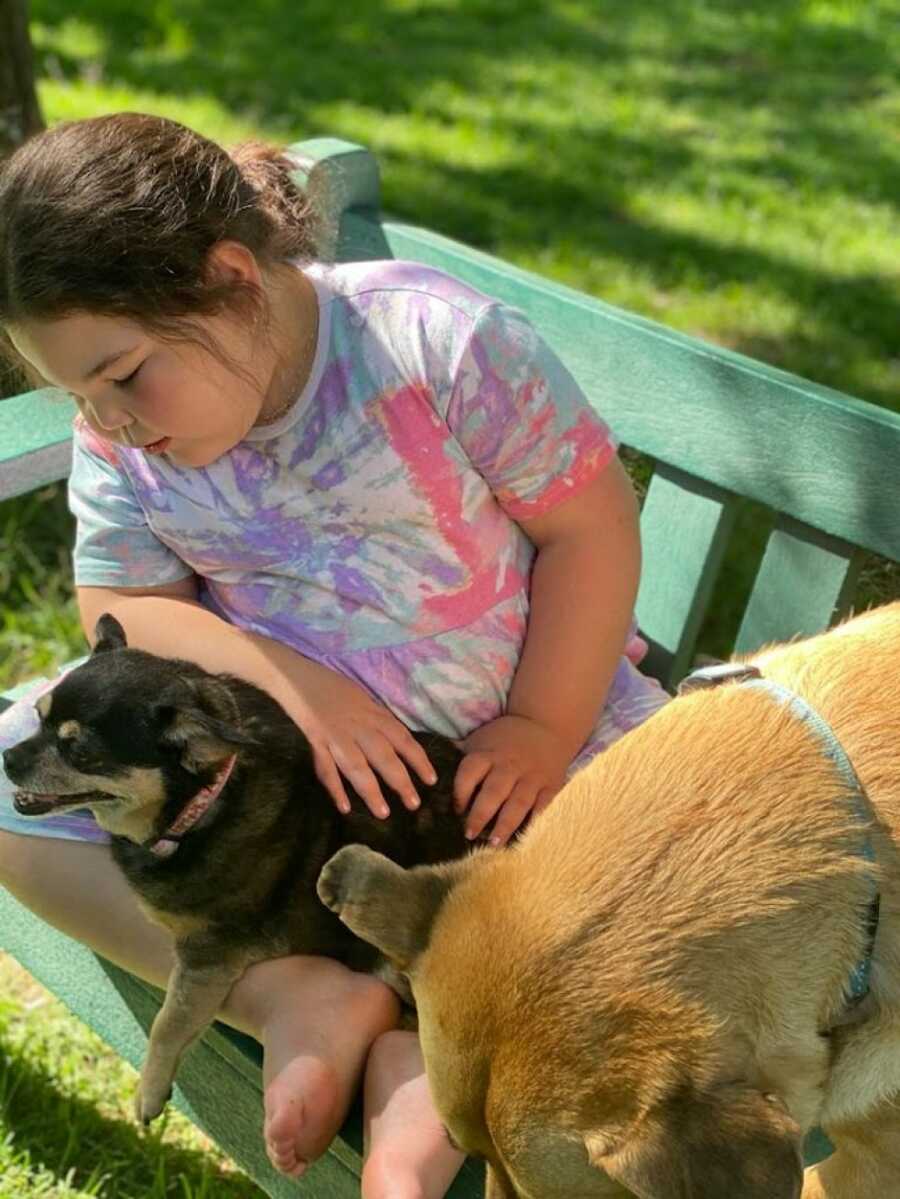
The answer, when it came, was devastating. Blood samples sent to the United States revealed that Shaina had BPAN—Beta-propeller Protein-associated Neurodegeneration. Our neurologist had never encountered it. Our trusted pediatrician couldn’t explain it. Shaina would be South Africa’s first, and so far only, diagnosed case.
BPAN had only been discovered in 2012. Researchers are still learning about it. There is no treatment, no cure. In BPAN, the brain cannot clean up after itself, leading to iron accumulation that interferes with normal function. Children with BPAN often have severe developmental delays, are mostly non-verbal, and eventually regress, showing symptoms similar to Parkinson’s and Alzheimer’s.
We were devastated. Covid lockdowns gave us a small window to regroup, to process the enormity of Shaina’s condition. But very early on, we made a conscious decision: we would define Shaina not by BPAN, but by the light of her personality.
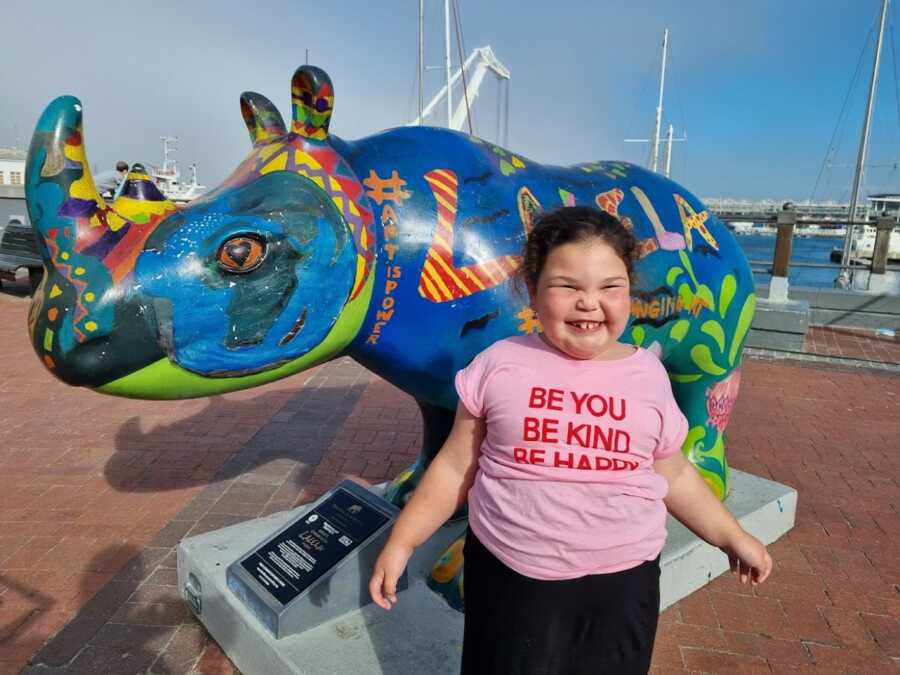
Shaina is radiant. She is a child who brings smiles to every person she meets. Though she speaks very little, her charm and joy are magnetic. People naturally gravitate toward her, drawn to her warmth. She seems to instinctively know who needs a little sunshine in their life.
We noticed how she would walk into a flower shop and leave with a bouquet gifted to her by strangers. People vie for her attention wherever she goes. Slowly, we realized that Shaina has come into the world to spread kindness.
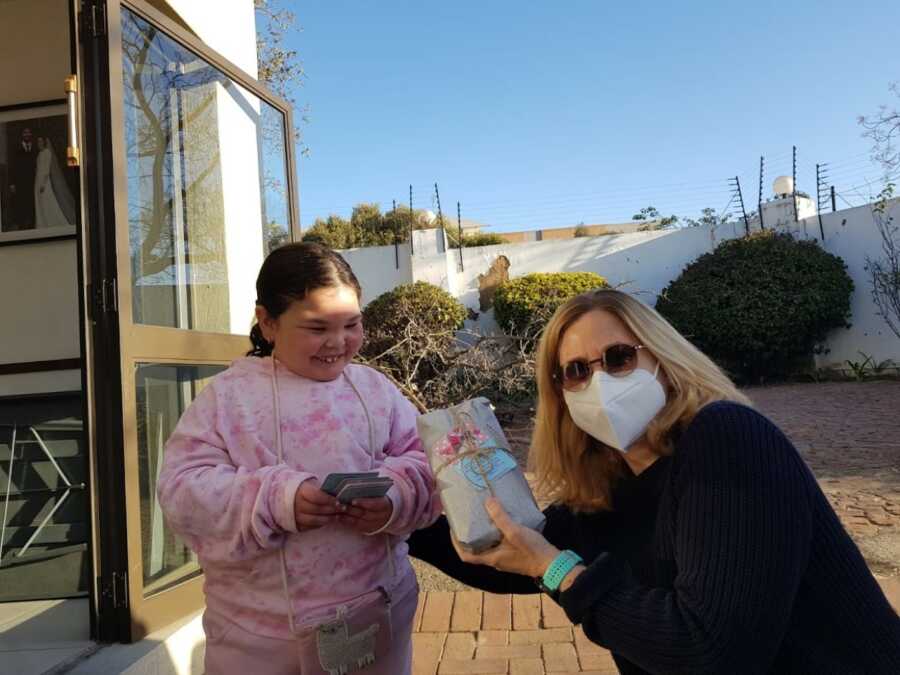
To help her communicate this, we created cards she could hand out. When people approached her, and she didn’t answer, we noticed their awkwardness. The cards say: “Hi, my name is Shaina, and I’m a super-rare kid because I have a super-rare condition called BPAN. Thank you for being kind to me. Please pay it forward and share kindness with someone else.” We call them “kindness coupons.” Shaina delights in giving them, and the responses have been heartwarming beyond measure.
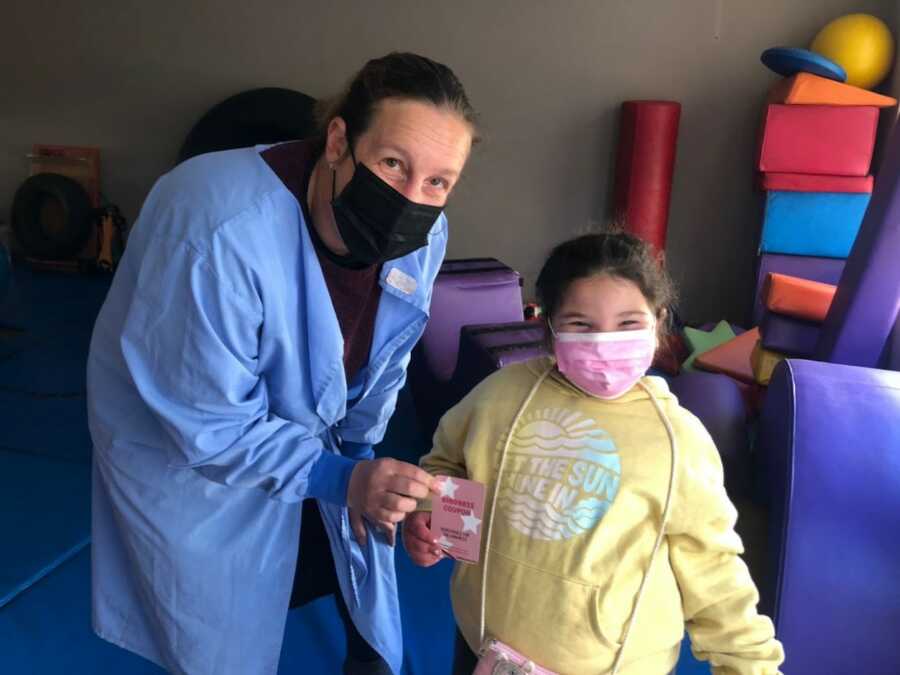
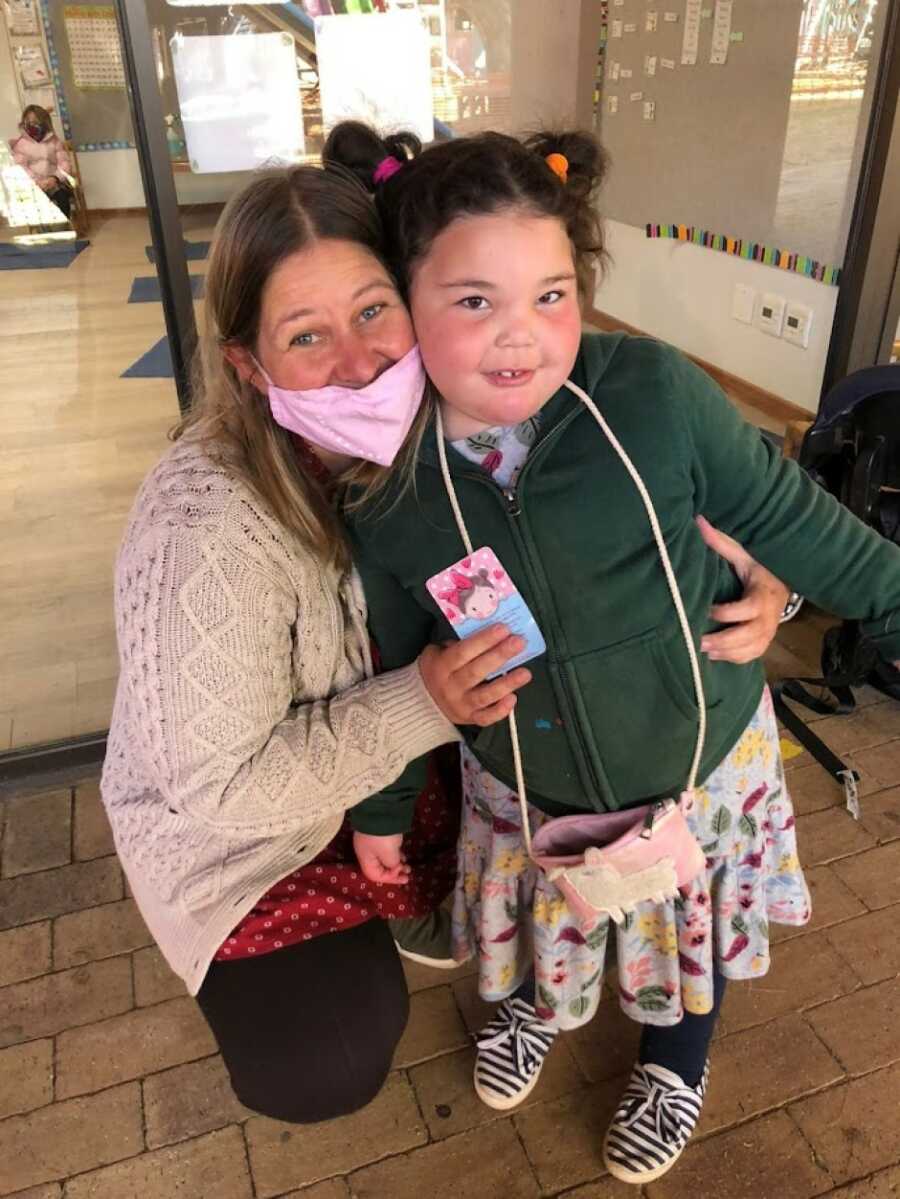
Recently, we expanded the campaign. A new set of cards reads: “Hi, I’ve been inspired by a super-rare kid called Shaina…” encouraging the recipient to spread kindness. We named the initiative #akinderworldnow, a nod to both children and a better, kinder world. Despite the challenges of Covid, Shaina shared over 5,000 cards at schools, hospitals, on airplanes, and with strangers, doctors, and first responders. Her campaign even appeared on national TV.
BPAN remains challenging. Shaina requires constant medical attention. She struggles to sleep, often refuses food, and cannot articulate when she feels unwell. She sees her peers progress through school while she remains behind. Yet, every day, we feel blessed. Shaina lights up our home, her hugs are legendary, and her joy is infectious. Her school, doctors, carers, and community adore her. She is treated like a hero wherever she goes.
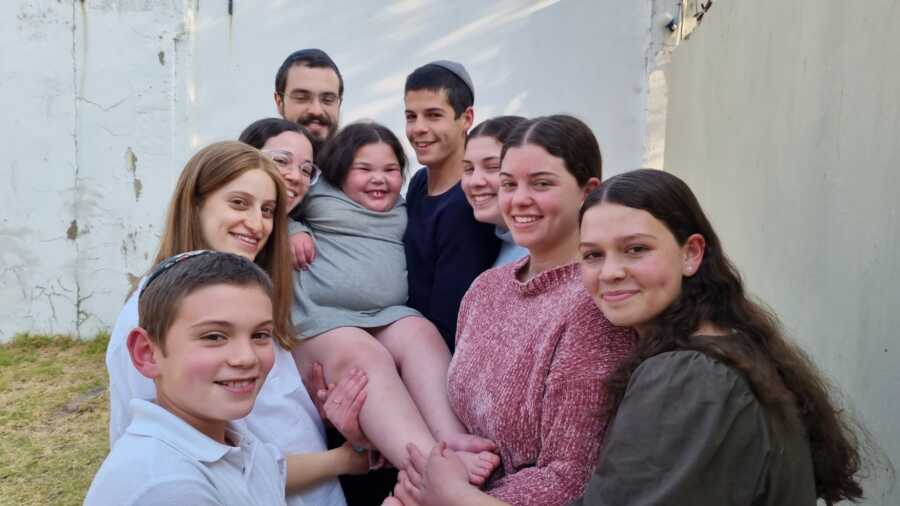
When we first learned of her diagnosis, we feared a life of suffering. But Shaina lives a life of love, joy, and purpose. She dances through life, sings the wrong lyrics at the top of her lungs, laughs uncontrollably, and spreads happiness wherever she goes. She revels in the limelight her condition has brought, proudly showing off her painted nails and mischievous grin.
Shaina is our teacher. Her spirit and indiscriminate love remind us every day that she truly lives up to her name—Shaina Brocha, a beautiful blessing. We are privileged to share our lives with such a unique soul, whose presence inspires kindness, joy, and hope in everyone she meets.