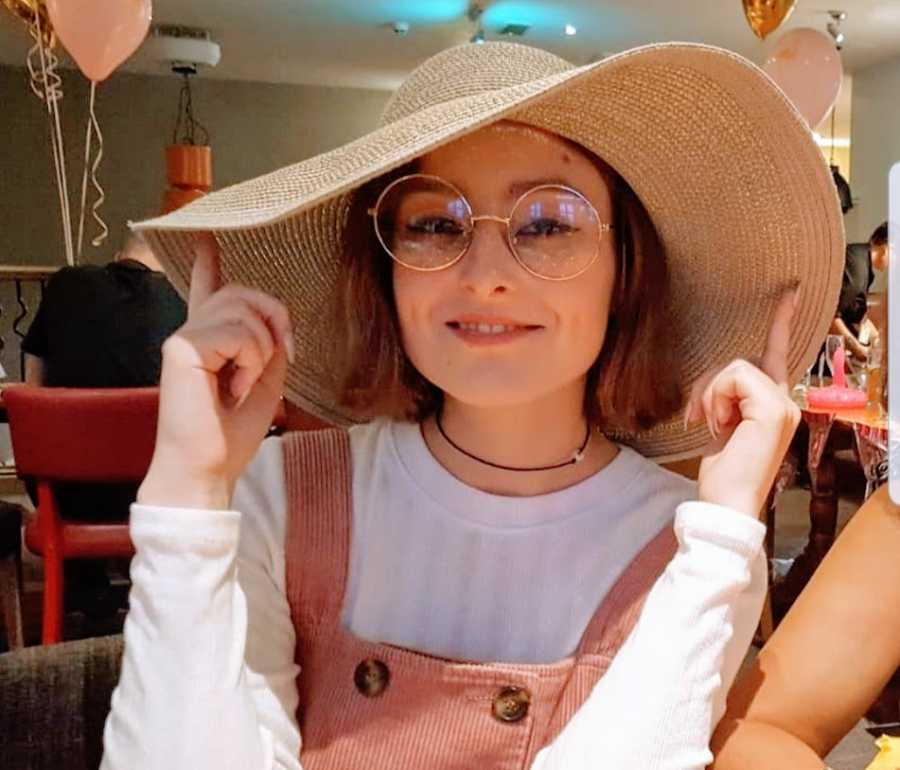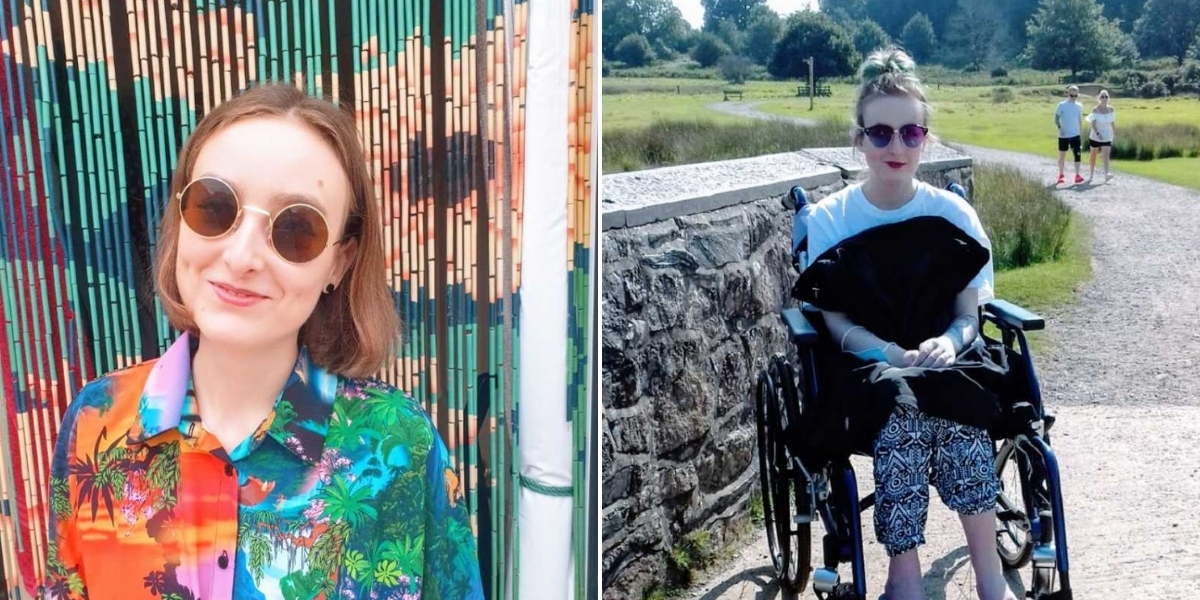
I have Rheumatoid Arthritis, though it was originally diagnosed as Juvenile Idiopathic Arthritis when I was just 11 years old. Juvenile/Rheumatoid Arthritis is an autoimmune disease, which means the body mistakes its own cells and tissues for foreign invaders. Normally, the immune system fights off harmful substances like viruses and bacteria, but in this case, it attacks healthy cells instead. This leads to inflammation around the joints and can even affect organs if left untreated. There’s no known reason why it happens—it’s completely random.
I remember waking up one morning, ready to go to school, and suddenly realizing I couldn’t put one of my legs down. My ankle was swollen, and after a series of tests, I was diagnosed with JIA. My treatment began with an aggressive dose of steroids, which were necessary but completely changed my appearance. At school, I endured cruel comments about how I looked, and over time, I had to give up all the physical activities I loved—PE classes, walking to and from school, and extracurriculars—simply because my body couldn’t handle them anymore. Losing these activities also meant losing a lot of friends, leaving me isolated. Feeling left out and alone became a theme in my life, something I’ve realized is unfortunately common for people living with a disability.
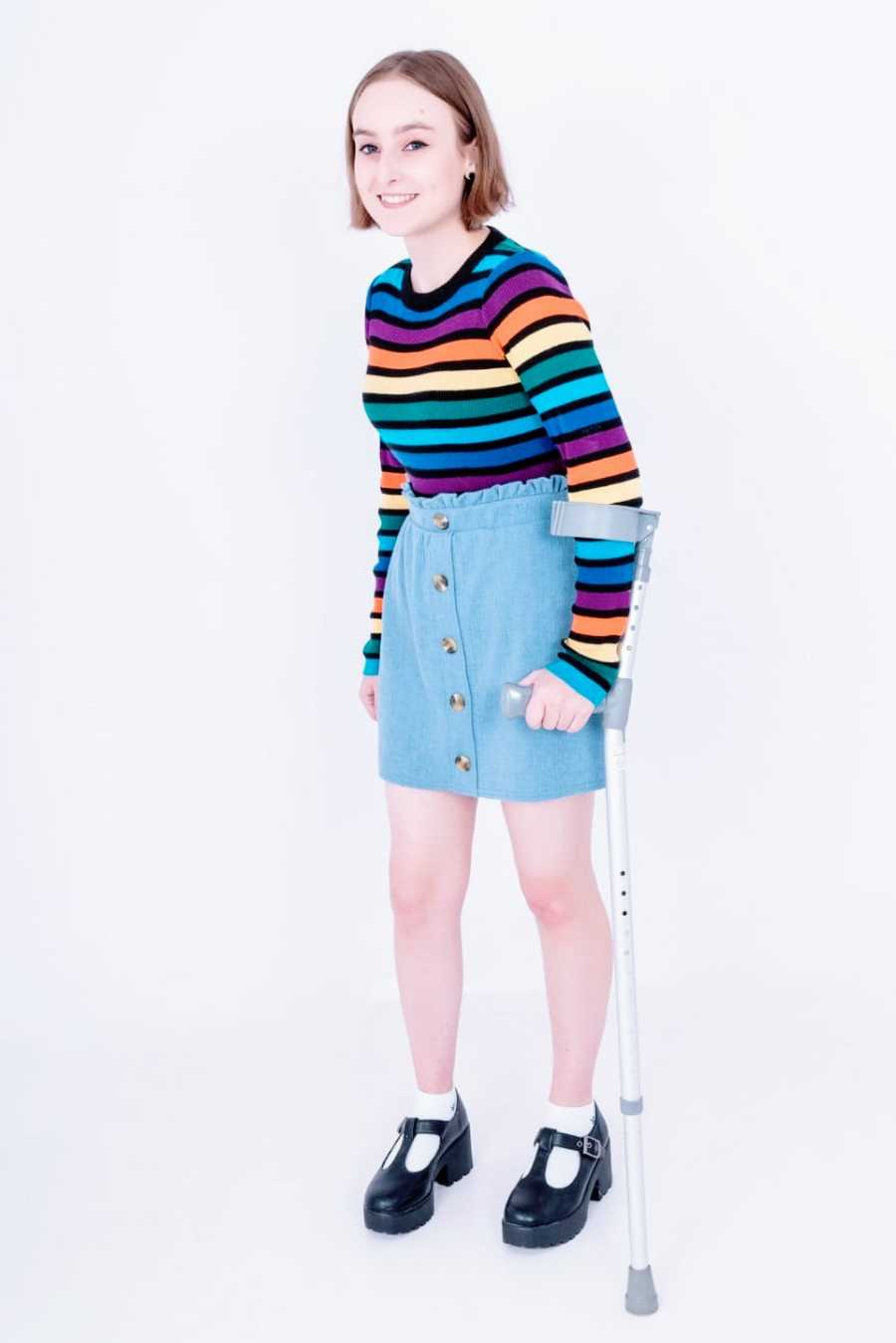
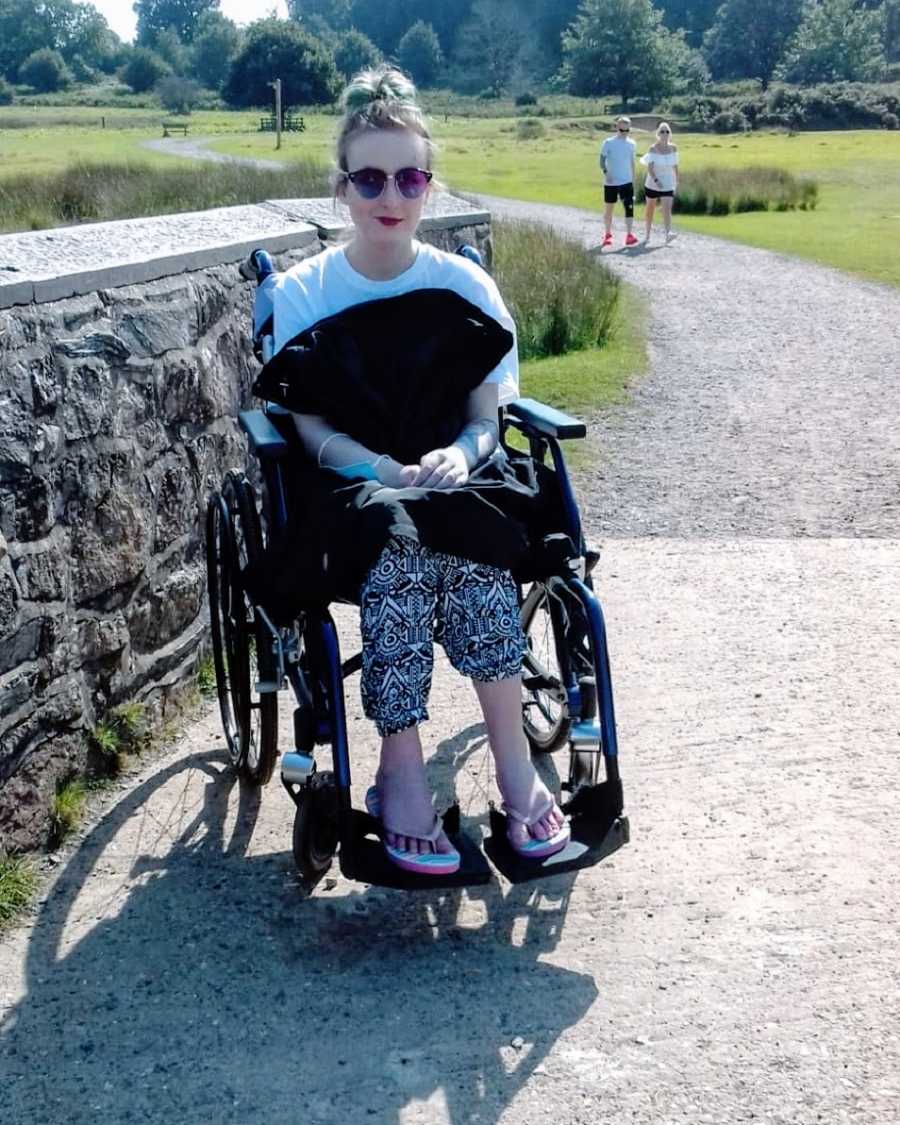
Eventually, the arthritis spread beyond my ankles to my knees, hips, and elbows. I am now awaiting a hip replacement. Doctors often tell kids diagnosed with JIA that there’s a 70/30 chance they’ll “grow out of it” by adulthood. Unfortunately, I fell into the 30% who didn’t. I now manage my condition with regular self-administered injections, alongside ongoing steroid injections I’ve been receiving since diagnosis. Some days are better than others—on good days, I can walk a bit with crutches, but without my injections, I wouldn’t be able to move at all. Most outings require my wheelchair, though I try to remain as independent as possible.
The truth is, my disability touches every part of my life. I’ve lived with it for 12 years now, and while I’ve adapted to not doing many of the things my peers can, I still feel the isolation. I was passionate about dance when I was younger and even dreamed of becoming a performer. Giving that up was incredibly difficult, and it took years to come to terms with redirecting my energy toward activities I could still enjoy—though I’m still discovering what those are. One thing I do love is acting, which allows me to express myself in ways my body sometimes cannot.
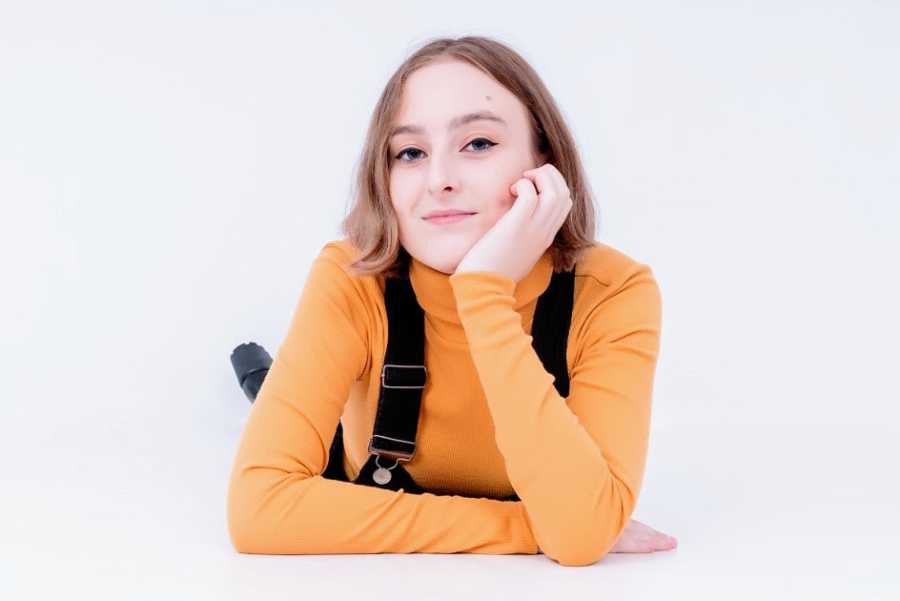
Alongside the physical challenges, I’ve also struggled with my mental health—depression, anxiety, and OCD. These challenges largely stem from losing control over my body and, at times, my life. Simple social activities or everyday outings can be difficult, which makes rare moments of joy, like a day out to the fair, feel even more precious.
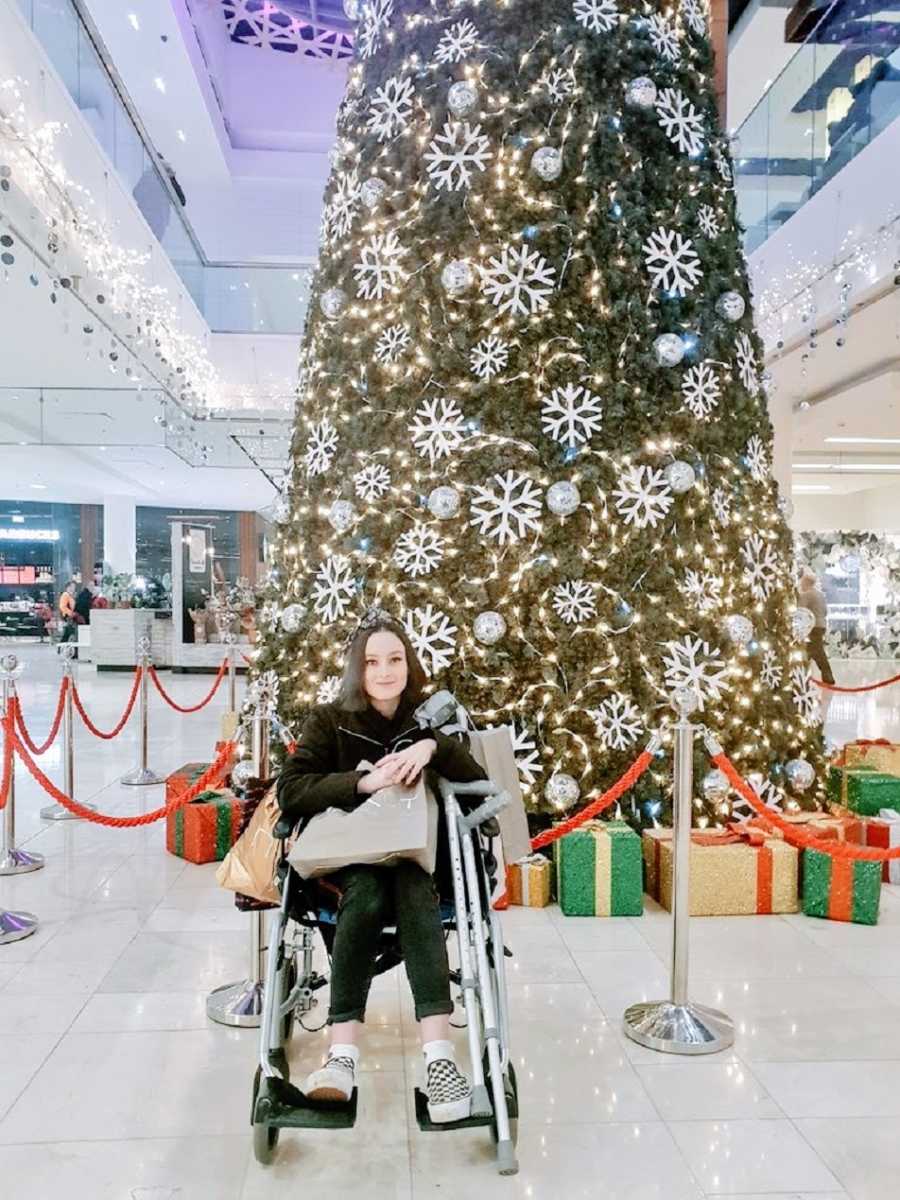
Accessibility is always a consideration. Before I had my wheelchair, I relied on a fold-up chair to sit in lines because I couldn’t stand for long. Now, my wheelchair makes navigating spaces easier, though crowded places can still feel overwhelming and intimidating. Being disabled often means feeling left behind—metaphorically and literally—especially when you see others moving effortlessly around you.
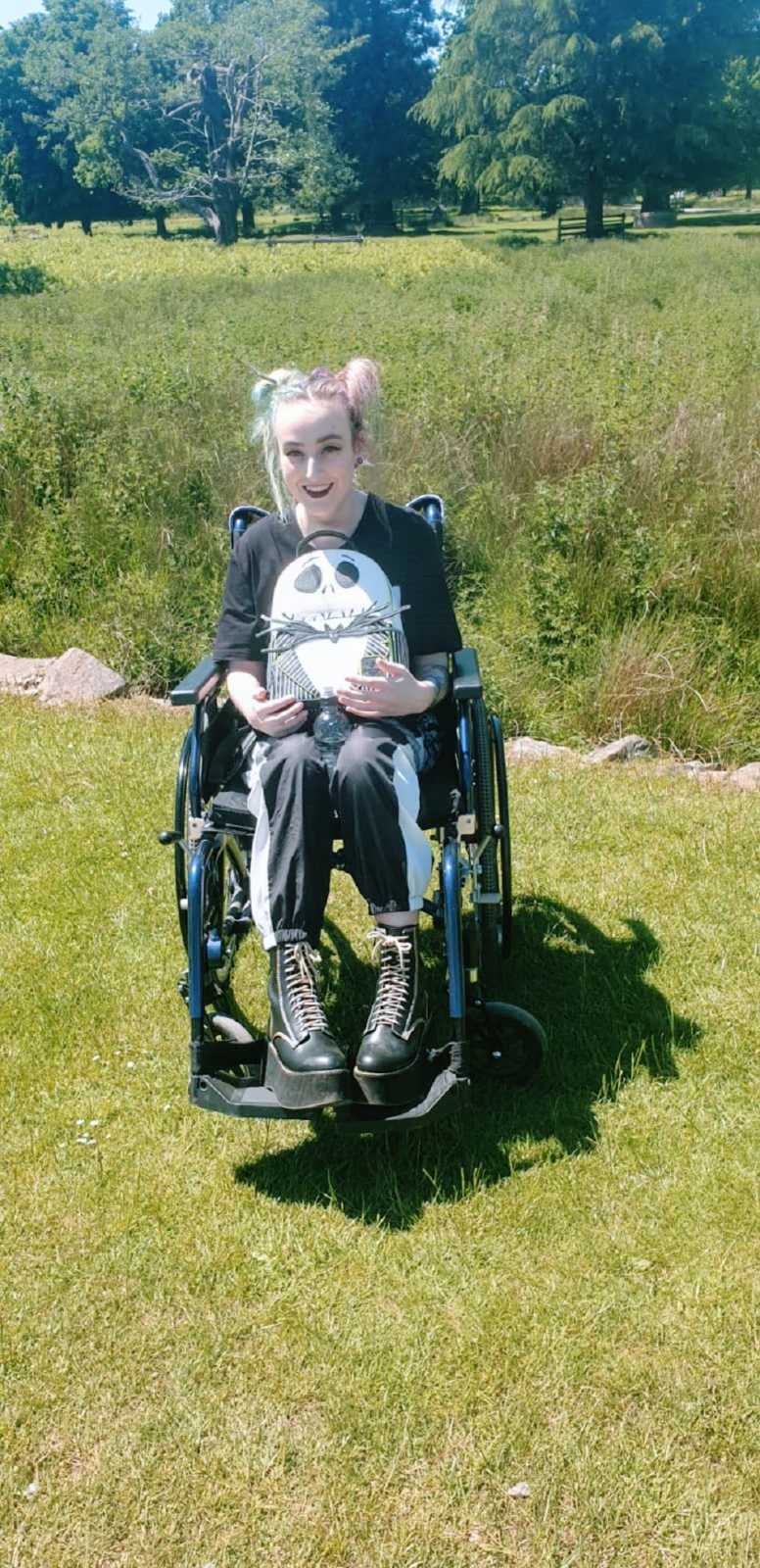
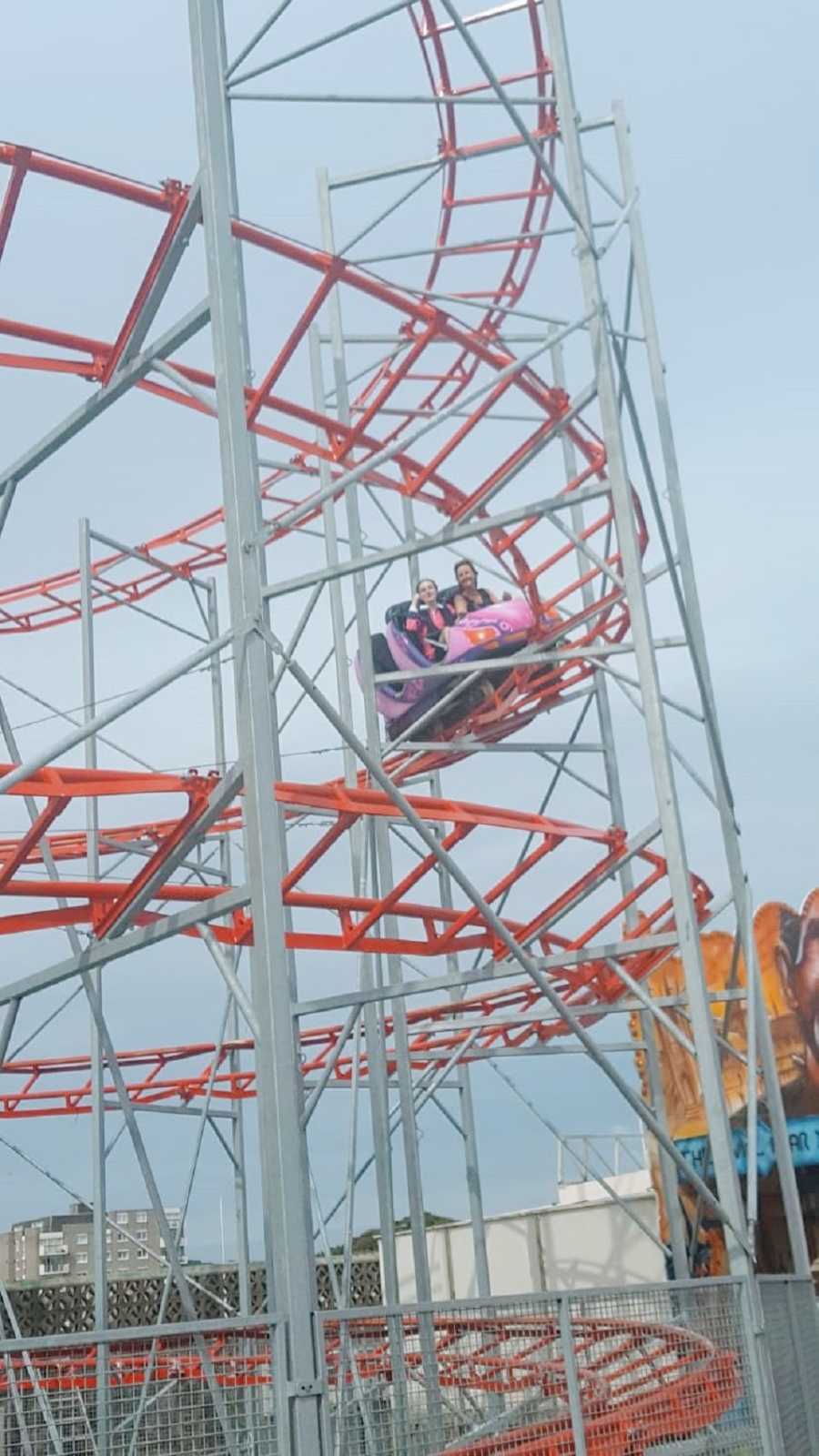
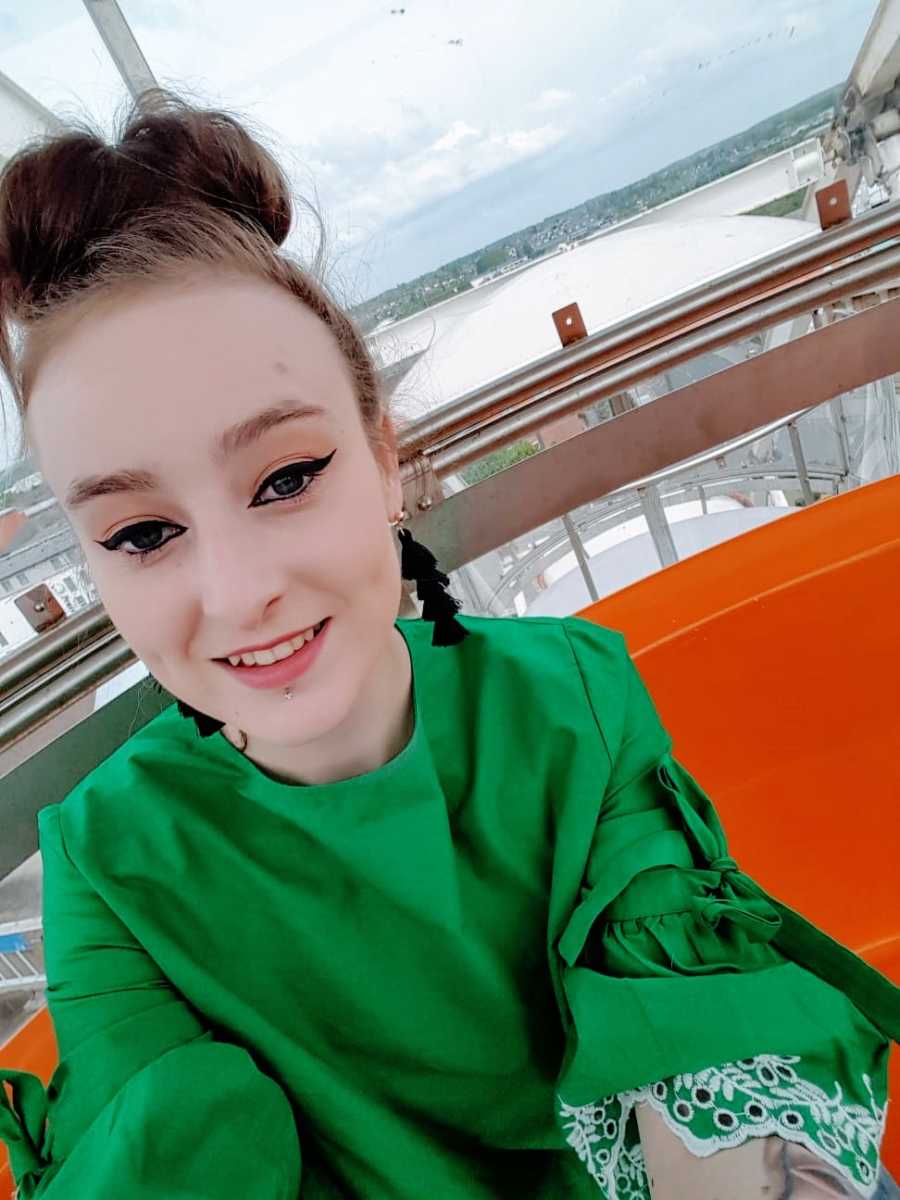
I’ll never forget a particular day in 2019. My family and I were on holiday in Somerset, UK, and it was our last day. Because I’m often limited in what I can do, my family asked me what I wanted to do. I chose to go to the fair. I wasn’t expecting much—maybe one ride, maybe none—but just being there and soaking in the atmosphere was enough. I was nervous and anxious, but happy just to be out.
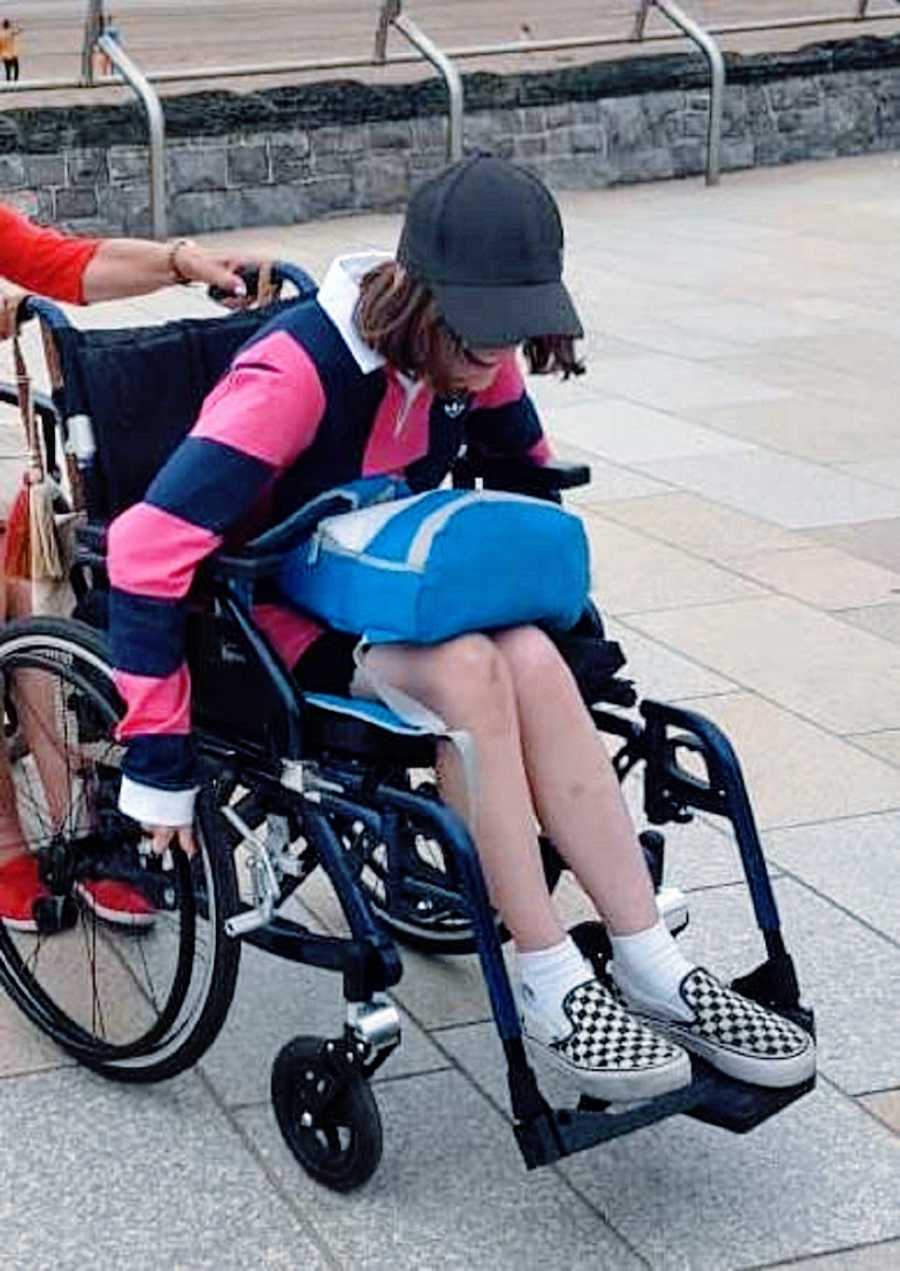
As I navigated the fair in my wheelchair, a ride caught my eye—it had a ramp I could use. I hesitated but decided to get in line. Then a man approached me and asked, “Hey, do you want to come on the ride? You don’t have to wait.” He was the operator. Shocked, I replied, “Really?!” He smiled and said, “Of course.” Moments like this rarely happen, and I was overwhelmed with gratitude.
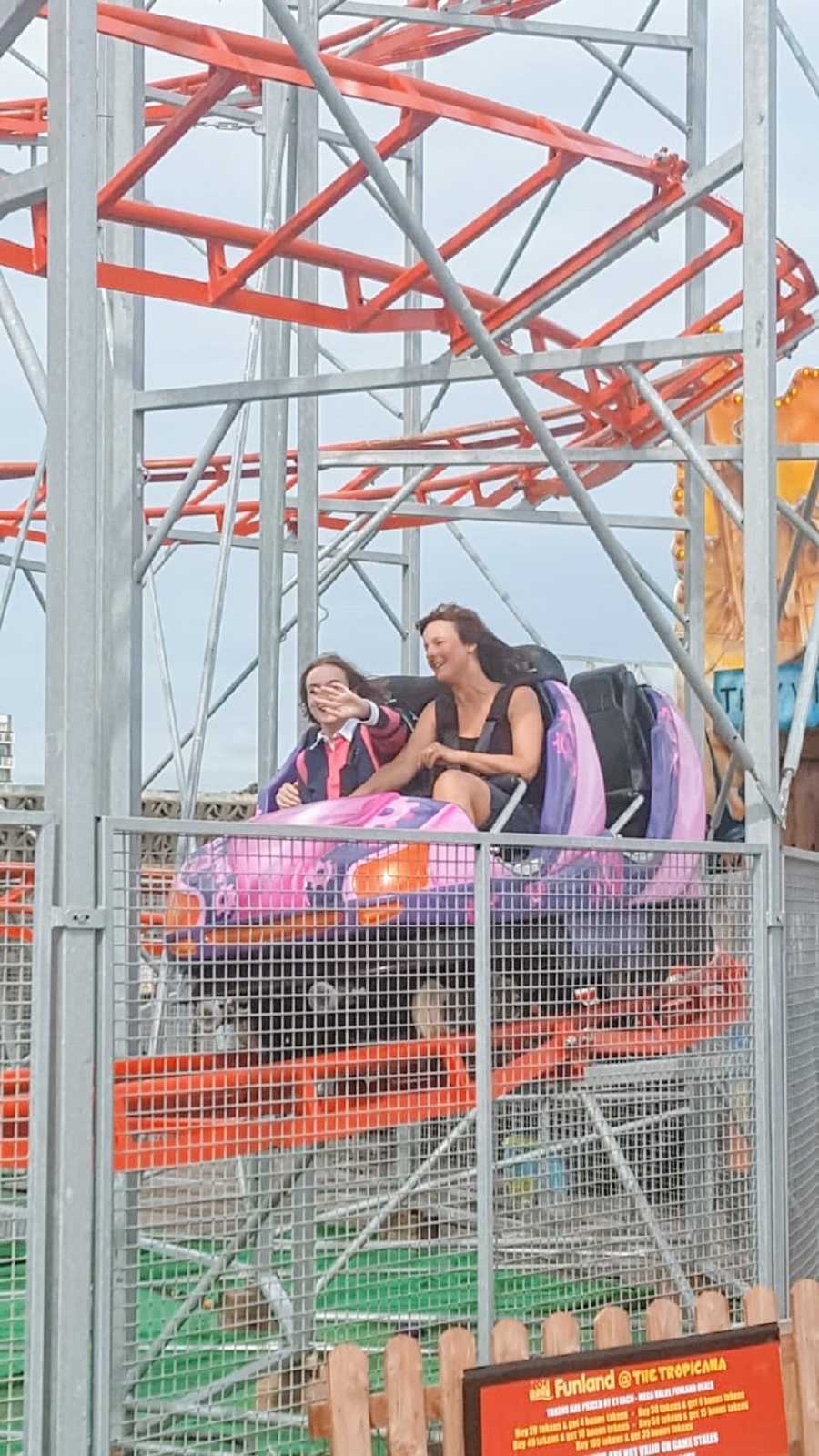
He guided me to the front of the line, and thankfully, the other people waiting didn’t mind. When we boarded, he told me, “There’s one condition—you have to have fun, okay? Make sure you scream!” I went on the ride with my mom, screamed my heart out, and it was exhilarating. I couldn’t believe he was letting me ride without waiting—and for free. Not only that, he encouraged me to ride again. By the end of the day, I had gone on the ride five times!
As I thanked him repeatedly, he ran off and returned a few minutes later with a small gift—a cuddly toy dog and a hat—because I had mentioned I liked dogs. That gesture left me emotional and incredibly grateful. For the rest of the day, I felt a warmth and joy that carried me through every moment. This random act of kindness made me feel seen, valued, and special, something I rarely experience.
Even now, I think about that moment and how his simple kindness restored my faith in humanity. It reminded me that there are good, genuine people in the world, willing to make life brighter for others. I hope anyone reading this, especially those who feel invisible or overlooked, can take comfort in that message. Small gestures can matter more than we know—they can light up someone’s day, week, or even their life.
Acts of kindness, no matter how small, can have an enormous impact. Whether it’s letting someone skip a line, offering a smile, or sharing a moment of understanding, it can stay with someone for years. That day at the fair is one I will never forget—a reminder that even in a life filled with limitations and challenges, there are moments of pure joy, hope, and human connection that make it all worthwhile.