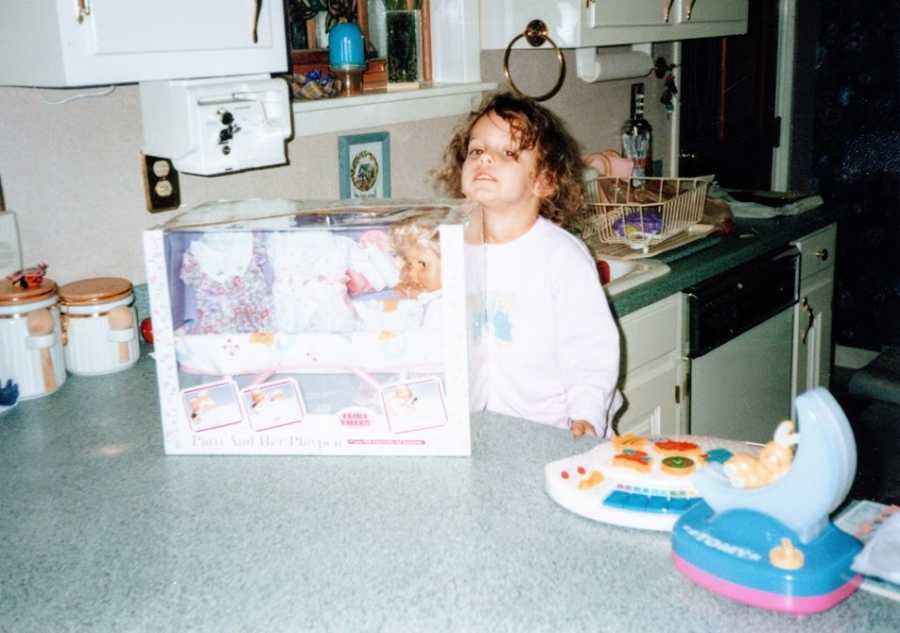
Since I was a little girl, I dreamed of having a baby. I imagined the tiny fingers and toes, the first smile, the soft weight in my arms. What I didn’t know at 14 was that this dream would be completely shattered. I remember walking down the long hallway to the doctor’s office, escorted by a nurse after an abdominal and pelvic ultrasound at the OBGYN’s office. Sitting there alone, just me and the doctor, while my dad waited outside, I was told words that would stay with me for years: I would never be able to carry my own baby. Devastation washed over me, a heartbreak so profound it felt like it would never fade.
I was diagnosed with Mayer-Rokitansky-Küster-Hauser Syndrome, or MRKH—a condition that affects only 1 in every 4,500 women. I was born without a uterus or cervix, though my ovaries and fallopian tubes were normal. The news left me reeling, realizing that carrying a child, the very thing I had always dreamed of, would be impossible.
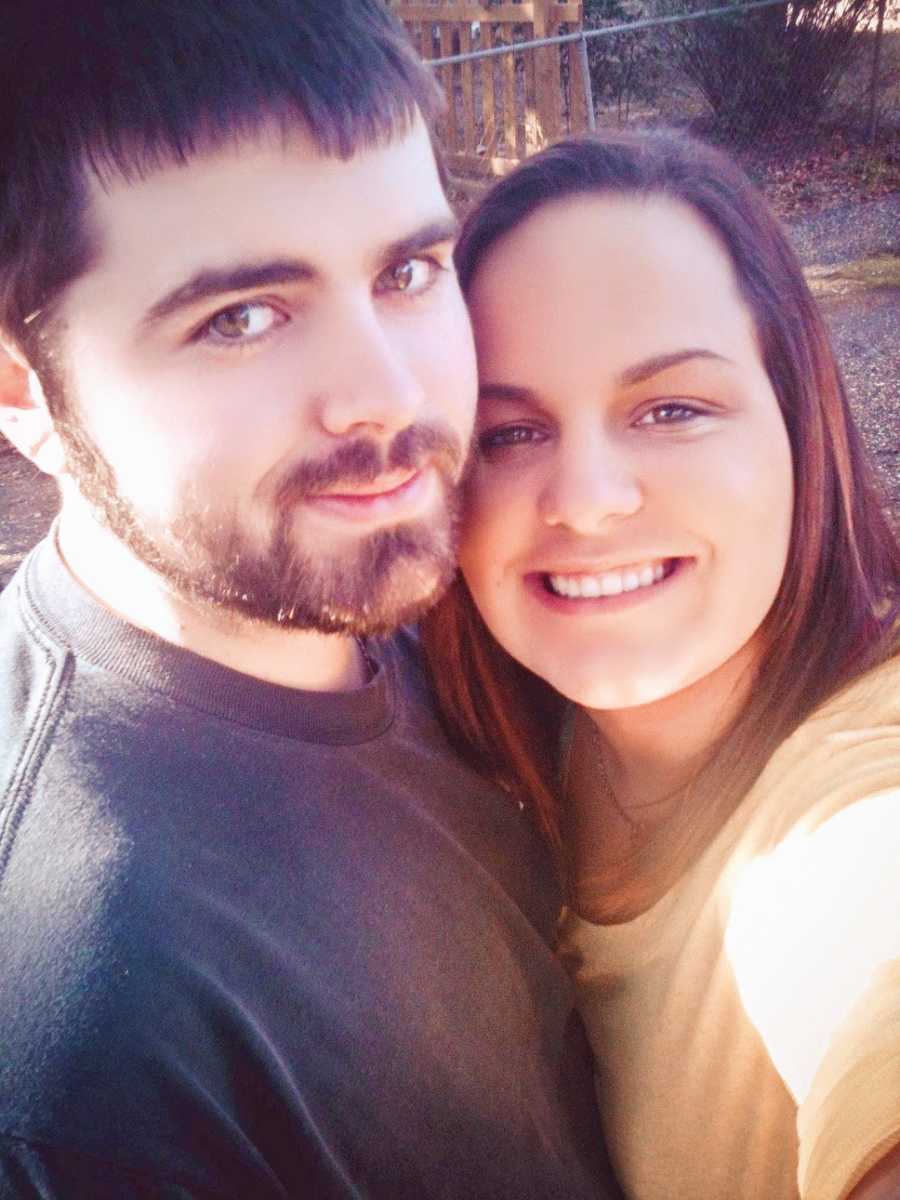
Years later, when Timmy and I started dating in 2011, I knew I had to share this truth with him—a conversation I had feared since I was a teenager. I told him I still wanted to be a mom, to experience pregnancy and motherhood, and that surrogacy would be the only path. From the very beginning, he embraced my dream with open arms, assuring me he would love me no matter what.
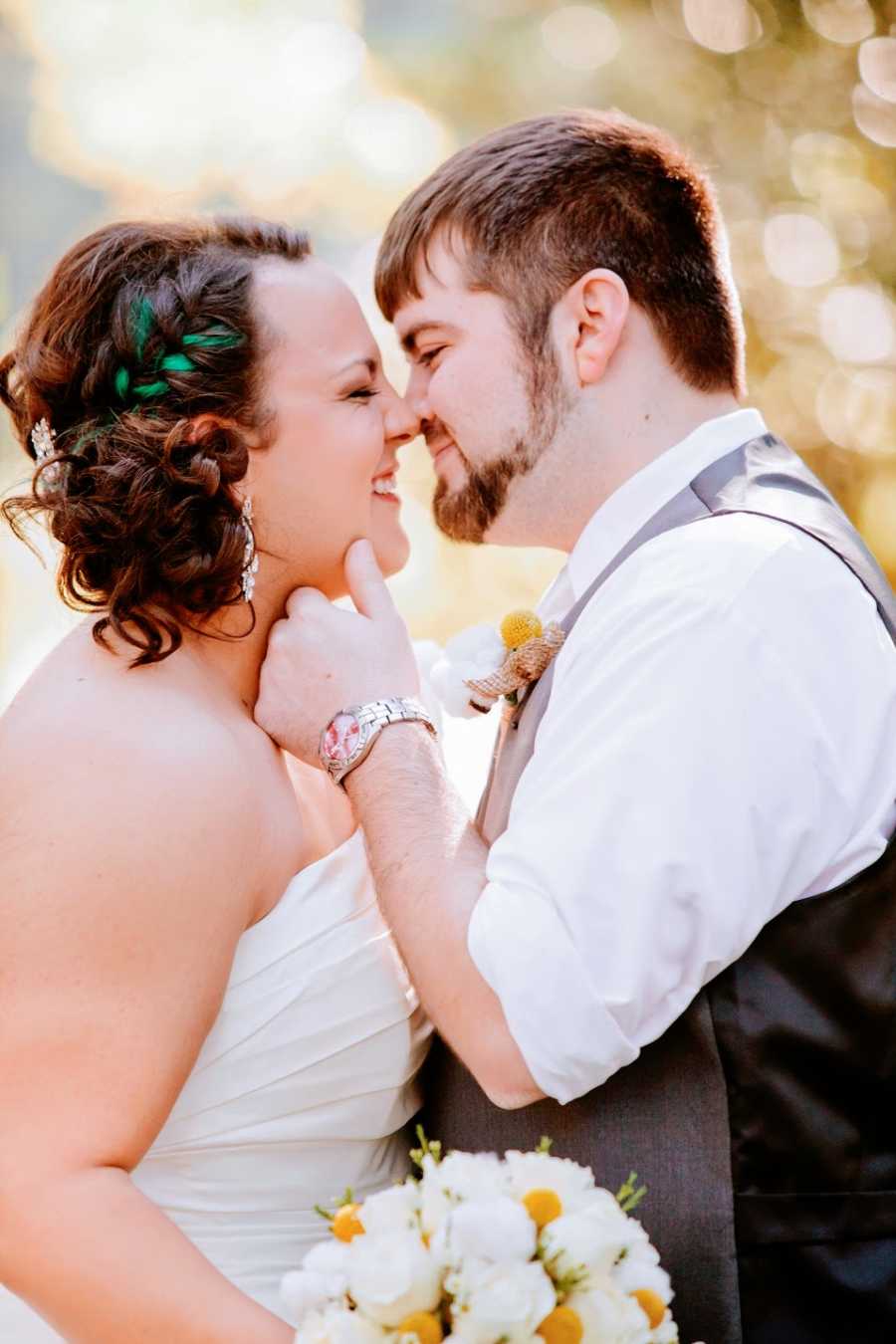
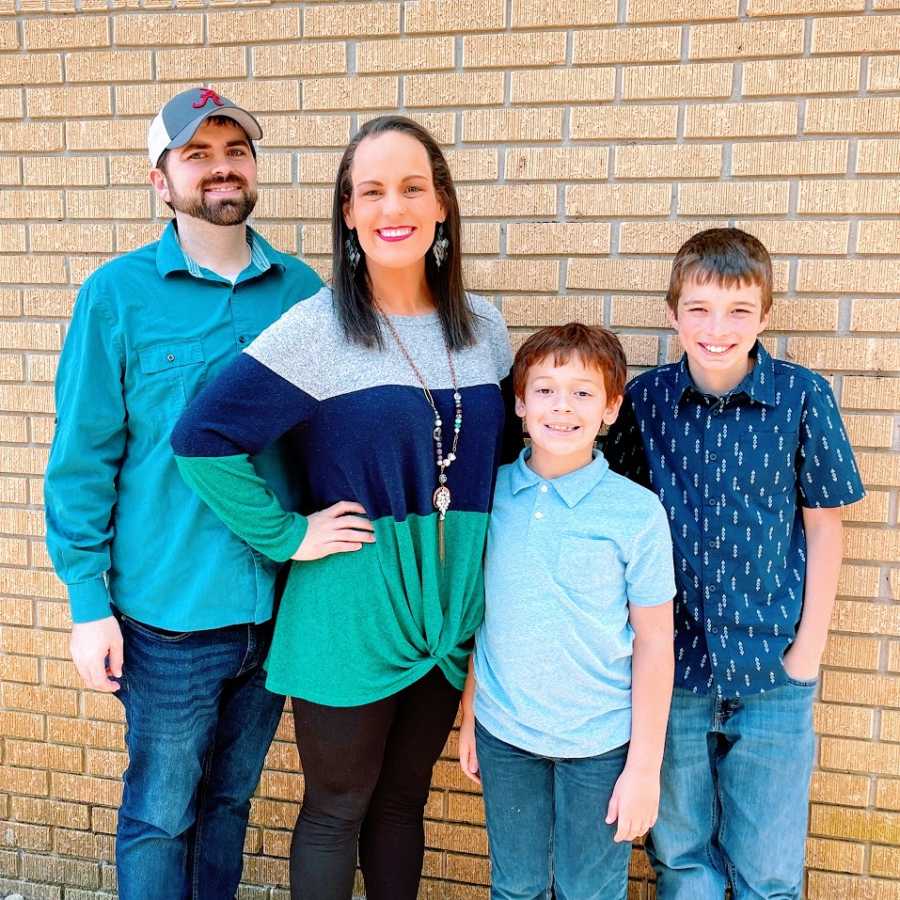
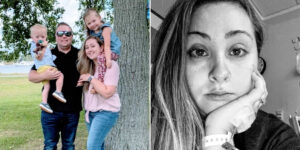
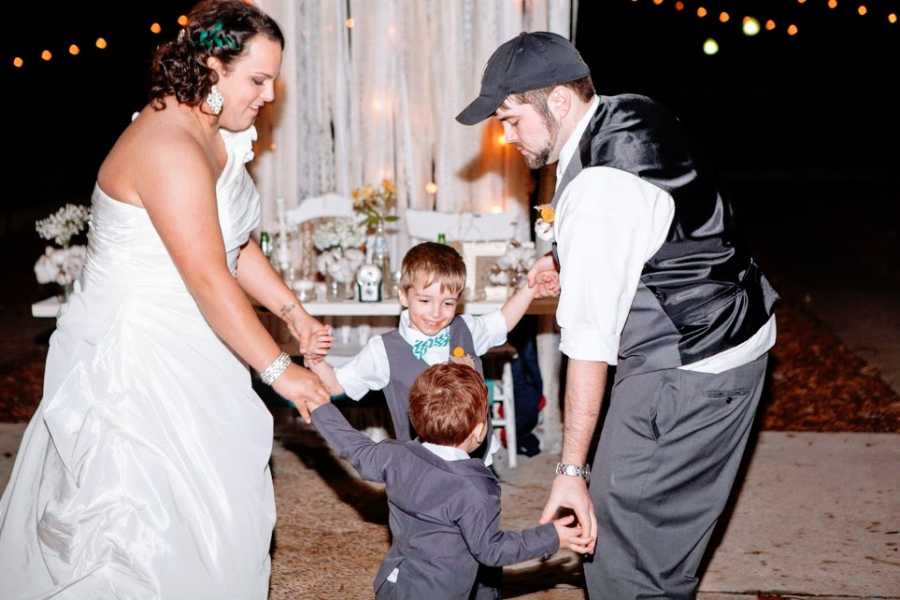
I have been blessed in so many ways. Timmy has a son, TJ, from a previous relationship, and shortly after we began dating, I adopted my five-week-old nephew, Jayden. The boys are now 11 and 9, and they’ve filled our lives with joy. But even with this family I cherish, the longing to have a biological child of my own never faded. Everywhere we go, people ask, “Are you two going to have a baby together?” If only they knew the journey that has brought us to this point.
I have always imagined the feeling of our own baby kicking inside me, the rush of holding them for the first time, searching for resemblances of Timmy and myself, and watching them grow. I longed to complete our family in a way I had only dreamed of.
In 2012, at age 20, I first read about uterus transplant trials in Sweden. I was fascinated by the medical possibility, but thought, Surely this will never happen in the United States. I was wrong. In 2016, Cleveland Clinic launched a uterus transplant trial in the U.S., followed by Baylor and the University of Pennsylvania. I reached out to all three programs, only to learn I didn’t meet the criteria—they required relocation and a BMI under 30. My dream seemed to slip further away.
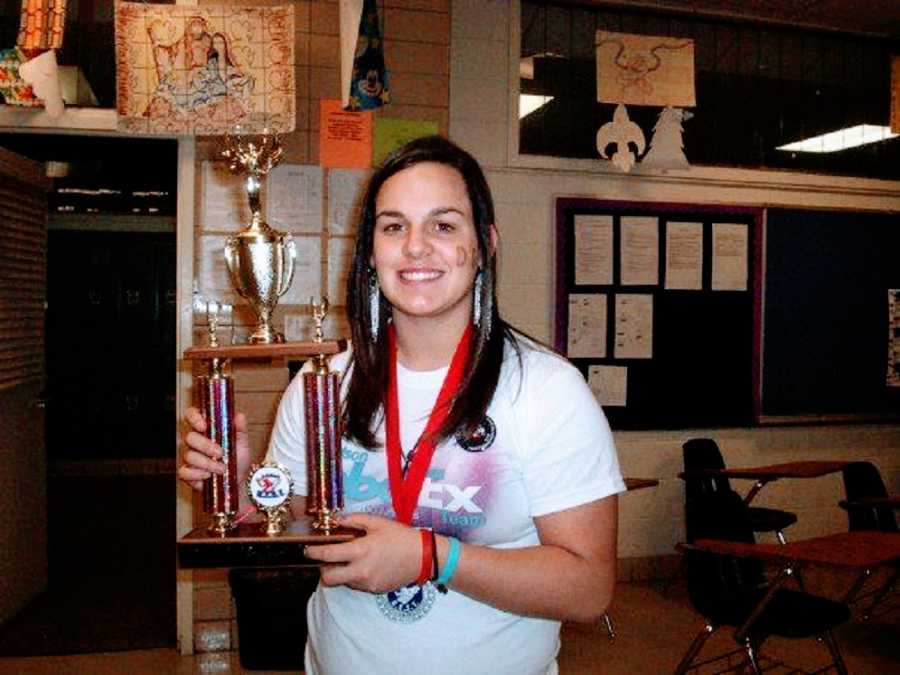
Then, in the middle of the pandemic last year, I started a nutrition-focused program. My goal was simple: feel healthier and stronger by the time I turned 30. By October, four months in, I had lost 80 pounds. That same week, I stumbled upon a post in my MRKH support group that left me in shock—UAB Hospital in Birmingham, AL, was launching a uterus transplant program, just three and a half hours from home. That week, I also hit a BMI of 30. It felt as though every small detail was aligning perfectly.
In November, I kept checking the website for an application link. When none appeared, I called UAB on December 9th. They sent forms and requested my medical records. If I was a good fit, a virtual interview with the transplant surgeon would follow.
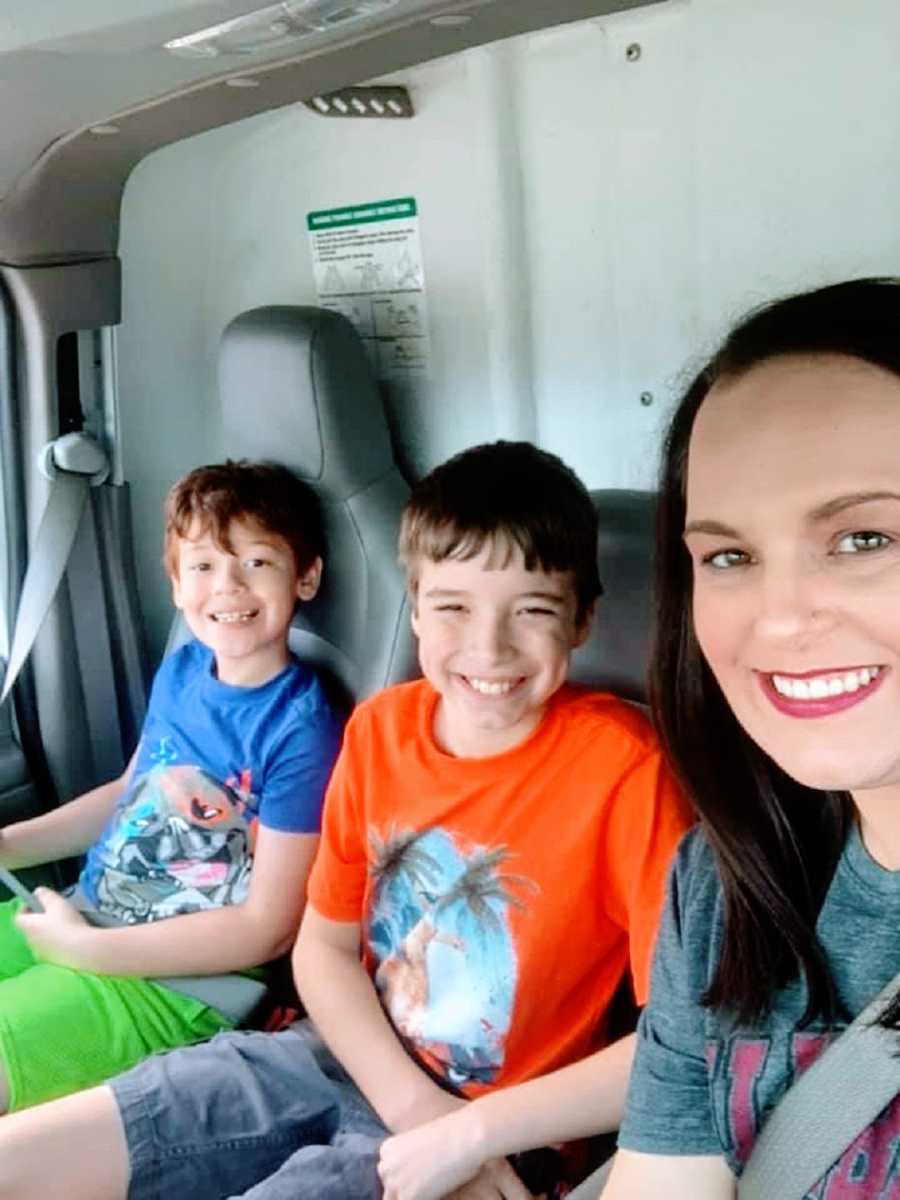
On January 11th, the day before my 29th birthday, I received the call: they had reviewed my records and wanted to schedule the interview. It was the best birthday gift I could imagine. The interview took place on January 19th, and I was both terrified and elated. The hour-long conversation introduced me to the team, outlined the transplant process, and gave me a glimpse of what could finally become a reality. After speaking with Timmy, I confirmed, “We are in it for the next round!” My case was then presented to a panel of doctors to determine whether I would come to Birmingham for a full evaluation.
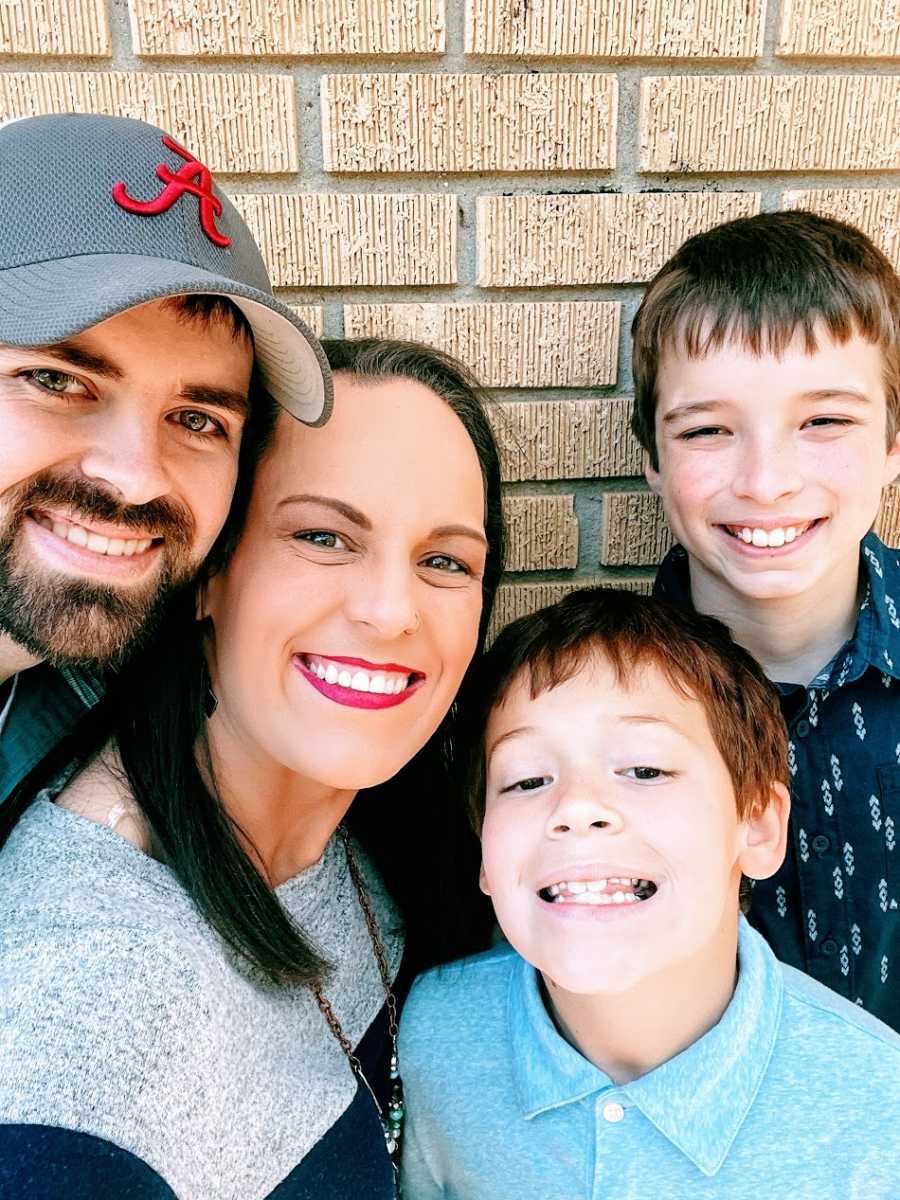
The waiting was agonizing. On February 8th, I was told the team would meet to discuss my case, and three days later—the longest, most anxious days of my life—I received the news I had prayed for: I was approved for a three-day evaluation at UAB. Tears streamed down my face; after years of hope and heartbreak, we were moving to the next step.
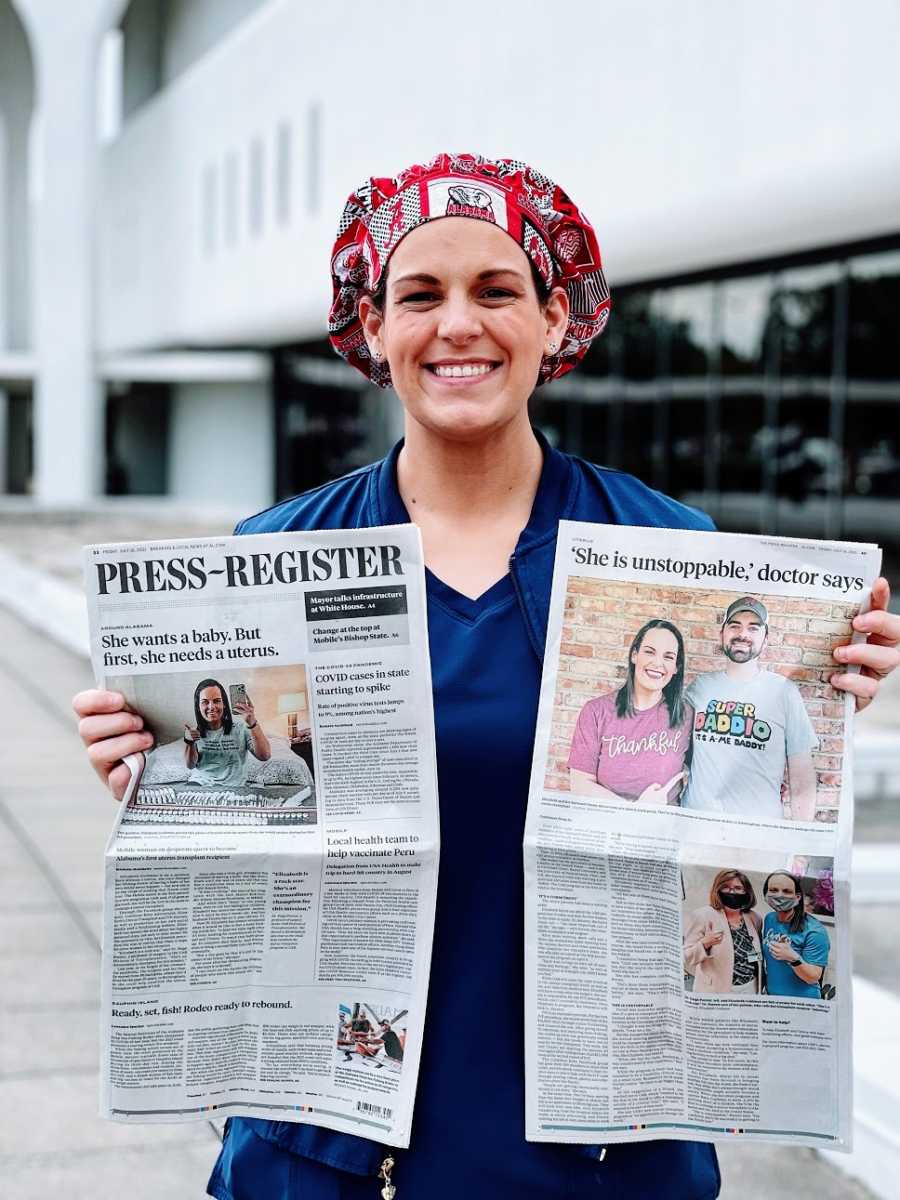
On March 1st, Timmy and I drove to Birmingham. Several times I looked at him and whispered, “Babe, is this real life?” The coordinator shared that I was the first woman from Alabama to be evaluated for the program—a truly surreal moment. Over the next three days, meeting the entire UAB team and speaking with Dr. Porrett, the lead transplant surgeon, felt like living a dream. We left counting down the days until April 6th, when the team would review my results and decide if I would be listed for transplant.
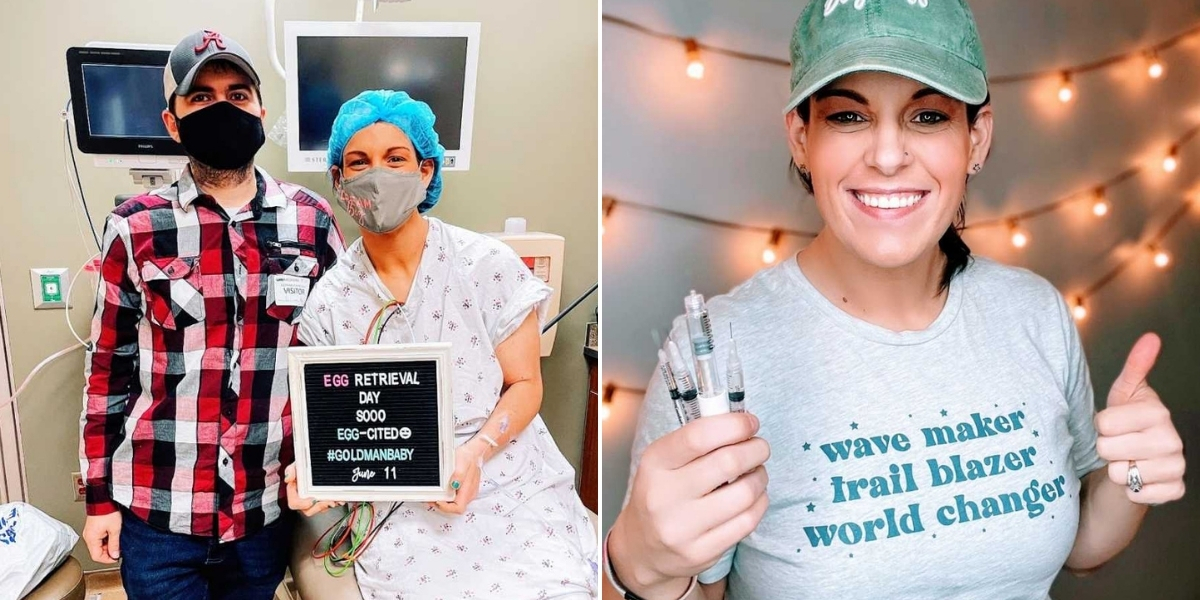
A little over a month later, we received the call: the doctors approved moving forward, contingent on creating viable embryos. In June, we attempted IVF, hoping for at least two good embryos. We only got one, and now we are restarting the process. While the thought of another round of IVF was daunting, I refused to give up.
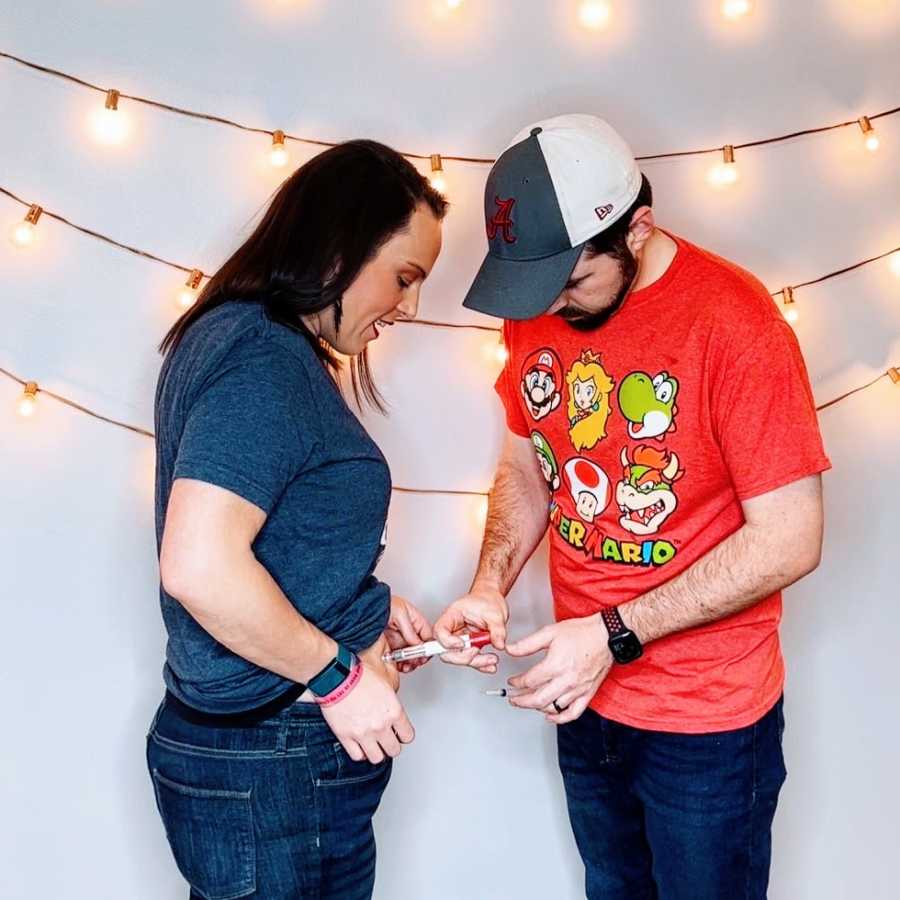
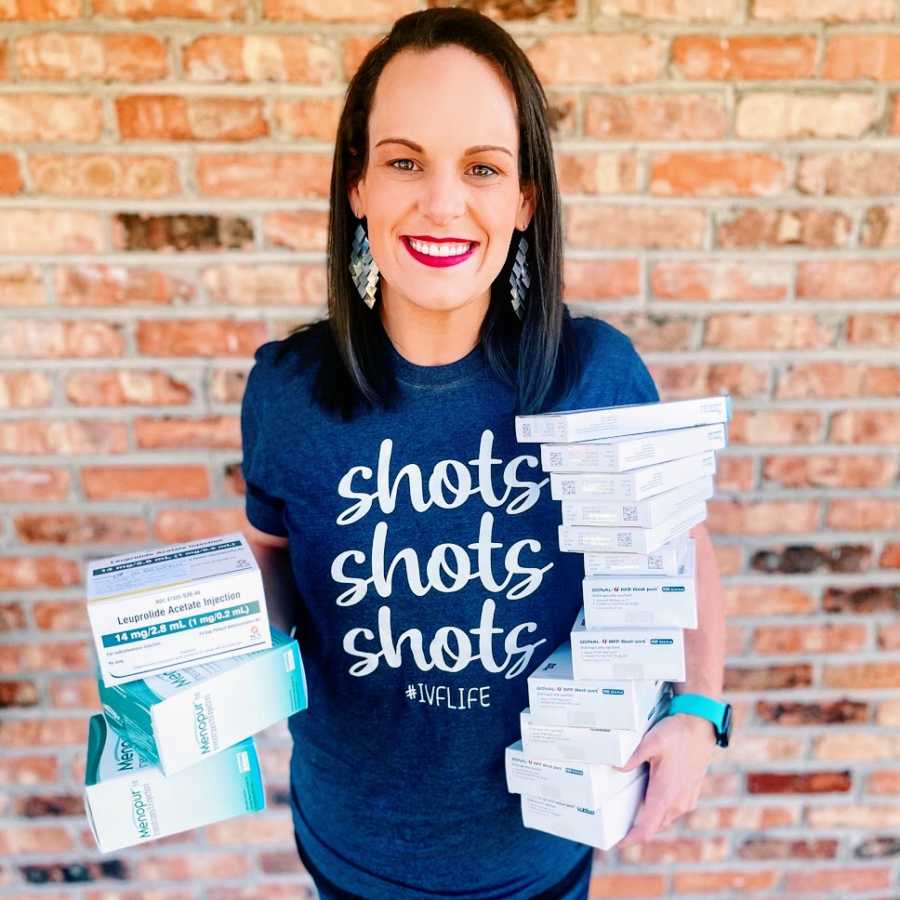
Our story has grown beyond us. The Facebook group I started, Goldman Baby Adventures: Elizabeth’s Uterus Transplant & IVF Journey, has expanded from a few supporters to over 1,400 people cheering us on. Messages pour in from women diagnosed with MRKH and others struggling with infertility, thanking us for sharing our journey and giving them hope.
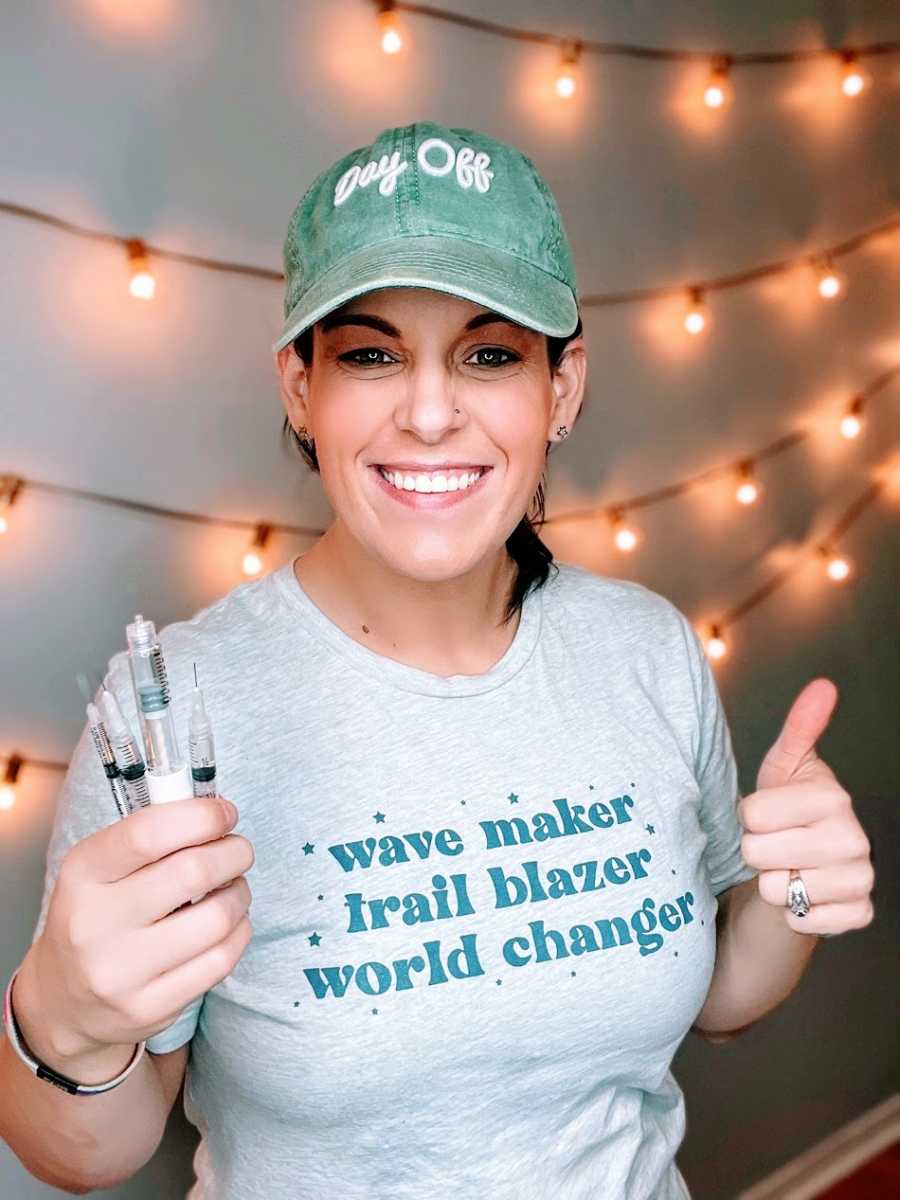
Here’s what’s ahead: multiple trips to Birmingham for IVF appointments and egg retrievals, followed by listing for the uterus transplant. Once a donor is matched, surgery will occur. Approximately six months later, we will transfer one of our embryos, with a planned C-section at 37 weeks. To participate, we must temporarily relocate to Birmingham, leaving jobs, friends, and family, fully dedicating ourselves to this dream.
UAB is covering medical costs for surgery and medications, estimated at $200,000–$300,000, but IVF, travel, relocation, and OB care remain our responsibility—a daunting but worthy challenge.
We are beyond grateful and excited for this opportunity. We hope that sharing our story will inspire thousands of women, advance medical possibilities, and show that even the impossible can become reality. Thank you for your love, support, prayers, and encouragement. We cannot wait to meet our baby and begin this next chapter of our lives.